What Is an Acid Alkali Cleaning Brush Roller?
An acid alkali cleaning brush roller is a cylindrical brush assembly with bristles, a core, and mounting hardware made from materials specifically chosen to withstand prolonged exposure to acidic or alkaline cleaning agents. Unlike general-purpose brush rollers, these are engineered to maintain structural integrity, bristle retention, and cleaning effectiveness even when splashed with harsh chemicals. Common applications include metal coil cleaning, food processing washdown zones, chemical tank passivation, and laboratory equipment decontamination.
Common Material and Construction Options
Material selection is the single most important factor in building a brush roller that survives chemical splash. Bristle materials must resist both the specific chemical and the mechanical demands of the cleaning process. Below is a practical comparison of typical materials used in acid alkali cleaning brush roller construction.
| Material | Acid Resistance | Alkali Resistance | Stiffness | Temperature Limit | Typical Applications |
|---|---|---|---|---|---|
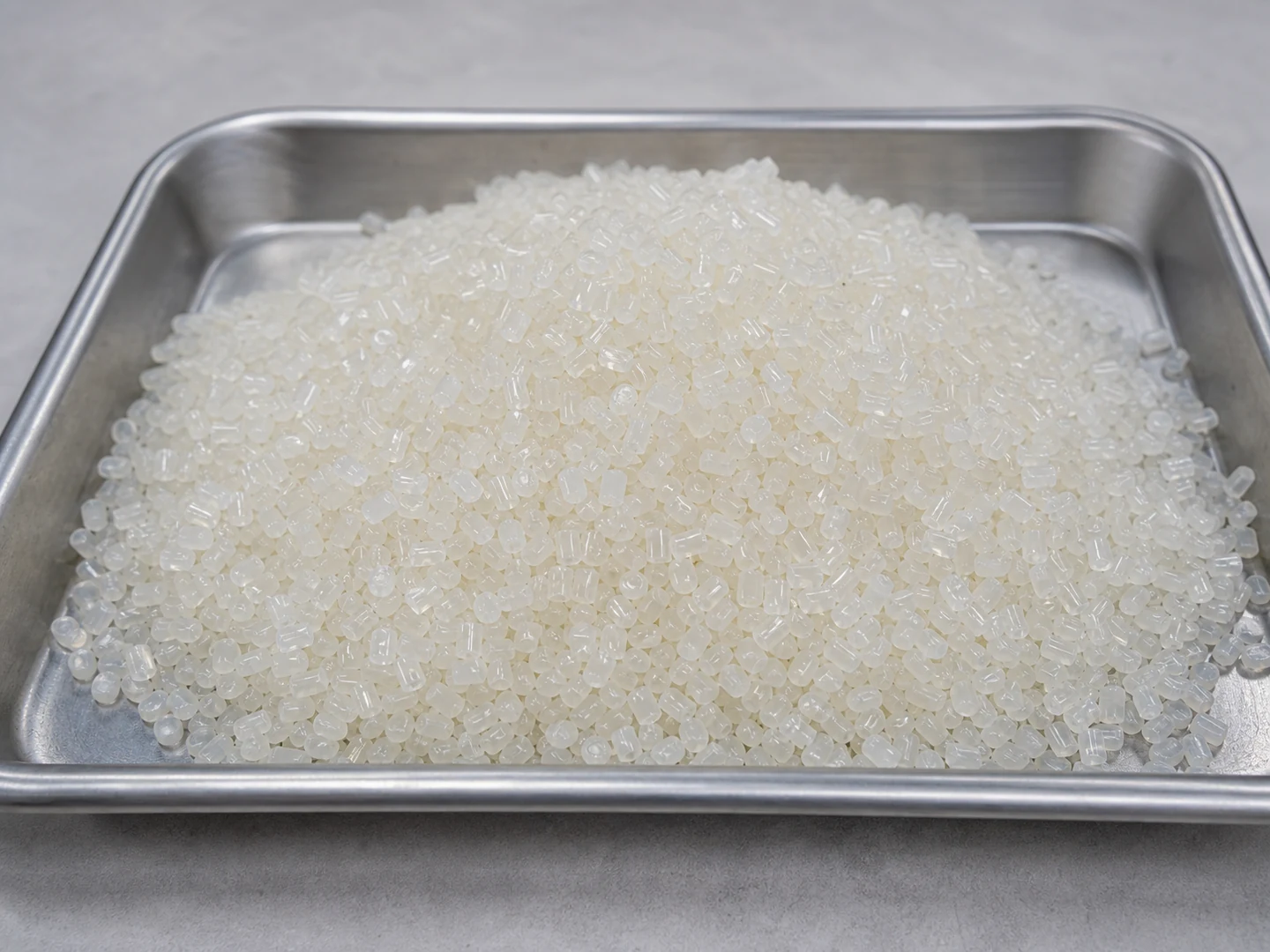
| Polypropylene (PP) | Excellent (most acids) | Good (strong alkalis may soften over time) | Low-Medium | Up to 140°F (60°C) | General chemical washdown, food processing, light surface cleaning |
| Nylon 6/6 | Moderate (avoid strong oxidizing acids) | Good (resistant to many alkalis) | Medium-High | Up to 220°F (104°C) | Metal coil cleaning, surface treatment, higher load scrub applications |
| TPE (Thermoplastic Elastomer) | Good to Excellent (formulation-dependent) | Good | Low (flexible) | Up to 180°F (82°C) | Sensitive surfaces, wet wipes with chemical solution, sponge-like contact |
| PBT (Polybutylene Terephthalate) | Good (weak acids, hydrocarbons) | Moderate (strong alkalis may cause hydrolysis) | High | Up to 250°F (121°C) | Higher temperature chemical cleaning lines, rigorous mechanical scrubbing |
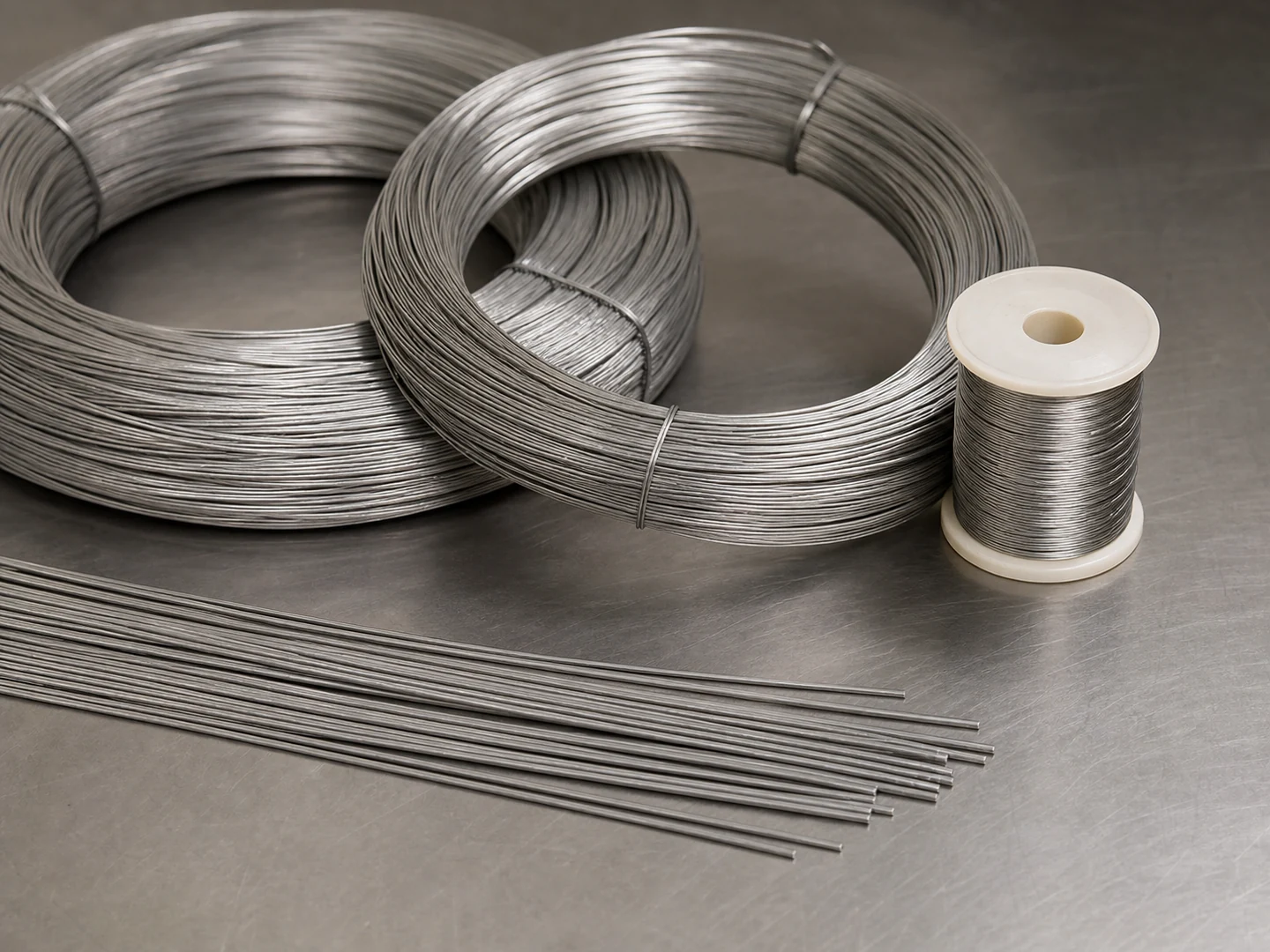
| Stainless Steel Core (304/316L) | 316L better for acid splash; avoid chlorides | Good overall | N/A (structural) | High (up to 500°F+) | Heavy-duty brush roller cores, shaft mounting where rigidity is critical |
Core and mounting material must match or exceed the chemical resistance of the bristles. PVC, HDPE, and FRP cores are alternatives for lower cost and weight, but may not tolerate high temperatures or strong oxidizing acids.
Diameter, Stiffness, and Mounting Options
Brush roller diameter influences the wrap angle and contact footprint on the target surface. A larger diameter typically reduces bristle deflection for a given load and enables higher linear speeds. Stiffness, often defined by bristle diameter and trim length, determines the scrubbing pressure and whether the brush is suitable for aggressive cleaning or gentle wiping. Mounting options range from simple keyed shaft bores to flanged end caps with bearing journals. The mounting interface must align exactly with your machine’s drive and support arrangement; even small misalignments can cause vibration, uneven wear, and premature failure. For wet or chemical-exposure environments, all exposed hardware—screws, set collars, and clamping elements—should be made from the same chemical-resistant material family to prevent galvanic corrosion or chemical attack at the weakest point.
How to Choose the Right Acid Alkali Cleaning Brush Roller
Before shortlisting suppliers, evaluate these key selection factors:
- Chemical Compatibility: Identify the exact chemicals, concentrations, and temperatures. Use manufacturer chemical resistance charts for both bristle and core materials. When in doubt, request immersion test data or perform a coupon test.
- Residue Type: Determine if the brush needs to remove heavy scale, greasy films, dried chemical residue, or just a light dusting. Abrasive-filled bristles (e.g., silicon carbide grit in nylon) may be required for stubborn deposits, but they also change the surface finish.
- Surface Sensitivity: Polished, coated, or soft metal surfaces demand softer bristles and lower contact pressure to avoid scratching or erosion. A TPE or soft polypropylene brush may be needed instead of a stiff nylon.
- Equipment Interface: Measure shaft diameter, overall length, brush face width, and note the rotational speed and direction. Provide a detailed drawing to suppliers to avoid interface issues.
- Wet vs. Dry Operation: Chemical splash implies wet operation, so the brush roller must have drainage channels or a non-absorbent core to prevent liquid pooling and chemical concentration inside the brush structure.
- Hygiene Expectations: For food, pharmaceutical, or cleanroom applications, the brush roller material must be non-toxic, non-absorbent, and easy to sanitize. Open bristle patterns and minimal crevice spaces help.
- Maintenance Frequency: Lines that run continuously may benefit from a more durable, higher-cost material that extends replacement intervals. Balance upfront cost against downtime cost.
- Custom Size Requirements: Off-the-shelf brush rollers rarely match every line perfectly. Be prepared to order custom diameters, lengths, or bristle patterns and allow for supplier drawing approvals.
Common Mistakes When Selecting Chemical-Resistant Brush Rollers
Avoid these pitfalls that often lead to short brush life or production issues:
- Mistake 1: Assuming Generic Chemical Resistance. Nylon withstands many chemicals but degrades quickly in strong acids like hydrochloric or nitric. Always cross-reference specific chemical resistance data.
- Mistake 2: Ignoring Core and Mount Material. A highly resistant bristle is useless if the stainless steel core corrodes or the plastic hub softens from chemical splash. Verify every wetted component.
- Mistake 3: Choosing Stiffness by Guesswork. Overly stiff bristles can scratch sensitive surfaces; overly soft bristles won’t clean effectively. Work with suppliers to match stiffness to required pressure and surface tolerance.
- Mistake 4: Overlooking Temperature Effects. Chemical resistance charts often list room temperature data. At elevated temperatures, many plastics lose strength and resistance faster.
- Mistake 5: Buying Based on cost drivers Alone. A cheaper brush roller that fails in days costs far more in downtime and replacement labor than a properly specified unit.
- Mistake 6: Skipping Sample Testing. Even with perfect chemical charts, real-world splash patterns, drying cycles, and mechanical stress can reveal unexpected weaknesses. Always test a prototype or small batch first.
When an Acid Alkali Cleaning Brush Roller Is the Wrong Choice
An acid alkali cleaning brush roller may not be the right solution in these situations:
- Extreme Temperatures: Above 250°F (121°C), most polymer bristles soften or degrade. Stainless steel wire brushes with abrasive grit may be needed, but they can damage surfaces and introduce metal contamination.
- High Abrasive Load: If the cleaning process involves heavy mechanical scrubbing to remove weld slag, thick scale, or hardened deposits, a brush roller with impregnated abrasive (e.g., ceramic grit) or a separate abrasive-belt system may be more effective.
- Complex or Internal Geometries: A cylindrical brush roller cannot fully clean deep crevices or internal passages. In such cases, consider high-pressure spray nozzles, ultrasonic tanks, or custom-shaped brush tools.
- Unknown or Aggressive Chemicals: When the cleaning solution is a trade-secret mixture or untested combination, consult a chemical compatibility database and always conduct a material immersion test before committing.
- Non-Standard Mounting: If the existing machine has an unusual shaft configuration or no room for a standard brush roller, a custom-engineered solution with supplier drawing review is mandatory—and sometimes a complete redesign of the cleaning station is more cost-effective.
Final Takeaway
Selecting an acid alkali cleaning brush roller for wet or chemical-exposure environments is a balance of chemical compatibility, mechanical fit, and operational longevity. Start by documenting your chemical exposure, surface requirements, and machine constraints. Use that data to filter material options, then validate your choice through supplier technical review and sample testing. A well-chosen brush roller reduces downtime, protects product quality, and lowers total cleaning cost—without overshooting the application’s true needs.
Frequently Asked Questions
What materials are best for strong acid cleaning solutions?
Polypropylene and certain TPE formulations excel with strong acids like sulfuric or hydrochloric at moderate temperatures. For stronger oxidizing acids (e.g., nitric, chromic), check specialized chemical resistance guides—PFAS-based materials may be required but carry much higher cost.
Can the same brush roller handle both acid and alkali chemicals?
Many plastics, such as polypropylene and nylon, offer good resistance to both acids and alkalis. However, a material that performs well in one may suffer in the other under prolonged exposure or elevated temperatures. Always confirm compatibility with your specific chemical pair and concentration range.
How do I determine the right bristle stiffness for my surface?
Start with the surface hardness and allowable pressure (psi). A soft TPE brush (< 10 Shore D) suits delicate films or polished finishes; a stiff nylon or PBT brush (> 40 Shore D) provides aggressive scrubbing for heavy scale. Request stiffness data from suppliers and test on a sample coupon.
What is the typical lead time for custom acid alkali cleaning brush rollers?
Lead times vary widely depending on material availability and complexity. Standard stock sizes may ship in days; custom-diameter, custom-trim brushes often require 4–8 weeks including drawing approval. Always factor this into your procurement plan and avoid last-minute orders.
How often should I replace chemical splash brush rollers?
Inspection intervals depend on chemical concentration, operating hours, and mechanical loading. Start with a visual check every 200–500 operating hours looking for bristle shedding, core swelling, or mounting play. Extend or shorten based on observed wear patterns.
Can I use a regular brush roller for mild wet or chemical-exposure environments?
If the chemical exposure is incidental (light mist, low concentration, room temperature), a standard nylon or natural fiber brush may survive temporarily. But any prolonged contact usually leads to premature failure. For reliable production, specify a chemical-resistant brush roller to avoid unscheduled downtime.
What information should I include in an RFQ for a chemical-resistant brush roller?
Include the brush outside diameter, face length, shaft bore or mounting interface, trim length, bristle material and stiffness preference, core material, expected chemical environment (with concentrations and temperature), operating RPM, and surface being cleaned. A dimensioned sketch or existing sample greatly accelerates quotation accuracy.
Technical References
- OSHA — Hazard Communication
- OSHA — Chemical Hazards and Toxic Substances
- World Stainless — Corrosion Resistance of Stainless Steels
Which bristle material fits this job — Nylon PA, AISI 304 Stainless Steel Wire or PBT?
| Material | Continuous temperature (°C) | Peak temperature (°C) | Water absorption | Hardness |
|---|---|---|---|---|
| Nylon PA | 93 | 121 | 0.3–9% by PA grade and conditioning | Medium to firm; filament diameter and trim length control bending force. |
| AISI 304 Stainless Steel Wire | 400 | 500 | 0% | Rockwell B 70–95 depending on temper and cold work |
| PBT | 120–140 | 160–180 | 0.05–0.20% | Shore D 80–90 |
| Polypropylene PP | 80–100 | 120–140 | ≤0.03% | Shore D 65–75 |
Figures as published by Brushtec / DuPont; Alleima; Perlon. Confirm the exact grade against the supplier datasheet before ordering.
What should replace Nylon PA for chemical splash??
- Nylon PA — Compare Nylon PA with PP, PBT, PET. Change material when wet stiffness, temperature, chemical resistance, conductivity, particle shedding, or surface marking becomes the limiting factor.
- AISI 304 Stainless Steel Wire — Use AISI 316 stainless steel wire for chloride, marine, dairy, beverage, chemical washdown, or higher pitting-resistance requirements. Use carbon steel for dry aggressive cutting and brass or abrasive nylon for lower marking risk.
- PBT — Compare PBT with Nylon, PP, PET. Change material when wet stiffness, temperature, chemical resistance, conductivity, particle shedding, or surface marking becomes the limiting factor.
- Polypropylene PP — Compare Polypropylene PP with Nylon, PBT, PET. Change material when wet stiffness, temperature, chemical resistance, conductivity, particle shedding, or surface marking becomes the limiting factor.