What Is an Acid Alkali Cleaning Brush Roller?
An acid alkali cleaning brush roller is a brush assembly engineered to withstand continuous exposure to aggressive acid and alkali solutions typically found in steel and stainless steel pickling operations. It consists of bristles secured to a central core and is mounted on a driven shaft. As the metal strip passes, the rotating brush mechanically scrubs the surface, complementing the chemical descaling process.
Common Types and Material Options
Brush rollers for pickling lines generally fall into three construction styles:
- Spiral-wound strip brushes: A continuous bristle strip wound helically around the core. Good for even contact and high-speed operation.
- Pressed-in flexible strip brushes: Individual strip segments pressed into machined core grooves. Easier to replace damaged sections.
- Full-fill or solid-block brushes: Bristles densely embedded into the core without strips. Suitable for heavy-duty cleaning where maximum bristle density is needed.
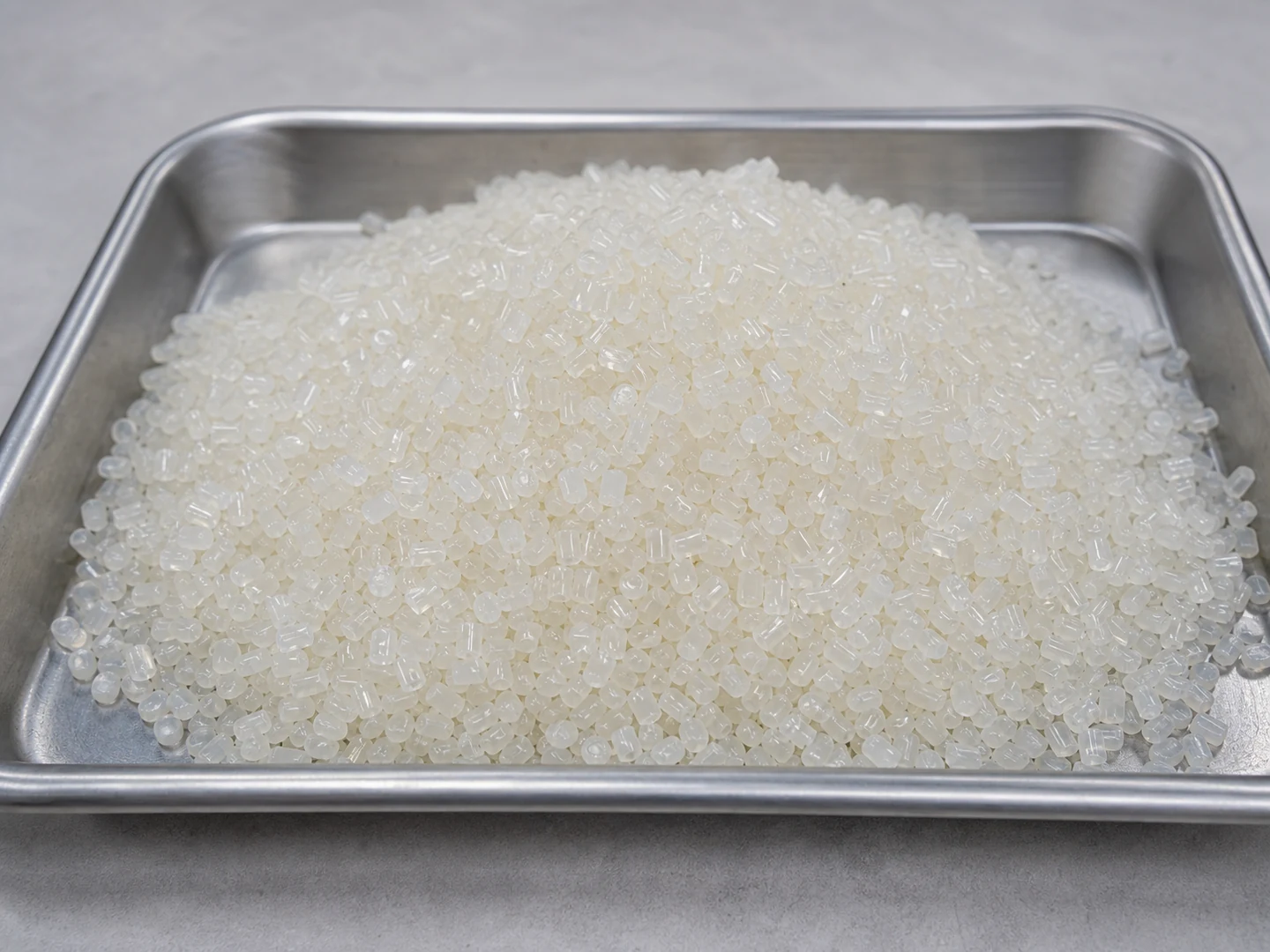
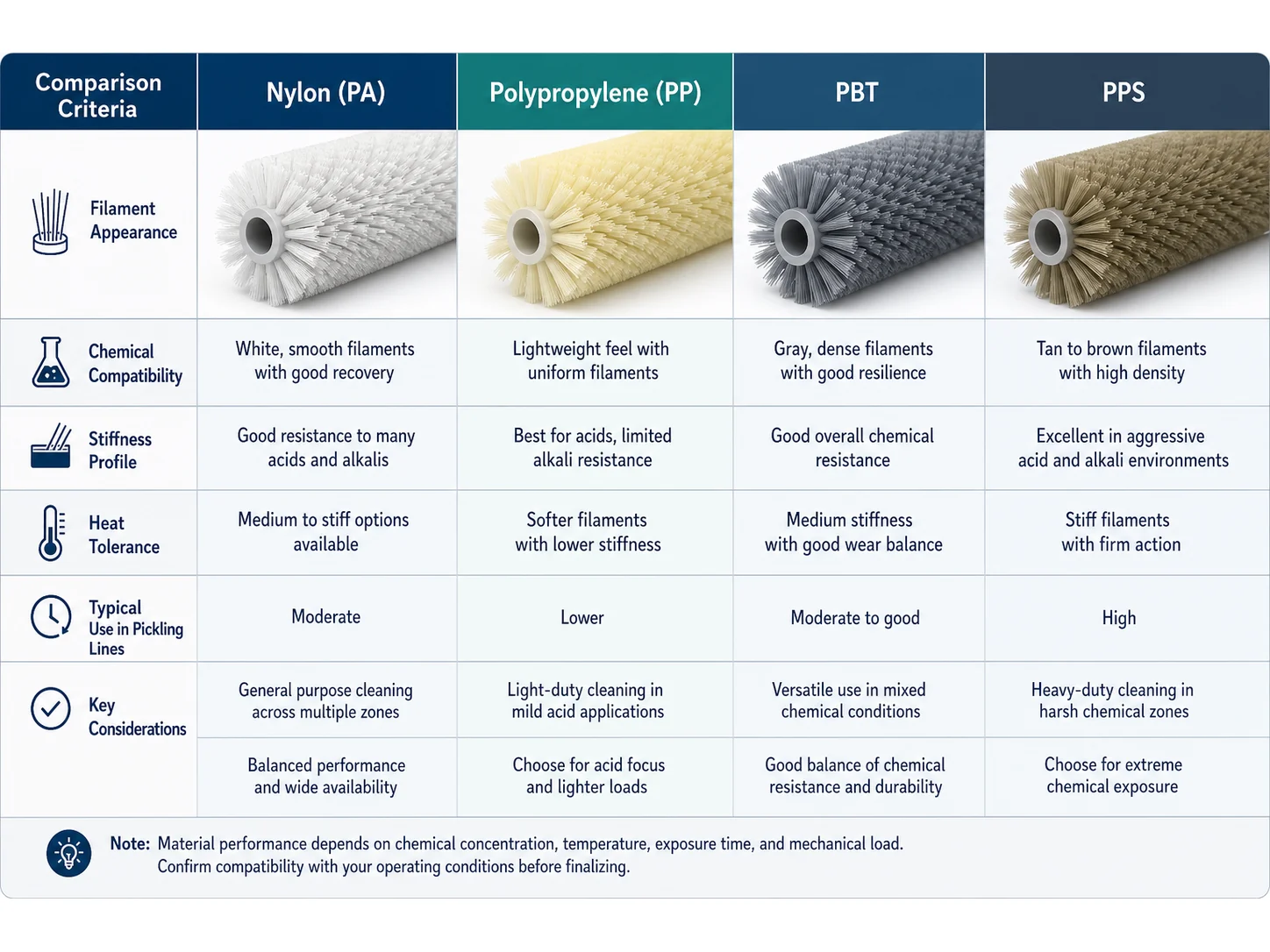
Common bristle materials include polypropylene (PP), nylon (PA6, PA6.6, PA12), and abrasive grit–impregnated nylon. Core materials range from carbon steel (protected) to stainless steel 304/316, aluminum, or engineered plastics like PVC or PU, depending on chemical resistance requirements.
Material Comparison for Pickling Environments
| Material | Chemical Resistance | Max Temp (°F) | Bristle Stiffness | Typical Use Case | Cost/Complexity |
|---|---|---|---|---|---|
| Polypropylene (PP) | Excellent in most acids and alkalis; attacked by strong oxidizers | 180°F | Soft to medium | General acid/alkali scrub, light scale | Low |
| Nylon (PA6, PA6.6) | Good in alkalis; limited in strong acids | 250°F | Medium to stiff | Alkali sections, moderate scale | Medium |
| Grit-impregnated Nylon | Same base nylon resistance | 200–250°F | Very stiff, abrasive | Heavy oxide scale removal | High |
| Tampico (natural fiber) | Good in mild acids/alkalis; degrades in strong chemicals | 160°F | Soft | Fine cleaning, sensitive surfaces | Low |
How to Choose Based on Residue Type and Surface Sensitivity
Start by analyzing the residue that must be removed. Thick, adherent oxide scale often requires stiffer bristles or abrasive grit–impregnated nylon. For light smut or chemical residues, softer polypropylene may suffice. Also consider the base metal: aluminum or other soft alloys should avoid overly aggressive bristles to prevent surface scratching. For stainless steel, non-metallic bristles are critical to avoid iron contamination that could cause rust spots.
Equipment Interface and Mounting Considerations
Brush rollers must integrate mechanically with existing line components. Provide your supplier with precise specifications: shaft diameter, overall brush diameter (new and worn), face length, keyway or set screw type, and maximum allowable runout. Custom sizes are common; never assume a standard brush fits without verifying against original equipment drawings. Also confirm rotation direction and line speed (RPM) compatibility to avoid brush balance issues.
Wet and Chemical Exposure Factors
In pickling lines, the brush is continuously wetted by acid or alkali solutions. Polypropylene offers broad chemical resistance but softens above 180°F. Nylon provides better abrasion resistance but can absorb moisture and swell slightly, which may affect balance. The core material must also resist corrosion: stainless steel 316 is frequently specified for both acid and caustic environments. For extreme pH conditions, consult chemical compatibility charts from material suppliers.
Maintenance Frequency and Brush Life
Brush life depends on bristle wear, chemical degradation, and mechanical loading. Plan to inspect brushes weekly for bristle breakage, core corrosion, or diameter reduction. A common end-of-life threshold is when the brush diameter wears down by 10–15% from new, reducing cleaning pressure below acceptable levels. Keep spare brushes on hand to minimize downtime, and establish a replacement schedule based on production throughput.
Common Mistakes in Brush Roller Selection
- Ignoring chemical compatibility: Choosing a material that softens or degrades in the operating bath leads to premature failure.
- Overlooking core material: A corroded core can cause catastrophic imbalance or brush detachment.
- Incorrect diameter: Too small a brush provides insufficient contact; too large may interfere with strip guides or other equipment.
- Assuming one brush fits all: Different sections (acid vs. alkali) may require different bristle materials.
- Neglecting balance requirements: High-speed lines demand dynamically balanced brushes to avoid vibration and uneven cleaning.
When an Acid Alkali Cleaning Brush Roller Is the Wrong Choice
Brush rollers perform mechanical scrubbing but cannot substitute for proper chemical control. If the pickling bath chemistry (concentration, temperature, agitation) is off, even the best brush will leave scale. Extremely stubborn scale may require multiple brush stages, higher bristle aggressiveness, or alternative cleaning methods like high-pressure spray. When surface finish requirements are critical (e.g., bright annealed stainless), a brush roller alone may not achieve the desired result; consider downstream polishing or passivation. If uncertain, request a sample test with your actual strip material before finalizing the design.
Final Takeaway
Selecting an acid alkali cleaning brush roller is a balancing act between chemical resistance, mechanical robustness, and dimensional fit. Define your residue type, operating temperature, and line speed first, then match the bristle material and core to the environment. Validate every purchase with detailed dimensional checks and, where possible, a trial run. A systematic approach prevents costly trial-and-error and ensures consistent strip quality.
Frequently Asked Questions
What bristle material works best in hydrofluoric acid solutions?
For HF-containing solutions, polypropylene or certain specially treated nylons are often used, but you must verify with chemical resistance data due to HF’s aggressive nature. Always consult the material supplier for exact compatibility.
How do I measure the correct brush roller diameter for my line?
Measure the distance from the shaft center to the strip surface under operating tension, then subtract the desired interference (typically 0.5–2 mm depending on bristle stiffness). Work from the machine builder’s specifications if available.
Can I use the same brush roller for both acid and alkali sections?
It is not recommended unless the materials are proven compatible with both chemicals and temperatures. Acid and alkali baths often differ enough that a compromise brush may fail prematurely.
How often should I replace the brush rollers?
Replacement intervals vary by line utilization and chemical aggressiveness. Many plants replace brush rollers every 3–12 months, but regular diameter measurement and visual inspection should guide the decision.
What is the difference between a strip brush and a full-fill brush?
A strip brush has bristle segments held in a metal channel wrapped around the core, making it easier to replace sections. A full-fill brush has bristles directly embedded into the core, offering higher density and better cleanability in heavy-duty applications.
Does the brush roller need to be dynamically balanced?
Yes, especially for line speeds above 100 m/min. Imbalance causes vibration, uneven strip cleaning, and accelerated bearing wear. Request a balance grade report from the supplier.
How do I know if the bristle stiffness is too high for my metal surface?
Perform a trial with a test coupon or on a less visible area of the strip. Excessive scratching or a rougher-than-acceptable surface finish indicates the bristles are too stiff; switch to a softer material or thinner bristle diameter.
Technical References
- OSHA — Hazard Communication
- OSHA — Chemical Hazards and Toxic Substances
- World Stainless — Corrosion Resistance of Stainless Steels
Which bristle material fits this job — Nylon PA, AISI 304 Stainless Steel Wire or Polypropylene PP?
| Material | Continuous temperature (°C) | Peak temperature (°C) | Water absorption | Hardness |
|---|---|---|---|---|
| Nylon PA | 93 | 121 | 0.3–9% by PA grade and conditioning | Medium to firm; filament diameter and trim length control bending force. |
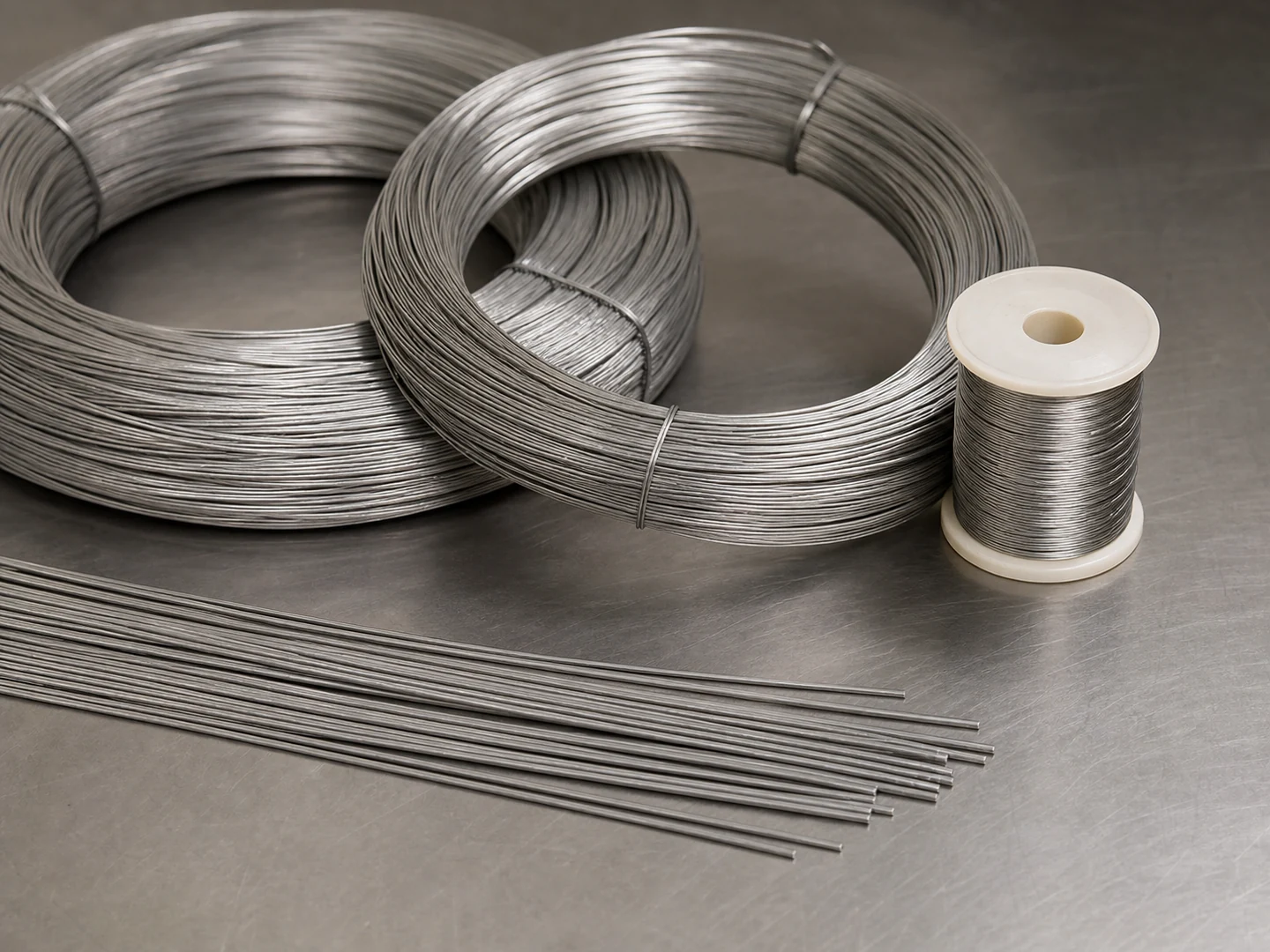
| AISI 304 Stainless Steel Wire | 400 | 500 | 0% | Rockwell B 70–95 depending on temper and cold work |
| Polypropylene PP | 80–100 | 120–140 | ≤0.03% | Shore D 65–75 |
| PVC | 50–70 | 75–90 | 0.04–0.40% | Shore A 70–95 or Shore D 70–85 |
Figures as published by Brushtec / DuPont; Alleima; Perlon. Confirm the exact grade against the supplier datasheet before ordering.
What should replace Nylon PA when it stops working?
- Nylon PA — Compare Nylon PA with PP, PBT, PET. Change material when wet stiffness, temperature, chemical resistance, conductivity, particle shedding, or surface marking becomes the limiting factor.
- AISI 304 Stainless Steel Wire — Use AISI 316 stainless steel wire for chloride, marine, dairy, beverage, chemical washdown, or higher pitting-resistance requirements. Use carbon steel for dry aggressive cutting and brass or abrasive nylon for lower marking risk.
- Polypropylene PP — Compare Polypropylene PP with Nylon, PBT, PET. Change material when wet stiffness, temperature, chemical resistance, conductivity, particle shedding, or surface marking becomes the limiting factor.
- PVC — Compare PVC with PE board, PP, elastomer, aluminum holder. Change material when wet stiffness, temperature, chemical resistance, conductivity, particle shedding, or surface marking becomes the limiting factor.