What Is a Metal Pickling Brush Roller?
A metal pickling brush roller is an industrial brush with a cylindrical body and radially distributed bristle or filament rows. It mechanically scrubs metal surfaces during pickling or post-pickling rinsing to remove loose oxide, scale, and smut. Mounted on a driven shaft, the rotating brush contacts the metal strip or part, combining with chemical or rinse water to dislodge residues. These rollers are common in continuous coil processing lines, tube pickling tanks, and plate descaling stations.
Common Filament Material Options
The working surface of a metal pickling brush roller can be made from several filament materials, each suited to different oxide types and process conditions:
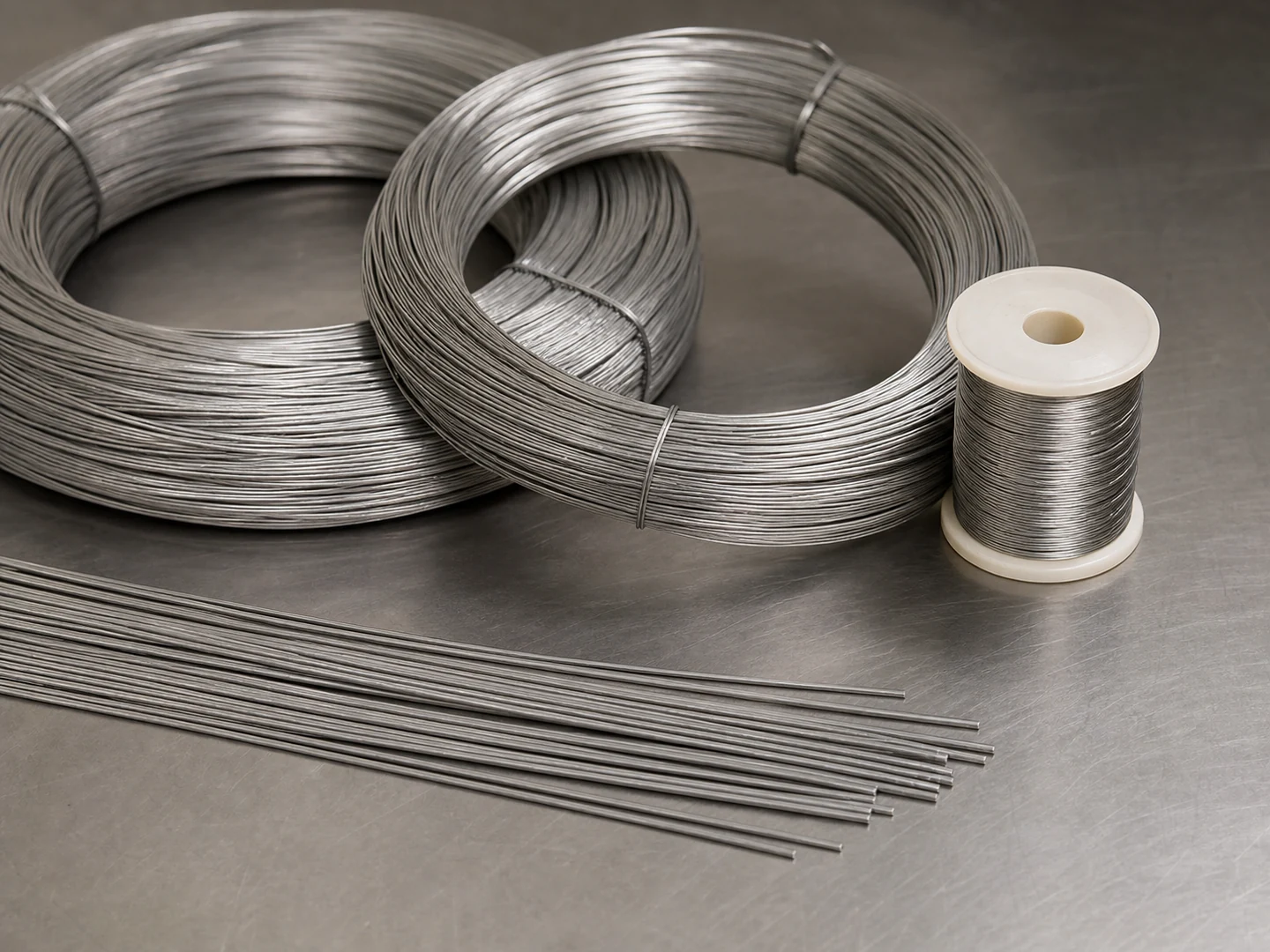
- Stainless steel wire (304): Good general-purpose choice for carbon steel descaling. Resists acid attack but may cause mild substrate scratching.
- Stainless steel wire (316): Better for chloride-containing acid baths (e.g., HCl with inhibitors) due to improved pitting resistance.
- Carbon steel wire: Economical for heavy scale on mild steel but rusts quickly if not protected; less durable in wet acid environments.
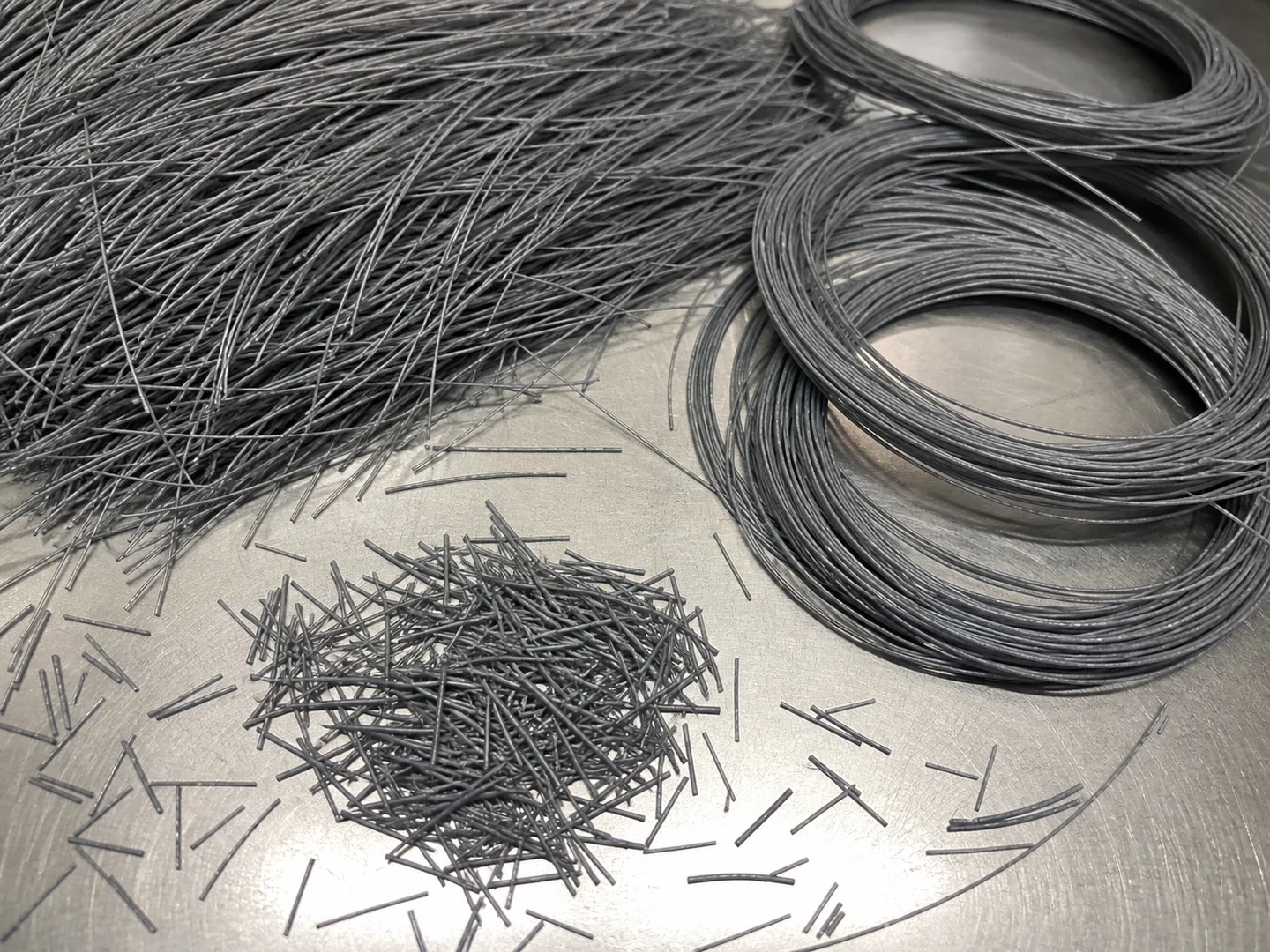
- Abrasive nylon (silicon carbide impregnated): Flexible and less aggressive; suitable for light flash rust or thin oxide on sensitive surfaces.
- Abrasive nylon (aluminum oxide impregnated): Often used for finishing or light deburring after pickling; leaves a smoother surface.
Comparison Table: Filament Materials at a Glance
| Material | Best For | Substrate Wear | Chemical Resistance | Typical Durability | Cost Factor |
|---|---|---|---|---|---|
| Stainless Steel Wire (304) | Heavy oxide on carbon steel | Moderate | Good in most acids | High | Medium |
| Stainless Steel Wire (316) | Chloride-containing acid pickling | Moderate | Excellent | High | Higher |
| Carbon Steel Wire | General carbon steel descaling (dry or short wet) | High | Poor (rusts) | Medium | Low |
| Abrasive Nylon (SiC) | Light oxide, stain removal | Low | Good | Medium | Medium |
| Abrasive Nylon (AlOx) | Surface finishing, light deburring | Low | Good | Medium | Medium |
Note: Actual filament density, length, and brush construction further influence performance. Always verify specifications with the manufacturer for your process.
How to Match the Brush Roller to Your Oxide Removal Challenge
Start by defining the cleaning problem. Consider these decision factors in order:
- Residue type and thickness: Heavy mill scale requires stiff wire; light flash rust may only need abrasive nylon.
- Base metal hardness: Soft metals (aluminum, copper) demand non-abrasive or fine filaments to avoid gouging.
- Required surface finish: If the surface will be coated or plated, choose filaments that do not leave deep scratches.
- Process chemistry: Check acid type (sulfuric, hydrochloric, mixed), concentration, and temperature. Ensure filament material resists chemical attack and temperature softening.
- Line speed and brush RPM: High-speed lines may need more flexible filaments to reduce breakage and ensure uniform contact pressure.
Equipment Interface and Dimensional Fit
The brush roller must fit your machine. Key dimensions include:
- Outer diameter (OD): Determines contact arc and speed. Common ranges are 100–400 mm depending on line width and strip thickness.
- Face length (FL): Must match or slightly exceed the product width.
- Core type: Keyed shaft, bolt-on flange, or weld-on hub. The mounting style affects alignment, changeover time, and torque transmission.
- Filament trim length and density: Longer filaments flex more; shorter filaments are stiffer. Density influences cleaning aggressiveness.
Custom brush rollers are common because pickling lines vary widely. Provide a full dimensional drawing and process spec to your supplier to avoid interface errors.
Common Mistakes When Selecting a Pickling Brush Roller
- Using a stainless steel wire brush on soft metals without testing—can cause deep scratches and reject product.
- Ignoring chemical compatibility—carbon steel wire quickly degrades in acidic environments, releasing loose bristles.
- Selecting by cost drivers alone—lower filament density or thinner wire may wear out faster and increase overall cost.
- Not verifying core mounting—a wrong shaft fit stops the line.
- Assuming one brush roller works for all products—oxide type and surface requirements change per job.
- Skipping sample testing—a small trial can prevent weeks of downtime or quality issues.
When a Metal Pickling Brush Roller Is the Wrong Choice
A brush roller is effective for loosening and removing partially detached oxide after chemical treatment, but it has limits:
- Extremely thick, adherent scale (e.g., hot-rolled mill scale on heavy plate) often requires prior mechanical descaling (shot blasting) or extended acid soak.
- If surface finish is critical for painting or plating, consider a post-brush non-woven finishing roll or a softer filament combination.
- When handling hazardous acids at high temperatures, even 316 stainless may suffer corrosion—specialty alloys or coatings may be needed, and supplier consultation is essential.
- If your line runs exotic alloys (titanium, nickel alloys), seek a brush manufacturer with experience in those materials to avoid contamination and ensure safety.
Final Takeaway
Selecting a metal pickling brush roller starts with your oxide type and substrate, then filament material, then process chemistry and mechanics, and finally dimensional fit. A correctly chosen brush roller reduces downtime, improves surface quality, and lowers total operating cost. Always test with a sample and keep an open dialogue with your brush supplier about process changes.
Frequently Asked Questions
Can a stainless steel wire brush roller be used on stainless steel coils?
Yes, but it must be made of the same or a higher grade of stainless steel to prevent iron contamination. Using a carbon steel brush on stainless steel will embed iron particles and cause rust spots. Dedicated lines typically use 304 or 316 wire brushes for stainless grades.
How often should a metal pickling brush roller be replaced?
No fixed schedule exists because wear depends on line speed, acid strength, oxide load, and filament material. Inspect the brush at the start of each shift for broken or permanently bent bristles, reduced stiffness, or uneven wear. Replace when cleaning effectiveness drops or filaments no longer make proper contact.
What is the difference between a pickling brush roller and a scrubber brush?
A pickling brush roller is designed specifically for the chemical pickling section and must resist acid attack. A scrubber brush is typically used in pre-cleaning (degreasing) or post-rinse sections and may have different filament requirements. Using a standard scrubber brush in the pickling tank can lead to rapid failure.
Can I use the same brush roller for both mild steel and stainless steel lines?
No. Cross-contamination of iron particles onto stainless steel will cause quality defects. Dedicated brush sets per material family are strongly recommended. If a single line runs multiple materials, clean-in-place protocols or quick-change brush designs can help, but material-specific brushes are safer.
What core type is best for a new installation?
For most new machines, a keyed shaft core provides a secure, simple drive. Bolt-on flange cores allow faster brush changes and can accommodate slight misalignment. Weld-on hubs are permanent and less common in new builds. Base the choice on maintenance access and required changeover time.
How do I specify a custom metal pickling brush roller?
Provide: outer diameter, face length, core type and bore diameter, filament material and wire diameter (or grit for nylon), trim length, desired bristle density (e.g., rows per inch), process acid type and temperature, line speed, and product description. A dimensioned drawing is always helpful.
Does filament diameter matter?
Yes. A thicker wire filament cuts faster and wears longer but may scratch the surface. A thinner wire is more flexible, conforms better, and leaves a finer finish but may break more often. Balance cleaning aggressiveness with surface quality requirements.
Technical References
- OSHA — Hazard Communication
- OSHA — Chemical Hazards and Toxic Substances
- World Stainless — Corrosion Resistance of Stainless Steels
Which bristle material fits this job — AISI 304 Stainless Steel Wire, Abrasive Nylon or Carbon Steel Wire?
| Material | Continuous temperature (°C) | Peak temperature (°C) | Water absorption | Hardness |
|---|---|---|---|---|
| AISI 304 Stainless Steel Wire | 400 | 500 | 0% | Rockwell B 70–95 depending on temper and cold work |
| Abrasive Nylon | 120 | 150 | 0.1–1.0% | Abrasive filament; stiffness and cutting level is controlled by PA base, grit type, grit size, filament diameter and trim height. |
| Carbon Steel Wire | 200–300 | 350–450 | 0% | Rockwell C 40–60 |
| Nylon PA | 93 | 121 | 0.3–9% by PA grade and conditioning | Medium to firm; filament diameter and trim length control bending force. |
Figures as published by Alleima; Perlon; Brushtec / DuPont. Confirm the exact grade against the supplier datasheet before ordering.
What should replace AISI 304 Stainless Steel Wire when it stops working?
- AISI 304 Stainless Steel Wire — Use AISI 316 stainless steel wire for chloride, marine, dairy, beverage, chemical washdown, or higher pitting-resistance requirements. Use carbon steel for dry aggressive cutting and brass or abrasive nylon for lower marking risk.
- Abrasive Nylon — Compare Abrasive Nylon with PP, PBT, PET. Change material when wet stiffness, temperature, chemical resistance, conductivity, particle shedding, or surface marking becomes the limiting factor.
- Carbon Steel Wire — Compare Carbon Steel Wire with Carbon steel wire, brass wire, abrasive nylon. Change material when wet stiffness, temperature, chemical resistance, conductivity, particle shedding, or surface marking becomes the limiting factor.
- Nylon PA — Compare Nylon PA with PP, PBT, PET. Change material when wet stiffness, temperature, chemical resistance, conductivity, particle shedding, or surface marking becomes the limiting factor.