What Is a Metal Pickling Brush Roller?
A metal pickling brush roller is a powered, cylindrical brush assembly that contacts moving metal strip inside a pickling line. Its filaments scrub the surface while the strip passes through acid baths or rinses, removing loose scale, smut, and residual oxides that chemical action alone cannot clear. The brush roller typically mounts on a shaft and is driven to rotate against the strip direction or at a differential speed, improving mechanical cleaning without damaging the base metal.
Common Types and Material Options
Most metal pickling brush rollers differ by filament material, core material, and construction style. The main filament options are:
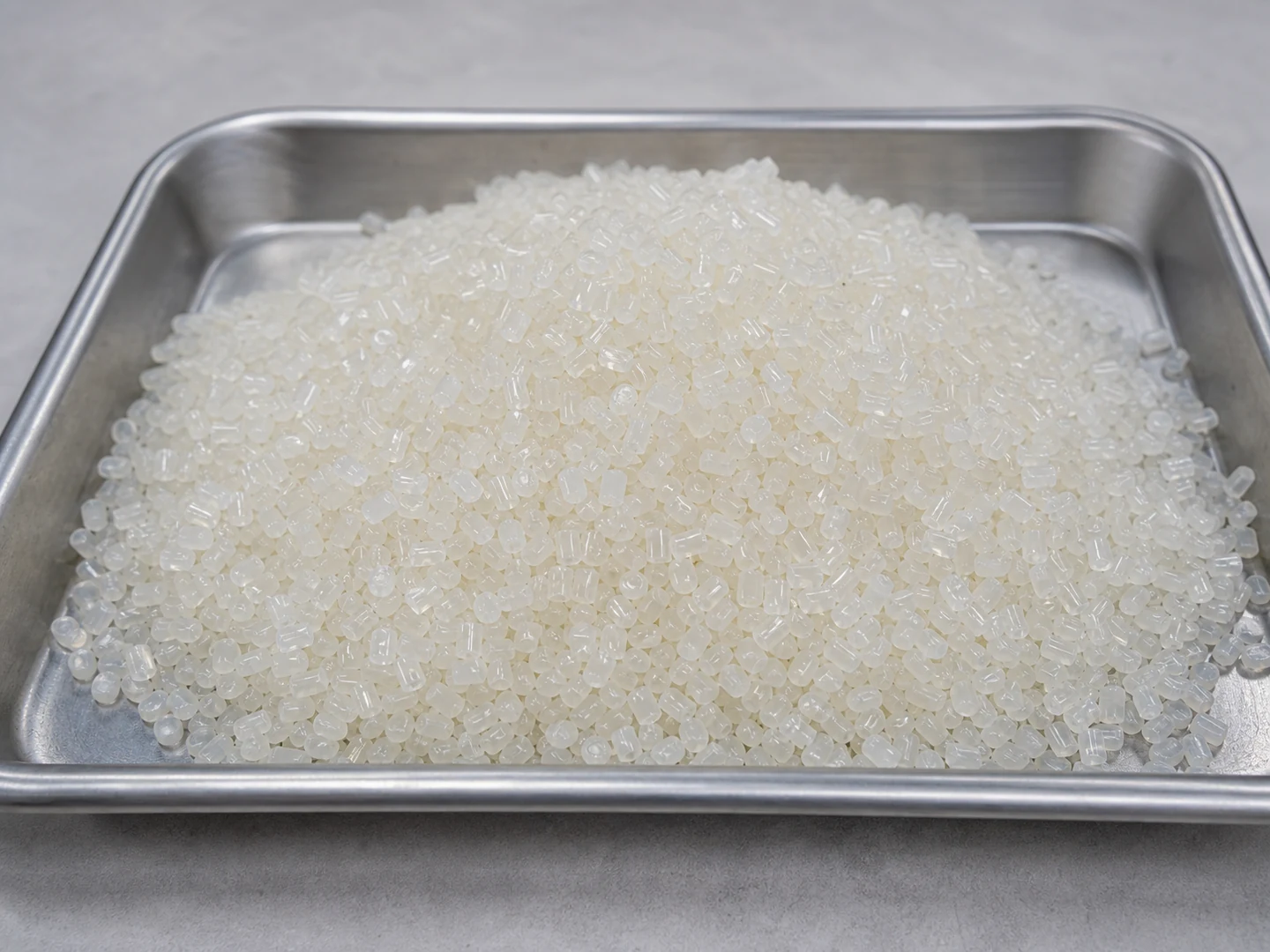
- Abrasive-impregnated nylon – provides moderate aggression with lower risk of scratching; good for light scale and final cleaning stages.
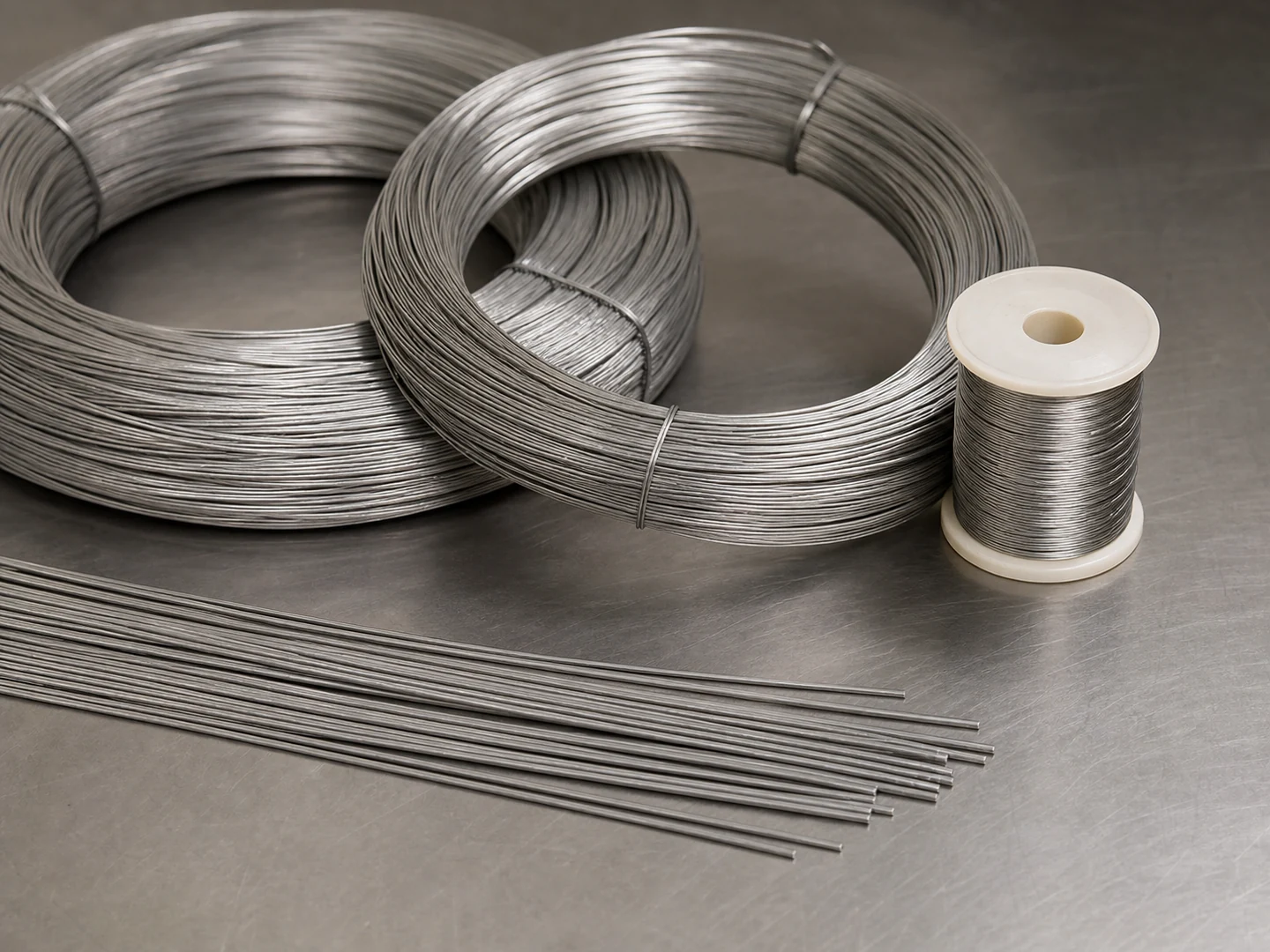
- Stainless steel wire – higher aggression and heat resistance; suited for heavy scale but requires careful strip tension control.
- Carbon steel wire – aggressive and economical, but may corrode faster in wet acid environments.
- Brass or bronze wire – less common; used where sparking must be avoided.
Core materials include steel, stainless steel, or engineered plastic composite, selected for rigidity and acid resistance. Mounting styles range from keyed shaft, splined, to quick-change designs for faster roll swaps.
Key Selection Factors: Comparison Table
| Factor | Light Duty / Finishing | Medium Duty | Heavy Duty / Descale |
|---|---|---|---|
| Filament material | Abrasive nylon, fine stainless steel | Stainless steel, medium grit nylon | Carbon steel, coarse stainless steel |
| Brush diameter range (typical) | 100–200 mm | 200–300 mm | 300–500 mm |
| Filament stiffness | Soft to medium | Medium to stiff | Stiff to extra stiff |
| Core material | Plastic composite, aluminum | Steel, stainless steel | Heavy-wall steel, stainless |
| Mounting style | Quick-change or keyed | Keyed, splined | Splined, through-shaft |
| Acid resistance | Good (nylon, stainless) | Good (stainless) | Moderate (carbon steel may rust) |
How to Choose Based on Your Pickling Line Conditions
Start by defining the residue you need to remove. Loose, powdery oxide after acid may require only a light abrasive nylon brush. Tight, adherent scale from hot rolling needs stiffer wire bristles. Next, evaluate strip surface sensitivity: thin, polished, or soft alloys can be scratched by overly aggressive brushes. Measure your line’s brush roll mounting envelope—shaft diameter, length, and keyway must match. Check the chemical environment: hydrochloric acid lines demand stainless steel cores and filaments; sulfuric acid lines may accept carbon steel if replaced more often. Factor in maintenance access: quick-change designs reduce downtime but cost more upfront. Finally, confirm acceptable brush life in production hours and plan a regrinding or replacement schedule based on past data or supplier tests.
Common Mistakes When Specifying a Brush Roller
- Choosing by cost drivers alone. A low-cost carbon steel brush in a wet acid line can fail quickly, causing strip scratches and downtime losses far exceeding the initial saving.
- Ignoring filament stiffness compatibility. Too stiff a brush on thin gauge strip causes chatter, surface marks, or even strip breaks.
- Assuming “standard” dimensions fit. Always measure your shaft diameter, keyway, bearing centers, and overall brush length. Many lines use modified or non-standard sizes.
- Neglecting chemical compatibility. Acids and high temperatures degrade some core adhesives and nylon filaments; always request a chemical resistance chart from the supplier.
- Skipping a test run. Even with the best specification, a sample brush trial on the actual line can reveal unexpected wear, breakage, or cleaning gaps.
When a Metal Pickling Brush Roller Is the Wrong Choice
A brush roller alone cannot correct upstream problems. If the strip enters the pickling section with excessive scale because the scale breaker or temper mill is not operating correctly, even the best brush will overload. Similarly, worn brush roll bearings or misaligned mounts cause uneven contact and strip walk, not solved by changing the brush. For exotic alloy pickling lines (titanium, nickel alloys), specialized brush materials and reduced speeds may be required; generic steel brushes will not last or may contaminate the surface. In these cases, request an application review and custom drawing from the brush supplier and combine the brush selection with improvements to line mechanics and process settings.
Final Takeaway
Define the residue type, measure your hardware, match filament and core to the chemical environment, and validate with a short production test. A metal pickling brush roller is a precision working tool, not a commodity. Getting the selection right the first time keeps your pickling line productive and your strip surface defect-free.
Frequently Asked Questions
How often should a pickling brush roller be replaced?
Replacement cycles vary from a few weeks to several months, depending on filament wear rates, line speed, and scale load. Monitor brush diameter reduction and surface finish quality. Many plants schedule replacement when bristle length shortens by 30–40% or when cleaning becomes inconsistent.
Can one brush roller work for both hydrochloric and sulfuric acid lines?
It depends on the materials. Stainless steel (316L) resists both acids well. Nylon filaments perform better in hydrochloric; some nylon grades degrade in hot sulfuric. Always confirm chemical resistance data from the brush manufacturer for your specific acid concentration and temperature.
What diameter brush roller do I need for a narrow strip line?
Diameter is more about cleaning aggression and line speed than strip width. Narrow strip lines often use smaller diameters (150–250 mm) for lower inertia and easier handling. Match diameter to your machine’s shaft and bearing centers; do not assume a larger brush fits simply because it looks robust.
How do I avoid brush bristles breaking off and embedding in the strip?
Bristle breakage typically comes from excessive filament stiffness, over-bending due to small brush diameter, or chemical embrittlement. Select a filament material and gauge rated for the smallest bend radius in your setup and avoid pushing brush life beyond the supplier’s recommended wear limit.
What information should I include in an RFQ for a custom brush roller?
Include shaft diameter and length, keyway or spline details, overall brush diameter and face length, filament material and trim length, core material, expected acid concentration and temperature, line speed, strip width and thickness range, and target brush RPM or surface speed. A dimensioned drawing is always helpful.
Is it possible to recondition a worn brush roller?
Some suppliers offer re-filling services: they strip old bristles, inspect the core, and refill with new filament. This can be cost-effective for large, expensive brush rolls with reusable stainless steel cores. Ask your supplier about reconditioning before specifying throw-away designs.
Does brush roller orientation (clockwise/counter) affect cleaning?
Yes. The brush is typically rotated against the strip travel direction to maximize relative surface speed and scrubbing action. Running in the same direction as the strip reduces cleaning efficiency. Always verify rotation direction during installation and when reversing the line.
Technical References
- OSHA — Hazard Communication
- OSHA — Chemical Hazards and Toxic Substances
- World Stainless — Corrosion Resistance of Stainless Steels
Which bristle material fits this job — AISI 304 Stainless Steel Wire, Nylon PA or Abrasive Nylon?
| Material | Continuous temperature (°C) | Peak temperature (°C) | Water absorption | Hardness |
|---|---|---|---|---|
| AISI 304 Stainless Steel Wire | 400 | 500 | 0% | Rockwell B 70–95 depending on temper and cold work |
| Nylon PA | 93 | 121 | 0.3–9% by PA grade and conditioning | Medium to firm; filament diameter and trim length control bending force. |
| Abrasive Nylon | 120 | 150 | 0.1–1.0% | Abrasive filament; stiffness and cutting level is controlled by PA base, grit type, grit size, filament diameter and trim height. |
| Carbon Steel Wire | 200–300 | 350–450 | 0% | Rockwell C 40–60 |
Figures as published by Alleima; Brushtec / DuPont; Perlon. Confirm the exact grade against the supplier datasheet before ordering.
What should replace AISI 304 Stainless Steel Wire when it stops working?
- AISI 304 Stainless Steel Wire — Use AISI 316 stainless steel wire for chloride, marine, dairy, beverage, chemical washdown, or higher pitting-resistance requirements. Use carbon steel for dry aggressive cutting and brass or abrasive nylon for lower marking risk.
- Nylon PA — Compare Nylon PA with PP, PBT, PET. Change material when wet stiffness, temperature, chemical resistance, conductivity, particle shedding, or surface marking becomes the limiting factor.
- Abrasive Nylon — Compare Abrasive Nylon with PP, PBT, PET. Change material when wet stiffness, temperature, chemical resistance, conductivity, particle shedding, or surface marking becomes the limiting factor.
- Carbon Steel Wire — Compare Carbon Steel Wire with Carbon steel wire, brass wire, abrasive nylon. Change material when wet stiffness, temperature, chemical resistance, conductivity, particle shedding, or surface marking becomes the limiting factor.