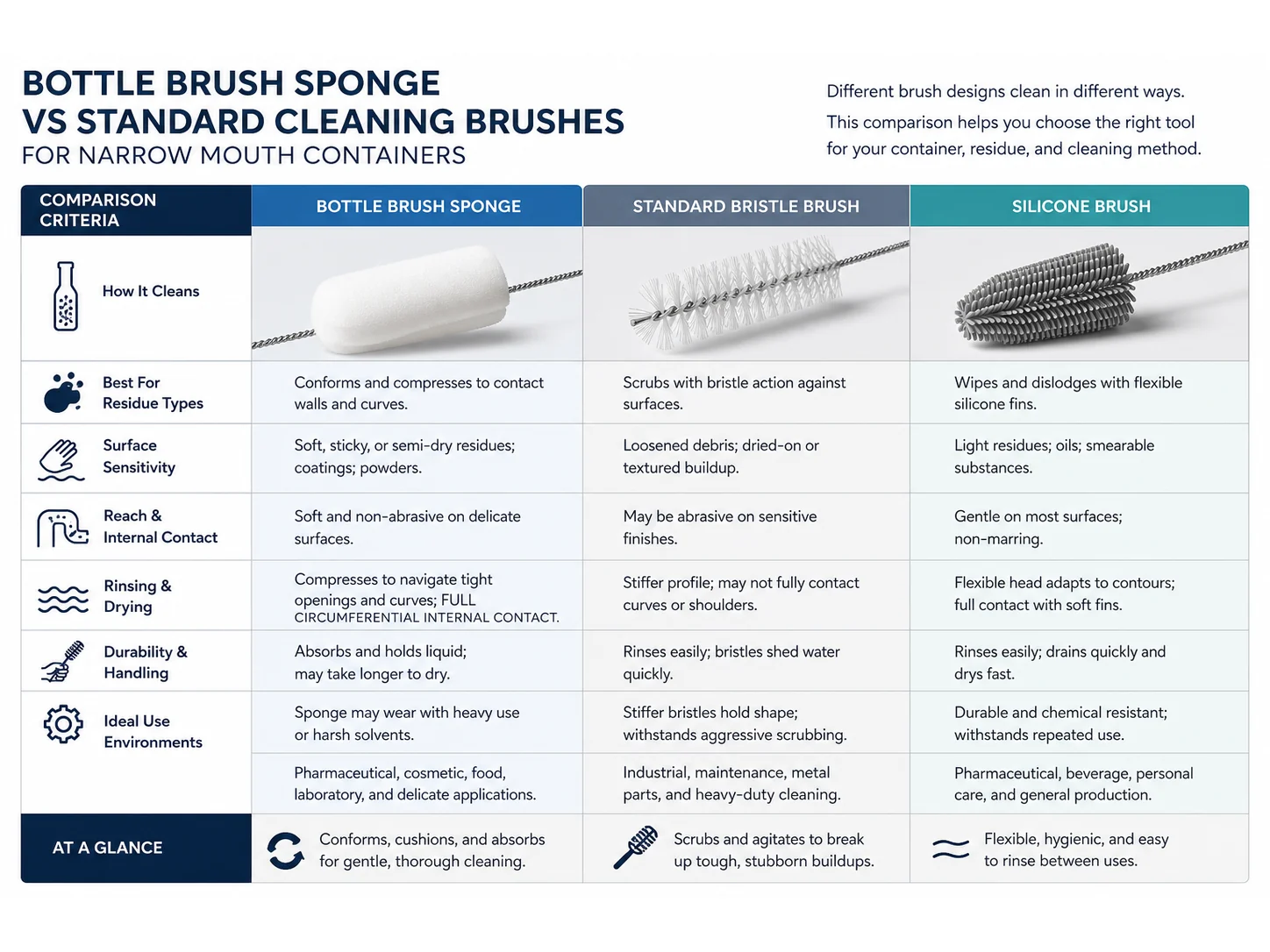
What Is a Bottle Brush Sponge?
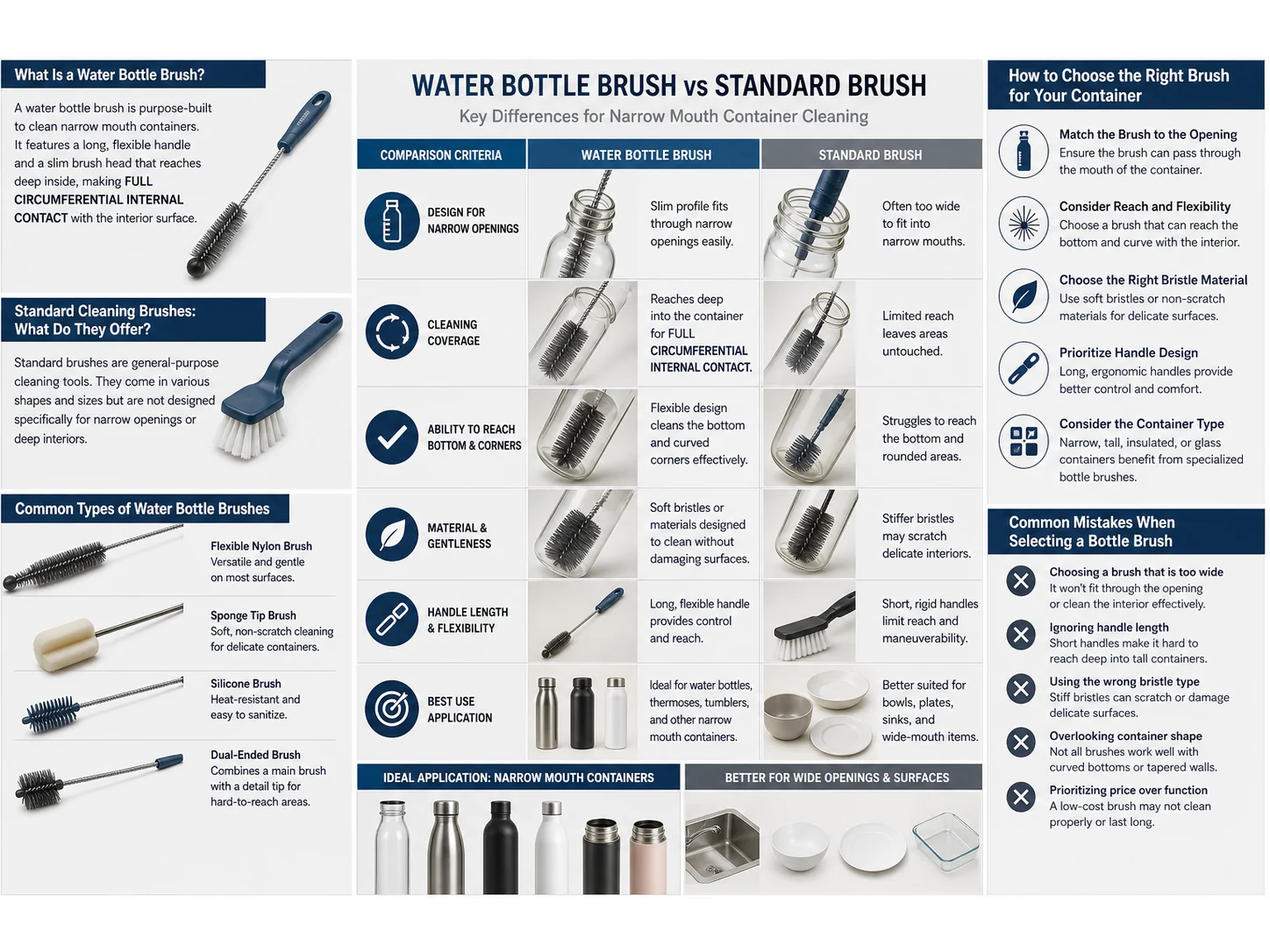
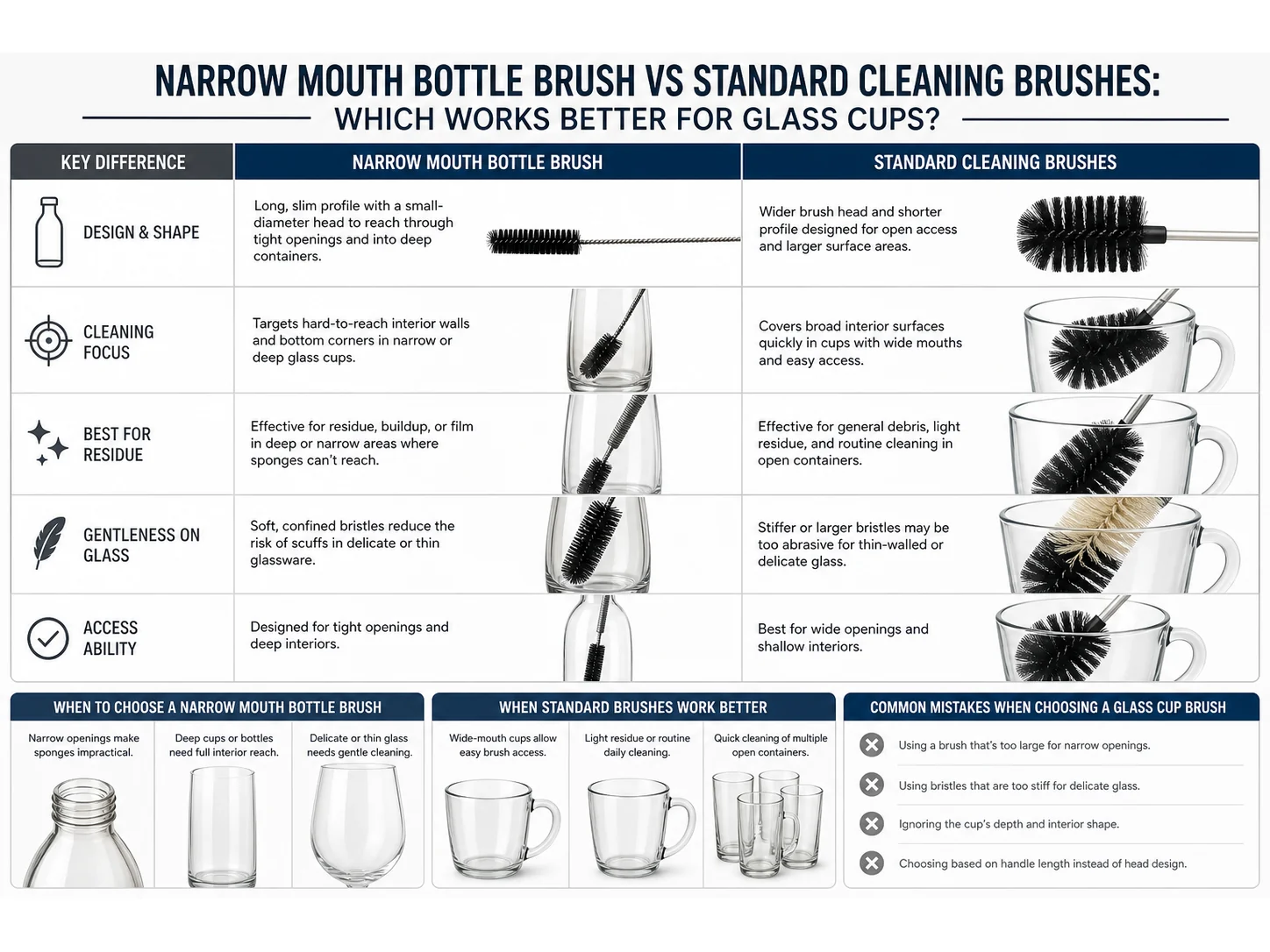
The useful comparison for bottle Brush Sponge vs Standard Cleaning Brushes: Which Works Better for Narrow Mouth Containers? is not simply which option sounds stronger or cheaper. Start with access, residue type, surface sensitivity, brush stiffness, operating environment, and replacement routine. Then compare cleaning access, material compatibility, service life, and the point where brushing creates more risk than benefit.
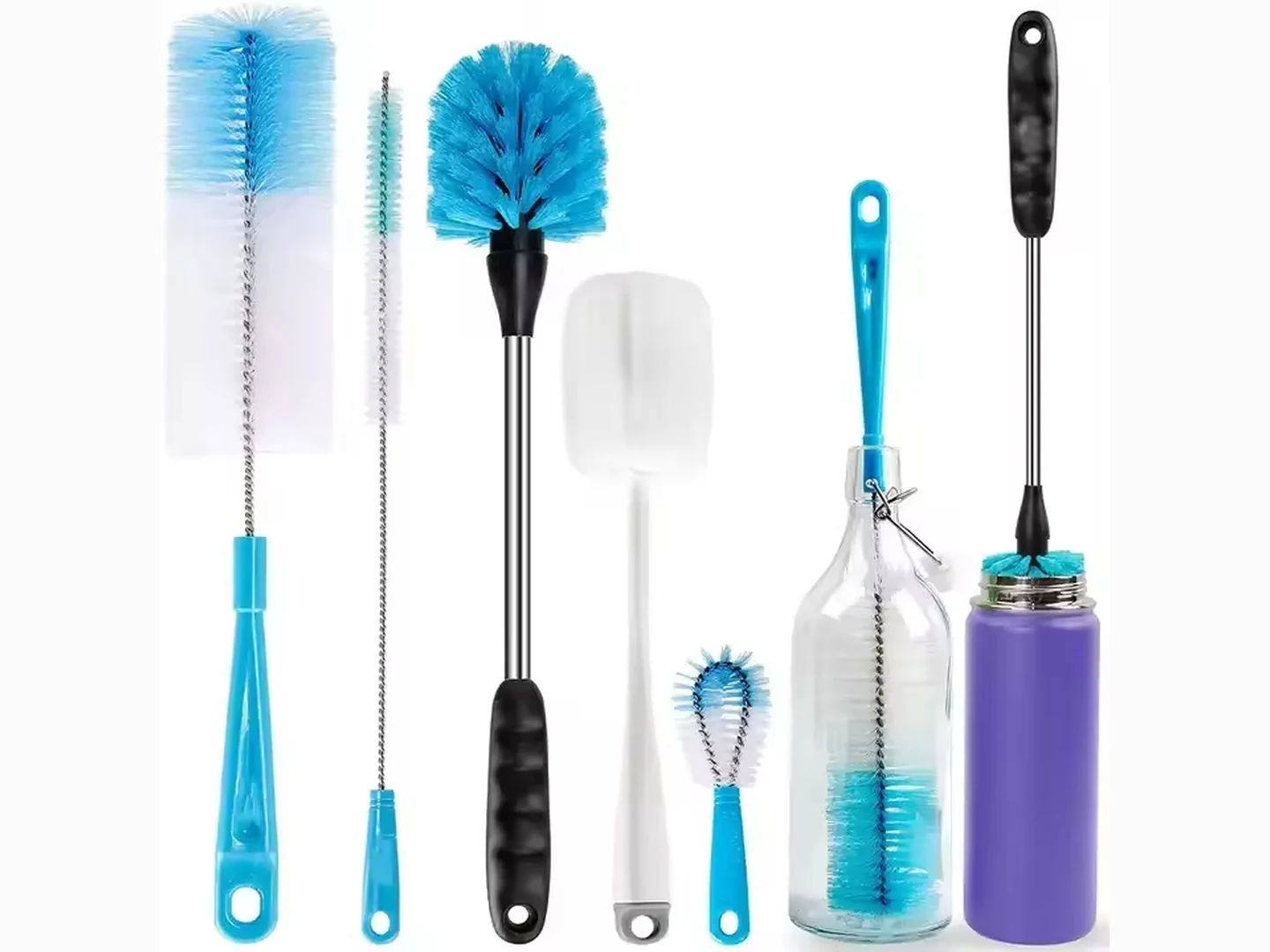
A bottle brush sponge is defined by its cleaning role, not just by its product label. The useful specification includes bristle material, outside diameter, working length, tip shape, handle or mounting method, and the surface the brush will touch. For custom cleaning brush projects, these details matter because a brush that looks similar in a catalog can behave very differently once it meets a tight opening, wet residue, fragile coating, or repetitive production workflow.
Common Brush Options to Compare
| Option | Where It Helps | Main Risk to Check |
|---|---|---|
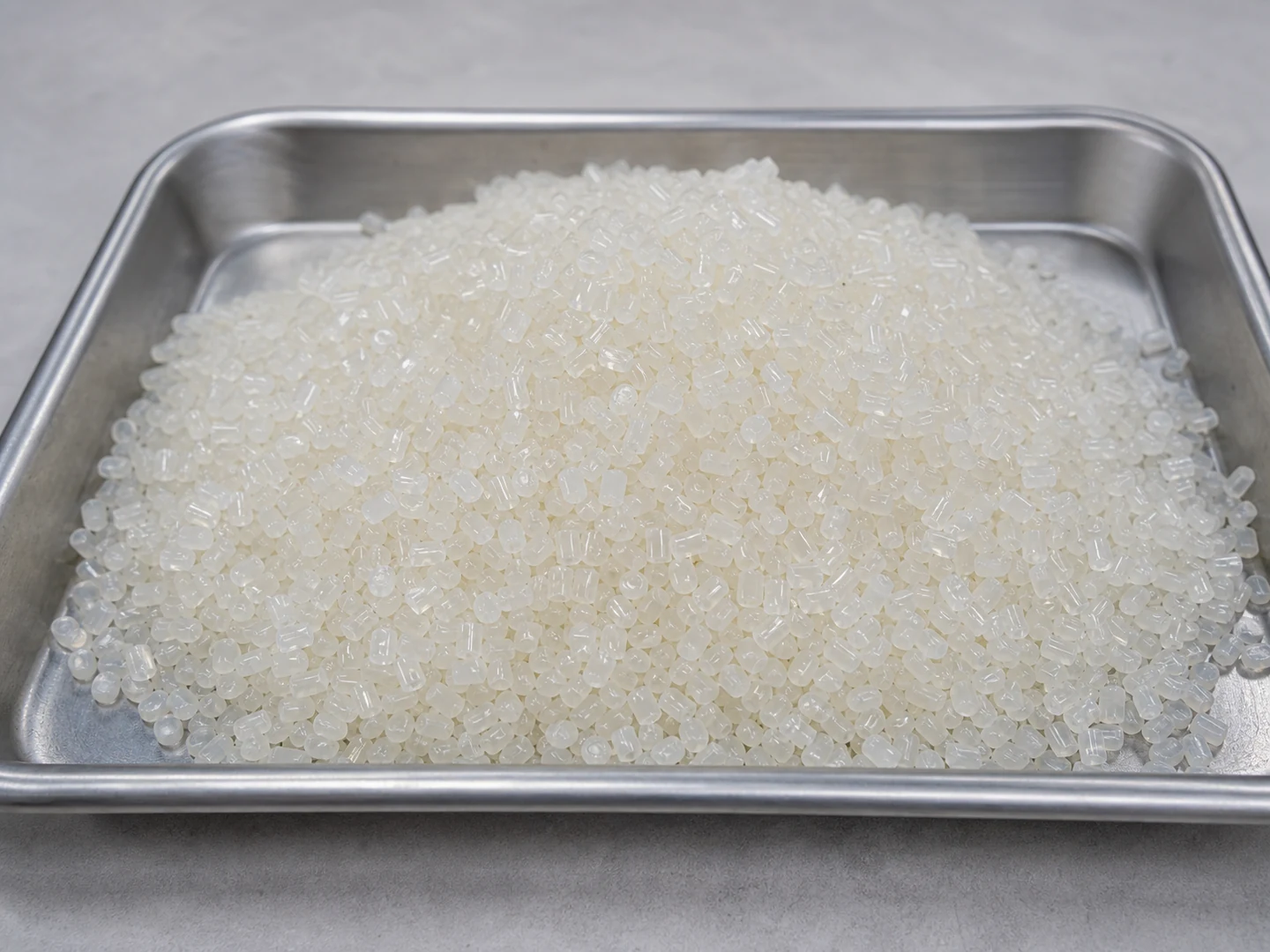
| Soft synthetic filament | Lower scratch risk, good for delicate or coated surfaces | May need more passes on heavy residue |
| Medium or stiff nylon/PBT | Balanced cleaning action for routine use | Can be too aggressive on polished or thin surfaces |
| Wire, abrasive, or specialty filament | Useful for heavy buildup or surface preparation | Requires testing to avoid damage or contamination |
How to Choose Based on Real Conditions
- Define the residue first: dry dust, oil film, mineral scale, lint, food residue, rust, adhesive, or fine particles all need different contact action.
- Check the surface material and finish: plastic, coated metal, polished stainless steel, glass, rubber, and ceramics tolerate different levels of stiffness and abrasion.
- Measure the access path: diameter, depth, bend radius, slot width, and surrounding clearance decide whether the brush can reach the area without jamming.
- Choose the least aggressive bristle that still removes the soil: this lowers scratch risk and gives room to step up during sample testing.
- Confirm wet, chemical, heat, or hygiene exposure: filament, backing, adhesive, and handle materials all need to survive the real cleaning environment.
- Plan replacement and inspection: a brush used daily in production should have clear wear limits, cleaning steps, and a replacement interval.
Common Mistakes to Avoid
- Choosing only by product name and ignoring the actual opening, surface, and residue.
- Using a brush that is too stiff because it feels more durable, then damaging the surface or shortening equipment life.
- Forcing an oversized brush into a narrow or curved path instead of adjusting diameter, trim length, or core flexibility.
- Ignoring chemical exposure, especially when the brush is used with detergents, degreasers, disinfectants, or hot water.
- Ordering bulk quantities without a sample test, drawing review, or clear acceptance criteria.
When This Brush Is Not Enough
For kitchen cleaning examples, the FDA — Food Safety in Your Kitchen supports the distinction between normal cleaning, food handling, and hygiene habits.
For general foodborne-illness prevention language, the CDC — Preventing Food Poisoning is used as the public-health reference.
For the material or regulatory boundary in this section, the supporting reference is eCFR — 21 CFR 177.1500 Nylon Resins.
For the material or regulatory boundary in this section, the supporting reference is eCFR — 21 CFR 177.1630 Polyethylene Phthalate Polymers.
For material-selection language, this section is supported by British Plastics Federation — Thermoplastics.
For brush terminology and construction language, this section references American Brush Manufacturers Association — Brush Lingo.
A brush is not always the full solution. If residue is chemically bonded, access is blocked, the surface is already damaged, or the cleaning task involves safety-critical equipment, the process may need soaking, flushing, vacuum extraction, disassembly, or a different cleaning method before brushing. In high-risk medical, food, electrical, or powered-tool contexts, the brush should be treated as one part of a validated procedure rather than a standalone fix.
Final Takeaway
The right bottle brush sponge is the one that reaches the cleaning area, removes the specific residue, protects the surface, and fits the user’s workflow. Define the cleaning problem first, compare material and geometry second, then use samples or drawings to confirm the specification before committing to production.
Practical Use Note
In daily use, the practical test is simple: check whether the brush reaches the full contact area, removes the target residue, and leaves the surface in the required condition. Record what changes when access, residue type, surface sensitivity, brush stiffness, operating environment, and replacement routine changes, because many brush failures are caused by the working condition shifting rather than by the brush body alone.
Real-Use Checks Before Daily Work
Before putting this brush into routine use, test it against the real working condition. Check the first cleaned part or area, the condition of the bristles, and where loosened debris goes after contact. If the result changes when residue type, contact surface, cleanability, drying, storage, and cross-contamination risk changes, document the new setting instead of assuming the same brush will keep working.
A brush should not be used to hide a process problem. If residue returns immediately, if the surface changes more than expected, or if the brush must be forced to reach the target area, review the surrounding method first. In many applications, brushing works best with inspection, rinsing, vacuum support, machine adjustment, chemical compatibility checks, or a small sample trial.
Frequently Asked Questions
How do I know if a bottle brush sponge is the right size?
Measure the smallest opening, working depth, and any bends or restrictions. The brush should contact the surface without forcing the core, handle, or bristle pack into a jammed position.
Which bristle material should I start with?
Can one brush handle every cleaning task?
Usually no. Different residues, surface finishes, access angles, and hygiene expectations often require different brush sizes or stiffness levels.
When should I request a custom brush?
Request a custom brush when standard diameter, length, handle, backing, or filament options do not match the access path, residue type, or replacement schedule.
What information should go into an RFQ?
Include surface material, residue type, opening size, working depth, brush diameter, trim length, handle or mounting requirement, chemical exposure, quantity, and sample testing expectations.
How should I test a new brush before bulk ordering?
Test it on a sample part or non-critical area, inspect for scratches, residue removal, bristle shedding, fit, operator effort, and cleaning consistency before approving full production use.