
Custom Cleaning Brush
Artificial Turf Brush
Custom artificial turf brush in PP or nylon for lifting matted turf, loosening compacted infill, and clearing leaves and dry debris.
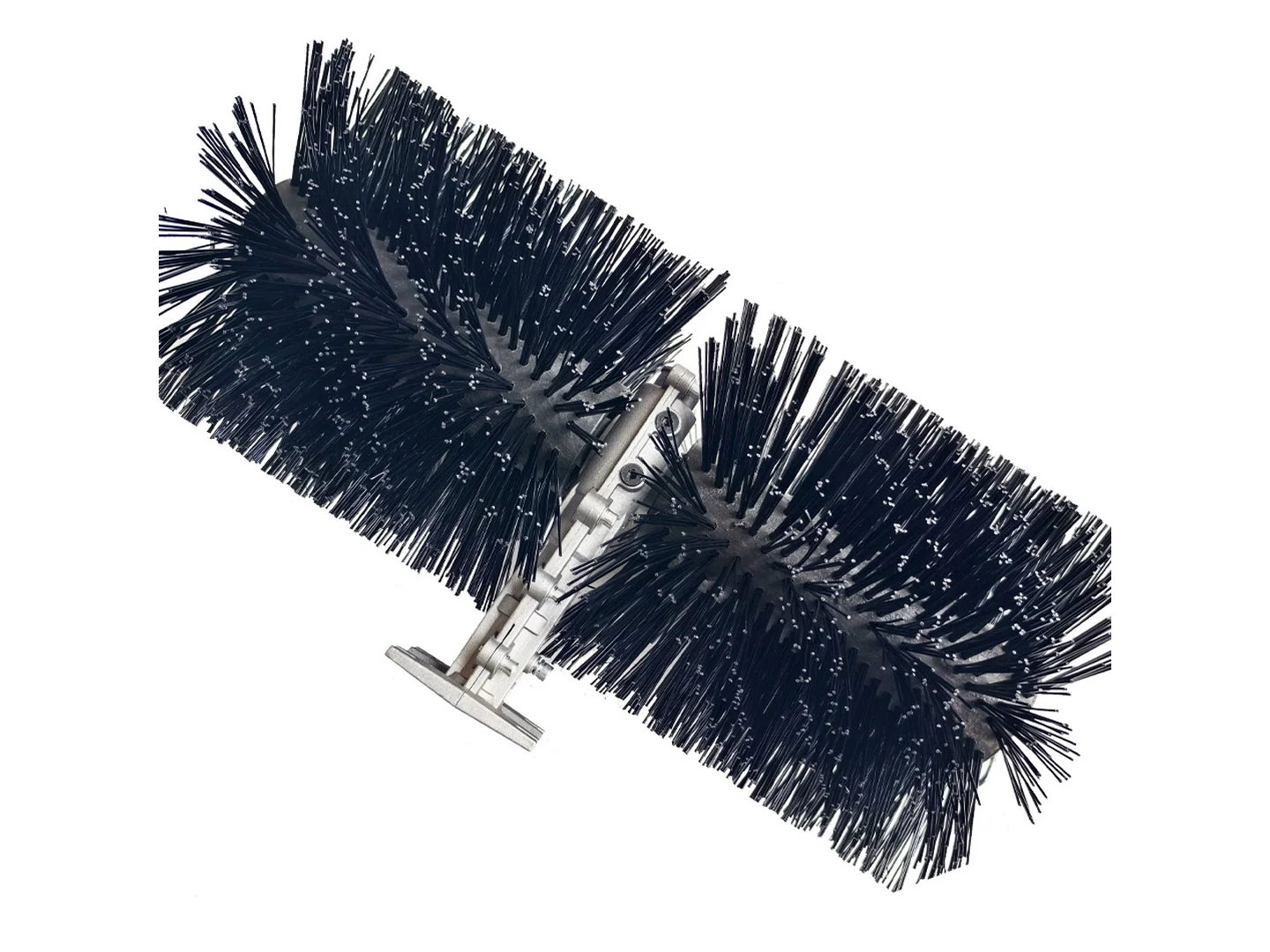
Large-format brush
100 pcs
Minimum order
Built one at a time on a core or channel: full-width rollers, sweeper brooms and long strip.
Production lead time, once the specification is confirmed
- Up to 100 pcsWithin 20 days
- 101–1,000 pcsWithin 30 days
- Over 1,000 pcsConfirmed with your quotation
Peak season can extend these times; the shipping date is confirmed in writing with your quotation. Sampling and shipping are quoted separately.
A stiff-filament maintenance brush for synthetic grass fields and artificial lawns that lifts matted fibers, loosens compacted surface infill, and clears leaves, hair, and dry debris before it becomes embedded. Available as a hand brush, wide push brush, drag brush, or machine-mounted roller to match the size and cadence of your turf care program.
What can this brush do for you?
Stands matted turf blades back toward vertical
Stiff polypropylene or nylon filaments work into the pile and lift blades that boots, wheels, and repeated play have pressed flat. A regular brushing pass returns the fibers to a more upright position, which restores a steadier ball roll, more predictable footing, and a field that looks freshly installed rather than worn through the middle.
Loosens the surface crust that traps infill
Goal mouths, penalty spots, and heavy walk lines develop a packed surface layer when rubber or sand infill is pounded down repeatedly. The filament tips break that upper crust loose and keep the top of the infill workable, so rainfall and irrigation can still move through the profile. This is surface maintenance, not full deep decompaction or infill replacement.
Clears dry debris while it is still easy to remove
Leaves, hair, grass clippings, soil, and small litter settle between synthetic blades and become harder to extract every day they stay there. Dense, closely spaced filament rows flick and drag loose material out of the pile before it works down toward the backing or matts into the fibers.
Cleans without tearing, cutting, or pilling the turf
Filament length, tip finish, and brush clearance are selected so the working ends engage the pile instead of the backing. Flagged or rounded tips reduce catch points on delicate monofilament and texturized blades, while the brush block rides above the surface rather than pushing the turf down into the base.
Stays serviceable through outdoor exposure
PP and nylon fills do not rot or rust in dew, rain, or full sun the way natural fiber or unprotected metal components can. Corrosion-resistant handle hardware and water-resistant block materials keep the brush safe to store at the field and ready for the next maintenance window.
What is an Artificial Turf Brush?
An Artificial Turf Brush is a maintenance tool built from rows of stiff synthetic filament set into a rigid block or roller body. Its job is to brush synthetic grass fibers upright, loosen the top layer of infill, and pull loose debris out of the pile during routine care. It is not a cutting tool, and it is not designed to dig out deep compaction or remove mud bonded to the backing.
In use, the operator pushes, drags, or machine-pulls the brush so the filament tips travel through the upper portion of the turf. The bristles lift folded blades and knock particles free, while the block or roller shell carries the filaments over the surface without pressing the backing into the sub-base. Manual versions use a threaded or clamped handle. Powered versions mount to a sweeper drum, drag frame, or groomer axle and are set to rotate or travel in the correct direction for the brush row.
The right configuration depends less on the size of the field than on pile height, fiber shape, infill depth, maintenance frequency, and whether the brush is an operator hand tool or part of a machine grooming train.
Technical Specifications
The table below lists the parameters we normally confirm before building an artificial turf brush. Dimensions, filament grades, and interface details can be adjusted to the turf and the cleaning equipment.
| Parameter | Value / Options |
|---|---|
| Brush form | Hand brush, wide push brush, drag/tow brush, or machine roller sleeve |
| Working width | 150–1200 mm for manual tools; machine width matched to drum or frame |
| Filament material | Polypropylene (PP) or nylon (PA), straight or crimped, UV-stabilized grades available |
| Filament diameter | 0.5–1.5 mm, selected for pile density and required agitation |
| Trim length | 35–75 mm, matched to turf pile height and backing clearance |
| Tip finish | Flagged, flagged-and-tipped, crimped, or straight cut |
| Row pattern | Straight, chevron, or offset rows for efficient debris movement |
| Block / roller body | UV-stabilized PP block, aluminum channel, or powder-coated steel frame |
| Handle / interface | Aluminum or fiberglass handle with threaded or clamp connection; machine core/shaft per drum |
| Operating conditions | Outdoor wet and dry use; material grade selected for UV exposure and water contact |
| Brush type | Custom Floor Scrubber Sweeper Brushes |
| How it is driven | Machine-driven, mounted in the equipment |
| Cleaning target | sports field maintenance, school and multi-use synthetic field, and artificial grass lawn cleaning |
| Surface or part | roller, drums, profiles, frames, edges, bores, thread, and seams |
| Residue or debris | fiber, dry debris, hair, leaves, mud, particles, and loose debris |
| Mounting / connection | Aluminum or fiberglass handle with threaded or clamp connection; machine core/shaft per drum |
Trim length is the most important fit dimension. The brush should work through the upper pile without the block bottoming out on the turf or the backing. If the filament is too long relative to pile height, the operator is forced to lift the brush, and pass control suffers.
Where does this brush work best?
- Sports field maintenance after matches and training, especially in goal mouths, penalty spots, center spots, and sideline entrances where fibers mat first.
- School and multi-use synthetic fields where a daily push or drag pass keeps the playing surface open between deeper grooming cycles.
- Artificial grass lawns, rooftop terraces, playgrounds, and landscaping where foot traffic flattens blades and leaves or soil collect in the pile.
- Pet turf and dog runs where hair, dry debris, and flattened areas need to be loosened before rinsing or disinfecting.
- Newly installed or refurbished turf that requires a first lift pass after infill settlement to stand the fibers and expose low spots.
How do I choose the right one?
Start with pile height and backing clearance
Measure the turf pile height. The working trim length should let the filament tips travel through the upper pile under normal operator pressure without the brush block contacting the surface. A quick check: run a 1–2 m test pass. If the block touches the turf or the operator has to hold the tool up to avoid it, the trim is too long for that pile. If the fibers stay flat and the pass feels like it is only polishing the tips, the trim or stiffness is too low.
Match the brush form to field size and maintenance cadence
For edges, seams, repairs, and tight corners, a 150–250 mm hand or narrow push brush gives the operator control. For lawns, pet areas, and smaller synthetic turf installations, a 300–600 mm push or drag brush covers ground without oversizing the tool. For full-size sports fields brushed after every event or on a fixed weekly cycle, a drag brush, tow-behind unit, or powered roller over 900 mm reduces passes and operator fatigue.
| Maintenance situation | Recommended brush form |
|---|---|
| Seams, goal frame edges, repair patches | Hand brush or narrow push brush |
| Artificial lawn, dog run, playground | 300–600 mm push or drag brush |
| Full-size field, frequent scheduled grooming | Drag, tow-behind, or powered roller |
| Machine retrofit or ongoing heavy use | Roller sleeve matched to existing drum |
Choose PP or nylon for the actual duty cycle
Polypropylene is the economical starting point for moderate-use turf. It absorbs very little water, keeps its stiffness in wet conditions, and recovers well after flexing. Nylon is generally the stronger choice for high-cycle commercial grooming where the brush passes over the same surface thousands of times per season, because it offers better abrasion resistance and flex-fatigue life. If the brush will sit in pooled water or be used primarily after rain, PP tends to stay more dimensionally stable and is often the safer default.
Match tip finish to the turf surface and debris type
Straight-cut, unflagged filaments transmit the most lifting force into flattened pile and are useful on rugged, high-density turf where the fiber is thick enough to take it. Flagged or crimped tips spread contact over a larger area, which lowers the risk of snagging texturized or monofilament blades and sweeps fine particles more smoothly. If the turf is showing fiber damage from the current brush, move to flagged tips or a smaller diameter before changing the entire maintenance program.
Define the handle or machine interface early
Manual tools need the handle length for operator height, the thread standard or clamp style, and the angle that lets the operator walk behind the brush without hunching. Machine brushes need the core diameter, shaft bore or keyway, flange pattern, and rotation direction of the existing drum or drag unit. Sending the equipment drawing with the request removes most retrofit guesswork.
When a different tool is the better choice
- Deep, hardened infill compaction or low infill volume below the manufacturer’s minimum: use a powered decompactor, verticut-style groomer, or add replacement infill first. The brush finishes the surface but does not rebuild the profile.
- Heavy mud, embedded debris, or material packed against the backing: remove the mass with a power broom or vacuum before brushing. A brush will wear quickly against soil bonded above the fibers.
- Hard surfaces such as concrete, asphalt, roof membrane, or pool decks: select a deck scrub or street broom. The turf brush geometry is set for pile, not flat hard substrates.
Can I customize this brush?
Most artificial turf brush orders are adjusted to a specific turf profile and maintenance process. To define the configuration, provide the turf manufacturer and product name, pile height and fiber shape, infill type and depth, field or area size, maintenance frequency, preferred manual or machine form, and any current damage or wear patterns on the surface. A few photos or a short sample of the turf help confirm trim length and tip finish.
We can adjust the following elements:
- Working width and block shape, including arched or contoured backs for uneven ground pressure
- Filament material, diameter, trim length, row spacing, and chevron or straight pattern
- Tip finish options such as flagged, flagged-and-tipped, crimped, or straight cut, with optional two-color wear-indicator rows
- Block, plate, or roller body material, weight, drainage holes, and edge protection
- Handle length, material, grip type, handle angle, and thread or quick-release connection
- Machine interface including roller outer diameter, core size, shaft bore, keyway, flange pattern, and segmenting
- Private-label color, logo marking, retail packaging, bulk packing, or project-specific labeling
If your project requires material declarations, UV-aging documentation, a pre-shipment inspection checklist, or third-party testing support, we can coordinate those items as part of the custom order specification.
Which filament lasts longest on an artificial turf brush?
How often should I run the brush over an artificial turf field?
High-traffic sports surfaces usually need a brush pass after each event plus a scheduled drag or power groom on a fixed weekly cycle. Residential lawns and playgrounds can often be brushed weekly or after visible flattening, leaf drop, or heavy use. If footprints stay visible for more than a few hours after a pass, the interval is too long or the brush filaments have worn below their useful height.
How can I tell if the bristles are too stiff for my turf?
Run a 1–2 m test pass in an inconspicuous area and inspect the blades. Look for broken or bent fibers, abraded edges, or pile that springs into a curled or creased position instead of returning upright. If the fibers stand vertical and recover after a short rest, the stiffness is in the right range. If one pass produces visible fiber damage, switch to flagged tips or a smaller filament diameter before using the brush across the full surface.
Can a brush level infill migration on its own?
A wide manual, drag, or tow brush can level light surface infill that has moved during play, but it does not re-lift infill compacted deep in the pile or replace lost volume. For visible low spots or a hard rubber crust, use a powered infill decompactor or grooming machine first, then brush to finish the surface. If large-scale infill redistribution is the main objective, a drag mat or power groomer is the primary tool, not a brush.
What does brushing not replace in a synthetic turf maintenance program?
Brushing removes loose dry particulate and lifts matted blades. It does not extract fine dust trapped below the top layer, sanitize surfaces, remove embedded pet hair, or repair separated seams. Vacuuming, rinsing, chemical spot treatment, disinfection, and seam inspection remain separate steps in the full maintenance sequence.
How long should a field-use artificial turf brush last?
Service life is measured by filament wear, not calendar time. On a daily-use drag or roller unit, visibly shortened or heavily flagged bristles can appear within one playing season. A residential hand brush may last several years. Replace the brush when the longest rows reach roughly 60–70% of original trim length or when the block starts contacting the turf because the filaments can no longer maintain the clearance.
How should the brush be stored between uses?
Rinse loose infill and organic material from the bristles after use. Hang the brush or lay it bristles-up so the full weight of the handle or roller is not resting on the filament ends. Keep it out of standing water if the hardware is not corrosion-resistant, and check the block, handle joint, and mounting points before returning the tool to service.
Guides that go deeper on this
Custom Manufacturing RFQ
Describe Your Application
Send the key measurements, cleaning requirement, residue, material direction, mounting method, quantity, and drawing or photo.
Drawing or photo optional — it speeds things up, it does not gate the enquiry.
Custom Brush RFQ
Send Your Brush Project
Upload a drawing, product photo, or sample photo and provide the core dimensions and cleaning conditions.
“We need a brush to remove wet residue from a stainless steel conveyor, about 800mm wide. The current brush wears quickly. We can send photos.”
“We sell drinkware and need a cleaning brush to include with the product. Quantity around 5,000 pieces.”