
Custom Cleaning Brush
Chocolate Mold Cleaning Brush
Custom chocolate mold cleaning brushes with PBT and nylon filaments for cocoa butter residue and cavity detail. See specs and customization options.
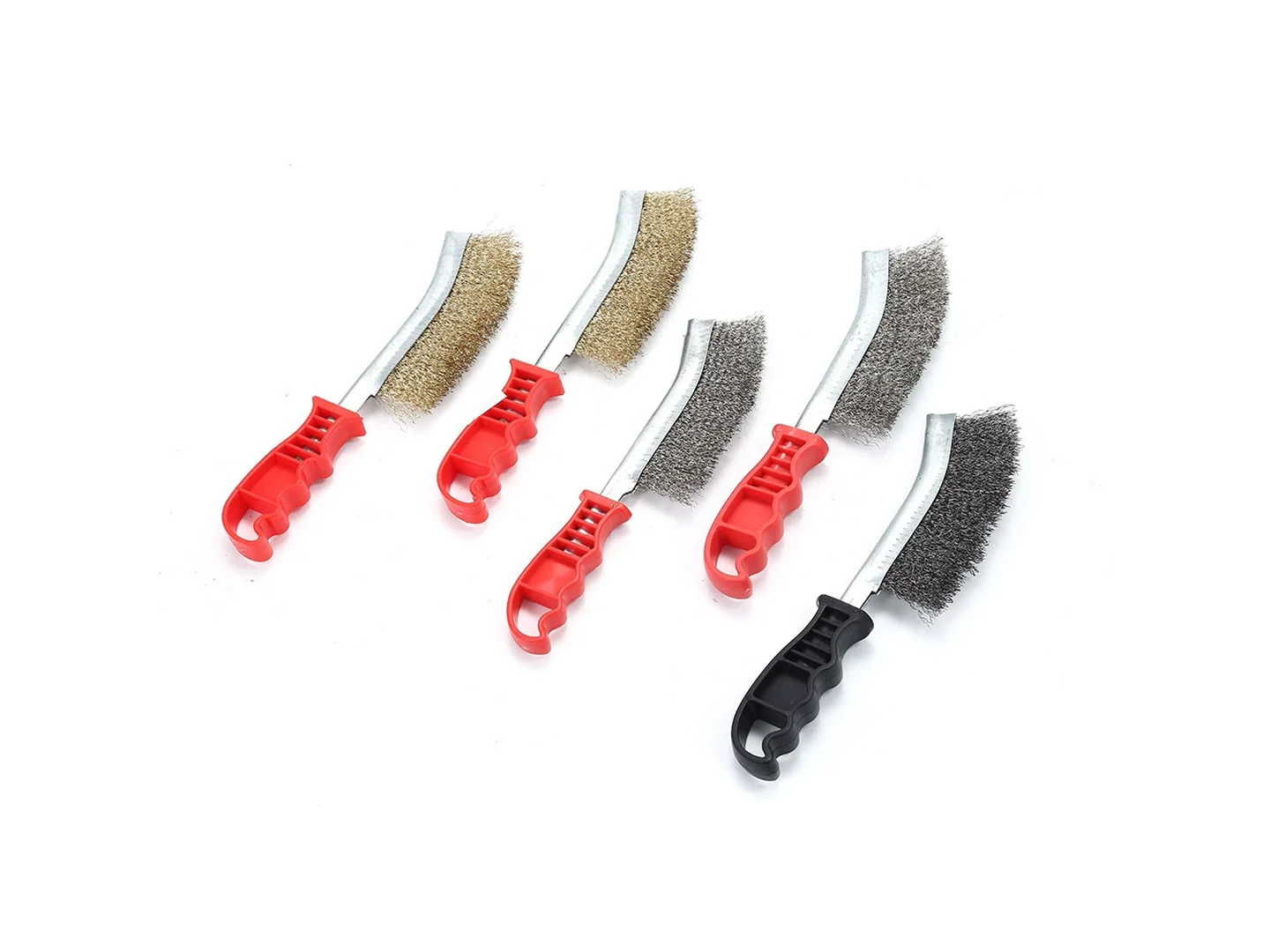
Small brush
500 pcs
Minimum order
Held in one hand: tube, bottle, detail and swab brushes — including long-handled ones with a small head.
Production lead time, once the specification is confirmed
- Up to 500 pcsWithin 7 days
- 501–50,000 pcsWithin 14 days
- Over 50,000 pcsWithin 21 days
Peak season can extend these times; the shipping date is confirmed in writing with your quotation. Sampling and shipping are quoted separately.
A hand-guided mold cleaning brush designed for polycarbonate and food-contact chocolate molds, built to follow cavity details while removing cocoa butter and chocolate residue without scratching polished surfaces. Filament, head shape and handle can be matched to your cavity geometry, wash temperature and manual or machine cleaning method.
What can this brush do for you?
Removes cocoa butter film without dulling mold gloss
PBT or nylon filaments with controlled diameter and tip profile provide enough stiffness to lift cocoa butter and chocolate residue, but flex rather than gouge when they contact polished polycarbonate or metal mold surfaces. The result is a clean release surface and longer mold life, with no fine scratches that would otherwise trap fat and build dull patches.
Follows corners, lettering and undercuts that flat pads miss
The head trim can be shaped to the mold cavity pitch, with shorter center tufts and longer edge tufts or angled tips that reach into logos, grooves and bowl transitions. Operators clean the full cavity pattern in fewer strokes instead of chasing residue with picks or swabs.
Stays effective through hot detergent washdown
PBT filament keeps its stiffness and chemical resistance in heated wash solutions, so the brush performs the same in a mold washing machine as it does at a warm manual station. Nylon PA options provide a softer, more flexible contact for delicate or highly polished molds.
Releases residue instead of storing it
The smooth, low-absorption PBT or nylon filaments do not soak up cocoa butter or detergent. A rinse removes loosened residue from the tufted face, which means the brush does not become a source of recontamination on the next mold cycle.
Matches manual workstations or existing mold wash lines
The brush block can be supplied as a hand tool with an ergonomic handle or with mounting holes and slot dimensions that fit your existing scrub station. One filament specification can be carried across both manual and automated cleaning steps to keep residue removal consistent.
What is a Chocolate Mold Cleaning Brush?
A Chocolate Mold Cleaning Brush is a tufted cleaning tool made specifically for the interior side of chocolate molds. It uses a shaped brush head filled with PBT or nylon PA filaments, set into a food-processing handle or machine block, to remove residual chocolate, cocoa butter film and loose confectionery soil after demolding.
During use, the operator guides the head over the cavity pattern while the mold is still warm or has been rinsed with warm water and detergent. The filaments flex into recesses and edges, lift fat-based film from the cavity surface, and carry loosened residue away for rinsing. Typical stroke motion is a push-pull or short circular pass across each row of cavities; the trim pattern is matched to the cavity depth and open details so the tips make contact where residue actually collects.
This is a controlled food-contact cleaning tool, not a scraper. It is intended for chocolate and cocoa butter residue that is soft or re-warmed. For caramelized sugar, burnt deposits or heavy starch buildup, a different cleaning method should be used first, and this brush can finish the surface after chemical soaking.
Technical Specifications
All values below are standard reference ranges for a hand-guided food-processing mold brush. Head width, trim length, handle length and mounting dimensions are adjusted to the specific mold pattern and cleaning line.
| Parameter | Value / Options |
|---|---|
| Brush form | Hand brush, angled head, detail brush, or machine-mounted block |
| Filament material | PBT (0.15–0.20 mm) or nylon PA (0.15–0.30 mm) |
| Filament trim length | 12–30 mm, selected from cavity depth and access |
| Tip treatment | Standard cut or end-rounded for gloss-sensitive polycarbonate molds |
| Head block material | PP food-processing block; stainless steel ferrule or core optional |
| Head width | 20–80 mm, matched to cavity pitch and row spacing |
| Overall length | 150–300 mm (hand versions), adjusted for operator or machine reach |
| Handle | PP with textured grip; stainless rod or full stainless option |
| Temperature guidance | PBT suitable for hot washdown up to approx. 120°C; nylon PA better below 100°C |
| Mounting | Pre-drilled holes, slot, or custom block dimensions for fixture replacement |
| Color | Natural, blue, green, or coded colors for line and product segregation |
| Brush type | Custom Handheld Detail Brushes |
| How it is driven | Machine-driven, mounted in the equipment |
| Cleaning target | polycarbonate chocolate bar and praline mold, seasonal and promotional mold shape, and mold washing machine and tunnel washer cleaning |
| Surface or part | molds, cavities, edges, corners, bowls, lettering, pads, and holes |
| Residue or debris | mold, chocolate, fat, fat deposits, starch, sugar, milk, and pitch |
| Mounting / connection | Pre-drilled holes, slot, or custom block dimensions for fixture replacement |
Where does this brush work best?
- Polycarbonate chocolate bar and praline molds with fine lettering, logos or geometric patterns where residue collects in tight corners.
- Seasonal and promotional mold shapes with deep bowls, ridges and curved transitions that need a shaped head rather than a flat pad.
- Mold washing machines and tunnel washers where the brush is mounted in a scrub zone and must survive continuous hot detergent exposure.
- Silicone chocolate molds and flexible forming mats where non-scratch contact and controlled pressure preserve detail and release.
- Manual polishing stations after rinse, where operators remove remaining fat streaks or water spots before the mold returns to the depositing line.
- Confectionery production environments using milk, dark or compound coatings that leave different fat deposits; color-coded brushes help separate product lines.
How do I choose the right one?
Start with the cavity pattern
Measure cavity width, depth, and spacing between cavities. The head width should cover at least two full rows, and the tuft trim length should reach the cavity floor without the block scraping the mold rim. If the mold has deep narrow details under 3 mm, specify a detail brush or longer tapered edge tufts rather than a one-piece flat head.
Match the filament to the wash environment
If the cleaning cycle includes hot water above 60°C or a continuous heated wash cabinet, choose PBT for stiffness retention and detergent resistance. If the mold is highly polished or silicone and contact pressure must stay low, choose softer nylon PA with end-rounded tips. PBT is generally the better default for chocolate lines because it does not soften in hot washdown, while nylon remains useful where flexibility and very soft contact are the priority.
Adjust the trim and tip to the residue
Fresh cocoa butter film softens near 35–40°C, so a warm rinse before brushing reduces the force required. For heavy or aged fat deposits, a stiffer, denser fill with shorter trim applies more scrubbing action. For gloss-sensitive polycarbonate, use end-rounded tips and avoid wire or abrasive filament altogether.
Define the physical interface
Manual brushes need a handle length and grip that keep the operator’s wrist comfortable through hundreds of strokes per shift. Machine brushes need exact block dimensions, mounting hole positions, and trim orientation. Supplying a sample brush or a drawing from the mold washer eliminates most fit errors.
When this brush is not the right tool
If the mold has burned sugar, caramelized deposits, or hardened starch scale, start with a chemical soak or high-pressure rinse and use this brush as the finishing step. If cavities are extremely narrow or free-form, use a small detail brush or swab rather than forcing a wide head. If the mold surface must remain optically flawless, choose softer nylon with end-rounded tips; stiff filaments and metal cores can still leave marks under high operator pressure.
Can I customize this brush?
Chocolate molds differ in cavity size, material and line layout, so the brush should be defined around your mold rather than forced to a catalog size. We can adjust:
- Head geometry — flat, angled, curved, notched or tapered heads matched to cavity width, row pitch and reach.
- Trim pattern — dense fill, channel trim, longer edge tufts, corner tufts or single-row detail tips to follow specific features.
- Filament — PBT or nylon PA, filament diameter, color, tip treatment, and stiffness layering.
- Head and core — PP block, stainless steel ferrule or fully stainless construction for harsh washdown.
- Handle — length, grip shape, material, hanging hole, color and marking.
- Machine interface — mounting holes, slots, overall block dimensions and trim orientation to match an existing scrub station.
- Packaging — bulk, individually bagged, color-coded sets, or project-specific labeling.
When you send a mold drawing, cavity dimensions, wash temperature and the current brush or machine mounting details, we can return a drawing for approval before production. If your project requires material documentation, food-contact declarations or third-party testing support, those items can be coordinated during the customization phase.
Which filament survives the cleaning and still lasts on a chocolate mold cleaning brush?
How can I tell whether the filament is too stiff for my polished polycarbonate mold?
Test on an interior edge or a worn mold first. After rinsing and drying, inspect the test strip under angled light. Fine haze, light streaks or visible micro-scratches mean the filament is too aggressive; switch to softer nylon with end-rounded tips or a finer filament diameter before running the brush across production molds.
What should be removed or warmed before brushing?
Remove large chocolate pieces, loose scrap and any detachable mold inserts first. A warm water or detergent rinse that brings the mold to around 35–40°C softens cocoa butter so normal brush pressure removes it. Cold, hardened residue requires more force and can flex thin mold plates or increase scratch risk.
Does brushing replace degreasing or the final rinse?
No. The brush separates attached cocoa butter and chocolate film from the cavity, but the loosened fat still needs detergent circulation and a hot rinse to leave the mold surface. Final drying prevents water spots, and any sanitizing step required by the plant’s food safety program remains a separate operation.
How can I verify that a mold cavity is actually clean?
After rinse and dry, wipe the cavity floor and edges with a clean white lint-free cloth. Any visible fat haze or stain on the cloth means residue remains. A second check is the first demolding run after cleaning: dull patches, release streaks or chocolate sticking in specific cavities often point to missed residue in those locations.
Can this brush be used on silicone chocolate molds without damaging them?
Yes, when the filament is specified for soft contact. Use softer nylon with end-rounded tips and lower operator pressure, because silicone deforms more easily than polycarbonate and can be cut or scuffed by stiff filament ends. Avoid metal core contact with the cavity and inspect the head for rough tips before using it on a silicone forming surface.
What are the signs that the brush should be replaced?
Replace the brush when the tufts flatten or bend permanently, the tips mushroom, the trim length has clearly shortened from new, or the brush face no longer reaches the cavity floor without extra pressure. Tuft shedding, cracked handles or a loose ferrule are also immediate replacement triggers because they create contamination and inconsistent cleaning.
Guides that go deeper on this
Chocolate Mold Cleaning Brush: What Won't Mark the Mold?
Read this guideGuideWhen to Use a Chocolate Mold Brush on Ingredient Contact Areas
Read this guideGuideBakery Tray and Mold Brushes: Residue and Material Choice
Read this guideGuideTire Mold Cleaning Brush: Which Wire Clears Vents Safely?
Read this guideCustom Manufacturing RFQ
Describe Your Application
To quote this brush accurately, send the size, material, cleaning target, residue, quantity, and any available drawing or sample photo.
Drawing or photo optional — it speeds things up, it does not gate the enquiry.
Custom Brush RFQ
Send Your Brush Project
Upload a drawing, product photo, or sample photo and provide the core dimensions and cleaning conditions.
“We need a brush to remove wet residue from a stainless steel conveyor, about 800mm wide. The current brush wears quickly. We can send photos.”
“We sell drinkware and need a cleaning brush to include with the product. Quantity around 5,000 pieces.”