What Is an Anodizing Line Brush?
An anodizing line brush is a rotary or stationary brush designed to remove surface residues—oils, buffing compounds, light oxides, dust, or scale—from metal coils, sheets, or profiles as they move through a pretreatment section. Its primary role is to create a uniformly clean, reactive surface that promotes consistent anodizing, plating, or conversion coating adhesion. Unlike general-purpose cleaning brushes, anodizing line brushes must withstand continuous wet or chemical exposure, resist shedding, and avoid contaminating the process bath.
Common Types and Options
Anodizing pretreatment brushes fall into two main families: strip brushes (linear brush profiles mounted in holders) and roller brushes (cylindrical brushes rotating on a shaft). Within these, buyers typically compare:
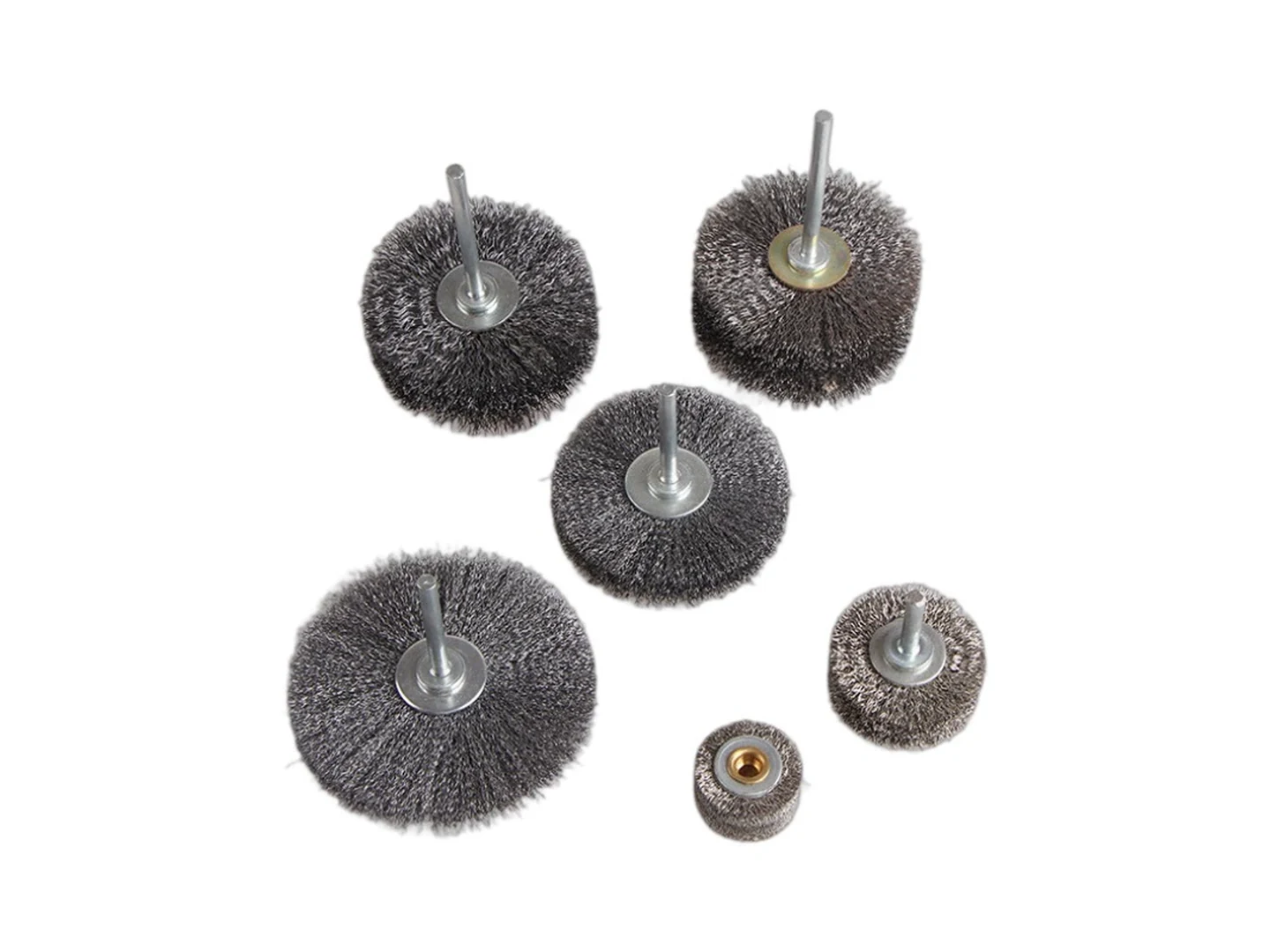
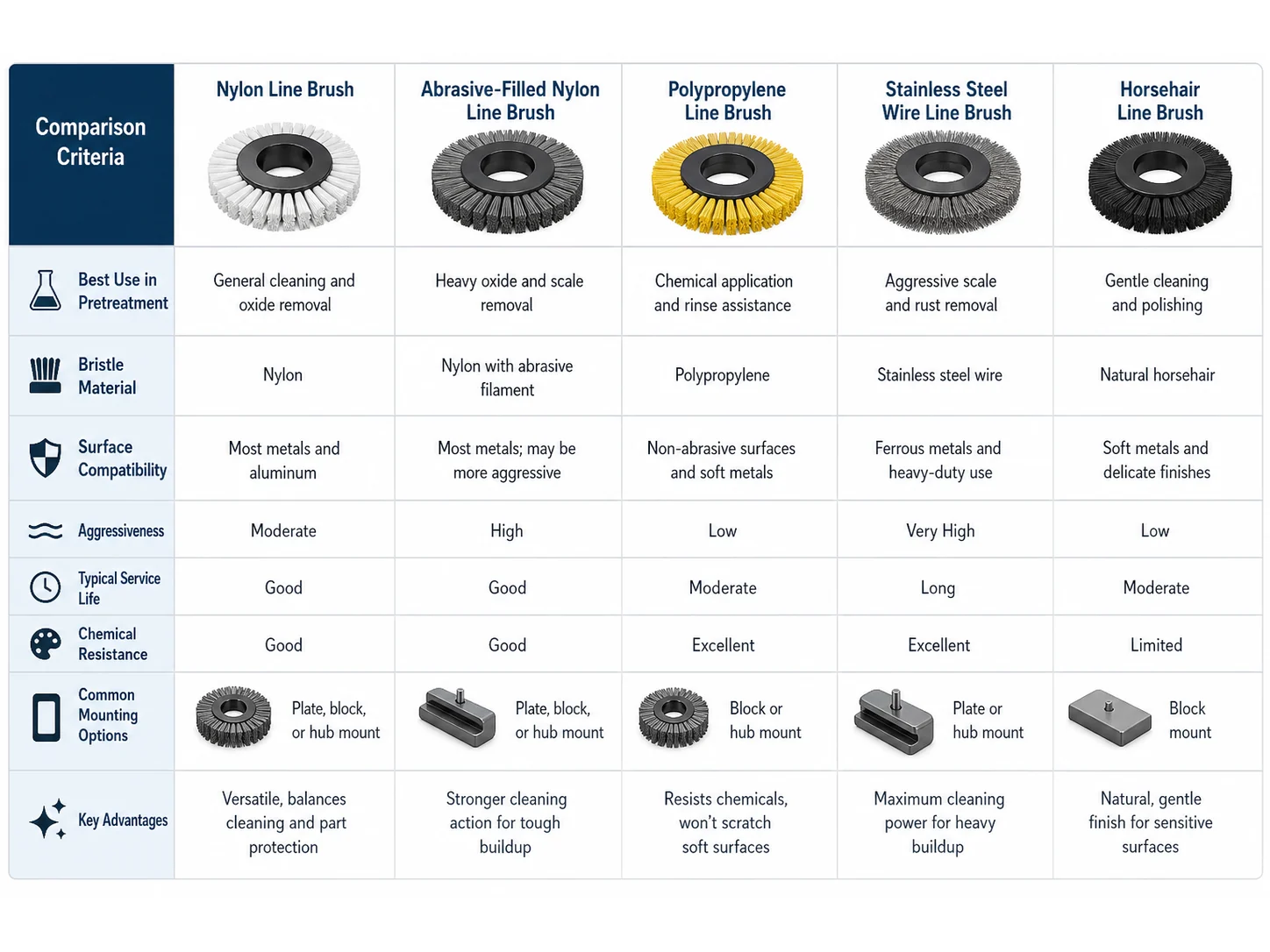
- Bristle material – nylon, polypropylene, horsehair, Tampico, abrasive nylon, stainless steel wire.
- Stiffness – soft, medium, firm, determined by filament diameter and trim length.
- Core/hub – phenolic, aluminum, steel, stainless steel, or engineered plastic.
- Mounting style – stud mount, keyed hub, through-bore, quick-change flange.
- Diameter and face width – matched to roll gap, conveyor clearance, and desired brush engagement.
- Trim length – length of the exposed bristle, affecting flexibility and wear life.
Option Comparison Table
| Feature | Typical Options / Range | Best Used When |
|---|---|---|
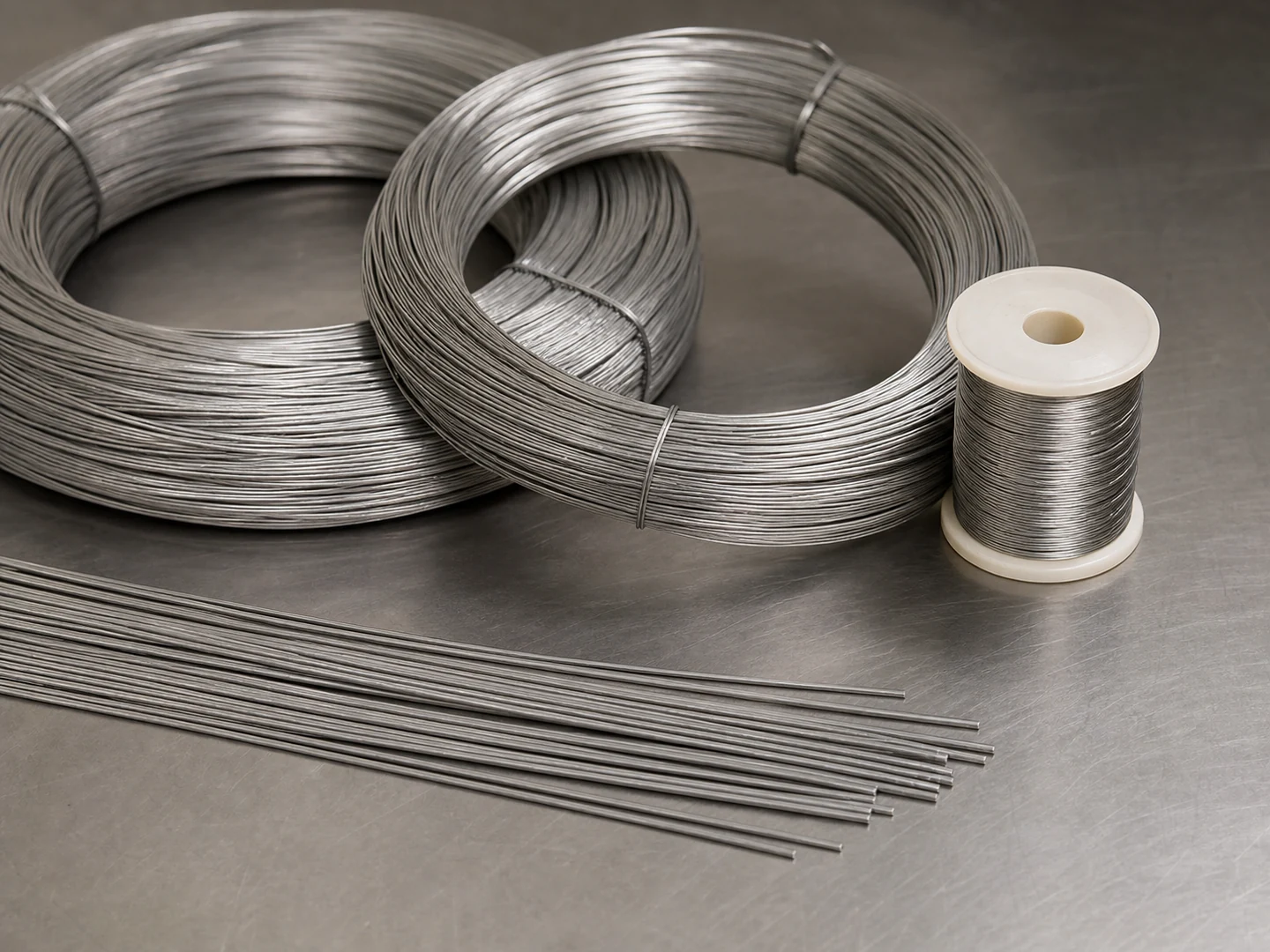
| Bristle Material | Nylon (6, 6.6, 6.12), polypropylene, horsehair, Tampico, stainless steel wire, abrasive nylon | Nylon: general degreasing, good chemical resistance; polypropylene: wet, acid/alkaline baths; horsehair/Tampico: soft scrubbing, no scratch; wire: heavy oxide or scale removal (post-etch required); abrasive nylon: light deburring and oxide conditioning. |
| Stiffness (Filament Diameter) | Soft (0.0080.012 in), medium (0.0120.020 in), firm (0.0200.035 in) | Soft: delicate alloys, light dust; medium: standard cleaning; firm: heavy residue or aggressive scrubbing. |
| Brush Diameter (O.D.) | Typically 212 inches; custom diameters available | Chosen to fit roll gap or conveyor width; larger diameter provides longer bristle life as more filament is worn before replacement. |
| Core / Hub Material | Phenolic, aluminum, steel, stainless steel, plastic | Phenolic: low cost, chemical resistant; aluminum: lightweight; steel: rugged; stainless steel: corrosion resistance for aggressive baths. |
| Mounting / Drive Style | Stud mount, keyed hub, through-bore, quick-change, flange mount | Quick-change: fast swaps on busy lines; through-bore: direct shaft mounting; stud: simple fixed mounting. |
How to Choose an Anodizing Line Brush
Narrowing down the right brush requires matching the brush to the complete pretreatment environment. Consider these factors in order:
- Residue type and tenacity. Identify the main contaminant: oil, buffing compound, dust, light oxide, or heavy scale. This dictates bristle material and stiffness.
- Substrate sensitivity. Soft aluminum alloys require non-abrasive bristles (e.g., horsehair or soft nylon) to avoid micro-scratches that show after anodizing.
- Chemical exposure. Confirm pH range, temperature, and presence of solvents. Polypropylene excels in acidic or alkaline conditions; natural fibers may degrade quickly.
- Line interface. Measure the available gap, roll diameter, and shaft keyway or mount style. Feed speed and brush RPM affect the effective scrubbing force.
- Hygiene and contamination risk. Some bristles shed filaments or absorb chemicals, risking bath contamination. Low-linting materials are preferred for critical anodizing.
- Maintenance window. Lower-cost brushes may need more frequent replacement; balance brush life against line downtime.
- Custom size requirements. Non-standard face widths, hub bore diameters, or multi-section builds often require a custom drawing before production.
Setup and Usage Factors
The brush’s performance depends heavily on how it is positioned and driven on the line:
- Engagement depth (penetration) – how far the bristles press into the sheet. Too little engagement cleans poorly; too much may scratch or bend thin materials.
- Rotational speed vs. line speed – the combination creates a relative scrub velocity. Faster rotation may clean better but can generate heat and wear.
- Wet vs. dry operation – wet lines often use closed-cell foam or plastic cores to prevent water absorption and swelling.
- Oscillation – adding an oscillating movement evens out wear and prevents moiré patterns on the surface.
- Direction of rotation – with or against the strip travel can change the scrubbing aggression and debris removal path.
Common Mistakes to Avoid
- Choosing by cost drivers alone. A cheaper brush that fails quickly may cost far more in downtime and rework than a well-matched premium brush.
- Ignoring chemical compatibility. Using natural bristles in strong acids or nylon in high-temperature, long-term alkaline immersion can lead to rapid failure.
- Mismatched stiffness. Too soft a brush may not clean enough; too stiff can scratch the base metal and cause cosmetic defects after anodizing.
- Overlooking core material. A standard steel core may rust in wet lines, contaminating the bath. Stainless steel or engineered plastic cores are essential for corrosive environments.
- Skipping the sample test. Running a brush on a lab coupon without actual line conditions (chemistry, temperature, speed) can mask real-world problems.
When an Anodizing Line Brush Is the Wrong Choice
Anodizing line brushes excel at light to moderate cleaning and surface conditioning, but they have limits:
- Heavy mill scale or thick oxides may require abrasive wheels, blasting, or chemical pickling before the brush stage.
- Intricately shaped parts (extrusions with deep channels, corners) may need custom-shaped brushes, robotic guided tools, or immersion cleaning.
- Stringent certification requirements (e.g., aerospace, medical) might demand validated, traceable cleaning processes that go beyond a mechanical brush.
- High-production lines with minimal downtime may benefit from automated brush monitoring systems or redundant brush stations to maintain consistency.
When the application pushes beyond these boundaries, consult a brush manufacturer for a design review or a full line audit before committing to a custom order.
Final Takeaway
Side-by-side comparison of material, stiffness, mounting, and chemical resistance data is essential before customizing an anodizing line brush. A small sample test that mimics actual line conditions—including chemistry, temperature, and speed—helps prevent costly rework and downtime. Always request a detailed drawing and clarify core material compatibility before moving from prototype to full production.
Frequently Asked Questions
What bristle material is best for cleaning aluminum before anodizing?
Softer nylon (type 6.12) or horsehair are often preferred because they effectively remove light oils and dust without scratching the soft aluminum surface. Abrasive nylon can be used if light surface conditioning is desired, but it must be tested to avoid visible scratches after anodizing.
How do I determine the right brush diameter for my line?
Measure the clear gap between rolls or the conveyor width where the brush will mount. The brush O.D. should allow sufficient bristle engagement (typically 0.125–0.250 inch penetration) without bottoming out. Larger diameters offer longer wear life because there is more filament to wear down before replacement.
Can I use a wire brush for anodizing pretreatment?
In most cases, wire brushes are not recommended because they can embed ferrous particles that cause rust spotting or scratch the surface. If used for heavy oxide removal, a follow-up chemical etch or de-smut step is required to restore a uniform surface. Stainless steel or brass wire may be used with caution and validated through testing.
How often should anodizing line brushes be replaced?
There is no fixed interval; replacement depends on operating hours, line speed, chemical exposure, and bristle material. Establish a preventive maintenance schedule based on visual inspections—replace when bristle length is reduced by 30–40% or cleaning performance drops. Documenting brush changes helps predict life for future planning.
What mounting options are common for inline brush systems?
Stud mount, keyed hub, and through-bore are standard. Quick-change flanges or split hubs allow faster swaps to minimize downtime. The choice depends on your existing shaft design and how often brushes need to be changed.
Do I need a custom brush drawing before ordering?
Yes, for any brush that departs from standard catalog sizes—non-standard core diameter, special trim length, multi-section builds, or unique hub machining. A drawing review ensures the brush will fit your line, mate with the drive, and meet safety clearances before production starts.
What is the difference between a strip brush and a roller brush for anodizing lines?
A strip brush is a straight, non-rotating brush profile typically held in a metal or plastic channel and used for static scrubbing or sealing. A roller brush is cylindrical and rotates on a shaft for dynamic cleaning across the strip width. Roller brushes are more common in continuous coil anodizing lines.
How do I clean and maintain anodizing line brushes?
Rinse brushes with clean water after each shift to remove chemical residues and loose debris. Avoid prolonged immersion in process baths when the line is idle. Store vertically or hang by the hub to prevent bristle deformation. Inspect cores regularly for swelling, cracking, or corrosion.
Technical References
- OSHA — Hazard Communication
- OSHA — Chemical Hazards and Toxic Substances
- World Stainless — Corrosion Resistance of Stainless Steels
Which bristle material fits this job — AISI 304 Stainless Steel Wire, Nylon PA or Horsehair?
| Material | Continuous temperature (°C) | Peak temperature (°C) | Water absorption | Hardness |
|---|---|---|---|---|
| AISI 304 Stainless Steel Wire | 400 | 500 | 0% | Rockwell B 70–95 depending on temper and cold work |
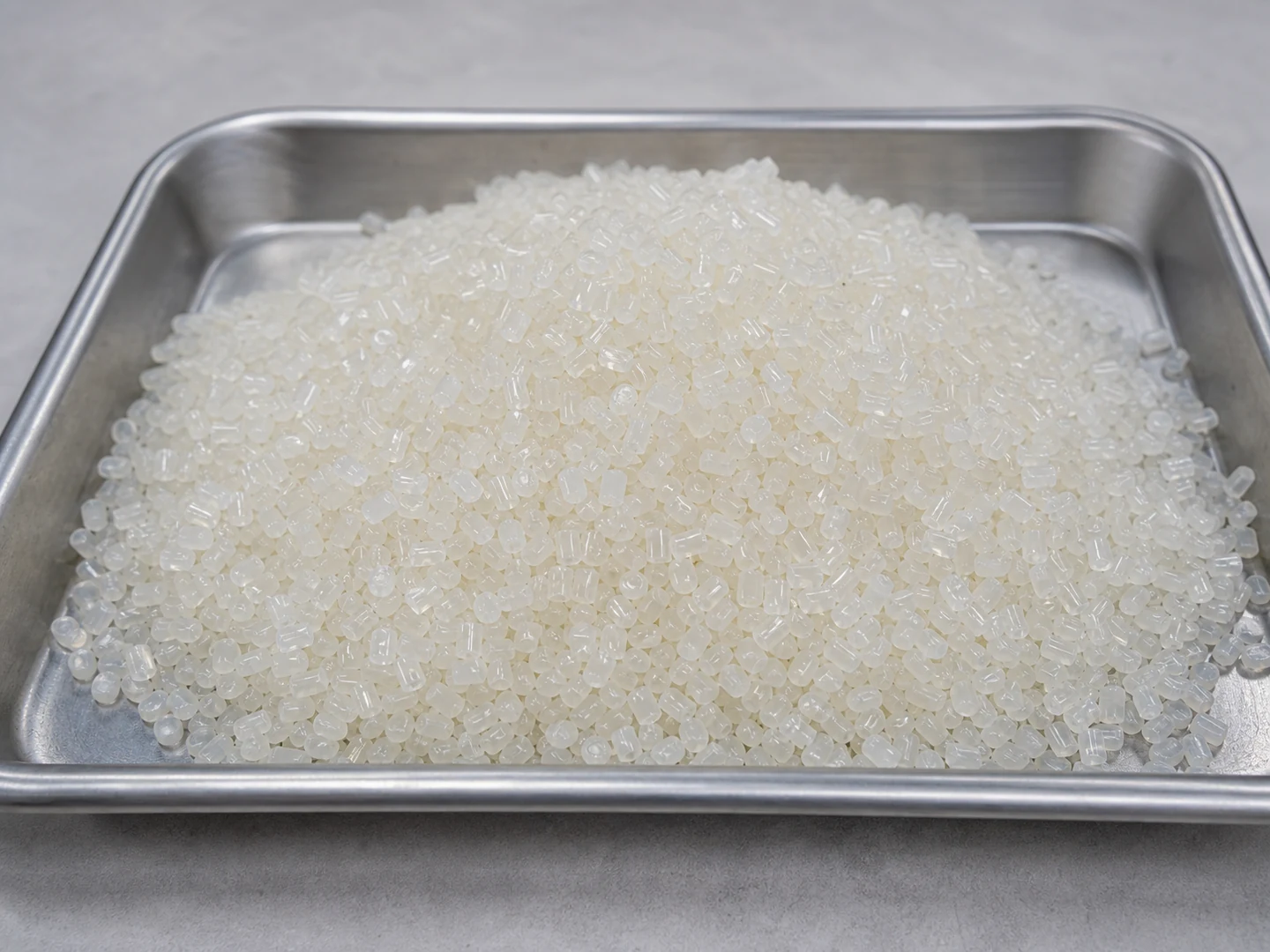
| Nylon PA | 93 | 121 | 0.3–9% by PA grade and conditioning | Medium to firm; filament diameter and trim length control bending force. |
| Horsehair | 60–80 | 100–120 | 8–15% | — |
| Abrasive Nylon | 120 | 150 | 0.1–1.0% | Abrasive filament; stiffness and cutting level is controlled by PA base, grit type, grit size, filament diameter and trim height. |
| Silicon Carbide Abrasive Nylon | 80–120 | 140–170 | 0.3–2.0% | Carrier Shore D 70–85; SiC Mohs Hardness Approximately 9.2 |
Figures as published by Alleima; Brushtec / DuPont; Perlon. Confirm the exact grade against the supplier datasheet before ordering.
What should replace Strip Seal Brushes for anodizing line brush?
- Strip Seal Brushes — Strip brushes create a linear barrier or guide; machine-table brush plates distribute load and support products over a broad area. Closest alternative: Machine Table Brush Plates.
- AISI 304 Stainless Steel Wire — Use AISI 316 stainless steel wire for chloride, marine, dairy, beverage, chemical washdown, or higher pitting-resistance requirements. Use carbon steel for dry aggressive cutting and brass or abrasive nylon for lower marking risk.
- Nylon PA — Compare Nylon PA with PP, PBT, PET. Change material when wet stiffness, temperature, chemical resistance, conductivity, particle shedding, or surface marking becomes the limiting factor.
- Horsehair — Compare Horsehair with Boar bristle, goat hair, microfiber. Change material when wet stiffness, temperature, chemical resistance, conductivity, particle shedding, or surface marking becomes the limiting factor.