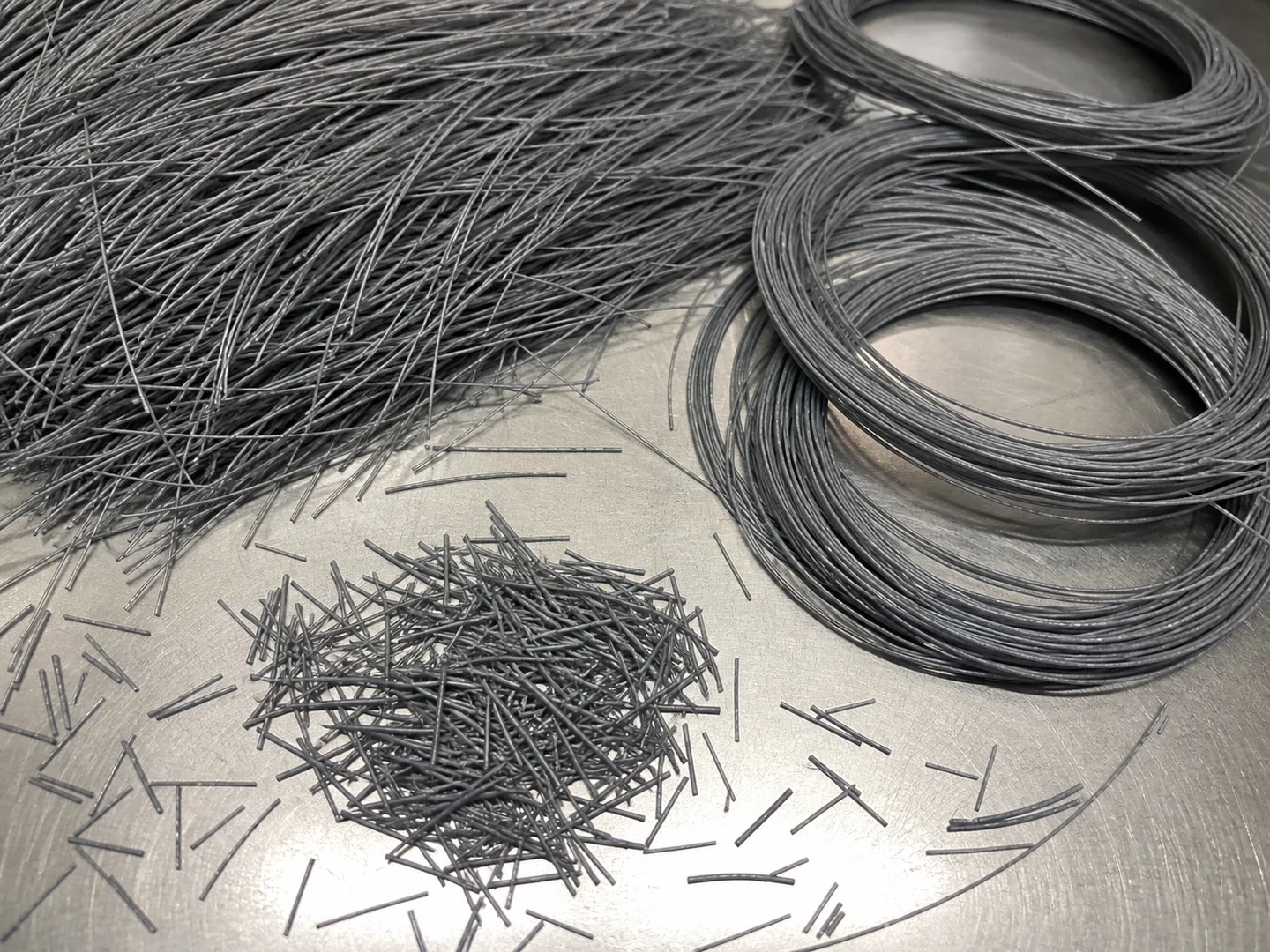
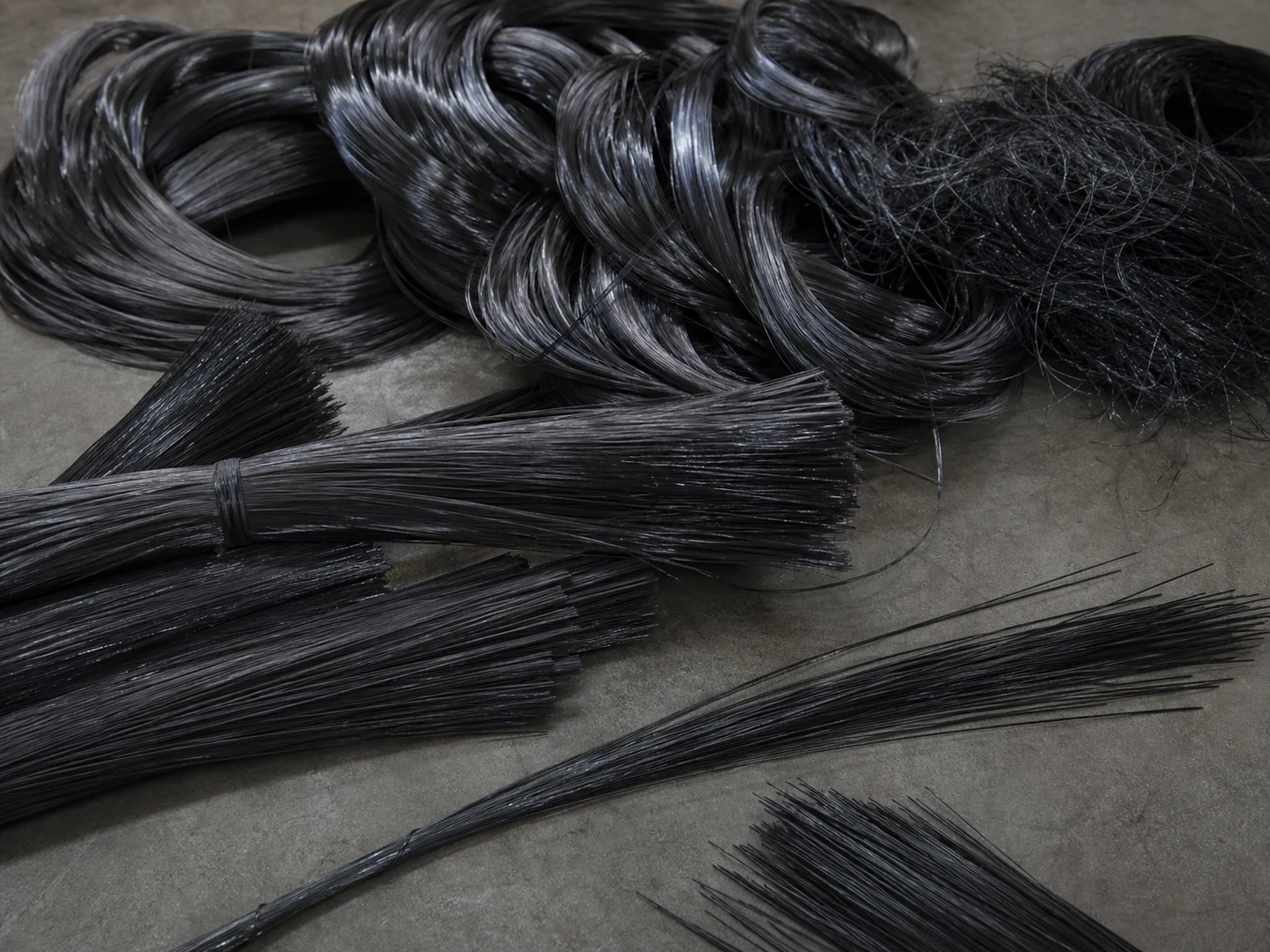
What Is a Composite Deburring Brush?
A composite deburring brush uses abrasive or non-abrasive bristles mounted on a hub, wheel, or shaft to mechanically remove unwanted material from composite workpieces. It works by rotating at controlled speeds while filaments contact the workpiece surface, breaking off burrs and sweeping away debris. Bushes can run dry or with coolant, and bristle selection directly affects surface finish, stock removal rate, and part integrity.
Common Types and Bristle Materials
Composite deburring brushes are distinguished primarily by bristle type. The most common options include abrasive nylon, ceramic‑impregnated nylon, natural fiber, and wire brushes. Each suits different composite substrates, finish requirements, and process environments.
- Abrasive nylon – filaments with embedded silicon carbide or aluminum oxide; good for general deburring and edge blending on fiberglass and carbon fiber.
- Ceramic filament – nylon with fine ceramic grit; offers longer life and consistent cutting action, especially on harder composites.
- Natural fiber (e.g., Tampico) – gentle, non‑abrasive; used for dusting, light cleaning, or contamination‑free applications where abrasion must be avoided.
- Wire (stainless steel or brass) – aggressive; rarely the first choice for composites due to risk of fiber pull‑out, but sometimes used on very tough resin systems or for heavy flash removal with careful parameter control.
Brush Type Comparison for Composite Deburring
| Brush Type | Bristle Material | Best For | Surface Sensitivity | Wet/Dry Operation | Temperature/Chemical Exposure | Line Speed Compatibility | Installation Space | Maintenance Frequency |
|---|---|---|---|---|---|---|---|---|
| Abrasive Nylon | Nylon with SiC/Al2O3 | General deburring, edge radiusing | Moderate | Both | Up to ~150°C; resistant to water‑based coolants | Medium to high | Compact (wheel or cup) | Moderate – bristles wear over time |
| Ceramic Filament | Nylon with ceramic grit | Harder composites, high‑volume deburring | Low to moderate | Both | Up to ~200°C; chemically resistant | High | Compact | Low – longer filament life |
| Natural Fiber (Tampico) | Plant‑based fiber | Dust removal, light cleaning, non‑abrasive wiping | Very high – no abrasion | Dry only (absorbs moisture) | Limited – up to ~80°C; avoid chemicals | Low to medium | Compact | Low – but may need frequent replacement if wet |
| Wire (Stainless/Brass) | Metal wire | Heavy flash removal, tough resin systems | Very low – high risk of fiber damage | Both | High – up to ~300°C; chemical resistant | Low to medium | Often requires more space and guarding | Moderate – wire can break and lodge in part |
How to Choose the Right Composite Deburring Brush
Selecting the best brush for your application requires evaluating several technical factors beyond just bristle type.
- Workpiece material and lay‑up: Thicker, resin‑rich composites may tolerate more aggressive bristles; thin‑ply carbon fiber requires gentle action to avoid delamination.
- Burr type and location: Internal hole burrs need a small‑diameter end brush or flexible shaft; edge burrs may suit a wheel or cup brush.
- Surface finish requirement: Abrasive grit size and bristle stiffness affect Ra values. Finer grits produce smoother finishes but slower stock removal.
- Process environment: Wet systems help with heat and dust control; dry systems may need vacuum extraction. Confirm chemical compatibility of the brush with coolants or cleaning agents.
- Machine interface: Spindle speed, available torque, tool mount (shank, arbor, keyway), and space constraints dictate brush size and attachment method.
- Production volume and line speed: High‑speed lines need brushes that maintain consistent cutting action over long runs without frequent change‑out.
What to Confirm Before Ordering
Before placing an order, verify these points to ensure the brush will work in your system:
- Dimensions: Outside diameter, width, bore or shank diameter, and overall length.
- Mounting method: Keyway, plain bore, setscrew, flange mount, or quick‑change hub. Confirm shaft or arbor size.
- Brush type and grit: Provide drawings or reference samples if possible. Specify bristle material, grit size, and filament trim length.
- Operating parameters: Maximum RPM, recommended feed rate, and direction of rotation.
- Expected cleaning result: Describe the target condition (e.g., no visible fuzz, edge radius < 0.2 mm) so the supplier can match the brush correctly.
- Sample or drawing reference: If replacing an existing brush, send a physical sample or dimensioned drawing to avoid fitment errors.
- Coolant/washdown exposure: Mention if the brush will see cutting fluid, solvent, or washdown chemicals.
Common Mistakes in Composite Brush Selection
- Choosing by grit and cost alone: Ignoring bristle material, filament density, and core construction leads to poor performance or rapid wear.
- Overlooking RPM limits: Running a brush above its rated speed can throw bristles or cause imbalance, damaging the part or machine.
- Using the same brush for wet and dry: Some natural fibers swell and degrade in moisture; abrasive filaments may load with wet dust.
- Skipping initial testing: Assuming a ‘standard’ brush works for all composite grades often results in unacceptable surface damage.
- Neglecting dust extraction: Composite dust is conductive and hazardous. A brush without vacuum assist can spread contamination throughout the machine.
- Ignoring bristle memory: Filaments can take a set if stored under pressure; this causes uneven contact and requires a break‑in period.
When a Composite Deburring Brush Is the Wrong Choice
A composite deburring brush is effective for edge finishing and surface dusting, but it has limits. In many production lines, it should be combined with other processes to achieve required cleanliness or quality.
- Vacuum extraction: Essential for capturing airborne carbon fiber dust that poses health and equipment risks. Integrate a dust‑collection hood around the brush station.
- Air knife: After brushing, a high‑energy air blast can blow off remaining loose particles from deep pockets or blind holes.
- Scraper or knife deburring: For heavy resin flash or large burrs, a mechanical scraper may precede the brush to reduce load and extend brush life.
- Clean‑in‑place (CIP) or ultrasonic cleaning: When composites must meet strict cleanliness (e.g., medical or aerospace), brushing alone may not remove sub‑micron particles; follow with ultrasonic or spray washing.
- Automated vision inspection: After brushing, inspect parts with a vision system to verify burr removal and surface integrity, closing the quality loop.
Final Takeaway
Choosing a composite deburring brush means matching bristle type and brush design to the composite material, burr condition, and production environment. Start by defining the required surface finish and the most challenging burr geometry, then select a brush that fits your machine kinematics and dust management strategy. Always test a sample brush under real operating conditions before standardizing.
Frequently Asked Questions
Can I use the same brush for wet and dry deburring?
It depends on the bristle material. Abrasive nylon and ceramic filaments work well in both, but natural fibers absorb moisture and degrade quickly. Wire brushes can also be used in either condition, but wet use may cause rust in non‑stainless grades.
How do I determine the right bristle grit for my composite?
Grit selection balances stock removal and surface finish. Finer grits (e.g., 180–240) produce smoother edges but slower cut. Coarser grits (60–80) remove heavy burrs faster but can leave a rougher surface. Always test on scrap parts first.
What causes rapid brush wear in composite applications?
Common causes include running at excessive RPM, using a wire brush on highly abrasive composites, insufficient coolant (dry running can melt nylon filaments), and improper chip clearance that re‑cuts old debris.
Is it safe to use a wire brush on carbon fiber composites?
Wire brushes can pull out fibers and create loose strands, compromising laminate integrity. They are generally not recommended unless used with extreme care on tough, filled resin systems. Even then, monitor surface condition closely.
Can I use a composite deburring brush on metal parts?
While some abrasive nylon brushes are designed for mixed‑material deburring, a brush optimized for composites may not be aggressive enough for metal. It is better to select a brush rated for the specific material you are processing.
Do I need vacuum extraction when deburring composites?
In most cases, yes. Carbon fiber and fiberglass dust are respiratory hazards and can contaminate machine ways and electronics. A vacuum system integrated with the brush station significantly improves safety and part cleanliness.
What dimensions are critical when ordering a replacement brush?
The most critical dimensions are outside diameter, face width, bore (or arbor) diameter, and overall length. Also confirm keyway size or flats if used. A drawing or photo of the old brush with a scale helps prevent errors.
How often should I replace my composite deburring brush?
Replacement frequency depends on usage, material, and quality requirements. Monitor for reduced cutting action, bristle breakage, or dimensional loss. In high‑volume production, schedule preventive replacement based on part counts or wear data from past runs.
Which bristle material fits this job — Abrasive Nylon, Carbon Fiber or Nylon PA?
| Material | Continuous temperature (°C) | Peak temperature (°C) | Water absorption | Hardness |
|---|---|---|---|---|
| Abrasive Nylon | 120 | 150 | 0.1–1.0% | Abrasive filament; stiffness and cutting level is controlled by PA base, grit type, grit size, filament diameter and trim height. |
| Carbon Fiber | 200–350 | 400–500 | ≤0.10% | — |
| Nylon PA | 93 | 121 | 0.3–9% by PA grade and conditioning | Medium to firm; filament diameter and trim length control bending force. |
| AISI 304 Stainless Steel Wire | 400 | 500 | 0% | Rockwell B 70–95 depending on temper and cold work |
Figures as published by Perlon; Brushtec / DuPont; Alleima. Confirm the exact grade against the supplier datasheet before ordering.
What should replace Abrasive Nylon when it stops working?
- Abrasive Nylon — Compare Abrasive Nylon with PP, PBT, PET. Change material when wet stiffness, temperature, chemical resistance, conductivity, particle shedding, or surface marking becomes the limiting factor.
- Carbon Fiber — Compare Carbon Fiber with Conductive nylon, anti-static filament, stainless micro-wire, standard nylon. Change material when wet stiffness, temperature, chemical resistance, conductivity, particle shedding, or surface marking becomes the limiting factor.
- Nylon PA — Compare Nylon PA with PP, PBT, PET. Change material when wet stiffness, temperature, chemical resistance, conductivity, particle shedding, or surface marking becomes the limiting factor.
- AISI 304 Stainless Steel Wire — Use AISI 316 stainless steel wire for chloride, marine, dairy, beverage, chemical washdown, or higher pitting-resistance requirements. Use carbon steel for dry aggressive cutting and brass or abrasive nylon for lower marking risk.