What Is a Metal Phosphating Pretreatment Brush?
A metal phosphating pretreatment brush is a specialized tool used in the cleaning and surface conditioning stage before phosphate coating. These brushes remove dirt, rust, mill scale, and old coatings mechanically, or assist in the uniform application of chemical cleaners. They can be mounted on automated lines, robotic arms, or manual stations. The right brush ensures consistent surface roughness for optimal phosphate crystal nucleation without causing surface damage or excessive brush wear.
Common Types of Pretreatment Brushes
- Roller Brushes: Cylindrical brushes that rotate against the workpiece. Ideal for continuous coil/plate lines or conveyorized systems; used for light descaling, cleaning, or chemical application.
- Disc Brushes: Flat, circular brushes used on angle grinders or dedicated machines. Suitable for spot cleaning, weld seam preparation, or irregular shapes.
- Cup Brushes: Brushes with bristles arranged in a cup shape, often for heavy-duty oxide or paint removal on corners and edges.
- Strip Brushes: Flexible holders with bristle strips, commonly mounted on shafts for guiding, wiping, or light cleaning in hard-to-reach areas.
Bristle Materials and Their Applications
Bristle material determines cleaning aggressiveness, chemical compatibility, and brush life.
| Material | Characteristics | Best For |
|---|---|---|
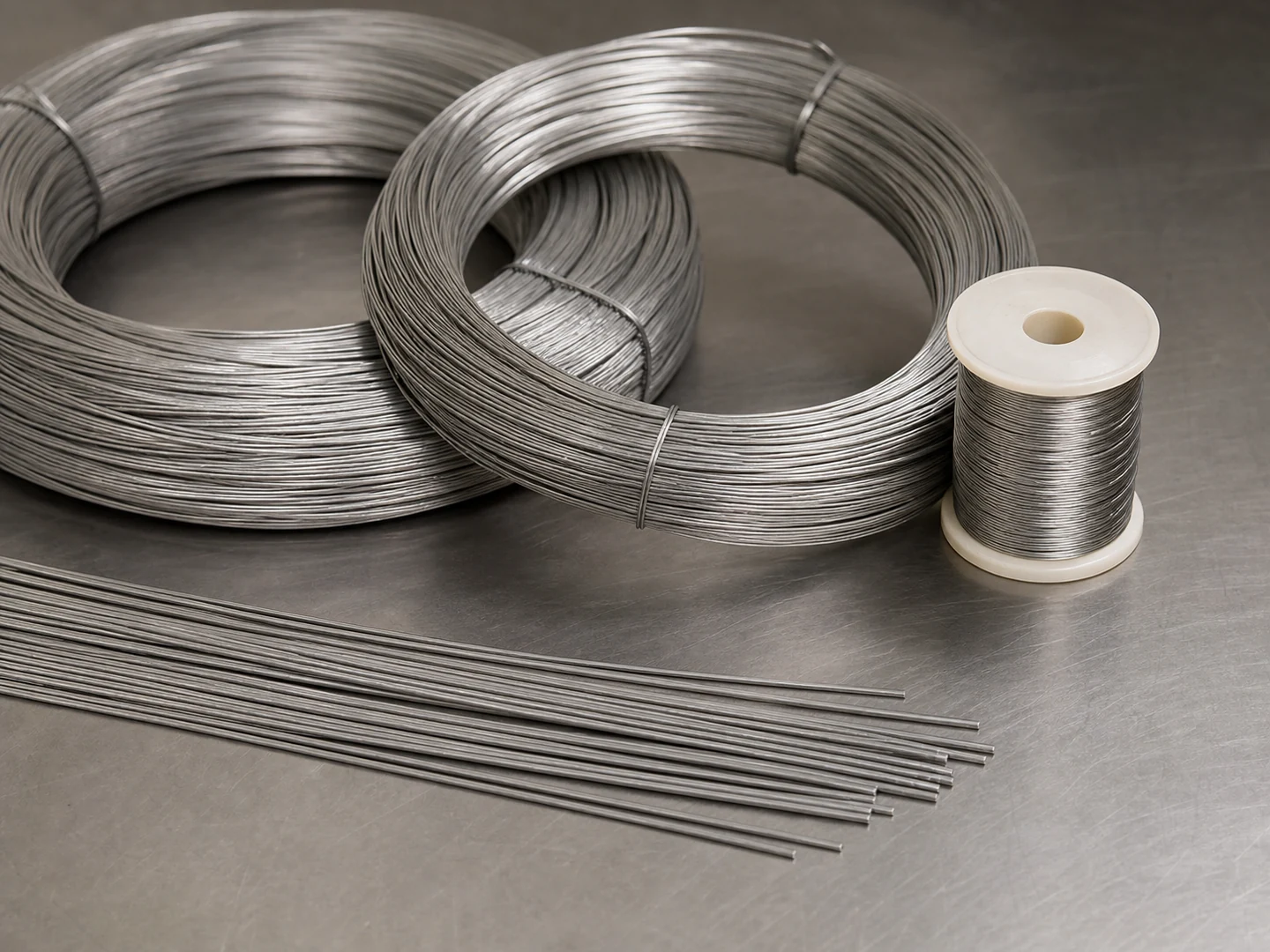
| Steel Wire (carbon/stainless) | Aggressive, durable, heat-resistant | Heavy rust, mill scale, weld slag on steel |
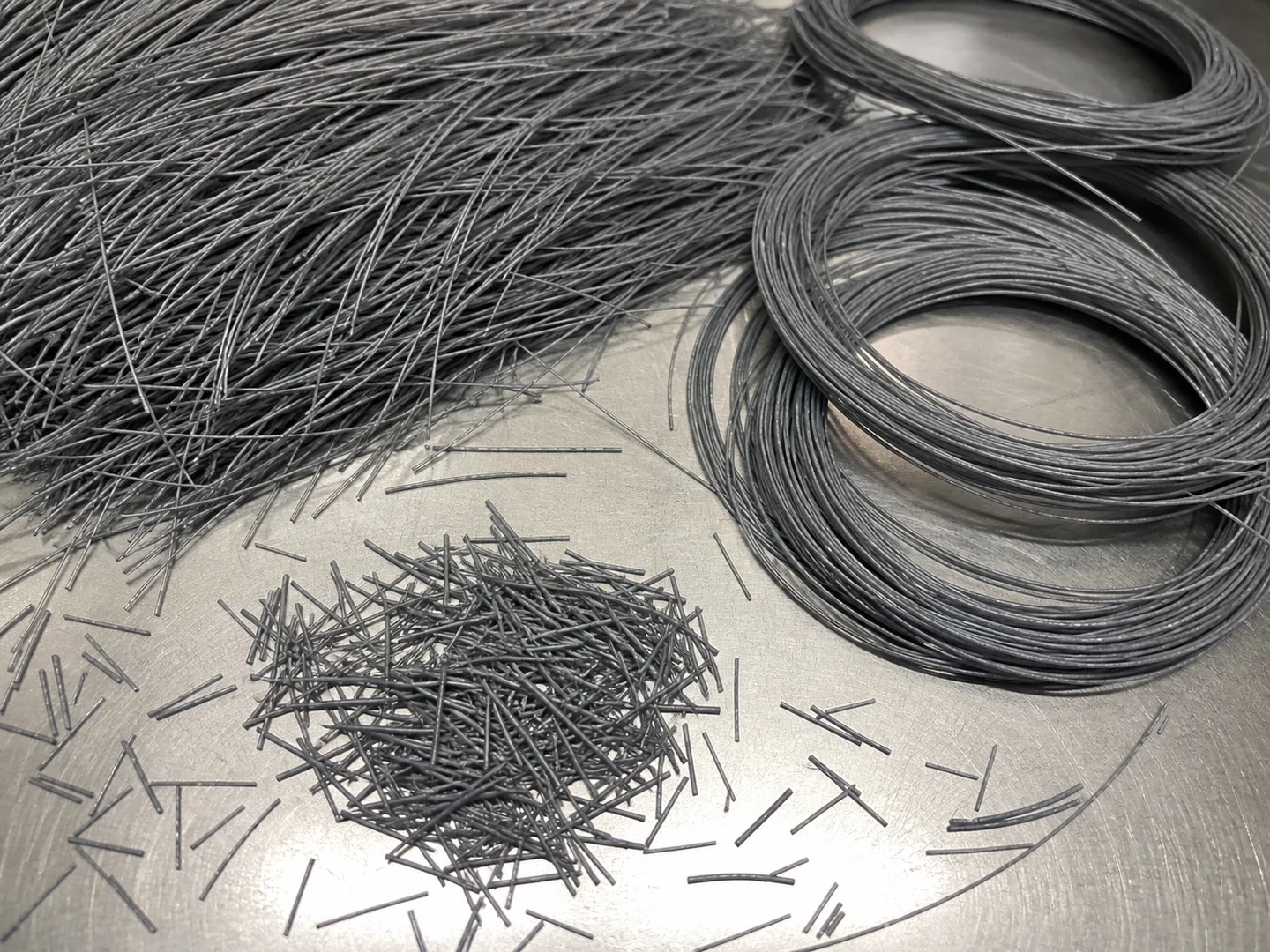
| Abrasive Nylon (silicon carbide or aluminum oxide impregnated) | Flexible, conforms to shapes, cooler running, non-sparking | Light to moderate rust, deburring, surface finishing on steel, aluminum, or zinc alloys |
| Natural Fiber (tampico, sisal) | Soft, absorbent, chemical-resistant | Applying liquid cleaners, light dusting, polishing with compounds |
| Synthetic Fiber (polypropylene, polyester) | Good chemical resistance, low moisture absorption | Chemical application, wet cleaning, environments with acids or alkalis |
Key Selection Factors
When specifying a metal phosphating pretreatment brush, evaluate:
- Workpiece Material: Steel, galvanized steel, aluminum, or cast iron each have different hardness and sensitivity to scratching. Abrasives may be required for steel; softer fibers for aluminum.
- Contamination Type: Heavy mill scale demands aggressive wire brushes; light oil and dust can be handled by nylon or fiber brushes.
- Chemical Compatibility: If used in conjunction with acidic or alkaline cleaners, bristle and filler materials must resist degradation. Stainless steel wire or polypropylene are often safe choices.
- Line Speed and Automation Level: High-speed continuous lines need dynamically balanced roller brushes with high-density bristles to maintain contact without vibration.
- Mounting Configuration: Brushes come with different hub types (hex, round, keyed) and arbor sizes. Verify compatibility with your equipment’s shaft or adapter.
- Brush Dimensions: Diameter, face width, and overall length affect coverage and pressure. Overly wide brushes may cause uneven wear; too narrow increases cycle time.
Setup Considerations
Proper setup extends brush life and ensures consistent cleaning. Maintain correct alignment so bristle tips, not the base, contact the workpiece. Set appropriate pressure—excessive pressure accelerates wear and risks surface deformation. Monitor rotational speed: too fast may melt synthetic bristles or cause wire fatigue; too slow reduces cleaning efficiency. Regularly check and adjust brush position as bristle length decreases.
Common Mistakes to Avoid
- Using the same brush for multiple metals without cleaning, causing cross-contamination.
- Ignoring chemical compatibility, leading to bristle softening or metal corrosion.
- Selecting overly aggressive brushes for thin sheet metal, causing warping or abrasion marks.
- Neglecting regular inspection and replacement; worn brushes increase downtime and reduce cleaning quality.
When Brushing Isn’t Enough
Mechanical brushing alone cannot remove deeply embedded oils, silicone-based lubricants, or severe heat scale. In such cases, pre-cleaning stages like hot alkaline immersion, ultrasonic cleaning, or pickling tanks are necessary. Brushes then serve as a final surface conditioning step. Similarly, for complex internal geometries, vacuum blasting or high-pressure spray may complement brushing to ensure complete cleanliness.
Bottom Line
The best result comes from matching metal phosphating pretreatment brush to the real cleaning task rather than forcing one brush to solve every condition. Confirm access, residue, surface limits, and replacement routine first; then use a small trial or inspection step before scaling the method into daily work.
Frequently Asked Questions
1. What bristle material is best for removing heavy rust in phosphating pretreatment?
For heavy rust and mill scale on steel, carbon steel wire brushes are the most cost-effective and aggressive. Stainless steel wire is recommended if iron-free cleaning is required to avoid rust bloom after phosphating. Abrasive nylon with coarse grit can also work but may wear faster on thick scale.
2. How often should phosphating pretreatment brushes be replaced?
Replacement frequency depends on usage intensity, bristle material, and workpiece abrasiveness. As a rule, inspect brushes daily; replace when bristle length reduces to 50–60% of original, or when cleaning performance drops. In high‑volume lines, roller brushes may last a project-specific schedule.
3. Can these brushes be customized for machine-specific applications?
Yes. Manufacturers often provide custom diameters, face widths, bristle patterns, and core materials to fit existing machines. Provide detailed drawings including shaft size, maximum RPM, and chemical exposure for accurate customization.
4. Is it safe to use wire brushes on aluminum parts before phosphating?
Carbon steel wire brushes should be avoided on aluminum, as iron particles can embed and cause galvanic corrosion. Use stainless steel wire brushes dedicated to aluminum only, or preferably abrasive nylon brushes designed for non‑ferrous metals.
5. How do I avoid brush contamination of the phosphate bath?
Use brushes with chemically resistant bristles and cores (e.g., stainless steel, polypropylene). Dedicate brushes to specific metal families and label them. Rinse thoroughly after use and never let worn bristle fragments enter the bath—install catch screens if necessary.
6. What is the difference between a roller brush and a disc brush in pretreatment lines?
Roller brushes are cylindrical and provide continuous linear contact, suitable for flat or coiled strip processing. Disc brushes are planar and excel at localized cleaning, such as around fasteners or contours, and are often used manually or with angle grinders for touch‑up work.
Technical References
Which bristle material fits this job — AISI 304 Stainless Steel Wire, Abrasive Nylon or Carbon Steel Wire?
| Material | Continuous temperature (°C) | Peak temperature (°C) | Water absorption | Hardness |
|---|---|---|---|---|
| AISI 304 Stainless Steel Wire | 400 | 500 | 0% | Rockwell B 70–95 depending on temper and cold work |
| Abrasive Nylon | 120 | 150 | 0.1–1.0% | Abrasive filament; stiffness and cutting level is controlled by PA base, grit type, grit size, filament diameter and trim height. |
| Carbon Steel Wire | 200–300 | 350–450 | 0% | Rockwell C 40–60 |
| Nylon PA | 93 | 121 | 0.3–9% by PA grade and conditioning | Medium to firm; filament diameter and trim length control bending force. |
Figures as published by Alleima; Perlon; Brushtec / DuPont. Confirm the exact grade against the supplier datasheet before ordering.
When is AISI 304 Stainless Steel Wire the wrong choice?
- AISI 304 Stainless Steel Wire — Avoid using AISI 304 as the default in marine, brine, hypochlorite, and persistent chloride environments; use AISI 316 when higher pitting and crevice-corrosion resistance is required.
- Abrasive Nylon — Exposed grit can change a surface finish, and high heat or aggressive chemicals can weaken the polymer carrier.
- Carbon Steel Wire — Not for soft plastic, glass, PCB, coated solar glass or polished paint.
- Nylon PA — The nylon family spans several grades, so heat, moisture and chemical limits should follow the selected PA resin rather than a generic nylon value.
What should replace AISI 304 Stainless Steel Wire when it stops working?
- AISI 304 Stainless Steel Wire — Use AISI 316 stainless steel wire for chloride, marine, dairy, beverage, chemical washdown, or higher pitting-resistance requirements. Use carbon steel for dry aggressive cutting and brass or abrasive nylon for lower marking risk.
- Abrasive Nylon — Compare Abrasive Nylon with PP, PBT, PET. Change material when wet stiffness, temperature, chemical resistance, conductivity, particle shedding, or surface marking becomes the limiting factor.
- Carbon Steel Wire — Compare Carbon Steel Wire with Carbon steel wire, brass wire, abrasive nylon. Change material when wet stiffness, temperature, chemical resistance, conductivity, particle shedding, or surface marking becomes the limiting factor.
- Nylon PA — Compare Nylon PA with PP, PBT, PET. Change material when wet stiffness, temperature, chemical resistance, conductivity, particle shedding, or surface marking becomes the limiting factor.