
Custom Cleaning Brush
Palm Dish Brush
A short palm-held body puts hand pressure straight into the bristles rather than into a flexing handle, for stuck-on food and sink corners.
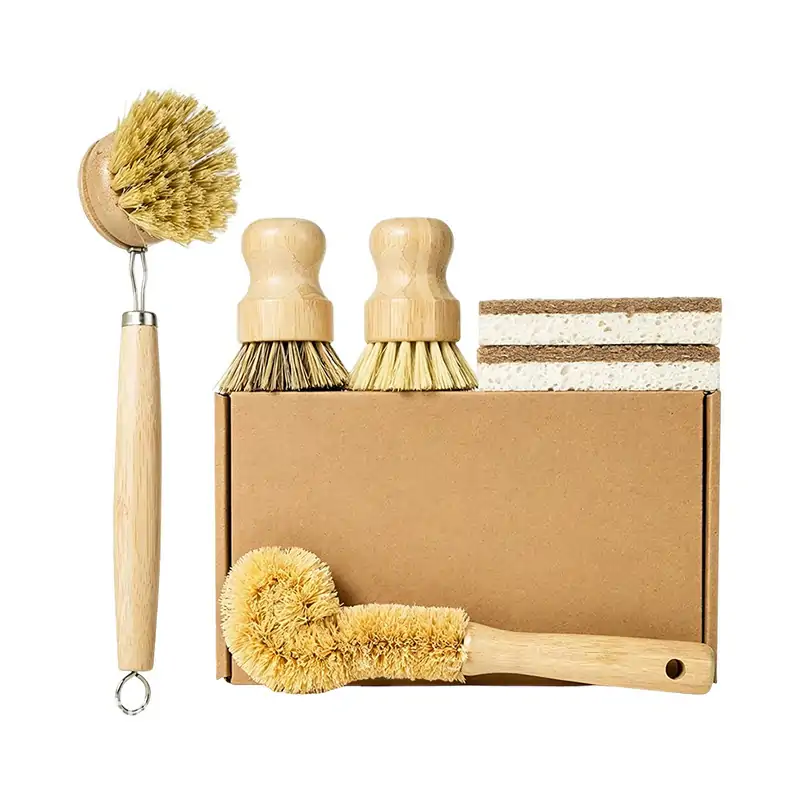
Small brush
500 pcs
Minimum order
Held in one hand: tube, bottle, detail and swab brushes — including long-handled ones with a small head.
Production lead time, once the specification is confirmed
- Up to 500 pcsWithin 7 days
- 501–50,000 pcsWithin 14 days
- Over 50,000 pcsWithin 21 days
Peak season can extend these times; the shipping date is confirmed in writing with your quotation. Sampling and shipping are quoted separately.
A compact, palm-held dish brush with a dense bristle face built for direct-pressure scrubbing of dishes, cookware, and sink-side items. The short body keeps the operator’s hand close to the surface, making it easier to break up stuck-on food and reach corners without the flex or fatigue of a long-handled brush.
What can this brush do for you?
Direct hand pressure transfers to the bristles, not into a flexing handle
Because the brush is held in the palm directly over the cleaning face, downward force goes almost straight into the tufts. An operator cleaning a baked-on pan bottom or a dish corner gets the same pressure they would from a scouring pad, without the long lever arm that makes a handled brush twist or bounce.
A compact body reaches rims, corners, and pan edges that a long handle makes awkward
The short profile allows short, controlled strokes around plate rims, utensil edges, and the curved wall of a pot. When the head is shaped with angled or longer perimeter tufts, the brush can clean the transition between the pan base and sidewall instead of skipping over it.
Bristle options match how aggressive the scrubbing needs to be
Nylon PA, PBT, and PET polyester filaments provide different stiffness and tip behavior. A stiffer PBT fill breaks up heavier food soils on stainless and cast iron, while a softer or flagged PET fill gives a lighter touch for delicate surfaces and everyday dishware. The brush can be built to the cleaning pressure the application actually needs.
Hot water and grease-cutting detergents do not collapse the tufts
The bristle materials retain their shape and stiffness after repeated exposure to hot wash water, dish detergents, and grease-cutting solutions. Selecting the right polymer and filament diameter prevents the brush from going limp or the tufts from flattening within a few shifts.
Open-body draining keeps the brush dry between uses
A body without closed pockets lets water and residue drain away instead of collecting inside the head. This reduces the damp conditions that cause odor and bacterial growth, especially in kitchens where the brush is used continuously and then stored near the sink.
What is a Palm Dish Brush?
A Palm Dish Brush is a short-form scrubbing brush held directly in the palm of the hand, with bristles projecting from the underside of the brush body. Unlike long-handled dish brushes, it has no extended lever between the grip and the cleaning face, so the operator works close to the surface and controls pressure with the wrist and palm.
In use, the operator grips the rounded or contoured body and scrubs with circular, back-and-forth, or short push strokes. The brush contacts the dish, pot, pan, or prep surface directly under the hand, which makes it useful where extra scrubbing force or fine control is needed. It is typically used with hot water and a dish detergent or degreaser.
The product can be built in different head shapes and bristle arrangements: a round face for bowls and flat surfaces, an oval or tapered face for corners and curved sidewalls, and a rectangular face for larger areas. The bristle material, filament diameter, and trim length determine how much scrubbing pressure the brush delivers and how it wears.
This is not a device for deep internal passages such as bottles, narrow-neck containers, or tubes; those jobs are better served by a bottle brush or tube brush with a reach that matches the vessel depth. A palm dish brush is also not a replacement for wire or abrasive brushes when the deposit is carbonized, mineralized, or requires metal-level aggression.
Technical Specifications
| Parameter | Specification / Range | Selection note |
|---|---|---|
| Head shape | Round, oval, rectangular, or custom contour | Round or oval for bowls and corners; rectangular for flat surface coverage. |
| Head width / diameter | 50–75 mm | Adjusted to the operator’s hand size and the area to be scrubbed. |
| Bristle cut length | 30–50 mm | Longer fill for deep pots and curved sidewalls; shorter fill for fine edges. |
| Overall reach / height | 67–100 mm | Measured from the top of the grip or strap to the bristle tips. |
| Grip / body diameter | 50–75 mm | Contoured to fit the palm; can be made smaller or larger. |
| Bristle material | Nylon PA, PBT, PET polyester | Nylon PA for durable everyday scrubbing; PBT for stiffer, hotter-water use; PET polyester for softer or less aggressive contact. |
| Filament diameter | 0.25–0.45 mm, project-dependent | Thicker filaments increase stiffness and wear life; thinner filaments are softer and more flexible. |
| Body / backing material | PP, ABS, or project-specified polymer | Material selected for hot water, detergent exposure, and grip feel. |
| Tuft pattern | Straight, wave, crimped, or flagged tips | Crimped or flagged fill produces a lighter abrasive action; straight fill gives firmer contact. |
| Drainage / storage feature | Molded drainage holes, hang loop, or flat base | Options selected for drying speed and storage method. |
| Operating environment | Hot wash water and standard dish detergents | Specify maximum water temperature and chemical type so the filament grade can be matched. |
| Brush type | Custom Handheld Detail Brushes | |
| How it is driven | Hand-guided | |
| Cleaning target | household dishwashing, pot and pan, and commercial and institutional kitchen prep cleaning | |
| Surface or part | cookware, corners, pans, pots, bowls, sidewalls, drain, and trays | |
| Residue or debris | food film | |
| Mounting / connection | Fixed / Replaceable Head |
All dimensions and materials are configurable for the project. Provide the target dimensions, residue type, wash water temperature, and surface sensitivity to receive a matched specification.
Where does this brush work best?
- Household dishwashing: plates, bowls, mugs, cutlery, and serving dishes where a short scrubbing face removes food film and stuck-on residue before rinsing.
- Pots and pans: stainless, enameled, and cast-iron cookware, where direct palm pressure helps lift caramelized or dried-on food from the base and sidewall.
- Commercial and institutional kitchen prep: sheet trays, utensil trays, cutting boards, and sink-side items that are scrubbed by hand during a dish shift.
- Produce cleaning: firm-skinned vegetables such as potatoes, carrots, and root vegetables, where a softer filament fill removes soil without cutting the skin.
- Surface cleaning around the sink: counters, sink basins, and removable drain components that need a controlled, short-reach scrub.
How do I choose the right one?
Start with the contact surface and the shape that covers it
Flat dinnerware cleans fastest with a round or rectangular face that covers a wide area. Bowls and curved cookware often work better with an oval or contoured head that follows the wall. If the job includes plate rims, pan edges, or grooves, specify angled or staggered perimeter tufts so the brush can reach those transitions instead of only scrubbing the flat center.
Match the bristle stiffness to the deposit and the surface
For everyday dish film and light food residue, medium nylon PA or softer PET polyester filaments are usually enough. For sticky, dried-on, or caramelized soils on stainless steel or cast iron, a stiffer PBT or larger-diameter nylon fill provides more aggressive scrubbing. For coated or easily scratched surfaces, choose softer, crimped, or flagged tips and verify the filament type does not exceed the surface tolerance. A brush that is too stiff wears the coating; one that is too soft will not remove the deposit.
Set the head size and grip to the operator and the workload
A 50–75 mm head fits most adult hands and balances coverage with control. If the same brush will be used for several hours in a kitchen, a slightly larger, contoured body can reduce hand fatigue; if it must get into small spaces or corners, a smaller or tapered head is the better choice. The strap, hang loop, or textured grip should match how the brush is held and stored.
Consider the water and detergent conditions
Bristle polymers react differently to hot water and chemicals. Nylon PA and PBT tolerate repeated hot-water exposure well, while PET polyester is usually selected for softer contact or lower-temperature routines. Provide the maximum wash water temperature, detergent family, and sanitizer exposure before finalizing the filament grade so the tufts do not soften or fracture early.
If the residue is carbonized, mineral scale, or baked on hard enough to require metal-level abrasion, a nylon, PBT, or PET palm brush is the wrong tool; use a wire brush or abrasive pad. For deep, narrow vessels, choose a bottle brush or long-handle pot brush that reaches the base without putting the hand in the vessel.
| If your condition is… | Choose… |
|---|---|
| Light film on standard dishware | Medium nylon PA, round or oval face |
| Dried or sticky food on stainless or cast iron | Stiffer PBT or larger-diameter nylon, shorter trim for pressure |
| Sensitive or coated surfaces | Soft PET polyester, flagged or crimped tips |
| Bowls and curved cookware | Oval or tapered head with angled perimeter tufts |
| High-frequency commercial dishwashing | Contoured grip, drainage openings, hot-water-stable filament grade |
Can I customize this brush?
A palm dish brush is configurable because head shape, fill, and body details are project-specific. When requesting a custom version, provide the target head dimensions or a photo of the part or application, the bristle material and stiffness you expect, the maximum wash water temperature, the detergent or cleaner used, the required grip and body contour, and the storage method.
Common customization points:
- Head geometry: round, oval, rectangular, contoured, or multi-radius profile; head width or diameter and cut length adjusted to the job.
- Bristle fill: material such as nylon PA, PBT, or PET polyester; filament diameter, trim length, tuft density, tip style such as straight, flagged, or crimped; and color.
- Body and grip: PP, ABS, or alternative polymer; contoured, recessed, or ribbed grip; finger recesses; overmolded edge; strap or hang loop.
- Drainage and storage: molded drainage holes, open-body construction, flat-bottom base, or hanging feature.
- Color and marking: custom body or bristle color, pad printing, molded logo, or identification coding.
- Packaging: bulk, individual polybag, retail card, or project-specific packing.
If your project needs material declarations, inspection support, or third-party testing for specific cleaning, temperature, or contact requirements, we can include those documents in the customization scope.
When is a palm dish brush worn out rather than just dirty?
How do I keep the brush from slipping when my hands are wet and soapy?
The grip is the first point to check. A body with molded finger recesses, a ribbed or textured surface, or an overmolded edge provides more control in soapy conditions than a smooth plastic back. If the current brush slips, specify a contoured grip and keep the body size within the operator’s natural palm span.
Can a palm dish brush be used on nonstick cookware?
It depends on the bristle material and tip treatment. Stiff PBT or large-diameter nylon can dull or scratch the coating over repeated use. For nonstick or other coated surfaces, select a softer PET polyester fill, crimped filaments, or flagged tips, and test on an inconspicuous area before committing the brush to the line.
Will a palm brush reach the bottom of a deep stockpot?
Only to the depth of the operator’s hand and wrist. If the pot is deep enough that the hand must enter the water or the brush cannot contact the base squarely, use a long-handle pot brush or a bottle brush sized to the vessel depth instead. A palm brush is for short-reach, direct-pressure work.
What should I inspect before putting a palm dish brush back into service?
Check that the tufts are still upright and evenly distributed, that no filaments are flattened or splayed permanently to one side, and that the body has no cracks or broken drainage features. If the bristles no longer spring back after rinsing or the body feels soft or deformed after hot-water use, replace the brush.
Does brushing replace soaking or detergent action?
No. Brushing dislodges and removes attached food film, but soaking and detergent still shorten the work on dried or burnt-on soils. Loosened debris also needs to be rinsed away. In a manual warewashing process, the brush is one step in the sequence, not a substitute for pre-soak, detergent, or final rinse.
When should I choose a different brush or cleaning tool?
Use a different tool when the opening is narrow or the vessel is deep, when the deposit is carbonized or mineralized and needs metal-level abrasion, when the surface requires disposable cleaning to avoid cross-contamination, or when the cleaning action needs to happen in a dishwasher cycle rather than by hand. A palm brush fits direct, controlled scrubbing of open, accessible surfaces.
Guides that go deeper on this
RELATED BRUSH RESOURCES
Recommended Reading & Related Brush Resources
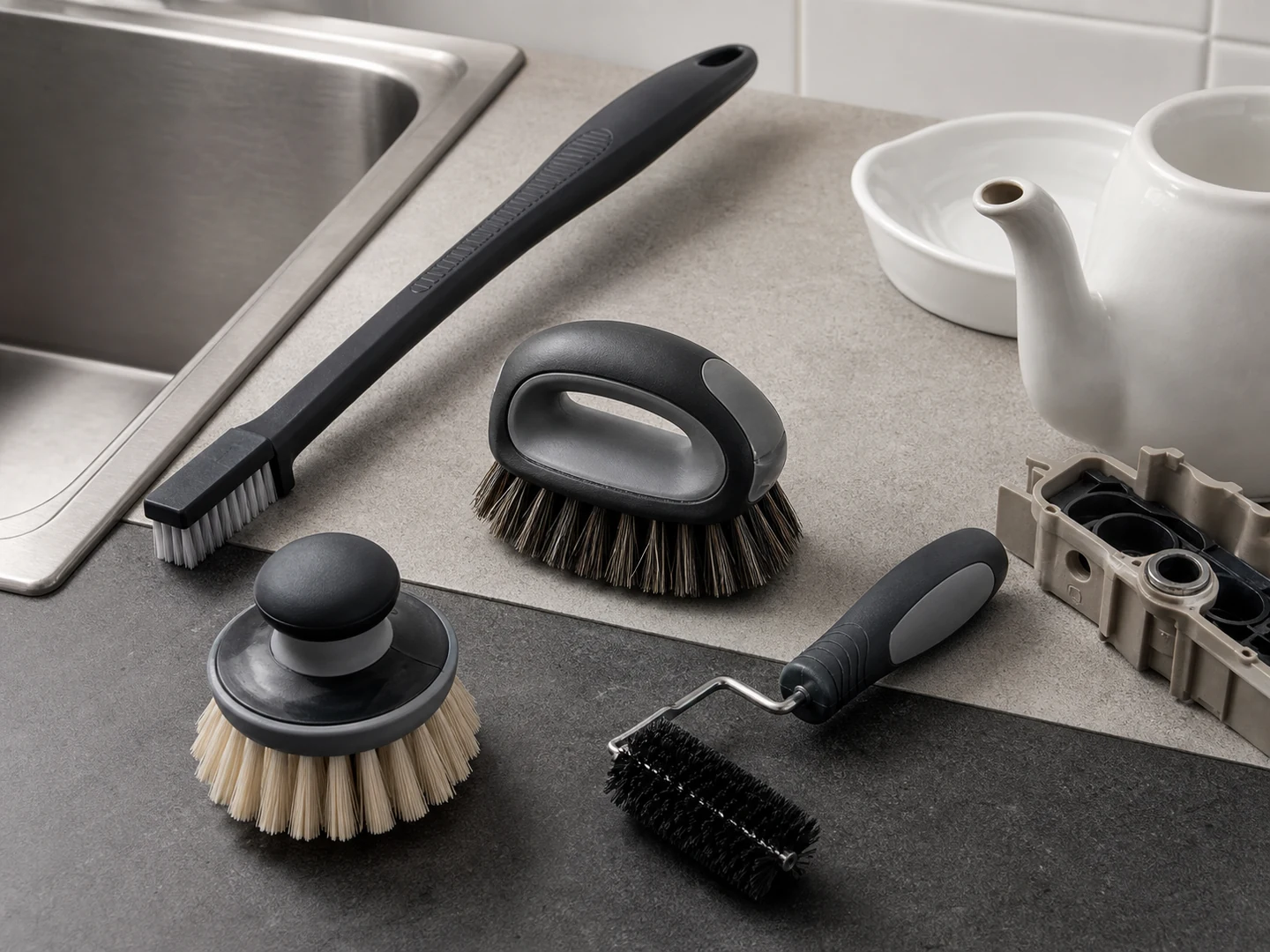
Custom Handheld Detail Brushes
Choose a handheld detail brush when you need direct control in seams, recesses, fittings,…
See how this type is built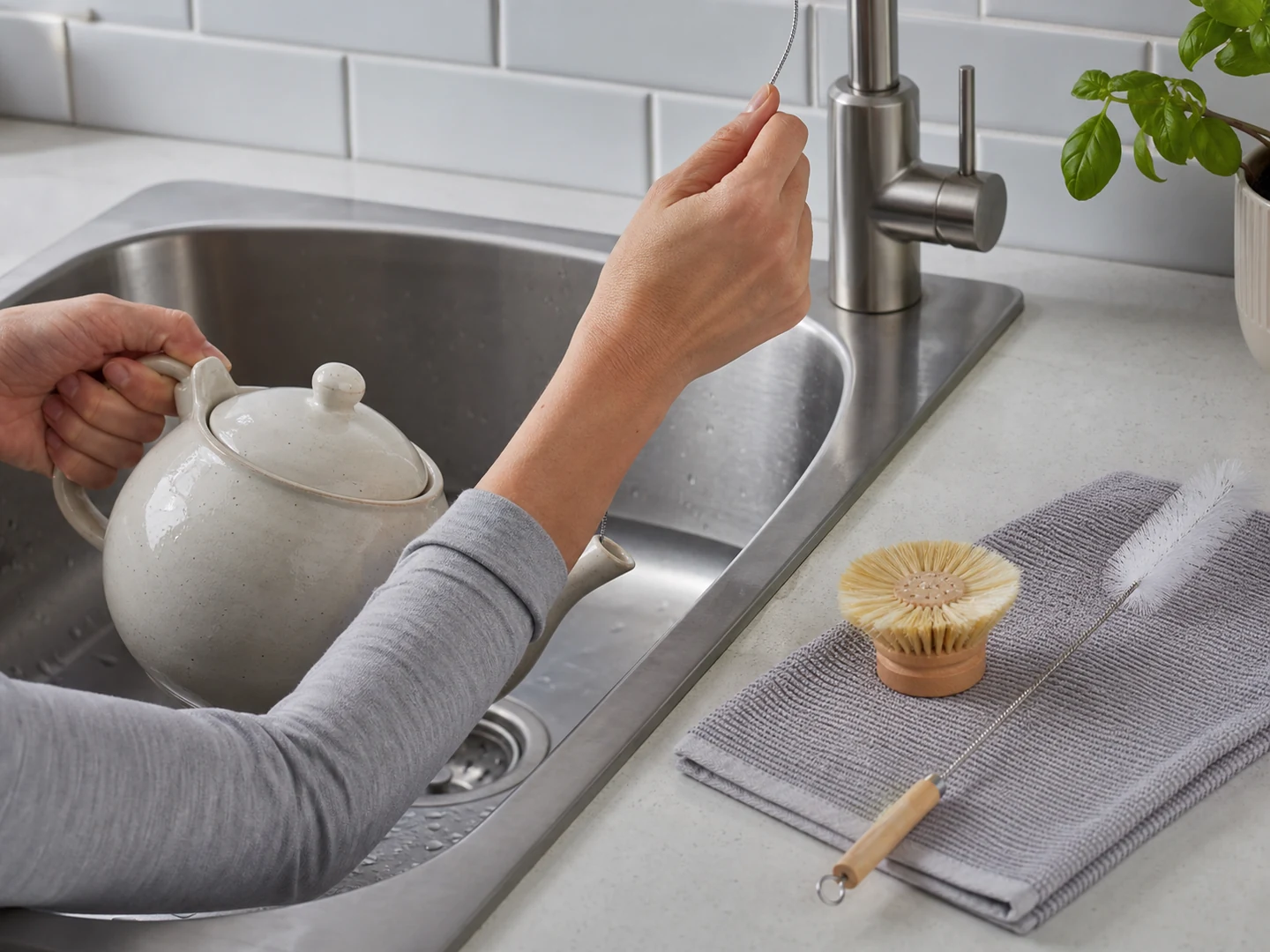
Household Dish, Teapot & Kitchen Detail Cleaning
For Household Dish, Teapot & Kitchen Detail Cleaning, the brush must reach the working…
See the cleaning job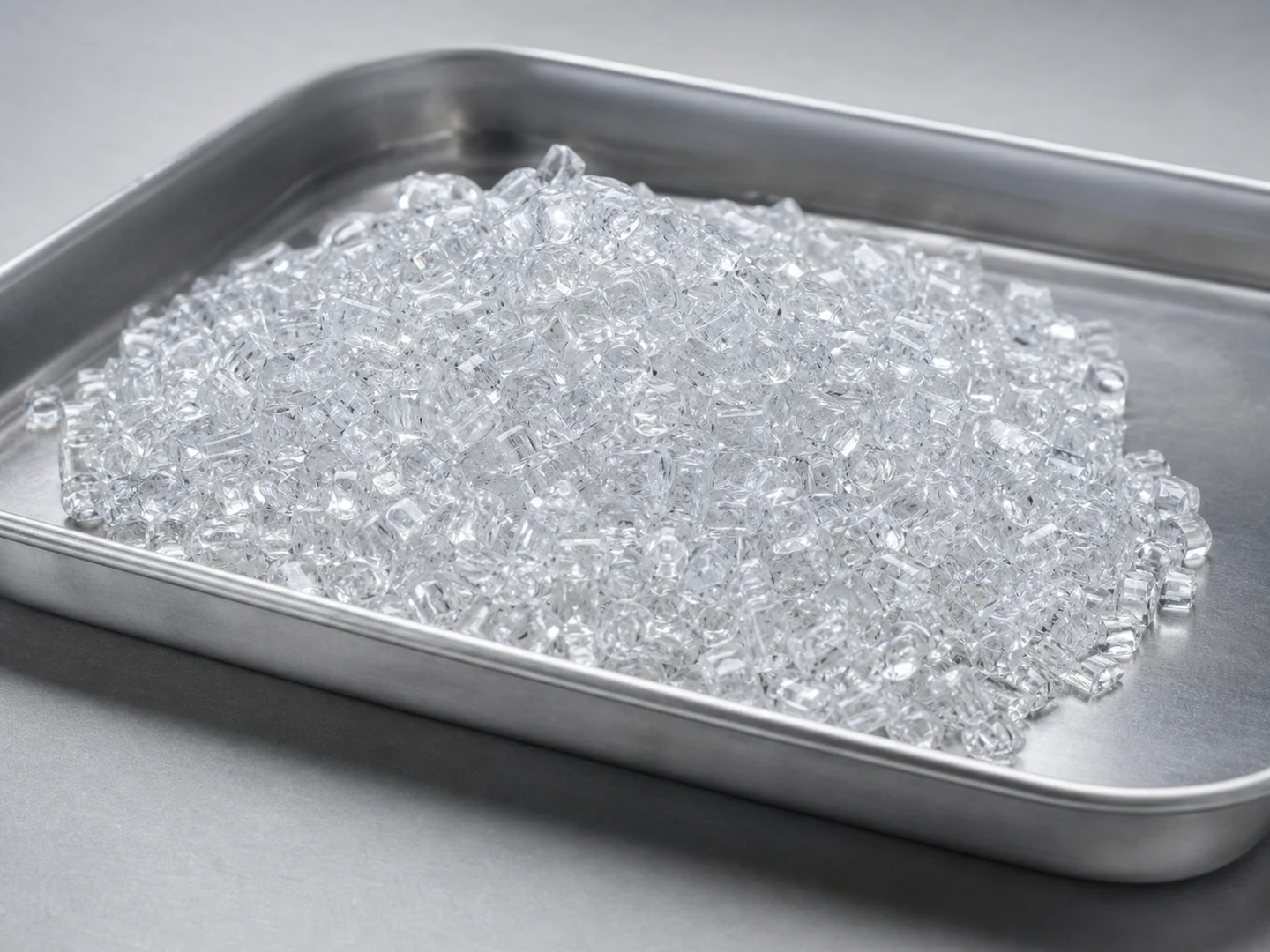
PET Polyester
Choose PET Polyester based on its stiffness, recovery, wear, wet-service, chemical, and temperature behavior.
Compare this material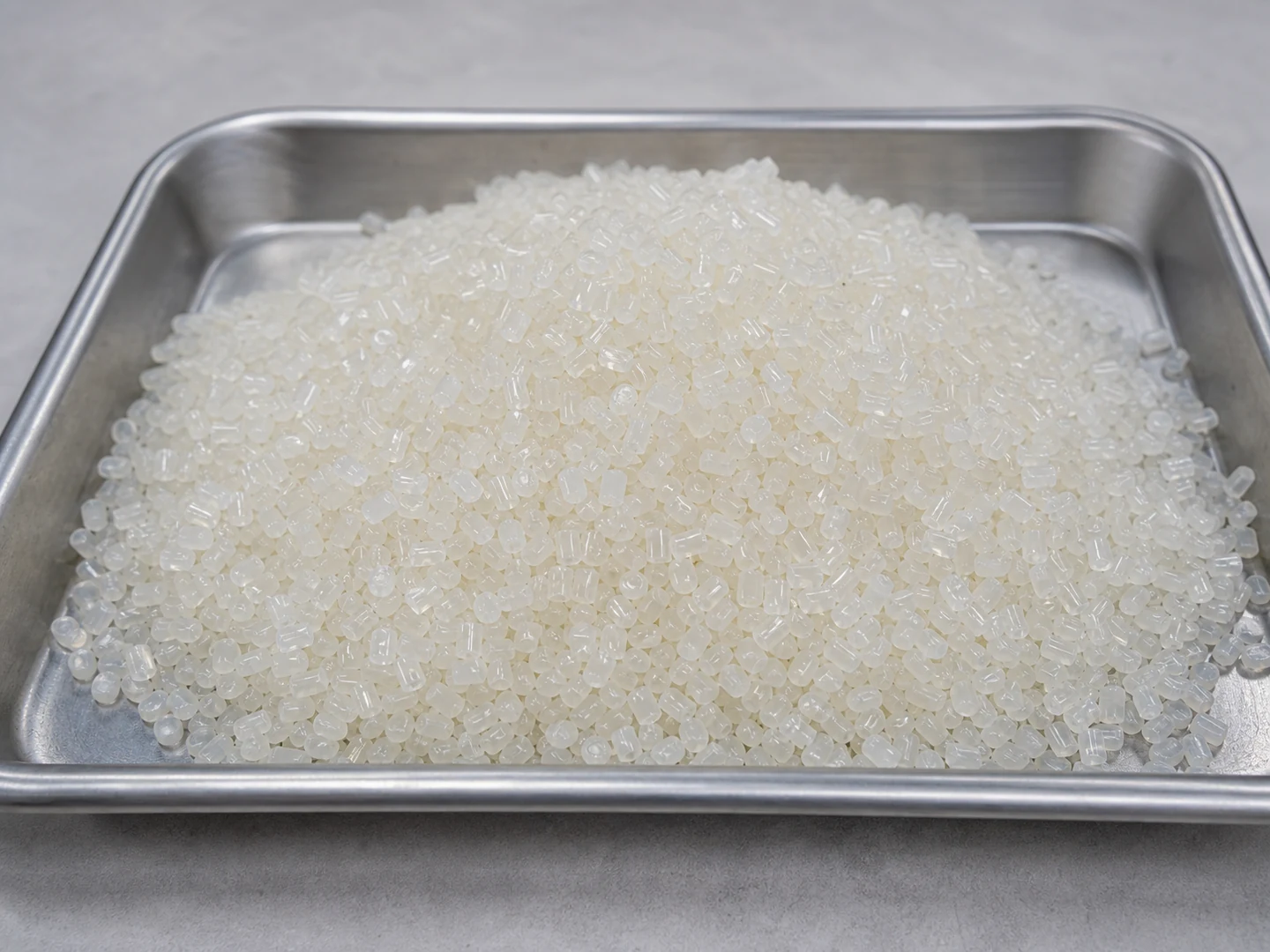
Nylon PA
Choose Nylon PA based on its stiffness, recovery, wear, wet-service, chemical, and temperature behavior.
Compare this materialCustom Manufacturing RFQ
Describe Your Application
For an accurate quotation, please provide the main dimensions, material preference, working surface, residue, quantity, and a drawing or photo.
Drawing or photo optional — it speeds things up, it does not gate the enquiry.
Custom Brush RFQ
Send Your Brush Project
Upload a drawing, product photo, or sample photo and provide the core dimensions and cleaning conditions.
“We need a brush to remove wet residue from a stainless steel conveyor, about 800mm wide. The current brush wears quickly. We can send photos.”
“We sell drinkware and need a cleaning brush to include with the product. Quantity around 5,000 pieces.”