
Custom Cleaning Brush
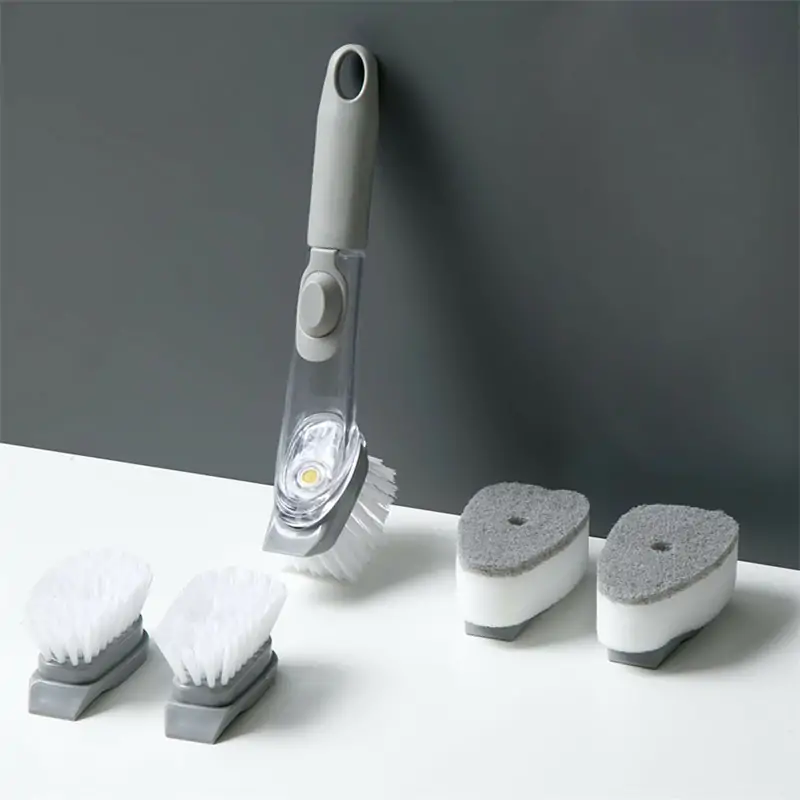
Soap Dispensing Dish Brush
Custom soap dispensing dish brush with refillable reservoir and integrated detergent delivery through the bristle base.
Small brush
500 pcs
Minimum order
Held in one hand: tube, bottle, detail and swab brushes — including long-handled ones with a small head.
Production lead time, once the specification is confirmed
- Up to 500 pcsWithin 7 days
- 501–50,000 pcsWithin 14 days
- Over 50,000 pcsWithin 21 days
Peak season can extend these times; the shipping date is confirmed in writing with your quotation. Sampling and shipping are quoted separately.
A refillable dishwashing brush that delivers liquid detergent directly through the bristle base while you scrub, combining soap application and mechanical cleaning in one hand. It keeps a second hand free for holding the item being washed, and its reach keeps hands out of hot rinse water.
What can this brush do for you?
Soap lands exactly where the bristles meet the residue
The dispensing port is positioned at the bristle base, not at the tip or on the side of the handle. Detergent is released under the bristles and trapped against the surface for the full stroke, so it works immediately on grease and stuck-on food instead of running off a curved dish or pot before brushing starts.
One-hand scrubbing leaves the other hand free
The user grips the handle and controls both scrubbing and soap flow without ever reaching for a pump bottle or dipping a sponge. The other hand stays on the cookware, holds the dish in place, or works the faucet. For kitchen staff and home users, this means less repositioning and no slippery soap bottles on the counter.
Bristle stiffness can be matched to the job
Choose nylon for general food film and coated or nonstick surfaces, PBT for firmer scrubbing on baked-on deposits and stainless steel, or PP for an economical medium-stiffness option. The filament diameter and trim length set the scrubbing force, so the brush can be built soft enough for delicate cookware or firm enough for heavy pots.
Refillable reservoir reduces soap waste and plastic use
The handle holds a 20–50 ml reservoir that users refill with bulk liquid detergent. Soap is metered in controlled amounts rather than poured freely, so per-wash consumption drops and single-use pump bottles are eliminated. The reservoir cap opens for a quick top-up without replacing the whole brush.
Longer reach keeps hands dry and away from heat
An overall length of 255–290 mm lets the operator scrub the bottom of a deep stockpot, the far corner of a sink, or a large baking sheet without submerging the hand in hot water or heavy residue. The grip stays clean and dry even while the head is working under the waterline.
What is a Soap Dispensing Dish Brush?
A Soap Dispensing Dish Brush is a hand-held scrubbing tool with a hollow handle that acts as a refillable soap reservoir, a dispensing mechanism that meters liquid detergent through an internal channel, and a brush head with filament tufts for mechanical cleaning. The dispensing port sits at the base of the bristles so soap enters the contact area during every stroke.
This brush is used primarily for manual dishwashing, pot and pan scrubbing, and general kitchen surface cleaning. The operator fills the handle, presses or squeezes the actuator to release soap, and scrubs in one continuous motion. The reach and head size are built to cover typical household cookware and sink areas while keeping the user’s hand controlled and clear of hot water.
The brush is not designed to replace soaking or scraping. Dried, carbonized, or severely burned-on deposits should be loosened first with water, soaking, or a scraper. Abrasive cleansers with grit are not suitable because they can clog the dispensing valve and shorten bristle life. For those cases, a non-dispensing scrub brush or a scraper is a better fit.
Technical Specifications
| Parameter | Value / Options |
|---|---|
| Head width / diameter | 50–70 mm, selected to cover flat dish and pot surfaces without excessive splash |
| Working head length | 50–80 mm, adjusted to the number of bristle rows and the main contact area |
| Handle / overall reach | 255–290 mm, matched to deep cookware and sink dimensions |
| Grip / body diameter | 25–45 mm, shaped for secure single-hand use with or without kitchen gloves |
| Bristle material | Nylon PA (general purpose, softer), PBT (stiffer, faster drying, higher chemical resistance), or PP (economy, medium stiffness) |
| Handle material | Polypropylene body with optional TPE overmold for a non-slip grip |
| Reservoir capacity | 20–50 ml, refillable through a screw-cap or push-fit opening at the handle end |
| Dispensing actuation | Push-button (metered drops), squeeze (variable flow), or twist-lock (continuous or locked off), selected for user preference |
| Dispensing port location | Through the bristle base, around the base perimeter, or behind the working head, depending on head geometry |
| Bristle stiffness options | Soft, medium, or firm, set by filament diameter and trim length |
| Filament diameter | 0.3–0.6 mm typical, adjustable for stiffness |
| Soap compatibility | Standard liquid dish detergents; thickened gels and lotions may require a larger port or stronger actuation — confirm viscosity before ordering |
| Replaceable head | Optional, via snap-fit or threaded interface for separate head replacement |
| Operating temperature | 0–60°C for normal use; reservoir is not intended for boiling water or steam sterilization |
| Brush type | Custom Handheld Detail Brushes |
| How it is driven | Hand-guided |
| Cleaning target | hand dishwashing station, scrubbing pot, and cleaning sink basin cleaning |
| Surface or part | pots, cookware, corners, pans, ports, sheets, channel, and valves |
| Residue or debris | grease, and overspray |
| Mounting / connection | Fixed / Replaceable Head |
All dimensions and material choices are project-configurable. The values shown are typical working ranges for retail and foodservice applications; the final build is set to your target vessel sizes, residue type, and dispensing mechanism.
Where does this brush work best?
- Hand dishwashing stations in households, small restaurants, and catering kitchens where soap is applied per item rather than added to the sink water. The brush keeps detergent concentrated on the item being washed.
- Scrubbing pots, pans, baking sheets, and casserole dishes with stuck-on food, grease, or dried sauce. Direct detergent release under the bristles shortens soak time for moderate residue.
- Cleaning sink basins, faucet bases, and counter corners where a soap-loaded brush prevents overspray and lets the operator scrub without repeatedly picking up a soap bottle.
- Pre-treatment of heavily soiled cookware before soaking. Applying detergent directly into dried spots with the brush head softens the residue faster than pouring soap over the surface.
- Camping, RV, and outdoor kitchens where a separate soap bottle is inconvenient and one-hand operation is useful at a small wash station.
How do I choose the right one?
Match bristle stiffness to the surface and residue. For nonstick, coated, or anodized cookware, choose soft or medium nylon to avoid scratching. For stainless steel, cast iron, or baked-on grease, choose firm PBT or a stiff nylon configuration. PP works when cost is the main driver and the surface is forgiving. The filament diameter and trim length set the actual scrubbing force, so request a sample if you are unsure.
Pick the dispensing mechanism for the user and gloves. A push-button gives controlled, metered drops and works well for conserving soap. A squeeze mechanism delivers variable flow quickly but requires more hand force. A twist-lock is best for continuous dispensing or to prevent accidental soap release during storage. Consider whether users will wear dishwashing gloves: large buttons and soft overmolded grips are easier to operate with gloves on.
Set the reach and grip from the actual vessels. Measure the depth of the deepest pot or sink corner the brush must reach. The 255–290 mm range covers most household and light commercial work. Ensure the grip diameter is comfortable for the intended user’s hand size and glove thickness.
Decide between fixed and replaceable head. A fixed head is simpler and less expensive per unit. A replaceable head extends the life of the handle and reservoir, reduces replacement cost for daily commercial use, and allows swapping soft and firm heads for different jobs. If you choose replaceable, confirm the interface is secure enough to prevent soap leakage at the joint.
Check the flow path against the detergent. Standard liquid dish soap flows easily through a 1–2 mm port. Thickened gels, concentrated lotions, or soap with suspended particles may clog or require excessive force. Provide the detergent viscosity or a sample when ordering so the port size, channel diameter, and actuator can be matched.
When another brush is better. For carbonized or burned-on deposits that require scraping, use a scraper or wire brush before finishing with this dispenser brush. For delicate glassware with no stuck-on residue, a soft sponge with a separate soap bottle may be sufficient. For high-volume automatic cleaning, a dishwasher is more efficient. This brush is the right choice when you need manual scrubbing with controlled soap application in one hand.
Can I customize this brush?
Every part of the brush can be configured for your target market, kitchen process, or brand. To start a custom build, provide the main residue type, surface materials, typical vessel depth, preferred dispensing mechanism, and whether the head should be replaceable. A drawing, CAD file, or competitor sample accelerates the design.
We can adjust:
- Head geometry — width, length, shape (flat, curved, angled tip), bristle row pattern, and trim profile for flat dishes or curved pot interiors.
- Bristle material and hardness — nylon PA, PBT, PP, or a blend; filament diameter from 0.3–0.6 mm; density and trim length for soft, medium, or firm scrubbing.
- Reservoir capacity and refill interface — 20–50 ml volume, screw cap, push-fit cap, or refill cartridge; clear window option to see soap level.
- Dispensing mechanism — push-button, squeeze, twist-lock, or adjustable valve; output volume per actuation can be tuned.
- Handle and grip — overall length, grip diameter, PP body with optional TPE overmold, texture, finger grooves, or hanging hole.
- Replaceable head interface — snap-fit, quarter-turn, or threaded connection for separate head replacement.
- Color and branding — custom color, pad print, laser marking, molded logo, or retail-ready packaging.
- Packaging — bulk, individual polybag, retail sleeve, or kit with spare head and refill bottle.
If your project requires material declarations, inspection protocols, or third-party testing for the target market, we can support those requirements during customization. Provide the relevant standard or specification at the quoting stage so it is incorporated into the build plan.
Which filament survives the cleaning and still lasts on a soap dispensing dish brush?
How do I refill the soap reservoir without making a mess?
Unscrew or release the end cap, pour in liquid detergent until the reservoir is about 80% full, and wipe the opening before reseating the cap. Leave some air space so the dispensing mechanism does not become air-locked. Prime the brush by pressing or squeezing the actuator a few times until soap appears at the bristle base.
Will thickened dish soap or gel work in this brush?
Standard liquid dish detergent is the intended fill. Gels and concentrated lotions may not flow reliably through a narrow port and can require excessive force on the actuator. If you plan to use a gel, specify the product viscosity when ordering so we can increase the port diameter, widen the internal channel, and strengthen the actuator.
How do I know when the brush head should be replaced?
Check the bristles for splaying, flattening, or a length reduction of more than 30% from the original trim. If the tufts no longer stand upright or the brush skips over residue instead of removing it, the scrubbing force is spent. Also inspect the dispensing port; if residue buildup no longer clears with rinsing and soap flow is restricted, replace the head or the whole brush.
Will common dish detergents damage the brush materials?
No. Nylon PA, PBT, and PP are compatible with standard liquid dish soaps. Avoid leaving the brush submerged in concentrated detergent, bleach, or solvent solutions for long periods, and rinse the brush after each use. If your cleaning process includes a degreaser, acid, or alkaline cleaner, provide the chemical name or SDS so we can confirm material compatibility.
Can I use this brush with abrasive cleansers or scouring powder?
Not recommended. Abrasive particles can clog the dispensing valve and the internal channel, and they will accelerate bristle wear. Use non-abrasive liquid soaps. If the job requires an abrasive, use a separate scrub pad or a non-dispensing abrasive brush and reserve this brush for detergent application and general scrubbing.
Does this brush replace soaking or scraping for badly soiled cookware?
No. The brush is designed to apply detergent and scrub softened or lightly stuck-on residue. For dried, carbonized, or baked-on deposits, pre-soak the item or use a scraper first, then finish with the dispenser brush. Brushing alone will not remove burned-on carbon and will shorten bristle life if forced against hard, unsoftened residue.
Guides that go deeper on this
We have not written a guide specific to this one yet. The material that covers selection, filament, dimensions, maintenance and sourcing is collected in the technical resources library.
RELATED BRUSH RESOURCES
Recommended Reading & Related Brush Resources
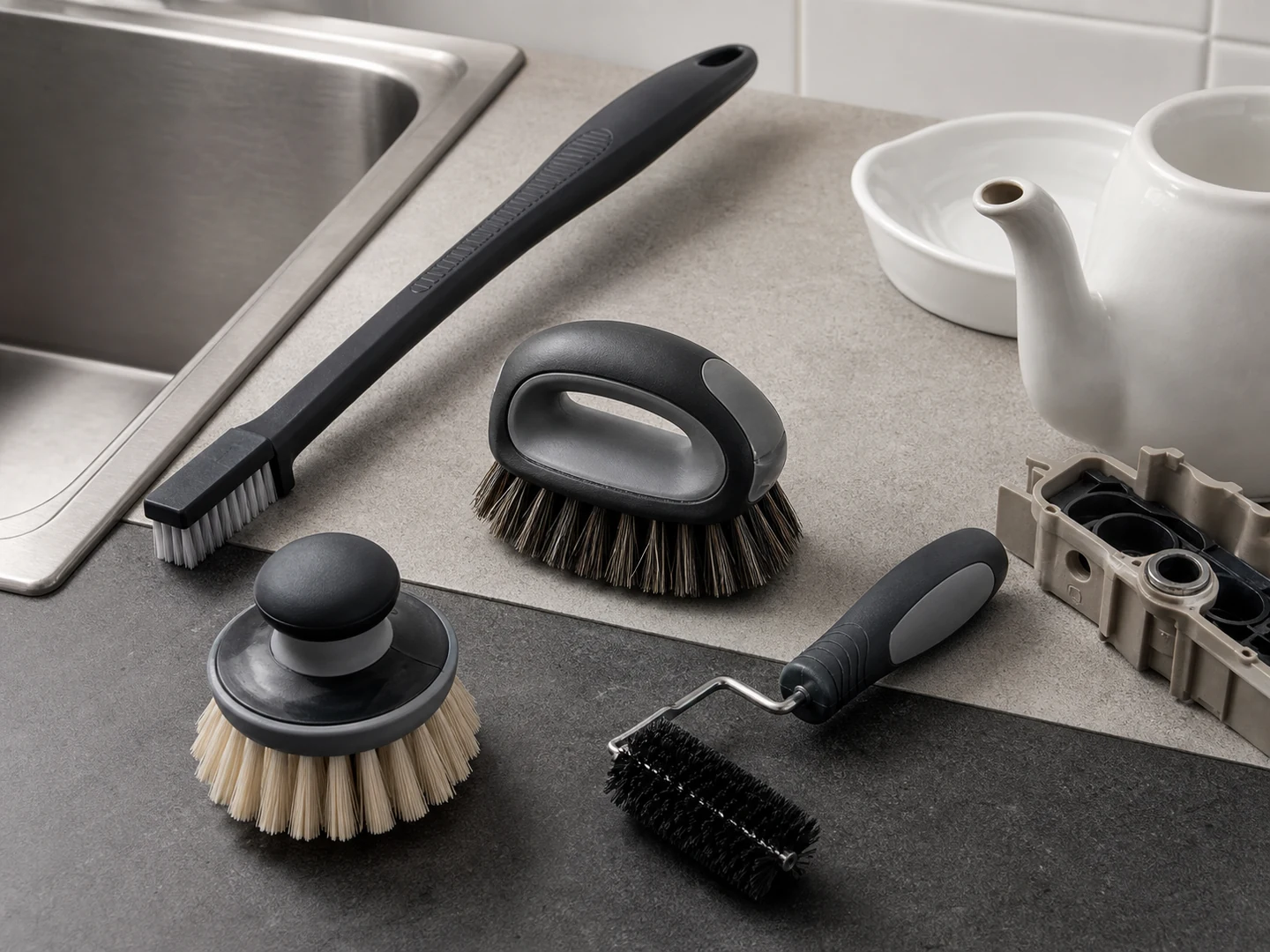
Custom Handheld Detail Brushes
Choose a handheld detail brush when you need direct control in seams, recesses, fittings,…
See how this type is built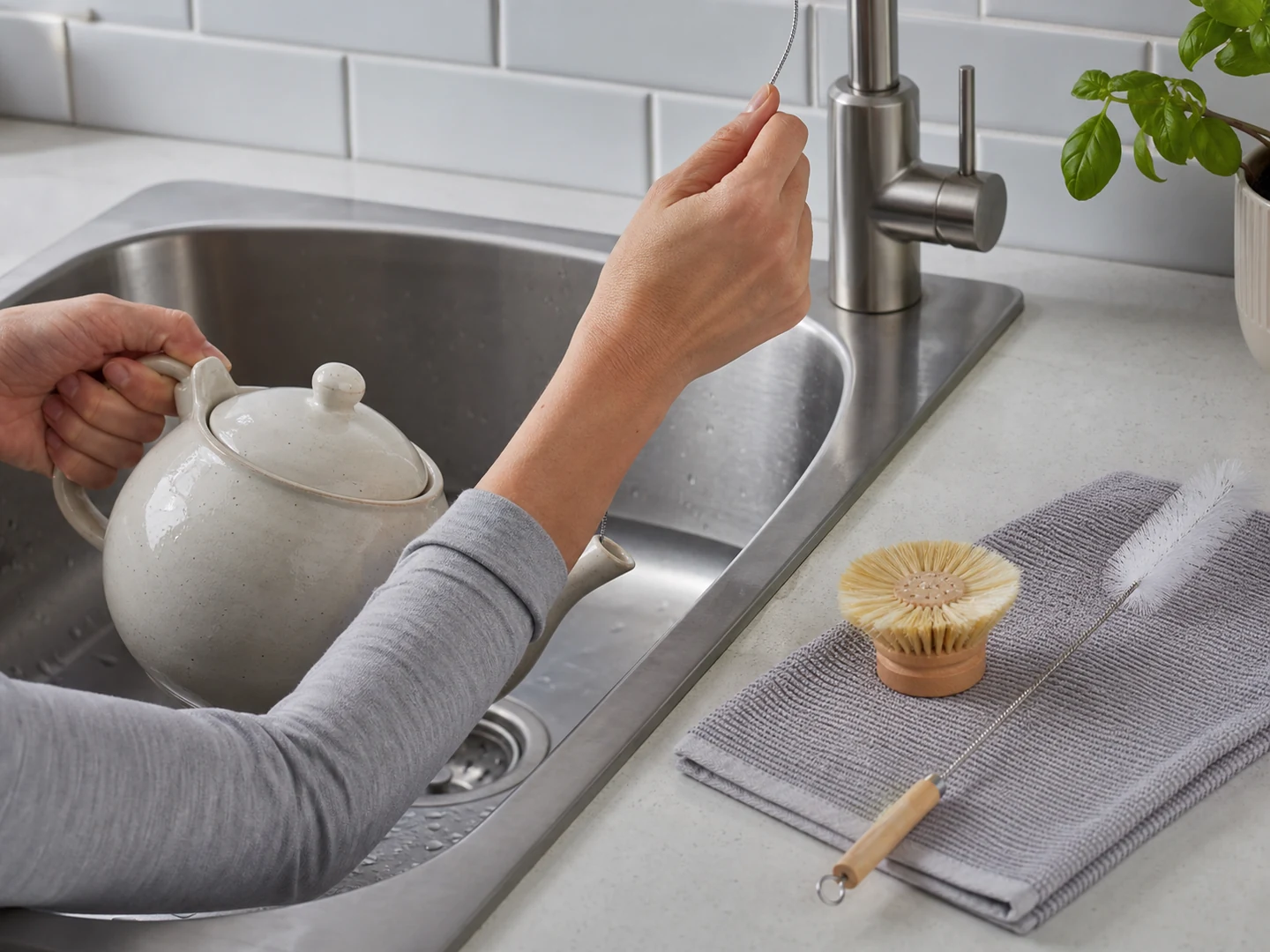
Household Dish, Teapot & Kitchen Detail Cleaning
For Household Dish, Teapot & Kitchen Detail Cleaning, the brush must reach the working…
See the cleaning job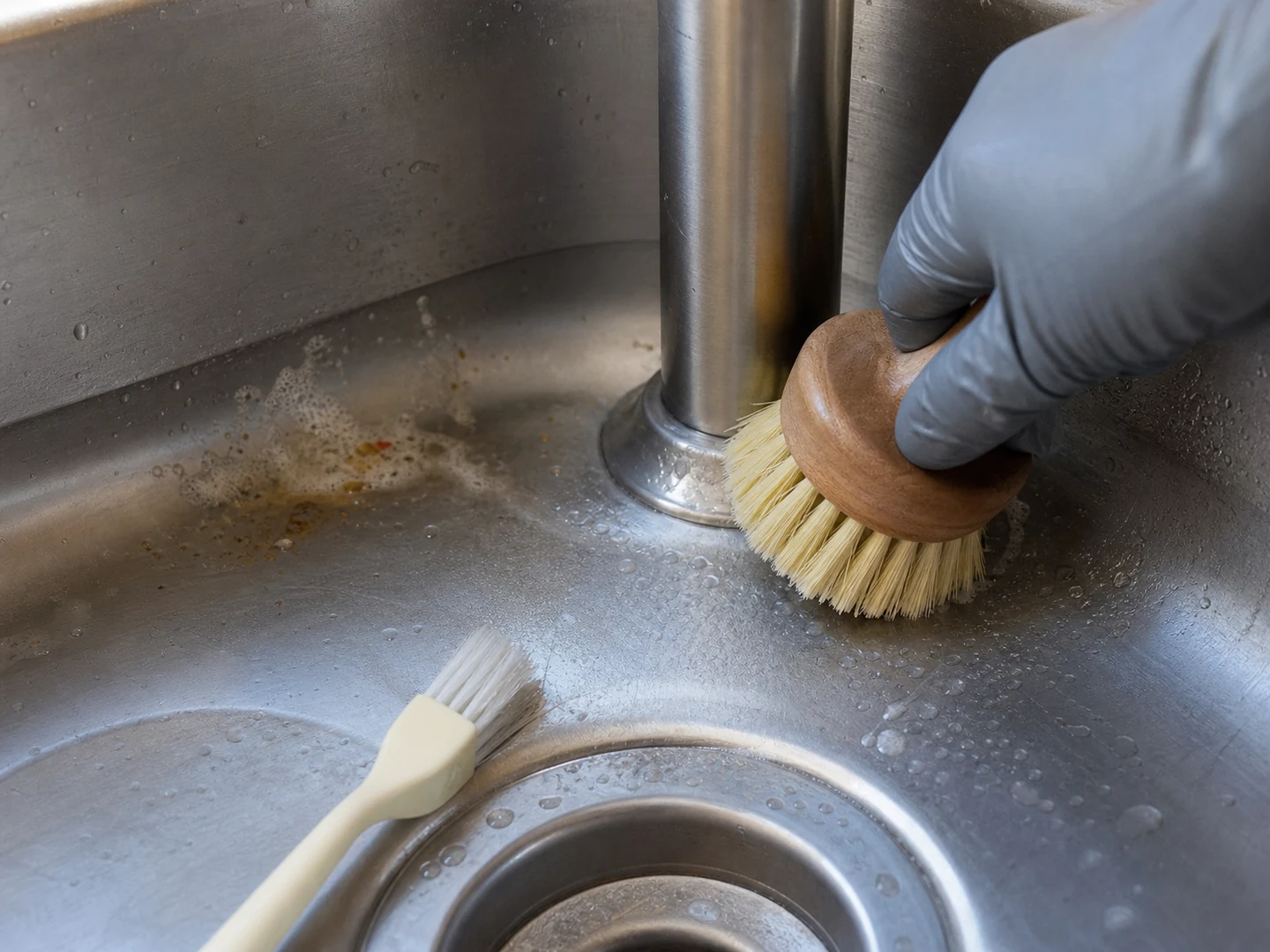
Sink & Kitchen Detail Cleaning
For Sink & Kitchen Detail Cleaning, the brush must reach the working area, disturb…
See the cleaning job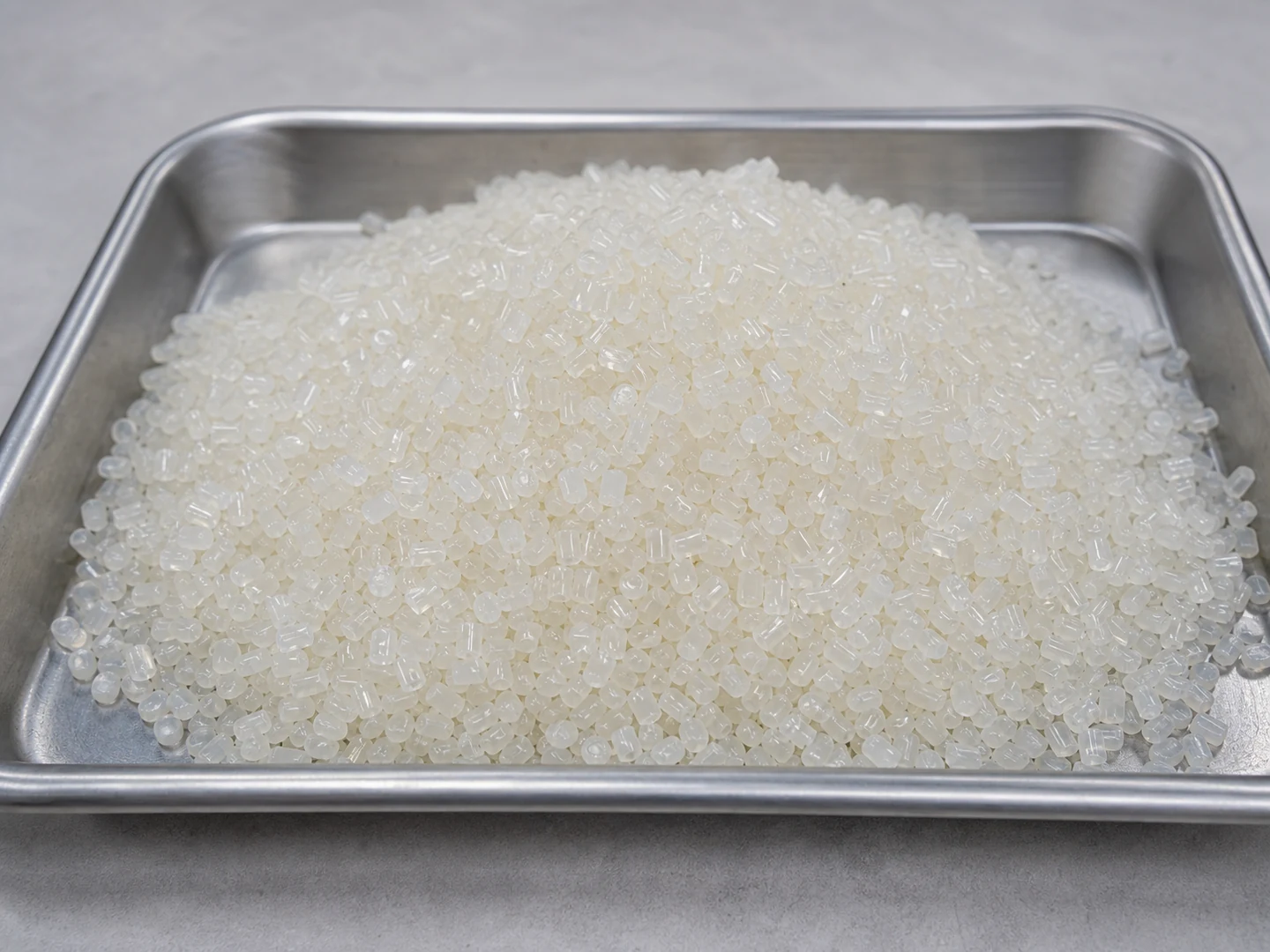
Nylon PA
Choose Nylon PA based on its stiffness, recovery, wear, wet-service, chemical, and temperature behavior.
Compare this materialCustom Manufacturing RFQ
Describe Your Application
Please share the brush dimensions, working area, residue type, material direction, quantity, and a drawing or photo for quotation.
Drawing or photo optional — it speeds things up, it does not gate the enquiry.
Custom Brush RFQ
Send Your Brush Project
Upload a drawing, product photo, or sample photo and provide the core dimensions and cleaning conditions.
“We need a brush to remove wet residue from a stainless steel conveyor, about 800mm wide. The current brush wears quickly. We can send photos.”
“We sell drinkware and need a cleaning brush to include with the product. Quantity around 5,000 pieces.”