
Custom Cleaning Brush
Soy Milk Maker Cleaning Brush
Reach blade hubs, heating plates, and filter baskets with a flexible stainless-core soy milk maker cleaning brush.
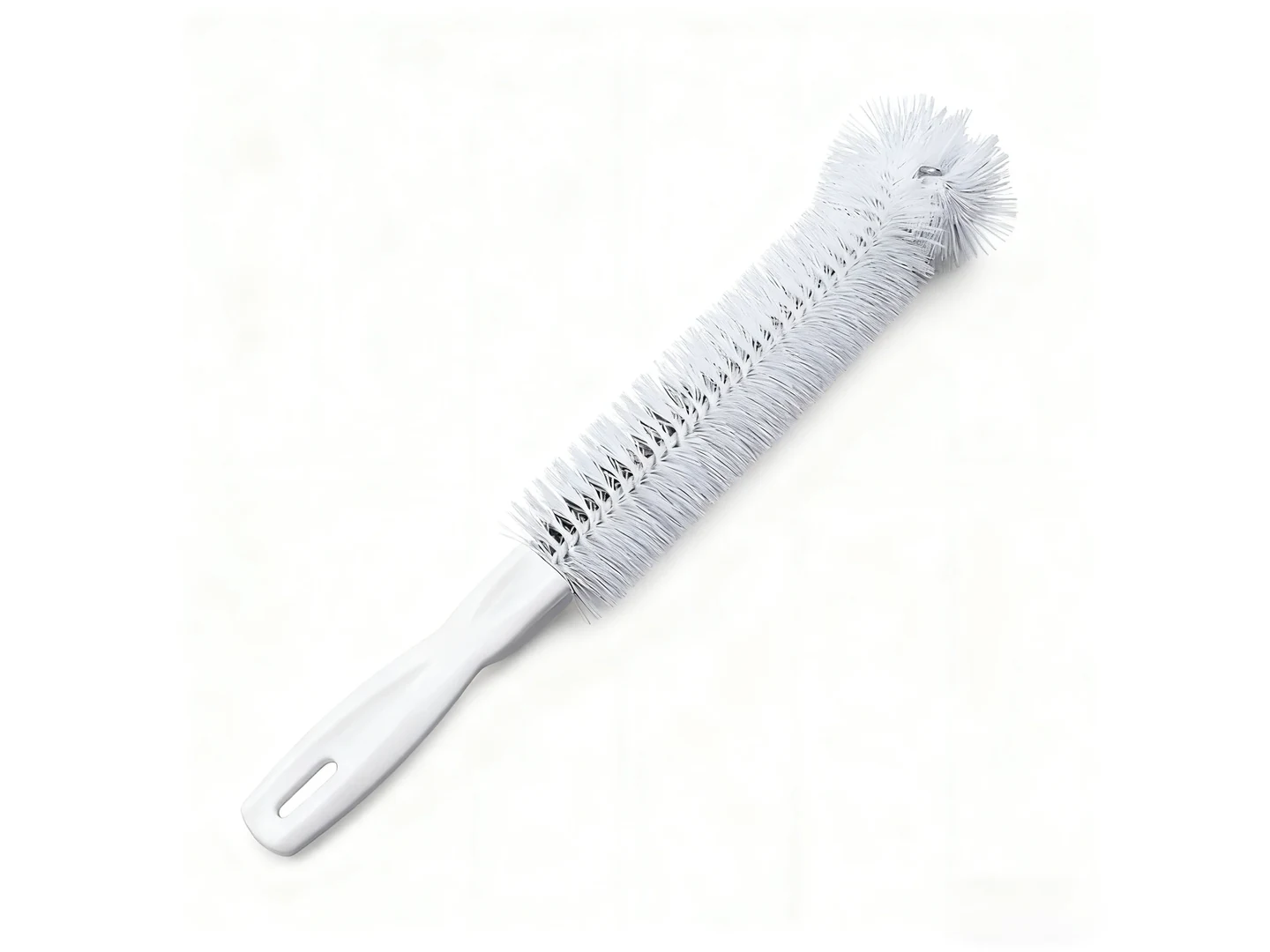
Small brush
500 pcs
Minimum order
Held in one hand: tube, bottle, detail and swab brushes — including long-handled ones with a small head.
Production lead time, once the specification is confirmed
- Up to 500 pcsWithin 7 days
- 501–50,000 pcsWithin 14 days
- Over 50,000 pcsWithin 21 days
Peak season can extend these times; the shipping date is confirmed in writing with your quotation. Sampling and shipping are quoted separately.
A hand-held soy milk maker cleaning brush built to reach the blade hub, heating plate, filter basket, and inside wall of a soy milk machine without scratching coated or polished stainless surfaces. The flexible twisted stainless core holds nylon PA or PP bristles that scrub away okara, protein film, and milk residue while the machine is still warm.
What can this brush do for you?
Clears the blade hub and heating base where okara packs down
Spent soybean pulp collects in the narrow gap around the cutter blade and along the heating plate after every brew cycle. The working end uses a short, dense tuft zone that can be pushed directly into that gap, breaking up compressed okara that a sponge or straight-wall brush cannot reach.
Reaches the wall-to-bottom curve without dead spots
The side tufts are trimmed to a rounded profile that follows the corner where the vertical jug wall meets the bottom plate. Because the head rotates and the twisted-wire core flexes slightly under hand pressure, the bristles keep contact through that transition instead of chattering over it.
Protects nonstick coatings and polished stainless interiors
Filament ends are rounded and selected from nylon PA or PP, not metal or abrasive grit. This limits scratching on coated pots and mirror-finished containers, which is the main reason operators avoid generic wire-handle bottle brushes inside soy milk machines.
Cleans filter baskets without forcing pulp deeper into the mesh
A reduced-diameter detail end or tip passes through the filter basket openings and works over the mesh surface. When the bristle density is matched to the mesh pitch, okara lifts off the face of the screen instead of being pushed into the holes.
Reduces the chance of loose bristles entering the next batch
Tufts are mechanically trapped in the twisted stainless core, and the handle joint does not rely on adhesive pockets. That reduces the risk of fiber loss into the next load of soy milk, a practical contamination concern for food preparation equipment.
Handles hot-water washdown right after the brew cycle
Nylon PA tufts tolerate brief exposure to near-boiling water, and PP remains stable in warm washdown. The stainless wire core does not swell or rust under normal wet use, so the brush can stay in service after repeated hot rinses.
What is a Soy Milk Maker Cleaning Brush?
A soy milk maker cleaning brush is a hand-guided cleaning tool that reaches into the brew chamber of a soy milk or nut milk machine after the cook-and-grind cycle. Most machines combine a rotating cutter blade, a heating element, a filter basket, and a narrow-mouth jug in one body. That leaves residue in three difficult zones: the blade well, the corner around the heating plate, and the back of the fine filter mesh.
The brush uses a twisted-wire core instead of a solid rod because the wire allows a controlled flex while keeping the head shape stable. Bristle fill is captured between the twists, so the head can be bent or formed to follow the pot geometry without needing an adhesive that hot water could break down. A typical working stroke is a short push-pull with a half turn of the wrist, letting the longer side bristles scrub the wall while the shorter end tufts dislodge the blade-area deposit.
This is not a general bottle brush or a descaler. It is intended for daily washdown and manual removal of fresh or lightly dried soy residue. Hard mineral scale, heavily carbonized milk solids, and chemical descaling are separate steps that should be handled before or instead of final brushing.
Technical Specifications
| Parameter | Value / Options |
|---|---|
| Bristle material | Nylon PA6/PA66 and polypropylene PP; mono or blended fill |
| Filament diameter | 0.15–0.40 mm, finer and softer for coated pots, thicker and stiffer for blade-area deposits |
| Trim length | 12–35 mm; longer side trim for jug walls, shorter dense trim for the blade well |
| Head diameter | 35–120 mm, sized to the inner diameter of the soy milk jug |
| Core wire | 304 or 316 stainless twisted wire; gauge selected for the required flexibility |
| Overall length | 220–400 mm; longer reach available for larger batch machines |
| Handle | PP hang-tab handle, stainless handle, or TPE overmold; no-thread hand grip standard |
| Shaft configuration | Straight, offset/cranked, or double-ended |
| Operating temperature | Up to 80°C continuous for PP; up to 100°C continuous for nylon PA; short hot-water rinse acceptable |
| Wet environment | Food-contact washdown; compatible with mild detergents and standard alkaline cleaning solutions |
| Brush type | Custom Bottle & Container Brushes |
| How it is driven | Hand-guided |
| Cleaning target | countertop soy milk machine, filter basket and strainer, and small-batch kitchen equipment cleaning |
| Surface or part | filters, baskets, blade hubs, pots, walls, spouts, tanks, and vessels |
| Residue or debris | milk, milk residue, protein film, mineral scale, adhesive, milk solids, and leaves |
| Mounting / connection | Fixed |
All dimensions can be adjusted to the machine model and the production batch. We recommend specifying the jug inner diameter, depth, blade-to-wall clearance, filter basket form, and whether the pot is bare stainless or coated before locking the head profile.
Where does this brush work best?
- Countertop soy milk machines: stainless or nonstick-lined brewing jugs, blade hub, heating plate, spout, and lid.
- Filter baskets and strainers: fine-mesh baskets where okara collects on the inside or outside surface and needs a detail tip to work through the grid.
- Nut milk and grain milk machines: almond, oat, rice, and multi-grain milk equipment with similar blade-and-heater geometry.
- Small-batch kitchen equipment: blending tanks, cooking pots, and tofu prep vessels where the same tool is issued as a washdown accessory.
- Detachable parts: filling spouts, measuring cups, blade boots, and latching collars when the brush is ordered with a reduced-diameter detail end.
How do I choose the right one?
Start by measuring the jug inner diameter, the depth to the bottom plate, and the narrowest clearance between the blade disc and the wall. The brush head should pass through the opening without binding, but the side bristles still need to make full wall contact when the head is turned. A head that spins freely without touching the wall is too small; a head that jams or folds over is too large.
Choose the filament by surface sensitivity and residue type. Nylon PA handles higher washdown temperatures and gives more scrubbing stiffness for compressed okara. PP is the softer, more chemically tolerant option for coated pots and cold-water cleaning. For burned-on milk film, increase filament diameter and tuft density, but pre-soak the deposit first — stiffer bristles are not a replacement for soaking.
Select the shaft shape by access. A straight shaft works for open-top jugs. An offset or cranked shaft helps the brush reach under the blade hub without tilting the whole machine. A double-ended brush lets one operator scrub the pot with one end and the filter basket with the other. Overall length should let the operator hold the handle comfortably while the working end reaches the bottom, with the hand staying outside the jug.
Use a different tool when the residue is hard mineral scale or carbonized solids, when the passage is too narrow for the bristle head, or when the machine has a heavily damaged nonstick coating. In those cases a descaling agent, a dedicated tube brush, or a replacement pot is the correct choice before this brush returns to normal daily use.
Can I customize this brush?
Soy milk machine models differ in pot diameter, blade clearance, filter type, and spout shape, so we treat the brush as a configurable accessory rather than a fixed retail SKU. To define the build, send the jug inner diameter and depth, blade-to-wall clearance, filter basket dimensions or photos, the pot surface material, and the residue or cleaning chemical the operators use.
We can adjust:
- Head geometry: diameter, length, taper, rounded profile, detail tip, dual trim lengths, or a second head on the opposite end.
- Bristle fill: nylon PA6/PA66, PP, or blended fill; filament diameter, trim length, density, and color.
- Core: stainless steel gauge and flexibility; straight, offset, hooked, or double-ended shaft.
- Handle: length, material, ergonomic grip, hanging ring, molded logo, or no handle for OEM insertion into a cleaning kit.
- Marking and packaging: handle pad print or laser marking, individual bag, bulk carton, retail card, or machine-specific replacement pack.
If your project requires material documentation, food-contact suitability declarations, inspection records, or third-party testing support, we can coordinate those documents and tests for the selected build.
When is a soy milk maker cleaning brush worn out rather than just dirty?
How do I check that the brush head fits my soy milk maker before ordering?
Measure the jug inner diameter, the depth to the bottom, and the narrowest gap between blade and wall. The head should pass through the opening without excessive force and leave enough side bristle contact to scrub the wall. If the head binds when rotated, the diameter or profile is too large; if it spins without touching the wall, it is too small.
Can I use this brush on a nonstick soy milk pot?
Yes, if the pot coating is intact and the brush uses nylon PA or PP bristles with rounded tips. Avoid abrasive fill and wire fill. Inspect the coating before use: a brush will not restore a peeling nonstick layer, and continued brushing on damaged coating may enlarge the damaged area.
What should I do if the milk film has burned onto the heating plate?
Soak the affected area with warm water or a food-safe descaler before brushing. Use the shortest, densest tuft zone on the heating plate and keep the stroke short. The brush removes loosened organic film, but it will not dissolve carbonized solids. If the deposit is hard and black, use a non-abrasive scraper or replace the component before normal brushing resumes.
How can I tell when the brush should be replaced?
Replace it when bristles are permanently splayed, trimmed ends are worn flat or melted, the core is kinked or bent beyond the original shape, or bristles start to pull out of the twisted wire. In a food-contact tool, loose bristles are a contamination risk, so damaged heads should be pulled from service immediately.
Is the brush dishwasher safe?
Many builds can survive a dishwasher cycle, but frequent high-heat washing and aggressive detergents will shorten filament life, especially for PP. Hand washing with the same washdown water and air-drying on a rack is recommended for production use.
Does the brush replace descaling or sanitizing?
No. Brushing removes attached okara, protein film, and soft milk residue. Descaling removes mineral deposits, and sanitizing kills microorganisms; those are separate steps in a full cleaning program. The brush is the mechanical removal step, not the entire hygiene sequence.
Guides that go deeper on this
We have not written a guide specific to this one yet. The material that covers selection, filament, dimensions, maintenance and sourcing is collected in the technical resources library.
RELATED BRUSH RESOURCES
Recommended Reading & Related Brush Resources
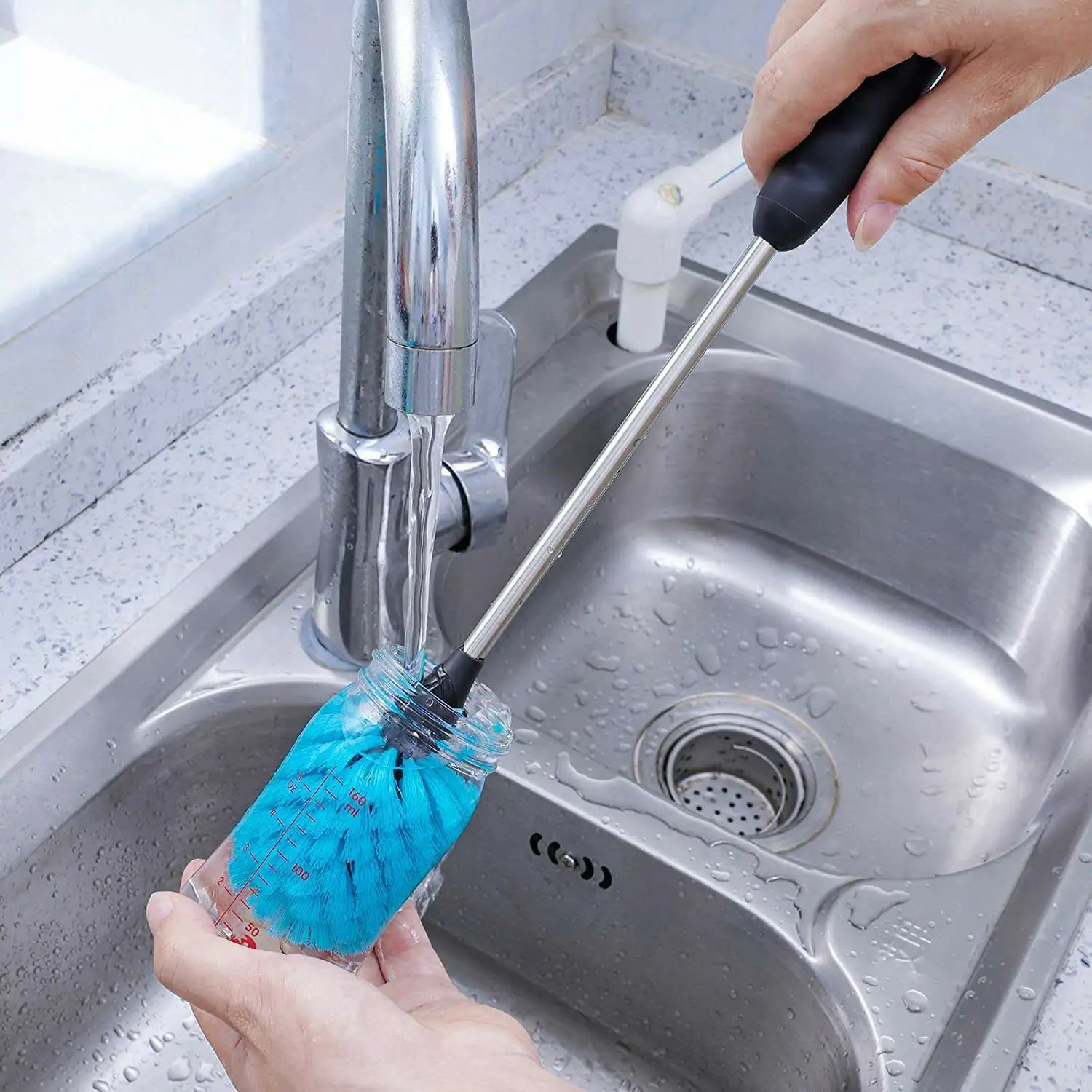
Custom Bottle & Container Brushes
Choose a bottle or container brush when the head must pass through an opening…
See how this type is built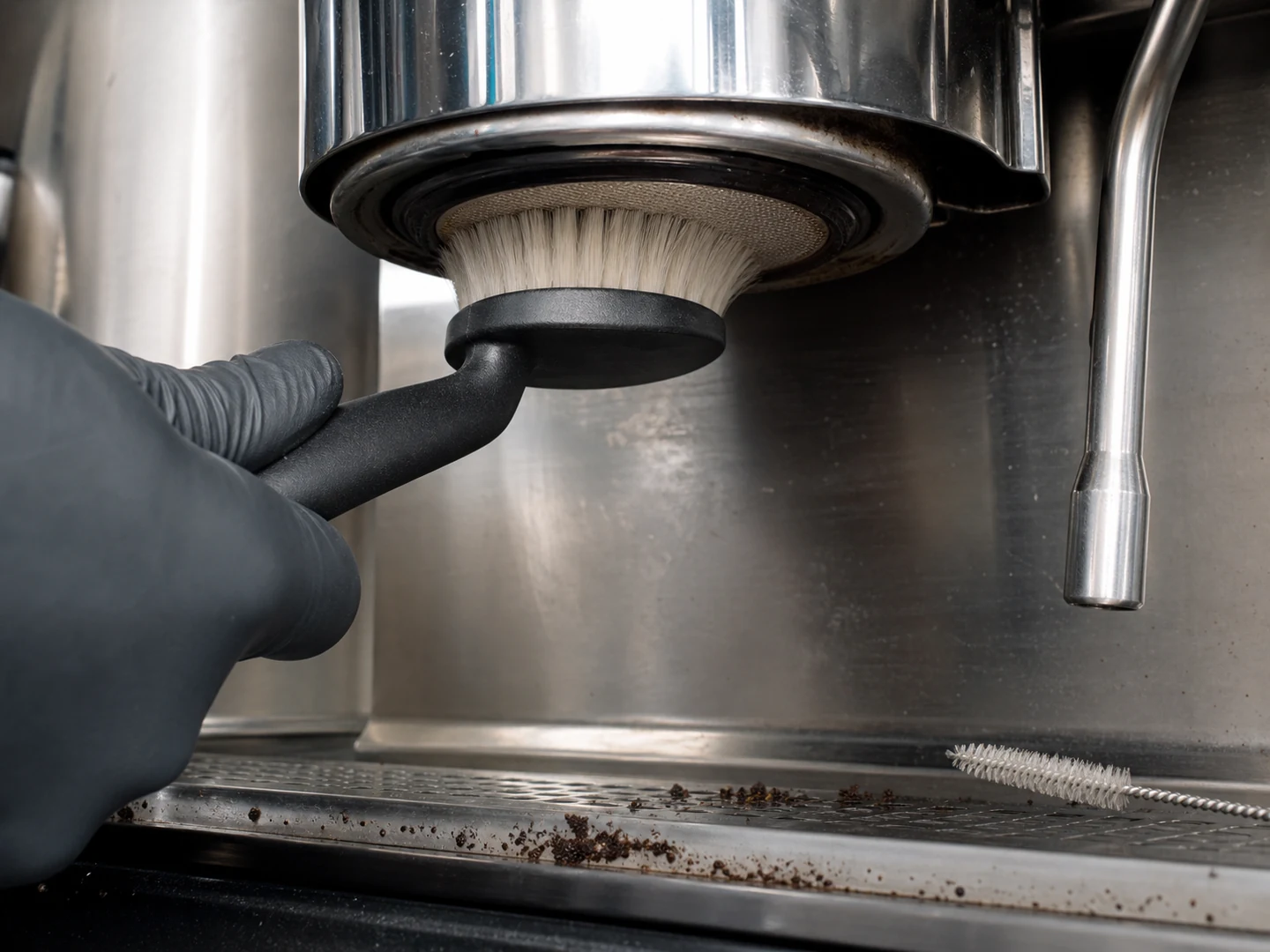
Coffee Machine Cleaning
For Coffee Machine Cleaning, the brush must reach the working area, disturb or collect…
See the cleaning job
Polypropylene PP
Choose Polypropylene PP based on its stiffness, recovery, wear, wet-service, chemical, and temperature behavior.…
Compare this material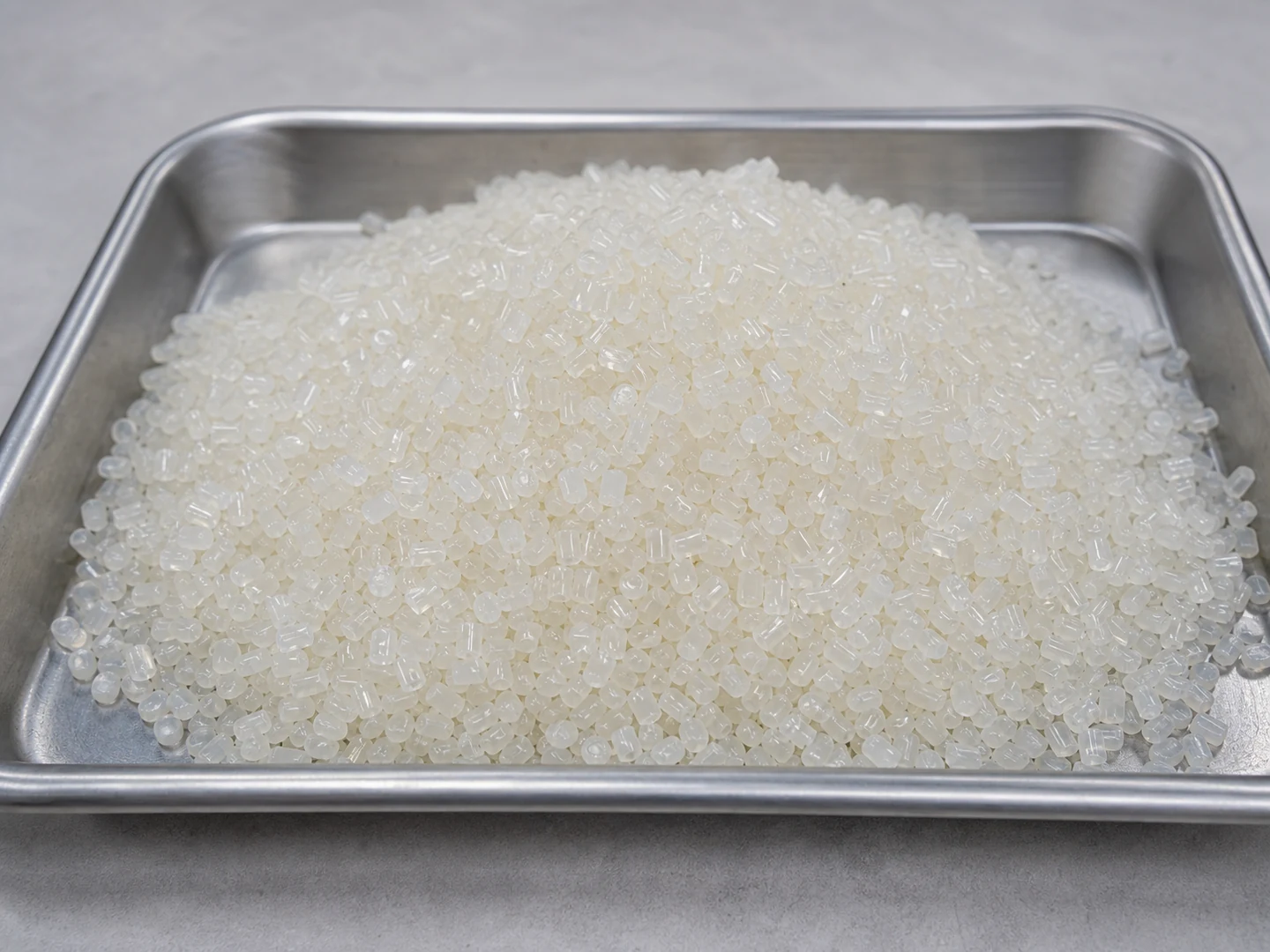
Nylon PA
Choose Nylon PA based on its stiffness, recovery, wear, wet-service, chemical, and temperature behavior.
Compare this materialCustom Manufacturing RFQ
Describe Your Application
For an accurate quotation, please provide the main dimensions, material preference, working surface, residue, quantity, and a drawing or photo.
Drawing or photo optional — it speeds things up, it does not gate the enquiry.
Custom Brush RFQ
Send Your Brush Project
Upload a drawing, product photo, or sample photo and provide the core dimensions and cleaning conditions.
“We need a brush to remove wet residue from a stainless steel conveyor, about 800mm wide. The current brush wears quickly. We can send photos.”
“We sell drinkware and need a cleaning brush to include with the product. Quantity around 5,000 pieces.”