What Is a Steel Pickling Line Brush?
A steel pickling line brush is a rotating cylindrical or helical roller fitted with abrasive or non-abrasive filaments. It sits between acid baths and rinse sections in a continuous pickling line. As the steel strip passes through, the brush mechanically scrubs away oxidized scale that has been chemically loosened but not fully dissolved by the acid. The brush must operate continuously in a chemically aggressive, high-humidity, and often elevated-temperature atmosphere.
Key Requirements for Pickling Line Brushes
- Acid Resistance: Filaments and core materials must withstand continuous exposure to HCl (typically 10–20% at 70–90°C) or H2SO4 (15–25% at up to 100°C) without swelling, softening, or losing mechanical strength.
- Wear Resistance: The brush must endure thousands of strip miles under constant pressure against an abrasive scale surface.
- Consistent Cleaning: Uniform filament density and resilience avoid streaks or missed scale patches that cause downstream defects.
- Thermal Stability: Materials should not deform or lose stiffness at operating temperatures (often 60–95°C).
- Compatibility: Brush components must not contaminate the strip (e.g., stainless wire can gall or transfer particles to stainless steel strip).
Common Brush Filament Materials for Pickling Lines
Three types dominate pickling line applications:
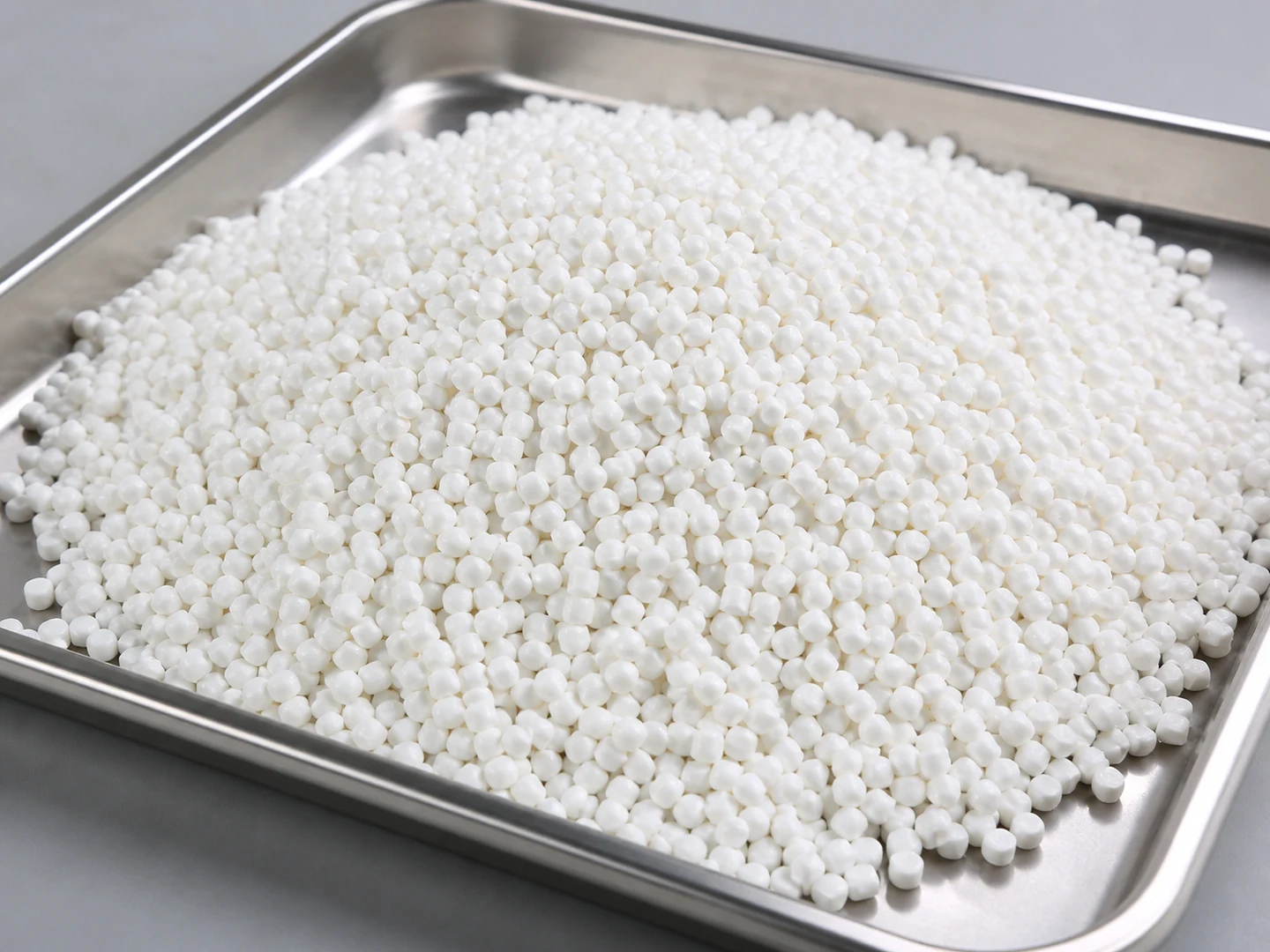
- PBT (Polybutylene Terephthalate): A polyester filament known for excellent acid resistance, good stiffness, and high abrasion resistance. Suitable for both HCl and H2SO4 up to about 90°C.
- PA (Polyamide / Nylon): Offers good wear resistance but absorbs moisture, which can cause swelling and loss of stiffness in hot, wet acid environments. Commonly used in rinse sections but less reliable in strong acid immersion.
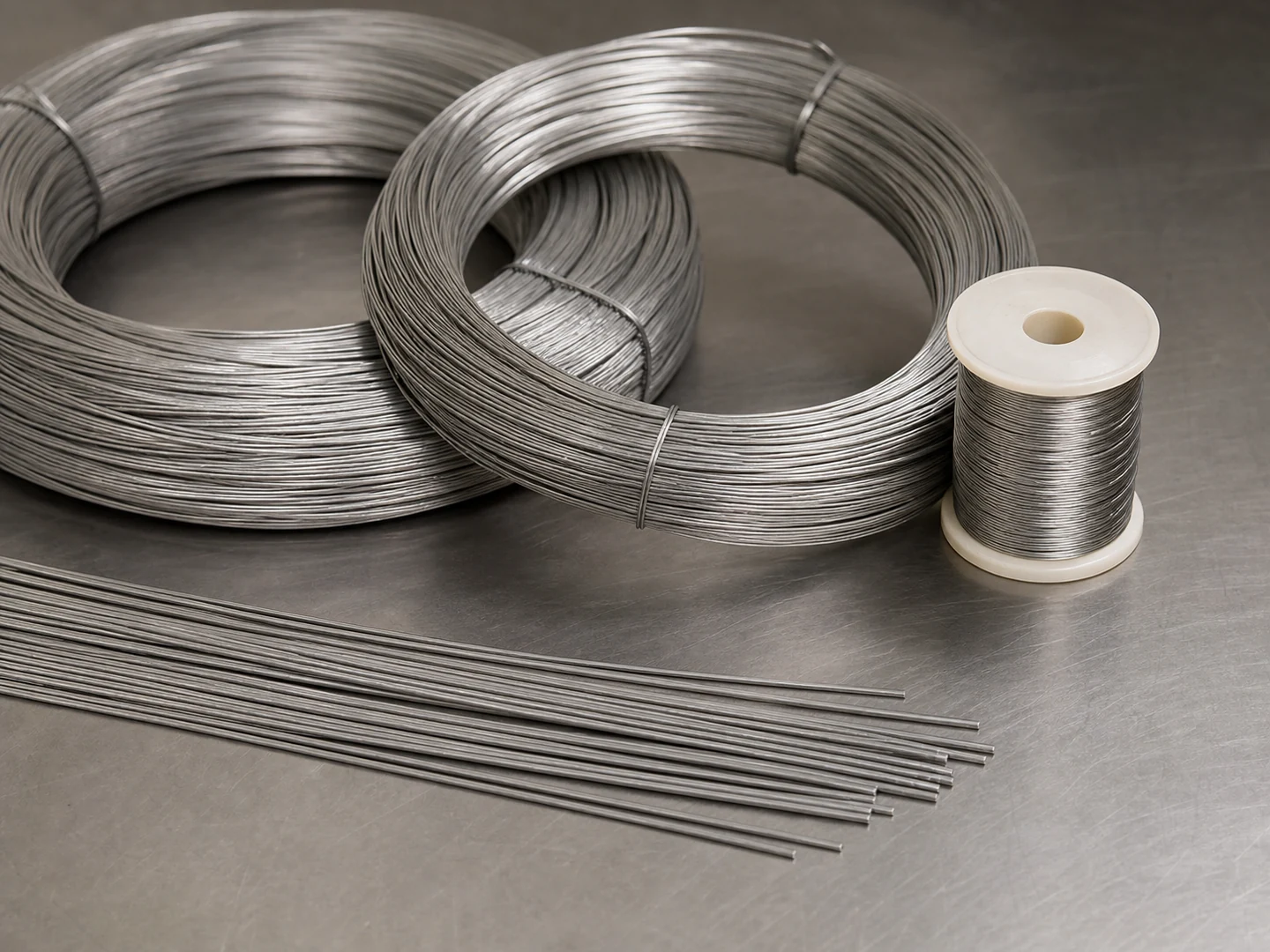
- Stainless Steel: Typically 316 or 316L wire filaments. Provides aggressive cleaning and high temperature tolerance but can scratch certain steel grades and is more expensive. Best used when scale is stubborn and strip surface is not cosmetic-critical.
- Other materials like polypropylene (PP) are sometimes used in lower-temperature or less aggressive acid baths.
PBT vs. PA vs. Stainless Steel Brushes
| Property | PBT | PA (Nylon) | Stainless Steel |
|---|---|---|---|
| Acid Resistance (HCl/H₂SO₄) | Excellent up to 90°C | Good but moisture absorption can reduce stiffness | Very good; 316 stainless resists most pickling acids |
| Wear Resistance | High | Moderate to high (dry), lower when swollen | Very high |
| Cleaning Aggressiveness | Moderate | Moderate | Aggressive – risk of scratching |
| Max Operating Temperature | ~100°C (dry); 90°C in acid | ~120°C dry but softens in hot acid | Up to 400°C (limited by brush construction) |
| Cost | Medium | Lower | Higher |
| Typical Use Case | General descaling in HCl/H₂SO₄ lines | Rinse sections or lower-acid environments | Heavy scale, high-temp lines, or when abrasive action is needed |
Chemical Compatibility of Pickling Brush Materials
Below is a summary of filament material behavior in common pickling acids:
| Material | HCl (10–20%, 80°C) | H₂SO₄ (15–25%, 95°C) |
|---|---|---|
| PBT | Resistant; minor color change after long exposure | Resistant; can handle up to 90°C continuously |
| PA (Nylon 6/6.6) | Not recommended; absorbs acid and swells, losing mechanical integrity | Poor; rapid degradation at high temperatures |
| Stainless Steel 316 | Generally resistant; pitting corrosion possible at very high concentrations and temperatures | Resistant up to 25% at elevated temperatures; passivation layer protects well |
| Polypropylene (PP) | Good at moderate temperatures (up to 60°C); softens above 80°C | Good at lower temperatures; not for high-heat lines |
Maintenance Schedule for Pickling Line Brushes
A proactive maintenance routine extends brush life and avoids quality issues. Adapt the schedule to your line speed and scale load.
- Daily: Visual inspection for filament loss, uneven wear, or buildup of scale on brush surface. Check alignment and contact pressure.
- Weekly: Measure brush diameter at multiple points; replace or reverse brushes when wear exceeds 20–25% of original filament length. Clean brush surface with water or mild acid rinse if scale accumulates.
- frequent: Check bearing and shaft seals for acid attack. Inspect for loose fasteners or wobble.
- scheduled: Review brush performance logs (streaking, scale carryover) and correlate with brush age. Plan replacements proactively.
- Annually: Evaluate material suitability if acid concentration or temperature has changed. Consider upgrading to PBT or stainless if failures increased.
Common Mistakes in Brush Selection and Operation
- Choosing Filament by cost Alone: Low-cost nylon may fail prematurely in hot acid, causing unplanned downtime and strip defects.
- Ignoring Acid Type and Temperature: A brush rated for HCl may not survive H₂SO₄ at higher temperatures.
- Using Stainless Brushes on Sensitive Steel Grades: Wire brush can scratch or embed particles in stainless steel strip, forming rust spots later.
- Neglecting Brush Alignment: Uneven pressure accelerates wear and creates banding marks on the strip.
- Forgetting to Reverse or Rotate Brushes: Many brushes are designed for bidirectional use; running one direction until worn out wastes filament.
- Not Cleaning Brushes Regularly: Scale buildup on the brush itself can harden and damage the strip surface.
When Pickling Chemistry Alone Is Sufficient
Mechanical brushing is not always necessary. When acid concentration, temperature, and immersion time are optimized, the chemical reaction can completely dissolve scale without brushing. This is more common in:
- Lines processing thin-gauge steel with light mill scale.
- High-acid-consumption lines where aggressive chemistry (e.g., H₂SO₄ at 95°C) dissolves scale rapidly.
- Stages using turbo pickling or high-turbulence spray systems that enhance chemical action.
- Situations where downstream processes (like cold rolling) can tolerate minor residual scale.
However, brushes remain valuable for final surface quality, removing acid residues, and providing a consistent matte finish commercially demanded in many applications. Evaluate whether removing the brush step would meet your customers’ surface cleanliness specifications.
Final Takeaway
Selecting a steel pickling line brush is a balance of chemical resistance, mechanical durability, and process compatibility. PBT filaments are the workhorse for most HCl and H₂SO₄ lines up to 90°C. PA may be acceptable in rinse-only sections. Stainless wire is reserved for stubborn scale or high-temperature duty. Pair your brush choice with a maintenance program that includes regular diameter checks and cleaning. When acid conditions are optimized, a brush may be supplementary rather than essential—but running without one risks surface quality complaints.
Frequently Asked Questions
How often should I replace a steel pickling line brush?
Replacement cycles vary from a few weeks to several months, depending on strip production volume and scale load. A good rule is to replace or reverse the brush when filament length is reduced by 20–25% from its original dimension. Regular diameter measurement helps forecast replacement.
Can I use the same brush material for both HCl and H₂SO₄ pickling?
Yes, PBT and 316 stainless steel resist both acids at typical concentrations and temperatures. However, verify your specific operating temperature. Nylon generally should not be used in hot H₂SO₄ or HCl baths because it swells and loses stiffness.
Is a stainless steel brush always better than a plastic brush?
Not necessarily. Stainless steel brushes clean more aggressively but can scratch the strip surface, especially on stainless steel grades where iron contamination causes rust spots. For most carbon steel pickling lines, PBT provides effective cleaning without surface damage.
What temperature limit should I observe for PBT brushes?
Continuous exposure above 90°C in acid environments can soften PBT and accelerate wear. For short-term spikes up to 100°C, PBT may still perform, but long-term exposure will shorten brush life. For higher temperatures, consider stainless steel or specialized engineering plastics.
Why does my brush leave streak marks on the strip?
Streaks often result from uneven brush pressure, misalignment, or filament bunching from scale buildup. Check the brush mounting and clean the brush surface regularly. Also ensure strip tension is stable and that the brush is rotating freely.
Can I run a pickling line without any brush?
It depends on the line setup and scale condition. If acid bath conditions (concentration, temperature, turbulence) are sufficient to dissolve scale completely, a brush may not be necessary. However, most lines use at least a light brush pass to remove loosened scale and acid residues, ensuring a clean surface for downstream processes.
What is the best way to store spare pickling line brushes?
Store brushes in a dry, cool area away from direct sunlight and chemical fumes. For plastic brushes, avoid storage near heat sources that may cause filament deformation. For stainless brushes, protect from moisture to prevent surface oxidation of uncut wire ends before installation.
Technical References
- OSHA — Hazard Communication
- OSHA — Chemical Hazards and Toxic Substances
- World Stainless — Corrosion Resistance of Stainless Steels
Which bristle material fits this job — AISI 304 Stainless Steel Wire, PBT or Nylon PA?
| Material | Continuous temperature (°C) | Peak temperature (°C) | Water absorption | Hardness |
|---|---|---|---|---|
| AISI 304 Stainless Steel Wire | 400 | 500 | 0% | Rockwell B 70–95 depending on temper and cold work |
| PBT | 120–140 | 160–180 | 0.05–0.20% | Shore D 80–90 |
| Nylon PA | 93 | 121 | 0.3–9% by PA grade and conditioning | Medium to firm; filament diameter and trim length control bending force. |
| Polypropylene PP | 80–100 | 120–140 | ≤0.03% | Shore D 65–75 |
Figures as published by Alleima; Perlon; Brushtec / DuPont. Confirm the exact grade against the supplier datasheet before ordering.
When is AISI 304 Stainless Steel Wire the wrong choice for steel pickling line descaling?
- AISI 304 Stainless Steel Wire — Avoid using AISI 304 as the default in marine, brine, hypochlorite, and persistent chloride environments; use AISI 316 when higher pitting and crevice-corrosion resistance is required.
- PBT — Not for heavy rust removal or high-cutting deburring.
- Nylon PA — The nylon family spans several grades, so heat, moisture and chemical limits should follow the selected PA resin rather than a generic nylon value.
- Polypropylene PP — Avoid high-temperature brushing or heavy abrasion where nylon/abrasive nylon is needed.
What should replace AISI 304 Stainless Steel Wire for steel pickling line descaling?
- AISI 304 Stainless Steel Wire — Use AISI 316 stainless steel wire for chloride, marine, dairy, beverage, chemical washdown, or higher pitting-resistance requirements. Use carbon steel for dry aggressive cutting and brass or abrasive nylon for lower marking risk.
- PBT — Compare PBT with Nylon, PP, PET. Change material when wet stiffness, temperature, chemical resistance, conductivity, particle shedding, or surface marking becomes the limiting factor.
- Nylon PA — Compare Nylon PA with PP, PBT, PET. Change material when wet stiffness, temperature, chemical resistance, conductivity, particle shedding, or surface marking becomes the limiting factor.
- Polypropylene PP — Compare Polypropylene PP with Nylon, PBT, PET. Change material when wet stiffness, temperature, chemical resistance, conductivity, particle shedding, or surface marking becomes the limiting factor.