What Is a Steel Wire Brush and Where Is It Used?
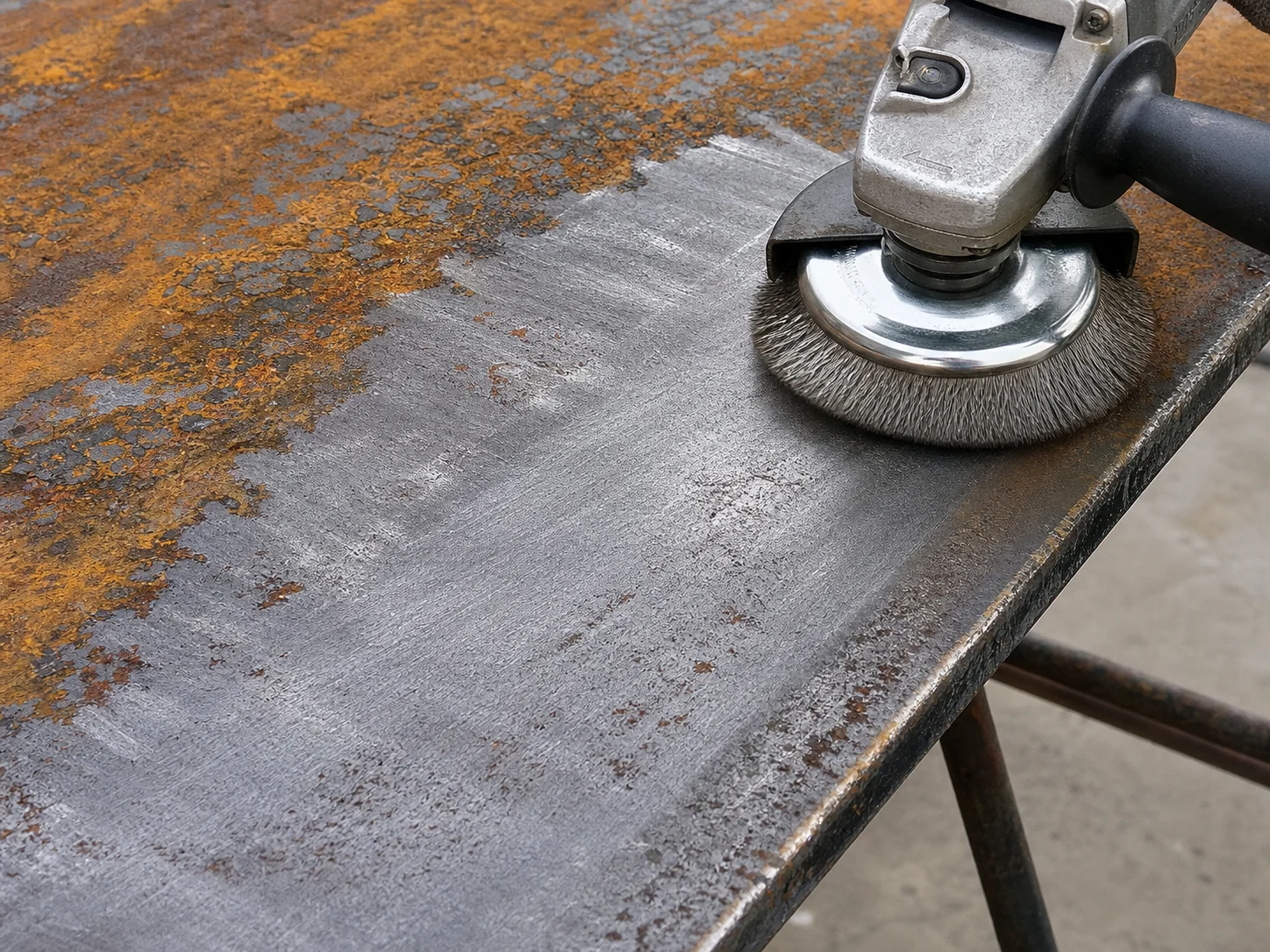
A steel wire brush is a rotary or stationary cleaning tool filled with steel filaments. In steel processing lines, it is typically mounted in a driven brush machine or stand to mechanically remove scale, rust, weld spatter, coating residues, or other surface contamination from ferrous and non-ferrous metal surfaces. Common positions include entry descaling units, pre-pickling sections, in-line scale breakers, coating preparation stations, and final cleaning before inspection. The brush contacts the moving strip, wire, or bar surface to dislodge unwanted material while leaving the base metal intact.
Common Types and Configurations
Steel wire brushes for industrial cleaning come in several standard forms, each suited to different machine designs and line layouts:
- Wheel Brush: A disc-shaped brush mounted on a shaft. Used for wide strip or plate cleaning, often arranged in pairs for top and bottom surface treatment.
- Roller Brush (Spiral Brush): A cylindrical brush with wire wound in a spiral pattern around a core. Fits into existing roll stands and can be driven by line speed or a dedicated motor.
- Cup Brush: A small, cup-shaped brush for confined areas, edge cleaning, or spot scale removal.
- Strip Brush (Channel Brush): A linear brush held in a holder. Used for guiding, wiping, or light cleaning in tight spaces.
- Disc Brush: A flat, circular brush used for surface finishing or blending.
Wire preparation also varies: crimped wire bristles offer flexibility and a lighter touch, while knotted wire bristles are twisted for aggressive, heavy-duty cleaning. Brush fill density, trim length, and overall dimensions are selected based on the cleaning duty.
Comparing Bristle Materials and Brush Configurations
The table below helps match bristle type and profile to your operating conditions:
| Bristle Type / Profile | Surface Sensitivity | Dry / Wet Use | Temperature & Chemical Resistance | Line Speed Suitability | Installation Space & Access | Maintenance Notes |
|---|---|---|---|---|---|---|
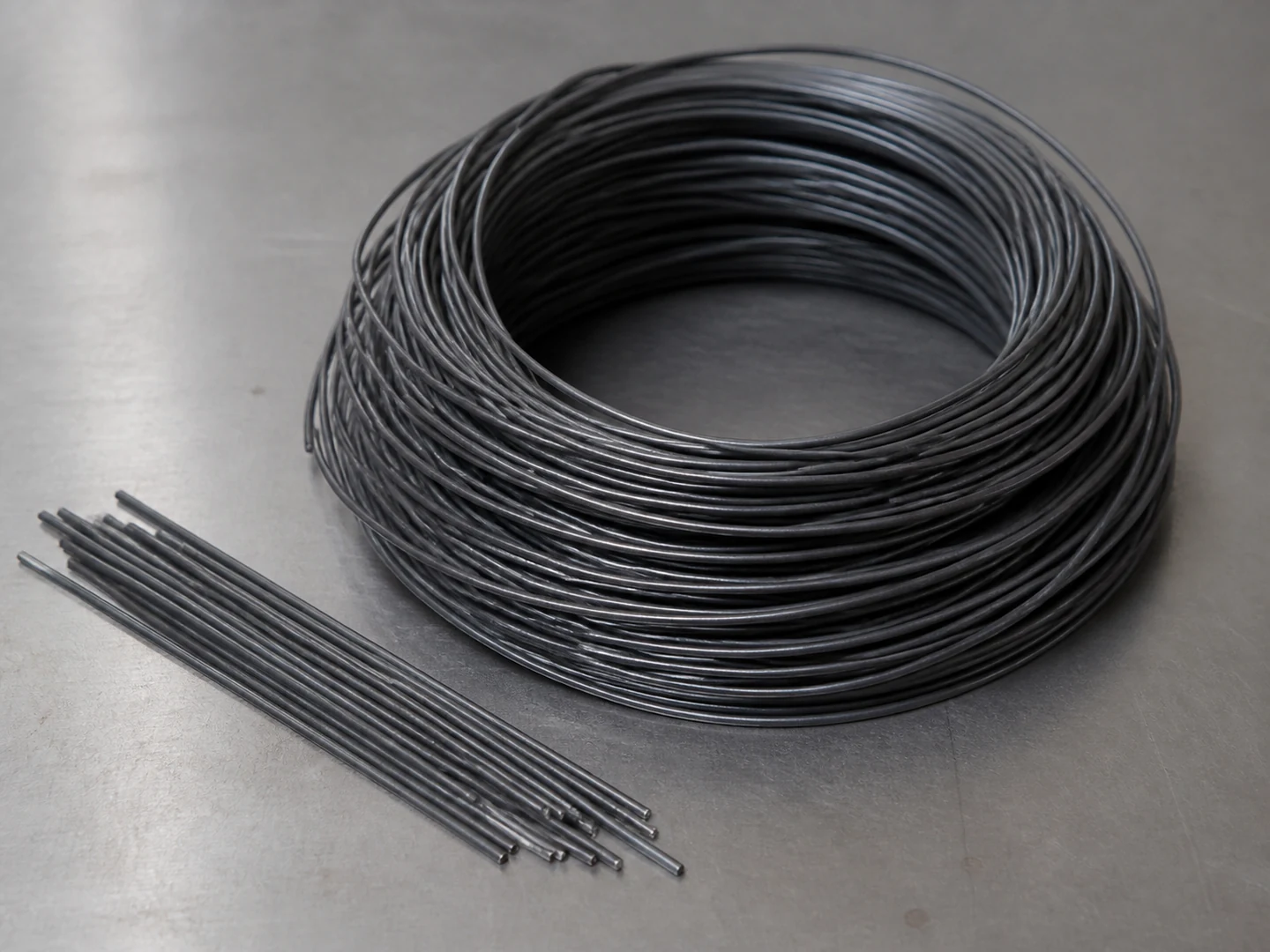
| Carbon Steel Wire (Standard) | Aggressive; can scratch soft metals | Dry preferred; wet may cause rusting of brush wire | Moderate heat; avoid acids unless secondary cleaning is frequent | Medium to high; good mechanical action | Common shaft sizes; easy to fit in existing stands | Replace when wire wears short or breaks; monitor for rust on bristles |
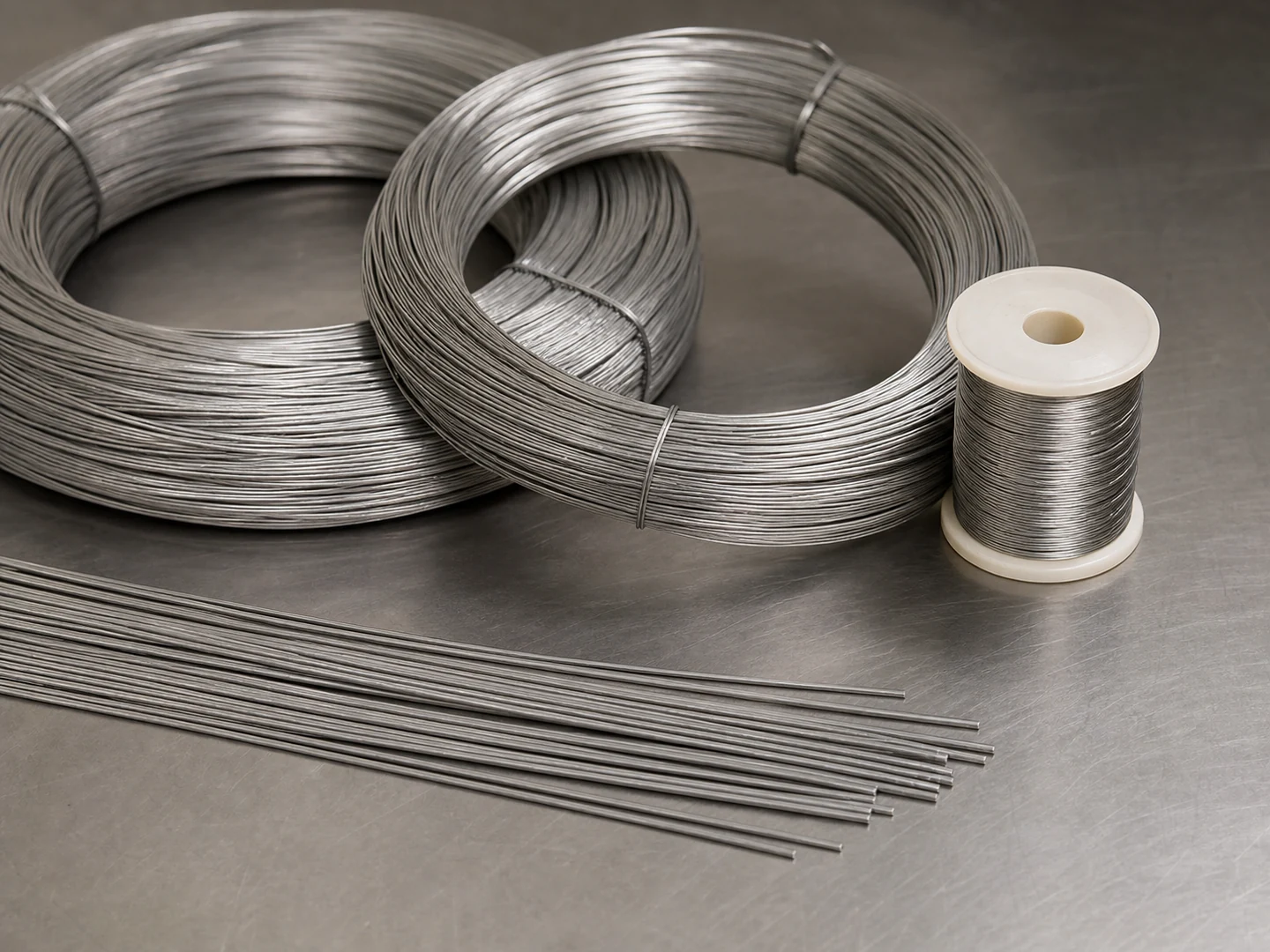
| Stainless Steel Wire (304 or 316) | Less aggressive; suitable for stainless, aluminum, and coated surfaces | Dry or wet; excellent corrosion resistance | Good in high-humidity, chemical, or food-contact environments | All line speeds; may require more force for heavy scale | Similar mounting; may need higher initial tension | Longer life in corrosive conditions; choose grade based on chemistry |
| Brass-Coated Steel Wire | Mild; used for light cleaning or where marking is a concern | Usually dry; brass coating reduces rust on the brush | Lower temperature limit; avoid strong chemicals | Light-duty lines only | Similar to carbon steel | Coating wears off, exposing steel; inspect regularly |
| Crimped Wire Brush | Flexible; conforms to uneven surfaces, less scratching | Both dry and wet applications common | Depends on base wire material | Lower to medium speeds; good for uniform finish | Wide face brushes need precise alignment | Check for crimp fatigue and breaking at bends; replace when pattern flattens |
| Knotted Wire Brush | Very aggressive; ideal for heavy scale, weld slag, and tough coatings | Dry primarily; wet reduces cutting slightly | High heat tolerance; limited chemical resistance unless stainless | Moderate to high; high-speed rotation possible | Requires more power and rigid mounting | Monitor for knot breakage; aggressive action reduces life |
Your choice will depend on the workpiece material, existing surface condition, and the type of contaminant. For example, cleaning stainless steel strip before annealing often calls for a stainless steel wire brush to avoid carbon contamination, while heavy mill scale on hot-rolled carbon steel may require a knotted carbon steel brush.
Key Factors for Selecting the Right Steel Wire Brush
After narrowing material and profile, evaluate these operating factors:
- Workpiece Material and Sensitivity: Ferrous vs. non-ferrous; brushed or polished surfaces; risk of embedding foreign particles.
- Contamination Type: Loose rust vs. tenacious scale vs. oil and grease; determines bristle aggressiveness and whether wet cleaning is needed.
- Line Speed and Contact Pressure: Higher speeds require faster brush rotation or wider face to maintain dwell time; adjust motor power accordingly.
- Wet vs. Dry Operation: Water or chemical sprays can help flush debris but may require stainless bristles and sealed bearings.
- Installation and Changeover: Check available space, shaft diameter, and mounting method. Quick-change designs reduce downtime.
- Maintenance Access: Brushes that wear quickly need easy adjustment mechanisms; consider the interval for tensioning or replacement.
- Temperature and Chemical Exposure: Pickling lines, annealing furnaces, or caustic wash sections demand bristle materials and core materials that withstand the environment.
Information to Confirm Before Ordering
To get a brush that fits and performs, provide the following when preparing a specification or inquiry:
- Nominal Dimensions: Outer diameter, inner diameter (bore), face width, and overall length. If replacing an existing brush, supply the old brush or a dimensional drawing.
- Mounting Method: Shaft connection type (e.g., keyway, flange, taper lock), drive power, and rotation direction.
- Cleaning Result Expected: Define acceptable surface roughness or remaining residue; this drives bristle diameter, trim length, and fill density selection.
- Sample or Drawing Reference: A physical sample, photo, or technical sketch of the brush and its housing helps avoid fitment errors.
- Operating Conditions: Line speed range, typical temperatures, presence of chemicals or moisture, and dust extraction capabilities.
- Life Expectancy Targets: Desired hours between changes, if known, to help the manufacturer recommend the right wire diameter and fill material.
Common Mistakes in Steel Wire Brush Selection
Avoid these practical errors when specifying or changing a brush:
- Choosing the Most Aggressive Brush Without Testing: A knotted carbon steel brush can gouge or remove too much base material; start with a crimped or stainless option when in doubt.
- Mismatching Wire Alloy to the Workpiece: Using a carbon steel brush on stainless can leave carbon residues that cause corrosion; always match bristle material to metallurgical requirements.
- Ignoring Line Speed Changes: A brush that performs well at 50 m/min may leave residues at 80 m/min unless rotation speed or brush width is adjusted.
- Overlooking Brush Housing and Mounting Fit: Even a correct-diameter brush can be unusable if the shaft, flange, or keyway doesn’t match the machine.
- Skipping Test Runs with New Configurations: Operating conditions, such as vibration or bounce, often only become apparent during actual line startups.
- Neglecting Brush Break-in and Bedding Period: New wire brushes often shed loose bristles initially; plan for a bedding-in period and clean-out steps.
- Using the Same Brush for All Product Mixes: Different grades or surface finishes may require a switch to a softer or more refined brush to prevent cross-contamination or achieve different surface profiles, improving overall product quality.
When a Steel Wire Brush Is the Wrong Choice
This brush is not enough when the main problem is blocked access, unsafe working conditions, damaged equipment, incompatible chemicals, or a process setting that keeps recreating the residue. In those cases, review base material, burr or oxide level, target finish, brush speed, pressure, and acceptable surface change and confirm the surrounding cleaning method before increasing brush stiffness or contact pressure.
Bottom Line
The best result comes from matching steel wire brushes for rust removal and surface preparation to the real cleaning task rather than forcing one brush to solve every condition. Confirm access, residue, surface limits, and replacement routine first; then use a small trial or inspection step before scaling the method into daily work.
Frequently Asked Questions
How do I determine when a steel wire brush needs to be replaced?
Replace the brush when bristle length reduces by 30–40% of its original trim, when cleaning performance falls below the required standard, or when excessive vibration occurs due to uneven wear. Regularly inspect for broken or missing bristles.
Can steel wire brushes be reconditioned or re-tipped?
Some brush types can be re-tipped by specialized service companies, but it is often more cost-effective to replace the brush core as a complete unit. Always consult the manufacturer for reconditioning options based on your brush design.
How does wet operation affect brush life compared to dry?
Wet operation can flush debris away, reducing abrasive wear on the bristles and potentially extending brush life. However, it requires stainless steel bristles to avoid corrosion and proper sealing of bearings. Dry operation may cause faster heat buildup but is simpler to implement.
What is the expected lifespan of a steel wire brush in a high-speed descaling line?
Lifespan varies widely based on material, speed, and contamination levels, but typical industrial brushes last between 200 and 800 production hours. Monitoring and adjusting contact pressure can help maximize service life.
What safety precautions should be taken when operating or replacing steel wire brushes?
Always follow lockout/tagout procedures during change-out. Use personal protective equipment (PPE), including gloves, safety glasses, and face shields. Secure loose clothing and ensure guards are in place. Inspect brushes for loose wires before startup.
Technical References
Which steel wire grade fits this job — AISI 304 Stainless Steel Wire, AISI 316 Stainless Steel Wire or Carbon Steel Wire?
| Wire grade | Continuous temperature (°C) | Peak temperature (°C) | Water absorption | Hardness |
|---|---|---|---|---|
| AISI 304 Stainless Steel Wire | 400 | 500 | 0% | Rockwell B 70–95 depending on temper and cold work |
| AISI 316 Stainless Steel Wire | 400 | 500 | 0% | Rockwell B 70–95 depending on temper and cold work |
| Carbon Steel Wire | 200–300 | 350–450 | 0% | Rockwell C 40–60 |
| Galvanized Steel Wire | 150–200 | 250–300 | 0% | Rockwell B 70–100 |
Figures as published by Alleima; Material manufacturer TDS / ISO / ASTM / industry reference. Confirm the exact grade against the supplier datasheet before ordering.
What should replace AISI 304 Stainless Steel Wire when it stops working?
- AISI 304 Stainless Steel Wire — Use AISI 316 stainless steel wire for chloride, marine, dairy, beverage, chemical washdown, or higher pitting-resistance requirements. Use carbon steel for dry aggressive cutting and brass or abrasive nylon for lower marking risk.
- Carbon Steel Wire — Compare Carbon Steel Wire with Carbon steel wire, brass wire, abrasive nylon. Change material when wet stiffness, temperature, chemical resistance, conductivity, particle shedding, or surface marking becomes the limiting factor.