What Is an Electroplating Line Brush Roller?
An electroplating line brush roller is a rotary brush mounted on a roller shaft, driven by the line’s motion or an independent motor, that makes contact with a moving metal strip to remove contaminants, oxides, or surface films. The bristles can be abrasive or non-abrasive, and the roller is typically placed in a pretreatment section before plating baths. Its primary role is to prepare the surface physically, ensuring uniform wettability and adhesion for subsequent chemical or electrochemical processes.
Common Types and Material Options
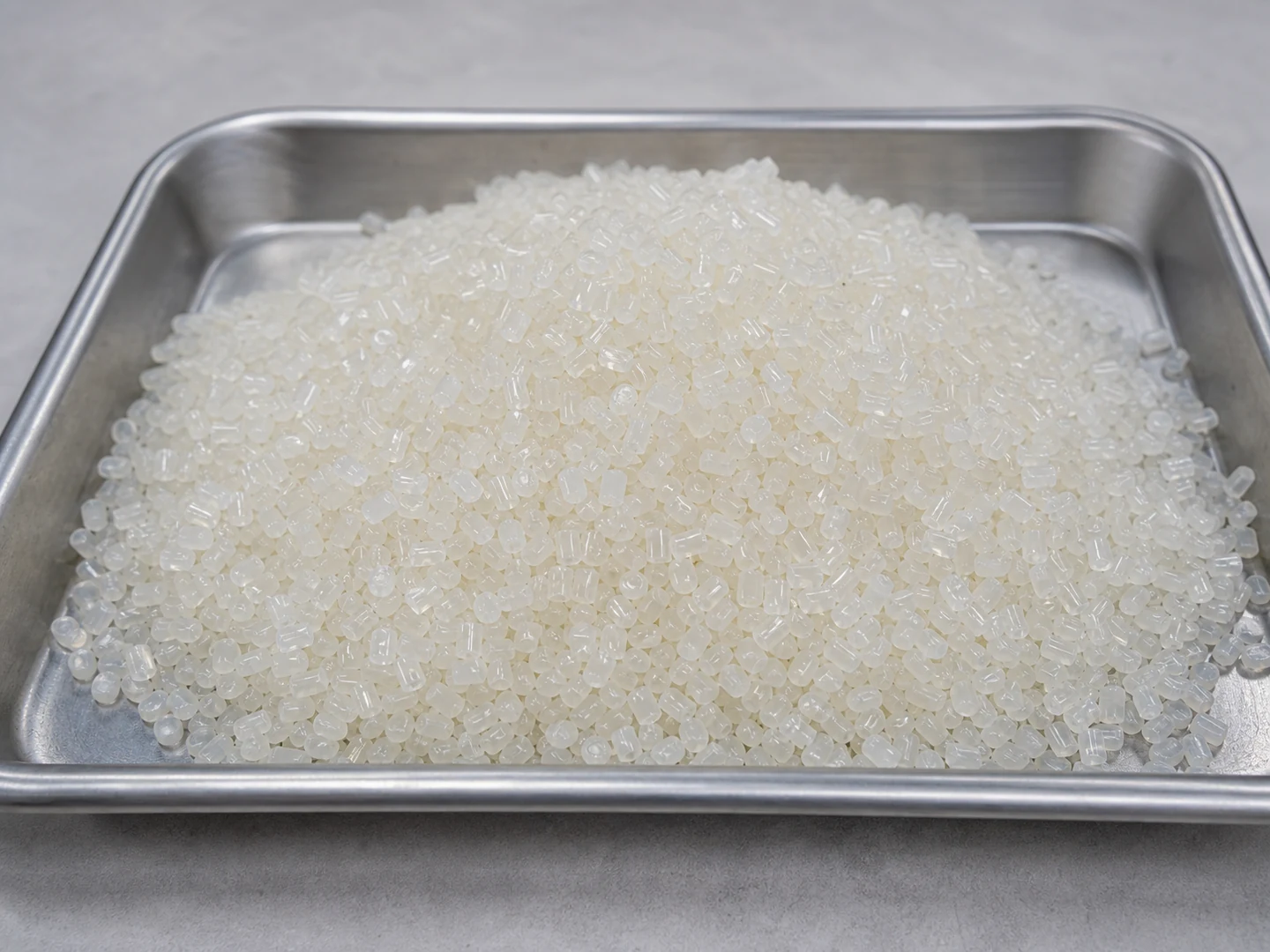
Brush rollers are defined by their bristle material, density, fill pattern, and core construction. The most common bristle materials are nylon, polypropylene, and abrasive-impregnated nylons. Each material responds differently to chemical exposure, temperature, and mechanical load. The table below compares typical options for electroplating pretreatment.
| Bristle Material | Key Property | Best For | Typical Limitations |
|---|---|---|---|
| Standard nylon (PA 6, 6.6) | Good resilience, moderate stiffness | Light oxide removal, general cleaning | Swells in high humidity; may soften in strong acids |
| Polypropylene | Excellent chemical resistance | Acidic or alkaline pretreatment stages | Lower stiffness; wears faster on abrasive residues |
| Abrasive-filled nylon (SiC, Al₂O₃) | Cuts and abrades surface films | Removing light scale, rust, or smut | Can scratch soft substrates; higher cost |
| Anti-static nylon | Dissipates static charge | Lines with static buildup concerns | Not a primary cleaning attribute; limited availability |
Core materials range from steel to lightweight aluminum or fiberglass, chosen for weight, inertia, and chemical compatibility. Bristle trim length and density also affect compliance and scrubbing action.
How to Choose the Right Brush Roller
Selecting the correct brush roller involves matching the brush to the residue type, substrate sensitivity, and line conditions. Consider these factors:
- Residue type: Light dust, oil film, oxide smut, or heavy scale? Abrasive bristles are needed only when surface oxides or smut are stubborn. Oil removal usually requires softer, non-abrasive bristles combined with a wetting agent.
- Surface sensitivity: Soft metals like aluminum or copper can scratch easily. Use finer, softer bristles (e.g., 0.3–0.5 mm diameter nylon) and test on samples to avoid micro-scratches that hurt plating appearance.
- Chemical environment: If the brush contacts acidic or alkaline solutions, polypropylene or specialty acid-resistant nylon is safer. Standard nylon may degrade, shedding bristles that become line contaminants.
- Line speed and pressure: Higher speeds need higher-density brushes to maintain contact time. Excessive pressure can deflect bristles too much, reducing cleaning efficacy. Confirm mounting and adjustment range.
- Maintenance access: Quick-change sleeve designs reduce downtime. If the line runs continuously, consider brushes with replaceable strips or segmental construction.
- Custom size requirements: Diameter, face length, shaft diameter, and mounting style must fit the existing housing and drive. Many lines require non-standard sizes; work with the supplier to provide detailed drawings.
Installation and Operational Factors
The brush roller’s placement within the pretreatment section—whether before or after degreasing, pickling, or rinsing—changes its role. In a dry or semi-dry section, dust and particulate removal dominate. In a flooded section, the brush works with chemistry to scrub and emulsify soils. Always verify the brush is compatible with the continuous operating temperature and that the bristle material does not hydrolyze or deform. For wet sections, ensure the core and fasteners are corrosion-resistant (e.g., stainless steel).
Brush rollers often require periodic rotation or reversal to maintain uniform bristle wear. Integrate this into the preventive maintenance schedule; otherwise, uneven wear leads to strip tracking issues or inconsistent cleaning.
Common Mistakes to Avoid
- Choosing by cost drivers alone: A low-cost brush that sheds bristles or wears quickly causes more downtime and scrap than the initial saving.
- Ignoring chemical compatibility: Nylon absorbs water and can swell under prolonged acidic exposure, altering bristle stiffness and diameter. Always check a chemical resistance chart for the chosen nylon grade.
- Over-specifying stiffness: Excessively stiff bristles can embed abrasive debris, reroll the surface, or even damage the base metal, especially on thin foils.
- Neglecting trial runs: Brush performance is highly application-specific. Running a sample strip on a test rig or during a trial campaign is the most reliable way to confirm the brush meets quality and longevity targets.
- Forgetting the core interface: Poorly machined shaft bores or incorrect keyway dimensions cause vibration and premature bearing failure. Always verify the roller’s balance specification and mounting tolerances.
When an Electroplating Line Brush Roller Is the Wrong Choice
Brush rollers excel at light to moderate surface conditioning, but they are not a universal solution. If the incoming strip has heavy mill scale, deep pitting, or thick rust, mechanical blasting (shot or grit) or acid pickling is more effective. The brush may only polish the scale without removing it, leading to patchy plating. Also, if the surface must be etched to a specific roughness profile beyond a brush’s capability, chemical etching or abrasive blasting should precede the brush stage. Finally, when space or line modification is impossible, a retrofit brush may overcomplicate the drive train; in such cases, consult with a line designer to determine if offline pre-cleaning is more practical.
Final Takeaway
An electroplating line brush roller is the right choice when you need controlled, repeatable mechanical cleaning on moving strip without altering the base metal’s geometry. It works best for removal of light residues, smut, or oxide films in combination with wet chemistry. Always verify material compatibility, bristle stiffness, and core design against your line’s speed, chemical exposure, and substrate sensitivity. Run a trial, plan for maintenance, and never treat the brush as a standalone fix—it is one link in a complete pretreatment chain.
Frequently Asked Questions
Can brush rollers be used in wet and acidic environments?
Yes, but the bristle material must be selected for chemical resistance. Polypropylene and certain grades of nylon handle mild to moderate acids well. Always test or consult a chemical compatibility chart for the specific solution concentration and temperature.
How often should an electroplating line brush roller be replaced?
Replacement intervals depend on line speed, pressure, bristle material, and contamination load. Typical brush rollers last several weeks to months. Monitor bristle tip wear, loss of diameter, and cleaning uniformity; replace when cleaning performance drops below specification.
What bristle diameter is best for general plating pretreatment?
Common diameters range from 0.3 mm to 0.8 mm. Finer (0.3–0.5 mm) bristles are softer and better for sensitive surfaces, while coarser (0.6–0.8 mm) provide more aggressive scrubbing. The right diameter balances cleaning power and surface finish requirements.
Can I get a custom-sized brush roller for an older plating line?
Yes, most industrial brush manufacturers offer custom face lengths, diameters, shaft designs, and core materials. Provide accurate drawings of the mounting interface, drive, and available space to get a correctly fitting roller.
What is the difference between a brush roller and a grinding belt for pretreatment?
A brush roller is a conformable, non-rigid tool that follows the strip surface and removes light contaminants. A grinding belt removes metal stock, changes surface roughness aggressively, and can handle heavy scale. Use a brush when the goal is cleaning without altering stock dimensions.
How do I know if my residue requires an abrasive-filled brush roller?
If a non-abrasive brush combined with standard degreasing and a rinse cannot achieve the required surface cleanliness (e.g., residual carbon smut or light oxide remains), a trial with abrasive-filled bristles (SiC or Al₂O₃) is warranted. Start with a low abrasive grit to avoid scratching.
Do brush rollers need balancing?
Yes, especially for high-speed lines. An unbalanced roller causes vibration, bearing wear, and inconsistent strip contact. Most professional brush rollers are dynamically balanced to a grade that matches the line speed.
Technical References
- OSHA — Hazard Communication
- OSHA — Chemical Hazards and Toxic Substances
- World Stainless — Corrosion Resistance of Stainless Steels
Which nylon grade fits this job — Nylon PA, PA6 Nylon or PA66 Nylon?
| Grade | Continuous temperature (°C) | Peak temperature (°C) | Water absorption | Hardness |
|---|---|---|---|---|
| Nylon PA | 93 | 121 | 0.3–9% by PA grade and conditioning | Medium to firm; filament diameter and trim length control bending force. |
| PA6 Nylon | 80–100 | 130–160 | 1.5–3.0% | Shore D 75–85 |
| PA66 Nylon | 100–120 | 150–180 | 1.0–1.8% | Shore D 80–88 |
| PA610 Nylon | 90–110 | 130–150 | 0.5–1.0% | Shore D 72–82 |
| PA612 Nylon | 90–110 | 130–150 | 0.3–0.7% | Shore D 70–80 |
Figures as published by Brushtec / DuPont. Confirm the exact grade against the supplier datasheet before ordering.
What should replace Nylon PA for plating prep?
- Nylon PA — Compare Nylon PA with PP, PBT, PET. Change material when wet stiffness, temperature, chemical resistance, conductivity, particle shedding, or surface marking becomes the limiting factor.
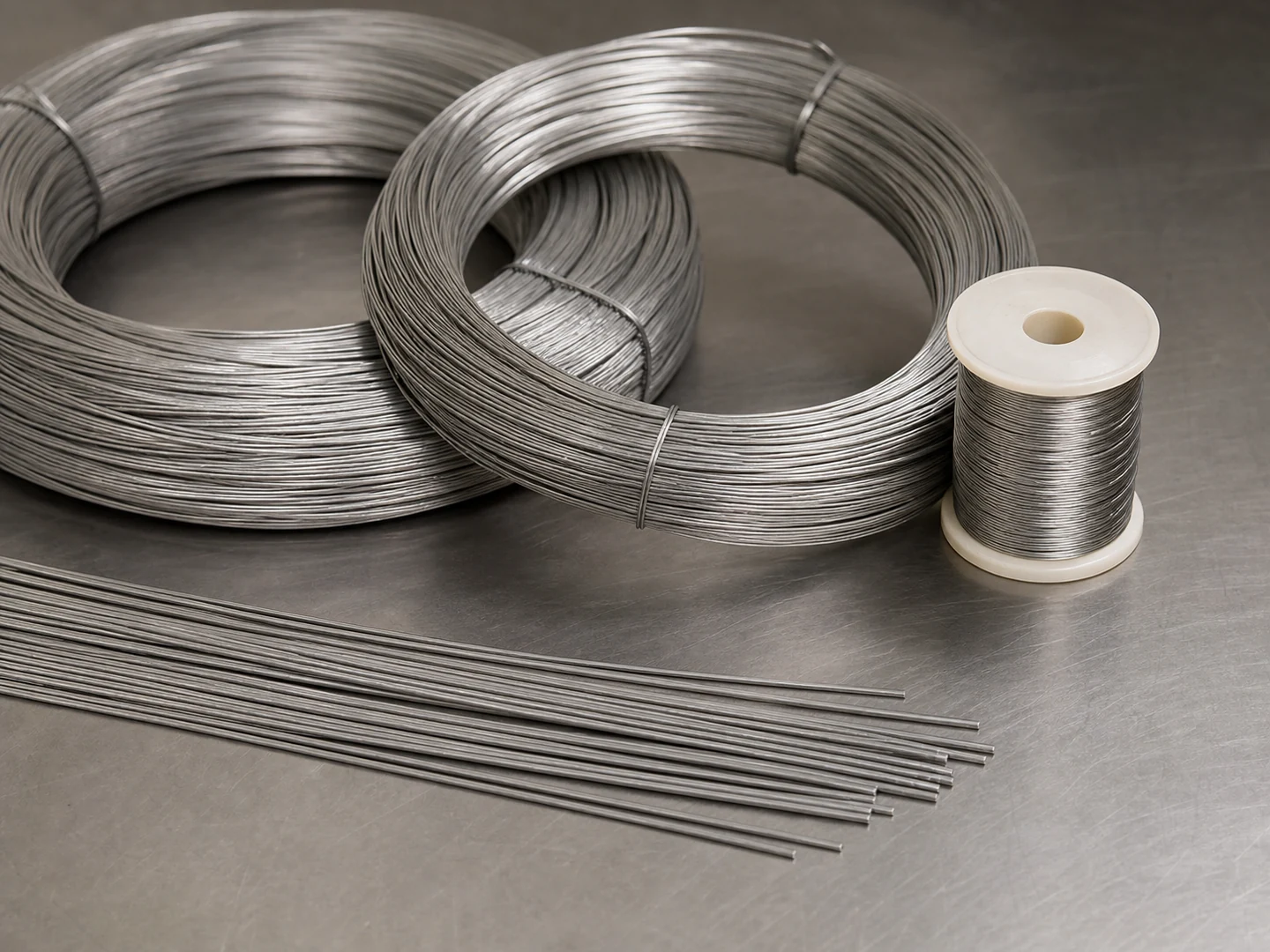
- AISI 304 Stainless Steel Wire — Use AISI 316 stainless steel wire for chloride, marine, dairy, beverage, chemical washdown, or higher pitting-resistance requirements. Use carbon steel for dry aggressive cutting and brass or abrasive nylon for lower marking risk.