What Is an Electroplating Line Brush Roller?
An electroplating line brush roller is a purpose-built industrial brush designed to scrub, clean, or micro‑finish metal surfaces in wet or chemically aggressive environments. It typically consists of a core (aluminum, steel, or composite) with filament material chosen to resist plating chemicals and handle high line speeds. These rollers remove oxides, scale, oil film, or post‑plating roughness while avoiding damage to the substrate.
Common Material, Diameter, and Mounting Options
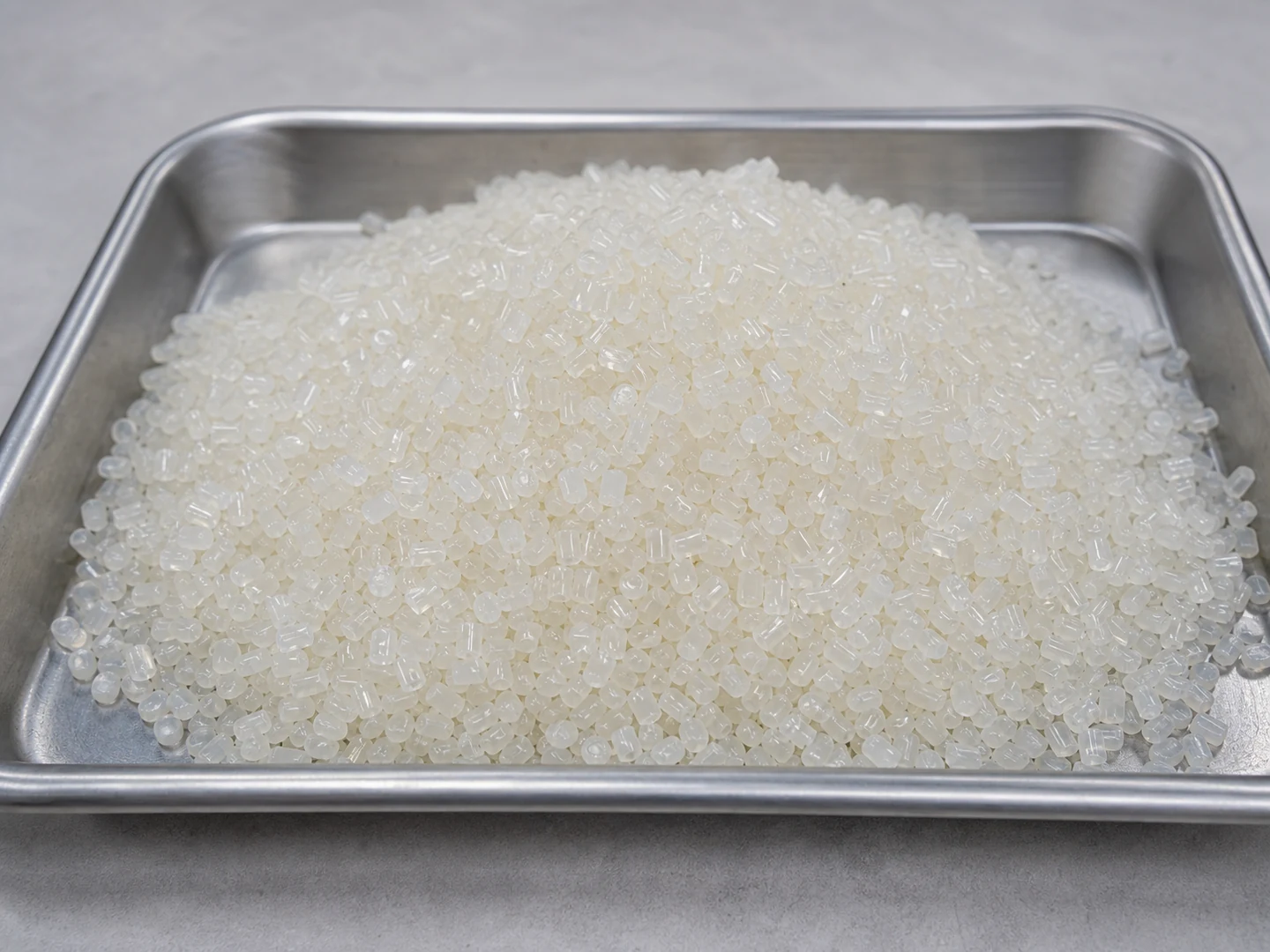
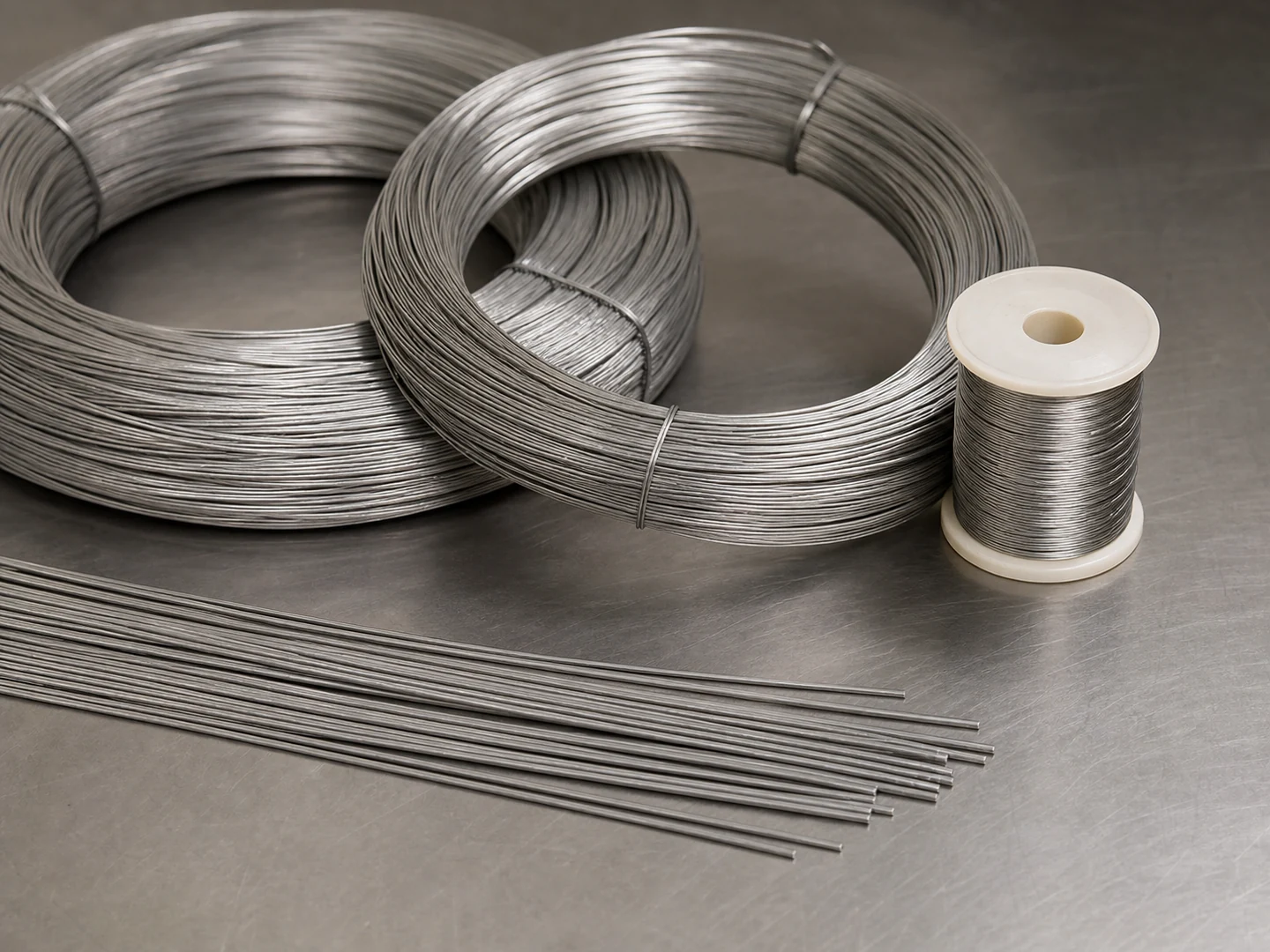
Brush rollers vary widely in construction to match specific plating line conditions. Common filament materials include nylon (abrasive‑filled or straight), polypropylene, Tampico, and stainless steel wire. Diameters range from small (under 100 mm) for light scrubbing to large (200‑300+ mm) for deep cleaning. Shaft mounting can be keyed, splined, or through‑bore with set screws; core materials are chosen for weight, corrosion resistance, and rigidity. These options directly affect filament stiffness, contact pressure, and service life.
Comparison Table: Key Brush Roller Options for Electroplating Lines
| Feature | Option A | Option B | Option C | When to Choose |
|---|---|---|---|---|
| Filament Material | Nylon with abrasive grit | Straight polypropylene | Stainless steel wire | Gritted nylon for light oxide removal; polypropylene for gentle cleaning; steel wire for heavy scale or high‑temperature lines |
| Stiffness / Aggressiveness | Medium‑high | Low | High | Match to surface hardness: softer substrates need less aggressive filaments |
| Core Material | Aluminum | Stainless steel | Composite (FRP) | Aluminum for weight savings; steel for strength in corrosive baths; composite for chemical resistance and inertia reduction |
| Diameter (mm) | 100 – 150 | 60 – 100 | 200+ | Larger diameters provide more contact area for wide strip; smaller diameters suit narrow or contoured parts |
| Mounting Style | Keyed shaft | Splined core | Through‑bore with set screws | Keyed for high‑torque precision; splined for quick changeover; through‑bore for field retrofits |
| Chemical Resistance | Good (Nylon) | Excellent (PP) | Very good (Stainless) | PP for strong acids/alkalies; stainless for high‑temperature cleaners; nylon for most neutral to mildly acidic baths |
How to Choose the Right Electroplating Line Brush Roller
Select the brush roller based on five practical factors:
- Residue type and adhesion: Light oil films need soft, non‑abrasive bristles; dried plating salts or oxide layers demand abrasive or wire filaments.
- Surface sensitivity: Soft or decorative finishes require low‑stiffness filaments to avoid scratches or burns.
- Equipment interface: Confirm shaft diameter, keyway dimensions, and bearing centers. Mismatches cause vibration and premature failure.
- Wet and chemical exposure: Verify filament and core compatibility with all process fluids—including rinse water additives.
- Maintenance frequency: Long‑life filament materials and sealed bearings reduce downtime; choose quick‑change mounting if frequent replacement is expected.
- Custom size requirements: Off‑the‑shelf diameters often work, but strip width and line tension may require engineered brush density or face length.
Common Mistakes When Selecting a Brush Roller
Avoid these costly errors:
- Choosing by cost drivers or size alone: A low‑cost brush that fails in chemicals or sheds filaments will increase scrap and downtime.
- Ignoring filament‑to‑substrate compatibility: Steel wire on polished or decorative surfaces leaves scratches that ruin the finish.
- Over‑engaging the brush: Excessive interference depth wears filaments and can deform thin strip.
- Neglecting core balance: Unbalanced rollers cause vibration, bearing damage, and uneven cleaning.
- Assuming all “nylon” is the same: Nylon 6, 6/6, and 6/12 have different water absorption and stiffness; ask for the grade.
When an Electroplating Line Brush Roller Is the Wrong Choice
An electroplating line brush roller is a mechanical surface tool. It should not replace chemical pretreatment when heavy oil or drawing compounds are present—brushing alone can smear rather than remove them. It cannot correct deep substrate scratches or base metal defects; those require grinding or leveling prior to plating. When surface roughness Ra requirements are less than 0.05 µm, a brush roller may need to be paired with non‑contact electrochemical or ultrasonic polishing. Finally, high‑pressure spray or immersion cleaning often handles complex‑shaped parts better than a rotating brush. If your line introduces new alloys, always request a sample test or supplier drawing review before committing to a full roll.
Final Takeaway
Choose an electroplating line brush roller when you need consistent, repeatable mechanical cleaning of flat or coil‑fed metal in a wet process line. Match the filament, core, and mounting to your specific chemistry, surface finish target, and maintenance window. When in doubt, start with a less aggressive brush and work upward—over‑specifying can cost more in rework than in the brush itself.
Frequently Asked Questions
Can I use the same brush roller for multiple plating chemistries?
It depends on the filament material. Nylon may swell in strong acids, while polypropylene tolerates a wider pH range. Always verify chemical resistance with the filament supplier before cross‑contamination occurs.
How do I know if the brush is too aggressive for my surface?
Run a test strip and inspect under magnification. Look for micro‑scratches, brightening, or transferred metal color. If the surface Ra increases after brushing, reduce interference and consider a softer filament.
What maintenance extends brush roller life?
Regularly clean filaments to prevent loading, check bearing seals, and re‑balance after sharp objects cause uneven wear. Rotate direction periodically to even out filament tip wear.
Is a custom roller brush worth the extra cost?
If off‑the‑shelf diameters or filament densities cause uneven cleaning or force you to run at suboptimal speed, a custom roller brush often pays for itself within months by reducing scrap and downtime.
Can I paint with a wet roller brush instead of a separate applicator?
No. Electroplating brush rollers are designed for surface preparation, not for applying wet coatings. Use appropriate coating applicators for uniform paint or lacquer films.
What is the typical lead time for a replacement brush roller?
Lead times vary with material availability and whether the roll is stock or custom. Expect several weeks for custom‑engineered rollers. Keep a spare on‑hand to avoid production delays.
Does brush roller diameter affect surface finish?
Indirectly. Larger diameter rollers cover more strip width per revolution and may impart a different contact pressure profile. The right diameter ensures uniform pressure and reduces vibration.
Can I clean a vacuum brush roller on a metal line?
The cleaning brush roller mentioned here is an industrial tool for wet electroplating lines. Vacuum brush rollers serve a different purpose (dry particle pickup) and are not a substitute.
Technical References
- OSHA — Hazard Communication
- OSHA — Chemical Hazards and Toxic Substances
- World Stainless — Corrosion Resistance of Stainless Steels
Which nylon grade fits this job — Nylon PA, PA6 Nylon or PA66 Nylon?
| Grade | Continuous temperature (°C) | Peak temperature (°C) | Water absorption | Hardness |
|---|---|---|---|---|
| Nylon PA | 93 | 121 | 0.3–9% by PA grade and conditioning | Medium to firm; filament diameter and trim length control bending force. |
| PA6 Nylon | 80–100 | 130–160 | 1.5–3.0% | Shore D 75–85 |
| PA66 Nylon | 100–120 | 150–180 | 1.0–1.8% | Shore D 80–88 |
| PA610 Nylon | 90–110 | 130–150 | 0.5–1.0% | Shore D 72–82 |
| PA612 Nylon | 90–110 | 130–150 | 0.3–0.7% | Shore D 70–80 |
Figures as published by Brushtec / DuPont. Confirm the exact grade against the supplier datasheet before ordering.
What should replace Nylon PA for finish control?
- Nylon PA — Compare Nylon PA with PP, PBT, PET. Change material when wet stiffness, temperature, chemical resistance, conductivity, particle shedding, or surface marking becomes the limiting factor.
- AISI 304 Stainless Steel Wire — Use AISI 316 stainless steel wire for chloride, marine, dairy, beverage, chemical washdown, or higher pitting-resistance requirements. Use carbon steel for dry aggressive cutting and brass or abrasive nylon for lower marking risk.