What Is an Electroplating Line Brush Roller?
An electroplating line brush roller is a rotating cleaning device that uses filament bristles mounted on a core shaft to interact with a moving metal substrate. Its primary job is to remove residues, oxides, or surface contaminants before, during, or after the plating process. Unlike handheld brushes or simple scrubbing pads, brush rollers are integrated into continuous processing lines, often under wet and chemically aggressive conditions. They can be driven by the line itself or by an external motor, and they come in various diameters, lengths, and material constructions to match specific line speeds, chemical exposures, and surface sensitivity requirements.
Common Types and Material Options
When selecting a brush roller for a chemical splash area, the first decision is usually the filament material. The following options are commonly available from industrial brush manufacturers:
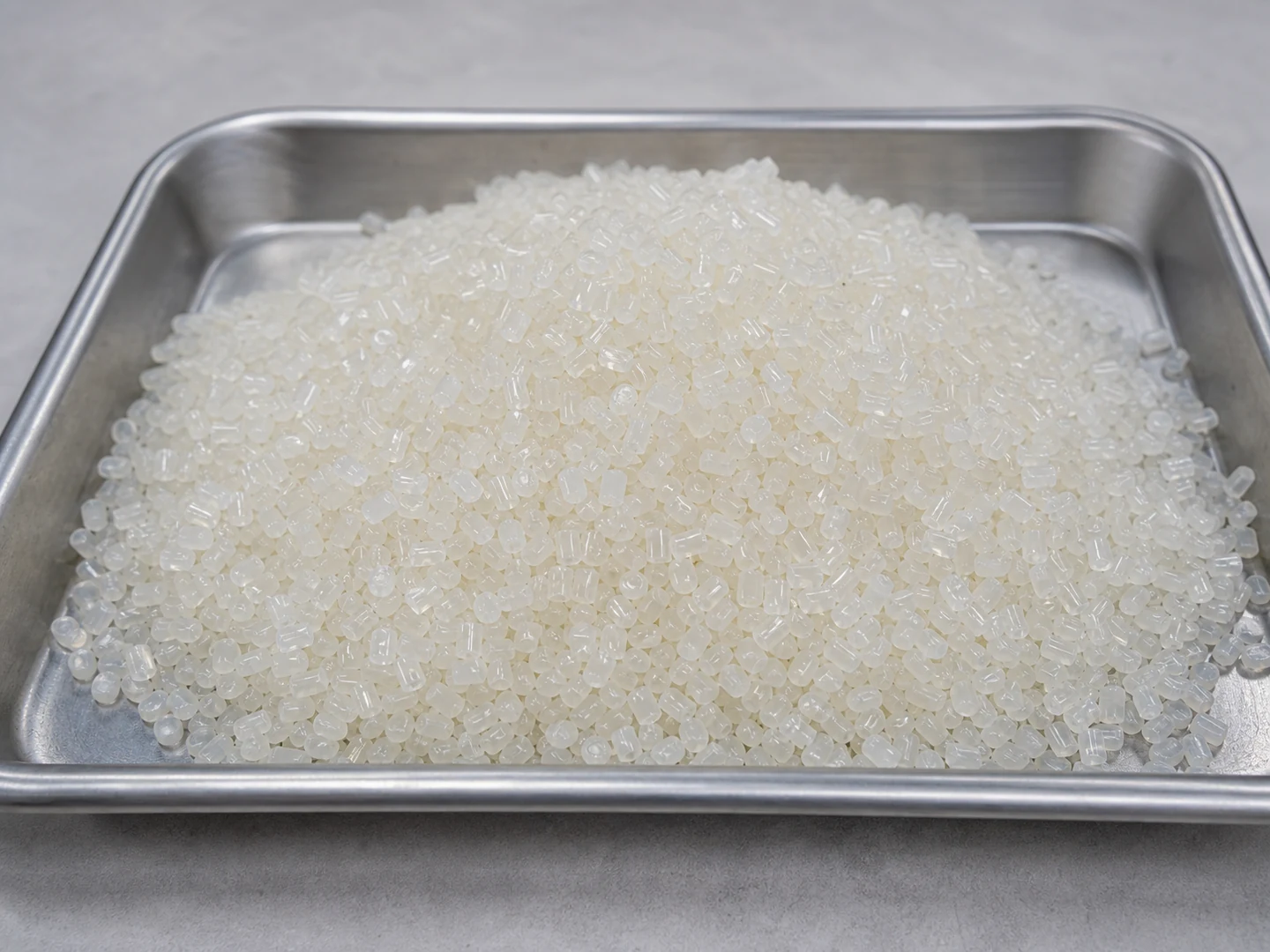
- Polypropylene (PP): Good resistance to many acids and alkalis; often used where chemical resistance is more important than stiffness.
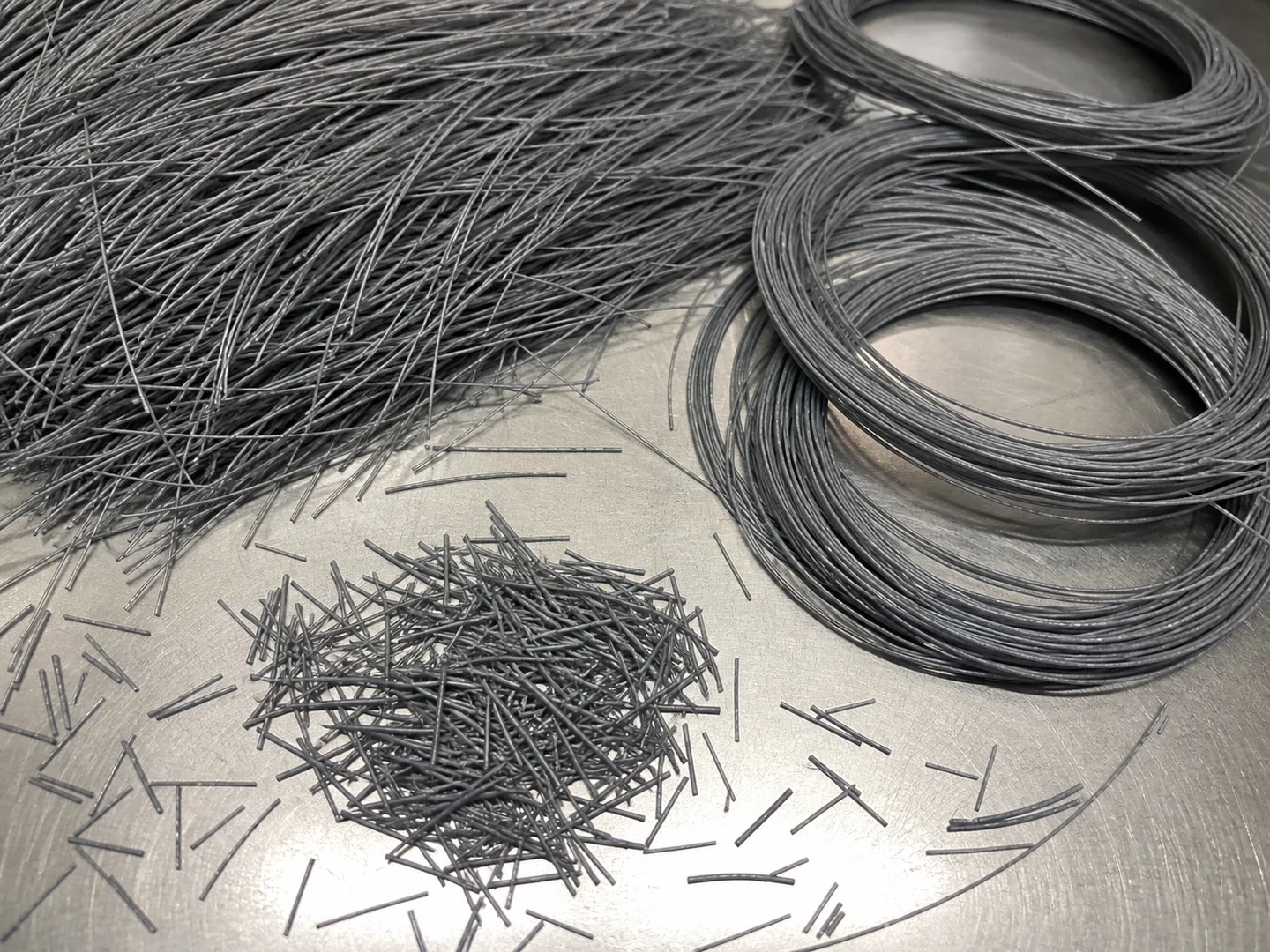
- Nylon 6 and 6.6: Stiffer and more durable than PP, but less resistant to strong mineral acids. Works well in moderate alkaline environments.
- Abrasive Nylon: Nylon embedded with silicon carbide or aluminum oxide for light deburring and aggressive cleaning. Chemical resistance depends on the base nylon grade.
- Tampico Natural Fiber: Soft and absorbent; suitable for light wiping or liquid pick-up but degrades quickly in strong chemicals or continuous immersion.
- Polyester (PET): Resistant to many chemicals and UV, often used in wet environments but may lack the stiffness of nylon.
- PTFE or other specialty plastics: For extreme chemical environments (e.g., strong oxidizing acids) where standard plastics fail. Typically more expensive and may require custom manufacturing.
Core materials also matter: stainless steel (304, 316) resists corrosion; PVC or polypropylene cores are lightweight and highly chemical-resistant; aluminum may be used in dry or mild environments but can corrode.
Key Comparison of Brush Roller Filament Options for Chemical Splash Zones
| Filament Type | Typical Chemical Resistance | Stiffness / Aggressiveness | Best Use Cases | Limitations |
|---|---|---|---|---|
| Polypropylene | Excellent in most acids and alkalis | Medium-low | General chemical splash cleaning, pre-pickling scrub, rinse aid | Low abrasion resistance; can permanently deform under heavy load |
| Nylon (Standard) | Good in alkalis; poor in strong mineral acids | Medium-high | Alkaline degreasing, post-plating brush rinsing, moderate scrubbing | Attacked by acids like HCl or H₂SO₄; absorbs water, swells |
| Abrasive Nylon | Similar to standard nylon | Very high | Oxide removal, light deburring, post-treatment burnishing | Can scratch sensitive surfaces; chemical limits same as nylon |
| Tampico | Poor in most chemicals; absorbs liquids | Low | Gentle dusting or dry buffing; not for splash zones | Rots, weakens, and degrades in continuous wet/chemical exposure |
| Polyester | Good across a range of dilute acids and alkalis | Medium | Wet wiping, low-impact chemical splash areas, food-grade lines (with FDA variants) | Less stiffness than nylon; can be damaged by some hot alkaline solutions |
How to Choose the Right Brush Roller for wet or chemical-exposure environments
Use these practical factors to narrow down your options:
- Residue type and chemistry: Identify the specific chemicals involved (concentration, temperature, pH). Match filament and core material to published chemical resistance charts from your brush supplier.
- Surface sensitivity: Harder, stiffer filaments (like abrasive nylon) can scratch delicate finishes. If the metal strip has a polished or decorative surface, consider softer filaments or lower brush pressure.
- Equipment interface: Check shaft diameter, overall brush OD, keyway/set screw requirements, and whether the brush roller is driven or idling. Splash shields and bearing seals may be needed.
- Wet and chemical exposure level: Is the brush continuously submerged, intermittently splashed, or merely in a high-humidity zone? Continuous wetness demands non-absorbent filaments and corrosion-proof cores.
- Hygiene expectations: In specialty plating (e.g., electronics, medical), filament-shedding and bacterial growth must be minimal. Monofilament plastics are often preferred over natural fibers.
- Maintenance frequency: Easily replaceable brushes with simple shaft interfaces reduce downtime. In harsh splash zones, plan for more frequent replacement and keep spare rollers on hand.
- Custom size requirements: Standard off-the-shelf brush rollers may not fit your line. Work with a manufacturer to specify exact overall length, bristle face width, diameter, and core end fittings.
Common Mistakes When Selecting a Brush Roller for Electroplating Lines
- Assuming all nylon is equal: Standard nylon 6/6 quickly fails in acid splashes. Always check chemical compatibility tables for the exact grade.
- Ignoring core material degradation: Even if the filament survives, a steel core can rust or a plastic core can swell and seize bearings. Choose the core material for the same chemical environment as the filament.
- Choosing stiffness by cost drivers: A stiffer brush may clean faster but can scratch or gall the strip, especially when combined with chemical exposure that softens the surface.
- Overlooking mounting details: A brush that fits your shaft but lacks proper keying or clamping can slip, causing uneven wear and poor cleaning.
- Using the same brush for all sections: Pickle, rinse, and plating stages have different chemical profiles. A single brush type rarely works optimally across them all.
When an Electroplating Line Brush Roller Is the Wrong Choice
Brush rollers are effective for many splash-zone tasks, but they have limits. Consider alternative or additional solutions when:
- Continuous immersion or submerged cleaning: If the brush must run fully submerged in a strong acid or electrolyte, even resistant filaments may swell, break down, or contaminate the bath. Sealed rotary contact cleaning or ultrasonic systems might be safer.
- High-purity or FDA-grade requirements: Standard industrial brush rollers can shed bristles or carry trace metals. Certified cleanroom or food-grade brushes with documented material certificates may be necessary.
- Static-sensitive surfaces: In electronic plating lines, static discharge from a brush roller can damage components. Anti-static filaments or conductive cores may be required.
- Extremely high line speeds: At speeds above 100–150 m/min, centrifugal forces and hydrodynamic drag can deform filaments. You may need a specially engineered brush with a reinforced face or a different cleaning technology altogether.
- Irreplaceable or high-value product: When a mis-selected brush could ruin an entire coil, it is wise to request a sample brush, perform a small-scale trial, and review a detailed drawing with the supplier’s application engineer before full deployment.
Final Takeaway
An electroplating line brush roller is the right choice for wet or chemical-exposure environments when you have clearly identified the chemical exposure, selected a filament and core with proven resistance, and matched the brush’s stiffness to your substrate’s sensitivity. It is not a universal tool—continuous chemical immersion, hygiene-critical processes, and high-speed lines demand a more tailored approach. Always start with a chemical compatibility check, involve your brush supplier early, and keep maintenance and quick-change features in mind. A well-chosen brush roller pays for itself in reduced downtime and consistent surface quality.
Frequently Asked Questions
Can a single brush roller handle both acid and alkaline splashes on the same line?
It depends on the specific chemicals and their concentrations. Polypropylene has broad resistance, but you must verify compatibility with both the acid and alkaline formulations used. In many cases, even a flexible material will need to be qualified for the worst-case scenario.
How often should I replace an electroplating line brush roller?
There is no fixed interval. Monitor bristle wear, permanent set (loss of stiffness), core corrosion, and cleaning performance. In aggressive chemical splash areas, you may need to replace quarterly, while milder zones can last a year or more.
What is the best way to clean a brush roller in chemical service?
Rinse thoroughly with water after each production run to remove residual chemicals. Avoid solvents that can attack the filament or core. If buildup occurs, use a compatible cleaning agent recommended by the brush manufacturer.
Can I get a custom diameter or face length for my electroplating line?
Yes, most industrial brush manufacturers offer custom sizing. Provide the exact shaft diameter, overall brush OD, face width, and any special end details. Custom orders may have longer lead times but ensure a precise fit.
Is a metal core always better than a plastic core for chemical splash zones?
Not necessarily. For some chemicals, a stainless steel core (especially 316) is ideal, but in concentrated acids, a solid polypropylene or PVC core may outlast metal. Choose based on full chemical exposure, not on a blanket rule.
What should I do if my brush roller wears unevenly?
Uneven wear often indicates misalignment, improper pressure, or a bent shaft. Check the mounting, alignment of guide rolls, and brush-to-strip contact pressure. Correcting the mechanical setup usually solves the problem.
Are there brush rollers that can also dissipate static electricity in a chemical splash line?
Yes, brushes with conductive filaments (e.g., carbon-filled nylon) and a grounded core are available for static dissipation. These are special-order items and must be specified with the exact static control requirements.
How do I start procuring a custom brush roller for my chemical line?
Begin by documenting your chemical environment, line speed, strip material, and desired brush action. Send these details—along with a sketch or drawing—to a reputable industrial brush manufacturer for a feasibility review and quotation.
Technical References
- OSHA — Hazard Communication
- OSHA — Chemical Hazards and Toxic Substances
- World Stainless — Corrosion Resistance of Stainless Steels
Which bristle material fits this job — Nylon PA, Abrasive Nylon or AISI 304 Stainless Steel Wire?
| Material | Continuous temperature (°C) | Peak temperature (°C) | Water absorption | Hardness |
|---|---|---|---|---|
| Nylon PA | 93 | 121 | 0.3–9% by PA grade and conditioning | Medium to firm; filament diameter and trim length control bending force. |
| Abrasive Nylon | 120 | 150 | 0.1–1.0% | Abrasive filament; stiffness and cutting level is controlled by PA base, grit type, grit size, filament diameter and trim height. |
| AISI 304 Stainless Steel Wire | 400 | 500 | 0% | Rockwell B 70–95 depending on temper and cold work |
| PVC | 50–70 | 75–90 | 0.04–0.40% | Shore A 70–95 or Shore D 70–85 |
Figures as published by Brushtec / DuPont; Perlon; Alleima. Confirm the exact grade against the supplier datasheet before ordering.
What should replace Nylon PA for chemical splash?
- Nylon PA — Compare Nylon PA with PP, PBT, PET. Change material when wet stiffness, temperature, chemical resistance, conductivity, particle shedding, or surface marking becomes the limiting factor.
- Abrasive Nylon — Compare Abrasive Nylon with PP, PBT, PET. Change material when wet stiffness, temperature, chemical resistance, conductivity, particle shedding, or surface marking becomes the limiting factor.
- AISI 304 Stainless Steel Wire — Use AISI 316 stainless steel wire for chloride, marine, dairy, beverage, chemical washdown, or higher pitting-resistance requirements. Use carbon steel for dry aggressive cutting and brass or abrasive nylon for lower marking risk.
- PVC — Compare PVC with PE board, PP, elastomer, aluminum holder. Change material when wet stiffness, temperature, chemical resistance, conductivity, particle shedding, or surface marking becomes the limiting factor.