What Is a Cross-Hole Deburring Brush?
A cross-hole deburring brush is a flexible abrasive tool specifically designed to reach inside a workpiece and remove burrs where two or more passages meet. Unlike a standard end-facing deburring brush, these tools often feature a spherical, bottle, or twisted wire shape that conforms to internal intersections. They are typically mounted on a shank for use in CNC machining centers, drill presses, or automated brushing stations, and can be run dry or with liquid coolants.
Common Types of Cross-Hole Deburring Brushes
Most cross-hole deburring applications fall into one of four brush families. The right choice depends on the intersection geometry, base material, and required edge break.
- Ball-style brushes: A round, spherical brush that works well for 90-degree intersections. The bristles radiate from the center and can effectively sweep around corners.
- Bottle brushes: Resemble a small bottle washer with a twisted wire core and bristles that fan out along the length. They are good for clearing burrs along an entire intersecting bore.
- Twisted-wire brushes: A stem with abrasive or steel bristles twisted into the wire core. These are stiffer and excel at heavy deburring in hard metals, but they may wear the tooling hole if not sized correctly.
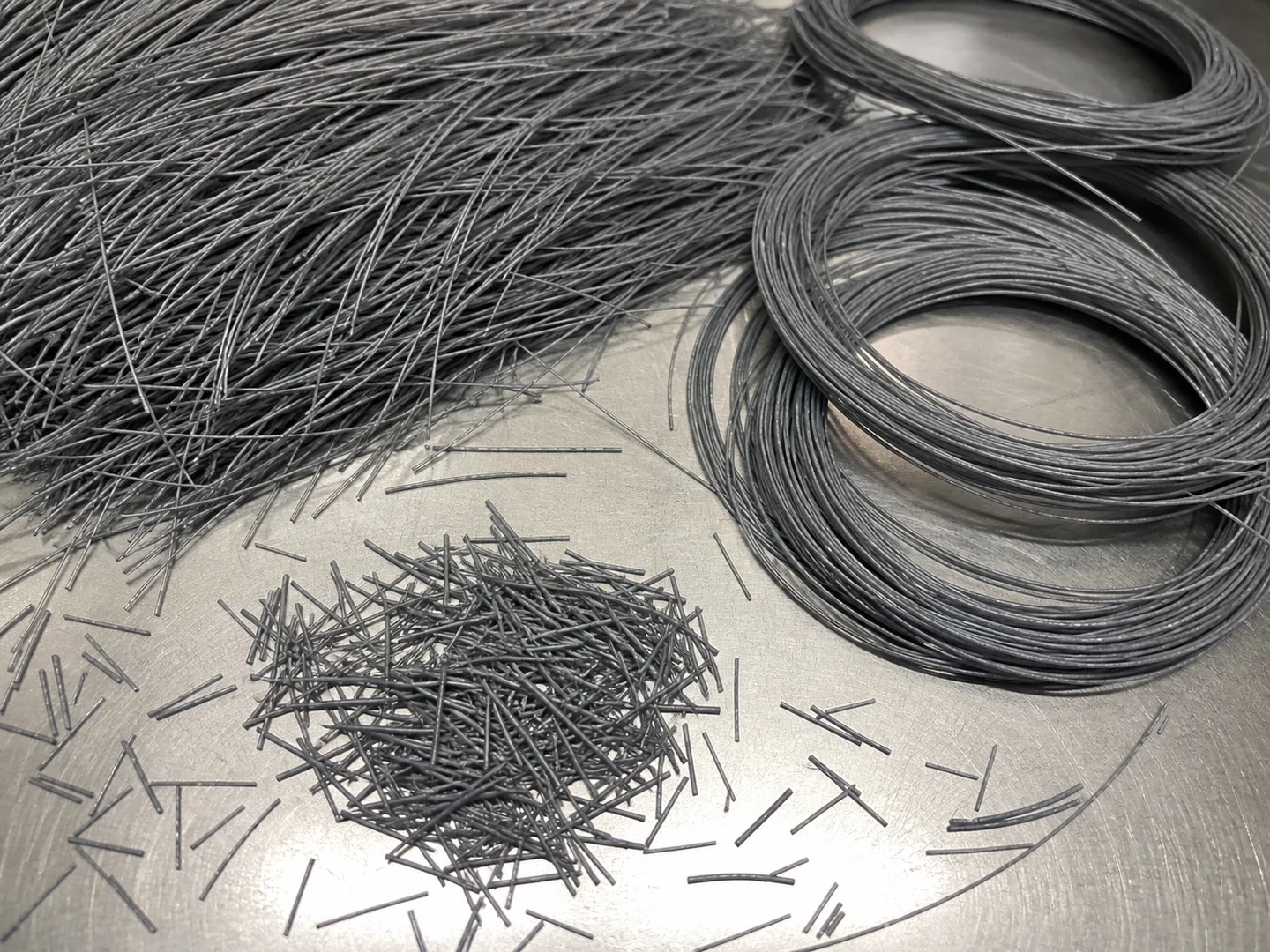
- Abrasive nylon brushes: Bristles are molded with abrasive grit (aluminum oxide, silicon carbide, etc.) and offer controlled, consistent edge rounding. Available in ball, cup, and flare shapes, they are gentler on soft metals and ideal for final finishing.
Comparing Brush Types and Bristle Materials
The table below compares the most common options based on real-world factors that affect performance and tool life.
| Feature | Ball Brush (Steel Wire) | Ball Brush (Abrasive Nylon) | Bottle Brush (Steel Wire) | Twisted Wire Brush |
|---|---|---|---|---|
| Surface Aggressiveness | High – removes heavy burrs | Low to medium – uniform edge rounding | High – robust cleaning action | Very high – aggressive deburring |
| Base Material Suitability | Steel, cast iron, hard alloys | Aluminum, brass, soft steels, composites | Steel, iron, hard alloys | Hard steels, high-tensile alloys |
| Dry or Wet Operation | Both; wet reduces heat and dust | Best wet, but can run dry | Both; wet recommended for heavy debris | Best wet; dry possible for short cycles |
| Temperature / Chemical Exposure | Withstands high temperatures; resistant to most coolants | Limited – avoid high heat and strong chemicals | Good heat resistance; suitable with standard coolants | Excellent heat resistance; compatible with many coolants |
| Line Speed / RPM Range | Moderate – follow manufacturer’s max SFM | Lower to medium; excessive speed wears filament | Moderate to high; depends on diameter | High – can be run aggressively |
| Installation Space | Compact; fits small intersection cavities | Compact; requires clearance for bristle flex | Requires bore length to accommodate brush profile | Requires straight access; not for tight corners |
| Maintenance / Tool Life | Wire fatigues and breaks; replace when bristles flatten | Filaments wear down gradually; predictable life | Core can unwind if over-torqued; inspect regularly | Wires may snap under excessive force; replace promptly |
How to Choose the Right Brush for Your Application
When preparing an inquiry or purchasing decision, confirm these critical details against the part print and deburring specification:
- Hole diameters and intersection geometry: Measure the smallest bore the brush must enter and the angle of the intersecting hole. The brush diameter should be larger than the intersection but not so large that it jams.
- Base material and hardness: Match bristle aggression to the workpiece. Softer materials require less abrasive action to avoid over-cutting or galling.
- Edge condition required: Do you need a simple burr removal, a controlled radius, or a cosmetic finish? This dictates abrasive grit and filament type.
- Mounting method and tool shank: Ensure the brush shank matches your machine tool holder—straight shank, collet, or quick-change system.
- Cycle time and line speed: Balance brush RPM and feed rate to achieve the desired result without sacrificing throughput. Faster is not always better.
- Coolant compatibility: If you run wet, confirm the bristle material and bond withstand the fluid without degradation.
A good practice is to request a sample or engineering drawing from the brush supplier and test on scrap parts before ordering production quantities.
Setup and Operating Factors
Even the right brush can underperform if not properly set up. Consider these practical factors:
- Alignment: The brush must enter the hole squarely. Misalignment causes uneven wear and may leave burrs behind.
- Speed and feed: Excessive RPM generates heat and degrades filaments; too little may not clean effectively. Feed rate should match brush compliance.
- Dwell time: A short pause at the intersection can improve deburring, but avoid starving the brush of coolant.
- Cleaning and maintenance: Routinely inspect brushes for loose wire, filament breakage, or core distortion. Clean between production batches to remove packed debris.
Common Mistakes When Selecting and Using Cross-Hole Deburring Brushes
Avoid these pitfalls to save time, rework, and tooling costs:
- Selecting by cost alone: A low-cost brush that wears out in half the time disrupts production. Look at cost per part cleaned, not just purchase cost.
- Ignoring part cleanliness after deburring: Brushing can leave loose bristle fragments or metal chips inside the part. Always plan a wash or blow-off step.
- Using the same brush for all materials: A steel wire brush on aluminum may embed particles and cause later problems. Dedicate brushes by material family.
- Overlooking the need for periodic reversal: Many machines can reverse spindle rotation to help clean the brush during operation. Neglecting this reduces brush life.
- Not testing on real parts: Lab conditions differ from production. Always validate on actual workpieces, including worst-case burr conditions.
- Assuming one-size-fits-all for intersections: A brush that works for a 90-degree cross-hole may fail on an angled or Y-shaped intersection. Geometry matters.
When Cross-Hole Deburring Brushes May Not Be Enough
Mechanical brushing is effective for many applications, but it has limits. Consider alternative or supplementary processes when:
- Bore diameters are very small (under 1 mm): Brushes become too fragile. Electrochemical or thermal deburring may be required.
- Burr roots are thick or located deep inside: A brush may only yield partial removal. Water-jet deburring or high-pressure flushing can reach further.
- Absolute cleanliness is mandatory (e.g., aerospace fuel controls): Mechanical brushing generates some residue; combine with ultrasonic cleaning and particle test resulting.
- Surface finish tolerances are extremely tight: Brushing can alter surface texture. Extrude honing or abrasive flow machining may be more controlled.
- Production volumes are very high: Manual brush changes or frequent wear may not be economical. Automated brush machines with integrated vacuum and air blow-off may be justified.
In many cases, a hybrid approach works best. For example, use a cross-hole deburring brush to break the large burr, then follow with a high-pressure wash and vacuum dry to ensure no loose particles remain.
Final Takeaway
Choosing a cross-hole deburring brush is a balance of geometry, material, and process. Start by clearly defining the intersection size, base alloy, and required edge quality. Compare brush types objectively—don’t assume wire is always better than abrasive nylon. Validate with a test run, and build a maintenance plan to track brush life. When in doubt, consult your brush supplier with a part print and a sample part to get a recommendation tailored to your exact conditions.
Frequently Asked Questions
What size cross-hole deburring brush do I need?
The brush diameter should be slightly larger than the intersecting hole diameter to ensure full contact, but small enough to pass through the entry bore without excessive drag. A common rule of thumb is 10–20% larger than the cross-hole, but always verify with a test piece.
Can I use a wire brush for aluminum cross-holes?
It is not recommended. Steel wire can gall aluminum surfaces and may leave embedded particles that cause corrosion or sealing problems. Prefer abrasive nylon or brass wire brushes designed for non-ferrous materials.
How long do cross-hole deburring brushes last?
Brush life depends on material, speed, and burr severity. In high-production settings, operators may change brushes after a few thousand cycles. In smaller shops, a brush can last months. Track part quality and replace when edge rounding becomes inconsistent.
Should I run the brush dry or with coolant?
Wet operation typically extends brush life and flushes away debris. However, some abrasive nylon filaments are designed for dry use. Check the manufacturer’s recommendation and avoid coolant if it causes chemical breakdown or foaming that interferes with visibility.
Can one brush handle multiple hole sizes?
Some ball-style brushes can accommodate slight variations in intersection geometry, but a single brush is not ideal for drastically different hole diameters. For best results, match the brush to the specific cross-hole feature.
What’s the difference between a ball brush and a bottle brush for cross-holes?
A ball brush is spherical and works well at the exact point of intersection. A bottle brush has a longer bristle area and can clean the entire length of an intersecting bore. Choose a bottle brush if the burr extends along the hole, and a ball brush if the burr is concentrated at the junction.
How do I prevent the brush from getting stuck?
Ensure the brush diameter is not too large, the shank is straight, and the feed path is aligned. Some setups benefit from a pilot hole or a slight chamfer at the entry. If a brush jams, stop immediately to avoid breakage.
Do I need to use an abrasive nylon brush or a steel wire brush for cast iron?
Cast iron is abrasive and can wear down steel wire quickly. Abrasive nylon with silicon carbide grit often lasts longer and produces a consistent finish. Wire brushes may work but require more frequent inspection for breakage and embedded debris.
Which abrasive filament fits this job — Abrasive Nylon, Silicon Carbide Abrasive Nylon or Aluminum Oxide Abrasive Nylon?
| Filament | Continuous temperature (°C) | Peak temperature (°C) | Water absorption | Hardness |
|---|---|---|---|---|
| Abrasive Nylon | 120 | 150 | 0.1–1.0% | Abrasive filament; stiffness and cutting level is controlled by PA base, grit type, grit size, filament diameter and trim height. |
| Silicon Carbide Abrasive Nylon | 80–120 | 140–170 | 0.3–2.0% | Carrier Shore D 70–85; SiC Mohs Hardness Approximately 9.2 |
| Aluminum Oxide Abrasive Nylon | 80–120 | 140–170 | 0.3–2.0% | Carrier Shore D 70–85; Al2O3 Mohs Hardness Approximately 9 |
| Ceramic Abrasive Fiber | 80–120 | 140–170 | 0.3–2.0% | Carrier Shore D 72–86; Ceramic Grain Mohs Hardness Approximately 9 |
| Diamond Abrasive Filament | 80–120 | 140–170 | 0.3–2.0% | Carrier Shore D 72–86; Diamond Mohs Hardness 10 |
Figures as published by Perlon. Confirm the exact grade against the supplier datasheet before ordering.
When is Abrasive Nylon the wrong choice?
- Abrasive Nylon — Exposed grit can change a surface finish, and high heat or aggressive chemicals can weaken the polymer carrier.
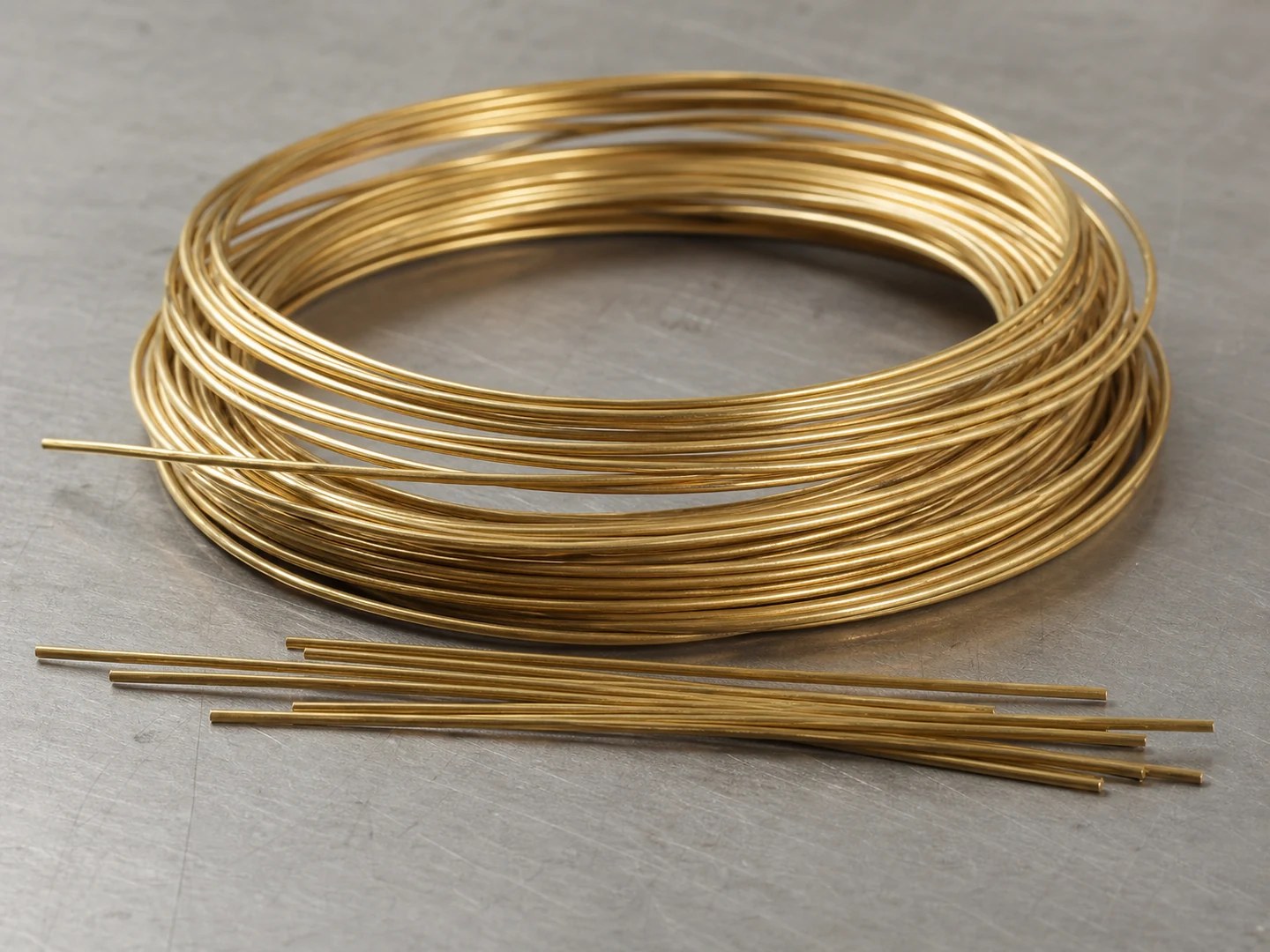
- Brass Wire — Avoid on stainless surfaces where copper contamination is restricted and on delicate coatings that mark under metal contact.
What should replace Abrasive Nylon when it stops working?
- Abrasive Nylon — Compare Abrasive Nylon with PP, PBT, PET. Change material when wet stiffness, temperature, chemical resistance, conductivity, particle shedding, or surface marking becomes the limiting factor.
- Brass Wire — Compare Brass Wire with Steel wire, stainless wire, nylon. Change material when wet stiffness, temperature, chemical resistance, conductivity, particle shedding, or surface marking becomes the limiting factor.