What Is a Metal Pickling Brush Roller?
A metal pickling brush roller is a powered roll brush installed inside pickling tanks, rinse sections, or between processing stages. Its primary job is to mechanically break loose mill scale, rust, smut, or dried chemical residues from metal strip surfaces before or after chemical immersion. The roller typically has a metal or high‑strength polymer core and is wrapped with a filament cover that must withstand continuous chemical exposure, elevated temperatures, and mechanical abrasion without losing its shape or shedding debris.
Common Types by Material and Construction
Metal pickling brush rollers are rarely built from one standard recipe. The filament material and core style change significantly depending on the acid type, operating temperature, and required surface finish. Four common filament families are used in these environments:
- Polypropylene (PP) – Good general acid resistance, low moisture absorption, and relatively low cost. Most commonly chosen for sulfuric and hydrochloric acid pickling lines where temperatures stay below 80°C (175°F).
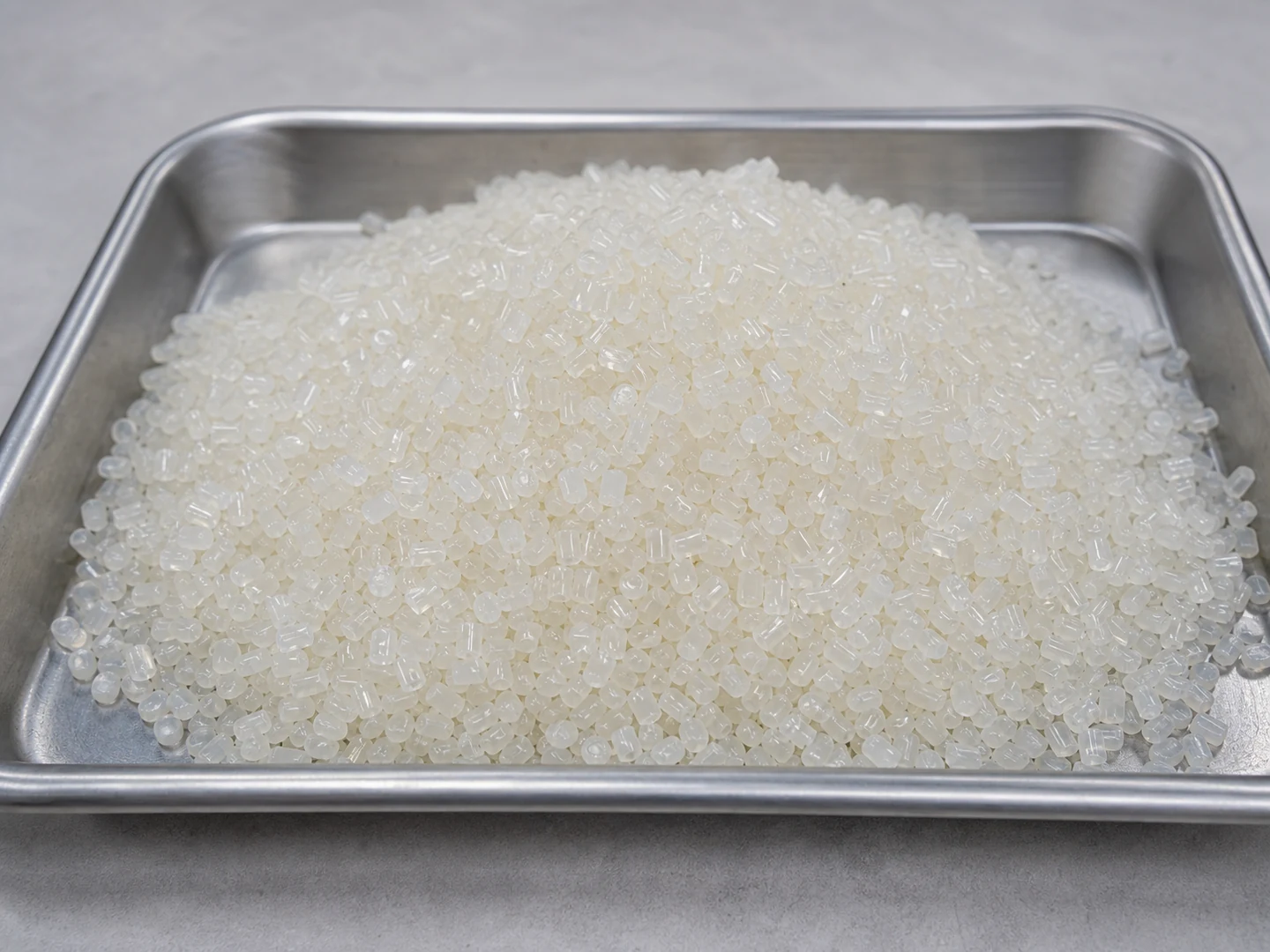
- Nylon (PA6, PA6.6, PA6.12) – Excellent abrasion resistance and flexibility, but nylon absorbs moisture and can swell or soften in prolonged hot acid exposure. Suitable for rinse sections or weak acid concentrations.
- Natural fiber (Tampico, vegetable fiber) – Used when high absorbency is desired for light wiping or when operators want to avoid any chance of metallic contamination. Poor durability in strong mineral acids.
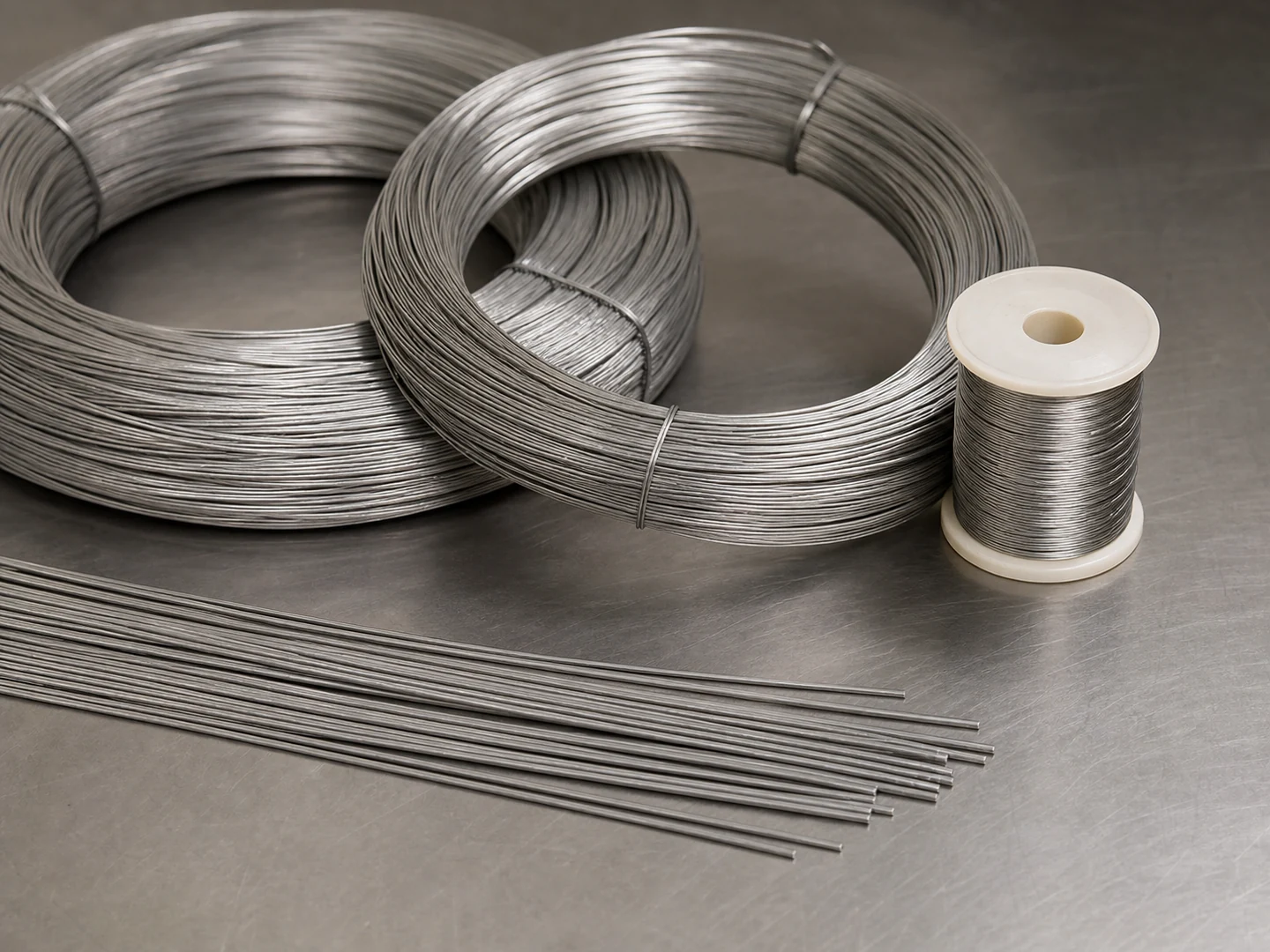
- Stainless steel wire (.302/.304/.316) or abrasive‑filled filaments – Aggressive brushing for heavy scale removal. Requires careful metallurgical compatibility to avoid galvanic corrosion when wetted by acid. Often used before or after the main immersion tank rather than inside it.
Core choices mainly split between solid metal shafts (stainless or coated carbon steel), fiberglass‑reinforced plastic tubes, and metal‑cored rollers with full rubber or plastic encapsulation to protect the shaft from direct splash.
Comparing Brush Roller Options for wet or chemical-exposure environments
The table below compares typical options across the major variables that matter in a pickling line.
| Feature | PP Bristle | Nylon Bristle | Tampico Fiber | Stainless Wire | Abrasive Nylon |
|---|---|---|---|---|---|
| Acid resistance | Excellent in HCl, H₂SO₄ | Good in dilute acids | Poor in mineral acids | Excellent with correct alloy | Good to excellent |
| Temperature limit | ~80°C (175°F) | ~90°C (195°F) | ~60°C (140°F) | Up to 200°C+ | Varies (typically 80–120°C) |
| Moisture effect | Very low absorption | Swelling risk | High absorption | None | Very low |
| Typical use | In-tank descaling | Rinse sections | Light wiping, smut removal | Heavy oxide removal | Medium descaling, deburring |
| Risk of metal contamination | None | None | None | Yes – must match strip alloy | Very low (silicon carbide/alu‑oxide) |
| Filament stiffness | Medium | Medium‑high | Low | High | High |
| Core recommendation | FRP or encapsulated steel | Stainless or coated steel | Lightweight plastic | Heavy‑duty stainless shaft | FRP or coated steel |
This table is a starting point for comparison. Actual selection must consider chemical concentration, exposure time, and mechanical load.
How to Choose the Right Metal Pickling Brush Roller: Decision Factors
Use the following sequence to narrow the options without guessing.
- Map the chemical environment. Identify the exact acid or alkali used, concentration, and operating temperature. Request chemical resistance charts from the brush supplier for each candidate filament.
- Define the residue to be removed. Loose scale, tight oxide, sticky smut, or dried chemical film each respond to different filament stiffness. Hard, bonded deposits need aggressive brushing; soft residues may respond to medium stiffness to avoid scratching.
- Check strip surface sensitivity. Polished stainless, tinplate, or special alloy strip cannot tolerate coarse wire or heavy abrasive influence without surface damage. In these cases, a softer filament or a combination design is required.
- Match the equipment interface. Brush roller overall diameter, face length, and shaft end configuration must fit the existing roll bearings, drive coupling, and tank layout. Most pickling lines work with outer diameters between 150 mm and 400 mm (6–16 in), but custom sizes are common.
- Account for hygiene and contamination limits. In food‑grade or medical‑grade stainless pickling (e.g., 304/316L), no foreign metal wire should touch the strip. All‑plastic bristles and a fully encapsulated core are mandatory.
- Plan for maintenance frequency. Brush rollers that wear quickly raise replacement cost and downtime. Choose filament with a proven lifespan in the specific chemical and temperature; consider thicker filament or denser fill for longer service intervals.
- Request sample testing or supplier drawing review. Because every line is different, a sample test segment or a detailed engineering drawing review is the most reliable way to confirm that the final design will survive the splash zone.
Setup and Operating Factors in Wet and Chemical Conditions
Placement inside the tank, splash guarding, and shaft sealing affect brush roller life far more than many buyers expect.
- Direct immersion vs. splash-only. A brush roller fully submerged in acid needs a filament that retains stiffness when wet and a core that does not delaminate under continuous immersion. Splash‑exposed rollers can sometimes use lower‑cost filaments if the solution drains away quickly.
- Shaft seal and bearing protection. Always specify seals and bearings rated for the chemical environment. Even the best filament cover cannot compensate for a seized bearing caused by acid ingress.
- Strip tension and brush pressure. Setting brush contact pressure too high accelerates filament breakage and can bend the core. Work with the supplier’s recommended maximum bend deflection at operating pressure.
- Temperature cycling. Lines that start and stop frequently create thermal shock that can degrade both the core material and the bond holding the filament in place. Verify that the brush assembly is rated for the full temperature swing, not just steady‑state operation.
Common Mistakes in Brush Roller Selection for Pickling Lines
Experienced maintenance teams know these pitfalls. Avoid them early.
- Choosing by lowest cost drivers alone. An under‑specified brush roller may fail in weeks, costing far more in downtime and rework than the cost drivers difference of a higher‑grade material.
- Ignoring chemical compatibility of the core. Many failures start inside the core when acid attacks the metal shaft. Always check the core protection spec, not just the bristle.
- Assuming one filament works for all acids. PP is excellent in hydrochloric but may soften faster in hot nitric acid. Always cross‑check the specific chemical and concentration.
- Using wire bristles without checking base metal corrosion risk. A galvanic couple between stainless wire and the strip alloy can cause pitting. Specify the exact alloy when ordering wire brushes.
- Overlooking strip width and tracking. Brushes that are too short for the strip width cause uneven cleaning at the edges; brushes that are too long add unnecessary cost and can create vibration.
- Skipping sample exposure tests. Chemical resistance charts are generic. A simple immersion test of the filament in the actual bath liquid often reveals surprising degradation.
When a Metal Pickling Brush Roller Is the Wrong Choice
Brush rollers are excellent for mechanical cleaning inside the pickling process, but they have limits. In some situations, relying on a brush roller alone will not solve the problem.
- Deep or thick scale. Heavy hot‑mill scale may need upstream scale breaking (shot blasting, scale breaker rollers) before a brush roller can be effective. Using only a brush will slow the line and wear the roller in hours.
- Critical surface finish specifications. If the strip must meet a defined low‑Ra finish for bright annealing or coating, a brush roller may need to be followed by a polishing process. The brush alone cannot usually achieve a mirror finish when the starting surface is rough.
- When chemical reactivity is the main limitation. Some pickling line problems stem from ineffective acid circulation, temperature, or chemistry, not mechanical removal. In such cases, upgrading the brush will not fix the root cause; a process audit is needed.
- Unusual strip geometries. Brush rollers are designed for flat strip or sheet. Profiled sections, narrow slit coils, or wire rod require completely different brush designs that a standard roller cannot serve.
Final Takeaway
Selecting a metal pickling brush roller for chemical splash zones means matching filament material, core encapsulation, and mechanical design to the specific acid, temperature, and strip surface sensitivity. Start with the chemical exposure map, then filter options by stiffness and contamination risk. Always verify with a sample test or drawing review before placing a full order. A little extra engineering upfront prevents catastrophic brush failure and expensive unplanned downtime on the pickling line.
Frequently Asked Questions
What is the difference between a brush roller and a brush strip or brush sheet?
A metal pickling brush roller is a full rotating cylinder that continuously contacts the moving strip. Brush strips or sheets are stationary or manually applied and do not offer the same uniform coverage or throughput. In high‑speed pickling lines, a rotating roller is almost always required.
Can the same brush roller handle both hydrochloric and sulfuric acid lines?
Not necessarily. PP and some nylons work well in both, but concentration and temperature determine the real service life. You must check chemical resistance charts for the exact acid mix; when in doubt, run a test.
How do I know if I need a wire brush instead of a plastic bristle brush?
Choose wire when you are removing dense, hard oxide scale that plastic bristles cannot break. However, you also need to check that the wire material is galvanically compatible with your strip alloy to avoid surface contamination.
What core material works best for direct acid splash?
A fully encapsulated stainless-steel core or a solid fiberglass‑reinforced plastic core is common. Encapsulation with acid‑resistant rubber or plastic prevents acid from reaching the metal shaft and causing corrosion underneath the bristles.
How often should a pickling brush roller be replaced or retrimmed?
There is no universal interval. It depends on line speed, acid strength, bristle material, and contact pressure. Monitor bristle length and brush diameter regularly; when the effective diameter drops below the minimum required for your strip tracking or when bristle breakage increases, schedule replacement.
Is it safe to use abrasive‑filled nylon in a food‑grade pickling line?
Usually no. Even though abrasive nylon does not contain metal, the abrasive particles (silicon carbide or aluminum oxide) can embed in the strip surface. For food‑grade applications, select virgin plastic filaments (PP or nylon) without abrasive fillers and confirm with your quality team.
What size brush roller do I need for my line?
Start by measuring the installed roll face width and the shaft center distance. The brush face should be slightly wider than your widest strip, and the overall length must fit the existing bearing housings and drive coupling. Provide these dimensions along with the line sketch to your supplier for a custom proposal.
Can a metal pickling brush roller be used in the rinse section after pickling?
Yes, but rinse sections often run at lower temperatures with water and mild acid carryover. Nylon can work better here because it is less affected by continuous water exposure than PP, but you must still check that the core is sealed against moisture.
Technical References
- OSHA — Hazard Communication
- OSHA — Chemical Hazards and Toxic Substances
- World Stainless — Corrosion Resistance of Stainless Steels
Which bristle material fits this job — Nylon PA, AISI 304 Stainless Steel Wire or Abrasive Nylon?
| Material | Continuous temperature (°C) | Peak temperature (°C) | Water absorption | Hardness |
|---|---|---|---|---|
| Nylon PA | 93 | 121 | 0.3–9% by PA grade and conditioning | Medium to firm; filament diameter and trim length control bending force. |
| AISI 304 Stainless Steel Wire | 400 | 500 | 0% | Rockwell B 70–95 depending on temper and cold work |
| Abrasive Nylon | 120 | 150 | 0.1–1.0% | Abrasive filament; stiffness and cutting level is controlled by PA base, grit type, grit size, filament diameter and trim height. |
| Rubber | 100 | 130 | very low | Specified by compound and Shore hardness; published TPE families can span roughly 50–80 Shore A, but that is a product-family example rather than a universal rubber range. |
Figures as published by Brushtec / DuPont; Alleima; Perlon. Confirm the exact grade against the supplier datasheet before ordering.
What should replace Nylon PA when it stops working?
- Nylon PA — Compare Nylon PA with PP, PBT, PET. Change material when wet stiffness, temperature, chemical resistance, conductivity, particle shedding, or surface marking becomes the limiting factor.
- AISI 304 Stainless Steel Wire — Use AISI 316 stainless steel wire for chloride, marine, dairy, beverage, chemical washdown, or higher pitting-resistance requirements. Use carbon steel for dry aggressive cutting and brass or abrasive nylon for lower marking risk.
- Abrasive Nylon — Compare Abrasive Nylon with PP, PBT, PET. Change material when wet stiffness, temperature, chemical resistance, conductivity, particle shedding, or surface marking becomes the limiting factor.
- Rubber — Compare Rubber with Silicone elastomer, TPE, PVC profile, PVA sponge. Change material when wet stiffness, temperature, chemical resistance, conductivity, particle shedding, or surface marking becomes the limiting factor.