
Custom Cleaning Brush
Street Sweeping Brush
Custom street sweeping brushes for main and side brooms. PP, steel wire, or nylon fill for dust, gravel, mud, and litter.
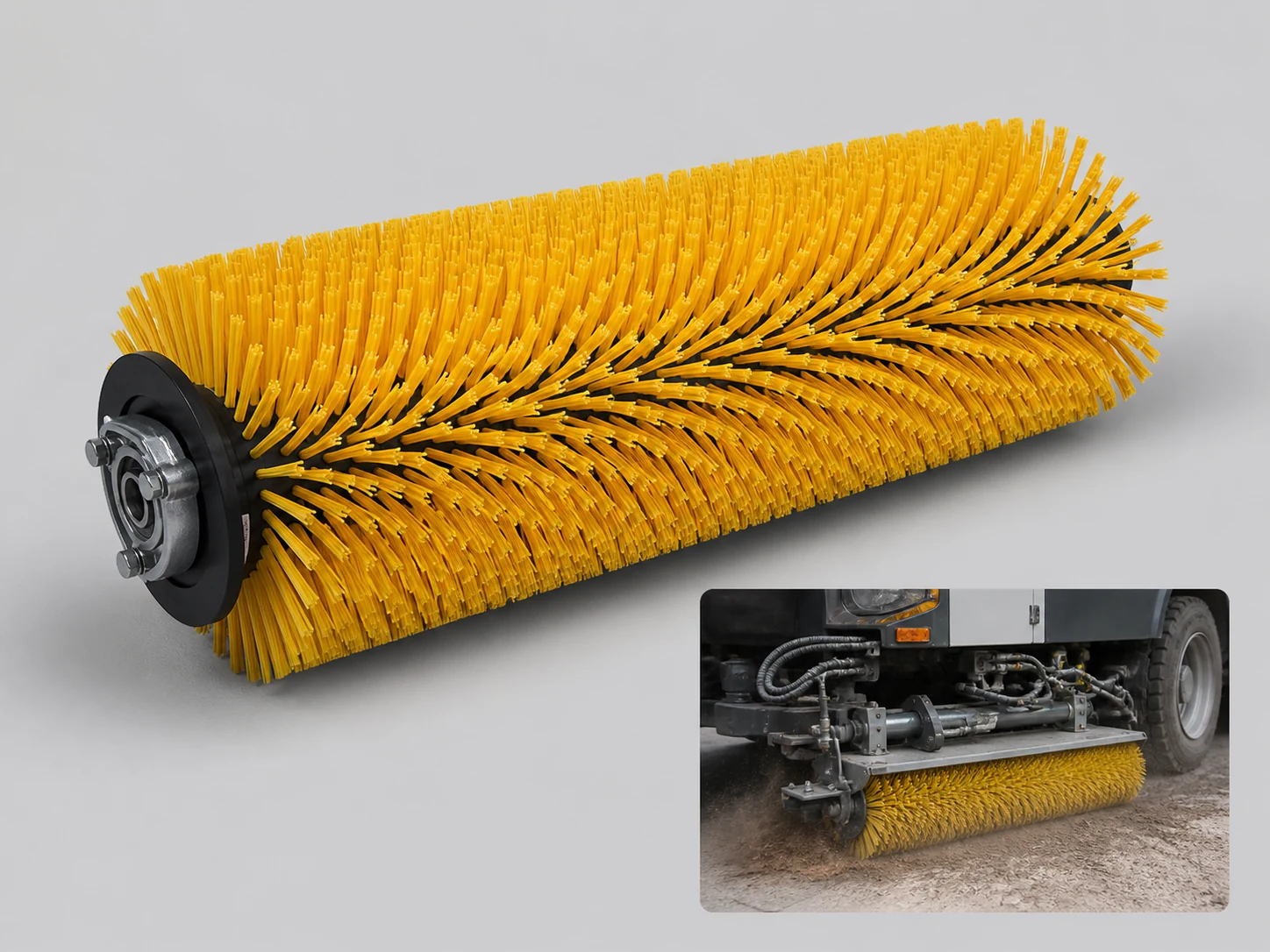
Large-format brush
100 pcs
Minimum order
Built one at a time on a core or channel: full-width rollers, sweeper brooms and long strip.
Production lead time, once the specification is confirmed
- Up to 100 pcsWithin 20 days
- 101–1,000 pcsWithin 30 days
- Over 1,000 pcsConfirmed with your quotation
Peak season can extend these times; the shipping date is confirmed in writing with your quotation. Sampling and shipping are quoted separately.
Street sweeping brushes for mechanical road sweepers, available as main brooms and side/gutter brooms in polypropylene, carbon steel wire, or nylon fill. They remove dust, sand, gravel, leaves, litter, and compacted mud from streets, gutters, and pavement edges while delivering predictable wear and fast machine fitment.
What can this brush do for you?
Filament Options That Match What Ends Up on the Road
Polypropylene (PP) fill offers high stiffness with good recovery, making it effective for fine dust, sand, and light litter while resisting water and most road chemicals. Carbon steel wire fill cuts through compacted mud, packed gravel, and heavy roadside debris, so municipal and construction sweepers don’t have to make repeated passes. Nylon fill bridges the two for wet, abrasive, or mixed conditions where wear life and debris release both matter.
Machine-Specific Cores That Mount Correctly the First Time
The core is machined or formed to the sweeper’s tube bore, lug pattern, or hub interface. A correctly matched core prevents slipping, runout, and premature bearing wear, and lets the brush transfer full torque to the road contact area. We work from your sweeper make/model or a sample core to avoid field modifications.
Controlled Ground Contact Pattern for Longer Brush Life
A street sweeping brush works by sweeping the road surface with the outer portion of the fill, not by crushing the bristles flat. The recommended contact setting of 25–75 mm keeps enough filament engaged for effective pickup without overdeflecting the fill. Excessive flattening increases drag, accelerates wear, and cuts pickup efficiency without sweeping any more debris.
Balanced Fill Layout Reduces Streaking and Missed Paths
Fill density and pattern are set so the contact patch stays consistent across the full working width. Uneven fill or a bent core leaves un-swept lines on the road. A balanced layout keeps the bristle tips evenly engaged, which means fewer operator complaints and a cleaner first pass.
Segmented or Full-Tube Construction for Fast Changeout
Main brooms can be supplied as one-piece tubes or as interlocking segments. Segmented brooms let a crew replace only the worn center or end sections without removing the entire tube, which cuts downtime and inventory cost on routes where wear concentrates.
What is a Street Sweeping Brush?
A street sweeping brush is the rotating brush element mounted on a mechanical road sweeper — either a horizontal main broom that sweeps the full machine width or a side broom (gutter broom) that works the curb line, gutter, and road shoulder. It is a consumable wear part: the brush rotates against the pavement and mechanically loosens and carries dust, sand, gravel, leaves, litter, and packed mud into the sweeper’s collection path, where a vacuum or conveyor system completes pickup.
The brush consists of a steel or polymer core with radially set fill. Main brooms are typically tube-shaped with fill around the circumference; side brooms are disk-shaped with fill extending outward. Fill material is selected for the debris and pavement: PP for dry, lighter debris; carbon steel wire for heavy, compacted, or abrasive debris; nylon for wet conditions and extended wear. Filament diameter and trim length set the stiffness and sweeping aggressiveness.
During operation, the sweeper lowers the broom until a ground contact pattern of about 25–75 mm is visible. This pattern is the working patch of filament tips that actually touches the road. The rest of the brush provides support and recovery. Setting the pattern too light leaves debris behind; too heavy folds the fill, overheats the core, and shortens brush life. The brush’s core interface must match the sweeper’s drive — tube bore with keyway, lug mount, bolt-on hub, or another machine-specific pattern — or the brush will slip or damage the drive.
This is not a hand brush or a vacuum-only attachment. A street sweeping brush is a mechanical sweeping consumable designed for continuous rotation under load on paved or semi-paved surfaces.
Technical Specifications
| Parameter | Main Broom | Side Broom |
|---|---|---|
| Brush type | Horizontal cylindrical broom | Vertical disk / gutter broom |
| Core diameter | 300–900 mm | 300–800 mm (disk diameter) |
| Working length / diameter | 500–2400 mm (tube length) | 300–800 mm (overall diameter) |
| Trim length | 100–350 mm | 100–350 mm |
| Filament diameter | 0.6–2.5 mm | 0.6–2.5 mm |
| Fill material | Polypropylene (PP), carbon steel wire, nylon PA, or mixed | Polypropylene (PP), carbon steel wire, nylon PA, or mixed |
| Core interface | Machine-specific tube bore, keyway, lug, spline, or hub | Machine-specific center hub, bolt pattern, or drive cup |
| Operating contact pattern | 25–75 mm ground contact width | 25–75 mm contact band at outer edge |
| Operating environment | Wet, dry, dusty, or chemical exposure; material grade selected for the service conditions | |
| How it is driven | Machine-driven, mounted in the equipment | |
| Cleaning target | municipal street sweeping, curb and gutter, and construction and roadworks cleanup cleaning | |
| Surface or part | gutters, streets, roads, carbon steel, curbs, pavement, bores, and asphalt | |
| Residue or debris | leaves, dust, gravel, litter, mud, sand, carbon, and particles | |
| Mounting / connection | Quick-Change Coupling / Bolted | |
All dimensional values are project-adjustable. The core interface, fill type, trim length, and diameter are set from your sweeper model and sweeping conditions.
Where does this brush work best?
- Municipal street sweeping: daily or scheduled passes on asphalt and concrete roads, removing dust, sand, leaves, and litter from travel lanes and bike lanes.
- Curb and gutter cleaning: side brooms sweep debris from the gutter line, curb face, and road shoulder into the main broom path.
- Construction and roadworks cleanup: after milling, paving, or utility work, brushes remove loose aggregate, mud, gravel, and construction debris from the roadway.
- Parking lots, distribution centers, and industrial yards: main brooms clear dust, gravel, and light spills from large paved areas.
- Ports, airports, and rail yards: heavy fill options handle mixed debris and abrasive particles on concrete and asphalt.
- Post-storm or seasonal cleanup: fallen leaves, sanding grit, and washout debris are swept without multiple passes.
How do I choose the right one?
Start by identifying what type of broom your sweeper uses and where it mounts. Main brooms service the full machine width; side brooms reach the gutter and curb edge. Many sweepers use both, and each needs its own fitment.
- Confirm the core interface first. Record your sweeper make, model, and year, and measure the existing core bore, keyway, lug pattern, or hub. A wrong interface cannot be fixed in the field. If you have a worn sample or drawing, provide it.
- Match the fill to the debris and surface. Use the table below as a starting point.
- Set the dimensions from the machine. Main broom diameter must clear the broom chamber and maintain the correct contact angle; working length must match the chamber width. Side broom diameter is set by the sweeper’s gutter arm geometry. Trim length influences stiffness: longer trim sweeps lighter debris with less aggression; shorter trim is stiffer and better for heavy or compacted debris.
- Choose filament diameter for wear and stiffness. Thicker filament (1.8–2.5 mm) lasts longer on abrasive surfaces and resists bending; thinner filament (0.6–1.2 mm) is more flexible for fine dust and light litter. Mixed diameters are possible in one brush.
- Verify the ground contact setting after installation. You want 25–75 mm of visible contact along the full brush. Check it on a flat surface before starting the route.
| Debris / Condition | Recommended Fill |
|---|---|
| Fine dust, sand, leaves, light litter on smooth asphalt | Polypropylene (PP) |
| Compacted mud, packed gravel, heavy construction debris | Carbon steel wire |
| Wet or damp conditions, mixed debris, long wear life | Nylon PA |
| Variable debris, alternating routes, curb and gutter work | Mixed PP + steel wire or PP + nylon |
When a street sweeping brush is not the right tool: If the sweeper relies primarily on vacuum and the surface is very smooth, a brush with aggressive fill may not be needed or may damage polished surfaces. For extremely abrasive conditions such as steel mill scale or hot asphalt milling, specialized high-temperature or abrasive-resistant brush constructions should be specified. For indoor cleanroom or food-processing areas, a non-shedding, contamination-controlled brush is required instead.
Can I customize this brush?
Every street sweeping brush can be built to your sweeper and route conditions. To define a custom configuration, provide the sweeper make, model, and year, the type of broom (main or side), the current brush dimensions, and photos of the worn brush. A drawing or measurement of the core interface, including bore, keyway, lug pattern, or bolt circle, accelerates accurate fitment.
- Broom type: main tube broom, side/gutter disk broom, or matched sets.
- Diameter and length: core diameter, working width, trim length, and overall disk diameter.
- Fill material: PP, carbon steel wire, nylon PA, or custom blends per zone.
- Filament geometry: diameter, crimp, shape, and density pattern to adjust stiffness and debris release.
- Core interface: tube bore, keyed shaft, lug mount, spline, or bolt-on hub made to your sweeper’s drive.
- Construction: one-piece tube, segmented tube, or replaceable fill strips.
- Color and marking: fill color for identification, core stamping, or batch labeling.
- Packaging: bulk pallets, individual boxes, or route-kit packaging.
If your fleet or government contract requires material documentation, inspection reports, or third-party testing for a specific project, we can assist with those requirements during the customization process.
Which filament lasts longest on a street sweeping brush?
How do I know when to replace a street sweeping brush?
Measure the remaining trim length at several points along the brush. When the shortest remaining trim is about half of the original length, or when the contact pattern can no longer be maintained at 25–75 mm without excessive downforce, the brush should be replaced. Uneven wear that causes visible streaking on the road is another replacement signal.
What causes a main broom to wear unevenly?
Uneven wear usually comes from one of four sources: incorrect ground contact setting, a bent or misaligned core, excessive side loading against the curb, or a sweeper chamber that holds the broom at an angle. Check the contact pattern on a flat surface, inspect the core for runout, and verify that the side broom and main broom overlap correctly.
Can I use a steel wire brush on asphalt without damaging the pavement?
Yes, when the ground contact pattern is set correctly. Steel wire is normally used on asphalt for compacted mud and heavy debris, and it does not damage a sound pavement surface. On fresh sealcoats, new chip seals, or decorative paving, use polypropylene or nylon fill for a gentler contact.
Do street sweeping brushes require a break-in period?
Many brooms benefit from a short initial run at reduced downforce to let the filament ends settle and the contact pattern become uniform. Follow the sweeper manufacturer’s recommended initial setting, then recheck the 25–75 mm contact band after the first hour of operation.
How can I check the ground contact pattern correctly?
Park the sweeper on a clean, flat area. Lower the broom until the visible contact patch along the road surface measures between 25 and 75 mm across the full working width. If the pattern is narrower on one side or in the center, adjust the sweeper’s pressure or leveling. Recheck after the first route segment.
Is one street sweeping brush compatible with different sweeper brands?
No. The core interface is machine-specific. Even if two sweepers have similar-looking brooms, differences in bore, keyway, lug pattern, rotation direction, and drive torque will prevent a correct fit. Always specify the sweeper make and model — or provide the old core — when ordering replacement brushes.
Guides that go deeper on this
RELATED BRUSH RESOURCES
Recommended Reading & Related Brush Resources
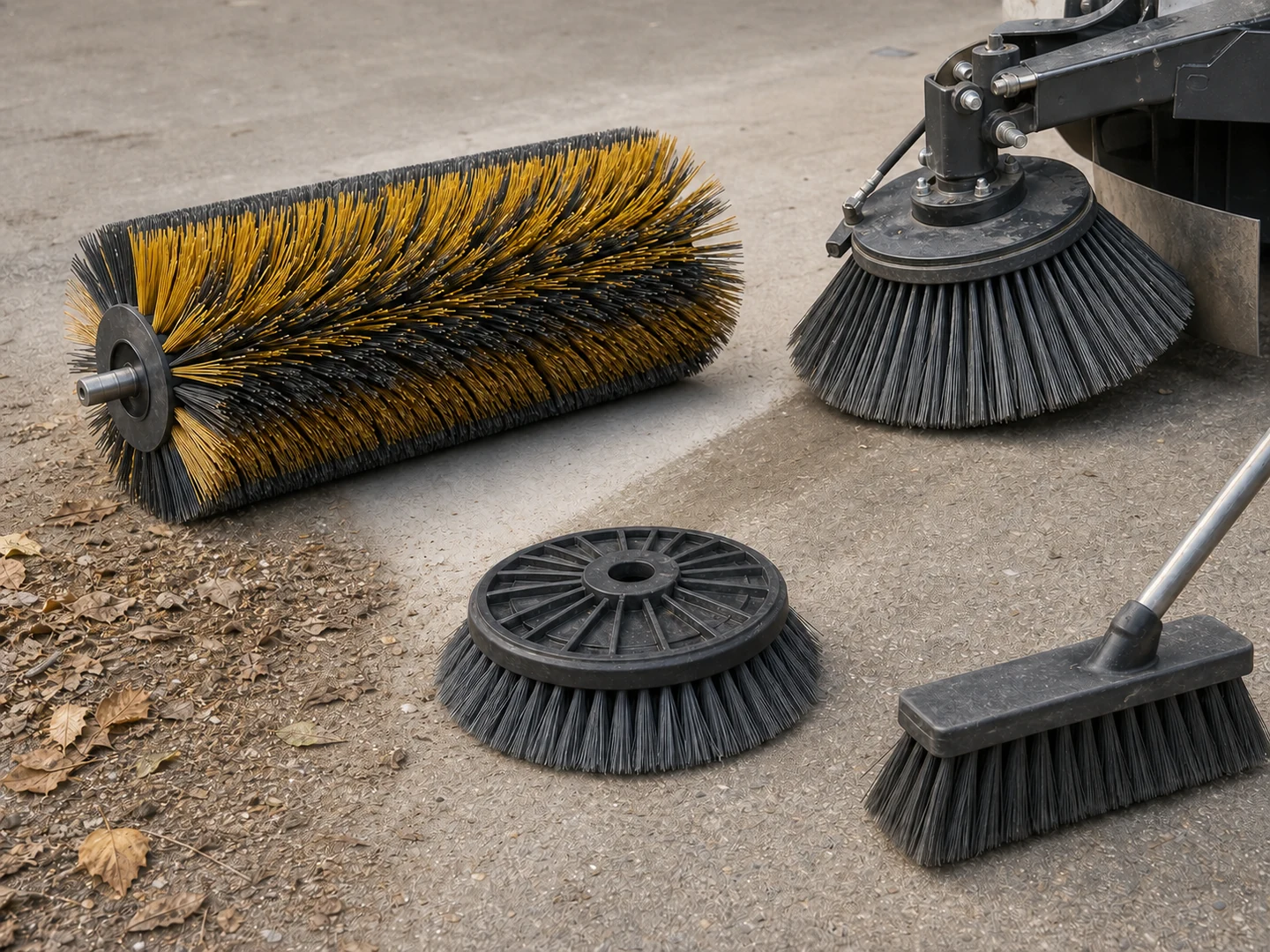
Custom Road Sweeper Brooms
Choose a road sweeper broom when a machine must lift and direct litter, sand,…
See how this type is built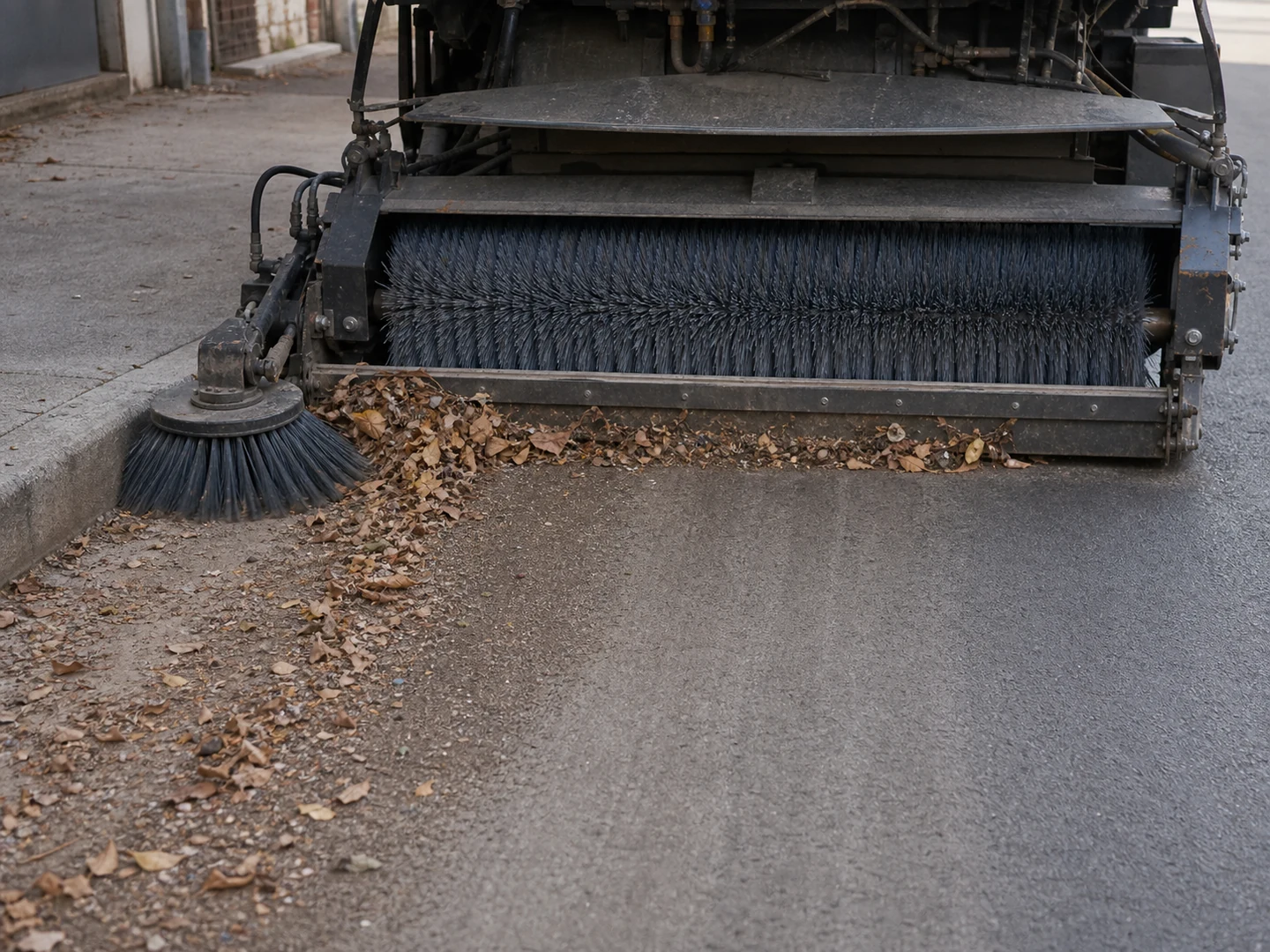
Road Sweeping
For Road Sweeping, the brush must reach the working area, disturb or collect sand…
See the cleaning job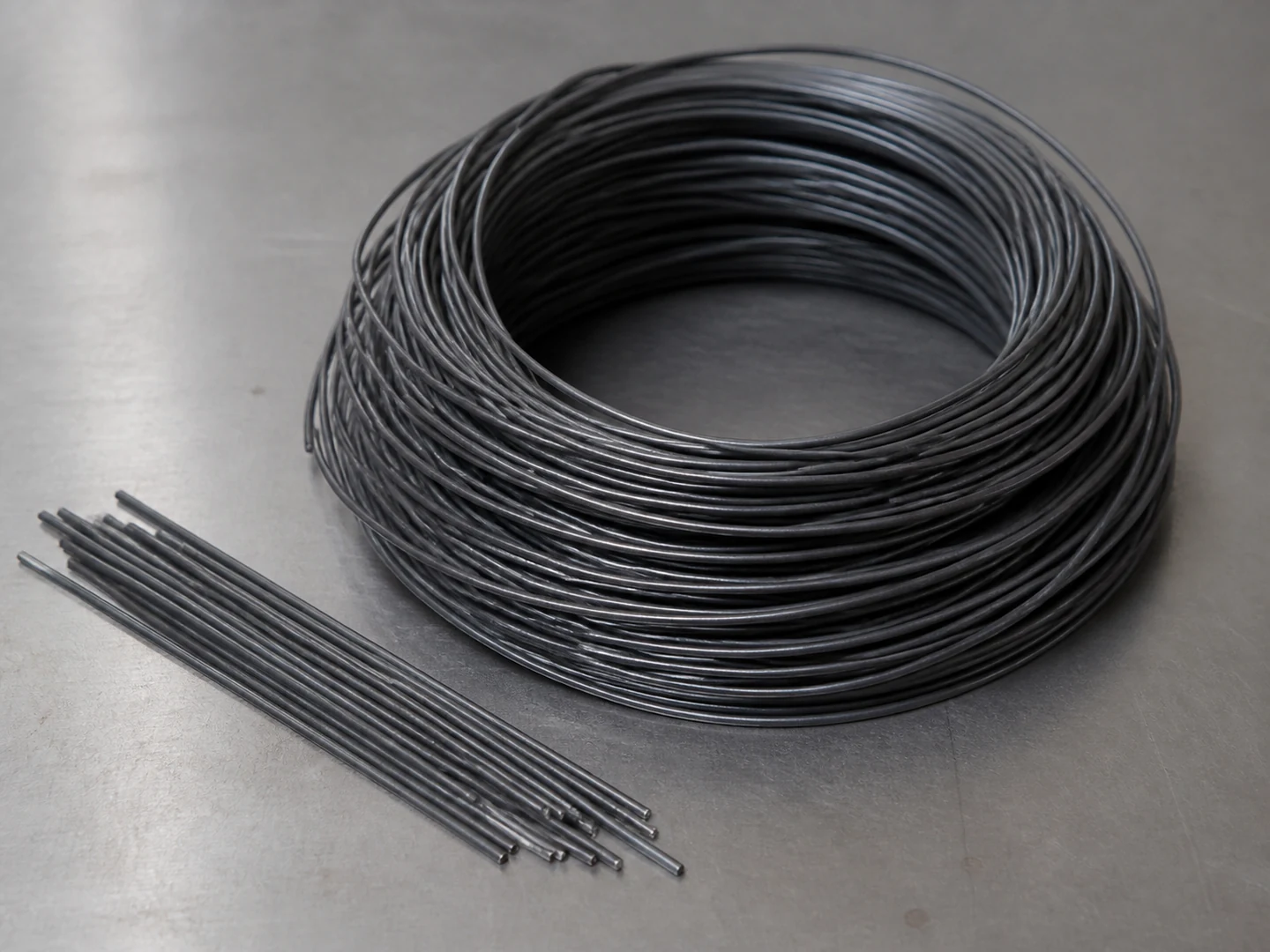
Carbon Steel Wire
Choose Carbon Steel Wire based on its stiffness, recovery, wear, wet-service, chemical, and temperature…
Compare this material
Polypropylene PP
Choose Polypropylene PP based on its stiffness, recovery, wear, wet-service, chemical, and temperature behavior.…
Compare this materialCustom Manufacturing RFQ
Describe Your Application
For an accurate quotation, please provide the main dimensions, material preference, working surface, residue, quantity, and a drawing or photo.
Drawing or photo optional — it speeds things up, it does not gate the enquiry.
Custom Brush RFQ
Send Your Brush Project
Upload a drawing, product photo, or sample photo and provide the core dimensions and cleaning conditions.
“We need a brush to remove wet residue from a stainless steel conveyor, about 800mm wide. The current brush wears quickly. We can send photos.”
“We sell drinkware and need a cleaning brush to include with the product. Quantity around 5,000 pieces.”