
Custom Cleaning Brush
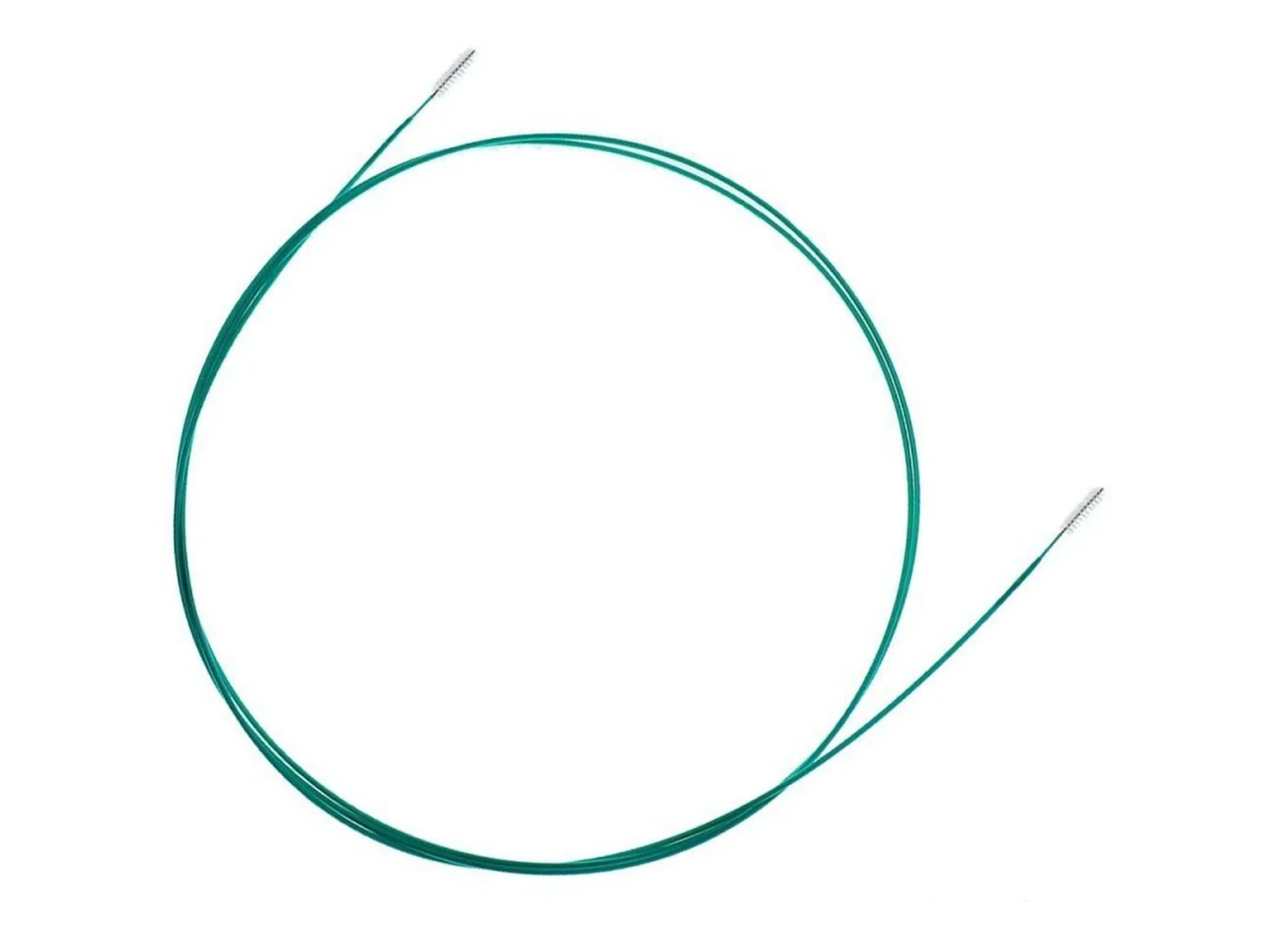
Endoscope Channel Cleaning Brush
Single-use endoscope channel cleaning brush with nylon PA bristles for manual reprocessing.
Small brush
500 pcs
Minimum order
Held in one hand: tube, bottle, detail and swab brushes — including long-handled ones with a small head.
Production lead time, once the specification is confirmed
- Up to 500 pcsWithin 7 days
- 501–50,000 pcsWithin 14 days
- Over 50,000 pcsWithin 21 days
Peak season can extend these times; the shipping date is confirmed in writing with your quotation. Sampling and shipping are quoted separately.
A single-use endoscope channel cleaning brush built for manual reprocessing workflows. The twisted wire shaft with nylon PA bristles travels the full length of suction, biopsy, and working channels to loosen proteinaceous soil, lubricant residue, and biofilm from the lumen wall before high-level disinfection.
What can this brush do for you?
Removes soil from the entire channel circumference
The radial bristle head surrounds the shaft, so the brush contacts the full 360° inner wall as it advances and retracts. There is no dead spot along the side of the lumen; the same pass that cleans the proximal segment also cleans the distal segment.
Nylon PA bristles detach residue without scoring the channel lining
Nylon PA filaments are firm enough to strip dried protein, mucus, blood, simethicone, and endoscopic lubricant from the lumen wall, but soft enough to avoid grooving fluoropolymer-coated channels. Metal wire brushes can leave scratches that become biofilm traps and accelerate channel wear; this brush does not.
Single-use construction eliminates brush reprocessing
Because the brush is disposable, the reprocessing department never has to validate brush cleaning, drying, or storage. Each endoscope cleaning session starts with a new brush, removing the cross-contamination risk that a reused brush can carry.
Flexes through angulated sections without kinking
The shaft combines enough column strength to push through a long channel with enough flexibility to follow the scope’s curved paths and bending sections. Bristle contact continues through the bends, which is where biofilm most often survives if a rigid shaft or undersized head is used.
Soft distal tip protects the channel outlet
The distal end carries an atraumatic molded tip or closed loop that prevents scratching or puncturing the channel exit, distal end cap, or valve surface when the brush reaches the end of the lumen. The tip also helps guide the head through narrow sections without catching.
What is an Endoscope Channel Cleaning Brush?
An Endoscope Channel Cleaning Brush is a hand-guided, single-use device used during the manual cleaning step of endoscope reprocessing. It is inserted through the appropriate channel port, advanced to the distal end, and withdrawn under a detergent solution to loosen adherent soil that rinsing alone will not remove.
The brush consists of three main parts: a radial bristle head made from nylon PA filament, a flexible shaft that carries the head through the channel, and a handle that gives the operator control. The bristle head does the mechanical work; the shaft delivers it through the full channel length; the handle determines comfort and grip during a fast-paced reprocessing workload.
This brush is a manual cleaning tool, not a substitute for detergent flushing, enzymatic soaking, or high-level disinfection. It removes attached soil from brush-compatible lumens. Channels that are too narrow, too tortuous, or contain valves and nozzles are typically cleaned by flushing according to the endoscope manufacturer’s instructions for use rather than by brushing.
Technical Specifications
| Parameter | Specification |
|---|---|
| Brush head diameter | 1.0–5.0 mm, available in 0.1 mm increments; matched to channel ID |
| Head length (bristled section) | 15–40 mm; configurable |
| Overall length | 800–2,400 mm; custom lengths for shorter urology/ENT scopes |
| Bristle material | Nylon PA (PA6 or PA612), medium stiffness |
| Bristle fill | Dense radial, 360° coverage |
| Shaft construction | Twisted 304 stainless steel wire, uncoated or polymer-coated; polymer monofilament option |
| Shaft diameter | 0.8–2.0 mm, selected for push-through force and flexibility |
| Handle | Molded PP or LDPE loop handle; color-coding available |
| Tip | Soft molded polymer tip cap or closed loop (atraumatic) |
| Use classification | Single-use disposable; not intended for reuse or reprocessing of the brush itself |
| Packaging | Bulk, individually sealed peel pouch, or project-specific packing |
| Brush type | Custom Handheld Detail Brushes |
| How it is driven | Hand-guided |
| Cleaning target | gi endoscope reprocessing, bronchoscopy, and urology and ent cleaning |
| Surface or part | channel, lumens, walls, ports, valves, nozzles, instrument channels, and instruments |
| Residue or debris | lubricant, biofilm, blood, mucus, mineral scale, and protein |
| Mounting / connection | Fixed |
The dimensions above are the standard manufacturing range. Because channel IDs and insertion tube lengths vary by endoscope model, each configuration is confirmed against the specific scope’s channel data and cleaning workflow before production.
Where does this brush work best?
- GI endoscope reprocessing — suction and biopsy/working channels of gastroscopes, colonoscopes, duodenoscopes, and enteroscopes, including the elevator channel where brushable.
- Bronchoscopy — working and suction channels of flexible bronchoscopes, where mucus and blood films form quickly.
- Urology and ENT — instrument channels of flexible cystoscopes, ureteroscopes, and nasopharyngoscopes.
- Endoscope service and repair — pre-service channel cleaning to remove accumulated lubricant and soil before inspection or major repair.
- Veterinary endoscopy — the same channel-cleaning role in veterinary flexible endoscopes.
Typical residues removed include blood, mucus, tissue fragments, simethicone, water-soluble lubricant, proteinaceous film, and early biofilm. The brush is not intended for dried cement, mineral scale, or metallic debris; those conditions require a different kind of tool or service procedure.
How do I choose the right one?
Start with the channel diameter
Look up the channel ID in the endoscope’s instructions for use. Select a brush head diameter about 0.2–0.5 mm smaller than the channel ID. A head that is too large will bind, invert the bristles, or fold the shaft. A head that is too small will slide through without touching the wall and leave biofilm behind.
Set overall length from the channel port to the distal tip
The brush must reach the distal end with enough shaft remaining to grip. Measure from the channel port opening to the distal tip and add at least 100–150 mm for handling. If the brush does not exit the distal end, the final channel segment may not be cleaned.
Match shaft stiffness to the channel path
Long, straight channels need a shaft with more column strength for pushing. Tightly curved pediatric or nasopharyngeal scopes need a more flexible shaft to follow the bends without kinking. Polymer-coated wire reduces friction inside the channel and resists corrosion from detergents.
Choose bristle stiffness for the soil type
Routine protein and lubricant films are handled by medium nylon PA bristles. Heavy biofilm or dried residue may call for a higher-density head or stiffer filament. Do not use wire or abrasive bristles inside polymer-lined channels; scratches become contamination traps and increase repair cost.
When another cleaning method is better
Air/water channels, auxiliary water channels, and nozzle lumens are generally cleaned by flushing rather than brushing because they are narrow or contain non-brushable components. If the channel has a valve, nozzle, or fragile liner that could be damaged by a brush, follow the manufacturer’s IFU and use flushing or automated reprocessing. Severely blocked metal lumens outside the endoscope may require a wire or abrasive brush, but those tools do not belong inside the flexible endoscope.
Can I customize this brush?
Endoscope channel brushes are configured to the specific scope model and reprocessing workflow. We will need the channel ID, channel length, channel port type, scope model, soil type, and preferred handle style. A drawing or sample brush helps us match the exact fit.
We can adjust:
- Head geometry — diameter, bristled length, taper profile, tip shape, and bristle density
- Bristle material — PA6 or PA612, stiffness, crimped or straight filament, fill pattern
- Shaft — length, wire diameter, 304/316 stainless, polymer coating, monofilament polymer shaft, or flexibility zones
- Handle — length, loop or straight form, grip material, color coding by channel size, molded marking
- Packaging — bulk, individual pouch, peel-pouch, kit loading, labeling, or lot traceability
For hospital reprocessing departments or endoscope OEMs, we can also support project-specific material documentation, validation support, inspection data, and process documentation needed for your cleaning protocols.
When is an endoscope channel cleaning brush worn out rather than just dirty?
How do I confirm the brush head fits my endoscope channel?
Check the channel ID in the scope’s IFU, then select a brush diameter 0.2–0.5 mm smaller. Wet the channel with detergent and pass the brush. It should advance with light resistance and visible bristle contact. If it binds before the distal end or bends the shaft, the head is too large. If it slides without resistance and does not touch the wall, the head is too small.
Can I clean and reuse this brush for another patient?
No. This brush is single-use. Attempting to clean, disinfect, or restock it risks bristle fatigue, shaft kinking, retained debris, and cross-contamination. Discard it after the scope cleaning session according to your facility’s waste protocol.
Does brushing replace flushing or high-level disinfection?
No. Brushing is one step in the cleaning sequence. After brushing, the channel must be flushed with detergent to remove loosened soil, rinsed, and then subjected to high-level disinfection or sterilization per your facility’s protocol. Brushing alone does not make the channel safe for patient use.
What should I do if the brush binds or becomes difficult to advance?
Stop and withdraw slowly; do not twist or force the brush. Inspect the shaft for kinks and the head for flattened or missing bristles. If a new brush still binds, the head diameter may be too large or the channel may not be brushable. Switch to a smaller diameter or follow the endoscope’s IFU for that channel.
What should I check before opening or using the brush?
Inspect the packaged brush for a bent shaft, damaged tip, missing bristles, or visible contamination. If any defect is present, discard it and open another brush. Single-use does not mean no inspection; a quick visual check at the point of use prevents damage to the scope and wasted reprocessing time.
Will this brush clean every channel in my endoscope?
No. Only brush-compatible lumens such as suction, biopsy, and larger working channels should be brushed. Air/water channels, auxiliary channels, and nozzle passages are usually cleaned by flushing because they are narrow or contain valves. Brushing a non-brushable channel can damage the endoscope.
Guides that go deeper on this
We have not written a guide specific to this one yet. The material that covers selection, filament, dimensions, maintenance and sourcing is collected in the technical resources library.
RELATED BRUSH RESOURCES
Recommended Reading & Related Brush Resources
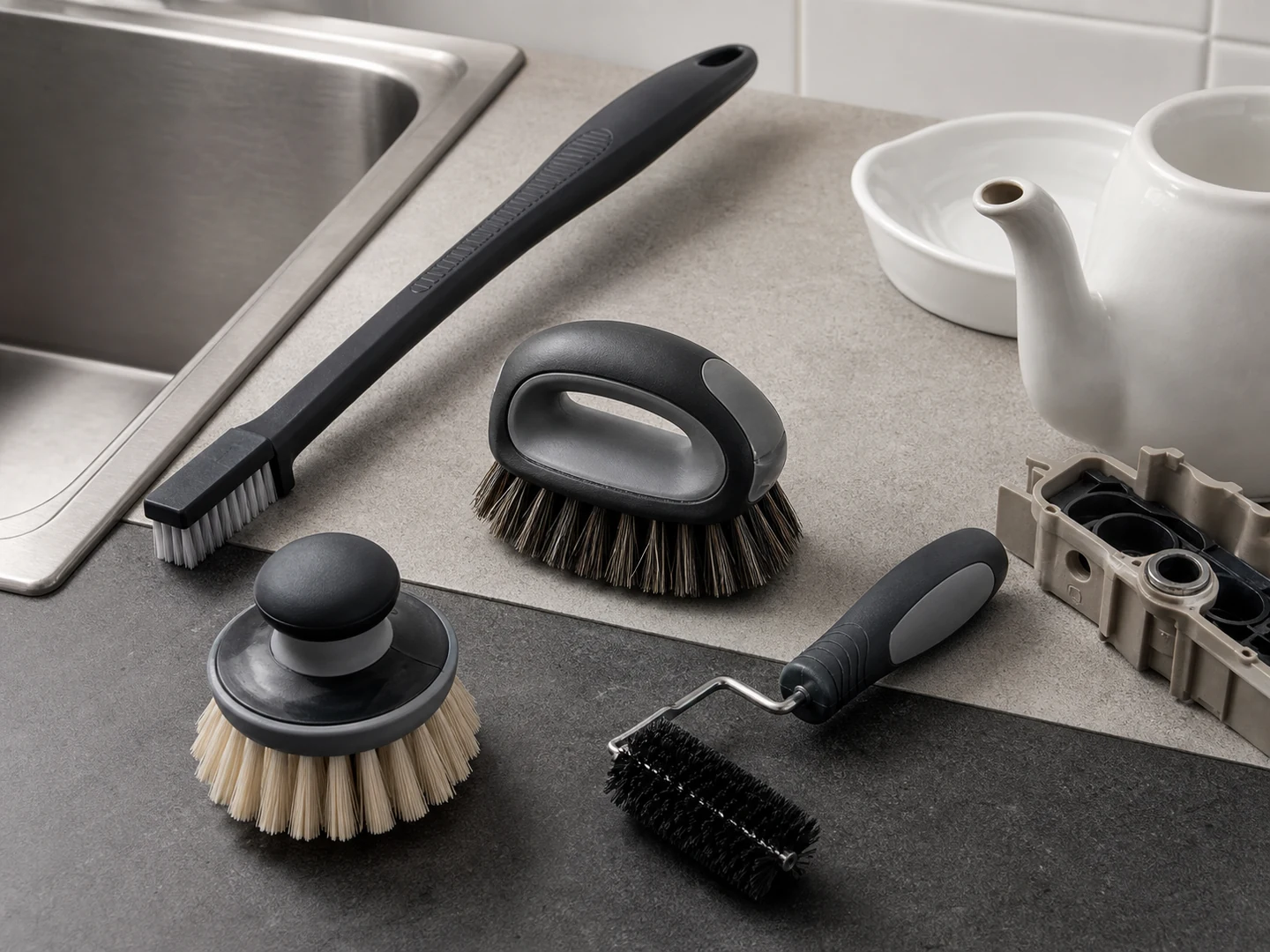
Custom Handheld Detail Brushes
Choose a handheld detail brush when you need direct control in seams, recesses, fittings,…
See how this type is built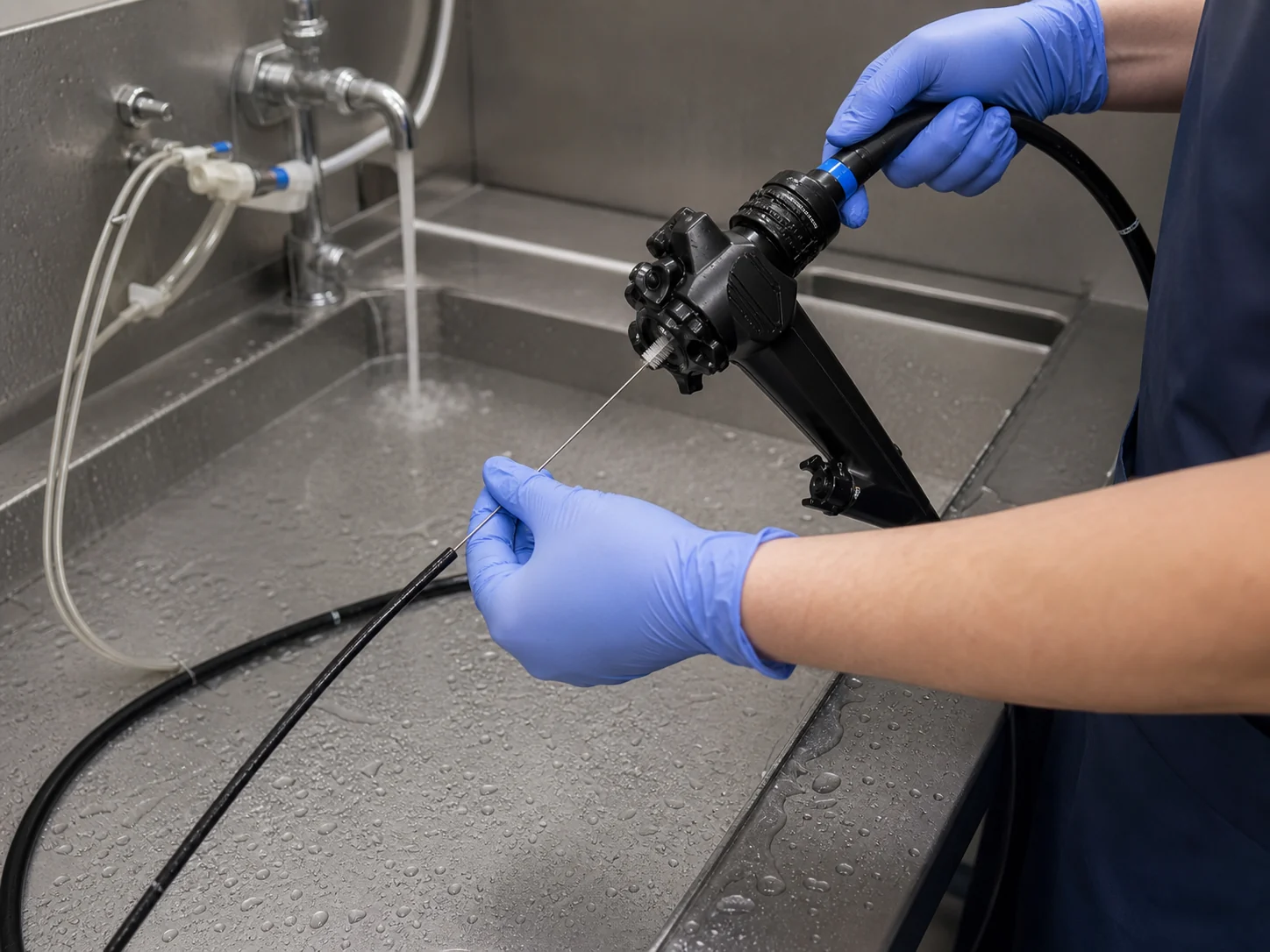
Endoscope Channel Cleaning
For Endoscope Channel Cleaning, the brush must reach the working area, disturb or collect…
See the cleaning job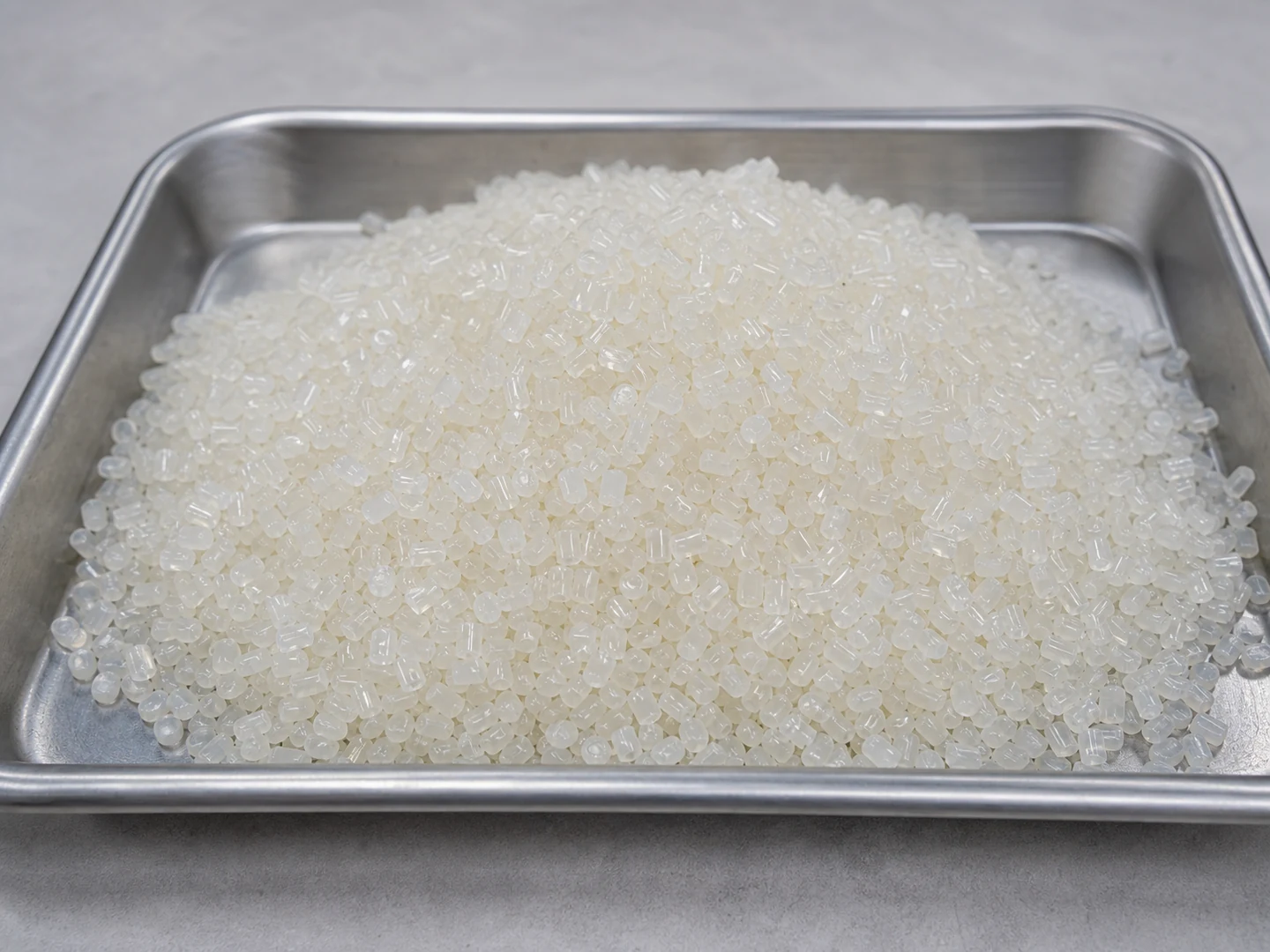
Nylon PA
Choose Nylon PA based on its stiffness, recovery, wear, wet-service, chemical, and temperature behavior.
Compare this material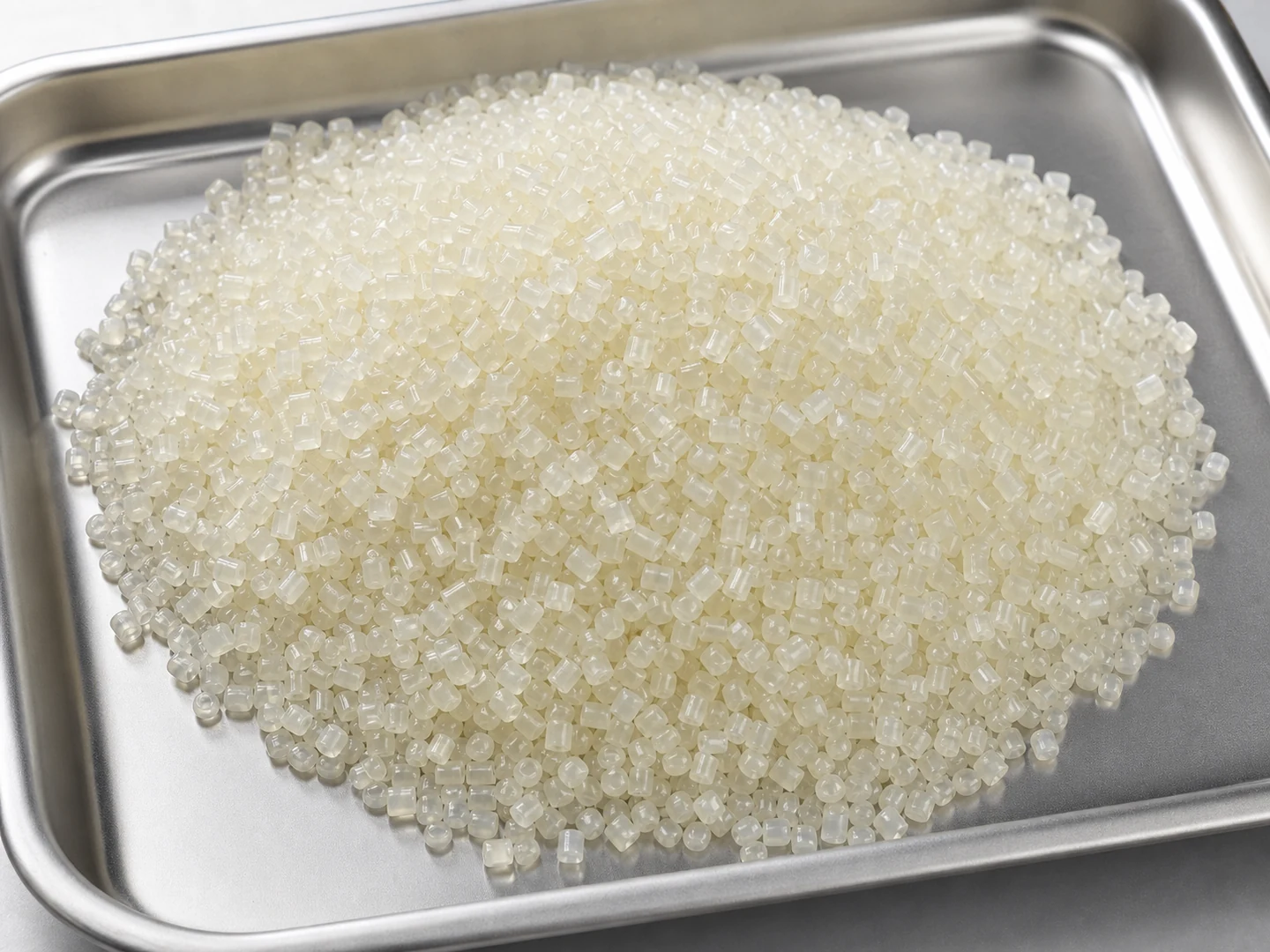
PA6 Nylon
Choose PA6 Nylon based on its stiffness, recovery, wear, wet-service, chemical, and temperature behavior.
Compare this material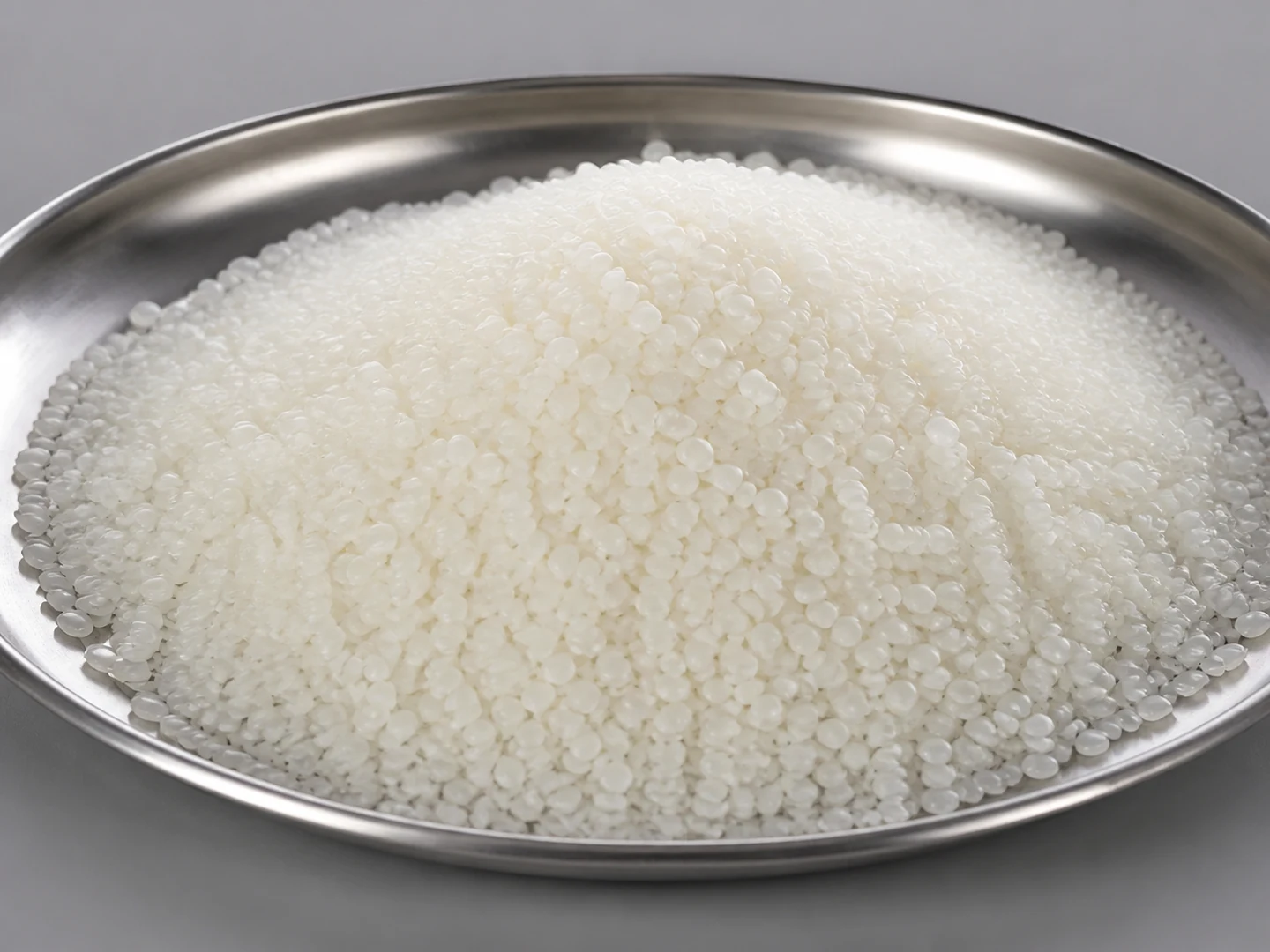
PA612 Nylon
Choose PA612 Nylon based on its stiffness, recovery, wear, wet-service, chemical, and temperature behavior.
Compare this material
Flexible Disposable Surgical Endoscope Brush
Single-use flexible brush for surgical endoscope channels from 1–6 mm. Nylon PA or PBT…
Compare the specification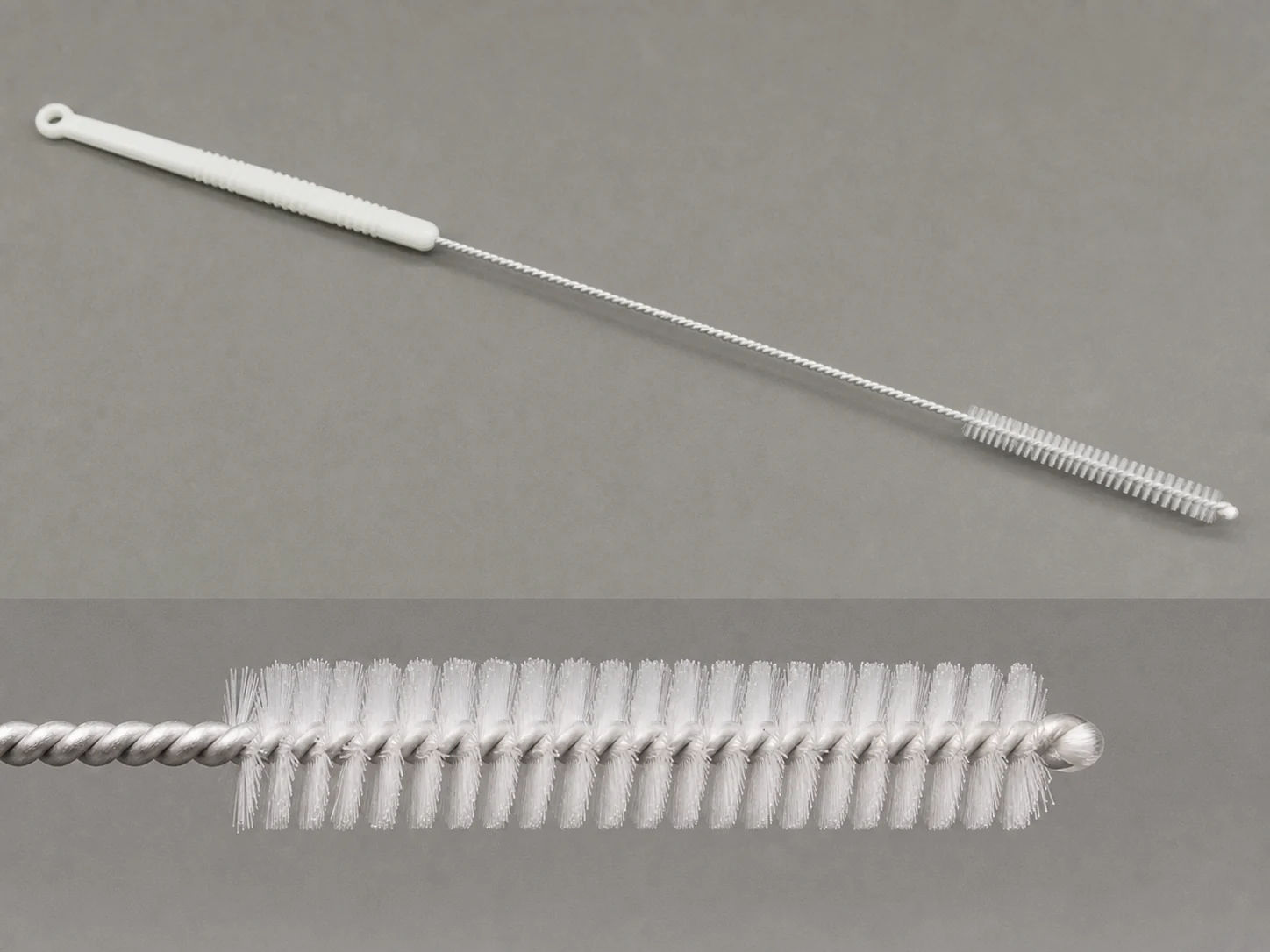
Medical Channel Brush
Manual PBT medical channel brush in 2 mm, 6 mm, and 10 mm diameters…
Compare the specification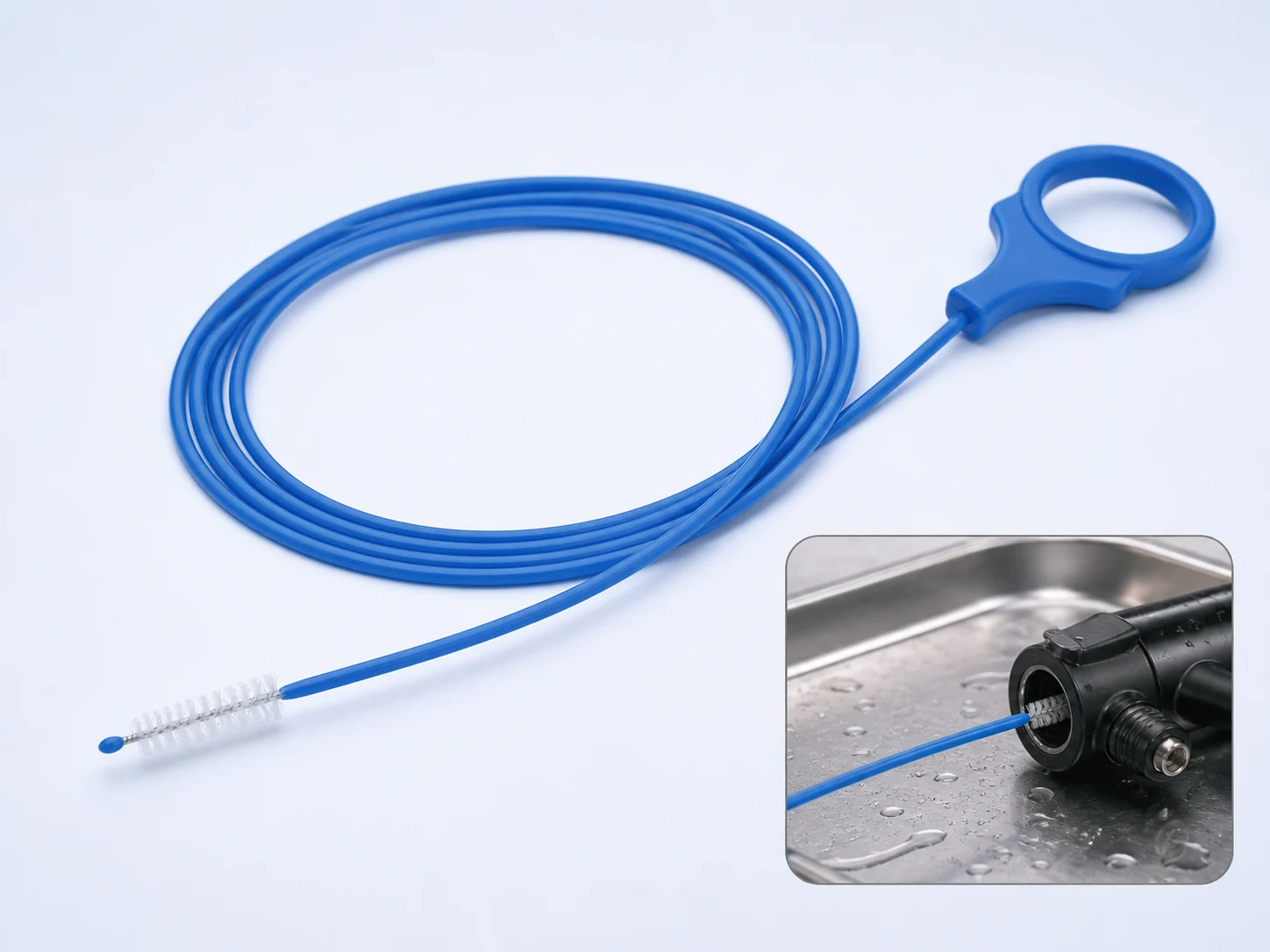
Injection Molded Endoscope Cleaning Brush
Custom injection molded endoscope cleaning brush for 2–10 mm channels. Nylon PA or PBT…
Compare the specificationCustom Manufacturing RFQ
Describe Your Application
For an accurate quotation, please provide the main dimensions, material preference, working surface, residue, quantity, and a drawing or photo.
Drawing or photo optional — it speeds things up, it does not gate the enquiry.
Custom Brush RFQ
Send Your Brush Project
Upload a drawing, product photo, or sample photo and provide the core dimensions and cleaning conditions.
“We need a brush to remove wet residue from a stainless steel conveyor, about 800mm wide. The current brush wears quickly. We can send photos.”
“We sell drinkware and need a cleaning brush to include with the product. Quantity around 5,000 pieces.”