
Custom Cleaning Brush
Bottle Lid & Gasket Cleaning Brush
Custom bottle lid and gasket cleaning brush for caps, threads, seals, and valve ports. Nylon, PBT, or silicone filaments sized 2–25 mm for narrow grooves.
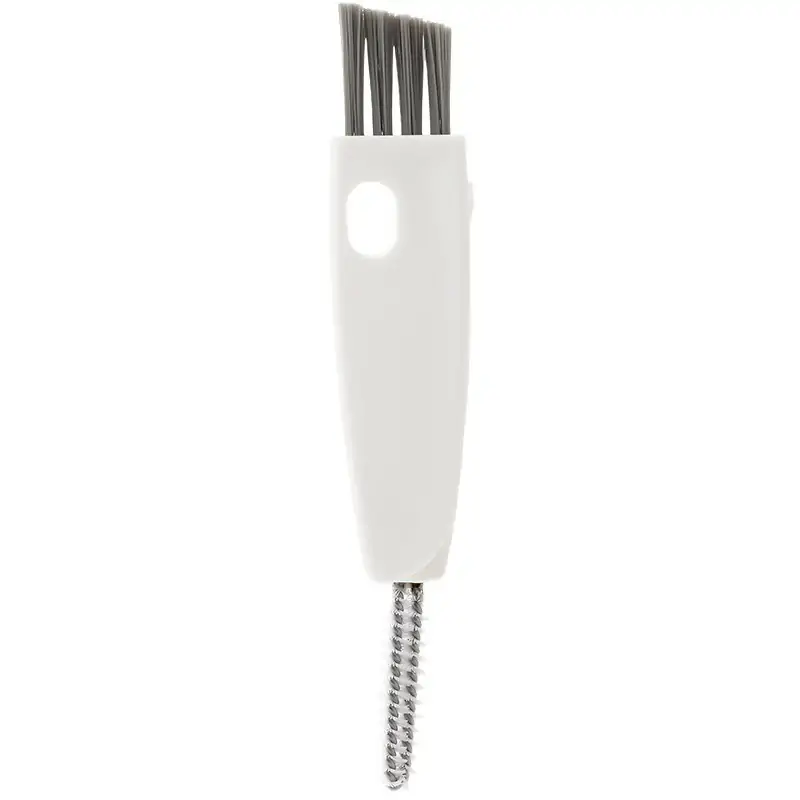
Small brush
500 pcs
Minimum order
Held in one hand: tube, bottle, detail and swab brushes — including long-handled ones with a small head.
Production lead time, once the specification is confirmed
- Up to 500 pcsWithin 7 days
- 501–50,000 pcsWithin 14 days
- Over 50,000 pcsWithin 21 days
Peak season can extend these times; the shipping date is confirmed in writing with your quotation. Sampling and shipping are quoted separately.
A compact hand brush configured for the internal surfaces of bottle lids, caps, threads, gaskets, and valve assemblies. It removes sticky beverage films, milk residue, lipstick, and trapped particles from narrow grooves and seal channels while protecting soft sealing components.
What can this brush do for you?
Reach the crevices a full-size bottle brush cannot enter
Standard bottle brushes are sized for bottle bodies; their heads are too wide to enter a lid’s thread root, gasket channel, or valve slot. This brush uses a working head from 2 to 25 mm wide and a short filament zone that slides into those narrow recesses, so the bristles actually contact the bottom of the groove rather than skimming over it.
Seat bristles against the thread and seal surfaces that hold residue
Many lid failures come from biofilm or film accumulation on the underside of the cap, around the gasket seat, and inside thread valleys. A dense, short-filament configuration lets you apply scrubbing pressure exactly on these surfaces without forcing the brush past the lid geometry. The filament tips dig into the deposit layer while the gasket remains seated and undamaged.
Choose the contact that matches the seal material
Soft silicone gaskets and elastomer seals can be cut or abraded by stiff nylon. This brush can be built with silicone filaments or a softer nylon/PBT blend with rounded tip finishing, giving a contact that removes residue without tearing the seal. For harder deposits on plastic or metal caps, a firmer nylon or PBT filament provides the necessary aggression without switching tools.
Clear the brush quickly between lids
The open filament layout and short working length reduce places for residue to lodge. A quick rinse under running water removes loosened debris, and the filament pattern allows the brush to dry without trapping moisture in the base, which helps prevent bacterial growth in high-turnover cleaning operations.
Maintain control in a handheld, close-quarters operation
The 110–190 mm overall reach and 10–30 mm grip diameter keep the working head close to the operator’s hand, which improves pressure control and prevents over-twisting when cleaning small caps or valve ports. This is a detail brush, not a long-reach bottle brush, and its proportions reflect that job.
What is a Bottle Lid & Gasket Cleaning Brush?
A Bottle Lid & Gasket Cleaning Brush is a small, hand-guided brush designed specifically for the underside features of bottle closures—the cap interior, thread valleys, gasket channels, mouthpiece openings, and vents. Unlike a general bottle brush that cleans the container body, this tool concentrates short filaments in a compact head so the bristles can enter recessed seal areas without spreading or folding over the opening.
During use, the operator typically holds the lid in one hand and the brush in the other, working the filaments along the thread path, around the gasket seat, and through the mouthpiece with short rotational strokes and light lateral pressure. The brush removes attached films and particles mechanically; the loosened debris is then rinsed away with water or cleaning solution.
The brush is not intended for scrubbing large interior surfaces and is not a substitute for a full bottle brush. It is also not designed for baked-on or mineralized deposits like heavy limescale, which usually require an acid descaling step before brushing. Within its intended range—soft residue, biofilm, sugar films, milk rings, and similar organic buildup—the lid and gasket brush provides the access and precise contact that larger tools cannot.
Technical Specifications
The table below lists the standard configuration ranges for this brush. All dimensions and materials can be adjusted to match your lid or gasket geometry, and we recommend confirming the values against your actual parts before finalizing an order.
| Parameter | Value / Options |
|---|---|
| Working head width | 2–25 mm, selected to enter the narrowest groove or slot |
| Working head length | 10–65 mm, matched to the depth of the lid cavity or thread path |
| Handle / overall reach | 110–190 mm, chosen for operator control and access |
| Grip / body diameter | 10–30 mm, sized for hand comfort and torque control |
| Filament materials | Nylon PA, PBT, or silicone; blends possible for mixed hardness |
| Filament diameter | 0.10–0.50 mm, thinner for soft seals, thicker for aggressive scrubbing |
| Filament density | Sparse to dense, configured for the residue type and groove width |
| Core / stem material | Stainless steel wire, coated wire, or polymer core for metal-free applications |
| Handle material | PP, ABS, TPE overmold, or stainless steel |
| Tip profile | Flat, pointed, angled, or stepped to match cap recesses and valve ports |
| Brush type | Custom Bottle & Container Brushes |
| How it is driven | Hand-guided |
| Cleaning target | reusable water bottle lid, sports bottle cap and push-pull valve, and beverage dispensing spout and cap assembly cleaning |
| Surface or part | thread, channel, grooves, valves, bottle lids, recesses, mouthpieces, and seals |
| Residue or debris | milk, beverage film, sugar, biofilm, particles, lipstick, scale, and milk residue |
| Mounting / connection | Fixed / Integrated Multi-Tool |
Where does this brush work best?
- Reusable water bottle lids with silicone sealing rings, deep thread recesses, and flip-top mouthpieces where beverage film and sugar residue collect.
- Sports bottle caps and push-pull valves that trap milk, juice, or protein shake residue under the valve seat and inside the cap cavity.
- Feeding bottle collars and nipple bases where milk film accumulates in the thread grooves and around the vent insert.
- Travel mug and tumbler lids with sliding closures, gasket channels, and narrow drinking spouts.
- Food storage and condiment container lids that develop sticky deposits around snap-on seals and rim grooves.
- Beverage dispensing spouts and cap assemblies where scale and biofilm build up on small internal surfaces.
How do I choose the right one?
Start by measuring the narrowest recess you need to clean. Use a caliper or pin gauge to check the width of the gasket channel, thread root, or valve slot. The brush head width should be slightly smaller than that dimension so the filaments enter freely without compressing into a flat fan that misses the bottom of the groove. If the head is too wide, the bristles ride over the surface; if too narrow, you lose scrubbing coverage.
Next, match the filament material to the residue and the seal. Soft silicone gaskets and elastomer seals generally call for silicone filaments or a soft nylon with rounded tips; these remove surface films without cutting the seal. Harder plastic caps with dried dairy or sugar coatings respond better to a firmer PBT filament. If you need to remove cosmetic residue such as lipstick from a drinking spout, a medium-density nylon filament with a pointed tip profile usually works well.
Consider your cleaning chemicals and temperatures. Nylon PA tolerates repeated exposure to warm water and mild detergents; PBT holds stiffness better in hot water but can be more brittle; silicone remains flexible across a wider temperature range and is resistant to many common cleaners. If the process includes sanitizing temperatures above 80°C or aggressive chemical agents, specify the exact conditions so the filament and core materials can be matched accordingly.
Finally, think about handle length and grip. For repetitive manual cleaning on a production line, a short, ergonomic handle reduces wrist strain. For cleaning lids that are still attached to machines or hard-to-reach areas, a longer reach may be required. The grip diameter should allow a firm hold without fatigue.
When this brush is not the right tool: For cleaning the entire bottle body, use a full-size bottle brush with a longer working head. For very deep, narrow valve ports below 2 mm, a pipe cleaner or fine-tipped swab may be more effective. For baked-on carbon or heavy mineral scale, a chemical descaler followed by this brush is recommended, not the brush alone.
Can I customize this brush?
Yes. This brush is built around your specific lid and gasket geometry. To configure it, we need the following from you: the part drawing or sample lid, the width and depth of each groove or channel, the gasket material and hardness, the residue you are removing, and the cleaning chemicals/temperatures in use. If you do not have a drawing, sending a sample lid and marking the areas that need cleaning is usually enough for us to propose a working configuration.
We can adjust the following elements:
- Head geometry — width, length, taper, angled tip, stepped profile, or a multi-diameter head to reach different recesses on the same lid.
- Filament selection — material (Nylon PA, PBT, silicone, or custom blends), diameter, length, density, and tip finish (flagged, rounded, or blunt cut).
- Core and stem — stainless steel wire, polymer core, or coated wire, with the flexibility adjusted for the lid’s internal curves.
- Handle — length, shape, overmold grip, hanging hole, or color coding for different production lines.
- Marking and packaging — custom color, pad printing, laser marking, individual polybags, retail sleeves, or bulk packaging.
If your project requires material certifications, FDA or EU food-contact documentation, third-party testing, or inspection reports, we can support those requirements as part of the customization process. Let us know which documentation your receiving team will need in advance.
Which filament survives the cleaning and still lasts on a bottle lid & gasket cleaning brush?
Will the bristles damage my silicone gasket?
Not if the filament material and tip finishing are selected correctly. Silicone or soft nylon filaments with rounded tips are safe for most silicone and EPDM seals. Always test a prototype on a spare gasket first—look for cuts, tears, or surface roughening after 20–30 strokes. If you see any damage, switch to a softer filament configuration.
Can this brush be used with hot water and detergent?
Yes, within material limits. Nylon and PBT filaments handle warm water and mild detergents; silicone tolerates higher temperatures. However, the core and handle materials must also be specified for the actual wash temperature. If your process uses boiling water or strong alkaline cleaners, provide those details so we can select compatible polymers and a corrosion-resistant core.
How do I clean and store the brush after use?
Rinse the brush under running water while gently flicking the head to dislodge trapped particles. Shake off excess water and hang it by the handle or store it with the bristles facing down. Avoid leaving the brush submerged in soiled cleaning solution, and allow it to dry fully between shifts to prevent biofilm growth on the filaments themselves.
When should I replace the brush?
Inspect the brush at each use. Replace it when filaments splay permanently, the core becomes bent or kinked, bristles fall out, or the tip profile no longer matches the groove. A brush with flattened or matted filaments will not clean effectively and can force residue deeper into the seal channel.
Can one brush clean both the lid and the bottle body?
This product is optimized for lid and gasket details; its short working head and narrow profile are not suited to scrubbing a bottle’s interior sidewalls. For bottle bodies, use a separate bottle brush with a longer head. If your cleaning station requires both tools, we can supply them as a matched set with a shared holder.
How do I verify that the grooves are actually clean?
After brushing, wipe the gasket channel and thread valleys with a white lint-free cloth or a cotton swab. If the cloth shows residue or color, the brush head width, filament stiffness, or density may need adjustment. Inspect under bright light and tilt the lid to check for any remaining film in shadowed areas.
Guides that go deeper on this
RELATED BRUSH RESOURCES
Recommended Reading & Related Brush Resources
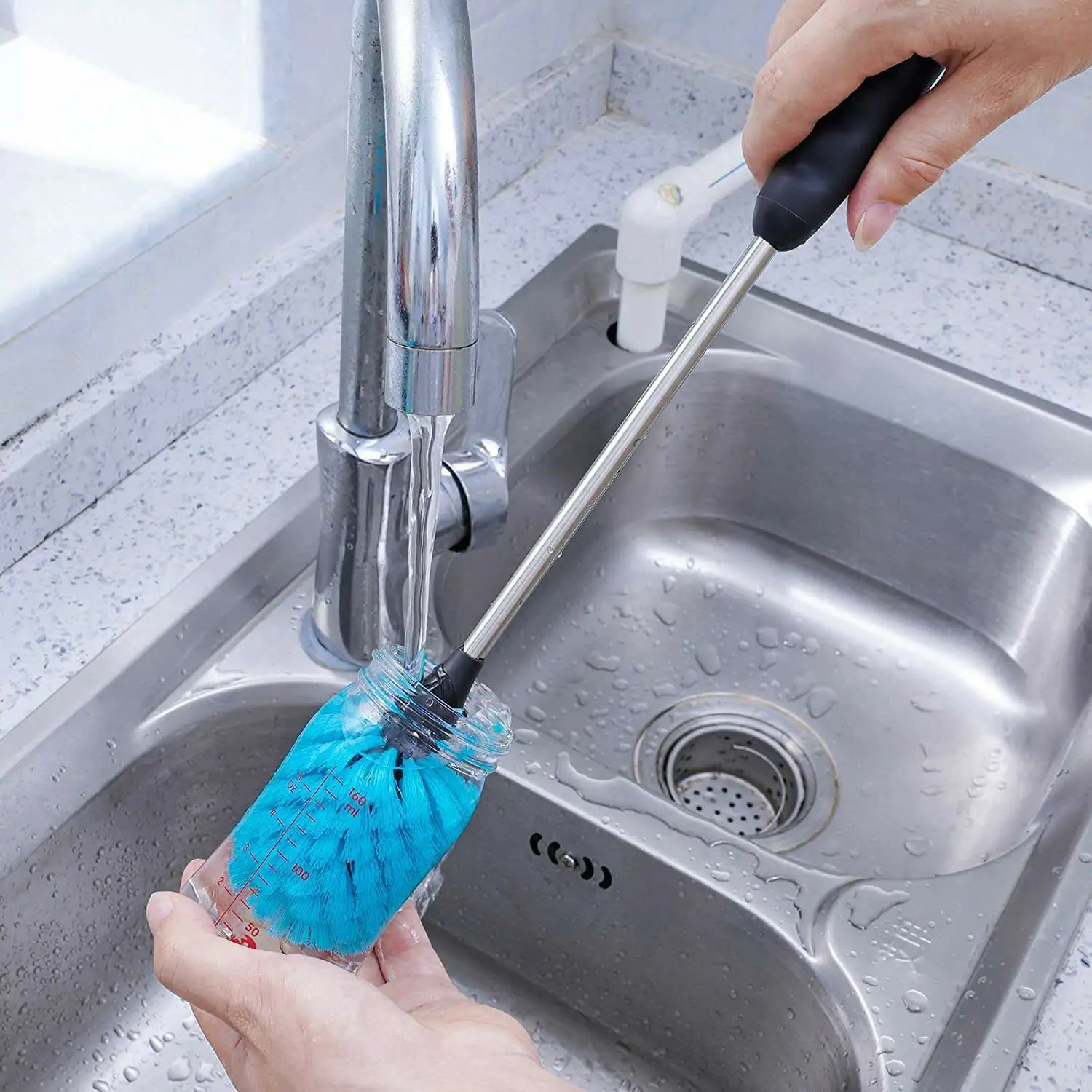
Custom Bottle & Container Brushes
Choose a bottle or container brush when the head must pass through an opening…
See how this type is builtBottle & Container Cleaning
For Bottle & Container Cleaning, the brush must reach the working area, disturb or…
See the cleaning job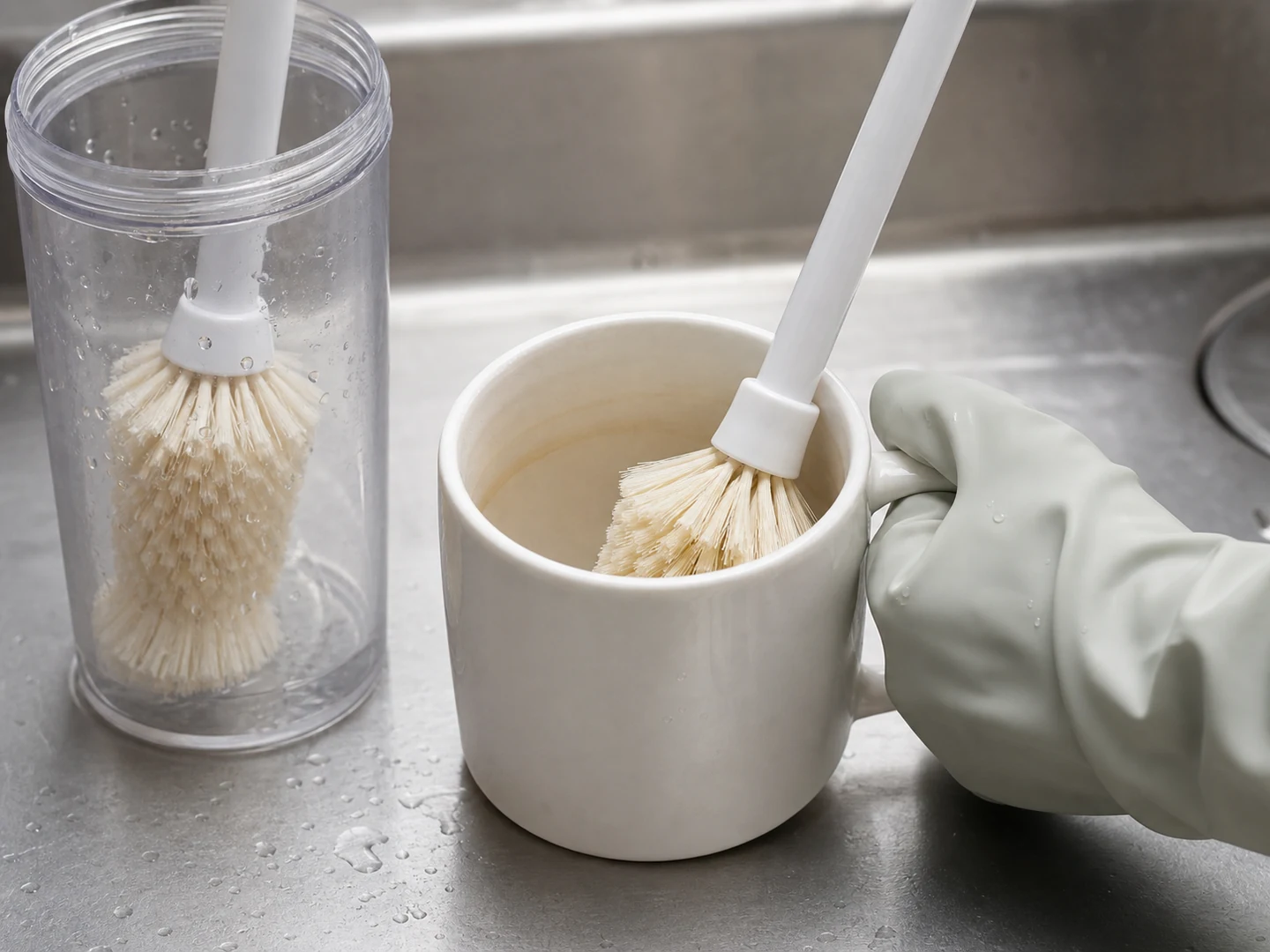
Cup & Mug Cleaning
For Cup & Mug Cleaning, the brush must reach the working area, disturb or…
See the cleaning job
Nylon PA
Choose Nylon PA based on its stiffness, recovery, wear, wet-service, chemical, and temperature behavior.
Compare this material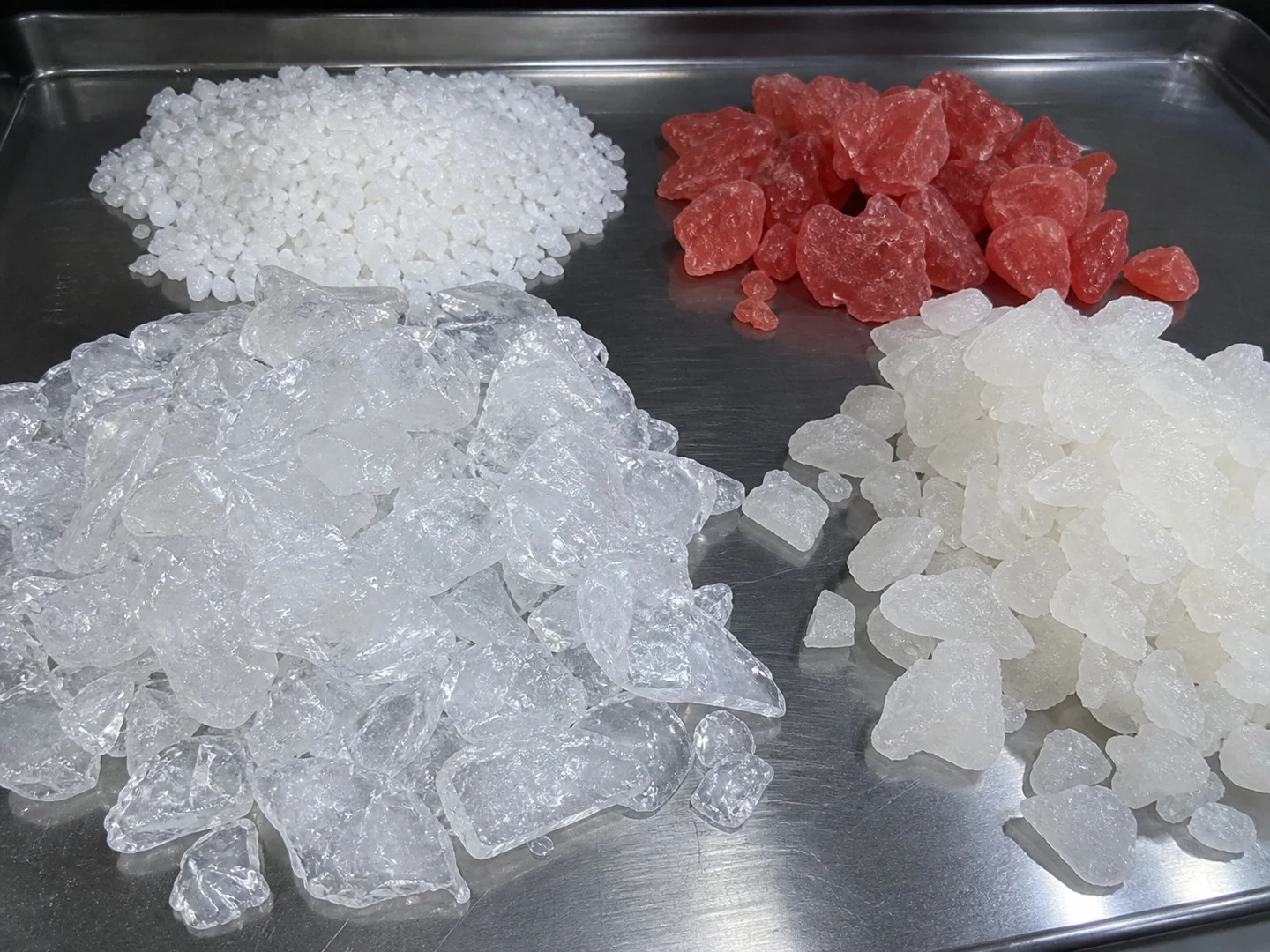
Silicone
Choose Silicone based on its stiffness, recovery, wear, wet-service, chemical, and temperature behavior. Do…
Compare this material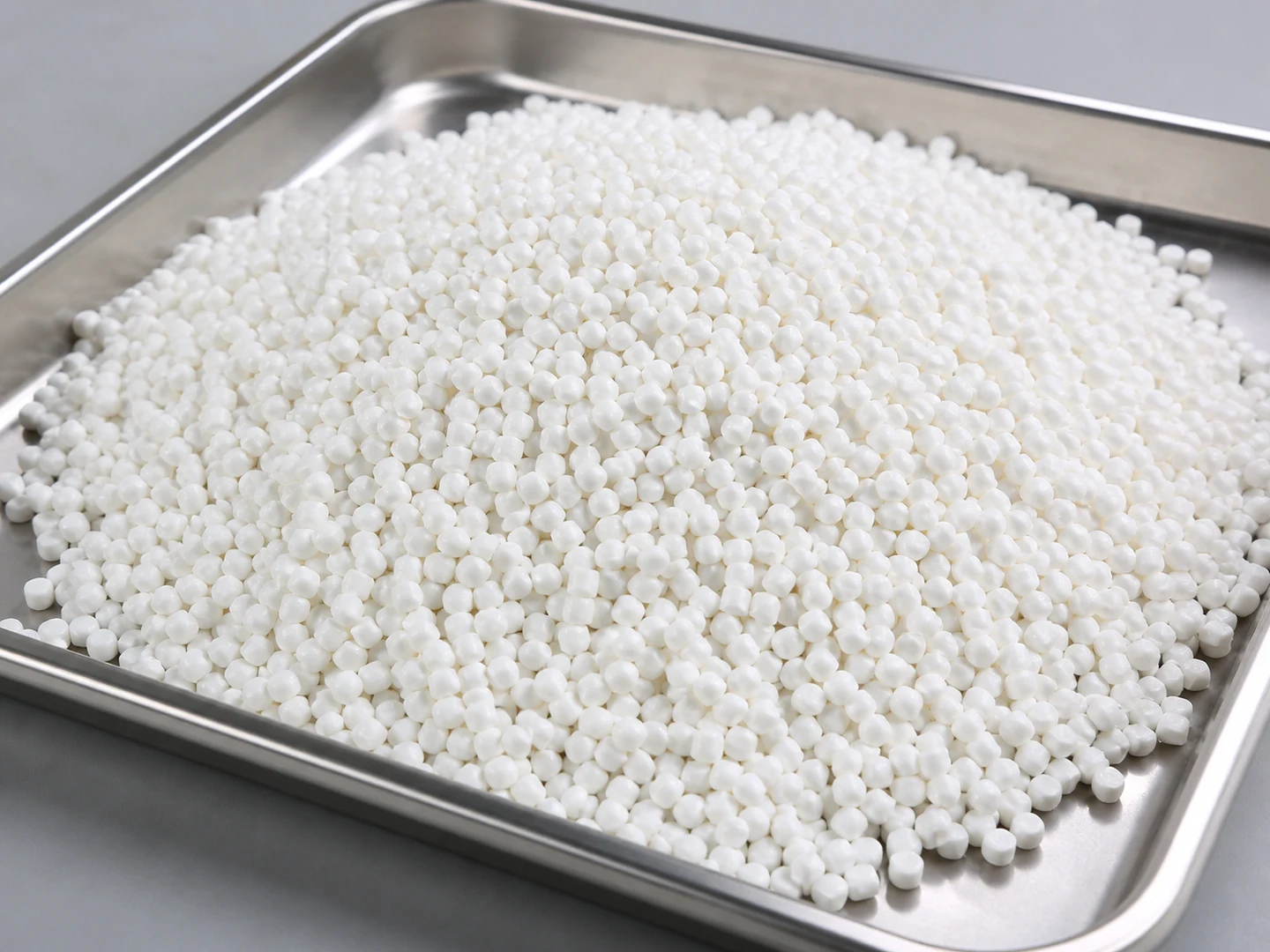
PBT
Choose PBT based on its stiffness, recovery, wear, wet-service, chemical, and temperature behavior. Do…
Compare this material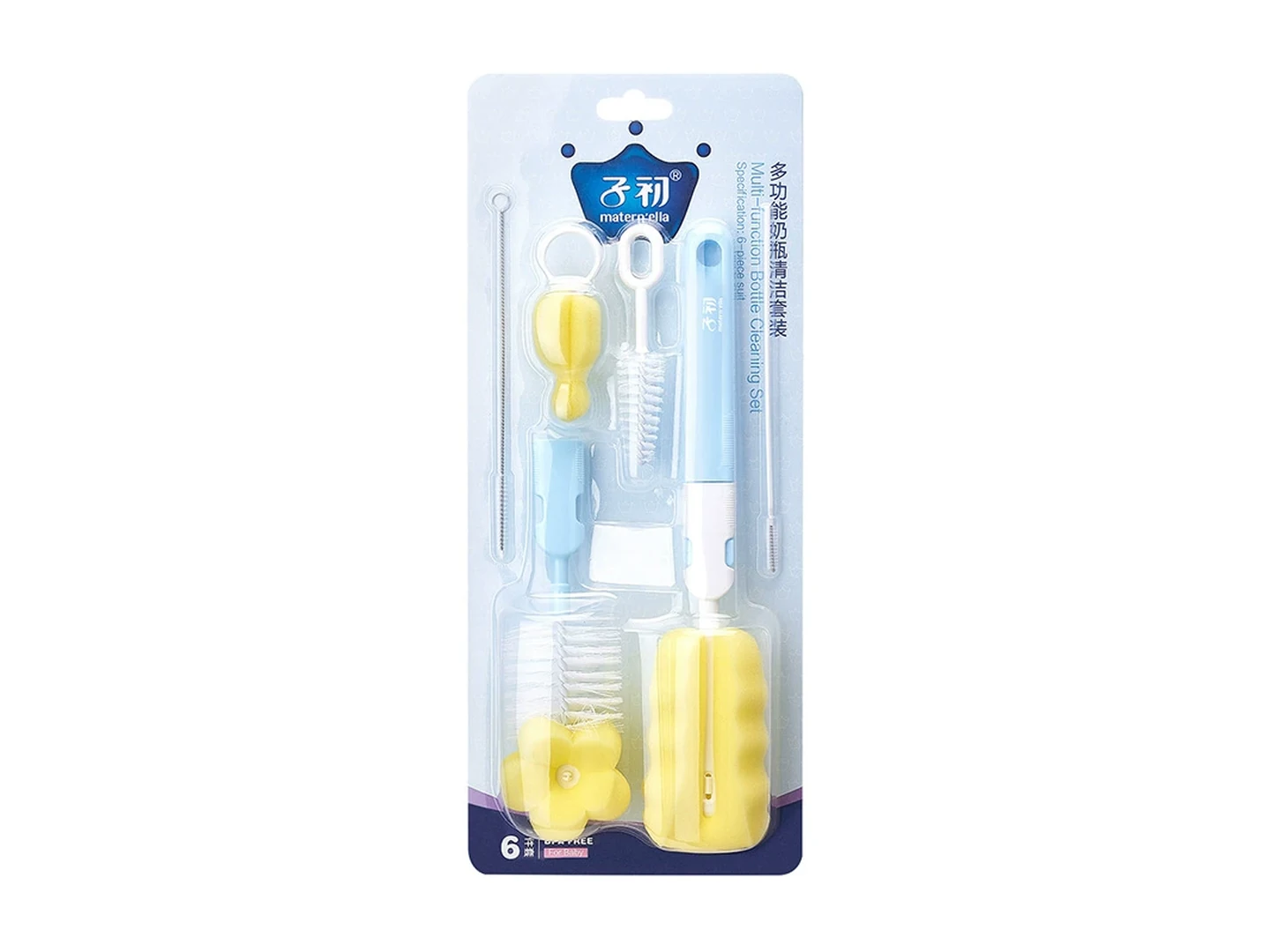
Baby Bottle Brush
Custom baby bottle brush for feeding products. Soft PBT or silicone bristles, sterilizable design,…
Compare the specification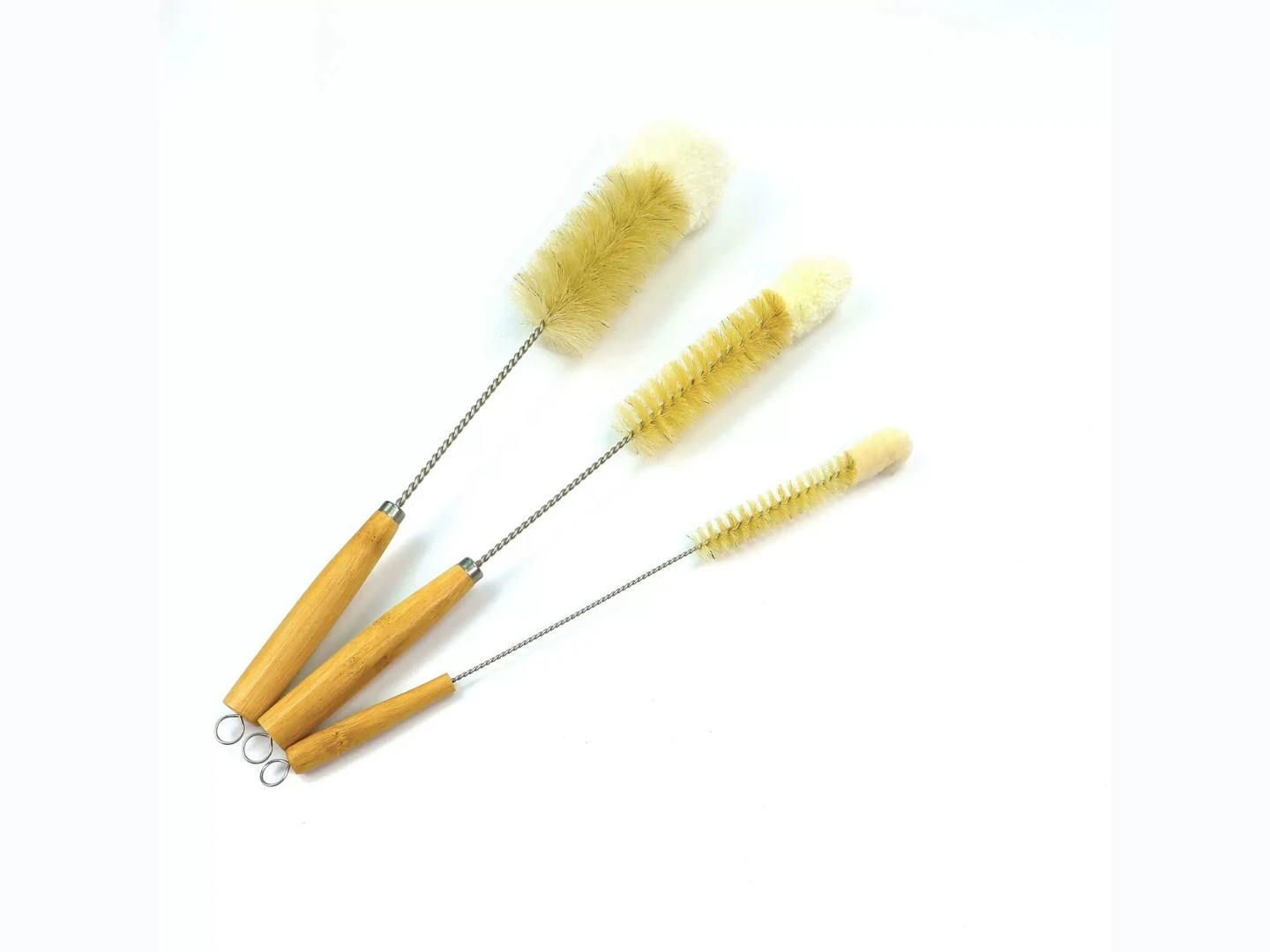
Boar Bristle Bottle Brush
Soft natural boar bristle bottle brush for scratch-free cleaning of narrow-neck bottles, decanters, and…
Compare the specificationCustom Manufacturing RFQ
Describe Your Application
To quote this brush accurately, send the size, material, cleaning target, residue, quantity, and any available drawing or sample photo.
Drawing or photo optional — it speeds things up, it does not gate the enquiry.
Custom Brush RFQ
Send Your Brush Project
Upload a drawing, product photo, or sample photo and provide the core dimensions and cleaning conditions.
“We need a brush to remove wet residue from a stainless steel conveyor, about 800mm wide. The current brush wears quickly. We can send photos.”
“We sell drinkware and need a cleaning brush to include with the product. Quantity around 5,000 pieces.”