
Custom Cleaning Brush
Cup & Bottle Sponge Cleaning Brush
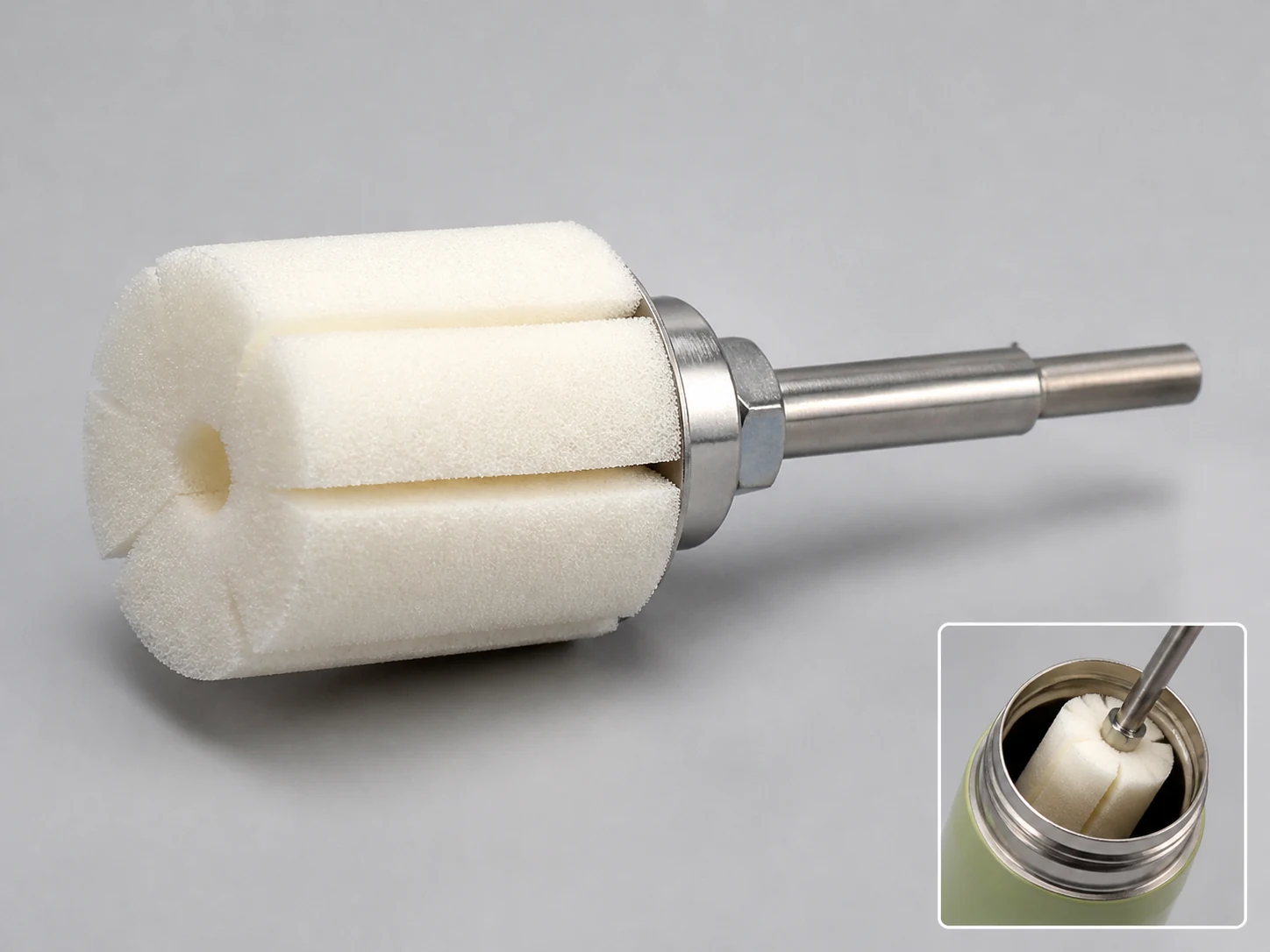
Non-scratch PU sponge cleaning brush for cups, mugs, water bottles and travel tumblers. Customizable head size, sponge density and handle length.
Small brush
500 pcs
Minimum order
Held in one hand: tube, bottle, detail and swab brushes — including long-handled ones with a small head.
Production lead time, once the specification is confirmed
- Up to 500 pcsWithin 7 days
- 501–50,000 pcsWithin 14 days
- Over 50,000 pcsWithin 21 days
Peak season can extend these times; the shipping date is confirmed in writing with your quotation. Sampling and shipping are quoted separately.
A soft PU sponge cleaning brush built for the interior of cups, mugs, water bottles, and travel tumblers where scratch-free contact matters. The sponge head conforms to curved walls and reaches the bottom corners while the nylon handle provides the reach and control needed for deep containers.
What can this brush do for you?
Non-scratch cleaning for coated and polished interiors
The open-cell PU sponge contacts surfaces without the hard tip impact of nylon or wire bristles. Glass, glazed ceramic, stainless steel, and polymer-lined tumblers keep their finish while coffee film, tea stains, and beverage residue are lifted away. The contact is soft enough for scratch-sensitive coatings but firm enough to remove the stains that build up daily.
Sponge head follows cup and bottle contours, including bottoms and corners
The flexible sponge compresses against curved sidewalls, pressed into the shoulder of a tumbler, and reaches the flat bottom of a mug. Unlike a straight bristle brush that skips over the inside corner, the sponge deforms to fill that transition zone, so residue doesn’t collect in the angle between wall and base.
Holds cleaning solution where you scrub
PU foam absorbs and holds soapy water. As you press the sponge against the surface, the detergent releases at the contact point instead of running off. This gives a more effective scrubbing action with less wasted cleaning agent, especially when cleaning tall bottles where the solution would otherwise drain away.
Reach deep containers without losing control
The rigid nylon core and handle transfer your hand pressure all the way to the sponge head. With an overall reach up to 400 mm, you can scrub the bottom of a tall travel mug or a large water bottle without your hand entering the opening. The 15–30 mm grip diameter keeps control comfortable even when the handle is fully extended.
Rinses clean and releases the residue it removed
The open-cell structure lets water flow through the sponge, flushing out loosened stains and soap instead of trapping them in a bristle tuft. After use, the sponge squeezes nearly dry and air-dries quickly, which reduces odor and extends the working life of the brush in daily service.
Sturdy nylon core resists bending and detergent damage
The handle and internal spine are molded from nylon PA, so the brush does not soften in warm wash water or weaken from exposure to standard dish detergents. The sponge is bonded to the core, keeping the head attached during repeated push-pull and rotation motions inside the container.
What is a Cup & Bottle Sponge Cleaning Brush?
A Cup & Bottle Sponge Cleaning Brush is a hand-guided cleaning tool that uses a molded PU sponge head mounted on a nylon handle and core to clean the interior surfaces of drinking vessels. It is selected when the container needs regular stain removal without the risk of scratching that comes from hard or stiff bristle brushes.
During use, the operator wets the sponge, adds a small amount of liquid detergent, and scrubs the inside walls, base, and rim area with back-and-forth and rotating strokes. The sponge’s open-cell structure holds the soapy solution, releases it under pressure, and lifts film, residue, and light staining. After scrubbing, the container is rinsed, and the brush is rinsed, squeezed, and hung to dry.
This is a daily-cleaning tool, not a heavy-duty scrubber. It works best on fresh or lightly adhered stains such as coffee, tea, juice, milk film, and protein residue. It is not designed for baked-on food, mineral scale, burnt deposits, or aggressive chemical stripping, which require a stiffer bristle brush, abrasive pad, or a different cleaning process.
Technical Specifications
The table below lists the standard configuration ranges for this brush. We adjust the head size, sponge density, handle length, and grip to match your container dimensions and cleaning requirements.
| Parameter | Value / Options |
|---|---|
| Head width / diameter | 45–65 mm, selected to pass the container opening and contact the interior walls |
| Working head length | 50–110 mm, adjusted to the depth of the area you need to scrub |
| Handle / overall reach | 200–400 mm, matched to container depth and operator comfort |
| Grip / body diameter | 15–30 mm |
| Primary contact materials | PU sponge; PU foam; nylon PA |
| Handle / core material | Nylon PA (polyamide), water-resistant and rigid |
| Sponge density options | Soft, medium, or firm – softer for delicate coated surfaces, firmer for heavier film |
| Head profile | Cylindrical, tapered, rounded tip, or custom molded shape; optional angled tip for base corners |
| Bonding / attachment | Adhesive or mechanical bonding; fixed head or replaceable head configuration |
| Operating temperature | Suitable for warm wash water; avoid prolonged exposure above 80°C (176°F) |
| Chemical compatibility | Compatible with mild liquid detergents; not for solvents, strong acids, strong alkalis, or abrasive cleaners |
| Brush type | Custom Bottle & Container Brushes |
| How it is driven | Hand-guided |
| Cleaning target | coffee mug and tea cup, and reusable water bottle and glass bottle cleaning |
| Surface or part | walls, containers, glass, ceramic, sidewalls, corners, curved walls, and pads |
| Residue or debris | coffee, protein, milk film, light residue, protein film, scale, glaze, and beverage residue |
| Mounting / connection | Adhesive or mechanical bonding; fixed head or replaceable head configuration |
Where does this brush work best?
- Coffee mugs and tea cups – the sponge removes daily staining from glazed ceramic without scratching the glaze, even on colored or decorated interiors.
- Reusable water bottles and glass bottles – soft PU contact cleans glass sidewalls and bottoms without leaving the micro-scratches that stiff bristles can create.
- Stainless steel travel tumblers and insulated bottles – especially models with interior polymer or non-stick coatings that require gentle mechanical action.
- Baby bottles and feeding cups – when ordered with food-contact-suitable sponge material, the brush can be used for regular milk film and residue removal from smooth interior surfaces.
- Protein shaker cups and sports bottles – removes protein film and light residue from the curved bottom and wall transition areas.
How do I choose the right one?
Start with the narrowest opening
Measure the minimum internal diameter of the cup mouth or bottle neck. The sponge head must pass through this opening without excessive force. A head that is too large will bind at the opening or fold over and lose sidewall contact. A head that is too small will leave a gap at the walls. For openings between 45 and 65 mm, the standard head works well; for smaller openings, we can reduce the head diameter, but below about 35 mm the sponge becomes too compressed to scrub effectively, and a silicone bottle brush or tube brush is usually a better fit.
Match sponge density to the surface and residue
Use soft density for polymer-coated tumblers, non-stick surfaces, or thin glass. Use medium density for general coffee, tea, and beverage residue on glazed ceramic or stainless steel. Use firm density for heavier film and more tenacious residues, but keep in mind that firm PU foam is still non-scratch. If the residue is dried, baked-on, or mineralized, a sponge brush will be too slow; consider a nylon, PBT, or abrasive brush instead.
Set handle length to container depth
The handle should let the sponge reach the bottom while your hand stays outside the opening with a comfortable grip. Too short leaves the base untouched; too long reduces pressure control at the head. For travel tumblers 200–300 mm deep, choose an overall reach of 300–400 mm. For shallow mugs and cups, a 200–250 mm handle is easier to maneuver.
Decide between fixed and replaceable head
A fixed head is the most economical for low- to medium-volume use and provides maximum bond security. A replaceable head lets you swap only the sponge when it wears, keeping the handle and core in service longer. If the brush will be used hundreds of times a week, a replaceable head configuration reduces replacement cost and waste.
Consider the cleaning environment
Standard PU sponge handles warm water and mild detergents without issue. If your process includes sanitizing solutions, higher wash temperatures, or more aggressive chemicals, specify those conditions. We can select a sponge grade and bonding method that tolerates your actual process. Do not expose the brush to solvents or abrasive powders, as these degrade the foam and can cause particles to embed in the sponge.
When a different brush is the better choice
Use a stiff nylon or abrasive brush for hard scale, burnt-on carbon, or heavy mechanical scrubbing. Use a tube brush or silicone bottle brush for very narrow necks below 35 mm. Use a disposable swab when cross-contamination control is the primary requirement. The sponge brush is the right choice when you need non-scratch contact, good conformability, and effective daily stain removal from accessible container interiors.
Can I customize this brush?
Every container is different, and this brush is built around your dimensions and cleaning process. To define the custom configuration, provide the container’s minimum opening diameter, interior diameter, interior depth, surface material, residue type, and preferred handle length. A sample container or drawing helps us select the right head geometry and density.
We can adjust the following:
- Head geometry – diameter, length, profile (cylindrical, tapered, rounded, flat-paddle, angled tip), or multi-diameter form for cups with a shoulder.
- Sponge material – PU sponge or PU foam in soft, medium, or firm density; open-cell structure; optional food-contact-suitable grade; optional antimicrobial treatment.
- Handle and core – length, diameter, nylon PA or alternative polymer, overmolded grip, hanging hole, or ergonomic shape.
- Attachment method – adhesive bonding, mechanical fit, replaceable head with snap, screw, or slide-on collar.
- Color and marking – custom sponge color, handle color, pad printing, laser marking, or molded logo.
- Packaging – bulk, individually bagged, retail sleeve, kit assembly, or project-specific packing.
If your project requires material documentation, food-contact declarations, inspection reports, or third-party testing, we can assist with those requirements as part of the customization process.
Which filament survives the cleaning and still lasts on a cup & bottle sponge cleaning brush?
Will the sponge head come off if I use the brush in hot water?
Our standard bonding is designed for typical hand-washing temperatures up to about 60°C. If your process regularly uses water above 60°C or includes sanitizing heat, tell us during customization. We can select a higher-temperature adhesive or use a mechanical attachment method so the head stays secured.
How do I check whether the sponge is actually removing the stain and not just spreading it?
After scrubbing, wipe the surface with a clean white cloth or paper towel. If the cloth picks up color, the stain is loosening and the sponge is working. If the cloth stays clean and the stain remains, the sponge may be saturated with residue—rinse it thoroughly, add fresh detergent, and scrub again.
Can I use this brush with bleach or abrasive cleaners?
No. Bleach and other harsh chemicals degrade PU foam over time, and abrasive powders can become embedded in the sponge and then scratch the very surfaces you are trying to protect. Use a mild liquid detergent. If disinfection is required, use a food-safe sanitizer approved for soft foam and verify that the sanitizer is compatible with PU material.
How do I dry the brush after use to prevent odor and bacteria growth?
Rinse the sponge under running water, squeeze it several times to flush out trapped residue, shake off excess water, and hang the brush head-down in a well-ventilated area. Do not store a wet brush inside a closed container or drawer. If the sponge begins to smell sour, it is time to replace the head.
What is the smallest bottle neck this brush can clean effectively?
The standard head diameter range is 45–65 mm, so the brush is intended for wide-mouth bottles, mugs, and cups. For necks smaller than about 35 mm, the sponge compresses too much to scrub sidewalls properly, and bristle or silicone brushes are more effective. We can produce a smaller head, but performance inside narrow necks will be limited.
How do I know when to replace the sponge head?
Replace the head when you notice any of the following: tears or chunks missing from the sponge, permanent flattening that does not recover after rinsing, loss of detergent-holding ability, persistent odor even after drying, or the sponge starting to crumble. If your brush uses a replaceable head, order replacement heads separately to keep the handle in service.
Guides that go deeper on this
RELATED BRUSH RESOURCES
Recommended Reading & Related Brush Resources
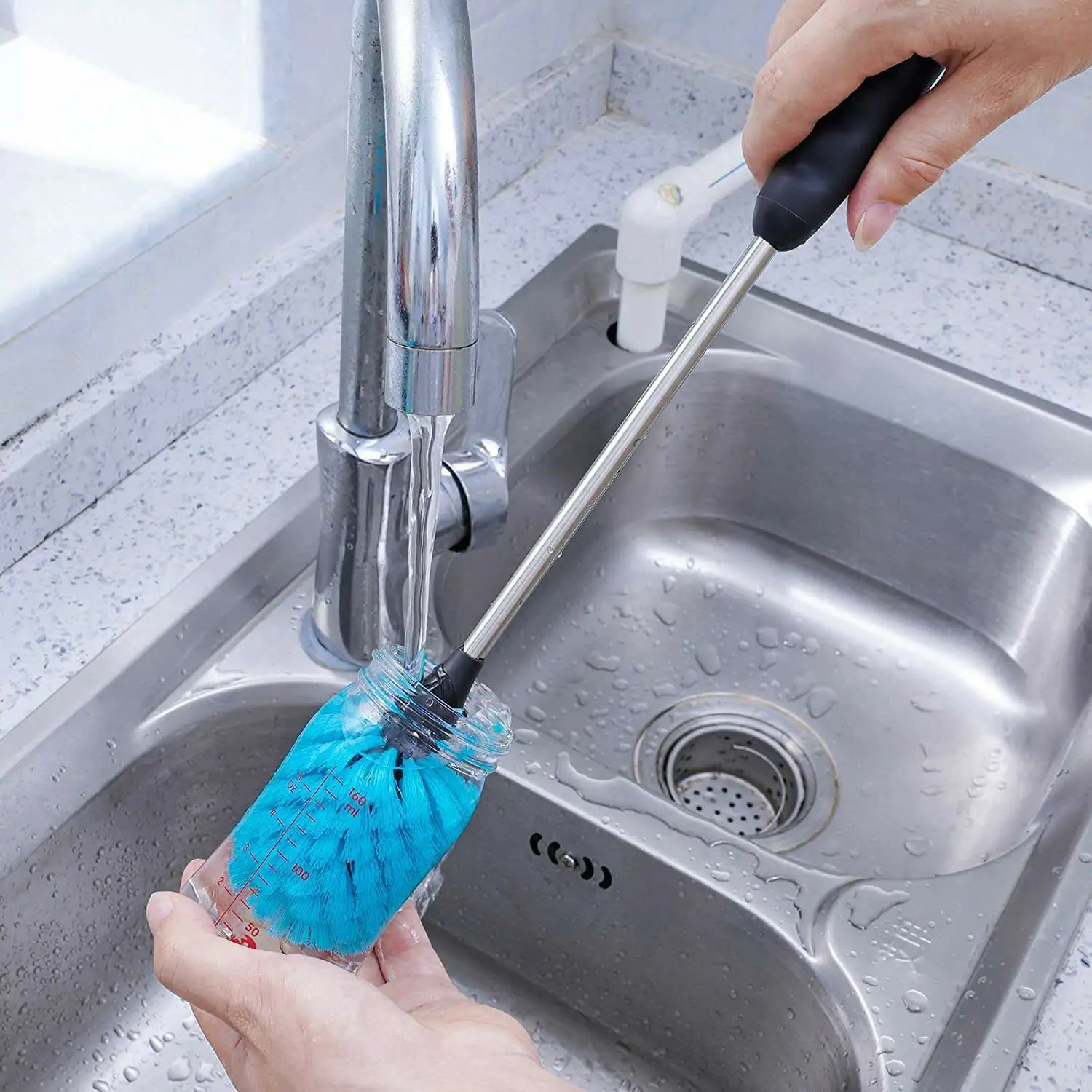
Custom Bottle & Container Brushes
Choose a bottle or container brush when the head must pass through an opening…
See how this type is builtBottle & Container Cleaning
For Bottle & Container Cleaning, the brush must reach the working area, disturb or…
See the cleaning job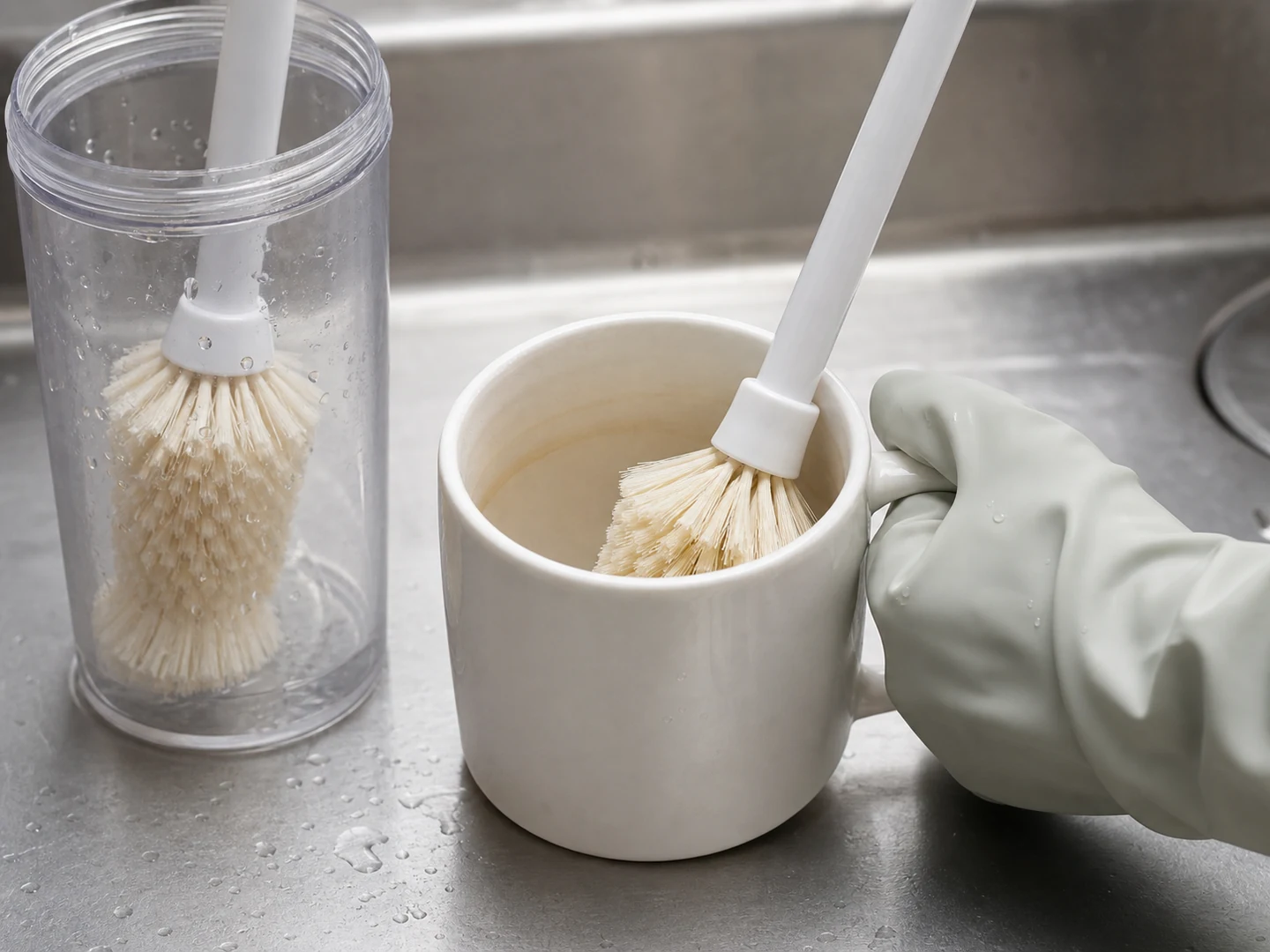
Cup & Mug Cleaning
For Cup & Mug Cleaning, the brush must reach the working area, disturb or…
See the cleaning job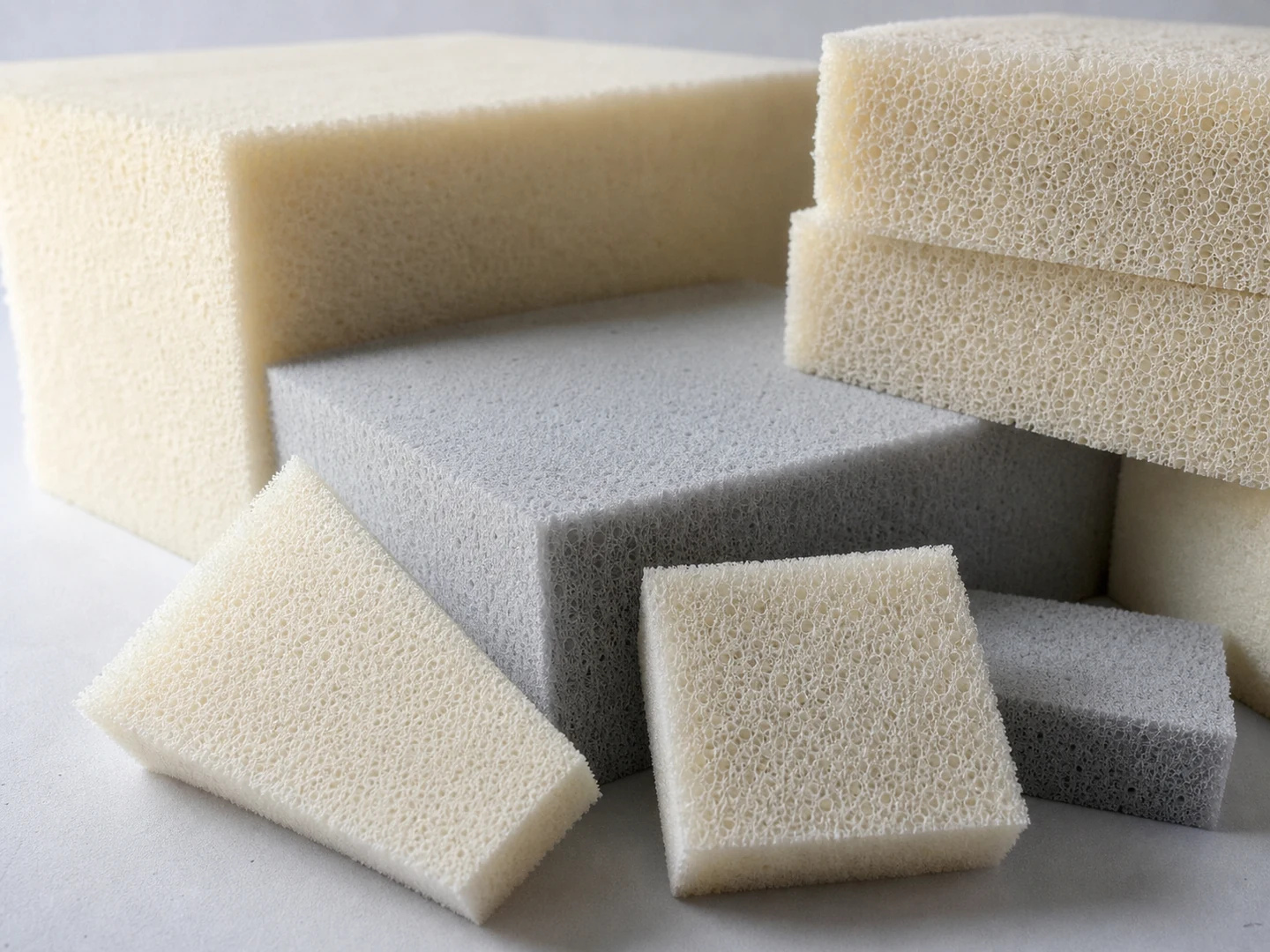
PU Sponge
Choose PU Sponge based on its stiffness, recovery, wear, wet-service, chemical, and temperature behavior.
Compare this material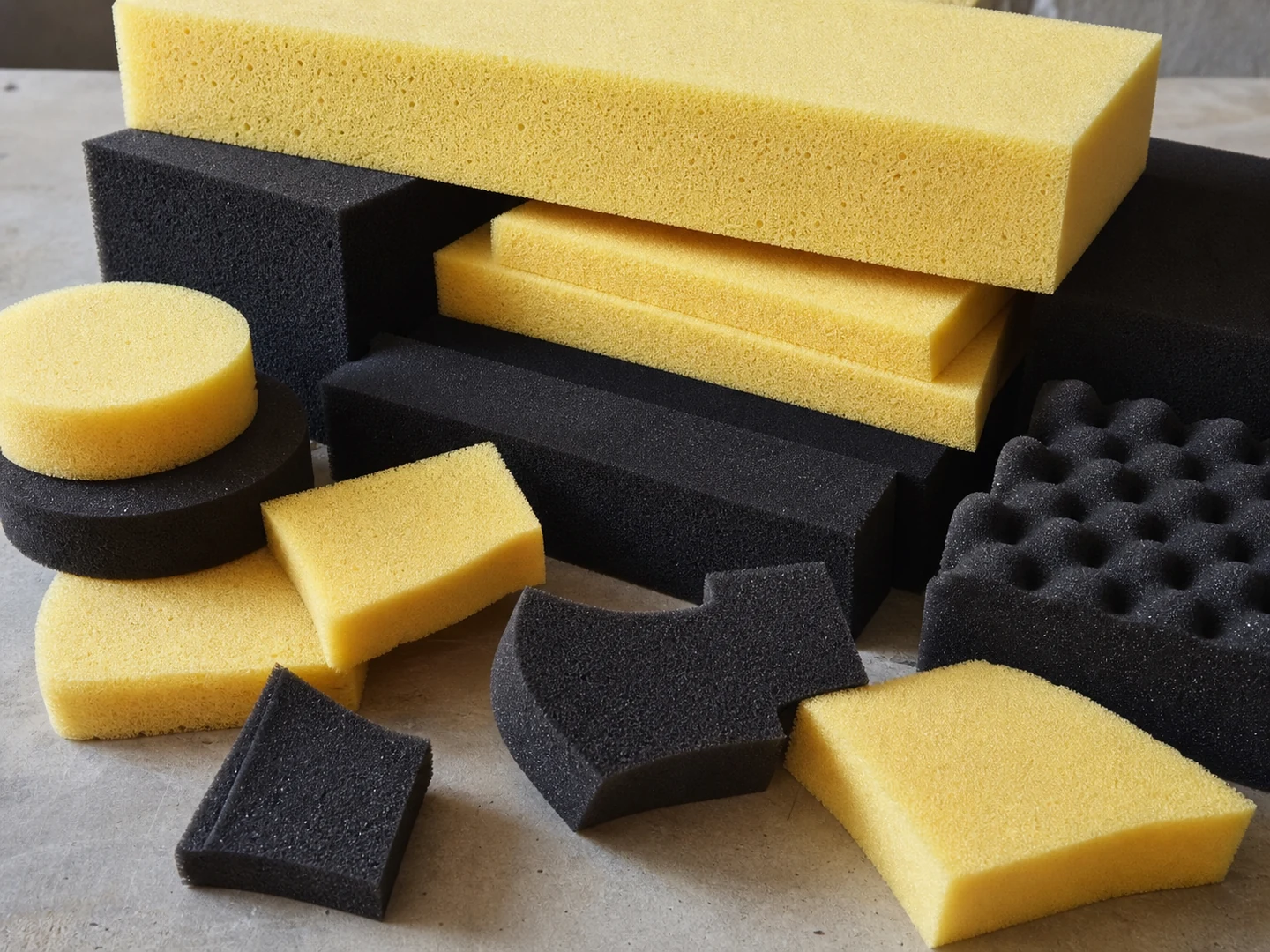
PU Foam
Choose PU Foam based on its stiffness, recovery, wear, wet-service, chemical, and temperature behavior.…
Compare this material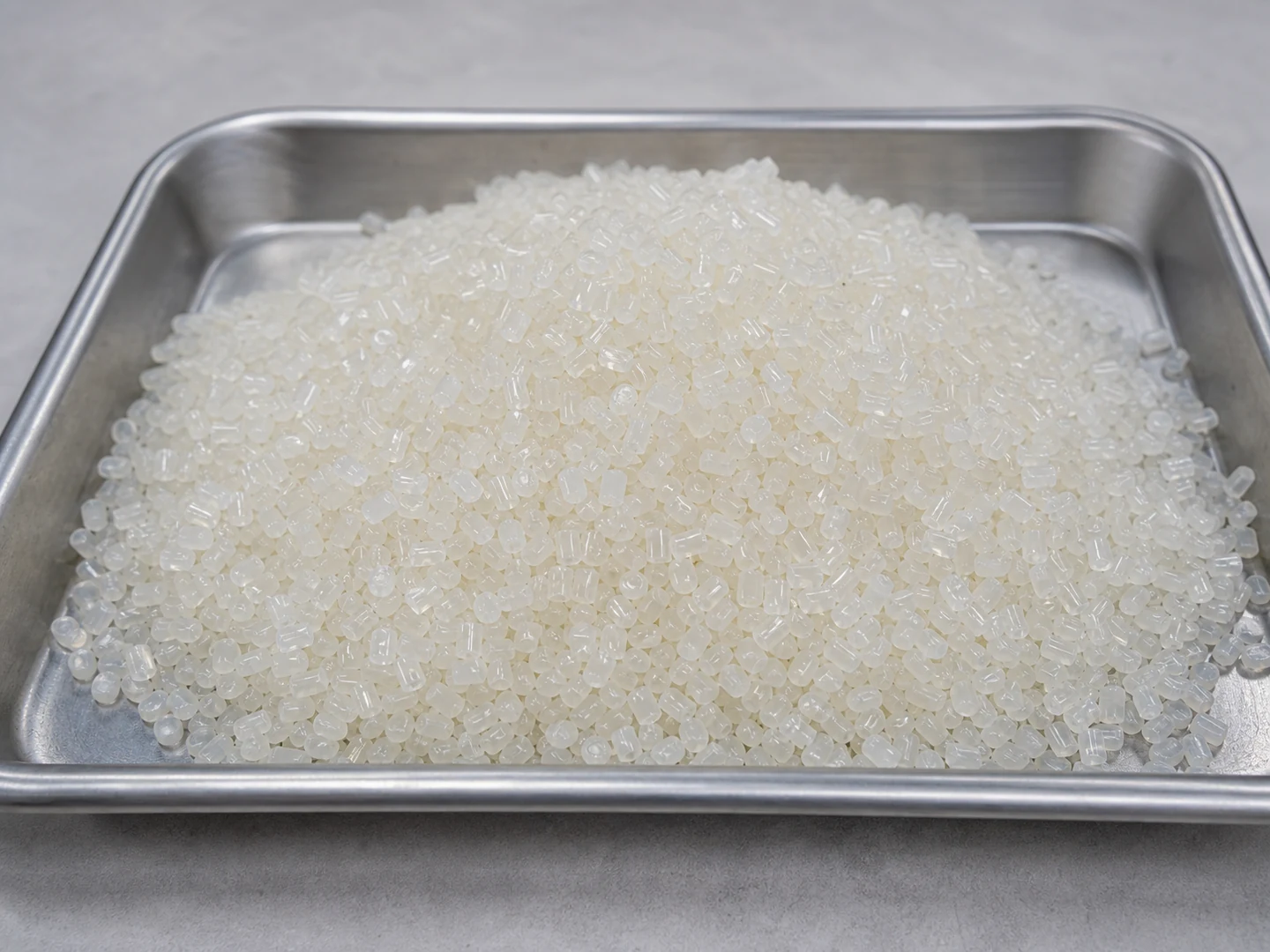
Nylon PA
Choose Nylon PA based on its stiffness, recovery, wear, wet-service, chemical, and temperature behavior.
Compare this material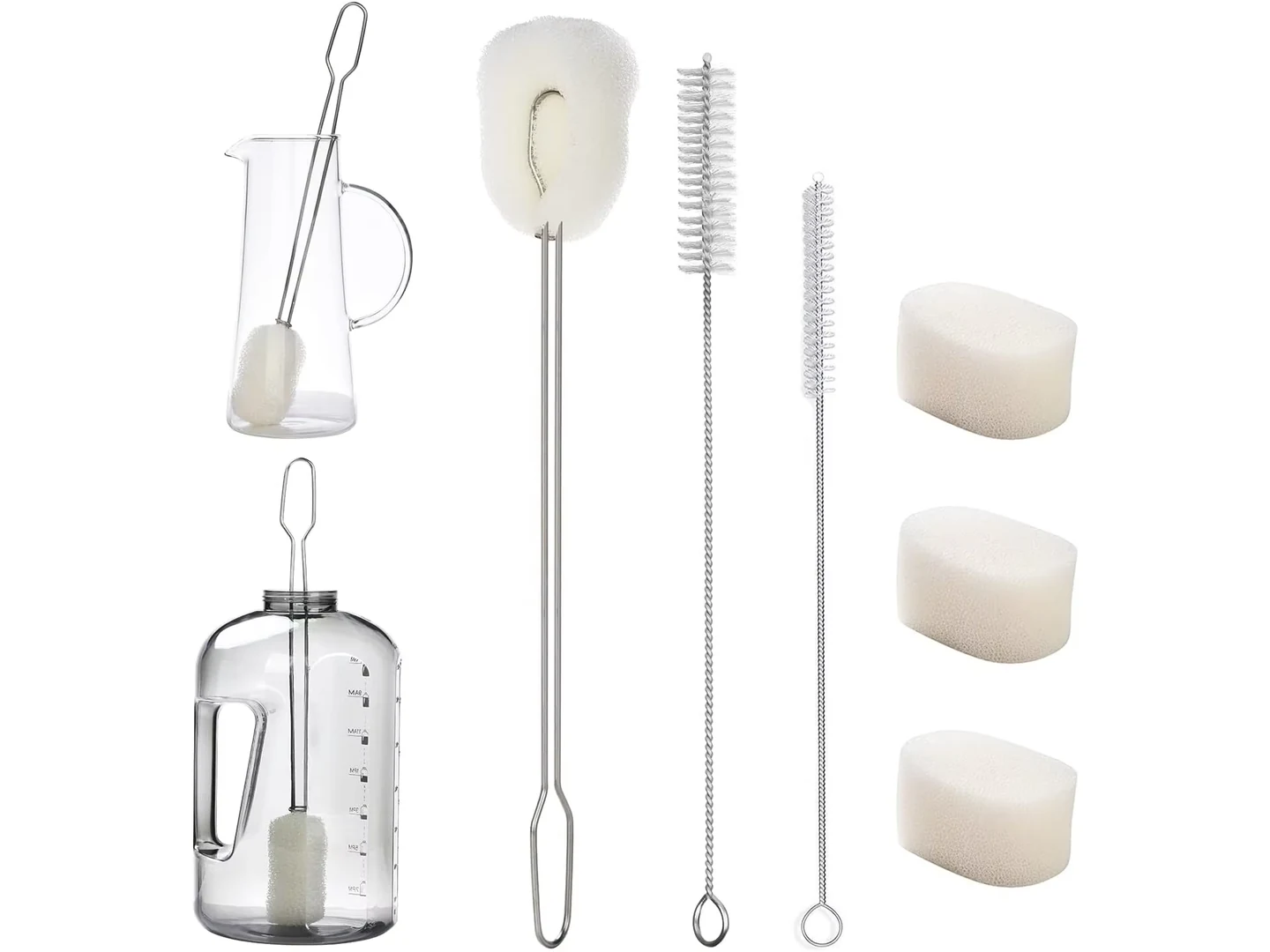
Sponge Bottle Brush
Custom sponge bottle brush for narrow- and wide-mouth bottles. PU/PVA sponge head with optional…
Compare the specification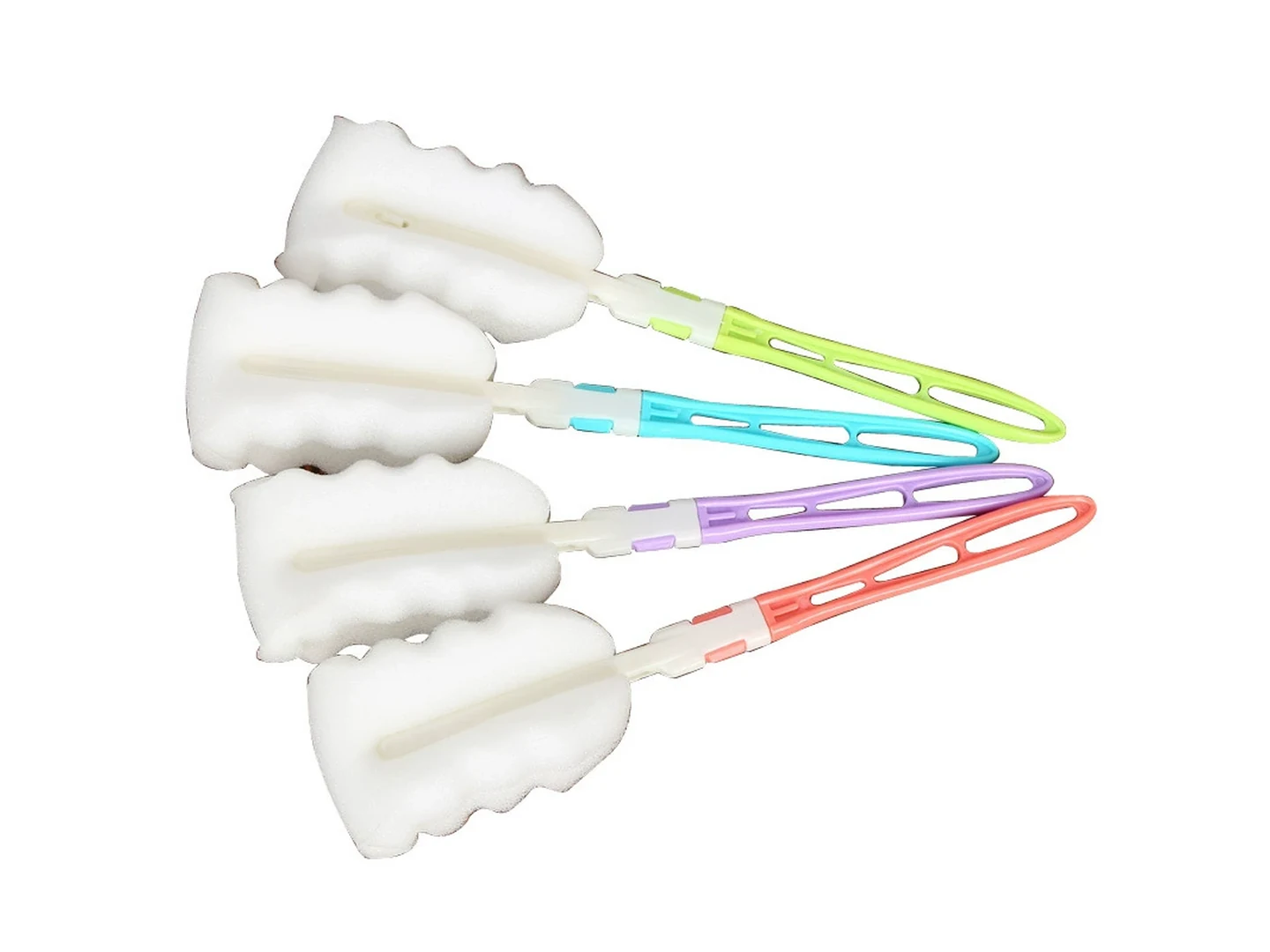
Baby Bottle Cleaning Brush Long Handle Nylon Bristle Sponge
Long-handle baby bottle brush with soft nylon bristles and PU sponge tip for milk…
Compare the specificationCustom Manufacturing RFQ
Describe Your Application
For a custom quote, we need the key dimensions, surface or part, residue, material preference, quantity, and reference image or drawing.
Drawing or photo optional — it speeds things up, it does not gate the enquiry.
Custom Brush RFQ
Send Your Brush Project
Upload a drawing, product photo, or sample photo and provide the core dimensions and cleaning conditions.
“We need a brush to remove wet residue from a stainless steel conveyor, about 800mm wide. The current brush wears quickly. We can send photos.”
“We sell drinkware and need a cleaning brush to include with the product. Quantity around 5,000 pieces.”