What Is a Tire Mold Cleaning Brush?
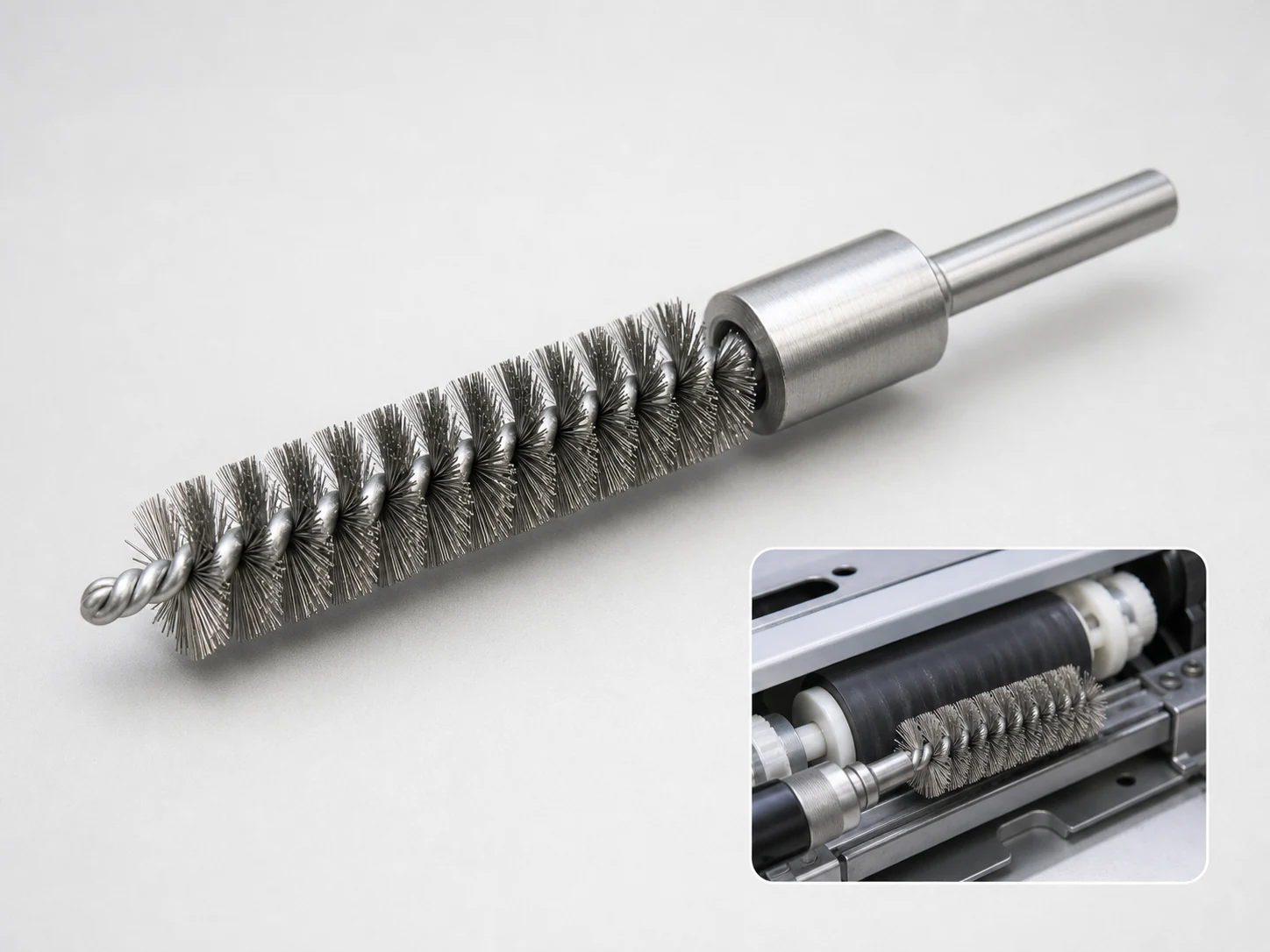
A tire mold cleaning brush is a precision cleaning tool engineered to remove stubborn, baked-on residues from intricate steel mold surfaces. Unlike general-purpose wire brushes, these brushes are specified by bristle material (typically brass or stainless steel), filament pattern, brush geometry, and mounting method to match the exact mold cavity profile, line accessibility, and desired cleaning aggressiveness. The primary targets are the thin steel lines that form tread patterns and tiny vent holes that must stay open for gas escape during curing.
Common Bristle Materials and Brush Types
For the safety point in this section, the relevant OSHA reference is OSHA — Heat Exposure.
For material-selection language, this section is supported by World Stainless — Corrosion Resistance of Stainless Steels.
For tire, wheel, and vehicle-safety context, the relevant source is NHTSA — Tire Safety Ratings and Awareness.
For the safety point in this section, the relevant OSHA reference is OSHA — 1910.177 Servicing Multi-Piece and Single Piece Rim Wheels.
For brush terminology and construction language, this section references American Brush Manufacturers Association — Brush Lingo.
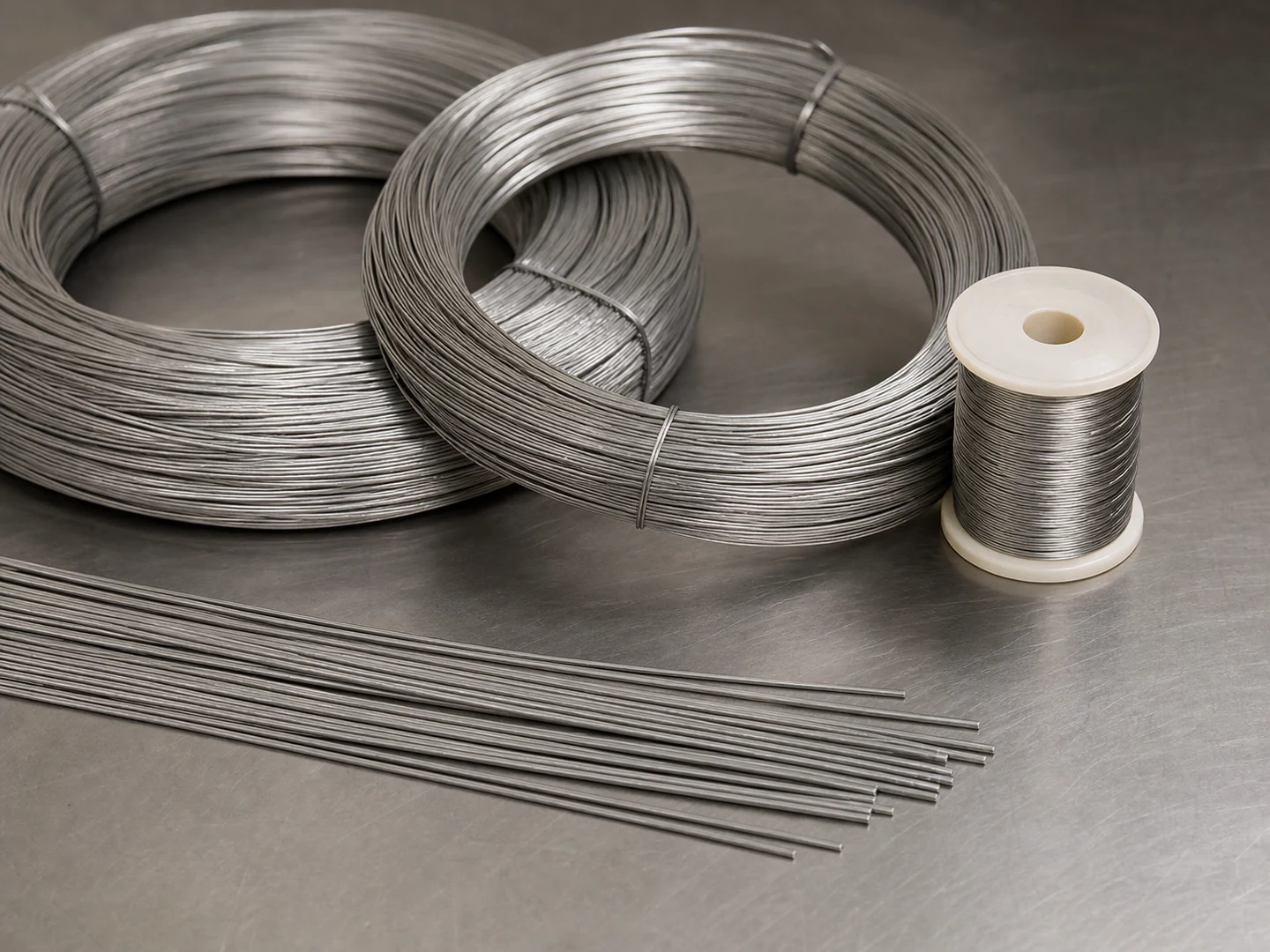
Two bristle materials dominate tire mold cleaning: brass wire and stainless steel wire. Each has a distinct cleaning behavior and risk profile.
- Brass wire brushes – Softer than mold steel (typically Rockwell B 70–80), making them non-sparking and less likely to scratch or score precision surfaces. They are ideal for delicate mold lines, aluminum components, or when a polished finish must be preserved.
- Stainless steel wire brushes – Harder and more aggressive, suited for hardened tool steel molds with heavy carbon deposits or thick release agent layers. They can be used at higher temperatures and resist chemical degradation in wet cleaning systems containing mild acids or alkaline solutions.
Within these categories, brushes come in disc, cylinder, cup, twisted-in-wire, straight wire, and small diameter bore brushes for vent cleaning. The choice of filament trim length, density, and whether bristles are crimped or straight affects stiffness and the balance between cut rate and surface preservation.
Brass vs Stainless Steel Brush: How to Choose
The table below maps the primary selection factors to each bristle type for tire mold steel line cleaning:
| Selection Factor | Brass Wire Brush | Stainless Steel Wire Brush |
|---|---|---|
| Surface sensitivity | Low risk of scratching; safe on polished or soft mold lines | Higher risk of micro-scoring; best for hard, non-cosmetic surfaces |
| Dry / wet operation | Suitable for dry or light lubricant use; can tarnish in acidic solutions | Excellent corrosion resistance; works well in wet, chemical, or steam cleaning setups |
| Temperature exposure | Loses temper above ~450°F (232°C); bristles can soften | Retains stiffness up to ~800°F (427°C) depending on alloy |
| Chemical exposure | Attacked by ammonia, strong acids, and aggressive release-agent solvents | Generally resistant to common tire mold cleaning chemicals |
| Line speed / cycle time | May require more passes for heavy residue; faster wear in high-production environments | Cleans faster per pass; longer brush life under equal load |
| Installation space | Available in compact forms; often used for manual touch-up or dedicated CNC/robotic spindles | Same geometric options; sometimes trim length is shorter due to higher stiffness for equivalent diameter |
| Maintenance / replacement | Bristles shed a brass patina that may need secondary cleaning; replaced more frequently | Shedding is minimal; debris is ferrous and can be managed with magnetic traps in some systems |
When line speed is high and molds are hardened tool steel, a stainless steel brush often provides the required cut without frequent changeover. For molds with softer components, antique finishes, or when non-sparking tools are mandatory, brass is the safer starting point. Many facilities run both types for different mold families.
Key Buying Factors Before Ordering
To avoid mismatched brushes and costly rework, confirm the following details with your maintenance team or engineering department before sending an RFQ:
- Exact dimensions – Outer diameter, inner diameter (if arbor mounted), brush length, trim length, and overall tool clearance. Even 2 mm interference can crash a CNC cleaning spindle.
- Mounting method – Keyed arbor, set-screw, quick-change collar, or threaded interface. In automated cells, this directly affects changeover time and concentricity tolerance.
- Sample or drawing reference – If replacing an existing brush, provide a worn sample or a basic dimensional drawing. For new mold programs, share a 3D CAD step file of the cavity line profile to guide custom brush design.
- Expected cleaning result – Define the required surface cleanliness, e.g., “remove all visible rubber and release agent without altering line radii” or “restore vent hole diameter to 0.5 mm ±0.05 mm.” This sets the aggressiveness target.
- Operational parameters – Specify RPM range, feed rate, whether the process is dry or wet, and any chemical agents used. These influence both bristle material and brush construction (e.g., epoxy-set vs. mechanical crimping).
Common Mistakes in Selecting a Tire Mold Brush
- Choosing by appearance alone – A brush that “looks like” the old one may have different bristle diameter, density, or material, leading to either over-cleaning (damage) or under-cleaning (residue left).
- Ignoring bristle hardness relative to mold steel – Using a stainless steel brush on a relatively soft P20 mold can cause line rounding after only a few cycles; always check the mold material Rockwell hardness against bristle material properties.
- Underestimating wet chemistry interaction – Brass brushes immersed in certain release agent solvents can corrode within hours, contaminating the cleaning bath and shortening brush life.
- Assuming one brush fits all mold cavities – Deep concave lines, tight shoulder radii, and narrow vent holes often need multiple brush profiles; a single brush type can miss residue or jam.
- Neglecting balance and run-out – Slightly bent arbor, uneven bristle trim, or poor manufacturing can cause vibration at 6,000–10,000 RPM, resulting in irregular cleaning and premature spindle wear.
When Brushing Alone Is Not Enough
Wire brushes excel at mechanical line-of-contact cleaning, but they cannot handle every residue scenario, especially in high-volume or deeply contoured tire molds. If you encounter the following, consider a complementary process:
- Vacuum extraction – Integrate a high-flow vacuum nozzle to remove loosened particles immediately, preventing redeposition and reducing airborne dust that can contaminate other mold areas.
- Air knife or compressed air blast – After brushing, an air knife can dislodge fines from blind holes and narrow vents that bristles can’t fully clear.
- Scraper or blade pre-treatment – In molds with thick, carbonized layers, a non-sparking scraper can reduce the burden on the brush and extend brush life.
- Clean-in-place (CIP) spray bars – For automated cells, controlled chemical spraying ahead of brushing can soften residues, reducing required brush aggressiveness and surface impact.
- Ultrasonic or laser cleaning – For molds with extremely tight tolerances, micro-features, or critical cosmetic surfaces, ultrasonic immersion or dry laser cleaning may replace or supplement brushing to avoid any physical contact risk.
Deciding when to combine methods depends on residue thickness, surface finish requirements, and allowable cycle time. A process audit with before/aft surface profilometry can quantify the limit of brushing alone and justify added investment.
Final Takeaway
Selecting a tire mold cleaning brush comes down to answering three straightforward questions: “What material is my mold made of, and how sensitive are the lines?” “What residues am I actually removing, and under what operational conditions?” “Does my cleaning tool need to be gentle or aggressive, and for how many cycles?” A brass brush preserves fine mold geometry and avoids sparking; a stainless steel brush cuts through stubborn carbon faster and survives harsh chemical environments. Most tire plants leverage both, matched to specific mold families and cleaning stations. Confirm dimensions, mounting, and reference samples with your supplier, and consider auxiliary cleaning technologies when brushing reaches its natural performance boundary.
Frequently Asked Questions
Can I use a stainless steel brush on aluminum tire molds?
Using a stainless steel brush on aluminum molds is risky and generally discouraged unless the mold surface has a hard anodized or chemically treated coating. Bare aluminum is softer than the stainless bristle tines and can be easily scratched or gouged. Brass is the safer default for aluminum tooling.
How do I know if my brush is too aggressive for the mold?
Examine the mold line profile under a 10x loupe after a few cleaning cycles. If you see micro-scratches parallel to brush travel, rounding of sharp corners, or a measurable change in line width, the brush is too aggressive. Switch to a softer bristle material, finer filament diameter, or reduced pressure/speed.
Should I specify a brush with crimped or straight wire bristles?
Straight wire bristles are stiffer and cut faster, useful for hard, thick deposits. Crimped wire creates a more flexible brush face that conforms to undulating surfaces and is less aggressive. Many tire mold brushes use a blend for a balance of cut and flexibility. Your supplier can recommend based on a mold tracing.
What is the typical operating RPM for a tire mold cleaning brush?
It varies by brush size and material, but many automated spindles run between 3,000 and 10,000 RPM. Always follow the brush manufacturer’s maximum safe speed rating to avoid bristle breakage. Over-speeding can cause rapid wear and potential safety hazards.
Can a single brush clean both the mold lines and the vent holes?
Not effectively. Vent holes are typically small in diameter (0.5–1.5 mm) and require dedicated bore brushes or pipe cleaner-style brushes. A line-cleaning brush cannot reach deep enough into these holes and may push debris further into the cavity.
What should I do with a worn brush that no longer cleans effectively?
A brush that has lost its cut can sometimes be re-trimmed to expose fresh bristle ends, but only if it is mechanically crimped and designed for reconditioning. Epoxy-set brushes are generally disposable. Evaluate cost versus a new brush, and ensure any re-trimming maintains the original dimensional tolerance.
Can I test a sample brush before placing a full order?
Yes, and it is standard practice. Request a sample matched to your mold contour. Test it under production conditions for at least five to ten cycles, checking cleanliness, surface impact, and brush wear. Many custom brush manufacturers will produce a small lot for trials if a dimensional drawing or CAD file is provided.