
Custom Cleaning Brush
Pet Brush
Custom pet brush for daily dog and cat grooming. Stainless pin, nylon bristle, or rubber heads lift loose hair, dander, mud, and shampoo residue. OEM/ODM.
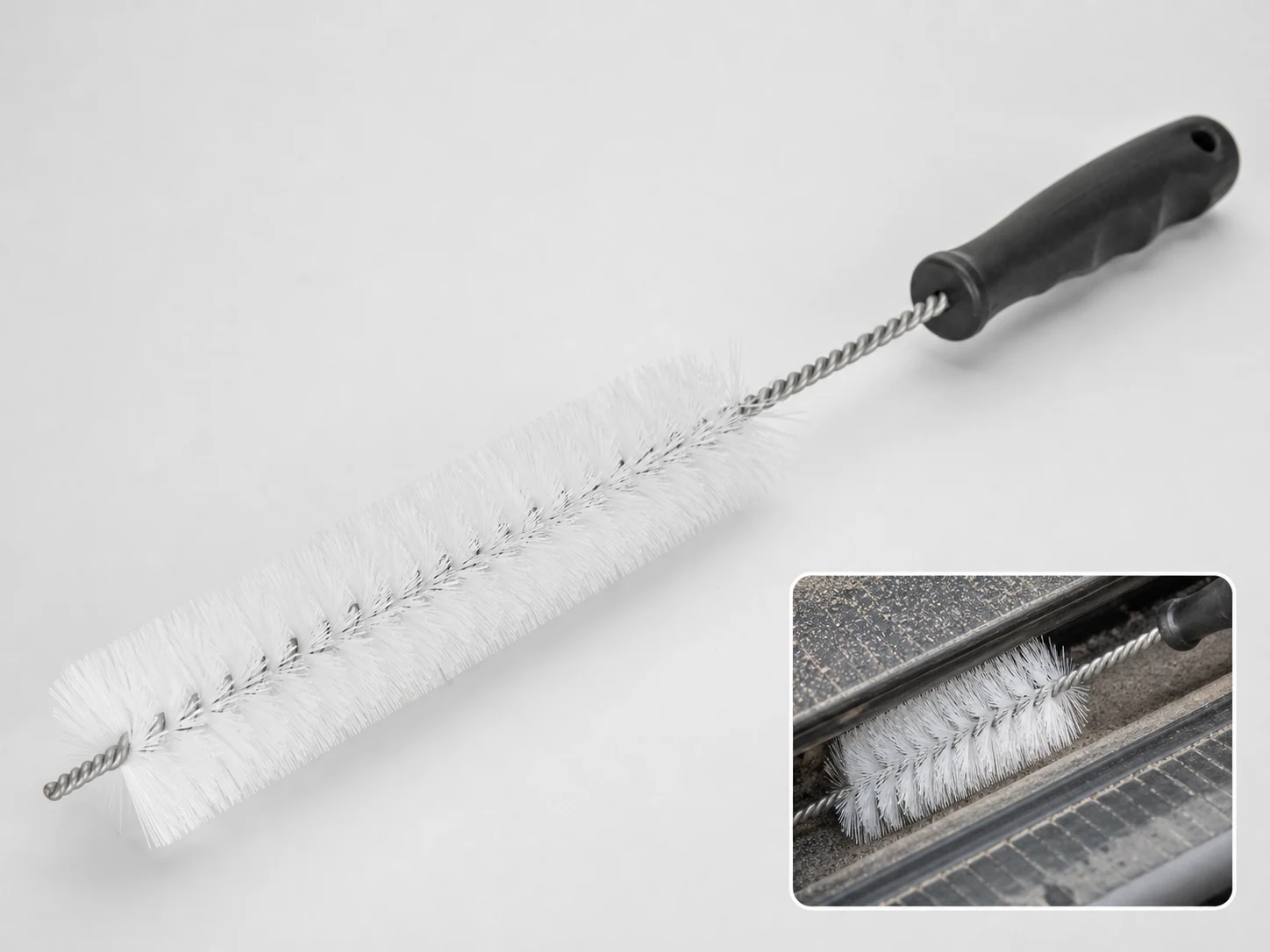
Small brush
500 pcs
Minimum order
Held in one hand: tube, bottle, detail and swab brushes — including long-handled ones with a small head.
Production lead time, once the specification is confirmed
- Up to 500 pcsWithin 7 days
- 501–50,000 pcsWithin 14 days
- Over 50,000 pcsWithin 21 days
Peak season can extend these times; the shipping date is confirmed in writing with your quotation. Sampling and shipping are quoted separately.
Pet Brush is a hand-guided grooming brush built to lift loose hair, dander, mud, dried debris, and shampoo residue from a pet’s coat during dry brushing or bath-time cleaning. The pin, bristle, or rubber contact face is matched to coat type and skin sensitivity, so grooming sessions stay effective without dragging or scratching.
What can this brush do for you?
Lifts Undercoat and Loose Topcoat Hair
The pin or bristle arrangement reaches past the outer guard hairs into the soft undercoat, pulling loose hair and dander to the surface with each stroke. Longer trim lengths on dense or long coats keep contact deeper without pressing the base into the skin, so grooming works in fewer passes.
Cleans Wet Coats Without Clogging
Rounded stainless steel pins or nylon bristles rinse clean between strokes, so wet shampoo residue, mud, and dried debris do not pack into the brush face. The same tool can stay in hand through lathering and rinsing instead of being swapped out mid-bath.
Protects Skin-Adjacent Zones
Rounded pin tips and controlled bristle flex let the brush work along the chest, belly, behind the ears, and at the base of the tail without scratching or irritating thinner skin. Trim length and filament diameter are selected so contact pressure follows the body contour instead of stabbing into it.
Works as a Single Tool Across Coat Stages
One head can be configured for dry coat cleaning and wet finishing in a single session. A double-sided head adds a softer bristle or rubber side for the face, legs, and sensitive areas, so groomers are not switching between three separate tools for one pet.
What is a Pet Brush?
A Pet Brush is a manual grooming tool that uses a configured contact face — typically polished stainless steel pins, nylon PA bristles, or molded rubber/silicone nubs — to loosen and remove loose hair, skin flakes, mud, and shampoo residue from an animal’s coat. It is worked in repeated hand-guided strokes along the direction of hair growth during dry grooming, and through the coat while lathering and rinsing during a bath.
The head width, trim length, tip treatment, and handle shape determine which coat types the brush serves well. In a grooming salon, kennel, veterinary clinic, or retail setting, this is the everyday working tool for keeping a coat clean and tidy rather than a replacement for de-matting rakes, undercoat rakes, or powered deshedding systems. It does not cut hair and does not remove mats.
Technical Specifications
Dimensions and materials below represent the practical configuration range for this brush. We adjust each parameter to the target animal, coat type, and selling channel.
| Parameter | Configuration Range / Value |
|---|---|
| Head width | 50–150 mm, matched to body size and coat area |
| Trim length | 10–30 mm; longer for dense or double coats, shorter for short coats and sensitive areas |
| Pin / filament diameter | 0.2–1.0 mm; smaller for soft bristle or fine-coated breeds, larger for stainless pins |
| Overall length | 150–300 mm, set for handler comfort and reach under the coat |
| Head style | Pin pad, bristle pad, rubber/silicone nub, double-sided, or compact face/head brush |
| Fill material | Stainless steel pins with rounded tips, nylon PA bristles, TPR/TPE or silicone nubs |
| Handle / body material | PP, ABS, ABS with TPE overmold, wood, or custom |
| Use temperature | 5–100°C; confirm material grade for heated disinfection or storage conditions |
| Wet / dry use | Dry brushing, damp coat, and shampoo rinse with matched material selection |
| Cleaning and care | Rinse after wet use, remove trapped hair after each session, air-dry before storage |
| Brush type | Custom Handheld Detail Brushes |
| How it is driven | Hand-guided |
| Cleaning target | daily coat, professional grooming salon and mobile grooming van, and bath-time grooming cleaning |
| Surface or part | pins, and pads |
| Residue or debris | hair, mud, loose hair, shampoo residue, dried debris, dander, cut hair, and skin flakes |
| Mounting / connection | Fixed |
Where does this brush work best?
- Daily coat cleaning for short, medium, and long-haired dogs and cats in homes, kennels, and catteries.
- Professional grooming salons and mobile grooming vans that need repeated wet and dry use on multiple animals each day.
- Bath-time grooming where shampoo must be distributed, mud scrubbed, and residue rinsed from the coat.
- Shorter or smoother coats where a rubber/silicone nub or soft bristle head is easier on the skin.
- Retail and private-label programs for pet supply brands, distributors, and importers needing consistent OEM production and packaging.
How do I choose the right one?
Match the head type to the coat
- Pin pad with rounded stainless pins: long, medium, or double coats; lifts undercoat and loose topcoat hair without dragging.
- Nylon bristle pad: short, smooth coats and finishing passes; gentler on thin coats and skin-adjacent areas.
- Rubber or silicone nub head: wet bath use, short coats, and massage-style loose hair removal.
- Double-sided head: pin plus bristle or pin plus rubber in one tool for multi-stage grooming.
- Compact head: face, paws, and small pets where the full-size head does not reach.
Set trim length and density by coat depth
A longer trim of 20–30 mm reaches through a dense double coat, but the tips must remain rounded and should not bottom out on the skin. A shorter trim of 10–15 mm is more controllable on short coats and sensitive areas. Higher bristle density works fine or silky hair; lower density clears coarse or muddy coats faster.
Size the head and handle to the animal and the operator
The head should cover a useful strip of the body without being so wide it cannot follow around the legs, chest, or tail base. Overall length should let a groomer hold a relaxed grip while reaching the back and hocks. A very small head on a large dog slows the session; an oversized head on a small dog skips contact areas.
Check material compatibility with the grooming environment
Stainless steel pins are durable, cleanable, and suitable for repeated disinfection. Nylon PA bristles are softer and less expensive but need inspection for splaying. Rubber and silicone nubs are ideal for wet use but must be checked against the shampoo and disinfectant chemistry actually used in the kennel or salon. If the brush will be stored in hot conditions, confirm the handle and base material resistance ahead of ordering.
When this brush is the wrong choice
Use a de-matting tool, slicker brush, or undercoat rake when the coat has mats, severe tangles, or compacted undercoat. Use a purpose-built de-shedding tool for heavy seasonal undercoat removal. If embedded burs, thorns, or paint are present, remove them with a comb or scissors first. If the grooming workstation needs powered or automatic coat cleaning, this manual pet brush is not a substitute.
Can I customize this brush?
Pet Brush is a configurable grooming product. To define the right build, provide the target species or breed group, coat type and length, whether the brush is for dry grooming, bath use, or both, the pet size range, and any retail packaging or marking requirements.
We can adjust the following to your project:
- Head geometry: width, length, curvature, oval or rectangular shape, double-sided configuration
- Pin / filament: material, diameter, trim length, density, tip rounding, and mixed-material zones
- Handle / body: PP, ABS, wood, or overmolded TPE grip; hanging loop, thumb rest, and ergonomic contour
- Color and marking: custom color, pad print, laser marking, molded logo, or identification coding
- Packaging: bulk, retail card, box, hang tag, private-label sleeve, or project-specific packing
If your project requires material declarations, inspection support, or third-party testing for a retailer or hygiene program, we can assist with those requirements during the customization process.
When is a pet brush worn out rather than just dirty?
How do I check that a pin brush will not scratch the pet’s skin?
Run the pin tips lightly across the inside of your wrist at the pressure you would use during grooming. If the tips produce a sharp or dragging sensation, the pins are not rounded enough or the trim length is too aggressive for that coat. Brush in the direction of hair growth and avoid lifting the head with a scraping motion at the end of each stroke.
Can this brush be used during the bath without damaging the head?
Yes, when the head is specified for wet use. Stainless pins and nylon bristles generally rinse clean and resist water damage; rubber and silicone nubs should be checked against the shampoo and disinfectant used in your facility. Rinse the brush after the bath and air-dry it fully before storage.
Does this pet brush replace a de-shedding tool?
No. This brush removes loose surface coat and works well between de-shedding sessions, but it does not pull deep undercoat the way an undercoat rake or de-shedding loop does. Use both in the same grooming routine, not one instead of the other.
How do I know when the brush needs replacing?
Replace the brush when stainless pins bend or lose their rounded tips, when bristle filaments stay flattened or splayed after use, or when the base or handle shows cracks. A brush that no longer pushes evenly through the coat, or that traps hair you cannot remove, is no longer cleaning consistently.
How can I verify that the coat is clean after brushing?
Run a fine metal comb behind the brush path. If the comb glides without snagging and no loose hair, dander, or mud particles appear on a white cloth wiped over the coat, the cleaning pass is complete. If debris remains, increase stroke count, adjust the head angle, or select a different pin/bristle length.
What should I check before putting a new batch of brushes into service?
Before use, check that all pins and bristles are fully seated in the base, no sharp burrs or split filament ends are present, and the handle has no cracks or molding flash. Spot-test one brush from the batch on a calm animal or on a fabric test surface. This batch-level check catches variation before brushes reach customers or animals.
Guides that go deeper on this
We have not written a guide specific to this one yet. The material that covers selection, filament, dimensions, maintenance and sourcing is collected in the technical resources library.
Custom Manufacturing RFQ
Describe Your Application
Send the key measurements, cleaning requirement, residue, material direction, mounting method, quantity, and drawing or photo.
Drawing or photo optional — it speeds things up, it does not gate the enquiry.
Custom Brush RFQ
Send Your Brush Project
Upload a drawing, product photo, or sample photo and provide the core dimensions and cleaning conditions.
“We need a brush to remove wet residue from a stainless steel conveyor, about 800mm wide. The current brush wears quickly. We can send photos.”
“We sell drinkware and need a cleaning brush to include with the product. Quantity around 5,000 pieces.”