
Custom Cleaning Brush
Aquarium Glass Cleaning Brush
Aquarium glass cleaning brush for safe algae removal from glass and acrylic panels. Nylon, PBT, or microfiber heads, 230–400 mm reach.
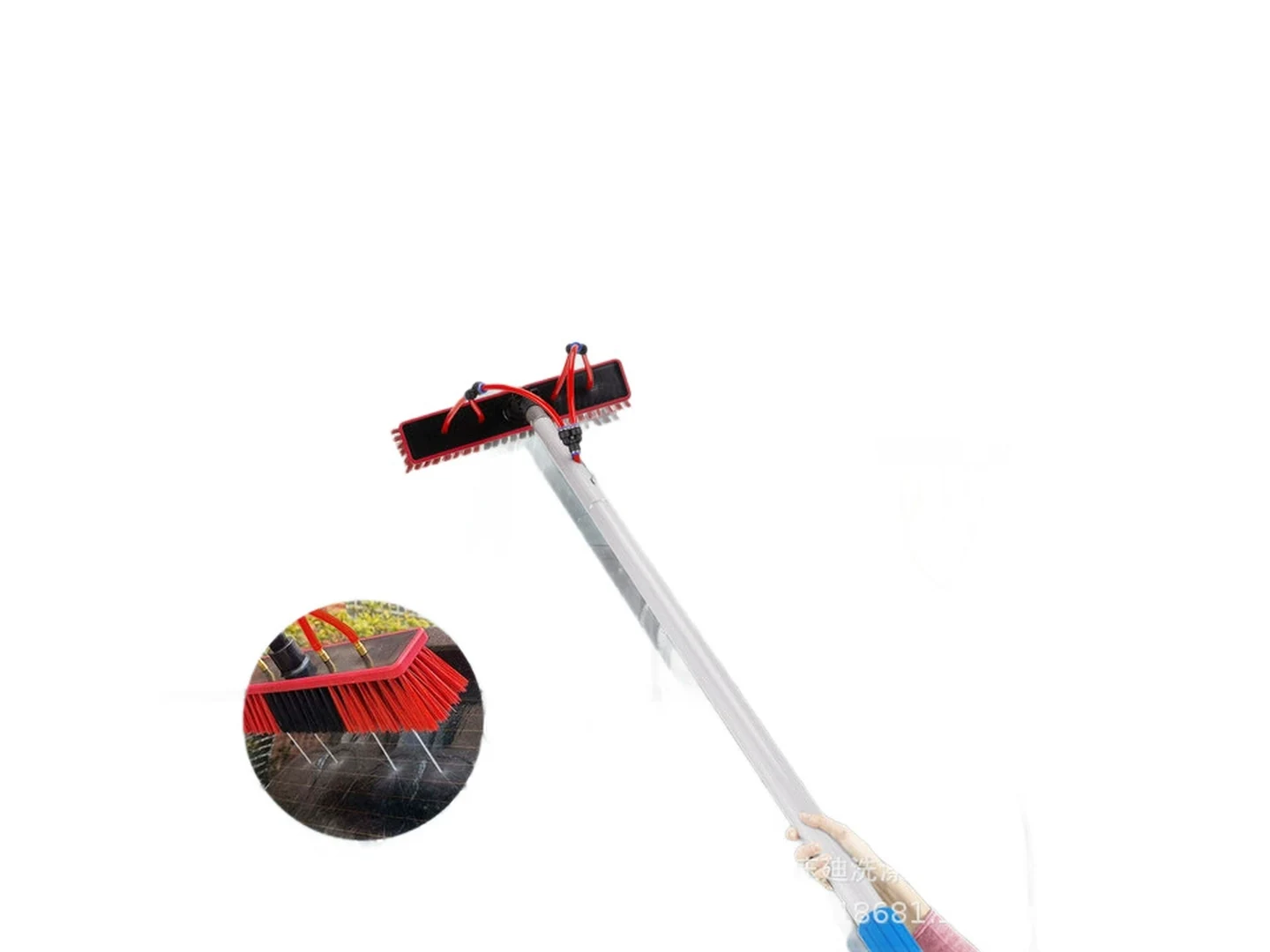
Medium brush
100 pcs
Minimum order
Worked with two hands or on a pole: chimney, gutter and pond-filter brushes, discs, cups and tank brushes.
Production lead time, once the specification is confirmed
- Up to 100 pcsWithin 7 days
- 101–5,000 pcsWithin 14 days
- 5,001–50,000 pcsWithin 21 days
- Over 50,000 pcsConfirmed with your quotation
Peak season can extend these times; the shipping date is confirmed in writing with your quotation. Sampling and shipping are quoted separately.
A long-handled aquarium glass cleaning brush that removes algae and biofilm from interior glass and acrylic panels without scratching, with configurable nylon, PBT, or microfiber contact for saltwater and freshwater tanks.
What can this brush do for you?
Cleans Algae Without Scratching Acrylic or Glass
The contact material is selected for the panel you are cleaning. Nylon and PBT bristles lift green spot algae and diatom film from glass, while microfiber pads wipe soft biofilm from acrylic without leaving micro-scratches. The result is a clear viewing panel without the haze that repeated scraping or wrong-bristle brushes can cause.
Reaches the Bottom of Deep Tanks Without Stretching
With an overall reach of 230–400 mm and a working head length of 70–100 mm, the brush lets an operator clean the lower third of a tall aquarium while keeping their hand clear of the waterline. The handle extends the operator’s reach instead of forcing the arm into the tank and displacing water or stressing livestock.
Works Underwater Without Corroding or Leaching
The handle and head assembly are built from aquarium-safe materials that do not rust, swell, or release harmful substances into the water column. You can scrub fully submerged without worrying that the tool is altering water chemistry or harming fish, invertebrates, or live plants.
Comfortable Grip for Wet, Soap-Free Cleaning
The grip diameter of 15–30 mm and a non-slip contour keep the brush controllable even when the operator’s hands are wet. A secure grip means the brush head stays on the panel instead of slipping into the substrate or sending debris into the water column.
Head Options for Flat Panels, Corners, and Curved Fronts
Straight, angled, and curved head profiles are available so the working edge stays in contact with flat side glass, bowed front panels, and the silicone-sealed corners where algae tends to collect. One handle can accept interchangeable heads, letting a maintenance crew carry fewer tools to the job.
What is an Aquarium Glass Cleaning Brush?
An Aquarium Glass Cleaning Brush is a hand-guided, long-handled cleaning tool used to remove algae, biofilm, and light mineral film from the inside surfaces of fish tanks, display aquariums, and aquatic enclosures. It consists of a working head that carries the cleaning contact, a rigid or semi-rigid handle that provides reach, and a grip section sized for control with wet hands.
During use, the operator lowers the head into the tank and applies light pressure while moving the brush in vertical or horizontal strokes along the interior panel. The bristles or microfiber pad dislodge attached algae, and the motion carries loosened debris into the water column where the filtration system removes it. The brush is used fully submerged, so every component that touches water must be non-toxic, corrosion-resistant, and stable in both freshwater and saltwater conditions.
This is a direct-contact scrubber. It removes attached growth by mechanical action, not by suction or magnetic force. That makes it effective on glass and acrylic, but it also means the operator controls the pressure and the contact angle. A properly selected contact material prevents scraping and preserves the clarity of acrylic panels, which are softer than glass and easily damaged by aggressive tools.
The brush is not a substitute for water changes, filtration, or a magnetic glass cleaner for daily dusting. It is the tool for periodic deep cleaning when algae film, green spot algae, or stubborn biofilm has built up on the viewing surfaces.
Technical Specifications
Standard ranges are shown below. Dimensions, materials, and head geometry can be adjusted to your project.
| Parameter | Value / Options |
|---|---|
| Head width | 30–80 mm, matched to panel size and access |
| Working head length | 70–100 mm, controls the contact area per stroke |
| Overall reach | 230–400 mm, selected for tank depth and operator comfort |
| Grip diameter | 15–30 mm, sized for secure wet-hand control |
| Primary contact materials | Nylon PA, PBT, or microfiber pad; selected by surface type |
| Handle material | Polypropylene PP or stainless steel core with PP overmold, as required |
| Head attachment | Fixed, threaded, or snap-fit interchangeable head |
| Head profile | Straight, angled (30°–90°), curved, or corner wedge |
| Operating environment | Freshwater or saltwater; fully submerged use |
| Brush type | Custom Handheld Detail Brushes |
| How it is driven | Hand-guided |
| Cleaning target | home freshwater and saltwater aquarium, commercial display tank, and public aquarium and zoological exhibit cleaning |
| Surface or part | tanks, glass, panels, pads, corners, columns, flat panels, and profiles |
| Residue or debris | algae, biofilm, and algae film |
| Mounting / connection | Fixed, threaded, or snap-fit interchangeable head |
The contact material is the most important specification for acrylic tanks. Microfiber and very soft nylon are safe for acrylic; stiff nylon or PBT is better reserved for glass panels where tougher algae requires more mechanical action.
Where does this brush work best?
- Home freshwater and saltwater aquariums where the owner needs a manual tool for weekly algae removal from interior glass or acrylic without removing the livestock.
- Commercial display tanks in retail fish stores, restaurants, and office lobbies where staff must clean tall panels quickly and safely between customer viewing hours.
- Public aquariums and zoological exhibits that require long-reach tools for large acrylic windows and curved viewing surfaces, with contact materials that will not compromise optical clarity.
- Aquarium maintenance service companies that clean client tanks on a schedule and need interchangeable heads, durable handles, and tools that withstand repeated immersion and sanitizing.
- Breeding facilities and quarantine systems where biofilm and algae must be removed mechanically without introducing chemicals or cross-contamination between tanks.
How do I choose the right one?
Match the contact material to the panel
Identify whether the aquarium is glass or acrylic. Glass can tolerate nylon or PBT bristles with moderate stiffness and will accept a more aggressive scrub for green spot algae. Acrylic requires microfiber or a very soft nylon contact. Using a stiff bristle on acrylic will leave fine scratches that scatter light and permanently reduce clarity.
Size the head to the algae and the panel width
Wider heads (60–80 mm) cover large flat panels faster and are ideal for commercial displays. Narrower heads (30–50 mm) give better control in curved corners, around overflow boxes, and in smaller home tanks. If the tank has a mix of flat glass and tight corners, an interchangeable head system lets the operator switch without changing handles.
Set the reach from the tank depth
Measure the distance from the top rim to the bottom substrate. The operator’s hand should stay outside the water, but the brush head must reach the lower panel without forcing the handle into the tank rim. A reach 25–50 mm longer than the tank’s interior depth given a comfortable shoulder position is a practical starting point.
Consider the cleaning frequency and residue type
Soft green algae film and daily biofilm wipe off easily with any of the contact options. Hard green spot algae, coralline algae, or mineralized buildup requires more stiffness or a separate scraper. Nylon or PBT bristles will remove soft buildup but will not cut through hardened calcium deposits; a separate glass scraper or razor blade for glass-only tanks is more appropriate for that.
Think about the operator and maintenance routine
A fixed-head brush is simpler and less expensive for a single-tank owner. A threaded or snap-fit head reduces replacement cost for a service company that cleans hundreds of tanks, because only the worn contact is replaced. The grip diameter should fit the operator’s hand comfortably when wet, typically 20–28 mm for most adults.
When to choose a different tool
Use a magnetic glass cleaner for daily dusting between full cleaning sessions. Use a purpose-made acrylic-safe scraper if the acrylic already has hardened deposits that a microfiber pad cannot remove. Use a separate algae pad or sponge for live rock, driftwood, and decorations, because a brush head sized for flat panels will not conform to irregular surfaces. This brush is for flat or gently curved viewing panels, not for textured aquarium décor.
Can I customize this brush?
Aquarium glass cleaning brushes are configurable because tank sizes, panel materials, and maintenance workflows vary widely. To define the configuration, provide the tank material (glass or acrylic), panel width and height, tank depth, the corner or overflow geometry, the type of algae you are removing, and whether the tool will be used in freshwater or saltwater. A drawing or photograph of the tank and the current cleaning tool speeds up the quoting process.
We can adjust:
- Head geometry — width, length, straight or angled profile, curved face, corner wedge, or dual-surface configuration
- Contact material — nylon PA, PBT, microfiber, or a combination of bristle and pad zones on one head
- Handle — overall length, rigidity, PP, overmolded stainless steel core, or fully plastic for metal-free aquarium use
- Grip — diameter, contour, soft-touch overmold, hanging hole, or molded logo
- Head attachment — fixed, threaded, snap-fit, or magnetic quick-change system
- Color and marking — custom color, pad-print or laser marking, private-label branding, or identification coding
- Packaging — bulk, individual polybag, retail hang-tag, display box, or maintenance-kit multi-pack
If your project requires material documentation, safety data, or third-party testing for aquarium contact materials, we can coordinate those requirements during the customization process.
Which filament survives the cleaning and still lasts on an aquarium glass cleaning brush?
Will nylon bristles scratch my acrylic aquarium?
Nylon can scratch acrylic if the bristle is too stiff or the operator applies heavy pressure. For acrylic panels, choose a microfiber contact or a very soft nylon filament with rounded tips. Always test on an inconspicuous lower corner before full use. Glass panels can use standard nylon or PBT without concern.
Can I use this brush in a saltwater aquarium?
Yes, provided the handle and core materials are specified as corrosion-resistant. Polypropylene handles and stainless steel cores with proper grades are suitable for saltwater immersion. Microfiber and nylon contacts are also fine in saltwater. Rinse the brush with fresh water after each use to extend its service life.
How do I clean the brush after removing algae?
Rinse the head thoroughly under running freshwater to remove trapped algae and biofilm. Periodically soak the head in a mild bleach solution (one part bleach to ten parts water) for 10 minutes, then rinse completely with dechlorinated water before returning the brush to the tank. Do not allow bleach residue to remain on the brush. Air-dry fully before storage.
How often should I replace the brush head?
Inspect the head before each cleaning. Replace the contact when bristles become bent, flattened, or lose their spring, or when a microfiber pad becomes matted, discolored, or no longer holds its shape. For a maintenance company cleaning tanks daily, a monthly inspection with replacement on visible wear is typical. A home user with one tank may get six to twelve months from a single head.
Can I use this brush to clean aquarium decorations and live rock?
Not effectively. The flat or gently curved head is designed for smooth panel surfaces. For irregularly shaped decorations, use a separate algae pad, sponge, or a brush with shorter, denser filaments that can conform to crevices. Using this brush on rock or wood will quickly wear out the contact and may tear the microfiber or bend the bristles.
Is it safe to scrub while fish are in the tank?
Yes, the brush is designed for in-tank use. Move slowly and avoid sudden gestures that stress fish or stir up substrate. Turn off powerheads or reduce flow if the debris cloud becomes excessive. The loosened algae will be captured by mechanical filtration, but a partial water change after a heavy scrub helps remove excess nutrients.
Guides that go deeper on this
Custom Manufacturing RFQ
Describe Your Application
To prepare the correct quotation, provide the dimensions, cleaning task, residue, material, mounting details, quantity, and a drawing or photo.
Drawing or photo optional — it speeds things up, it does not gate the enquiry.
Custom Brush RFQ
Send Your Brush Project
Upload a drawing, product photo, or sample photo and provide the core dimensions and cleaning conditions.
“We need a brush to remove wet residue from a stainless steel conveyor, about 800mm wide. The current brush wears quickly. We can send photos.”
“We sell drinkware and need a cleaning brush to include with the product. Quantity around 5,000 pieces.”