
Custom Cleaning Brush
Carpet Machine Brush
Custom carpet machine brush for extractors, CRB, and rotary machines. Nylon, PP, and polyester filament options with machine-specific cores and drives.
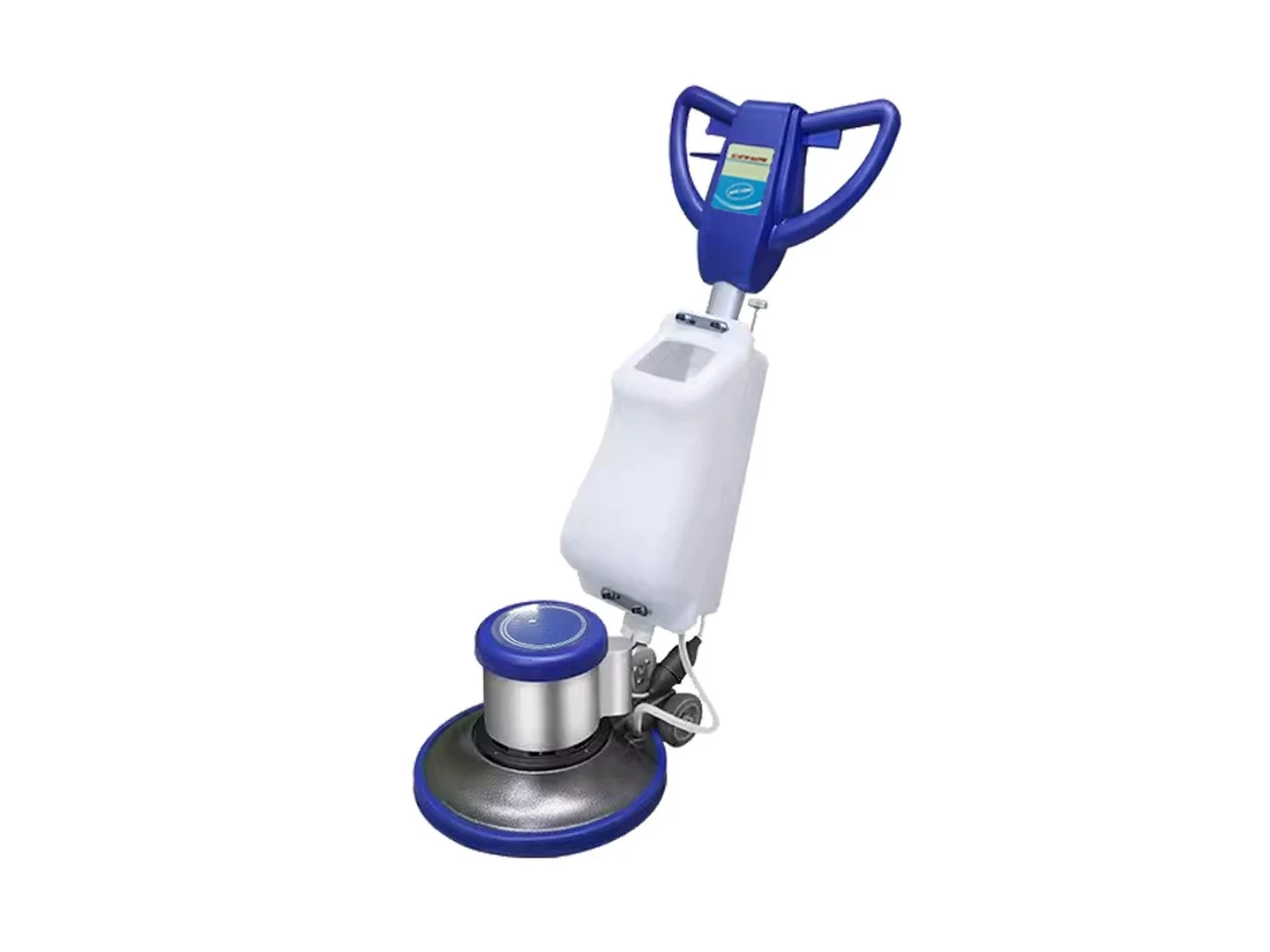
Large-format brush
100 pcs
Minimum order
Built one at a time on a core or channel: full-width rollers, sweeper brooms and long strip.
Production lead time, once the specification is confirmed
- Up to 100 pcsWithin 20 days
- 101–1,000 pcsWithin 30 days
- Over 1,000 pcsConfirmed with your quotation
Peak season can extend these times; the shipping date is confirmed in writing with your quotation. Sampling and shipping are quoted separately.
A powered carpet brush for carpet cleaning machines that agitates pile, lifts embedded soil and fibers, and redistributes cleaning chemistry across the carpet surface. Built as a cylindrical roller or disc to match your extractor, CRB, or rotary carpet machine’s drive, working width, and pile height.
What can this brush do for you?
Works the pile, not just the surface
Filament length, pattern, and stiffness are set to push between carpet fibers and loosen soil, hair, lint, and suspended residue that vacuuming or surface wiping cannot reach. The brush transfers machine power into mechanical agitation at the base of the pile, where extraction needs it most.
Leaves the pile upright and the carpet groomed
After wet cleaning, carpet fibers tend to lie flat or mat, especially in traffic lanes. This brush’s filament direction and grooming action lift the fibers back toward vertical, restore a uniform appearance, and open the pile so drying air and extraction airflow can pass through more freely.
Stays stable in wet chemistry
Nylon, polypropylene, and polyester filament options are selected for contact with carpet detergents, pre-sprays, rinse agents, and water without excessive softening, matting, or bristle collapse. The core and drive hub materials are also matched to wet operating conditions so the brush keeps its shape and balance through the full cleaning cycle.
Mounts exactly to your machine instead of relying on adapters
The core, bore, keyway, lugs, or other drive interface is produced to the machine’s original brush pocket rather than a universal approximation. This reduces vibration, side load, uneven filament wear, and the risk of the brush walking out of the housing during powered rotation.
Retains filaments at operating speed
In a powered brush, loose or poorly anchored bristles end up in the carpet and inside the machine. Our filament anchoring and fill density are built for sustained rotation, so the brush agitates without shedding and without leaving plastic debris that later has to be extracted from the pile.
What is a Carpet Machine Brush?
A carpet machine brush is a powered cleaning tool that mounts into carpet cleaning equipment and uses rotating or counter-rotating filament contact to agitate carpet pile while cleaning solution is present. It can take the form of a cylindrical roller, a flat disc, or a set of counter-rotating brush heads, depending on the machine. The brush does not apply vacuum or extract water itself; it creates the mechanical action that separates soil and residue from fibers so the machine’s vacuum, pad, or extraction system can remove them.
The brush consists of a rigid or reinforced core fitted with staple-set or tufted filament rows. The filament material, diameter, trim length, and pattern are set for the carpet’s fiber type, pile height, face weight, and the cleaning process—encapsulation, bonnet cleaning, hot water extraction, dry compound, or another method. During operation the core transfers torque from the machine drive to the filament tips, which enter the pile, scrub the fiber surfaces, and align the pile in a controlled direction. Penetration depth is set through machine adjustment or brush core diameter so the filament tips work inside the pile without forcing the rigid core into contact with the carpet backing.
This is not a hand brush, not a hard-floor scrub brush, and not a vacuum beater bar. It is designed for machines where the brush is the agitation component of a larger cleaning process. For that reason, every recommended configuration starts from your machine’s drive and housing dimensions, not just the carpet type.
Technical Specifications
| Parameter | Value / Configuration |
|---|---|
| Brush form | Cylindrical roller, disc, or counter-rotating brush set; configured to the machine model |
| Brush outside diameter (OD) | Roller: typically 60–150 mm; disc: typically 330–500 mm; custom diameters available |
| Working width | Matched to the machine cleaning path or brush chamber; custom widths from 100 mm to 1,000 mm+ for rollers, standard 13–20 in. for discs |
| Core / bore / drive interface | Machine-specific: hex bore, keyed shaft, spline, drive lugs, threads, or quick-release hub; PP, PVC, aluminum, steel, or composite core |
| Filament material | Nylon (PA6, PA6.6, PA612), PBT, PET polyester, or polypropylene (PP); selected for pile type and wet/dry process |
| Filament diameter range | Nylon: 0.05–1.2 mm; PP: 0.07–2.0 mm; PBT/PET diameter selected by stiffness target |
| Filament trim length / pile penetration | Set to carpet pile height and machine adjustment; trimmed so filament tips penetrate pile without rigid core contact |
| Fill pattern | Spiral, chevron, straight rows, staggered clusters, or custom pattern; affects agitation, grooming, and solution distribution |
| Fill density | Configurable from light grooming fills to dense agitation fills by filament count per row and row spacing |
| Operating environment | Wet or dry carpet processes; detergent, pre-spray, and rinse agent exposure; continuous operating temperature typically up to 60°C for standard materials, higher with selected core and filament grades |
| Balance | Dynamically balanced for the machine’s rated RPM to control vibration and uneven wear |
| Brush type | Custom Floor Scrubber Sweeper Brushes |
| How it is driven | Machine-driven, mounted in the equipment |
| Cleaning target | carpet extractor and hot-water extraction machine, pile lifter and carpet grooming system, and high-traffic commercial carpet cleaning |
| Surface or part | roller, floors, housings, bores, carpet pile, pads, hubs, and bars |
| Residue or debris | fiber, hair, and lint |
| Mounting / connection | Snap-Fit / Quick-Change Coupling |
The most decision-relevant values to confirm are brush OD, working width, bore or drive interface, filament material and diameter, and trim length. Those parameters determine whether the brush fits the machine and how it contacts the carpet.
Where does this brush work best?
- Carpet extractors and hot-water extraction machines where the brush roll agitates pre-spray and suspended soil just before or during vacuum recovery.
- Counter-rotating brush (CRB) machines for encapsulation, dry compound, and low-moisture carpet maintenance where pile agitation distributes chemistry and lifts crystalline soil.
- Rotary floor machines with carpet discs for bonnet cleaning, shampooing, or post-cleaning pile lifting on commercial carpet.
- Pile lifters and carpet grooming systems that restore crushed or matted traffic lanes and speed drying after extraction.
- High-traffic commercial carpet in hospitality, offices, retail, education, and transit facilities where embedded soil, hair, and lint re-soil the surface quickly.
How do I choose the right one?
Confirm the machine interface first
Measure the existing brush core, bore, drive lugs or keyway, overall length, and housing clearance. The brush must match the machine’s drive exactly; shims or adapters cause wobble, uneven wear, and early failure. If you have an OEM part number, include it with your inquiry.
Match filament to the carpet and process
Nylon filament offers strong recovery and consistent agitation, and works well for general cut-pile and loop-pile carpet. Polypropylene is hydrophobic, chemical-resistant, and lighter, which makes it a good choice for wet chemistry and delicate fibers when stiffness can be kept lower. PBT and PET polyester retain stiffness when wet longer than nylon and resist many detergent formulations, so they suit repeated wet extraction and higher-moisture processes. The exact filament diameter and trim length should be set so the tips flex against the fiber without digging into the backing.
Set brush aggressiveness to the carpet face
A denser, stiffer, shorter-trim fill delivers more agitation and is appropriate for matted, high-traffic commercial carpet with heavy soil. A longer, finer, more flexible fill opens the pile and grooms without overworking wool, olefin, or lower-face-weight carpet. Test a hidden area before full production runs: excessive fuzzing, fiber pull-out, or visible distortion means the brush is too aggressive for that carpet.
Decide roller vs disc from the machine, not the carpet
A cylindrical roller suits extractor and CRB machines where the brush rotates across a defined cleaning path. A disc brush suits rotary floor machines that orbit or spin a replaceable brush head. Counter-rotating sets are used in machines designed for two-brush contact. Choose the form the machine is built to accept, then configure the filament for the carpet.
When another tool is the better answer
Use a hard-floor scrub brush for tile, concrete, or vinyl; carpet brushes are not interchangeable with hard-surface pads or brushes. If the carpet is heavily gummed, oil-soaked, or has hardened deposits, pre-spotting or chemical treatment must do the initial breakdown work—the brush agitates, but it does not replace chemistry. For very delicate handmade or antique rugs, a hand brush or low-pressure hand grooming tool may be safer than powered agitation.
Can I customize this brush?
Carpet machine brushes are configuration-driven products. We build the brush to match your machine, carpet type, and cleaning process, rather than forcing a predetermined design onto your equipment.
- Brush form and geometry — cylindrical roller, disc, counter-rotating set, segmented sections, brush OD, working width, core length, and hub placement.
- Core and drive interface — hex bore, keyway, spline, drive lugs, threaded hub, quick-release mounting, or a machined interface copied from your existing brush; core material in PP, PVC, aluminum, steel, or composite.
- Filament system — nylon, polypropylene, PBT, or PET polyester; filament diameter, trim length, stiffness target, color, fill density, and fill pattern including spiral, chevron, straight, staggered, or custom.
- Contact tuning — pile penetration depth, edge feathering, end treatment to protect carpet edges, and density zones for traffic-lane or edge-heavy wear.
- Marking and color — part number marking, brand imprint, filament color coding, or process color identification.
- Packaging — bulk pack, individual box, labeled sleeve, or project-specific packing for distribution or replacement markets.
To define your configuration, we need the machine make and model, OEM brush part number if available, brush OD and working width, core/bore or drive measurements, operating RPM, carpet pile type and height, wet or dry process, and the cleaning chemicals used. A drawing, photo of the existing brush, or a sample brush speeds up matching.
If your project requires material documentation, inspection reports, or third-party testing support, we can coordinate those requirements during the customization process.
How do you confirm a carpet machine brush has actually cleaned the surface?
How do I confirm the brush matches my machine?
Compare the brush core bore or drive ID to the machine shaft, confirm the OD fits the housing with clearance, and check that the overall working width matches the cleaning path. If you are replacing an existing brush, measure the old part and compare all dimensions. After installation, spin the brush by hand to verify it rotates freely without contacting the housing or end caps.
How do I know if the brush is too aggressive for my carpet?
Run a short test on a hidden or low-visibility area. Look for fuzzing, pulled fibers, loop distortion, a shiny or flattened appearance, or filament fragments left in the pile. If any of these appear, reduce machine pressure or switch to a finer filament, longer trim, or lower fill density.
Why choose a brush over a bonnet or cleaning pad?
A bonnet or pad contacts only the top of the pile. A carpet machine brush reaches between the fibers and agitates soil at the base of the pile, so it can remove embedded debris and restore pile direction in ways surface-only contact cannot. Choose the brush when soil is trapped inside the pile or when grooming after extraction is a requirement.
Can the same brush be used for both wet extraction and dry compound processes?
Not automatically. Wet extraction may favor filament that retains stiffness when wet, while dry compound processes may require a different density or trim length for effective compound distribution. One configuration can work for closely related processes, but confirm the filament material and density with the specific chemistry and moisture level before assuming interchangability.
How should I store and inspect brushes between jobs?
Rinse the brush after wet use and remove hair, lint, or wound fibers with a comb or pick. Store the brush off its bristles or supported under the core so the filament does not take a permanent set. Before reuse, check the core for cracks, confirm filament rows are intact, and spin the brush to verify it remains balanced.
Guides that go deeper on this
Custom Manufacturing RFQ
Describe Your Application
An accurate custom quote starts with the dimensions, working surface, residue, material choice, connection, quantity, and reference files.
Drawing or photo optional — it speeds things up, it does not gate the enquiry.
Custom Brush RFQ
Send Your Brush Project
Upload a drawing, product photo, or sample photo and provide the core dimensions and cleaning conditions.
“We need a brush to remove wet residue from a stainless steel conveyor, about 800mm wide. The current brush wears quickly. We can send photos.”
“We sell drinkware and need a cleaning brush to include with the product. Quantity around 5,000 pieces.”