What Is a Foil Cleaning Brush?
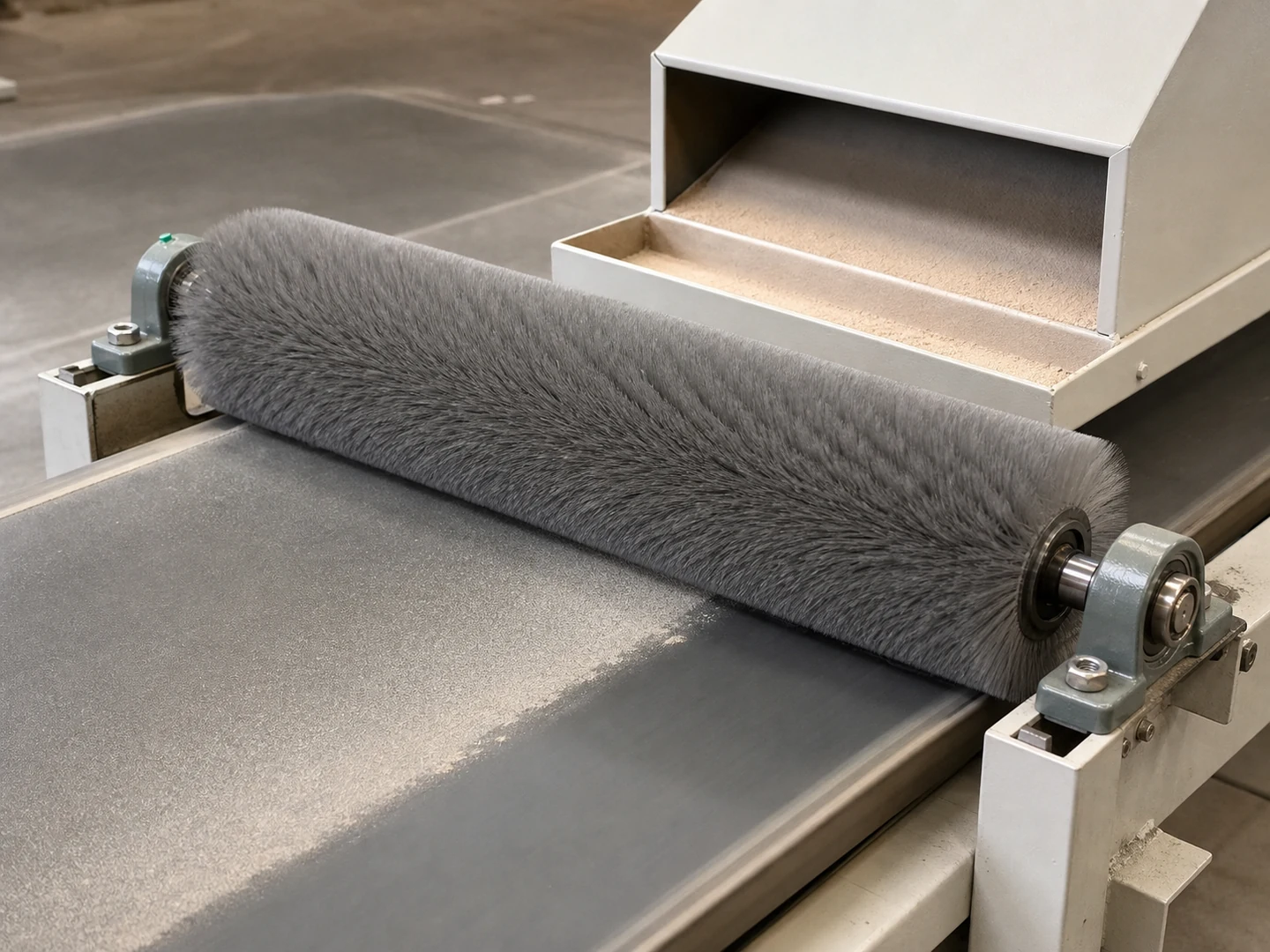
A foil cleaning brush is a contact or near-contact cleaning tool that uses engineered bristles or fibres to remove dust and contaminants from the surface of thin metal foils. Unlike heavy‑duty wire brushes meant for pipes or terminals, these brushes are tuned for scratch prevention and often include static‑control features. They are found wherever copper and aluminium foils are unwound, coated, laminated, or fed into precision processes—places where a single scratch can cause a reject.
Common Types of Foil Cleaning Brushes
Not all cleaning brushes are equal. The main categories differ by bristle material, conductivity, and cleaning mechanism:
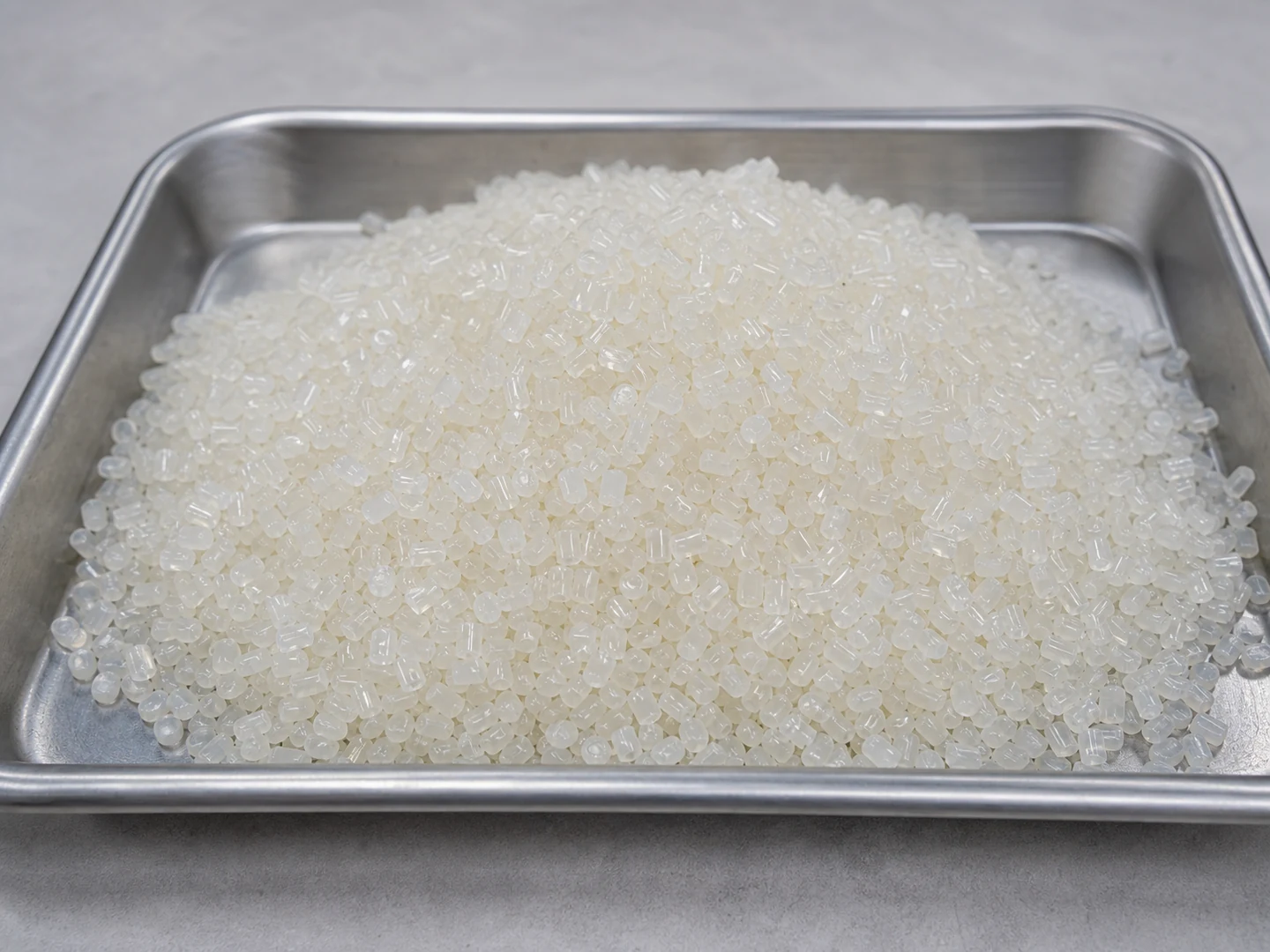
- Soft Nylon Bristle Brushes: Economical and widely available. They work well on thicker foils where static generation is not a primary concern.
- Natural Hair Brushes (e.g., horsehair): Extremely soft tips reduce scratch risk on delicate films but offer no built‑in static control.
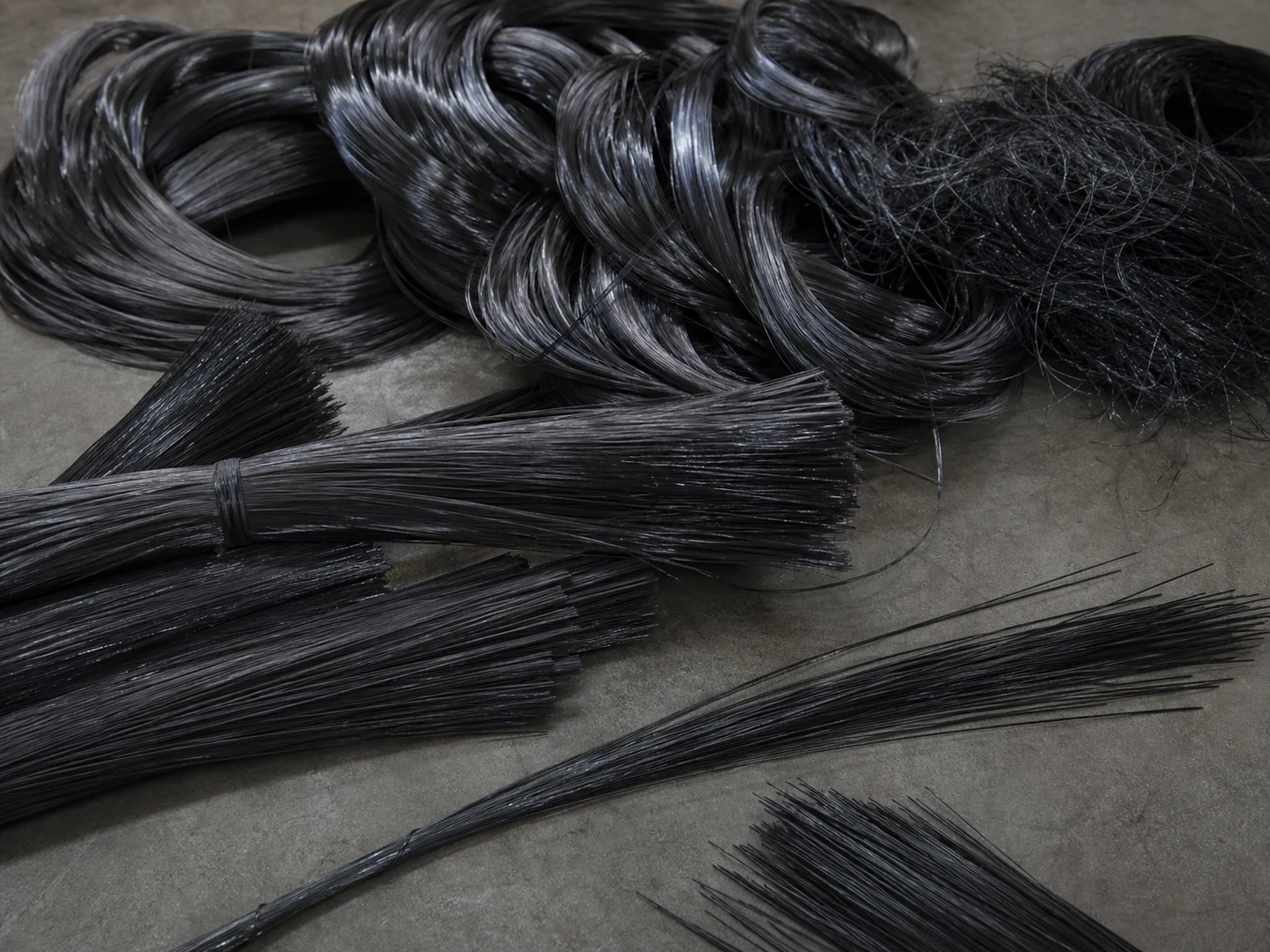
- Carbon Fiber Antistatic Brushes: Conductive carbon bristles that dissipate static charges while brushing. A favourite in electronics and battery foil lines.
- Conductive Fiber Brushes: Often metal‑infused fibres that require active grounding. Used where static must be removed rapidly, such as in ATEX environments.
- Non‑Contact Methods (Air Knives, Vacuum, Ionizers): No bristles touch the foil. Ideal for ultra‑thin or coated foils but may not remove sticky particles as effectively.
Brush Type Comparison Table
| Brush Type | Best For | Scratch Risk | Static Control | Typical Use Cases |
|---|---|---|---|---|
| Soft Nylon Bristle | Thicker foils, low‑sensitivity cleaning | Low–Medium | None (may generate static) | General aluminium foil, packaging |
| Natural Hair (e.g., horsehair) | Delicate foils where static is acceptable | Very Low | Low | Optical films, thin copper |
| Carbon Fiber Antistatic | Static‑sensitive foils in electronics | Low | Conductive, dissipates charge | Flexible printed circuits, battery electrode foils |
| Conductive Fiber (e.g., copper‑infused) | High‑static environments, ATEX zones | Low–Medium | Active grounding required | Lithium battery foil cleaning |
| Non‑Contact (Air Knife/Vacuum) | Zero mechanical contact required | None | Depends on ionization | Ultra‑thin foils (< 10 µm), coated foils |
How to Choose a Foil Cleaning Brush
Walk through these factors before buying or spec’ing a brush:
- Foil Thickness: Thinner foils (< 10 µm) demand softer bristles or non‑contact solutions. Heavy‑gauge foils (> 50 µm) can tolerate slightly firmer bristles.
- Surface Sensitivity: Bare copper oxidizes and scratches more easily than bare aluminium. Coated foils (e.g., with chromate or carbon coating) may be even more scratch‑prone.
- Coating Stage: Brushing before a wet coating can tolerate slightly more contact than after a delicate functional coating has been applied.
- Static Control Requirements: In electronics or cleanrooms, antistatic or conductive brushes are non‑negotiable to prevent particle re‑attraction.
- Dust Type: Dry, powdery dust responds well to carbon fibre brushes. Sticky or oily residues may require a different cleaning approach altogether.
- Contact Pressure: Any brush can scratch if pressed too hard. Look for brush mounts that let you dial in the lightest effective pressure.
- Line Speed: High‑speed webs may need a brush with more active compensation (oscillation, vacuum assist) to remove dust before it re‑deposits.
Setup and Operation Factors That Affect Scratch Prevention
Even the perfect brush will cause scratches if it is not set up correctly:
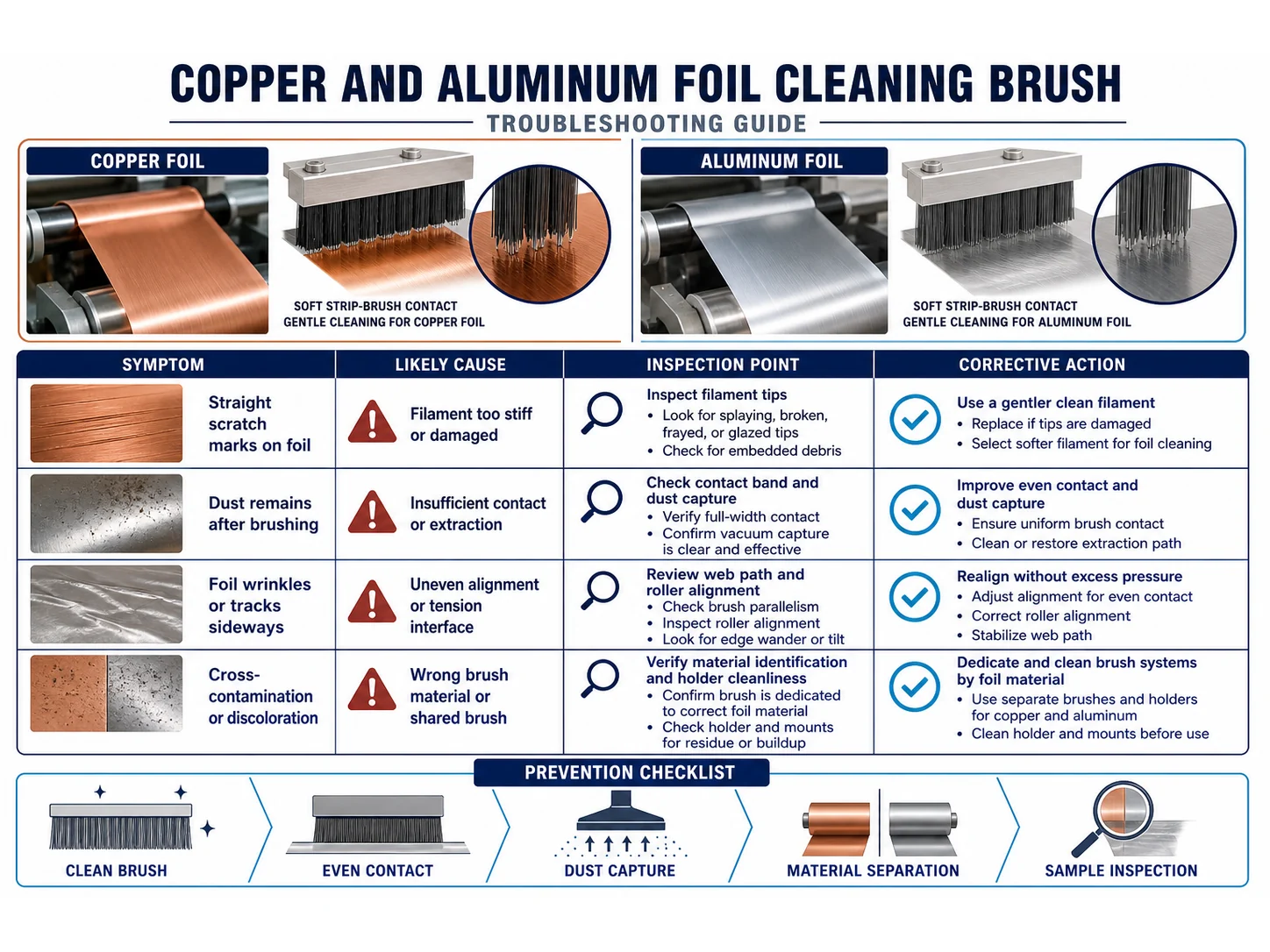
- Brush Height and Parallelism: Misaligned brushes apply uneven pressure across the web width.
- Oscillation: Oscillating the brush across the web prevents wear patterns and spreads dust pickup.
- Grounding: Conductive brushes must be grounded to a reliable earth; a floating conductive brush can become a static generator.
- Brush Cleaning: The brush itself must be cleaned or replaced regularly—bristles loaded with abrasive dust turn into a sanding tool.
- Environmental Control: Operating in a cleanroom or HEPA‑filtered enclosure reduces the dust load and extends brush life.
Common Mistakes When Cleaning Copper and Aluminum Foil
- Using a Wire Brush for Foil: Metal bristles (brass, steel, or copper) will scratch, gouge, or deform thin foils. Wire brushes are for pipes and battery terminals, not delicate webs.
- Excessive Contact Pressure: Many operators set the brush gap too tightly, causing bristle abrasion instead of gentle dust sweeping.
- Neglecting Static Control: A non‑conducting brush on plastic foil creates a static charge that pulls dust back to the surface immediately after cleaning.
- Running a Contaminated Brush: Once bristles embed particles, the brush becomes a source of scratches—inspection and cleaning cycles are mandatory.
- Ignoring the Difference Between Copper and Aluminum: Copper is softer and more reactive; aluminium is harder but galling can occur. The same brush may behave differently on each metal.
- Choosing by Nominal Material Only: “Carbon fibre” covers a wide range of fibre diameters and fillers. Validate the exact grade for your foil.
When Standard Foil Cleaning Methods Aren’t Enough
In processes like lithium battery electrode coating, semiconductor packaging, or ultra‑barrier film lamination, the cleanliness requirement is absolute. If you are dealing with the required cleanroom level cleanrooms, nanometre‑scale surface roughness, or flammable solvent atmospheres, a standard off‑the‑shelf brush may not be sufficient. You will need:
- Full validation data (particle test results, scratch density, static decay curves).
- Cleanroom‑compatible materials with ultra‑low outgassing.
- Integration with ionized air knives or vacuum extraction to handle ultrafine particles.
- Process‑specific brush development with an experienced supplier who understands your substrate and throughput.
In these cases, treat brush selection as an engineering project, not a commodity purchase.
Final Takeaway: Building a Reliable Foil Cleaning Process
A well‑chosen foil cleaning brush is one that removes dust consistently without adding scratches, and it does so at your required line speed. Start with your foil’s gauge and sensitivity, match it to a brush type (soft nylon, carbon fibre antistatic, or non‑contact), then control pressure, grounding, and brush maintenance. Test under real production conditions, and keep spare brush rolls on hand. A small investment in the right cleaning setup pays off in higher yield and fewer customer returns.
When a Foil Cleaning Brush Is the Wrong Choice
This brush is not enough when the main problem is blocked access, unsafe working conditions, damaged equipment, incompatible chemicals, or a process setting that keeps recreating the residue. In those cases, review access, residue type, surface sensitivity, brush stiffness, operating environment, and replacement routine and confirm the surrounding cleaning method before increasing brush stiffness or contact pressure.
Frequently Asked Questions
Will a soft bristle brush scratch copper foil?
A soft nylon or natural hair brush can run contact‑free enough to avoid scratching, but if the bristle tips become contaminated or the contact pressure is too high, even soft bristles can leave fine marks. Always inspect a sample under a microscope before committing to a production run.
What type of brush removes dust without static on aluminum foil?
Carbon fibre antistatic brushes are specifically designed to dissipate static charges while the bristles lift dust off the foil surface. They are commonly used on aluminium foils in capacitor and battery manufacturing.
Can I use a wire brush to clean copper foil?
No. Wire brushes—whether brass, steel, or copper—will scratch, tear, and deform thin copper or aluminium foils. They are intended for heavy‑duty cleaning on rigid parts, not delicate metal webs.
How do I know if my foil cleaning brush is creating scratches?
Run a blank foil sample through the cleaning station and inspect it under oblique light or a low‑power microscope. Parallel lines indicate bristle drag. You can also monitor surface roughness before and after the process.
Is a non‑contact air knife better than a brush?
An ionized air knife is safer for ultra‑thin (< 10 µm) or coated foils where any contact may cause defects, but it may not remove sticky or fibrous particles as effectively as a gentle rotating brush. The best choice depends on your contamination type and substrate tolerance.
What’s the difference between antistatic and conductive brushes?
Antistatic brushes slowly dissipate charge to prevent buildup. Conductive brushes actively ground the bristles through a low‑resistance path and are used where static must be removed almost instantly, such as near flammable solvents or in fast‑moving webs.
How often should I replace a foil cleaning brush?
There is no fixed interval, but replace the brush when you see visible bristle wear, loss of conductivity, or persistent contamination that cleaning cannot remove. On high‑speed lines, a weekly inspection is typical; actual replacement may happen every few months or after several hundred kilometres of web.
Technical References
- OSHA — Combustible Dust
- EPA — Particulate Matter Basics
- Copper Development Association — Electrical Conductivity of Copper
Which bristle material fits this job — Nylon PA, Carbon Fiber or Horsehair?
| Material | Continuous temperature (°C) | Peak temperature (°C) | Water absorption |
|---|---|---|---|
| Nylon PA | 93 | 121 | 0.3–9% by PA grade and conditioning |
| Carbon Fiber | 200–350 | 400–500 | ≤0.10% |
| Horsehair | 60–80 | 100–120 | 8–15% |
Figures as published by Brushtec / DuPont. Confirm the exact grade against the supplier datasheet before ordering.
What should replace Nylon PA when it stops working?
- Nylon PA — Compare Nylon PA with PP, PBT, PET. Change material when wet stiffness, temperature, chemical resistance, conductivity, particle shedding, or surface marking becomes the limiting factor.
- Carbon Fiber — Compare Carbon Fiber with Conductive nylon, anti-static filament, stainless micro-wire, standard nylon. Change material when wet stiffness, temperature, chemical resistance, conductivity, particle shedding, or surface marking becomes the limiting factor.
- Horsehair — Compare Horsehair with Boar bristle, goat hair, microfiber. Change material when wet stiffness, temperature, chemical resistance, conductivity, particle shedding, or surface marking becomes the limiting factor.