Returns and rework in a tire bay are usually blamed on the tire, the wheel or the mounting machine. Lubrication is the variable that gets checked last, and it is one of the cheapest to fix. This article sets out how bead lubrication is connected to comebacks, and why the applicator — not only the lubricant — decides the outcome.
What incorrect lubrication actually costs
Tire Review, writing on common tire mounting mistakes notes that too little lubricant lets the bead drag and twist during mounting, while too much of it, or the wrong type, can contribute to tire-to-rim slip. Neither failure announces itself at the mounting station; both come back later.
| Lubrication fault | What happens at the machine | What comes back later |
|---|---|---|
| Too little lubricant | Bead drags and twists over the rim flange | Internal bead damage that may not show until the tire is in service |
| Too much lubricant | Tire slips on the rim under acceleration or braking | Vibration complaints, balance problems, repeat visits |
| Wrong lubricant type | Chemical attack on rubber, or a residue that never dries | Bead degradation, persistent slip, safety exposure |
| Lubricant outside the bead zone | Reduced grip between tire and wheel | Higher likelihood of tire/wheel slippage |
The mechanism: why lubrication protects the bead
The bead is the most structurally critical part of the tire — high-tensile steel wire wrapped in rubber compound, sized to lock against the rim flange. During mounting it has to stretch slightly to pass the flange, then contract into the bead seat.
The purpose of a bead lubricant is to reduce friction temporarily between the rubber bead and the metal rim so those two surfaces can slide against each other while the mounting head deflects the bead over the flange and down into the drop centre. Tire Review’s discussion of mounting lubrication describes this as the whole basis of the operation.
Without enough lubricant the rubber-to-metal friction is too high, the bead cannot slide, and the machine simply applies more force. Three things follow from that:
- The bead drags and twists. Internal damage is done during mounting but appears in service, often after the vehicle has left.
- The bead chips. Excess friction at the flange can chip the bead surface, which lets air migrate into the inner liner.
- The bead seats unevenly. A bead that is not fully and evenly seated produces slow leaks, balance problems, or vibration.
This matters most on tubeless radials. The beads are thick, and the smooth rubber sealing surface is what holds inflation pressure — there is no tube behind it to cover a defect.
The three faults that generate most of the rework
Too little lubricant
The bead drags and twists, the technician compensates with force, and the damage is internal. Nothing looks wrong when the tire leaves the bay, which is exactly why this fault is expensive: the comeback arrives detached from its cause.
Too much lubricant
Over-application, or application outside the heel-to-toe zone, reduces friction between bead and wheel and lets the tire rotate on the rim under torque. Toyo’s technical bulletin on tire/rim slip identifies excessive lubricant as a major cause of tire/wheel slip in its test programme: all test tires slipped after over-lubrication, and one monitored shop measured roughly 3 inches of slip 12 hours after mounting, which produced a ride complaint.
The wrong lubricant
- Petroleum-based products, including grease — these chemically attack and soften the bead rubber. They are not tire lubricants.
- Solvent-based products — these can form hazardous vapour mixtures inside the sealed air cavity as well as damaging rubber.
- Silicone-type products — these are avoided where rim slippage is a concern, because they do not lose lubricity as they dry.
Tire Review describes vegetable-oil or animal-fat-based mounting lubricants, with an appropriate solids content and a corrosion inhibitor, as the preferred formulation in the truck-tire context. The property that matters is asymmetric: very slippery while wet, no residual lubricity once dry, so the bead is free during mounting and gripped afterwards. Use the product approved for the tire and wheel service procedure you are actually running.
Why the applicator decides whether the process is repeatable
Choosing the right lubricant does not by itself control how much of it reaches the bead. That is a function of the applicator, and most bays are using one that was never designed for the job.
- Dauber pots with an integrated brush flood the bead area. The surplus runs onto the sidewall and tread and dries into a sticky film that collects dirt and complicates the next tire change.
- Spray applicators are fast but uneven. The pattern tends to miss the underside of the bead and to under-apply at the rim flange, while overspray coats the sidewall and the floor.
- Rags and sponges are inconsistent and slow, and operators tend to under-apply to keep their hands out of the lubricant.
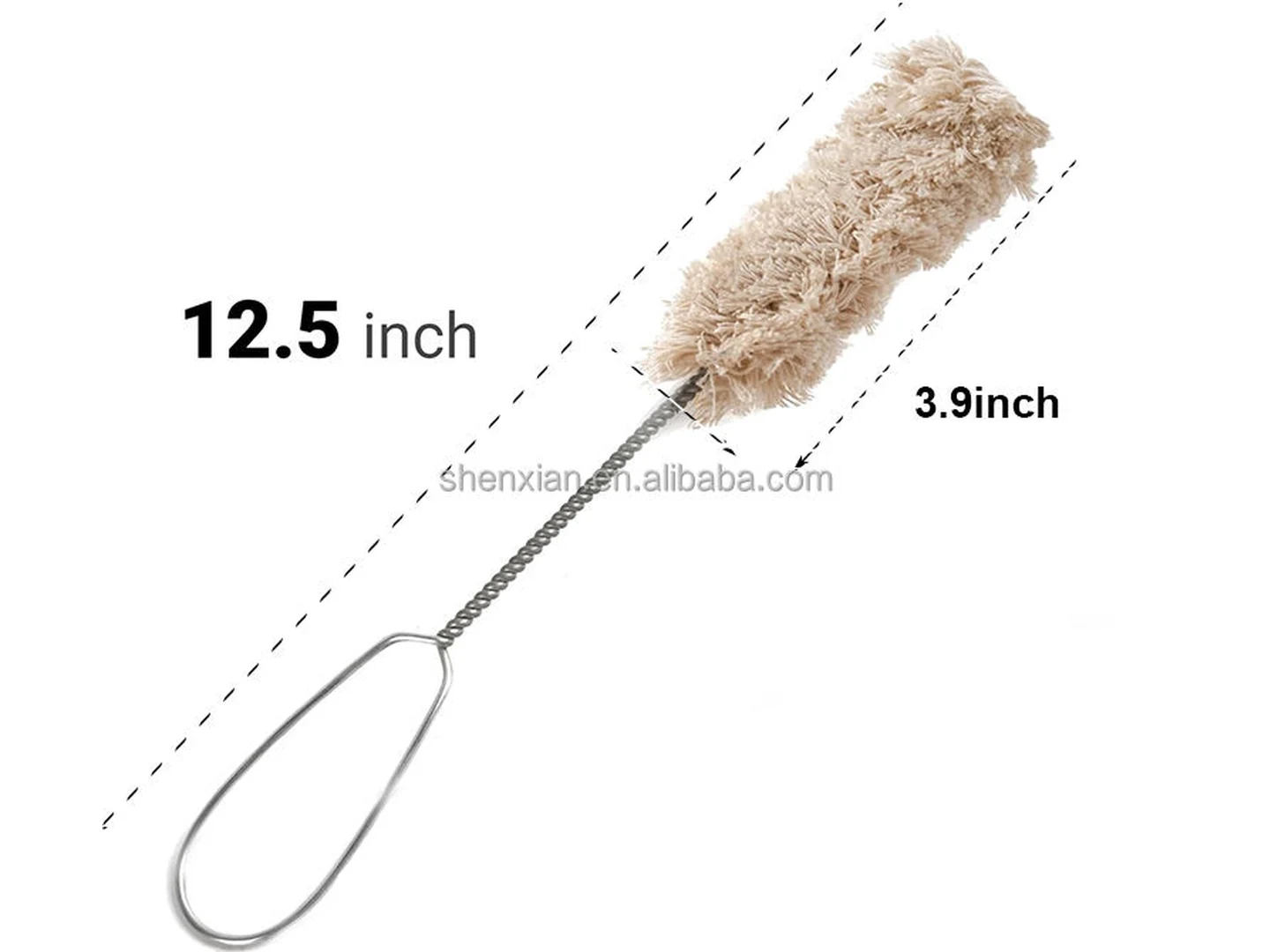
A bead lubricant swab addresses the same job from the other direction — it holds the lubricant inside an absorbent head and lays it down along a contour:
- Controlled pick-up and release. The absorbent cotton head carries a working volume of lubricant and releases it over several passes, so the operator is not returning to the container between beads.
- Placement rather than coverage. The head is drawn along the bead seat and rim flange, which puts lubricant on the target band instead of on everything near it.
- Full circumference in one pass. The head follows the bead contour, so the contact zone named by the service procedure is covered continuously rather than in patches.
- A cleaner station. Lubricant stays off the sidewall, the tread, the floor and the operator’s hands.
The placement point is the one with a published rule behind it: a GM service bulletin hosted by NHTSA specifies heel-to-toe bead lubrication and warns that lubricant applied outside that zone can increase slippage. A tool that can hit a defined band is the difference between following that instruction and approximating it.
Where the rework actually shows up
Leak-related comebacks
A tire leaking through the bead area has to be demounted, the rim cleaned, the bead re-lubricated, remounted, rebalanced and refitted. Correct lubrication reduces this class of comeback by getting the bead fully seated and sealed on the first attempt.
Bead-damage comebacks
A torn, twisted or internally damaged bead rarely fails immediately. It fails later, and it is difficult to diagnose because the damage is not visible from outside. Lubrication that lets the bead slide instead of stretch is what prevents it.
Vibration comebacks
A tire that seats unevenly can balance correctly on the machine and still vibrate at highway speed. Where slippage is severe, the match-mounting and balancing work already done is invalidated, because the tire is no longer in the position it was balanced in.
Implementing a controlled lubrication process
- Standardise on one applicator across every mounting station, so the process is the same on every shift.
- Use an approved mounting lubricant. Michelin’s truck-tire service manual recommends approved mounting lubricant and warns against petroleum-based products, silicones and antifreeze; mix concentrates exactly as the product instructions specify.
- Apply sparingly and only within the zone the procedure names. Saturation is not the goal; a consistent sliding surface with no surplus left inside the air cavity is.
- Train the motion, not just the tool. One pass around the bead, one pass around the rim flange, the same way every time.
- Seat beads within the pressure limit. A service bulletin hosted by NHTSA instructs that 40 psi is not to be exceeded while the beads are unseated, and that the assembly is to be deflated, re-lubricated and attempted again if they do not seat.
- Measure it. Record leak-, seating- and vibration-related rework before and after standardising, and judge the change from your own service data.
The whole operation sits inside the scope of OSHA 1910.177, Servicing multi-piece and single piece rim wheels, so the training, equipment and procedure requirements there apply to the technician doing the lubricating as much as to the one operating the cage.
Frequently Asked Questions
How can I tell if too little lubricant is being used?
The bead drags, squeaks or needs unusual force to pass the rim flange. A correctly lubricated bead moves under moderate pressure. If you meet resistance, stop and apply lubricant evenly around the full circumference before continuing rather than pushing through it.
How can I tell if too much is being used?
Lubricant drips off the tire, pools in the rim well, or is visible on the sidewall or tread after mounting. The correct amount leaves the bead and flange uniformly wet or tacky and nothing surplus inside the air cavity once the beads are seated.
Does a better applicator really change the return rate?
It changes the variance, which is what drives returns. Lubricant volume and placement are the two variables an applicator controls, and both of the failure modes above are volume or placement faults. Whether that shows up as a measurable improvement in your shop depends on where your rework is currently coming from — which is why the last step above is to measure it.
Can the same lubricant be used for mounting and demounting?
Generally yes. Most tire mounting lubricants are formulated for both, easing the bead over the flange in either direction. Follow the product instructions; the constraint is the lubricant chemistry, not the direction of travel.
What happens if the lubricant dries before the bead is seated?
The bead stops sliding and the operation stalls, which is when technicians reach for force. Preferred lubricants are designed to have no residual lubricity once dry, so a dried film gives no benefit — reapply rather than continuing. Over-diluted mixtures dry faster and are a common cause of this.
A tire has come back with a vibration complaint. Where should I start?
Check whether the bead is fully and evenly seated around the wheel. If it is not, the assembly needs to be demounted, cleaned, correctly lubricated and remounted. If it is seated, check for slip between tire and wheel — over-lubrication can let the tire rotate on the rim and invalidate the balance work already done.
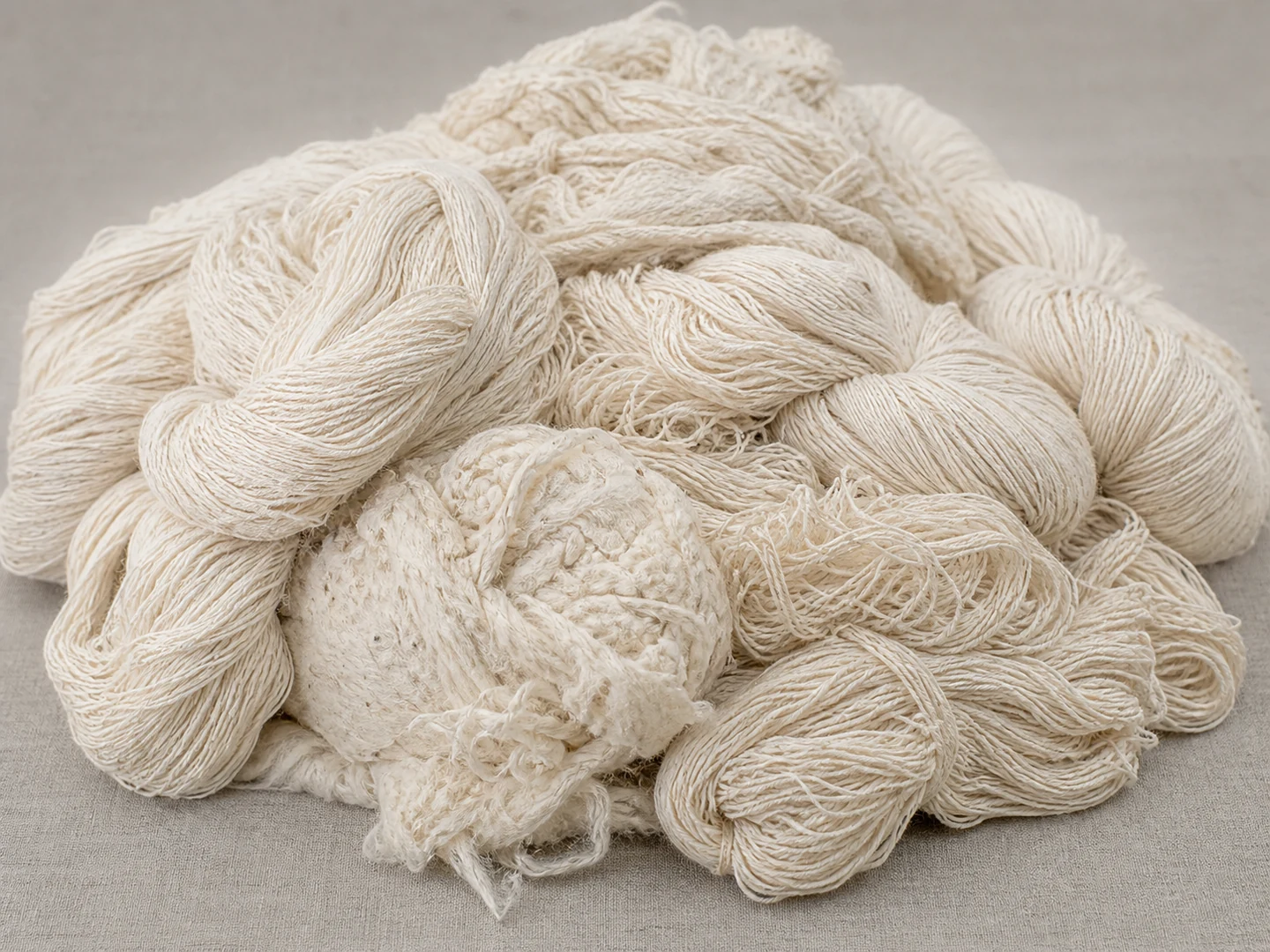
Which plant fiber fits this job — Cotton Yarn, Tampico Fiber or Mexican White Tampico Fiber?
| Fiber | Continuous temperature (°C) | Peak temperature (°C) | Water absorption | Hardness |
|---|---|---|---|---|
| Cotton Yarn | 80–100 | 130–150 | 7–12% | — |
| Tampico Fiber | 70–90 | 110–130 | 10–18% | — |
| Mexican White Tampico Fiber | 100 | 130 | high | Medium natural fiber stiffness with good liquid-carrying feel. |
| Sisal Fiber | 70–90 | 110–130 | 10–20% | — |
| Mountain Palm Fiber | 100 | 130 | moderate | Naturally variable, generally durable and flexible with a coarse scrubbing character. |
When are Handheld Detail Brushes the wrong choice for bead lubrication?
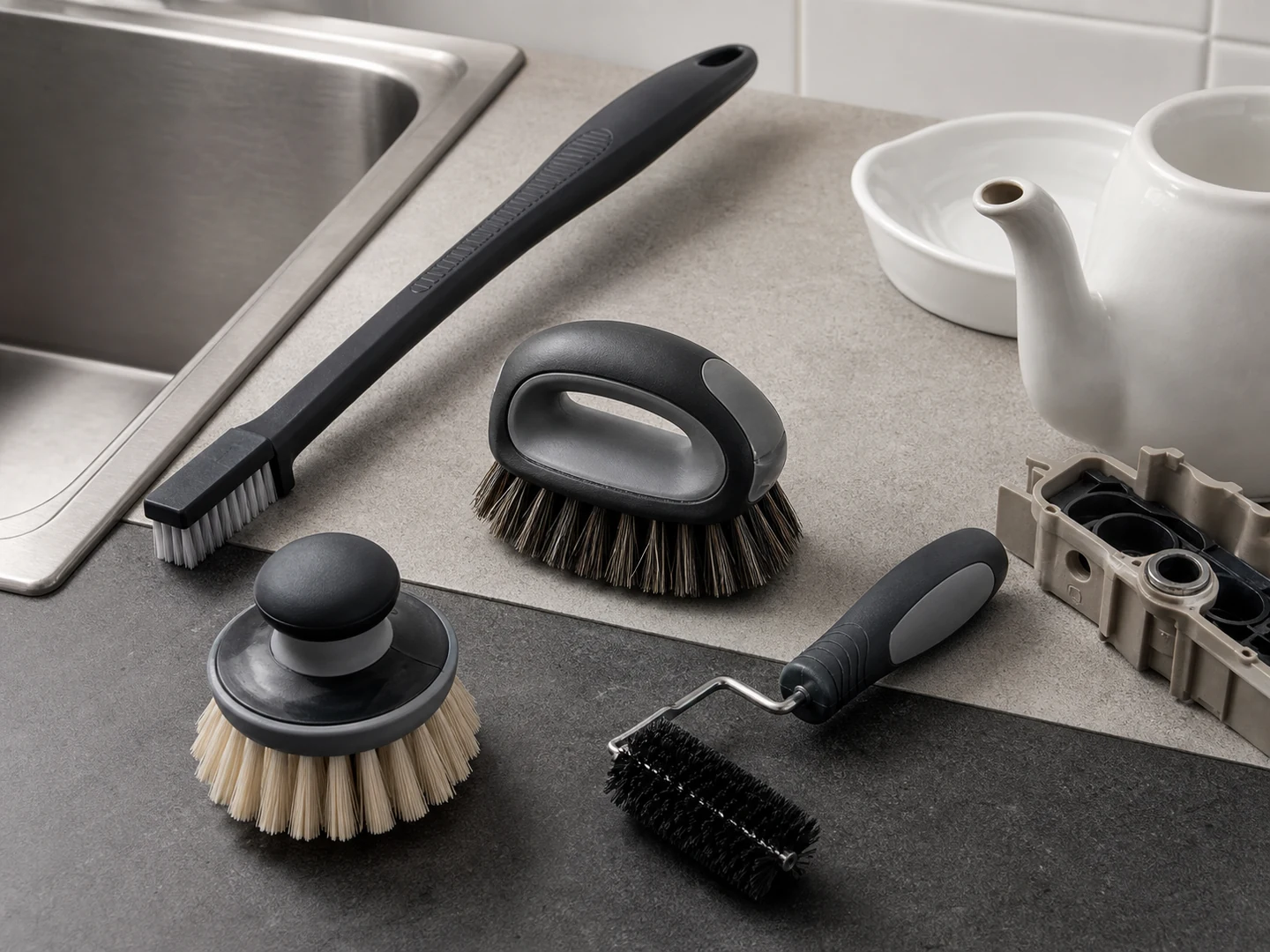
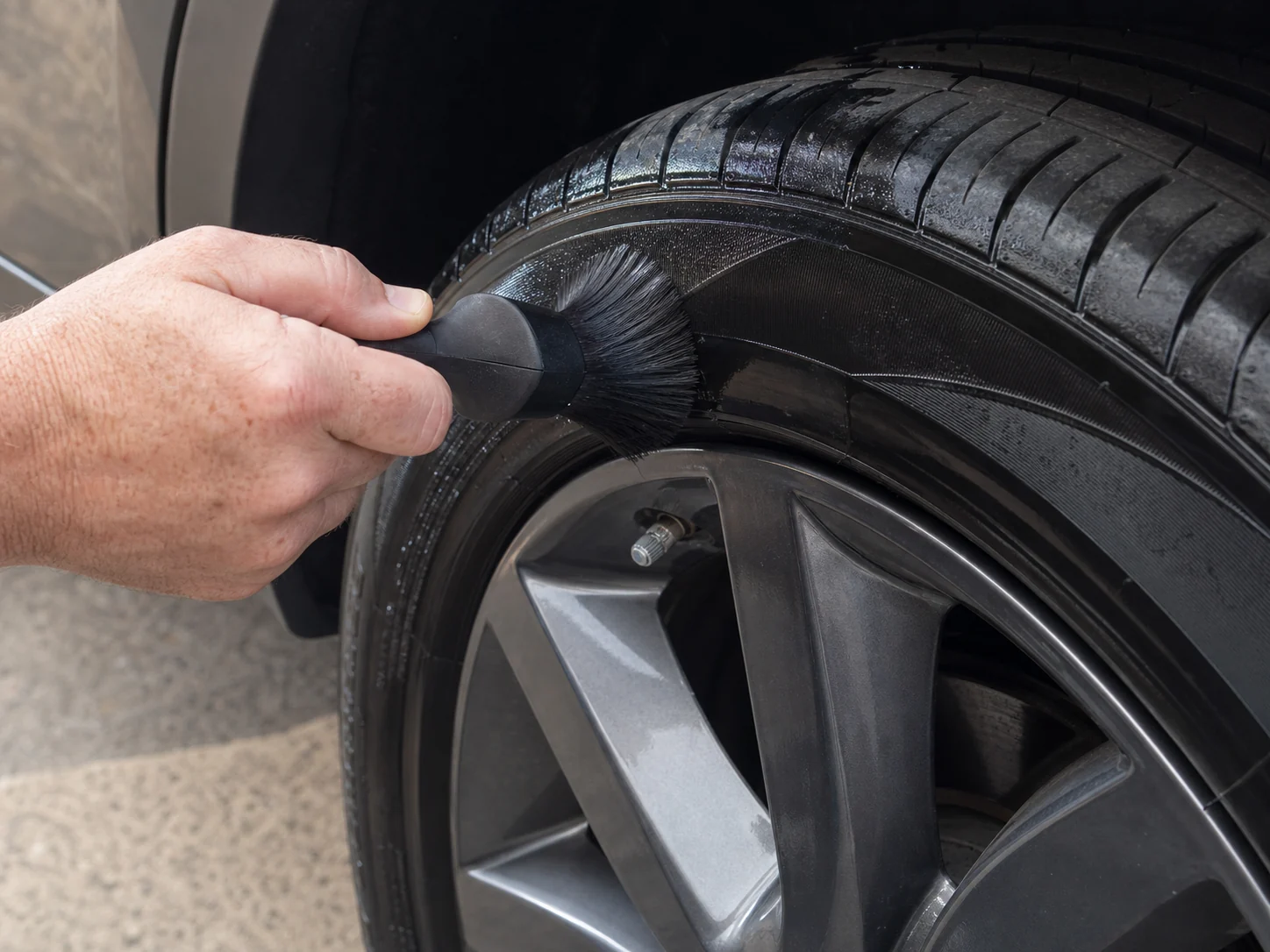
- Handheld Detail Brushes — Use a tube brush, powered brush, scraper, wipe, sponge, or vacuum when the target is internal, heavily bonded, or highly delicate.
- Cotton Yarn — Lint, moisture retention, slow drying, fiber contamination and exposed wire make cotton unsuitable for some cleanroom, food or precision uses without validation.
What should replace Handheld Detail Brushes for bead lubrication?
- Handheld Detail Brushes — Handheld detail brushes cover general precision cleaning; auto-detailing brushes impose tighter controls for painted, polished, leather, display, and trim surfaces.
- Cotton Yarn — Compare Cotton Yarn with Microfiber, wool, felt, PVA sponge. Change material when wet stiffness, temperature, chemical resistance, conductivity, particle shedding, or surface marking becomes the limiting factor.