What Is an Anodizing Line Brush?
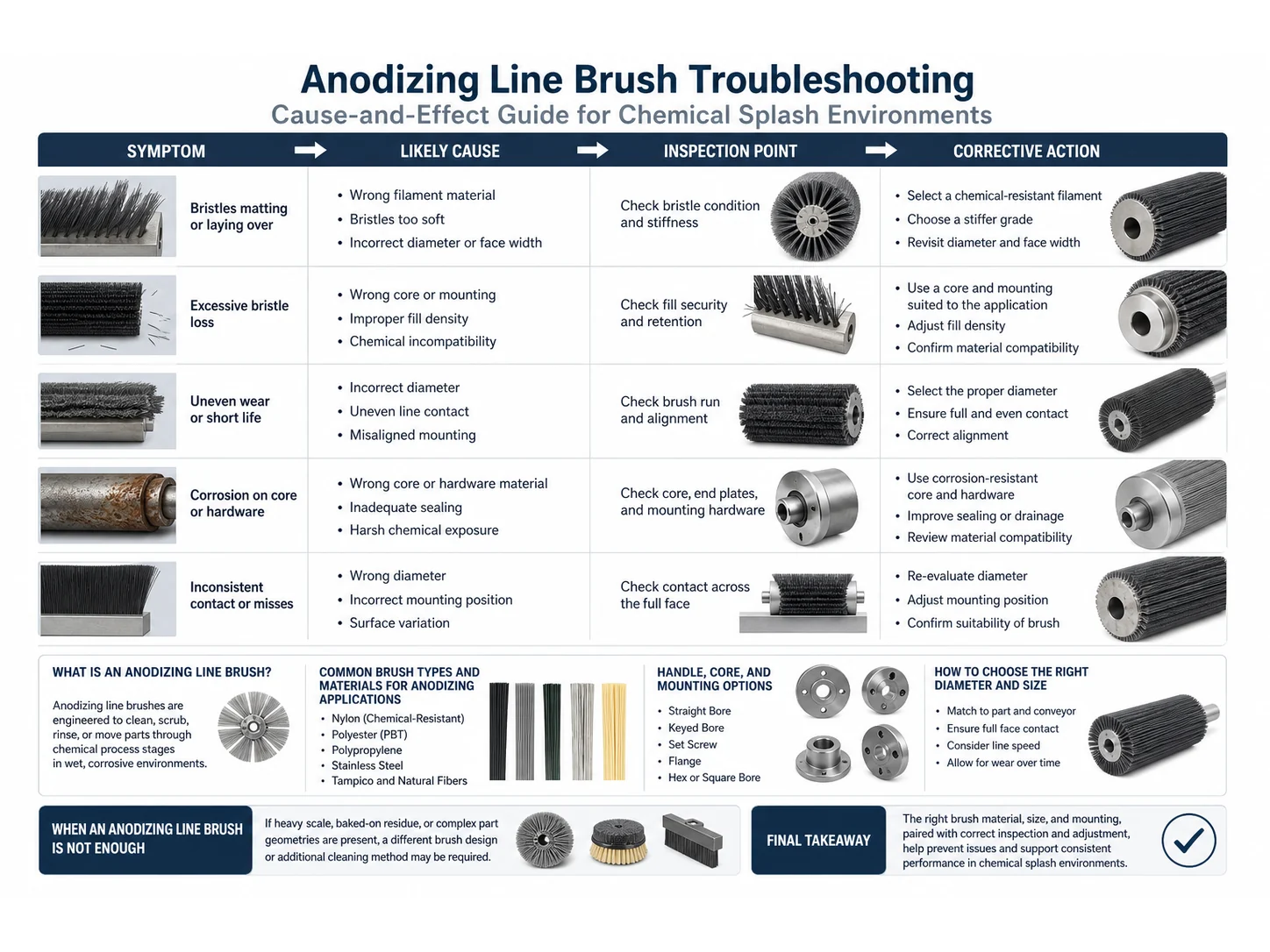
An anodizing line brush is purpose-built for use in the wet, corrosive zones of anodizing equipment, including rinse tanks, etch baths, desmut stations, and anodizing tanks. Its primary role is to scrub, clean, or maintain consistent surface contact without degrading or shedding particles that could contaminate the chemical baths. Unlike general-purpose brushes, these are engineered to withstand continuous or intermittent immersion, chemical attack, and mechanical wear while preserving the integrity of the anodized product.
Common Brush Types and Materials for Anodizing Applications
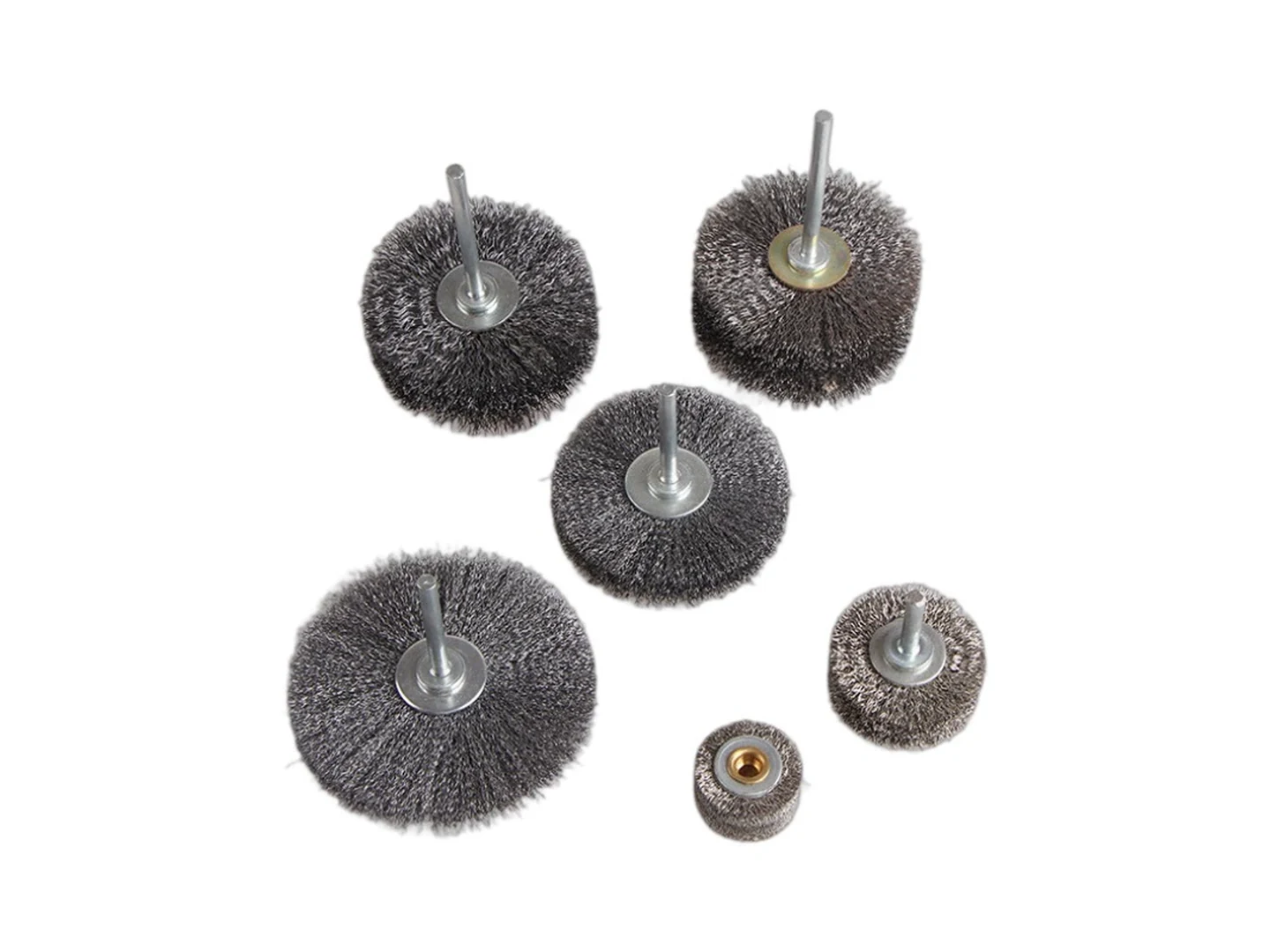
Anodizing line brushes come in various forms: strip, roll, coil, cylinder, and disc. The bristle material is the single most important specification. Common options include polypropylene (excellent chemical resistance, moderate stiffness), nylon (good abrasion resistance but moisture absorption can cause swelling), Tampico (a natural fiber for gentle scrubbing but limited chemical tolerance), and stainless steel wire (high stiffness for heavy deposits but risk of scratching and metal contamination). The table below compares typical materials used in wet or chemical-exposure environments.
| Bristle Material | Chemical Resistance | Typical Stiffness | Best For | Limitations |
|---|---|---|---|---|
| Polypropylene | Excellent – resists acids, alkalis, and many solvents | Medium | General scrubbing in rinse and etch stages | Softer than nylon; may not remove heavy scale |
| Nylon | Good – absorbs moisture and may swell; avoid strong oxidizing acids | Medium-High | Aggressive cleaning where chemical uptake is managed | Swelling can loosen filament retention; less effective in continuous submersion |
| Tampico | Fair – degrades in strong acids and alkalis; best for neutral or mild chemical contact | Soft | Gentle surface cleaning or buffing before anodizing | Short lifespan in aggressive baths; may leave organic residue |
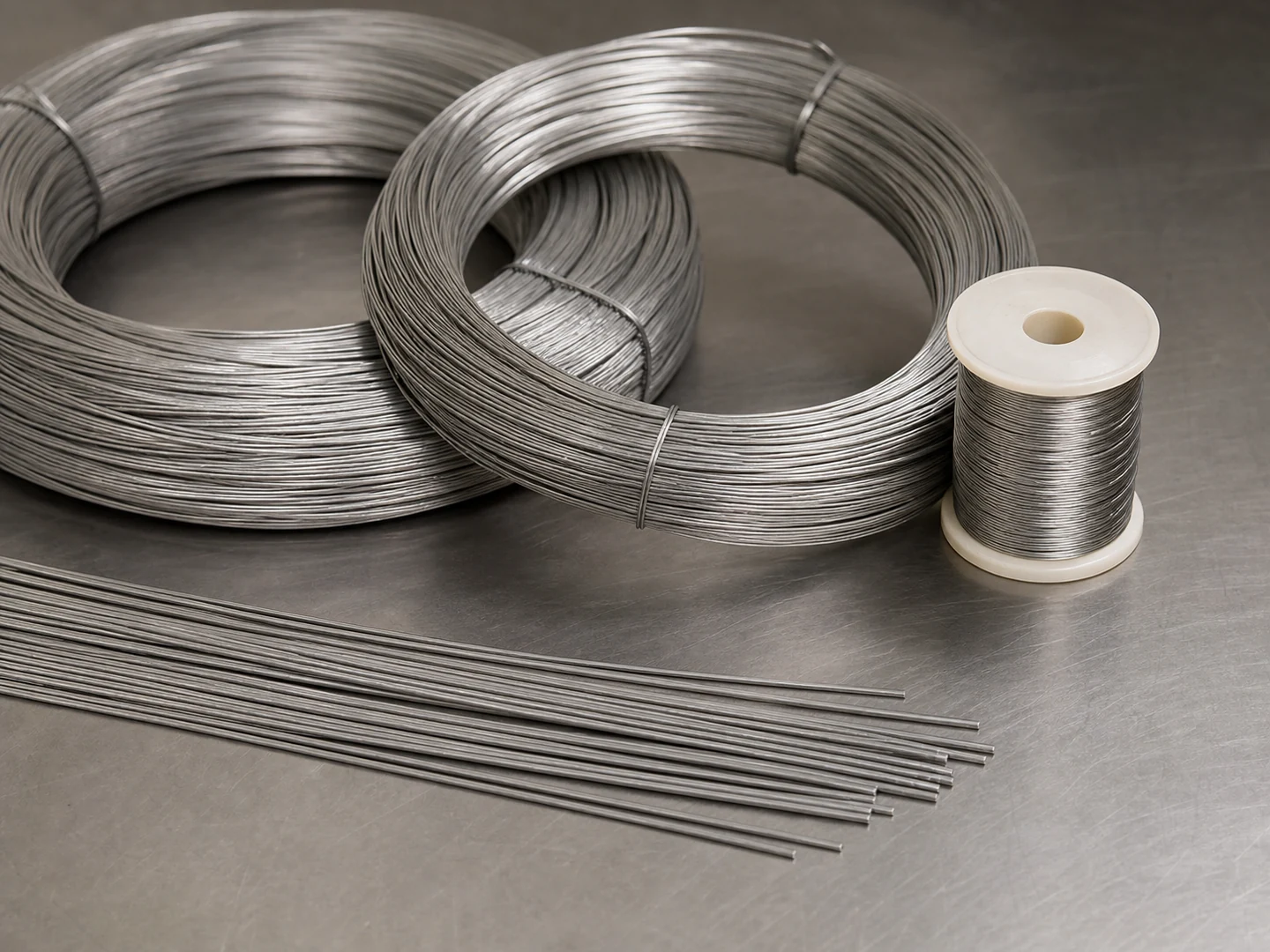
| Stainless Steel Wire | Very good – withstands most chemical baths except strong chlorides | High | Removing heavy oxide scale or stubborn deposits | Risk of scratching aluminum profiles; metal contamination can affect anodizing quality |
Handle, Core, and Mounting Options
Beyond bristles, the internal core and mounting method determine service life and changeover speed. In chemical splash zones, core materials like 316L stainless steel offer superior corrosion resistance, while polypropylene cores avoid galvanic issues in aluminum handling. Mounting options include channel strip, brush seal holders, or quick-release clamps. A poorly chosen core can corrode and stain the anodizing line, so always match the core material to the surrounding chemical atmosphere.
How to Choose the Right Diameter and Size
Brush outer diameter, trim length, and overall length must fit the actual gap between parts, conveyor clearances, or tank geometry. An oversized brush causes interference and potential jamming; an undersized brush fails to make effective contact. Most anodizing line brushes require custom dimensions. When specifying, provide a drawing that includes overall length, brush diameter, trim length (bristle length), and mounting base dimensions. Remember that bristle deflection under load may require a slightly larger nominal diameter to maintain contact.
Common Specification Mistakes
- Choosing the wrong filament material for the chemical environment (e.g., using nylon in a hot caustic etch bath).
- Ignoring filament retention method: chemical exposure can weaken epoxies; look for mechanically set (staple-set) bristles or chemically resistant adhesives.
- Selecting stiffness by guesswork instead of testing a sample in actual process fluid.
- Overlooking the mounting interface: a brush that cannot be securely fixed in the wet environment will slip or fall out.
- Neglecting to specify the core material: a steel core in an acid bath without proper grade can corrode and stain the anodizing line.
- Ordering a stock size without verifying the actual gap, leading to poor contact or jamming.
When an Anodizing Line Brush Is the Wrong Choice
An anodizing line brush cannot replace heavy abrasive wheels, chemical soaks, or pickling processes for extremely thick oxide scale. In applications where zero contamination is critical, even the best brush may require a washing step before use to remove loose fibers. If maintenance frequency for brush changes becomes a bottleneck, consider supplementary technologies such as spray nozzles or ultrasonic cleaning to reduce mechanical wear. Always involve the brush supplier early when processes change, and request a sample for in-line testing before finalizing specifications.
Final Takeaway
Choosing an anodizing line brush means matching the bristle material to your chemical bath, verifying size and fit with precise measurements, and avoiding the common pitfalls of stock-specification thinking. A correctly specified brush improves line uptime and surface quality; a poorly chosen one becomes a costly maintenance headache. Start with chemical compatibility, then dial in the mechanical details.
Frequently Asked Questions
Can I use the same brush in alkaline and acid baths?
Generally no. Most filaments are optimized for one chemical range. Using a brush rated for alkaline in acid can cause rapid degradation. Always verify material compatibility for each bath separately.
What is the best brush diameter for cleaning aluminum profiles in a vertical anodizing line?
There is no universal best. The diameter depends on the gap between the racked profiles and the brush mount. Common ranges are 4 to 6 inches, but a custom diameter is often necessary to achieve optimal contact pressure without interference.
How often should anodizing line brushes be replaced?
Replacement frequency depends on bristle material, chemical exposure, and mechanical load. Inspect brushes weekly for signs of filament loss, wear, or core corrosion. A brush that has lost 30% of its effective trim length should be replaced to maintain performance.
Are there brushes suitable for continuous submersion in anodizing tanks?
Yes, polypropylene and stainless steel filament brushes with sealed cores can operate submerged. Avoid nylon in prolonged submersion due to swelling. Ensure the mounting hardware is also rated for continuous immersion.
Can I use a wire brush for cleaning titanium racks?
While stainless wire can physically clean racks, there is a risk of cross-contamination or scratching that may affect anodizing quality on aluminum parts. A dedicated brush for rack cleaning is recommended, and many processors avoid wire bristles on parts that will be anodized.
How do I know if the brush is chemically compatible with my solution?
Request a chemical resistance chart from the filament or brush manufacturer. A simple soak test of a brush sample in the actual process solution at operating temperature for 24–48 hours can reveal swelling, softening, or degradation.
What mounting type is easiest to change in a chemical splash zone?
Quick-release stainless steel holders or clamp-style mounts allow fast brush changes without tools. Avoid mounts that require thread assembly in corrosive environments, as threads can seize over time.
Should I order custom brushes or can I stock standard catalog sizes?
Anodizing line brushes almost always benefit from customization. Stock brushes may be a short-term fix, but a custom brush matched to your line dimensions and chemical conditions typically delivers longer life and better cleaning consistency.
Technical References
- OSHA — Hazard Communication
- OSHA — Chemical Hazards and Toxic Substances
- World Stainless — Corrosion Resistance of Stainless Steels
- NIST — Metric SI
Which bristle material fits this job — AISI 304 Stainless Steel Wire, Nylon PA or Silicon Carbide Abrasive Nylon?
| Material | Continuous temperature (°C) | Peak temperature (°C) | Water absorption | Hardness |
|---|---|---|---|---|
| AISI 304 Stainless Steel Wire | 400 | 500 | 0% | Rockwell B 70–95 depending on temper and cold work |
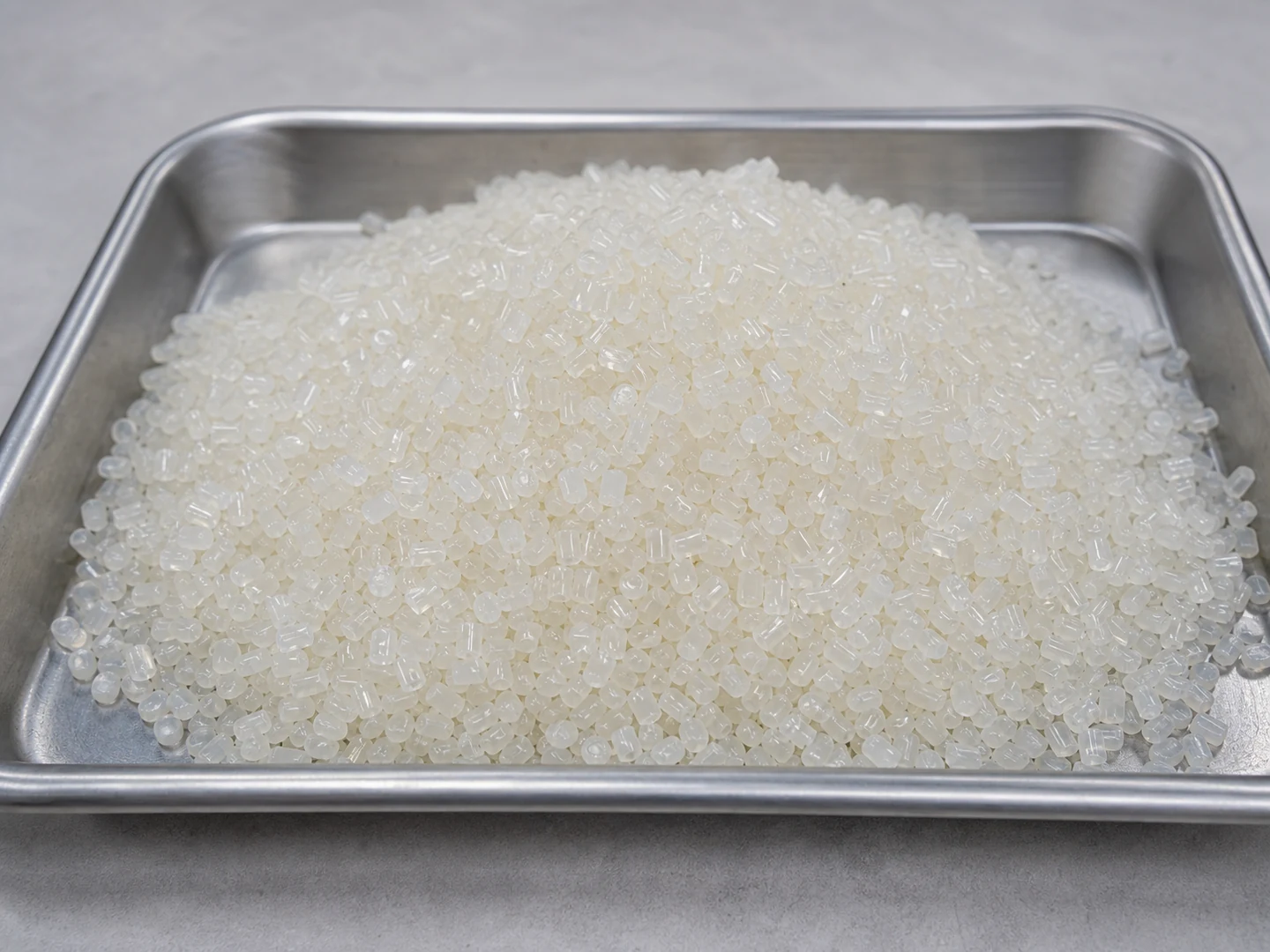
| Nylon PA | 93 | 121 | 0.3–9% by PA grade and conditioning | Medium to firm; filament diameter and trim length control bending force. |
| Silicon Carbide Abrasive Nylon | 80–120 | 140–170 | 0.3–2.0% | Carrier Shore D 70–85; SiC Mohs Hardness Approximately 9.2 |
| Polypropylene PP | 80–100 | 120–140 | ≤0.03% | Shore D 65–75 |
| Abrasive Nylon | 120 | 150 | 0.1–1.0% | Abrasive filament; stiffness and cutting level is controlled by PA base, grit type, grit size, filament diameter and trim height. |
Figures as published by Alleima; Brushtec / DuPont; Perlon. Confirm the exact grade against the supplier datasheet before ordering.
What should replace Strip Seal Brushes for anodizing line brush?
- Strip Seal Brushes — Strip brushes create a linear barrier or guide; machine-table brush plates distribute load and support products over a broad area. Closest alternative: Machine Table Brush Plates.
- AISI 304 Stainless Steel Wire — Use AISI 316 stainless steel wire for chloride, marine, dairy, beverage, chemical washdown, or higher pitting-resistance requirements. Use carbon steel for dry aggressive cutting and brass or abrasive nylon for lower marking risk.
- Nylon PA — Compare Nylon PA with PP, PBT, PET. Change material when wet stiffness, temperature, chemical resistance, conductivity, particle shedding, or surface marking becomes the limiting factor.
- Silicon Carbide Abrasive Nylon — Compare Silicon Carbide Abrasive Nylon with PP, PBT, PET. Change material when wet stiffness, temperature, chemical resistance, conductivity, particle shedding, or surface marking becomes the limiting factor.