What Is a Chemical and Safety Maintenance Brush?
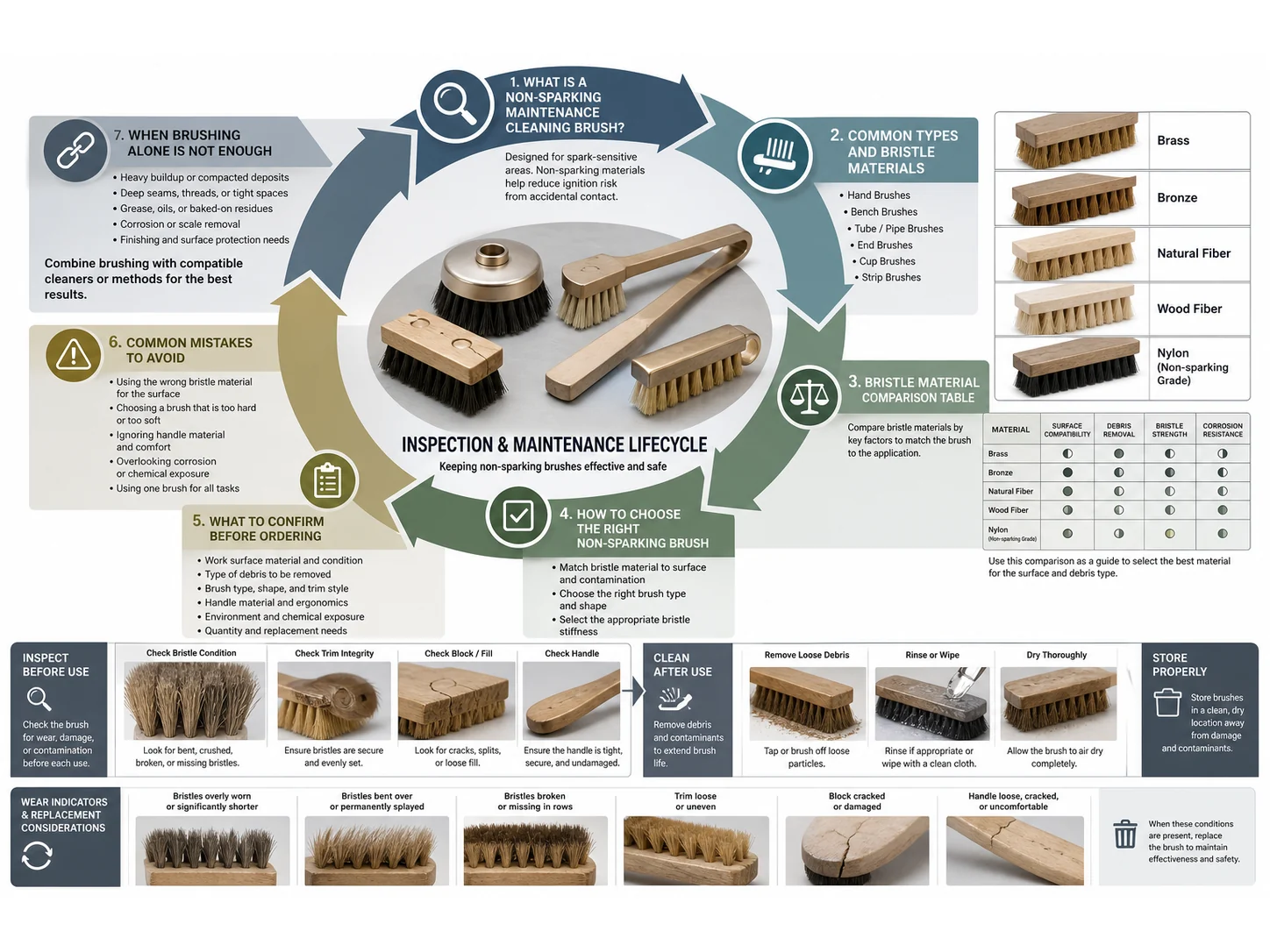
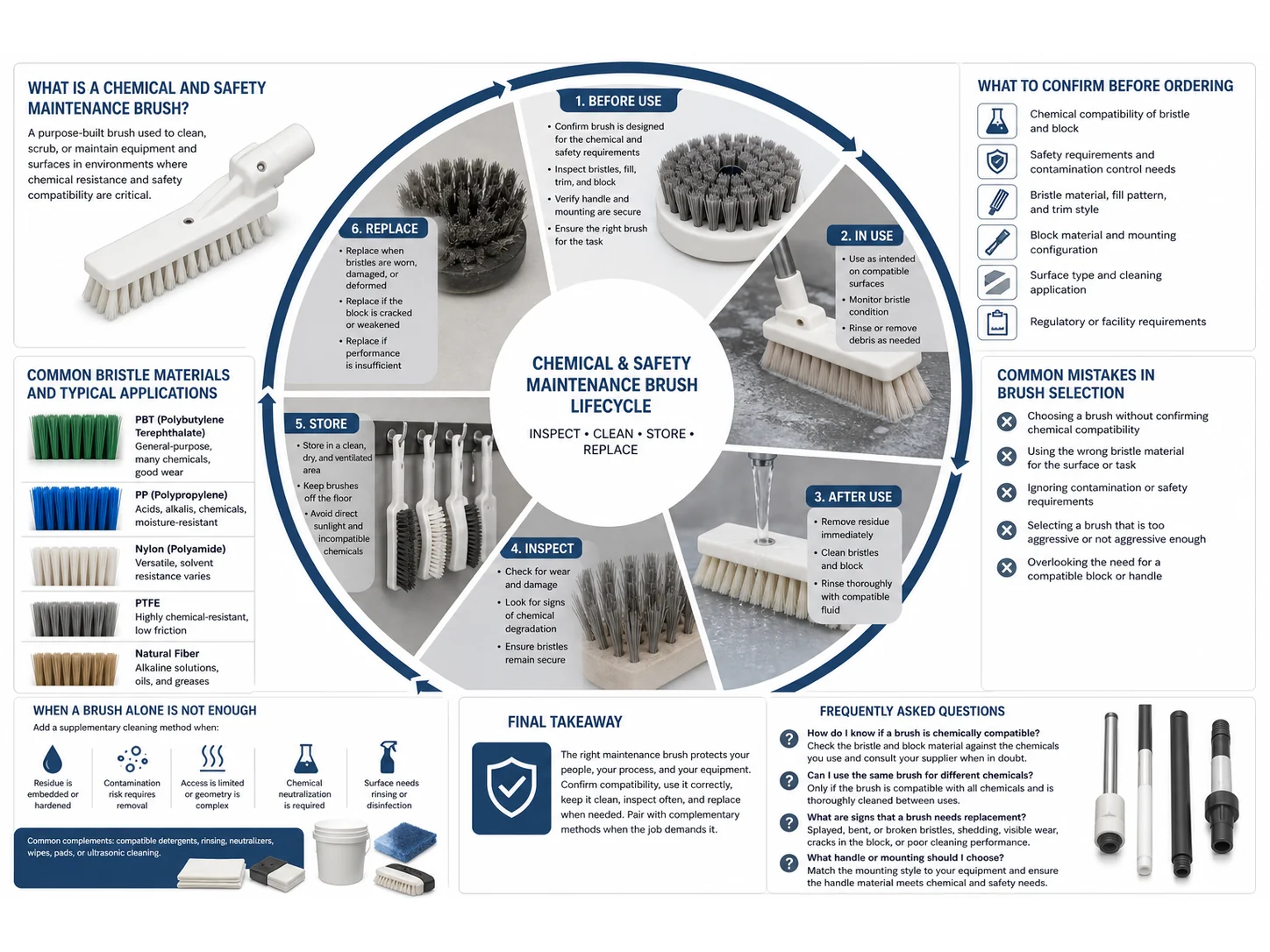
A chemical and safety maintenance brush is a cleaning or wiping device whose bristle material and construction are chosen to endure prolonged contact with acids, alkalis, solvents, sanitizers, or high-temperature fluids while meeting safety regulations such as FDA, EU food-contact, or anti-static requirements. Typical machine positions include conveyor belt cleaners, tank wall scrubbers, roller squeegees, pipe internal cleaners, and fill-head wipers. The contact surface may be stainless steel, plastic belting, glass, rubber, or painted frames. Residue types range from sticky syrups and dusts to aggressive chemical films and heat-set deposits.
Common Bristle Materials and Typical Applications
Selecting the correct bristle material is the single most important step. The table below compares the most common options across key factors that affect brush life and cleaning performance.
| Bristle Material | Surface Sensitivity | Dry / Wet Operation | Max. Temperature | Chemical Resistance | Line Speed / Wear |
|---|---|---|---|---|---|
| Nylon 6.12 (heat-stabilized) | Medium – can scratch soft metals if stiff | Both, good wet stiffness retention | Up to 120°C continuous | Resists most alkalines and dilute acids; degrades in strong acids | Moderate to high speed; good abrasion resistance |
| Polyester (PET) | Soft to medium – gentler than nylon | Excellent wet stiffness; FDA grades available | Up to 100°C | Excellent resistance to acids, oxidizers, and many solvents | Good wear life; slightly softer than nylon |
| Polypropylene | Soft – low risk of scratching | Both; good chemical resistance but loses stiffness in hot water | Up to 80°C | Outstanding acid and alkali resistance; attacked by some hydrocarbons | Lower abrasion resistance; best for light cleaning |
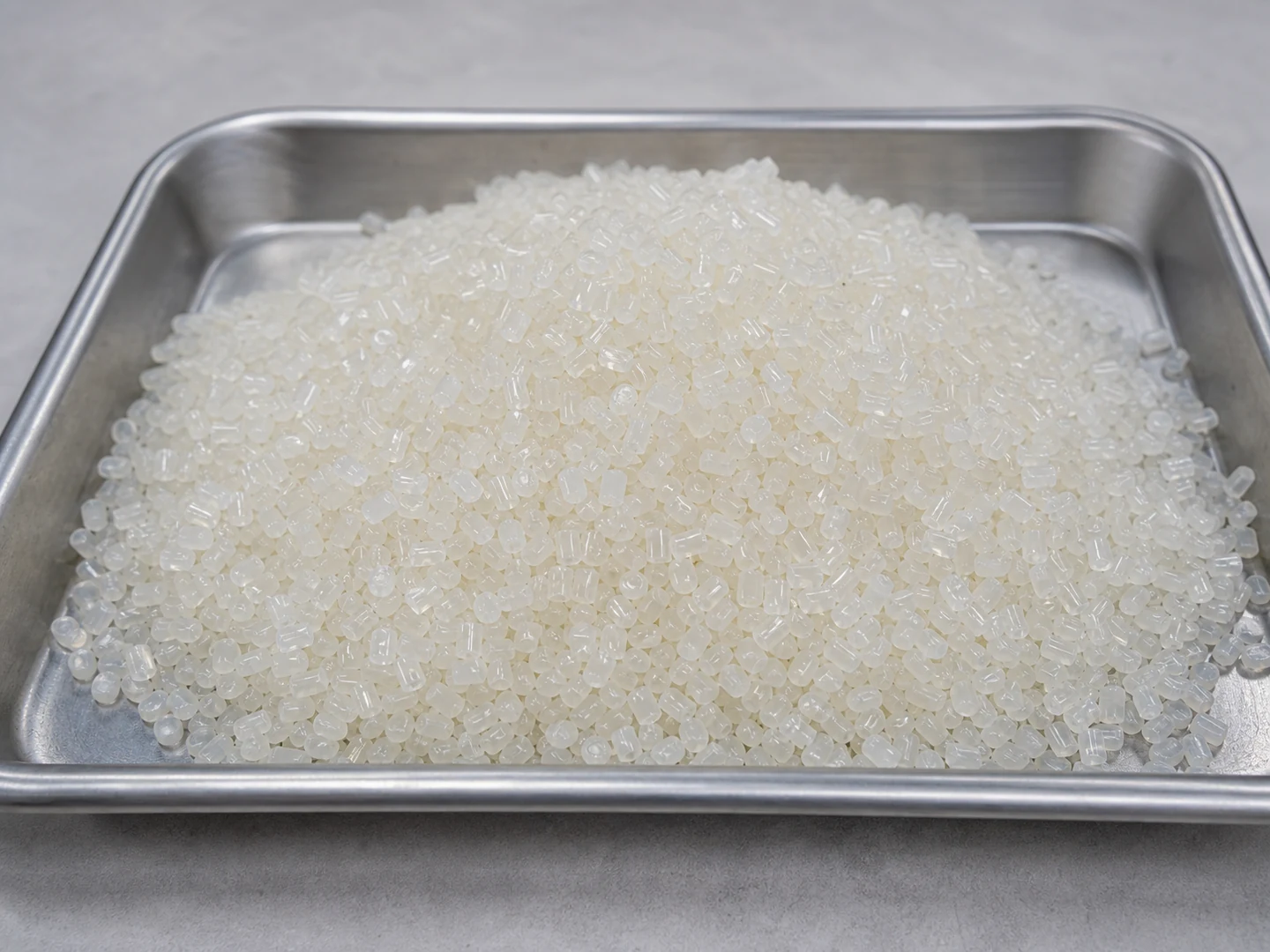
| PTFE (Teflon®) | Very soft – non-abrasive | Both, excellent anti-stick | Up to 260°C | Nearly universal chemical resistance; no swelling | Low friction; can be cut or abraded by sharp edges |
| Conductive Nylon / Carbon Fiber | Medium – static-dissipative | Both; used for static-safe cleaning | Similar to parent nylon; carbon may oxidize at very high temp | Depends on base polymer; carbon additive generally inert | Similar to standard nylon; carbon can make bristle slightly brittle |
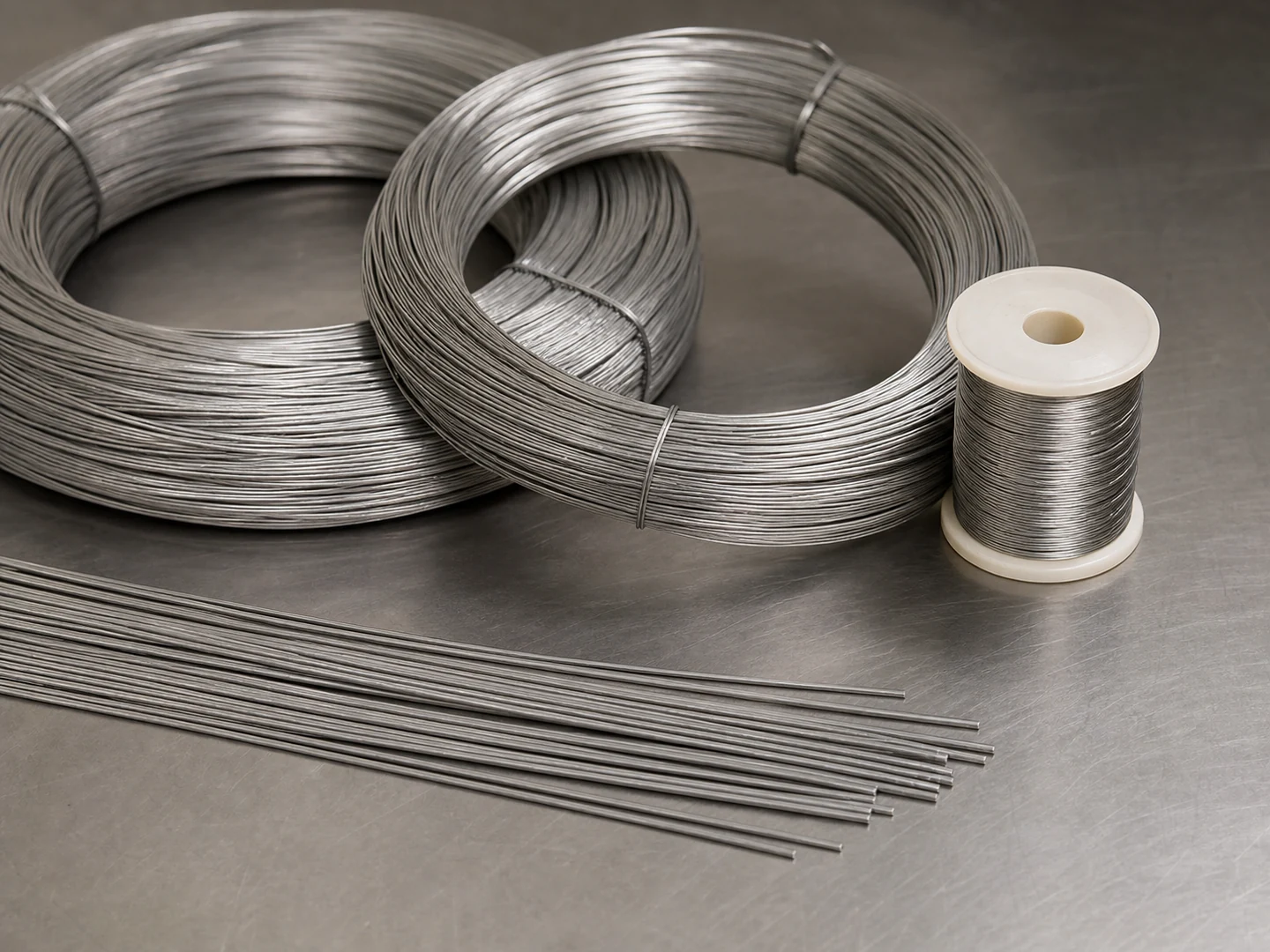
| Stainless Steel Wire | Aggressive – for metal surfaces only | Both; rust-resistant grades available | Up to 400°C+ | Excellent for most chemicals; can corrode in strong acids | Very durable; high speed capable but may scratch |
What to Confirm Before Ordering
Once you have narrowed down the bristle material, confirm the physical details that make the brush actually fit your machine. Skipping this step is a leading cause of wasted purchase orders. Have the following ready before you prepare a technical request:
- Overall dimensions: length, diameter, face width, trim length (free bristle length), and core/hub dimensions.
- Mounting method: shaft mount, keyway, set screw, flange, clamp-on, or strip holder. Provide shaft size and drive type if powered.
- Sample or drawing reference: If replacing an existing brush, send a photo or a hand sketch showing critical measurements. For new builds, a simple layout drawing avoids misunderstanding.
- Expected cleaning result: Are you removing loose dust, wiping off liquid films, scrubbing baked-on residues, or applying a chemical solution? This determines bristle density, stiffness, and pattern (spiral wound, full fill, strip, etc.).
- Operating conditions: Confirm continuous temperature, chemical concentration (percent and type), wet or dry environment, and line speed (feet per minute or meters per minute).
- Safety or regulatory constraints: Food-contact approval (FDA, EU 10/2011), anti-static or conductive properties, metal-detectable bristles, or suitable for the site safety requirements requirements.
Common Mistakes in Brush Selection
Even experienced engineers can fall into these traps. Avoid them to prevent premature brush failure, surface damage, or safety incidents.
- Choosing by cost alone: A low-cost brush that swells, sheds bristles, or scratches a critical surface ends up costing far more in product loss and downtime.
- Ignoring chemical compatibility: A nylon brush that works perfectly in water may dissolve in a 5% hydrochloric acid rinse. Always test or request a chemical resistance chart.
- Mismatching bristle stiffness: A stiff wire brush on a polished stainless steel conveyor will create crevices that harbor bacteria. Match abrasiveness to surface hardness.
- Overlooking line speed effects: A brush that cleans well at 15 m/min may bounce or generate heat at 60 m/min. Higher speeds often require a different bristle density or material.
- Skipping the mounting check: A brush with a 25 mm bore won’t fit a 30 mm shaft. Double-check every interface dimension, including keyway size.
- Forgetting maintenance access: A brush buried deep inside a machine without quick-release hardware will not be changed on schedule, leading to inconsistent cleaning.
- Assuming all nylon is the same: There are many nylon grades (6, 6.6, 6.12, 612). The wrong grade can soften, absorb moisture, or lose stiffness well below your process temperature.
When a General-Purpose Maintenance Brush Is the Wrong Choice
Brushing is excellent for many mechanical cleaning tasks, but it has limitations. In certain situations, a brush must be paired with another cleaning method to achieve the required cleanliness or residue removal.
- Combine with vacuum extraction: When brushing generates airborne dust or loose particulate that must not settle onto adjacent equipment. A vacuum brush roller or nearby vacuum hood captures the particles at the source.
- Add an air knife: After a wet cleaning step, an air knife can blow remaining droplets off a surface that a brush cannot completely dry. The brush removes the film; the air knife dries the surface.
- Use a scraper as a pre-treatment: Hard, baked-on deposits often require a mechanical scraper or doctor blade to break the crust before a brush can clean the remaining layer.
- Integrate with CIP (clean-in-place) systems: Closed pipelines, tanks with spray balls, and circuits that circulate hot cleaning chemicals need more than a brush. A brush can clean external tank surfaces or open-channel sections, while CIP handles internals.
- Apply ultrasonic cleaning for complex shapes: Small parts with blind holes, threads, or intricate geometries are better cleaned in an ultrasonic bath. Brushes can then be used for gross debris removal or final wiping.
- Water jet or high-pressure wash: Heavy sludge or thick chemical paste may require high-pressure water before a brush pass.
If your process involves sterile environments, high-risk chemical carrying piping, or 24/7 automated lines with zero tolerance for manual intervention, consult a cleaning system designer rather than relying on a standalone brush solution.
Final Takeaway
Choosing a chemical and safety maintenance brush comes down to three steps: identify the residue and surface you are cleaning, verify the chemical and thermal resistance of the bristle material, and confirm all mounting and dimensional details before ordering. In aggressive chemical or high-speed environments, a brush is often one component in a multi-step cleaning system. Keeping material compatibility charts on hand and involving the brush supplier early in the design phase will save hours of troubleshooting later.
Frequently Asked Questions
What is the best bristle material for acidic chemical environments?
Polyester (PET) and polypropylene offer excellent resistance to most acids. For the strongest acids or repeated hot acid exposure, PTFE bristles provide near-universal chemical resistance, though they are more expensive and softer.
Can a standard nylon brush handle high-temperature sanitizing cycles?
Standard nylon 6 loses stiffness above 80°C and can absorb moisture. Heat-stabilized nylon 6.12 is a better choice for intermittent exposure up to 120°C. For continuous high temperature above 150°C, consider PTFE or stainless steel wire.
How often should I replace my chemical maintenance brush?
Replacement intervals depend on usage, chemical concentration, and line speed. A good rule of thumb is to inspect for bristle tip wear, flare, or permanent set every a condition-based operating interval. Replace when cleaning performance drops or bristle length is reduced by 30–50%.
Do I need a conductive brush for safety?
In environments with flammable vapors, explosive dust, or sensitive electronics, a static-dissipative (conductive) brush helps prevent electrostatic discharge. Check local electrical codes and your plant’s HACCP or ATEX plan. Conductive carbon-filled nylon is a common choice.
Can I use the same brush for both wet and dry applications?
Some bristle materials (polyester, nylon) work well in both wet and dry conditions. However, a brush optimized for wet cleaning may be too soft or dense for dry dust removal. Always specify whether the brush will run continuously wet, intermittently wet, or dry.
What mounting options are available for roller brushes?
Common mounting styles include shaft mount with keyway, clamp-on ends, set-screw collars, and flanged bolt-on hubs. Spiral-wound strip brushes can be mounted in a holder channel. Provide the shaft diameter, keyway size, and overall length to get a correct fit.
How do I know if I need a supplementary cleaning system?
If the brush alone cannot consistently meet your cleanliness specification, or if it creates airborne dust that must be captured, combine it with vacuum, an air knife, or a pre-cleaning scraper. For internal pipe or enclosed tank cleaning, a CIP or ultrasonic system is usually necessary.
Technical References
Which bristle material fits this job — Nylon PA, AISI 304 Stainless Steel Wire or Conductive Nylon?
| Material | Continuous temperature (°C) | Peak temperature (°C) | Water absorption | Hardness |
|---|---|---|---|---|
| Nylon PA | 93 | 121 | 0.3–9% by PA grade and conditioning | Medium to firm; filament diameter and trim length control bending force. |
| AISI 304 Stainless Steel Wire | 400 | 500 | 0% | Rockwell B 70–95 depending on temper and cold work |
| Conductive Nylon | 80–110 | 130–160 | 0.5–2.5% | Shore D 75–88 |
| Carbon Fiber | 200–350 | 400–500 | ≤0.10% | — |
Figures as published by Brushtec / DuPont; Alleima. Confirm the exact grade against the supplier datasheet before ordering.
What should replace Nylon PA for chemical areas??
- Nylon PA — Compare Nylon PA with PP, PBT, PET. Change material when wet stiffness, temperature, chemical resistance, conductivity, particle shedding, or surface marking becomes the limiting factor.
- AISI 304 Stainless Steel Wire — Use AISI 316 stainless steel wire for chloride, marine, dairy, beverage, chemical washdown, or higher pitting-resistance requirements. Use carbon steel for dry aggressive cutting and brass or abrasive nylon for lower marking risk.
- Conductive Nylon — Compare Conductive Nylon with Anti-static filament, carbon fiber, stainless conductive filament, standard PA6. Change material when wet stiffness, temperature, chemical resistance, conductivity, particle shedding, or surface marking becomes the limiting factor.
- Carbon Fiber — Compare Carbon Fiber with Conductive nylon, anti-static filament, stainless micro-wire, standard nylon. Change material when wet stiffness, temperature, chemical resistance, conductivity, particle shedding, or surface marking becomes the limiting factor.