What Is a non-sparking Maintenance Cleaning Brush?
A non-sparking maintenance cleaning brush is a brush constructed from materials with low sparking potential—typically non-ferrous metals like brass or bronze, or synthetic polymers such as nylon or polypropylene. These brushes are used for manual cleaning of machine parts, conveyors, mixers, and other process equipment in hazardous areas where spark prevention is critical. The brush must not only avoid sparks but also withstand the chemical and physical demands of the cleaning task.
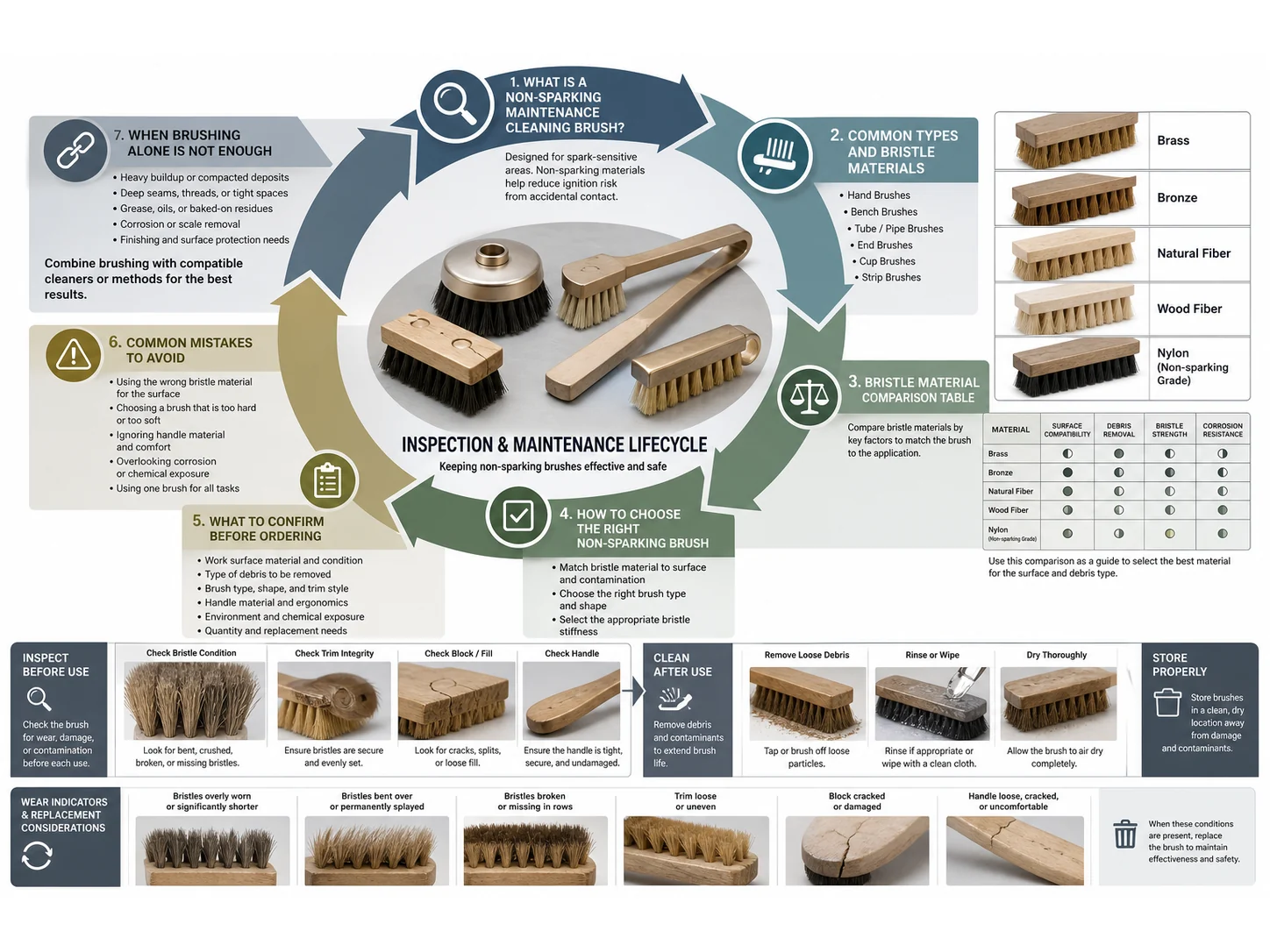
Common Types and Bristle Materials
non-sparking brushes come in various bristle materials and configurations. The most common options include:
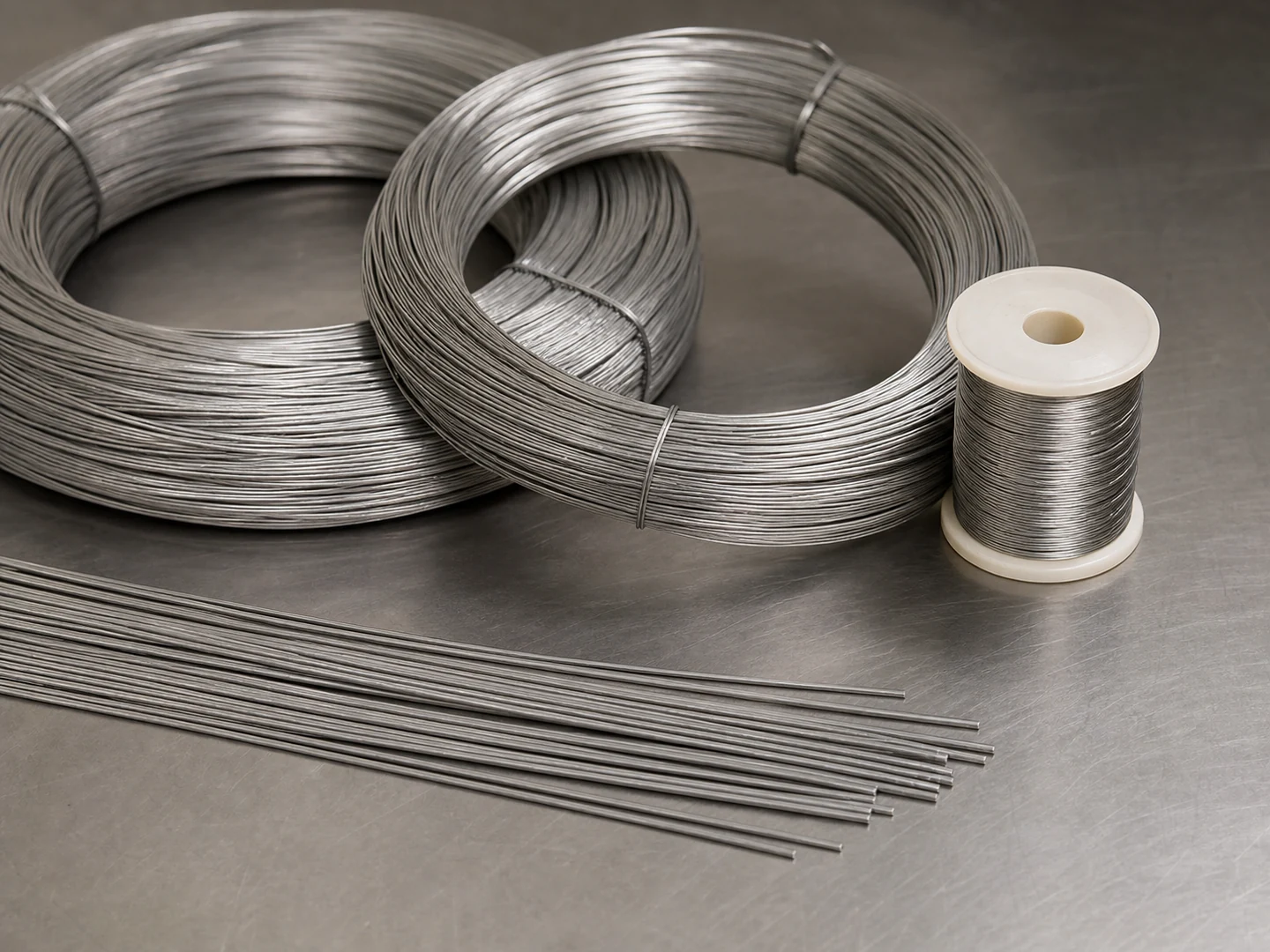
- Brass wire brushes: Good for general-purpose cleaning on metal surfaces without excessive abrasion. Conductive, but can still create sparks under extreme friction—always verify compliance with your facility’s safety standards.
- Phosphor bronze brushes: Offer higher fatigue resistance and are less prone to breaking than brass. Suitable for harder residues.
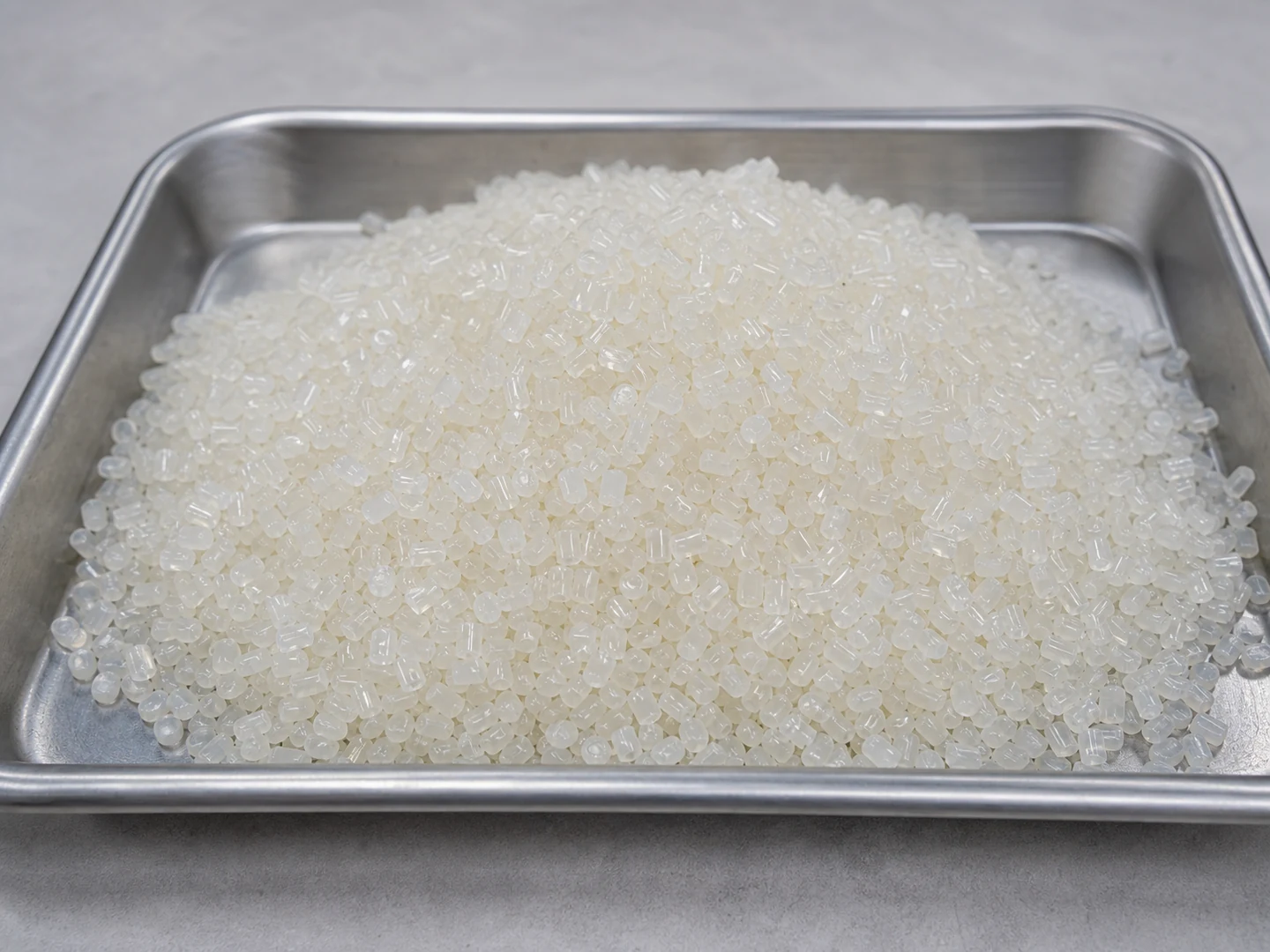
- Nylon bristle brushes: Non-metallic, chemical-resistant, and safe for delicate surfaces. Can be used wet or dry. Available in various stiffness grades.
- Polypropylene brushes: Excellent chemical resistance, ideal for solvent-heavy cleaning. Moderate stiffness.
- Tampico fiber brushes: Natural fiber, good for light dusting and polishing without scratching. Holds water well for wet cleaning.
- Horsehair brushes: Very soft, for fine finishing on sensitive instruments.
Bristle Material Comparison Table
| Bristle Material | Surface Sensitivity | Dry/Wet Operation | Temperature/Chemical Limits | Typical Maintenance Access | Best For |
|---|---|---|---|---|---|
| Brass Wire | Medium abrasiveness; can scratch soft metals | Dry or with light solvents | Moderate heat; avoid strong acids | Handheld, requires good reach | Rust removal, light scale on steel |
| Phosphor Bronze | Slightly softer than brass; less scratching | Dry or wet | Higher fatigue resistance; chemical similar to brass | Handheld, manual pressure | Heavy grease, corrosion on fittings |
| Nylon | Low abrasiveness; safe on most surfaces | Wet or dry; non-conductive | Resists many chemicals; moderate heat (softens at ~200°F) | Can be shaped for tight spots | Cleaning sensitive parts, food equipment |
| Polypropylene | Low abrasiveness | Primarily dry; good chemical resistance | Excellent acid/alkali resistance; lower temp stability than nylon | Stiff filaments; good for recessed areas | Chemical cleaning, scrubbers |
| Tampico | Very low abrasiveness | Wet; absorbs water well | Natural fiber; limited chemical resistance; low heat | Soft, flexible; conforms to irregular surfaces | Final polishing, light dust removal |
How to Choose the Right non-sparking Brush
Begin by analyzing the specific cleaning task:
- Contact surface material and finish: Harder, rougher bristles may damage painted, polished, or soft metal parts. Match bristle abrasiveness to surface tolerance.
- Residue type: Dry, loose dust can be handled by a soft brush; oily, sticky deposits need a stiffer bristle with chemical compatibility. Abrasive residues may require a sacrificial brush to avoid part wear.
- Operating environment: In wet or chemical-exposed areas, non-metallic bristles (nylon, polypropylene) often outlast metal and eliminate any corrosion risk. For high-temperature surfaces, metal bristles are typically required, though exact limits must be verified with the manufacturer.
- Accessibility: Tight clearances, complex geometries, or recessed areas may demand a smaller brush head or a flexible handle. If cleaning in place, the brush must fit without disassembling large machine sections.
- Ergonomics and frequency: For frequent manual cleaning, consider handle grip, length, and weight to reduce operator fatigue.
- Static dissipation needs: In environments with flammable vapors, conductive bristles (brass, bronze) allow static charges to dissipate when properly grounded, but they can also create sparks if they strike with high force. Non-conductive brushes may require additional static control measures.
What to Confirm Before Ordering
When preparing a purchase request or RFQ, include these details to avoid mismatched brushes:
- Dimensions: Brush overall length, bristle trim length, width, and handle diameter. Provide a tolerance range if available.
- Mounting method: Handheld brushes may need a specific handle shape (straight, curved) or a quick-connect fitting if integrated into a tool holder. For machine-mounted cleaning, specify thread size or shank dimensions.
- Reference sample or drawing: If replacing an existing brush, send a photo or sample to the supplier. For new applications, a simple sketch with key measurements ensures proper fit.
- Expected cleaning result: Describe the target outcome—removing light dust, caked grease, carbon deposits, or corrosive residue. This helps the supplier recommend bristle stiffness and pattern.
- Operating conditions: Note any temperature extremes, chemical washdowns, or explosion hazard classifications (e.g., ATEX zone, NEC class/division) without demanding specific certification unless required by your safety protocol.
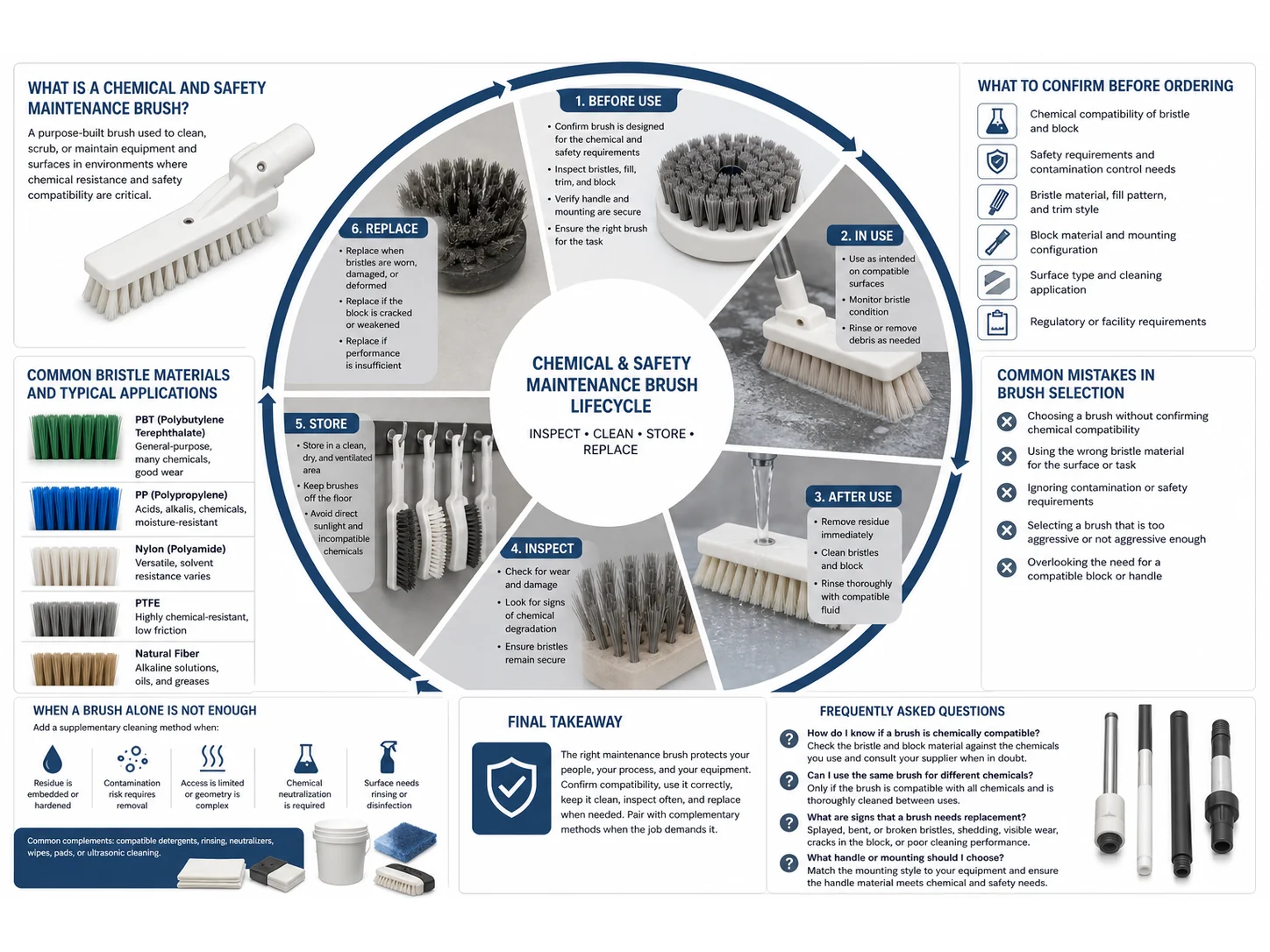
Common Mistakes to Avoid
- Assuming all brass brushes are non-sparking: Some low-cost brushes use brass-plated steel bristles, which can spark. Verify material composition with the supplier.
- Ignoring handle material: A non-sparking bristle block with a standard steel handle or ferrule defeats the purpose. Confirm the entire tool, including the handle core, is non-ferrous or appropriately rated.
- Using the wrong bristle hardness for the surface: Overly aggressive brushing can damage seals, coatings, or polished surfaces, leading to premature equipment failure.
- Overlooking chemical compatibility: Natural fibers like Tampico degrade in strong solvents; nylon may swell in certain acids. Always cross-reference chemical resistance charts for the bristle material.
- Neglecting ergonomics for frequent tasks: A brush that is too heavy or awkwardly shaped can cause worker fatigue and reduce cleaning thoroughness over long shifts.
- Skipping a trial or sample: Without testing on the actual residue and surface, you risk ordering a brush that either wears out too quickly or fails to clean effectively.
When a Maintenance Brushes for Spark Is the Wrong Choice
non-sparking brushes handle a wide range of maintenance cleaning tasks, but they have limits. In certain situations, combine brushing with other methods to achieve safe, thorough results:
- High-volume dust or powder: Couple brushing with a vacuum system to capture airborne particles and prevent secondary contamination or dust clouds.
- Sticky or viscous residues: Pre-treat with a compatible solvent or use a scraper for heavy buildup before finishing with a brush.
- Moisture-sensitive areas: Follow brushing with an air knife or dry compressed air (non-sparking setup) to remove moisture and prevent corrosion.
- Sanitary applications: In food, pharmaceutical, or cleanroom environments, brushing alone may not meet hygiene standards. Integrate with clean-in-place (CIP) protocols or use disposable wipers after mechanical brushing.
- Precision cleaning: For delicate instruments or electronic assemblies, ultrasonic cleaning or specialized dry ice blasting may be necessary after light brushing to avoid any residue transfer.
Final Takeaway
Selecting a non-sparking maintenance cleaning brush comes down to matching the bristle material and brush design to the specific machine surface, contamination type, and operating environment. Confirm all components are non-ferrous, test a sample when possible, and don’t rely solely on brushing when a hybrid cleaning approach yields safer, more consistent results. By pairing the right brush with a well-documented purchase specification, you reduce fire risks, extend equipment life, and keep maintenance operations running smoothly.
Frequently Asked Questions
What makes a brush truly non-sparking?
A brush is considered non-sparking if all its components—bristles, handle, ferrule, and any internal structure—are made from materials with low frictional spark potential, such as copper alloys (brass, bronze) or certain plastics. However, no tool is 100% spark-free under extreme conditions, so always follow your facility’s hot-work and hazardous-area policies.
Can I use a brass brush on stainless steel equipment?
Yes, but with caution. Brass is softer than stainless steel and will not scratch it deeply, but it can leave behind minute brass particles that may cause galvanic corrosion if the environment is wet. After cleaning, wipe down the surface or passivate to prevent spotting.
Do nylon brushes generate static electricity?
Yes, nylon can generate static charges, especially in dry conditions. In explosive atmospheres, this can be a concern even though the brush itself doesn’t spark. Consider humidity control, anti-static additives, or conductive non-sparking brushes if static is a known hazard.
How often should I replace a non-sparking brush?
Replace the brush when bristles become permanently bent, worn short, or contaminated with embedded debris that could scratch surfaces. For metal bristles, discard if any ferrous fragments are detected (check with a magnet) or if bristles start breaking off.
Is there a difference between brass and bronze for non-sparking brushes?
Yes. Brass is an alloy of copper and zinc, offering good corrosion resistance and medium strength. Bronze (often phosphor bronze) contains copper and tin, giving higher fatigue resistance and a slightly lower scratching risk. Bronze brushes typically last longer in aggressive cleaning.
Can non-sparking brushes be used with power tools?
Only if the entire brush assembly, including the shank and any adapters, is rated as non-sparking. High-speed rotation increases impact energy and could generate sparks even from non-ferrous materials if the tool is not used carefully. Consult the brush manufacturer for speed and use limitations.
What is the best way to clean a non-sparking brush after use?
Rinse metal brushes with a compatible solvent and allow to dry thoroughly to prevent corrosion on the bristles. For synthetic bristles, a mild detergent and water rinse work well. Store brushes in a dry, clean environment away from potential contaminants.
Which bristle material fits this job — Nylon PA, AISI 304 Stainless Steel Wire or Brass Wire?
| Material | Continuous temperature (°C) | Peak temperature (°C) | Water absorption | Hardness |
|---|---|---|---|---|
| Nylon PA | 93 | 121 | 0.3–9% by PA grade and conditioning | Medium to firm; filament diameter and trim length control bending force. |
| AISI 304 Stainless Steel Wire | 400 | 500 | 0% | Rockwell B 70–95 depending on temper and cold work |
| Brass Wire | 150–200 | 250–300 | 0% | Rockwell B 40–90 |
| Tampico Fiber | 70–90 | 110–130 | 10–18% | — |
Figures as published by Brushtec / DuPont; Alleima. Confirm the exact grade against the supplier datasheet before ordering.
What should replace Nylon PA when it stops working?
- Nylon PA — Compare Nylon PA with PP, PBT, PET. Change material when wet stiffness, temperature, chemical resistance, conductivity, particle shedding, or surface marking becomes the limiting factor.
- AISI 304 Stainless Steel Wire — Use AISI 316 stainless steel wire for chloride, marine, dairy, beverage, chemical washdown, or higher pitting-resistance requirements. Use carbon steel for dry aggressive cutting and brass or abrasive nylon for lower marking risk.
- Brass Wire — Compare Brass Wire with Steel wire, stainless wire, nylon. Change material when wet stiffness, temperature, chemical resistance, conductivity, particle shedding, or surface marking becomes the limiting factor.
- Tampico Fiber — Compare Tampico Fiber with Compare with horsehair for softer dry contact, sisal for firmer plant-fiber scrubbing and nylon for more uniform recovery. Change material when wet stiffness, temperature, chemical resistance, conductivity, particle shedding, or surface marking becomes the limiting factor.