What Is a CPAP Hose Cleaning Brush?
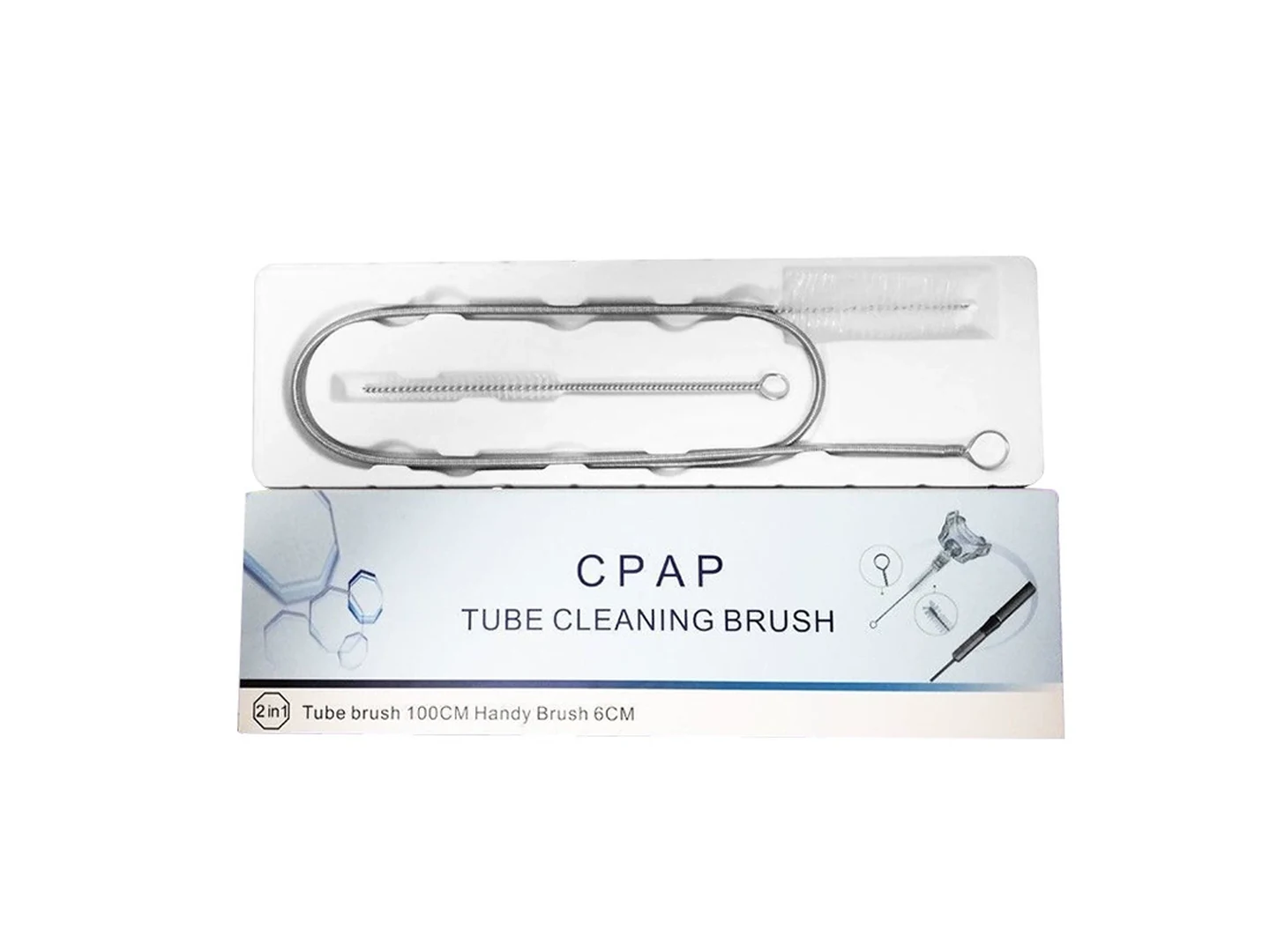
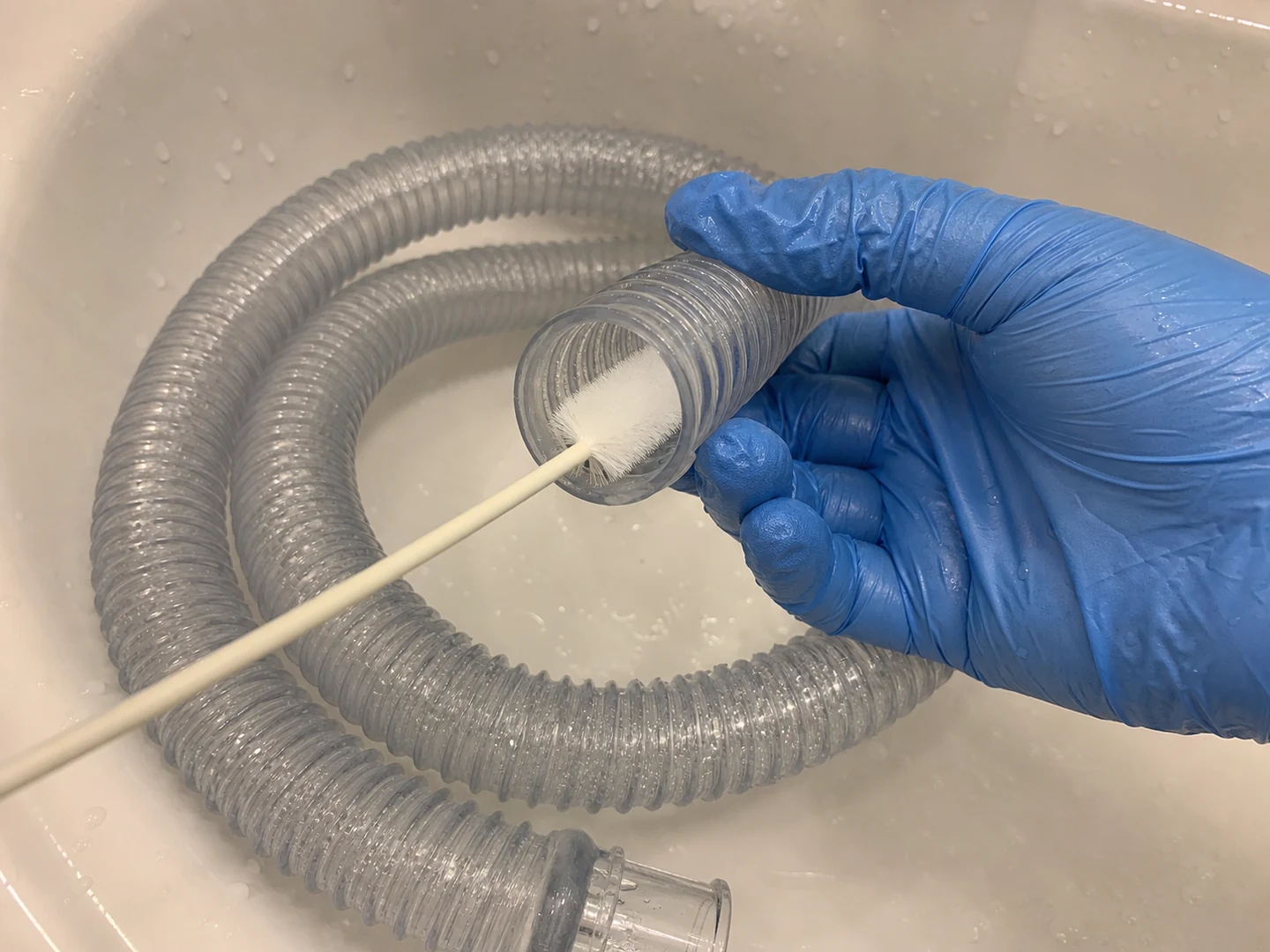
A CPAP hose cleaning brush is a long, flexible cleaning tool with bristles at one end, made to pass through the entire length of standard or narrow CPAP tubing and gently scrub away biofilm, mineral deposits, and organic debris. Unlike generic pipe or test tube brushes, a CPAP-specific brush is typically designed with softer, non-abrasive bristles and a flexible core to navigate the curves and thin walls of CPAP hoses without scratching or puncturing the material.
Common Types of CPAP Hose Cleaning Brushes
For reusable medical-device cleaning claims, the practical boundary is the device maker’s validated instructions and the FDA — Reprocessing Medical Devices in Health Care Settings rather than a brush-only rule.
For healthcare cleaning language, this article keeps its claims within the general boundary of the CDC — Disinfection and Sterilization Guideline, which is written for disinfection and sterilization in healthcare facilities.
Where the article discusses healthcare settings rather than ordinary cleaning, the CDC — Core Infection Prevention and Control Practices is used as the general infection-control frame.
For brush terminology and construction language, this section references American Brush Manufacturers Association — Brush Lingo.
Brushes vary by core material, bristle type, and overall structure:
- Wire core with nylon bristles – A flexible twisted stainless steel or galvanized wire core holds short-to-medium nylon bristles. Often reusable and durable, but stiffness must be gentle enough for soft CPAP tubing.
- Plastic-coated core with soft polyester or silicone bristles – Reduces risk of scratching; often used for delicate or narrow tubing. The coating adds a layer of protection.
- Foam or sponge-tip brushes – Instead of bristles, a soft foam or sponge cylinder cleans by absorption and gentle friction. Good for light cleaning but may not scrub stubborn biofilm.
- Replaceable head or modular brush systems – The brush head can be changed when worn, reducing waste and allowing different brush sizes for different hose inner diameters.
Comparison of CPAP Hose Cleaning Brush Features
| Feature | Wire Core & Nylon Bristle | Plastic-Coated Core & Soft Bristle | Foam/Sponge Tip | Modular/Replaceable Head |
|---|---|---|---|---|
| Typical core material | Stainless steel or galvanized wire | Plastic-coated metal or solid plastic | Flexible plastic or wire | Wire or plastic with detachable head |
| Bristle material | Nylon (medium stiffness) | Polyester, silicone (soft) | Polyurethane foam | Interchangeable; often nylon or silicone |
| Best for tube inner diameter | 15–22 mm (standard CPAP) | 10–19 mm (narrow or thin-wall) | 15–22 mm (light-duty) | Varies with head; usually 15–22 mm |
| Flexibility / bend radius | Moderate; can kink if forced | High; follows contours easily | High; very pliable | Depends on core; generally moderate |
| Typical brush length | 72–84 inches (1.8–2.1 m) | 72–96 inches (1.8–2.4 m) | 72 inches (1.8 m) | 72–120 inches (1.8–3.0 m) with extensions |
| Cleaning aggressiveness | Moderate | Low to moderate | Low (good for film) | Adjustable by head choice |
| Durability / replacement frequency | High; bristles may fray over time | Medium; coating may wear | Low; foam degrades faster | High if heads are replaced |
| Typical mounting/handle | Loop, ring, or straight wire handle | Plastic handle or T-bar | Plastic handle | Interchangeable handle or extension rod |
Note: Specifications are typical and can vary between manufacturers. Always verify dimensions with your specific brush supplier.
How to Choose the Right Brush for Your CPAP Hose
When evaluating a CPAP hose cleaning brush, keep these factors in mind:
- Tube inner diameter (ID): Match brush diameter to your hose’s ID. A brush that’s too large can be difficult to insert and may stretch or tear the hose. A brush too small will not clean effectively. Most standard CPAP hoses have an ID of 15–22 mm, but some heated or slim tubing may be as narrow as 10–12 mm. Measure or check your device specifications.
- Hose length: Standard CPAP hoses are around 6 feet (1.8 m). Choose a brush at least 72 inches long to reach the entire length. Longer brushes (84–96 inches) give extra length for grip and stroke.
- Bend radius: CPAP hoses often have gentle bends but tight coils or kinks can snag a stiff brush. Test brush flexibility by gently bending it; it should follow the hose’s natural curves without excessive force. Plastic-coated or foam brushes usually handle bends better than bare wire.
- Bristle softness: Avoid hard, abrasive bristles like stiff natural fibers or coarse wire. Nylon bristles are common, but for delicate hoses, opt for soft polyester, silicone, or flagged (split-end) bristles that clean gently yet effectively.
- Drying access: After cleaning, the brush itself must dry thoroughly to prevent mold. Brushes with dense bristle packs or absorbent foam may trap moisture. Look for designs that allow airflow or can be hung to dry.
- Detergent exposure: Regularly soaking a brush in mild CPAP detergent should not corrode the core or disintegrate the bristles. Stainless steel cores, plastic coatings, and synthetic bristles generally tolerate cleaning solutions better than plain steel or natural bristles.
- Replacement frequency: Over time, bristles flatten, foam breaks down, and core wires may weaken. As a rule of thumb, replace your brush every 3–6 months or sooner if you see fraying, bent wires, or reduced cleaning effectiveness.
Common Mistakes When Choosing a CPAP Hose Cleaning Brush
- Using a generic tube brush not designed for medical tubing: Stiff laboratory or industrial brushes can scratch the hose interior, creating crevices where bacteria hide. A CPAP-specific brush uses gentle materials.
- Ignoring the brush diameter: A brush that fits tightly may be impossible to pull through; one too loose may skip contact.
- Forcing a stiff brush through tight bends: This can kink or puncture the hose, leading to leaks.
- Not cleaning the brush itself: A dirty brush can reintroduce bacteria into the hose. Rinse and disinfect the brush after each use and allow it to dry completely.
- Skipping replacement: Even high-quality brushes wear out. Continuing with worn bristles reduces cleaning efficiency and may leave residue.
When a CPAP Hose Cleaning Brush Is Not Enough
A brush is effective for physical removal of debris and biofilm, but it may not suffice in these situations:
- Stubborn mineral scale: If your water supply is hard, mineral deposits can form a crust that brushing alone cannot remove. Soaking in a vinegar-water solution or a dedicated CPAP hose cleaner may be needed first.
- Suspected mold or persistent odor: If the hose develops a musty smell that does not go away after brushing, the material might be compromised. Replace the hose.
- Inaccessible narrow passages: Some CPAP micro-tubing or connectors have IDs smaller than 10 mm, where even a slender brush may not fit. In such cases, thorough chemical cleaning or hose replacement is wiser.
- Damaged or delaminating hose interior: If the inner wall is scratched or peeling, a brush may worsen the damage. Inspect the hose against a light; if imperfections are visible, discard it.
- When a sample drawing or supplier review is needed: For large-scale purchases or custom brush design, request a technical drawing and material certificate from the manufacturer to confirm dimensions, bristle material, and core safety.
Final Takeaway
Selecting the right CPAP hose cleaning brush comes down to matching the brush’s diameter, length, flexibility, and bristle softness to your hose’s inner dimensions and your cleaning habits. A well-chosen brush makes hose maintenance quicker, safer, and more effective, helping extend the life of your CPAP equipment. When in doubt, err on the side of a softer, slightly undersized brush that can navigate bends smoothly without causing damage.
Frequently Asked Questions
Can I use a bottle brush or test tube brush to clean my CPAP hose?
It is not recommended. Bottle and test tube brushes often have harsher bristles or bare wire tips that can scratch the hose. CPAP-specific brushes are designed with flexibility and gentleness in mind to protect the tubing interior.
How often should I replace my CPAP hose cleaning brush?
Replace the brush every 3–6 months or as soon as you notice frayed bristles, a bent core, or reduced cleaning ability. A worn brush is less effective and may harbor contaminants.
What bristle material is safest for heated CPAP tubing?
Soft nylon, polyester, or silicone bristles are safe for heated tubing because they do not scratch the surface and can withstand the slightly elevated temperatures without degrading. Avoid metal bristles or stiff natural fibers.
How do I know if the brush diameter fits my hose?
Measure the inner diameter of your hose (or check the manufacturer’s specifications). The brush diameter should be equal to or slightly smaller than the ID—typically a brush with a 1.5–2 cm (0.6–0.8 in) brush head works for standard hoses, while slim tubing may require 1.0–1.2 cm (0.4–0.5 in). When in doubt, choose a brush with replaceable heads so you can test a few sizes.
Can I clean the brush in a dishwasher or autoclave?
Most CPAP hose brushes are not designed for high heat or pressure washing. Hand wash with mild soap and water, then air dry. Check the manufacturer’s care instructions, as some materials may be damaged by dishwashers or steam sterilizers.
What is the best way to dry the brush after use?
Shake off excess water, then hang the brush by its handle or loop in a well-ventilated area. Avoid storing it in a closed container while damp, as this promotes mold growth on the bristles.
Is a foam-tip brush better than a bristle brush?
Foam brushes are gentler and can absorb moisture, making them good for light cleaning and daily maintenance. However, for deeper scrubbing of biofilm, a soft bristle brush usually provides better mechanical action. Some users alternate between the two. Foam tips also need more frequent replacement because they compress and degrade faster.