What Is a Radiator Fin Brush?
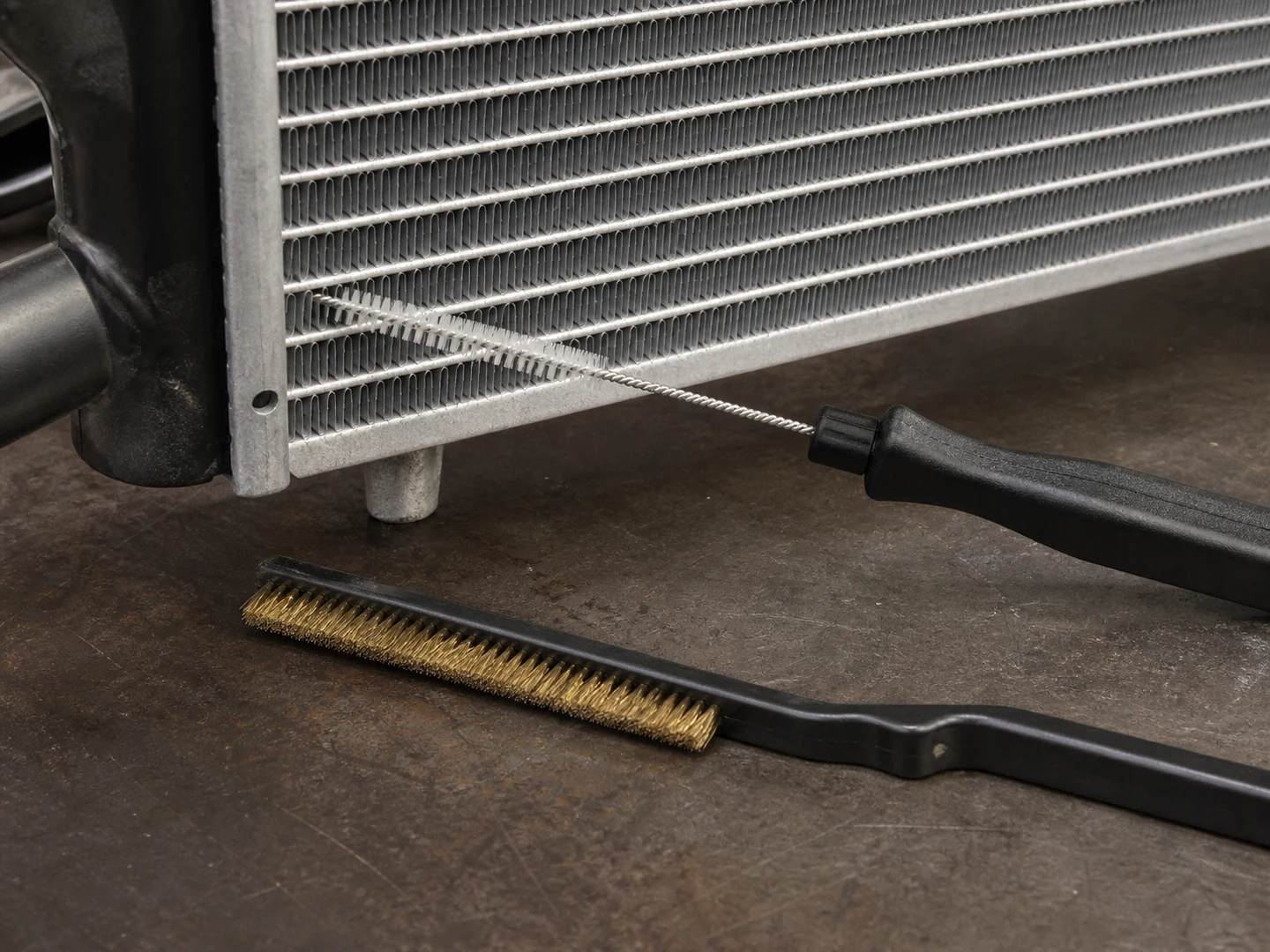
A radiator fin brush is a narrow, often cylindrical brush with bristles arranged to scrub the interior or exterior surfaces of radiator cores, fin arrays, and small-diameter tubes. Its primary job is to dislodge compacted dirt, scale, light corrosion, or process buildup from surfaces that are otherwise inaccessible. In small internal diameters, the brush must balance reach, flexibility, and scrubbing power without scratching thin metal walls or bending fragile fins.
For boilers, chillers, cooling towers, condenser systems, heat-exchanger maintenance, and O&M practices, this article cites U.S. Department of Energy FEMP — Operations & Maintenance Best Practices: A Guide to Achieving Operational Efficiency, Release 3.0; boiler, chiller, cooling tower, and heat-exchanger maintenance chapters.
Common Types and Material Options
Radiator fin brushes come in several forms, each suited to different cleaning challenges:
- Tube brushes with twisted wire core – Bristles wound between double wires; good for straight, short-access bores.
- Flexible spiral brushes – Continuous nylon or wire bristle coil on a flexible core; can navigate gentle bends.
- Miniature bottle-style brushes – Loop or tufted ends for cleaning bottom chambers and inner fin corners.
- Flat trim brushes – Angled or straight bristles on a handle for external fin cleaning between rows.
Bristle materials typically include:
- Brass: mild abrasive, good for light scale, conductive, less likely to spark.
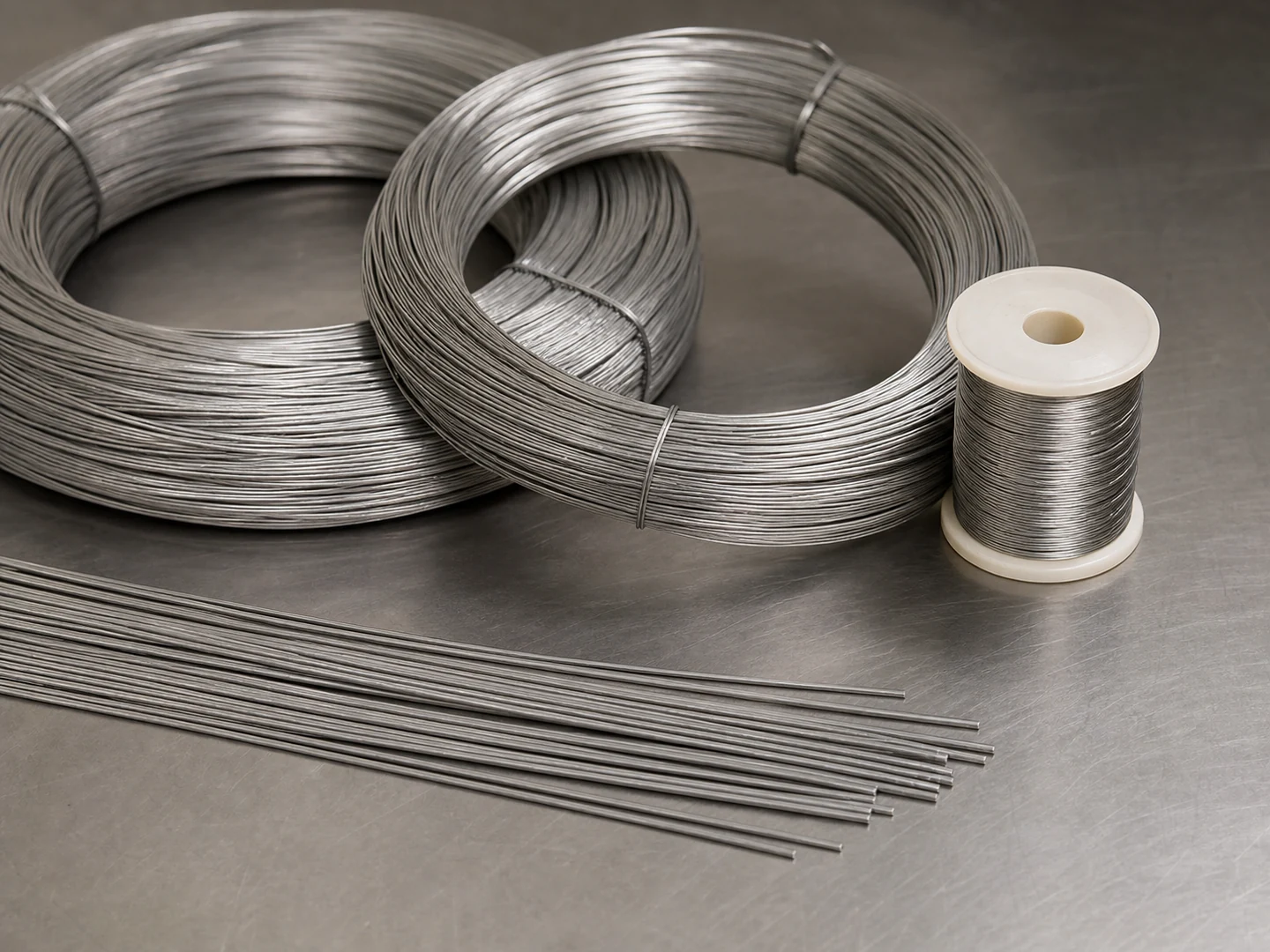
- Stainless steel: aggressive cleaning, suited for hard deposits, risk of scratching soft metals.
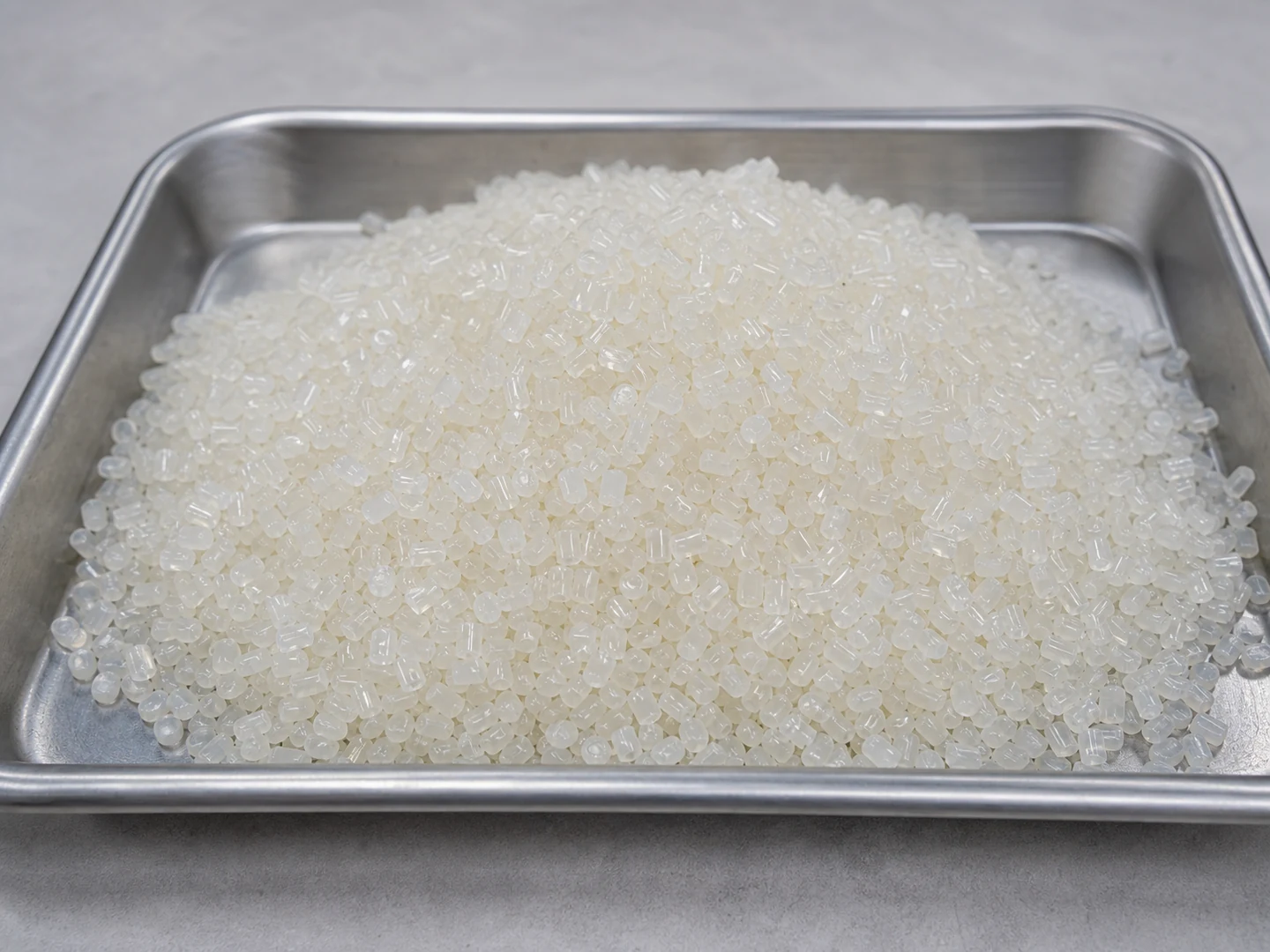
- Nylon: soft, non-abrasive, chemical-resistant, ideal for delicate fins and wet applications.
- Polypropylene: stiffer than nylon, good chemical resistance, common in hygiene-sensitive environments.
- Natural fibers (horsehair, Tampico): absorbent, gentle, used for polishing and light dusting.
Comparing Brush Materials for Small Internal Diameters
| Material | Stiffness & Scrubbing Power | Surface Sensitivity | Chemical/Wet Resistance | Typical Small-Diameter Use |
|---|---|---|---|---|
| Brass | Medium | Medium – light scoring possible on aluminum | Good, but can corrode in acidic environments | Scale, oxidation removal in copper/brass tubes |
| Stainless Steel | High | Low – can scratch thin fins | Excellent | Hard carbon or rust deposits; avoid on soft metals |
| Nylon | Low to Medium | High – safe for most fin materials | Excellent, wide pH tolerance | General dusting, light soot, wet cleaning with chemicals |
| Polypropylene | Medium-High | Medium-High – less scratch risk than metal | Excellent | Oily residues, food-grade cleaning, frequent washes |
| Natural Fiber | Low | Very High – non-scratching | Poor – absorbs moisture, can degrade | Final polishing, dust removal on delicate surfaces |
How to Choose the Right Radiator Fin Brush
Selection hinges on six practical factors that go beyond just matching a diameter:
- Residue type: Dry dust vs. sticky oil vs. baked-on scale. Match bristle aggression and chemical compatibility.
- Surface sensitivity: Aluminum or thin copper fins require softer bristles; steel cores might scratch.
- Equipment interface: Check whether the brush must fit a drill, extension rod, or manual handle. Thread size, shank diameter, and core flexibility matter.
- Wet or chemical exposure: Ensure bristles and core resist the cleaning agent — stainless steel or polypropylene for solvents, nylon for water-based.
- Hygiene and contamination control: In food, pharmaceutical, or cleanroom radiators, non-shedding, non-porous materials are essential.
- Maintenance frequency: High-volume, frequent cleaning favours durable cores and quick-change designs; occasional use may allow simpler loop brushes.
For custom sizes, always verify the actual inner diameter (ID) at the tightest point, including any bends or reducers, and request a drawing review from the brush supplier to confirm clearance and bristle fill ratio.
Common Mistakes to Avoid When Selecting a Radiator Fin Brush
- Choosing by diameter alone: Overlooking bristle length, core diameter, and stiffness leads to poor contact or jamming.
- Using metal brushes on soft fins: Stainless steel bristles can scratch or flatten aluminum fins, reducing heat transfer.
- Ignoring chemical compatibility: Nylon absorbs some acids and swells; using it blindly with aggressive solvents shortens brush life.
- Forgetting the entry angle: A straight brush may not reach if the access port is off-axis; a flexible core or angled tip might be necessary.
- Buying a “one-size-fits-all” kit: A set of generic tube brushes often leaks mismatched stiffness or poor bristle retention.
- Skipping a sample test: Without a trial run, you risk ordering hundreds of brushes that bend, shed, or damage the radiator core.
When a Radiator Fin Brush Is the Wrong Choice
A radiator fin brush excels at mechanical scrubbing of accessible internal and external spaces, but it has clear limits:
- Severe blockage or hardened scale: Chemical descaling, pressure washing, or ultrasonic cleaning may be needed before brushing.
- Bends tighter than the brush core allows: A flexible brush can navigate gradual curves, but sharp 90-degree turns require a custom-shaped tool or pull-through system.
- Cleanroom or sterile environments: Standard plastic handles and ferrule crimps may not meet particle-shedding requirements; cleanroom-grade brushes with sealed cores are a separate category.
- Internal inspection is mandatory: A brush only cleans; if you need to verify cleanliness, pair it with a borescope or LED light wand.
If the radiator or heat exchanger operates under high pressure, is safety-critical, or holds hazardous media, always involve an engineering review before selecting a cleaning method.
Final Takeaway
Choosing a radiator fin brush for small internal diameters is less about finding the smallest size and more about matching the bristle material, core flexibility, and tip design to the specific residue, surface, and access conditions. Start by measuring the narrowest ID, identifying the toughest deposit, and deciding whether wet chemicals will be used. Compare materials using a table like the one above, request a sample for a real-world test, and remember that a brush is just one part of a broader cleaning procedure.
Frequently Asked Questions
What is the difference between a radiator fin brush and a standard tube brush?
A radiator fin brush is often shorter, has softer or more precisely trimmed bristles to clean between thin fins, and may have an angled head or extra-flexible core for tight fin rows. Standard tube brushes are typically longer, stiffer, and designed for straight pipe bores.
Can I use a wire brush for cleaning aluminum radiator fins?
It is risky. Wire brushes, especially steel, can scratch, bend, or even micro-crack soft aluminum fins. Brass or nylon are safer choices unless the deposit absolutely requires abrasive action, in which case a very soft brass brush with light pressure may be acceptable after testing.
How do I measure internal diameter for a custom brush?
Measure the smallest point the brush must pass through, including any reducer, threads, or bend. Use a caliper inside the bore. Provide the minimum and maximum ID to the supplier, along with the overall length and any curved sections, so they can recommend the right bristle fill and core diameter.
Are nylon bristles safe with chemical cleaners?
Generally yes, nylon resists many solvents, alkaline cleaners, and mild acids. However, strong oxidizing acids or high-concentration bleach can degrade nylon over time. Polypropylene offers broader chemical resistance if you run frequent aggressive wash cycles.
What if my radiator has bent or crushed fins — can a brush fix that?
No. A brush cleans between fins; it cannot straighten them. Use a fin comb or fin straightener tool first to restore uniform spacing, then gently clean with a soft brush to avoid further damage.
How often should I replace a radiator fin brush?
Replacement frequency depends on bristle wear, core fatigue, and contamination risk. In heavy-duty wet cleaning, wire core brushes may last weeks; nylon brushes can fray in a few hundred cycles. Inspect bristles after each cleaning shift; replace when bristles flatten, shed, or the core shows kinks.
Do I need a special handle or adapter for small-diameter brushes?
Many small brushes come with a standard loop, threaded end, or straight shank. Check compatibility with your rotary tool or extension rod. For manual cleaning, ensure the handle provides enough grip and does not spin inside your hand when encountering resistance.
Technical References
- U.S. Department of Energy — Air Conditioner Maintenance
- ASME — Y14.5 Dimensioning and Tolerancing
- OSHA — 1910.147 Control of Hazardous Energy
- American Brush Manufacturers Association — Brush Lingo
Which bristle material fits this job — Nylon PA, AISI 304 Stainless Steel Wire or Horsehair?
| Material | Continuous temperature (°C) | Peak temperature (°C) | Water absorption | Hardness |
|---|---|---|---|---|
| Nylon PA | 93 | 121 | 0.3–9% by PA grade and conditioning | Medium to firm; filament diameter and trim length control bending force. |
| AISI 304 Stainless Steel Wire | 400 | 500 | 0% | Rockwell B 70–95 depending on temper and cold work |
| Horsehair | 60–80 | 100–120 | 8–15% | — |
| Brass Wire | 150–200 | 250–300 | 0% | Rockwell B 40–90 |
Figures as published by Brushtec / DuPont; Alleima. Confirm the exact grade against the supplier datasheet before ordering.
What should replace Handheld Detail Brushes for radiator fin brush?
- Handheld Detail Brushes — Handheld detail brushes cover general precision cleaning; auto-detailing brushes impose tighter controls for painted, polished, leather, display, and trim surfaces.
- Nylon PA — Compare Nylon PA with PP, PBT, PET. Change material when wet stiffness, temperature, chemical resistance, conductivity, particle shedding, or surface marking becomes the limiting factor.
- AISI 304 Stainless Steel Wire — Use AISI 316 stainless steel wire for chloride, marine, dairy, beverage, chemical washdown, or higher pitting-resistance requirements. Use carbon steel for dry aggressive cutting and brass or abrasive nylon for lower marking risk.
- Horsehair — Compare Horsehair with Boar bristle, goat hair, microfiber. Change material when wet stiffness, temperature, chemical resistance, conductivity, particle shedding, or surface marking becomes the limiting factor.