What Is a PP Brush?
Choosing pP Brush for Scratch-Sensitive Parts starts with access, residue type, surface sensitivity, brush stiffness, operating environment, and replacement routine. A useful brush removes the target soil or finishes the surface without creating a new problem such as scratching, shedding, jamming, cross-contamination, or premature wear.
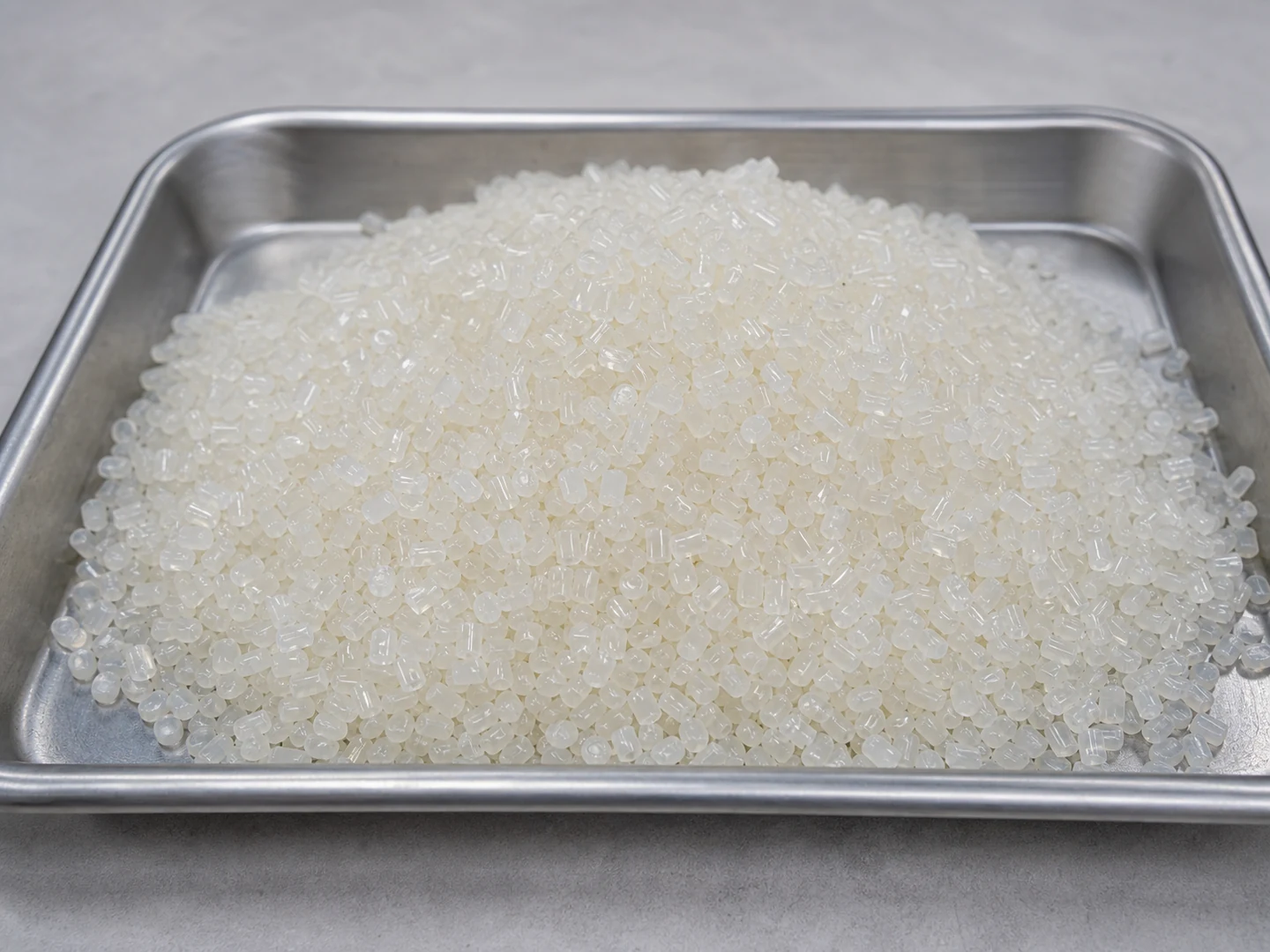
A PP brush is a brush with bristles made from polypropylene, a thermoplastic polymer. Polypropylene filaments are inherently softer than many synthetic and natural alternatives—softer than nylon, abrasive-filled filaments, or steel wire—yet they offer good shape memory, chemical resistance, and moisture resistance. In industrial and specialty cleaning, PP brushes are often specified for applications where metal, stiff nylon, or even horsehair would be too aggressive.
For thermoplastic material family and polymer property context, this section references British Plastics Federation — Thermoplastics.
For brush construction terminology, bristle/fill/backing/stem terms, this section references American Brush Manufacturers Association — Brush Lingo.
Why Choose PP for Scratch-Sensitive Parts?
Polypropylene filaments bring a unique balance of softness, chemical tolerance, and cost-effectiveness. Key advantages for delicate surfaces include:
For engineering drawing, dimensions, tolerance, thread, fit, and RFQ specification context, this section references ASME — Y14.5 Dimensioning and Tolerancing.
- Low surface hardness – Reduces the risk of micro-scratches on polished, coated, or soft substrates.
- Non-absorbent – Does not swell or soften when used with water or many mild chemicals.
- Good chemical resistance – Stands up to a range of acids, alkalis, and solvents, making it suitable for wet cleaning and light solvent wiping.
- Flexibility without permanent deformation – Bristles spring back to shape, maintaining consistent contact pressure.
- Low particle generation – Clean, extruded filaments shed less debris than natural fibers, an important factor in cleanroom or pre-paint preparation.
Filament Selection: What Actually Affects Scratch Risk
Not all PP brushes are equally gentle. Two key attributes determine scratch risk: filament diameter (thickness) and bristle stiffness (which depends on filament diameter, trim length, and density). The table below summarizes how these choices map to typical cleaning tasks on sensitive parts.
| Filament Diameter | Typical Stiffness | Scratch Risk Level | Debris Type Handled | Example Sensitive Surfaces |
|---|---|---|---|---|
| Fine (0.10–0.20 mm) | Soft | Very low | Dust, light powder, loose fibers | Optical lenses, coated plastic, polished aluminum |
| Medium (0.20–0.40 mm) | Medium | Low | Light process residue, dried dust, fine particulates | Painted surfaces, anodized parts, soft metals |
| Coarse (0.40–0.80 mm) | Firm | Moderate | Sticky residues, thicker buildup, light oxidation | Stainless steel, hard coatings, textured surfaces |
Beyond filament diameter, trim length and density change how the brush feels and works. A shorter trim with the same filament will feel stiffer; a higher density pack makes the brush face more aggressive. Always test on a non-critical part or sample first.
How to Choose the Right PP Brush for Your Process
Walk through these decision factors before specifying a brush. Each factor connects to a real operating condition.
- Residue type – Dust, light oil, dry powder, or sticky film? Fine filaments handle dry dust well; medium filaments with more stiffness may be needed for residues that cling.
- Surface sensitivity – What is the softest or most scratch-prone material the brush will touch? Choose filament diameter one grade finer than you think, if in doubt.
- Wet or chemical exposure – PP is compatible with many cleaning agents, but confirm resistance to your specific chemical at operating temperature. Avoid strong oxidizing acids.
- Equipment interface – How will the brush be mounted? Strip brush holders, shaft-mounted wheels, tube brushes, or custom rollers? Check bore size, keyway, or clamping method.
- Hygiene requirements – If the brush contacts food or medical device surfaces, a food-grade PP formulation and a design that minimizes microbial harbors may be mandatory. Look for FDA-compliant materials and crevice-free construction.
- Maintenance frequency – How often can you replace brushes? In high-wear stations, a slightly coarser filament might last longer without exceeding scratch limits. Budget for periodic inspection and change-out.
- Custom sizes – Many scratch-sensitive parts require non-standard dimensions. Provide a drawing with tolerance expectations when requesting custom brushes.
Common Mistakes to Avoid
- Choosing by cost drivers alone – A cheaper PP brush may use lower-grade resin or inconsistent filament diameters, increasing scratch risk.
- Ignoring filament stiffness differences – Assuming “PP is soft” without checking actual filament spec can lead to scuffed parts.
- Overlooking chemical compatibility – PP can degrade with strong oxidizers or prolonged UV exposure. Match the chemical environment.
- Neglecting mounting fit – A brush that does not sit squarely or slips on the shaft will cause uneven pressure and localized scratches.
- Using one brush for multiple chemistries – Cross-contamination between cleaning solutions can alter bristle properties or transfer unwanted chemicals.
- Skipping a trial on actual parts – Lab data and datasheets are a starting point. A short pilot run on production scrap or test coupons is essential.
When a PP Brush Is Not Enough
PP covers many non-abrasive applications, but there are clear boundaries:
- Heavy abrasion or rust removal – For mill scale or heavy oxide, a PP brush will simply glide without cutting. Switch to an abrasive-filled filament or wire brush.
- High-temperature processes – PP softens above roughly 160°F (71°C). For hot parts, consider nylon 6/12 or specialty heat-resistant filaments.
- Static-sensitive electronics handling – Standard PP can build static. Use conductive or static-dissipative filament blends, and verify anti-static properties.
- Food contact with very aggressive cleaning – Some high-caustic CIP systems can degrade PP. Confirm with the brush manufacturer.
- Deep profiling or scrubbing textured surfaces – When the part surface is intentionally rough, PP may not be aggressive enough to clean within a desired cycle time. Evaluate stronger options or mechanical assistance.
Final Takeaway
Choosing the right PP brush for scratch-sensitive parts is a materials- and process-driven decision, not a commodity buy. Start by identifying the softest surface in your process, then match filament diameter and stiffness to the residue you must remove—without ever threatening the finish. Pair that with the correct mounting, chemical tolerance, and a test protocol, and you will land on a brush that protects your parts while delivering reliable cleaning performance.
Practical Use Note
In daily use, the practical test is simple: check whether the brush reaches the full contact area, removes the target residue, and leaves the surface in the required condition. Record what changes when access, residue type, surface sensitivity, brush stiffness, operating environment, and replacement routine changes, because many brush failures are caused by the working condition shifting rather than by the brush body alone.
Frequently Asked Questions
Can a PP brush be used with solvents?
Yes, polypropylene resists many common solvents such as alcohols, mild acids, and alkalis. Always check a chemical compatibility chart for your specific solvent and concentration. Avoid prolonged contact with strong oxidizers or aromatic hydrocarbons.
How do I know if a PP brush is food-grade?
Look for a statement from the manufacturer that the brush meets FDA 21 CFR or EU 10/2011 requirements for the intended food contact application. This applies to both the filament material and the brush block, core, or handle materials.
What is the typical lifespan of a PP brush?
Lifespan varies widely with usage frequency, pressure, speed, and the type of residue. In light-duty dusting, a brush may last months. In a continuous rotating application with abrasive particles, it may need replacement every few weeks. Track wear by monitoring bristle set or reduced cleaning effectiveness.
Can I order a custom brush size?
Yes, most industrial brush suppliers offer custom dimensions including overall length, trim length, filament diameter, and mounting configuration. Provide a dimensional drawing with tolerances and quantity to get an accurate quote.
What mounting options work best for automated lines?
Common automated mounting styles include shaft-mount wheels with set screws, strip brush holders that clamp into a channel, and threaded-end brushes for quick change. Match the mounting to your machine’s shaft diameter, keyway, and RPM.
Is a PP brush anti-static?
Standard polypropylene is an insulator and can build up a static charge, which may attract dust or damage ESD-sensitive electronics. If static control is critical, request a static-dissipative or conductive PP blend designed for electronics or cleanroom use.
How do I clean and maintain a PP brush?
For dry debris, shaking or vacuuming often suffices. For wet residues, rinse with compatible solvents or mild detergents and allow to air-dry thoroughly before reuse. Avoid high-pressure water that can deform filaments. Inspect regularly for bent or matted bristles, which indicate it’s time for replacement.