
Application
Escalator Step and Edge Cleaning
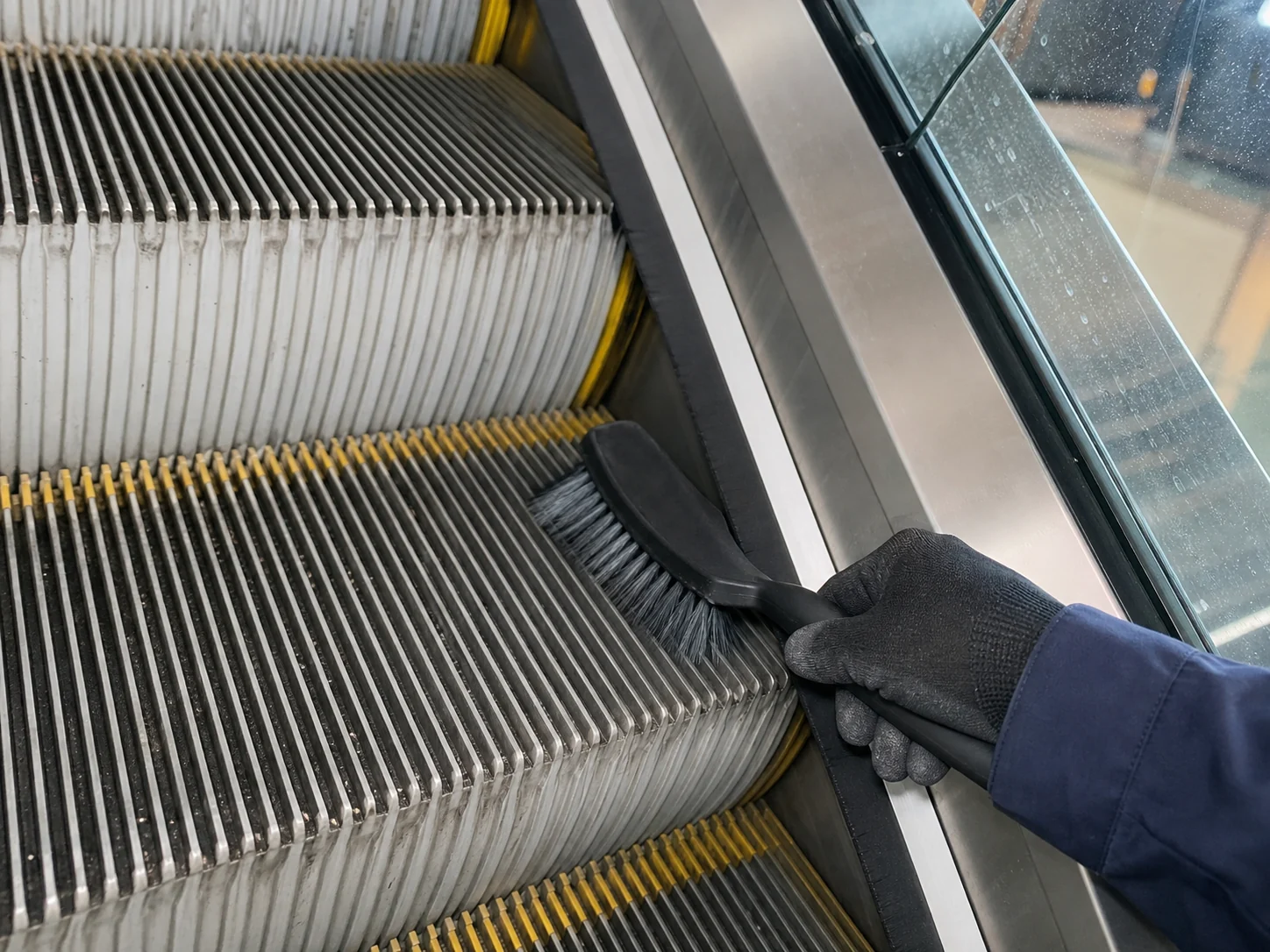
For Escalator Step and Edge Cleaning, the brush must reach the working area, disturb or collect dust/sand particles/fibers/oil and grease, and release it without creating unacceptable surface damage or process interference. The available access and required motion should be reviewed together with the cleaning method.
At a glance
- Cleaning target
- Dust/Sand Particles/Fibers/Oil and Grease
- Working environment
- Dry Indoor Area / Wet Indoor Area
- Cleaning method
- Dry Brushing / Wet Brushing
- Requirements to check
- Escalator-Maintenance SOP; Flame-Retardancy and Low-Filament-Shedding Requirements
An escalator step is cleaned along its grooves, because that is where grit collects and where the comb plate has to stay clear for the step to keep running safely.
What makes Escalator Step and Edge Cleaning different from other facility, floor and outdoor cleaning?
The task is to remove Dust/Sand Particles/Fibers/Oil and Grease while controlling surface damage, residue carryover, brush shedding and chemical or temperature degradation.
The work happens in dry indoor area and wet indoor area against dust, sand particles, fibers and oil and grease.
The part people get wrong: the residue tells you the filament, but the access opening tells you the construction. Get them in that order and the shortlist is short.
What are the most common cleaning targets in Escalator Step and Edge Cleaning?
5 targets, each with its own opening, residue and contact requirement.
| Part or area | Residue type | Cleaning requirement |
|---|---|---|
| Step-Groove | Dust, Sand Particles, Fibers, Oil and Grease | The head must be narrower than the opening and stiff enough to lift residue without splaying at the mouth. |
| Step-Riser | The head must reach the working face and apply even contact without marking the surface. | |
| Skirt-Panel Edge | The strip must run the full length of the gap and keep light, continuous contact without binding. | |
| Comb-Plate | ||
| Moving-Walkway | The brush must cover a large area per pass and keep even pressure across the whole width. |
The dimensional envelope those targets impose on the brush:
| Parameter | Typical range |
|---|---|
| Contaminant | Dust/Sand Particles/Fibers/Oil and Grease |
| Required hardness | Medium |
| Maximum temperature | 80°C |
| Chemical exposure | No Added Medium; Neutral Detergent |
| Cleaning method | Dry Brushing/Wet Brushing |
| Environment | Dry Indoor Area/Wet Indoor Area |
Which brush types work for each cleaning target?
Select hand, tube, strip, roller, disc or machine-mounted geometry from access and motion.
| Cleaning target | Recommended brush type | Why it fits |
|---|---|---|
| Step-Groove | Strip Seal Brushes | The step grooves must stay clear for the comb plate to mesh, so a fixed strip brush clears each groove as the step passes under it. |
| Step-Riser | The riser is a cleated face moving continuously past a fixed point, so a strip brush mounted there wipes the whole face without stopping the unit. | |
| Skirt-Panel Edge | The skirt brush runs the length of the panel to keep feet and debris out of the step-to-skirt gap, so here the brush is a guard as much as a wiper. | |
| Comb-Plate | The comb plate is where everything carried up the steps arrives, so a strip brush ahead of it sweeps the grooves before the teeth can jam. | |
| Moving-Walkway | A walkway is the same tread running much further, so a full-width strip brush is what keeps grit out of the grooves along the whole length. |
All five are fixed strip brushes bolted into the escalator — skirt, comb plate and step edge — so they are specified and replaced rather than operated.
In practical brush terms: reach first, then residue. A brush that fits but is too soft can be stiffened; a brush that does not fit is simply the wrong tool.
What filament materials work best for Escalator Step and Edge Cleaning?
Nylon or PBT specified in a flame-retardant grade — a comb-plate brush sits inside a fire-rated assembly, and low shedding matters because loose filament drops straight into the step chain.
| If the condition is… | Filament to start with | Why |
|---|---|---|
| Fire-rated step and comb-plate assembly | Nylon PA, flame-retardant grade | the assembly’s rating governs the fill before the soil does |
| Filament that must not reach the step chain | PBT | low shedding, so nothing loose drops into the drive |
The constraints this application puts on the filament:
| Constraint | Value for this application |
|---|---|
| Filament hardness | Medium |
| Maximum service temperature | 80°C |
| Chemical exposure | No Added Medium; Neutral Detergent |
| Cleaning method | Dry Brushing, Wet Brushing |
How do I choose the right brush for my escalator step and edge equipment?
Start with medium fill, an 80°C ceiling and no added medium, then size the fill to the step groove pitch rather than to the step width.
Work through it in this order:
- Identify the target part and measure the access opening or clearance
- Describe the residue: what it is, how thick it sits, and how strongly it holds
- Choose the construction that can physically reach that target
- Set the filament from surface risk, working temperature and cleaning chemistry
- Fix filament diameter, free trim length and density for the contact pressure you need
- Run one cycle and check the result before committing to a production quantity
Before you commit to a quantity, send the step width, the groove pitch and depth, and the comb-plate clearance.
When is an escalator step and edge brush the wrong tool?
Machines built for escalators clean and extract along the grooves in one pass, which hand brushing cannot match. And nothing is cleaned on a moving unit — this is a lockout and permit job before it is a tool choice.
What common mistakes should I avoid in Escalator Step and Edge Cleaning?
- Giving step width instead of groove pitch and depth
- Changing the filament while leaving excessive engagement, poor alignment or no discharge path unchanged
- Copying a worn brush without first recording its motion, direction, mounting and original working diameter
When a brush is running but not cleaning, start here rather than adding pressure:
| Symptom | What to change |
|---|---|
| Residue remains | Increase discharge or relative motion before adding pressure |
| Surface marks | Reduce engagement and use finer/softer fill |
| Rapid wear | Check alignment, temperature and chemical attack |
| Redeposition | Add wash, vacuum or collection path |
Continue Exploring
Recommended Reading & Related Brush Resources
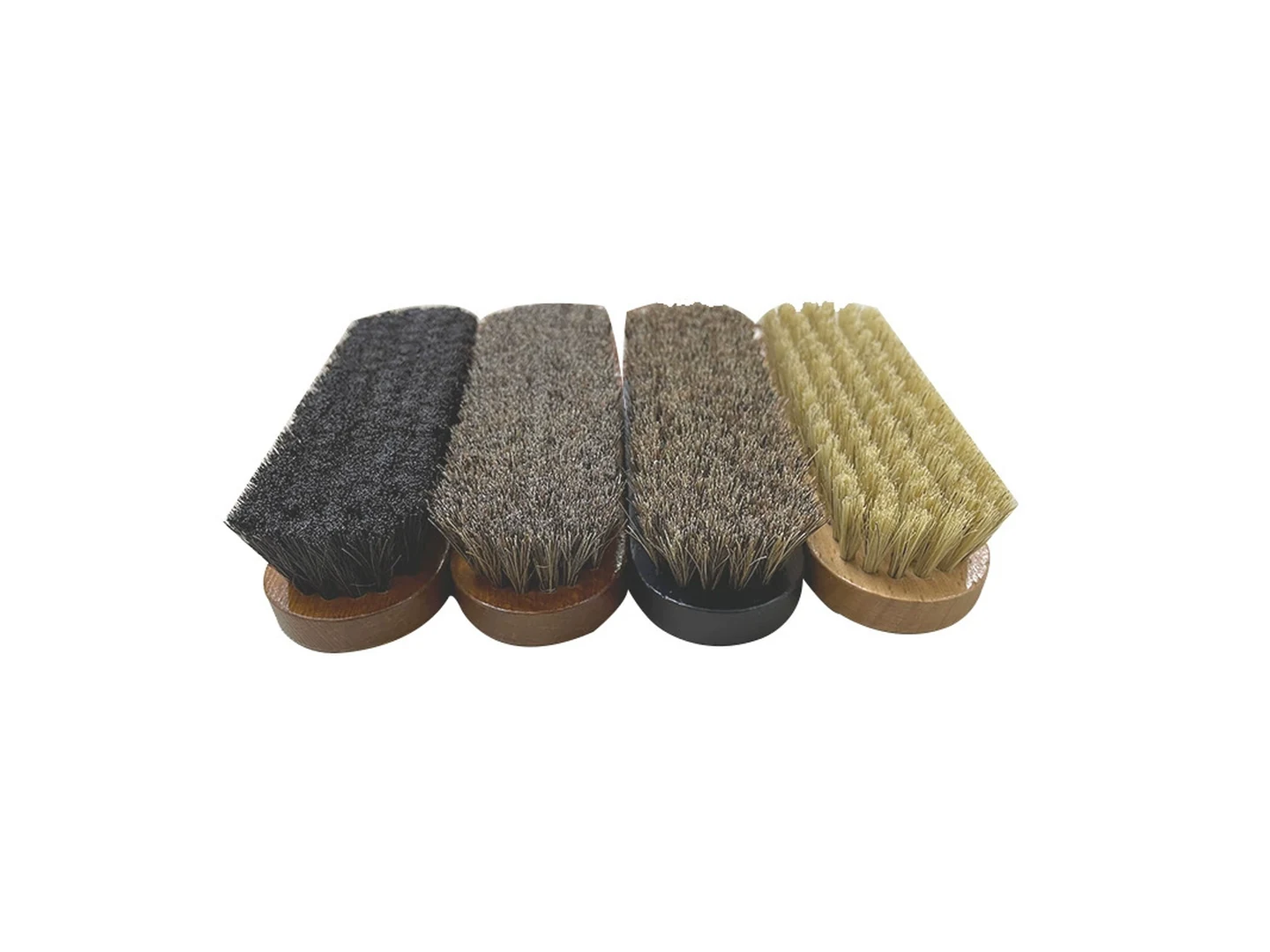
Carbon Fiber Panel Cleaning Brush
Conductive carbon fiber filament panel brush for dry dust removal from films, coated webs,…
See the specification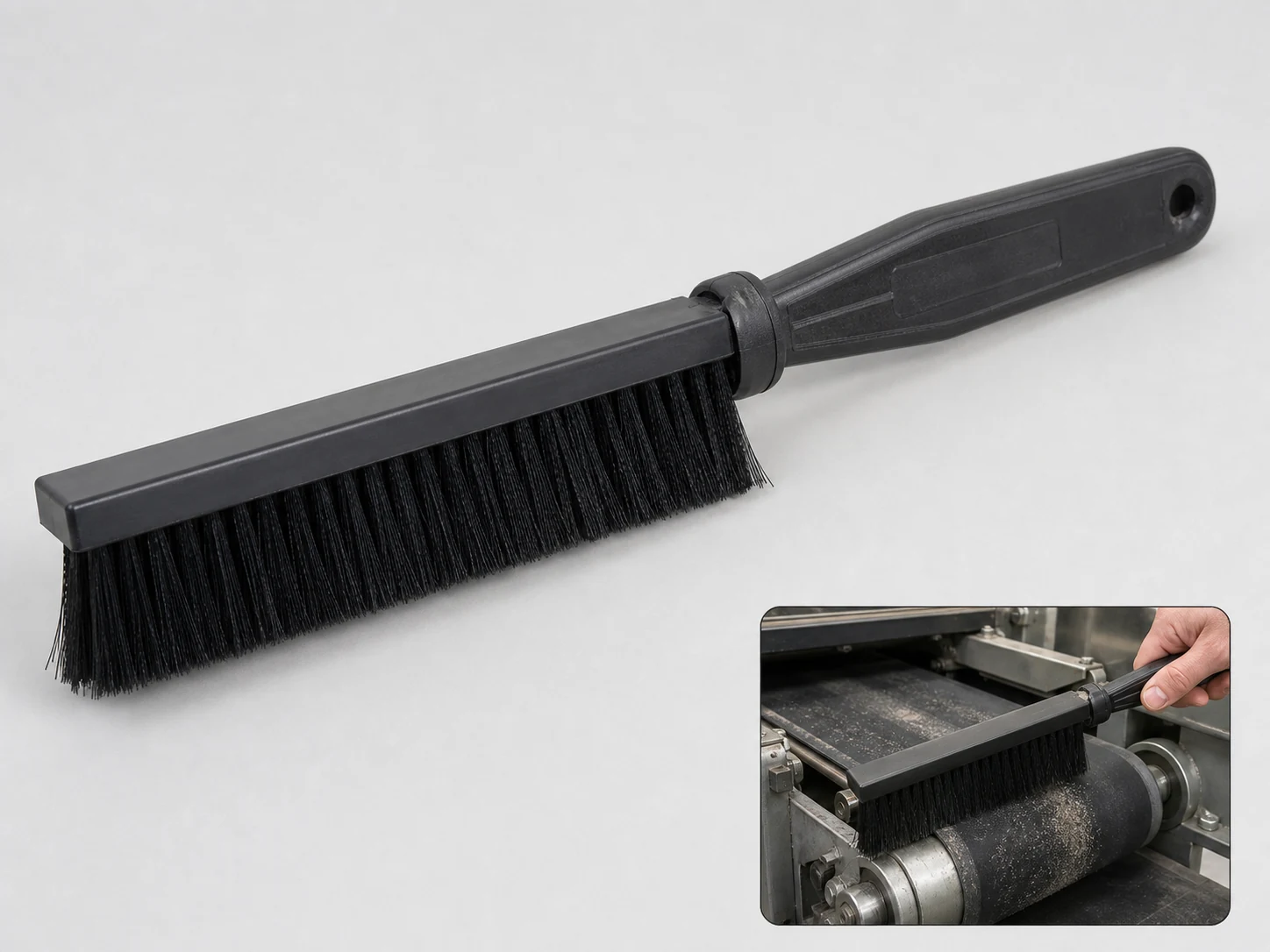
Dusting Brush
Custom dusting brush with nylon PA fill for dry dust, fiber, and fine-particle removal…
See the specification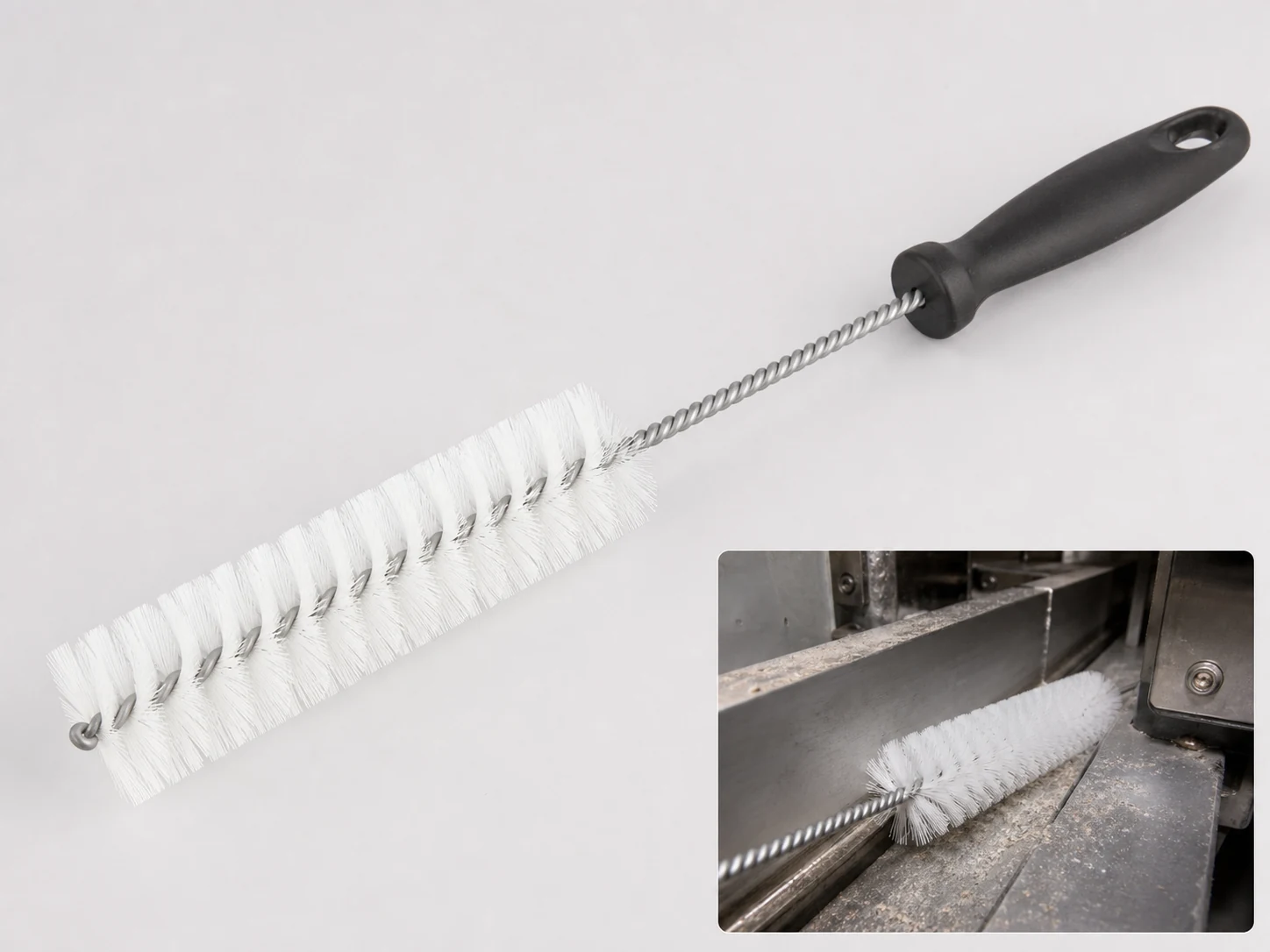
Nylon Cleaning Brush
Nylon cleaning brush for machine parts, slots, and panels. Configurable filament diameter, trim length,…
See the specification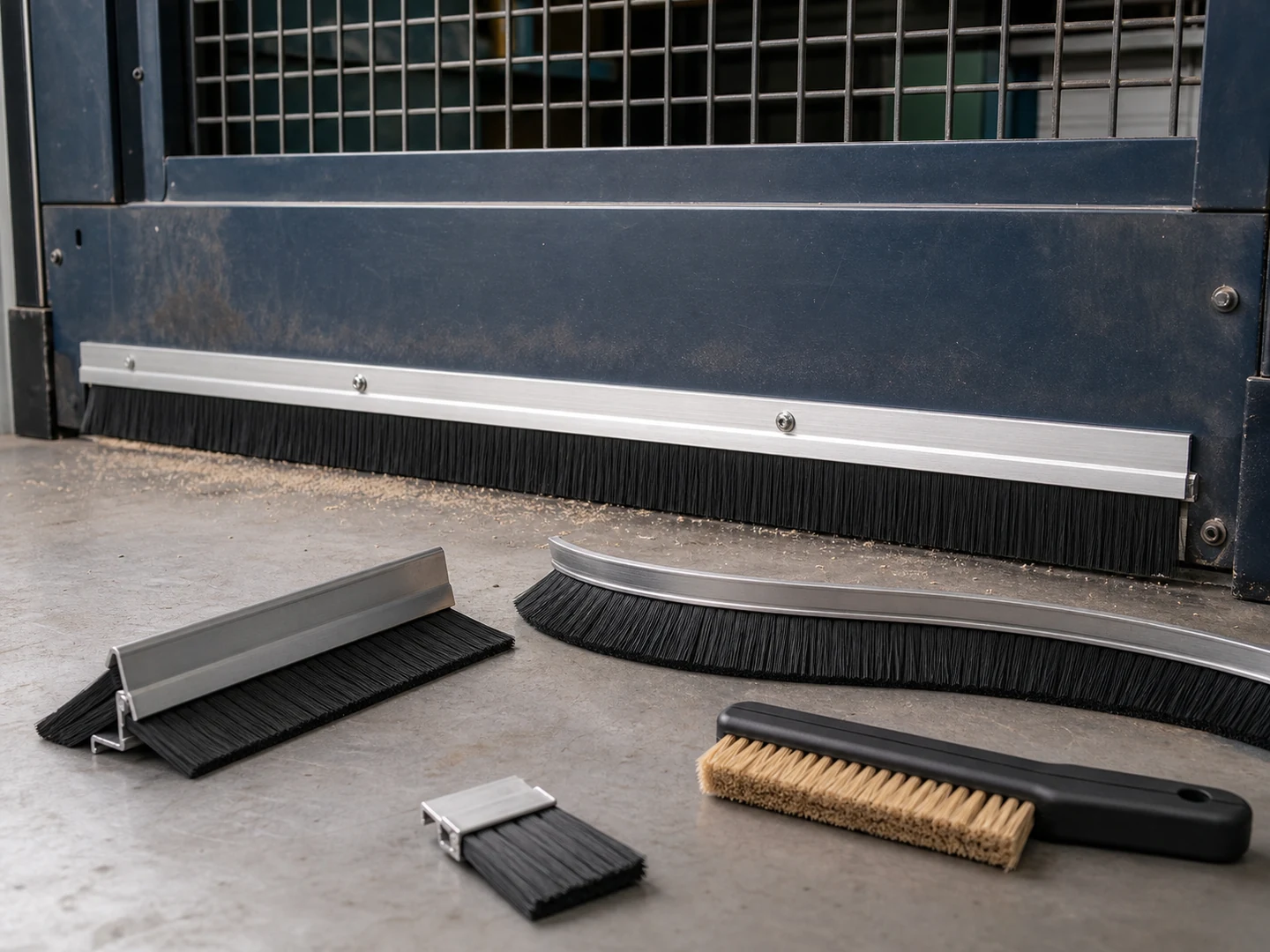
Custom Strip Seal Brushes
Choose a strip seal brush when a continuous line of filament must seal, wipe,…
See how this type is builtCustom Manufacturing RFQ
Discuss This Application
Share the working surface, residue, dimensions, material direction, interface, quantity and drawing or sample photo.
Custom Brush RFQ
Request a Custom Cleaning Brush Quote
Upload a drawing, product photo, or sample photo and provide the core dimensions and cleaning conditions.
“We need a brush to remove wet residue from a stainless steel conveyor, about 800mm wide. The current brush wears quickly. We can send photos.”
“We sell drinkware and need a cleaning brush to include with the product. Quantity around 5,000 pieces.”