What Is an Annealing Furnace Cleaning Brush?
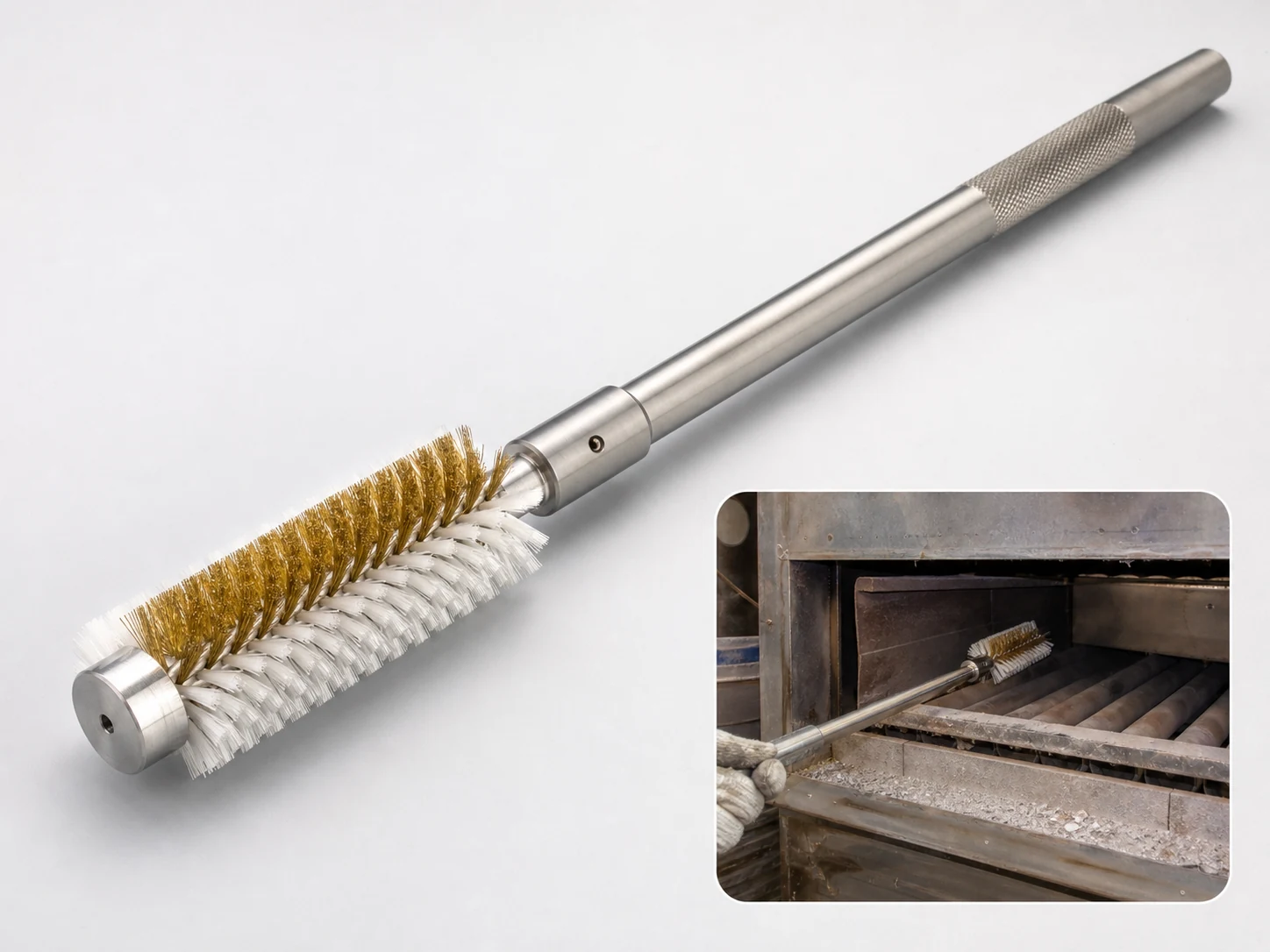
An annealing furnace cleaning brush is a high-performance brush assembly used in metal processing lines to clean scale, oxidation, and surface contaminants from metal coils, sheets, or wires during or after the annealing process. Annealing, a heat treatment that alters the metal’s microstructure, often leaves behind a layer of oxide scale that must be removed to ensure proper downstream processing and surface quality. These brushes typically feature heat-resistant filaments—such as hardened stainless steel, brass, or abrasive-impregnated nylon—mounted on a core that can be integrated directly into a production line at temperatures that would quickly degrade standard brushes.
Common Types of Furnace Cleaning Brushes
Industrial oxide removal brushes come in several constructions, each suited to different operating conditions:
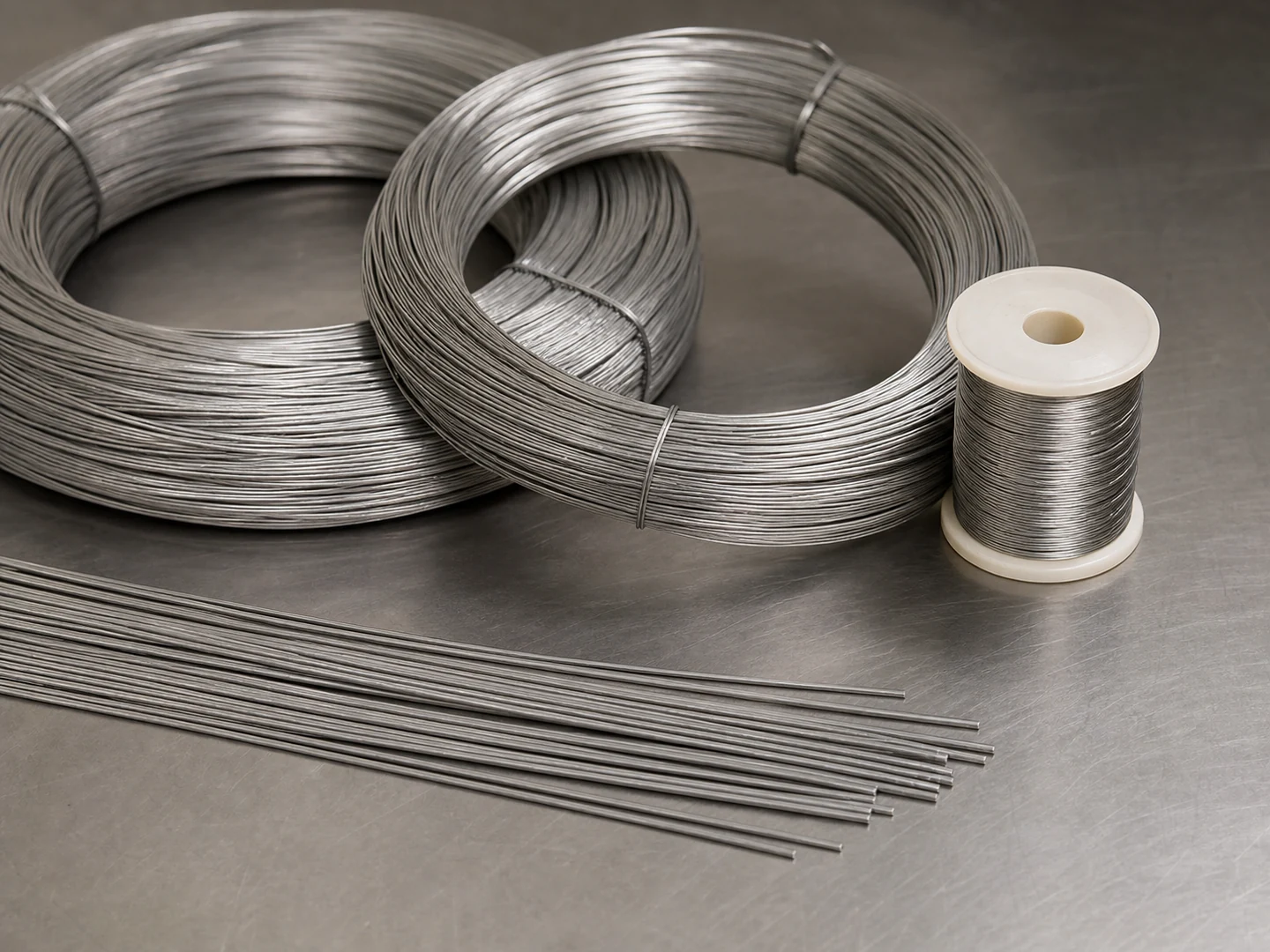
- Wire Filament Brushes: Made with carbon steel, stainless steel, or brass wire. Effective for aggressive scale removal but may scratch softer metals.
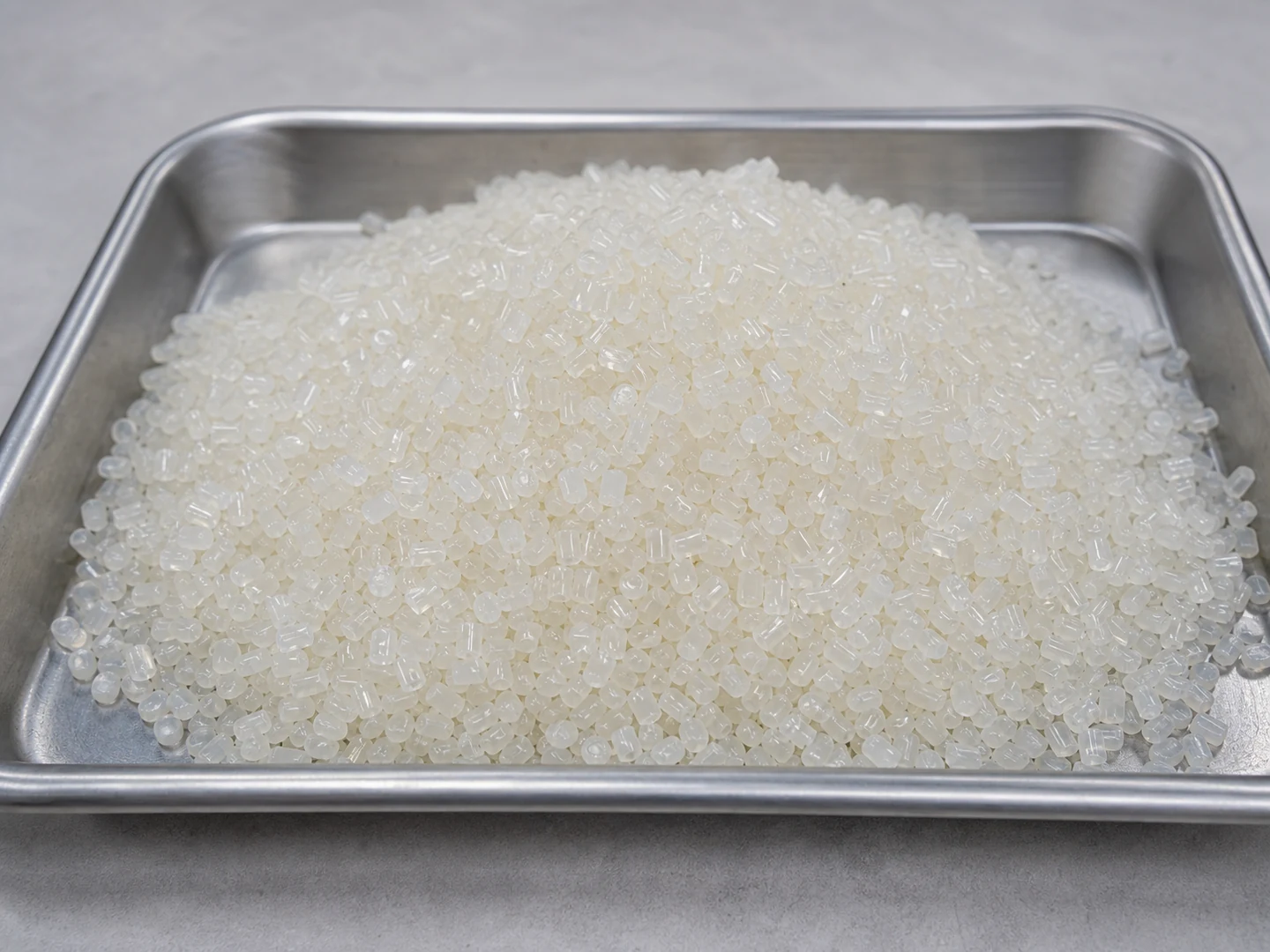
- Abrasive Filament Brushes: Nylon or polyester filaments embedded with silicon carbide or aluminum oxide grit. Offer consistent abrading action and conform to surface contours without excessive scratching.
- Strip Brush Coil: Continuous strip brush wound into a helical roll. Common in wide coil cleaning lines where uniform contact pressure is critical.
- Custom-Designed Roll Brushes: Engineered to match specific roll dimensions, mounting brackets, and operating speeds. Often the only viable option for older or non-standard furnace lines.
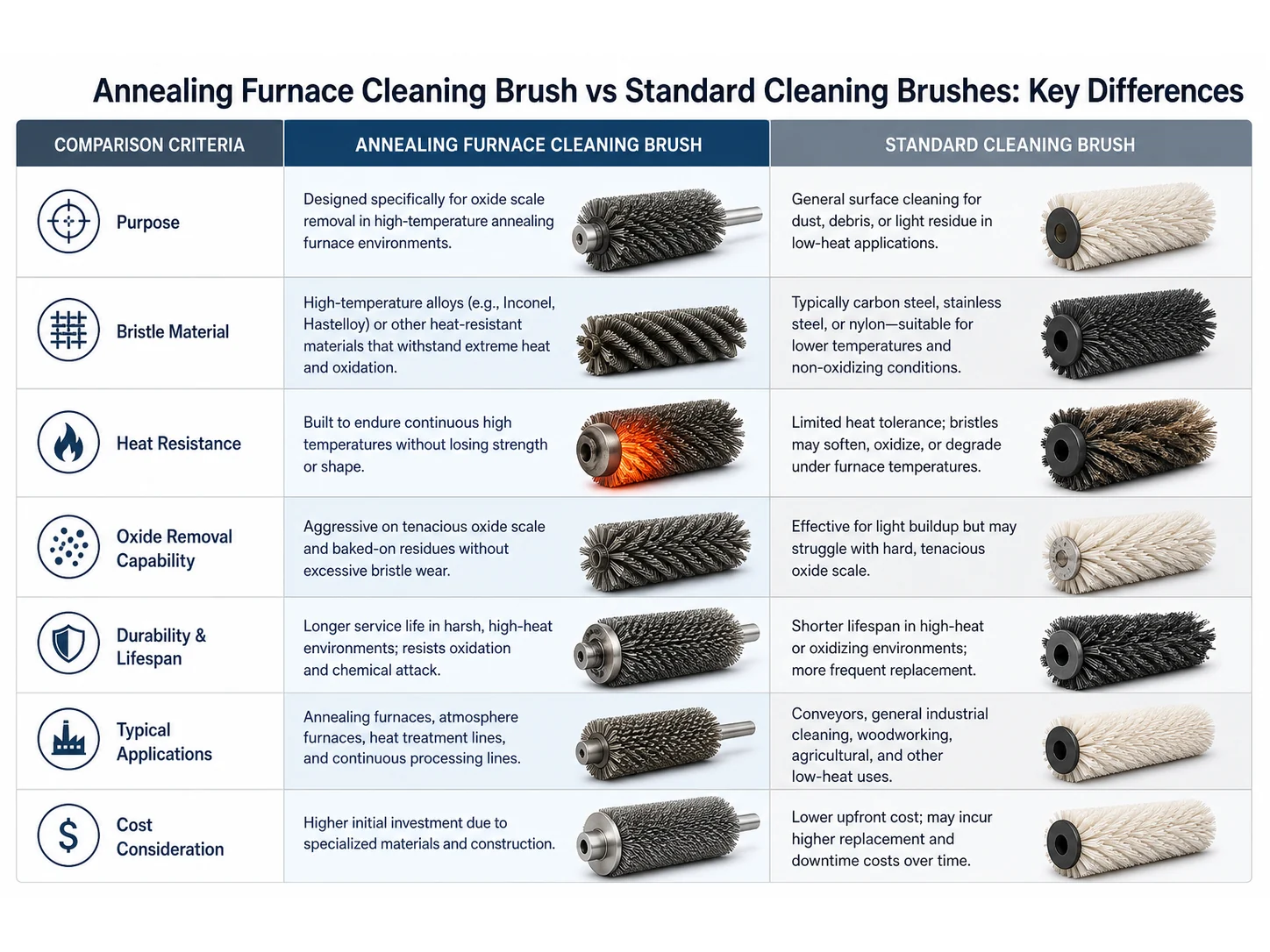
Annealing Furnace Cleaning Brush vs Standard Cleaning Brushes: Key Differences
Selecting the wrong brush in an annealing environment leads to rapid bristle failure, surface quality defects, and unplanned downtime. The table below compares purpose-built annealing brushes with standard industrial cleaning brushes across critical performance factors.
| Feature | Annealing Furnace Cleaning Brush | Standard Industrial Brush | When to Choose |
|---|---|---|---|
| Filament Material | Heat-stabilized stainless steel, brass, or abrasive nylon rated for 400–600°C (752–1112°F) | Carbon steel, general-purpose nylon, polyester, Tampico fiber; typical max 150–200°C | Standard brush acceptable for cold cleaning or low-temperature descaling; annealing brush required for in-furnace or hot strip cleaning |
| Abrasiveness | Controlled grit size and wire diameter to remove oxide without damaging substrate; available in multiple grades | Often single aggressiveness level; may be too aggressive or too mild for oxide scale | Use annealing brush when surface roughness tolerances are tight |
| Mounting Interface | Custom core and arbor to match line speed and torque requirements; often direct-drive with keyways | Common shaft diameters, often for manual or low-speed power tools | Annealing brush essential for integration into automated line; standard may work for offline batch cleaning |
| Durability Under Heat | Filaments retain stiffness and shape; minimal thermal expansion mismatch with core | Filaments may soften, melt, or permanently deform in minutes | Any cleaning near or inside furnace zone demands heat-rated brush |
| Chemical Resistance | Compatible with acidic pickling solutions and alkaline cleaners used in tandem | Often not tested for chemical exposure; nylon may hydrolyze in hot acid | Annealing brush required if cleaning line includes acid spray or immersion |
| Cost & Lead Time | Higher initial cost; often made to order with longer lead time | Readily available, lower cost | Budget choice only for non-critical, low-temperature wiping; false economy if frequent replacement needed |
How to Choose the Right Brush for Oxide Removal
When deciding between a dedicated annealing brush and a standard alternative, assess these operational factors:
- Oxide Type and Thickness: Heavy mill scale may require a more aggressive wire brush, while light surface oxidation might be handled by an abrasive filament brush. Laboratory analysis of the residue can guide filament selection.
- Metal Surface Sensitivity: Soft alloys (aluminum, copper) are easily scored; choose a softer filament like brass or a non-metallic abrasive. Hardened steel can tolerate stainless steel wire.
- Operating Temperature: Temperature at the brush contact point dictates material choice. Use only heat-rated filaments for in-furnace or near-furnace applications.
- Wet vs Dry Cleaning: If water or chemical descaling agents are present, the brush must resist corrosion and chemical attack. Stainless steel wire is common; nylon must be specifically chemical-resistant.
- Line Speed and Pressure: High-speed lines require dynamically balanced brush rolls and consistent filament density to avoid vibration and uneven cleaning.
- Custom Dimensions: Many annealing lines use non-standard roller widths and diameters. A custom brush ensures full-width contact and eliminates the need for multiple shorter brushes ganged together.
- Maintenance Cycle: Brushes that are easy to remove, clean, or re-dress reduce mean time between failures. Consider modular designs if frequent changes are expected.
Common Mistakes When Selecting a Furnace Cleaning Brush
- Choosing by cost drivers Alone: A cheaper standard brush that fails in hours costs more in downtime and product waste than a properly specified annealing brush.
- Ignoring Thermal Performance Data: Assuming a brush rated for “high temperature” will survive in a furnace without checking the actual continuous-use temperature can lead to catastrophic failure.
- Incorrect Filament Diameter or Density: Too fine a wire bends over and loses effectiveness; too thick may scratch. Density affects cleaning coverage and debris expulsion.
- Overlooking Chemical Compatibility: Even “stainless” steel can corrode in certain acidic cleaning solutions. Verify the exact alloy grade with the brush supplier.
- Using a Standard Mounting Hub: Retrofitting a standard brush onto a production-fitted shaft often results in slippage, vibration, or premature bearing wear.
When an Annealing Furnace Cleaning Brush Is the Wrong Choice
A purpose-built annealing brush is a powerful tool, but it has limits. In cases of extremely thick or hard scale, a prior mechanical descaling step (e.g., shot blasting or scale breaker rolls) may be required. If the required final surface roughness is extremely low, a single brush stage might not suffice; a multi-step process with progressively finer brushes or subsequent chemical polishing could be needed. Additionally, for complex oxide layers that contain multiple alloying elements, a laboratory trial with sample brushes is strongly recommended to avoid production-line experimentation. Finally, if the line configuration has unusual space constraints or access angles, a supplier drawing review is essential to ensure the brush can actually be installed and maintained safely.
Final Takeaway
The choice between an annealing furnace cleaning brush and a standard cleaning brush is not just a purchasing decision—it is a line-performance and product-quality decision. While standard brushes may suffice for off-line, cold cleaning tasks, the annealing process demands brushes that can handle heat, abrasion, and chemical exposure without compromising the metal surface. Evaluate your specific operating conditions, test candidate brush materials, and involve a technical brush manufacturer early in the selection process to avoid costly mistakes.
Frequently Asked Questions
Can I use a standard wire brush for occasional annealing furnace cleaning?
In low-temperature areas outside the furnace chamber, a standard wire brush might survive for a short time, but bristle softening, oxidation, and breakage will occur quickly. For any routine in-furnace or hot-strip cleaning, an annealing-rated brush is essential.
How often should an annealing furnace cleaning brush be replaced?
Replacement interval depends on line speed, scale thickness, and filament material. Heavy production lines may require weekly changes, while lighter-duty applications may run for months. Regular inspection of filament wear and brush diameter is the best indicator.
What is the best filament for cleaning stainless steel strip?
For most stainless steel annealing lines, a stainless steel wire brush with a compatible alloy (e.g., 304 or 316) avoids galvanic corrosion and provides effective scale removal. Abrasive nylon is an alternative if a finer finish is needed.
Can annealing brushes be used with acidic descaling solutions?
Yes, but the brush material must be chemically resistant. High-alloy stainless steel or specially treated nylon filaments are common choices. Always request chemical compatibility data from the brush manufacturer.
Are custom brush rolls worth the extra cost?
If your line dimensions or mounting requirements are non-standard, a custom brush roll eliminates the risks of poor fit, vibration, and uneven cleaning. The upfront cost is often recovered quickly through reduced downtime and longer service life.
How do I measure for a custom annealing brush?
Provide the shaft diameter, overall brush outside diameter (OD), face length, and keyway or mounting details. Also specify the filament length and density required. A dimensional drawing is the safest way to avoid errors.
What is the difference between a coil brush and a solid roll brush?
A coil brush (strip wound helically) provides a continuous cleaning edge and can be cheaper for very long rolls, but it may leave spiral marks. A solid roll brush with tufted or straight-set filaments often gives a more uniform finish on wide strip.
Can I use the same brush for different metals in my annealing line?
It is risky. Different metals produce different oxide characteristics and have varying surface hardness. Using the same brush for multiple metals can lead to cross-contamination and inconsistent results. It is usually better to dedicate a brush profile to each metal family.
Technical References
Which bristle material fits this job — AISI 304 Stainless Steel Wire, Nylon PA or Abrasive Nylon?
| Material | Continuous temperature (°C) | Peak temperature (°C) | Water absorption | Hardness |
|---|---|---|---|---|
| AISI 304 Stainless Steel Wire | 400 | 500 | 0% | Rockwell B 70–95 depending on temper and cold work |
| Nylon PA | 93 | 121 | 0.3–9% by PA grade and conditioning | Medium to firm; filament diameter and trim length control bending force. |
| Abrasive Nylon | 120 | 150 | 0.1–1.0% | Abrasive filament; stiffness and cutting level is controlled by PA base, grit type, grit size, filament diameter and trim height. |
| Tampico Fiber | 70–90 | 110–130 | 10–18% | — |
| Brass Wire | 150–200 | 250–300 | 0% | Rockwell B 40–90 |
Figures as published by Alleima; Brushtec / DuPont; Perlon. Confirm the exact grade against the supplier datasheet before ordering.
What should replace Handheld Detail Brushes for annealing furnace cleaning brush?
- Handheld Detail Brushes — Handheld detail brushes cover general precision cleaning; auto-detailing brushes impose tighter controls for painted, polished, leather, display, and trim surfaces.
- AISI 304 Stainless Steel Wire — Use AISI 316 stainless steel wire for chloride, marine, dairy, beverage, chemical washdown, or higher pitting-resistance requirements. Use carbon steel for dry aggressive cutting and brass or abrasive nylon for lower marking risk.
- Nylon PA — Compare Nylon PA with PP, PBT, PET. Change material when wet stiffness, temperature, chemical resistance, conductivity, particle shedding, or surface marking becomes the limiting factor.
- Abrasive Nylon — Compare Abrasive Nylon with PP, PBT, PET. Change material when wet stiffness, temperature, chemical resistance, conductivity, particle shedding, or surface marking becomes the limiting factor.