What Is a Multipurpose Nylon Cleaning Brush?
A multipurpose nylon cleaning brush is a brush that uses nylon filaments as its primary cleaning media, designed for general-purpose scrubbing, cleaning, and surface preparation. Nylon is chosen for its resilience, abrasion resistance, and good compatibility with a wide range of cleaning chemicals. Unlike natural bristles or metal wire, nylon does not absorb moisture readily, resists many solvents and alkalis, and returns to its original shape after bending. These qualities make it a common choice in food processing, pharmaceutical, automotive, and industrial maintenance, as well as commercial kitchens and household cleaning.
Why Chemical Exposure Matters in Brush Selection
Cleaning chemicals can degrade brush materials, leading to bristle softening, breakage, handle cracking, or adhesive failure. The wrong brush can shed bristles, contaminate the surface, or force frequent replacement. Key material interactions include nylon hydrolysis in strong acids, oxidative attack by bleaches, and swelling of handles or cores. Understanding the chemical environment is the first step in narrowing down a brush that will perform reliably without becoming a safety or quality risk.
Common Options for Multipurpose Nylon Cleaning Brushes
Brush design varies widely by intended use. The following table compares four common configurations that are relevant to chemical exposure scenarios.
| Feature | Standard Hand Brush | Tube/Cylinder Brush | Block Brush | Machine-Mounted Brush |
|---|---|---|---|---|
| Typical Use | Surface scrubbing, parts cleaning | Pipe/tube interior cleaning | Wide area scrubbing, floors, walls | Automated cleaning in equipment |
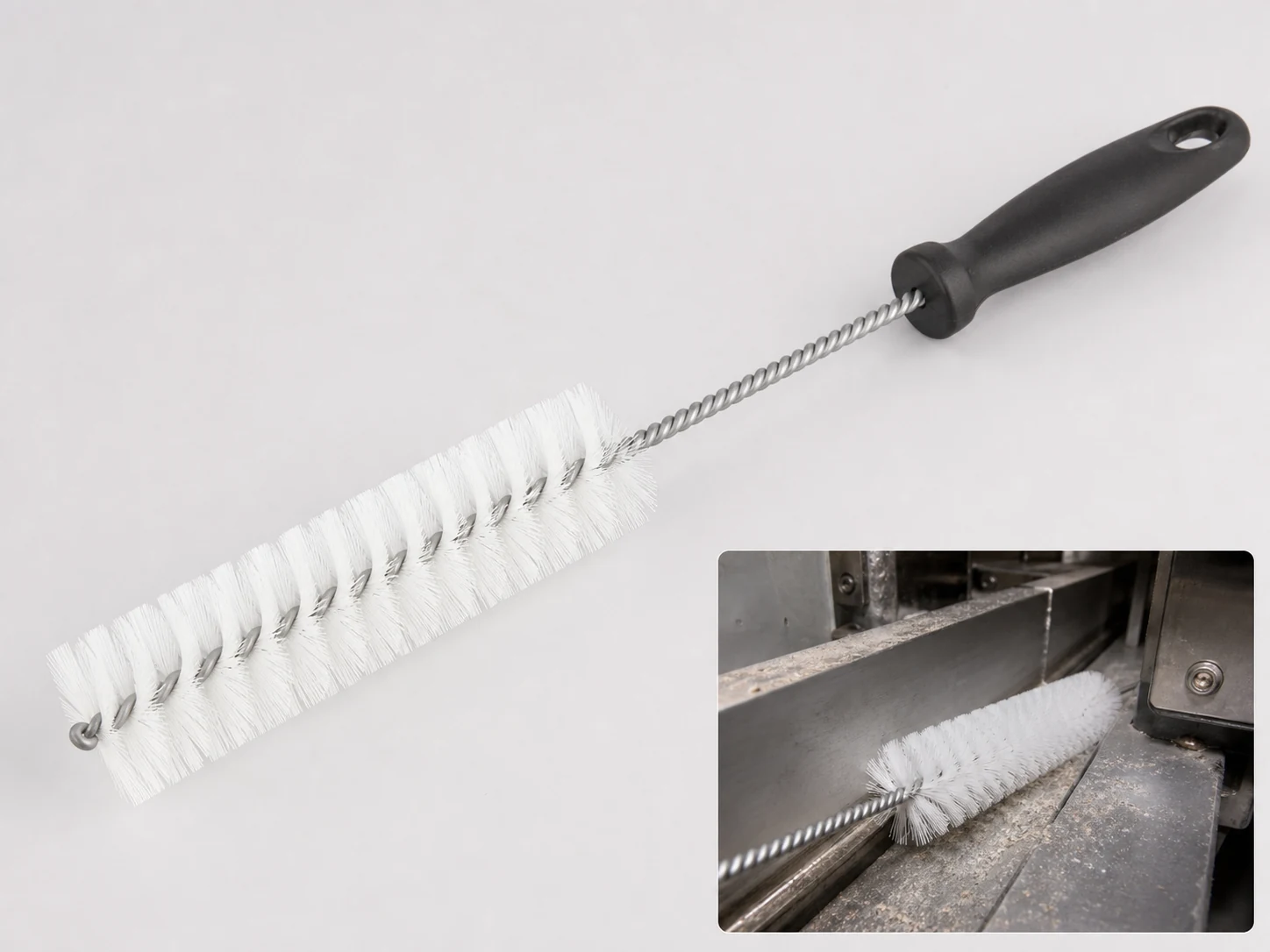
| Chemical Resistance | Varies by handle plastic; polypropylene handles are resistant to many chemicals | Metal stem may require stainless steel for corrosive chemicals | Wood block may absorb chemicals; better with plastic or metal core | Entire assembly must resist chemical; often stainless steel core and chemical-grade nylon |
| Mounting | Hand-held | Often with threaded end for rods or machine | Hand-held or attached to handle | Flange, keyway, or quick-connect to rotary equipment |
| Stiffness Variation | Soft to stiff available | Usually medium to stiff for effective cleaning | Soft to medium for large surfaces | Depends on application; often stiff for aggressive cleaning |
| Cost Driver | Handle design, bristle quality | Stem material, bristle density | Block material, size | Custom engineering, material grade |
How to Choose Based on Your Cleaning Context
Use the following decision factors to narrow down a brush that will survive your chemical environment and meet performance needs.
- Chemical agent and concentration: Nylon generally resists alkalis, oils, greases, detergents, and many solvents. Avoid continuous contact with strong acids (pH < 2) and high-concentration oxidizing agents. For acids, consider polypropylene or PTFE bristles instead.
- Surface sensitivity: Finer bristle diameters (0.010–0.020 in) protect delicate surfaces; stiffer bristles (0.030 in and above) remove heavy residues. Abrasive-impregnated nylon adds scrubbing power but may scratch sensitive materials.
- Equipment interface: Hand-held brushes work for manual tasks. Machine-mounted brushes must match shaft size, rotation direction, and RPM. Tube brushes often come with threaded ends for extension rods or rotary drives.
- Moisture and chemical immersion: If the brush will be soaked or used in constant contact with chemicals, choose sealed construction, stainless steel cores, and chemically compatible adhesives.
- Hygiene expectations: For food or medical use, select FDA-compliant nylon, metal-detectable bristles, and designs that minimize particle entrapment.
- Maintenance frequency: Brushes that are frequently autoclaved or chemically sterilized require materials that tolerate repeated temperature and chemical cycling without brittleness.
- Custom size requirements: If standard off-the-shelf brushes do not fit the target opening or surface, request a drawing review from the supplier with specifications for diameter, trim length, and overall length.
Setup and Usage Factors for Chemical Environments
Correct usage extends brush life and avoids unintended damage.
- Avoid prolonged soaking in aggressive chemicals; rinse promptly with water after use.
- Metal cores should be stainless steel (304 or 316) to prevent rust contamination and maintain structural integrity.
- In rotary applications, respect the brush’s maximum RPM rating. Higher RPM in a chemical slurry can cause premature bristle loss.
- Nylon’s temperature limit is typically around 210°F (99°C) for continuous use. Heat combined with chemicals accelerates degradation.
- Use test samples to validate performance under exact chemical concentration, temperature, and contact duration.
Common Mistakes to Avoid
- Assuming all nylon brushes are chemically identical: Nylon 6, Nylon 6.6, and Nylon 6.12 have different moisture absorption, temperature resistance, and chemical tolerance. Nylon 6.12 absorbs less moisture, making it better for wet environments.
- Overlooking handle or core material: A chemical-resistant bristle means nothing if the handle softens, cracks, or promotes bacterial growth. Polypropylene and stainless steel handles are often safer choices.
- Using a brush that is too stiff: Stiff bristles on soft metal or coated surfaces cause scratches. Match bristle gauge to surface hardness.
- Choosing based on size and cost drivers alone: A brush that fits the hand or machine but fails chemically within days is a false economy. Prioritize chemical compatibility and construction quality.
- Ignoring bristle shedding: In food, pharmaceutical, or precision cleaning, lost bristles become foreign-object contaminants. Specify high-retention, well-anchored bristles.
- Skipping a sample test before bulk purchase: Catalog chemical resistance charts are general guides; actual immersion or contact tests with the exact cleaning agent are the most reliable way to confirm suitability.
When a Multipurpose Nylon Cleaning Brush Is the Wrong Choice
While versatile, nylon has clear boundaries:
- Strong acids (pH < 2) or strong oxidizing agents: Switch to PTFE (Teflon), polypropylene, or stainless steel bristles.
- Continuous high-temperature cleaning above 210°F (99°C): Explore specialty high-temperature nylons (e.g., Nylon 46) or alternative materials like PTFE.
- Static-sensitive environments: Nylon is insulating and may generate static. Anti-static or conductive brush materials are required for explosive or electronic cleanroom settings.
- Extreme sanitary cycles: Repeated steam sterilization can embrittle nylon over time; silicone or other alternatives may be more durable.
- Proprietary chemical blends: If the cleaning fluid is a complex proprietary mix, request a detailed compatibility chart from the brush manufacturer and, when possible, conduct an immersion test at operating temperature before committing to a design.
Final Takeaway
Choosing a multipurpose nylon cleaning brush that will stand up to chemical exposure is a matter of matching the specific nylon grade, bristle stiffness, handle or core material, and mounting style to the actual cleaning environment. Always verify chemical compatibility with a supplier’s technical data and test a sample under realistic conditions. The lowest purchase cost drivers rarely accounts for the cost of contamination, rework, or unexpected downtime caused by a brush that fails prematurely.
Frequently Asked Questions
Can I use a nylon brush with bleach or chlorine-based cleaners?
Diluted bleach solutions are generally acceptable for short contact, but prolonged exposure or high concentrations can cause nylon to become brittle and discolored. Always rinse brushes thoroughly after cleaning and dry them to extend service life.
What is the difference between Nylon 6 and Nylon 6.6 in cleaning brushes?
Nylon 6.6 has a slightly higher melting point and greater stiffness compared to Nylon 6, which is more flexible and absorbs impact better. Both are common in industrial brushes; the choice depends on temperature exposure and stiffness preference. Nylon 6.12 is also an option for wet environments due to its lower moisture absorption.
How can I tell if a nylon brush is safe for food-contact cleaning?
Look for brushes labeled with FDA-compliant nylon and, where contamination risk is high, metal-detectable bristles. The handle and adhesive must also meet food-safety standards. Always ask the supplier for documentation confirming compliance.
What handle material is best for chemical resistance?
Polypropylene and stainless steel handles offer excellent resistance to a wide range of chemicals. Wood and low-grade plastics can warp, swell, or crack when exposed to solvents or strong cleaners.
How often should I replace a nylon cleaning brush in a chemical environment?
There is no fixed interval. Inspect brushes regularly for bristle wear, loss, handle degradation, or discoloration. Replace as soon as any sign of material compromise appears to prevent surface damage or contamination.
Is it safe to soak nylon brushes in cleaning solution overnight?
It is not recommended unless the solution is very mild. Extended immersion can accelerate chemical attack, brittleness, and bristle loss. Rinse and allow to dry after use.
Can I order a custom-sized nylon brush for my cleaning machine?
Yes, many manufacturers offer custom brush design services. Provide a drawing or detailed specification outlining the required dimensions, bristle material grade, chemical environment, and mounting interface. A sample drawing review will confirm feasibility before production.
Which bristle material fits this job — Nylon PA, AISI 304 Stainless Steel Wire or Silicone?
| Material | Continuous temperature (°C) | Peak temperature (°C) | Water absorption | Hardness |
|---|---|---|---|---|
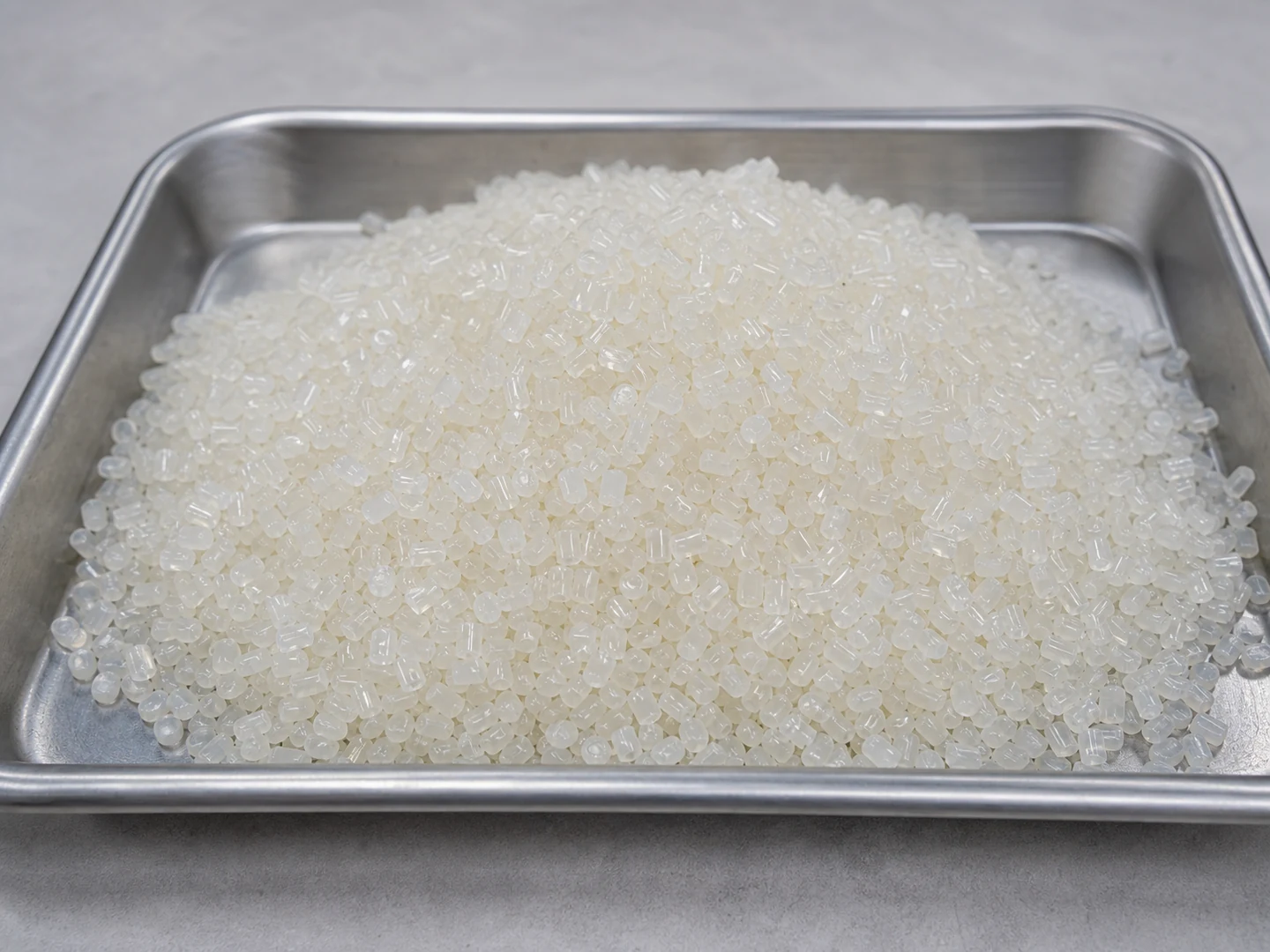
| Nylon PA | 93 | 121 | 0.3–9% by PA grade and conditioning | Medium to firm; filament diameter and trim length control bending force. |
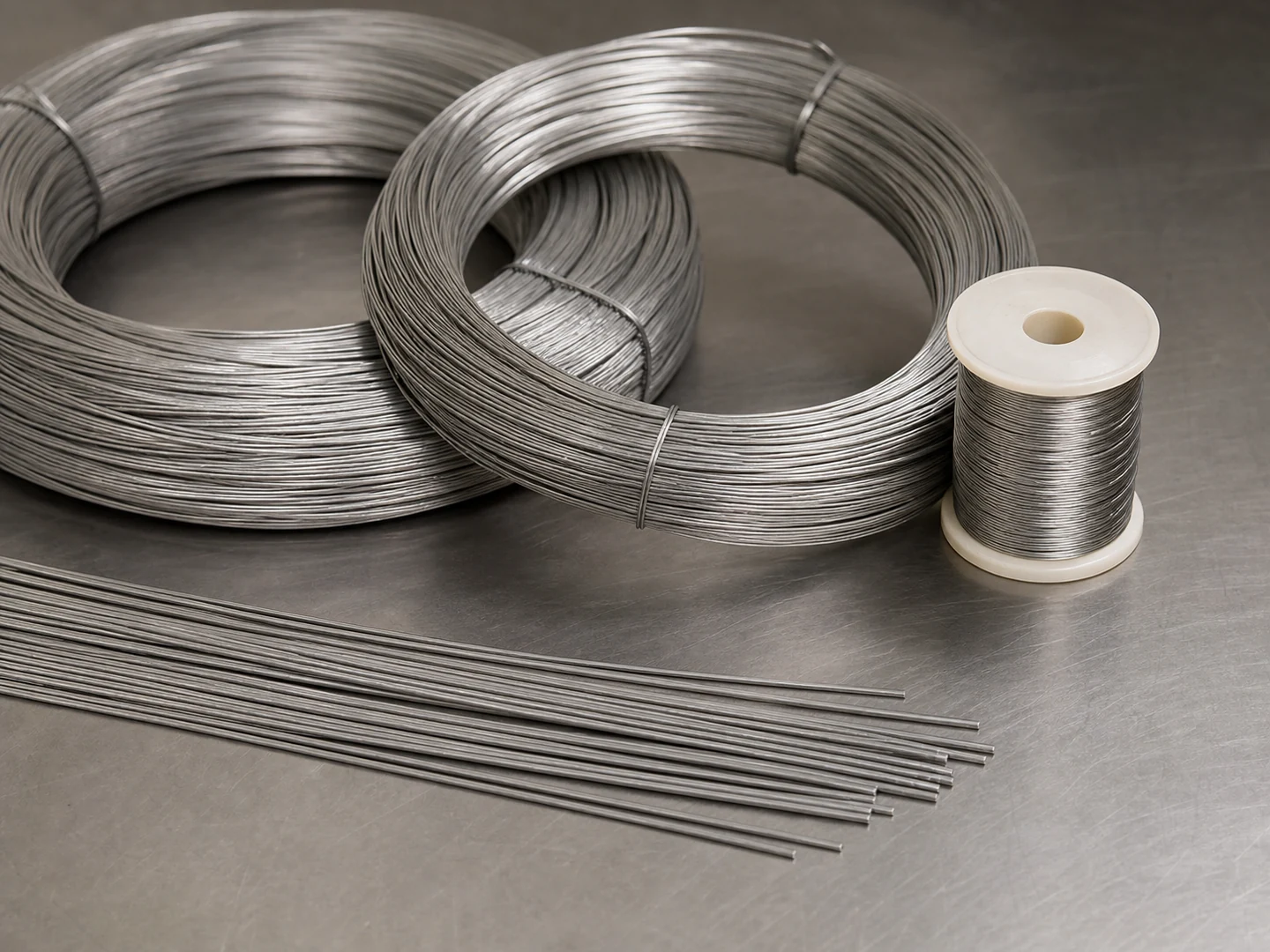
| AISI 304 Stainless Steel Wire | 400 | 500 | 0% | Rockwell B 70–95 depending on temper and cold work |
| Silicone | 200–250 | 280–300 | 0.1–1.0% | Shore A 20–80 |
| PA6 Nylon | 80–100 | 130–160 | 1.5–3.0% | Shore D 75–85 |
| PBT | 120–140 | 160–180 | 0.05–0.20% | Shore D 80–90 |
Figures as published by Brushtec / DuPont; Alleima; Perlon. Confirm the exact grade against the supplier datasheet before ordering.
What should replace Handheld Detail Brushes for nylon cleaning brush?
- Handheld Detail Brushes — Handheld detail brushes cover general precision cleaning; auto-detailing brushes impose tighter controls for painted, polished, leather, display, and trim surfaces.
- Nylon PA — Compare Nylon PA with PP, PBT, PET. Change material when wet stiffness, temperature, chemical resistance, conductivity, particle shedding, or surface marking becomes the limiting factor.
- AISI 304 Stainless Steel Wire — Use AISI 316 stainless steel wire for chloride, marine, dairy, beverage, chemical washdown, or higher pitting-resistance requirements. Use carbon steel for dry aggressive cutting and brass or abrasive nylon for lower marking risk.
- Silicone — Compare Silicone with PP, TPE, Nylon. Change material when wet stiffness, temperature, chemical resistance, conductivity, particle shedding, or surface marking becomes the limiting factor.