What Is a Passivation Line Cleaning Brush?
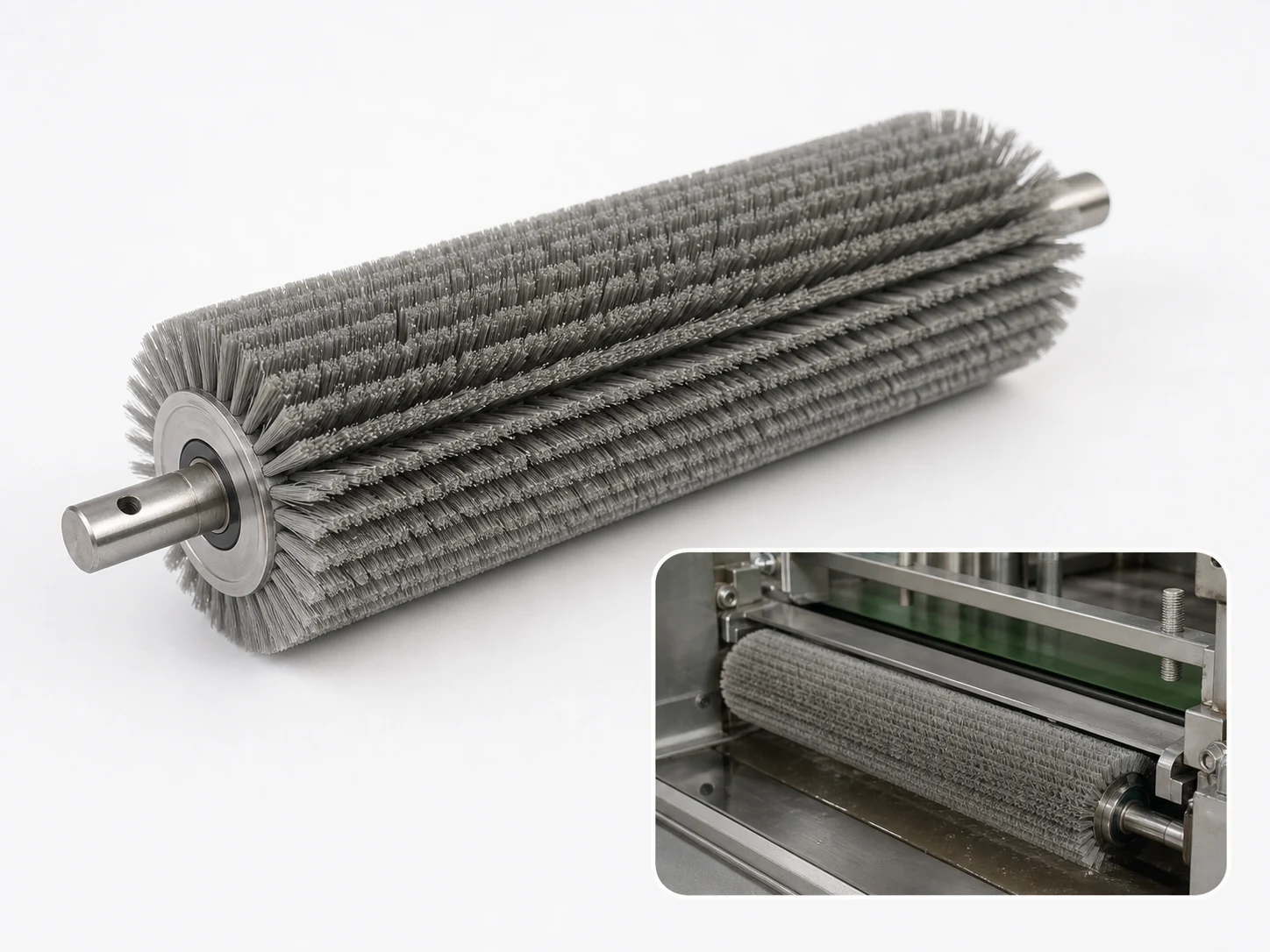
A passivation line cleaning brush is a rotating or stationary brush designed to mechanically clean metal strip or parts before, during, or after the passivation process. It typically contacts the metal surface directly to remove rolling oils, loose scale, iron fines, chemical residues, or passivation smut. In a continuous strip line, you will find these brushes positioned at the entry section, between process tanks, or after the final rinse. The brush must withstand chemical exposure, elevated temperatures, and constant line-speed pressure while delivering a uniform cleaning result without damaging the substrate.
Common Brush Types and Configurations
Passivation line brushes come in several physical forms. While each deserves its own detailed selection guide, the most common are:
- Cylindrical roller brushes – used for full-width strip cleaning, mounted on driven shafts.
- Strip brushes – flexible, often used as edge guides or wipers in confined spaces.
- Disc brushes – stacked on a shaft for segmented surface treatment or individual part cleaning.
- Spiral-wound brushes – offer uniform pressure distribution and self-cleaning characteristics.
Your line’s layout, space constraints, and desired contact pattern will dictate the configuration.
Bristle Material Comparison for Passivation Lines
Bristle material is the single most important decision. The table below compares materials commonly found in stainless steel and aluminum passivation applications.
| Material | Best For | Surface Sensitivity | Chemical Resistance | Temperature Limit | Wet/Dry | Typical Applications |
|---|---|---|---|---|---|---|
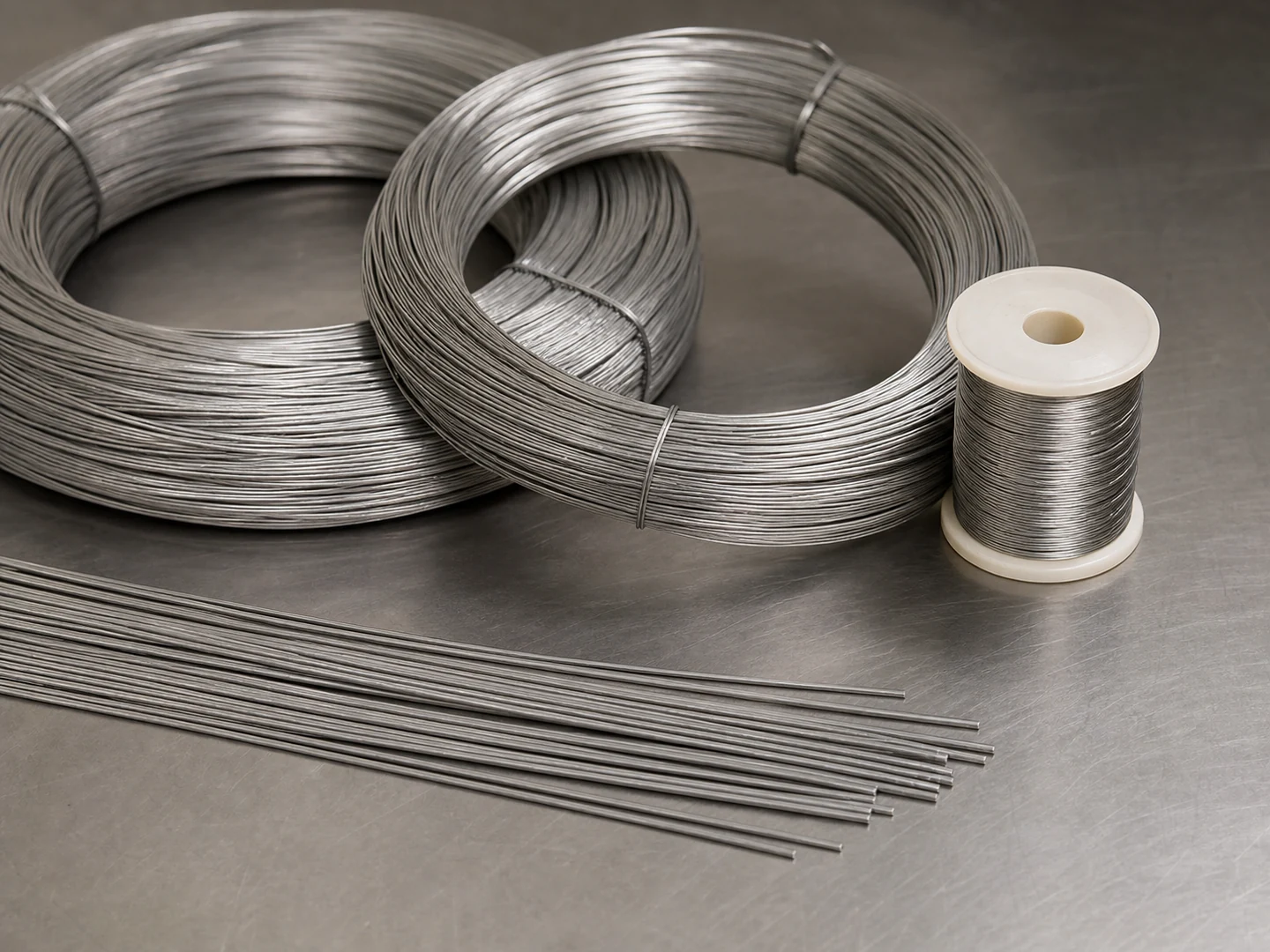
| Stainless Steel Wire (Type 304/316) | Heavy-duty scale removal on stainless steel | Can scratch softer surfaces; not for bright annealed finishes | Excellent in most passivation acids | Up to 300°C continuous | Wet or dry | Hot-rolled steel descaling, pickling line pre-cleaning |
| Brass Wire | Softer than steel, reducing spark risk | Moderate; leaves faint marks on soft metals | Good in mild acids, not for strong oxidizing agents | Up to 200°C | Wet or dry | Aluminum surface cleaning, light oxidation removal |
| Abrasive Nylon (e.g., silicon carbide impregnated) | Fine surface conditioning, oxide removal | Can be controlled by grit size; available from coarse to very fine | Excellent in most chemicals | Up to 150°C | Wet preferred | Stainless steel passivation smut removal, matte finish preparation |
| Natural Fiber (Tampico, tampico/nylon blends) | Gentle wiping, applying chemicals, non-abrasive cleaning | Very low; safe for delicate polished and bright surfaces | Fair; degrades in strong acids and high pH | Up to 80°C | Wet only | Aluminum bright dipping line wipe-off, final rinse section |
| Polypropylene (PP) or Polyethylene (PE) | Non-absorbent, chemical-resistant wiping and slinging | Low; no scratching, but may leave plastic residue at high temps | Outstanding in acids and alkalis at moderate temperatures | Up to 100°C | Wet | Acid rinse sections, chemical application rolls |
Key Factors for Choosing a Passivation Line Cleaning Brush
Apply these criteria to narrow down brush options:
- Surface sensitivity: Choose bristle material and filament diameter to match the required surface finish. Brushed or mill finishes can tolerate stiffer media; bright annealed or #8 mirror finishes need non-metallic or very soft filaments.
- Chemical environment: Verify the bristle material’s resistance to the specific passivation acids or pre‑treatment chemicals (nitric, citric, phosphoric, etc.) at operating concentration and temperature.
- Temperature: Consider both ambient and localized frictional heating. Exceeding the bristle’s rating leads to premature softening, melting, or oxidation.
- Line speed and pressure: High-speed lines often require larger diameter brushes with denser fill to achieve adequate dwell time. Excessive pressure can cause filament deflection, heat buildup, and strip marking.
- Wet vs. dry operation: Many passivation brushes run in a flooded or spray condition. Ensure the core material (aluminum, steel, or composite) and fill material are suited for continuous wet service without swelling, rusting, or deteriorating.
- Installation space and mounting: Confirm that the brush outer diameter, overall length, and shaft mounting configuration fit the available position without interfering with rollers, spray headers, or strip guides.
- Maintenance access: Brushes that are difficult to reach will be neglected. Quick‑change designs, split brushes, or cartridge‑type mounts can significantly reduce downtime.
What to Confirm Before Ordering
Before placing a purchase order or requesting a quotation, compile the following information to avoid costly rework:
- Exact dimensions: Brush overall diameter, face length, core diameter, and shaft diameter (or bore size if a bore‑mounted brush). Tolerances matter, especially for high‑speed lines.
- Mounting method: Specify whether the brush is shaft‑mounted with keys, clamped with end plates, or uses a quick‑change cartridge system. Provide bolt pattern or flange drawings if relevant.
- Bristle material and trim: Define the filament type, diameter, and trim length. If unsure, supply a sample or a detailed drawing of the existing brush for reverse engineering.
- Drawing or sample reference: A dimensioned sketch or a physical sample dramatically reduces ambiguity. Even a photograph with a scale can help.
- Expected cleaning result: Describe the target surface condition, e.g., “remove loose scale to SAE 2.5 finish,” or “eliminate white smut after nitric acid passivation without dulling the surface.” This guides the bristle selection.
- Process compatibility: Confirm the brush materials can withstand the full range of chemicals, temperatures, and cleaning agents used on the line.
Common Mistakes When Selecting a Passivation Line Cleaning Brush
Even experienced buyers can fall into these traps:
- Choosing by cost alone: A low‑cost brush that fails prematurely or damages the strip costs far more in downtime and rework than the upfront savings.
- Ignoring chemical compatibility: Stainless steel wire can be attacked by chlorinated passivation baths; nylon can degrade in hot nitric acid. Always check a full chemical resistance chart.
- Over‑aggressive bristle selection: Using coarse steel wire on a No. 4 finish or bright annealed strip will create scratches that ruin downstream quality.
- Skipping the mounting details: A brush that does not fit the existing shaft, flange, or keyway will cause weeks of delay. Never assume “standard” dimensions.
- Forgetting about line speed: A brush that works perfectly at 30 m/min may “hydroplane” or skip at 100 m/min. Confirm the brush fill density and diameter are suitable for the top speed.
- Storing a one‑size‑fits‑all mentality: Different positions in the line (entry, inter‑tank, final rinse) have different duties; a single brush spec is rarely optimal everywhere.
When a Passivation Line Cleaning Brush Is the Wrong Choice
Mechanical brushing is a powerful step, but it has practical limits. Consider combining brushing with auxiliary processes in these scenarios:
- Heavy scale or oxide layers: If the incoming material has mill scale thicker than what a brush can remove, upstream shot blasting, scale breaking, or acid pickling must precede the brush.
- Contaminant extraction: Brushing loosens particles but does not automatically remove them from the line. Integrate vacuum hoods or an air knife to evacuate dislodged debris and prevent redeposition.
- Smut or fine particle suspension: In wet sections, brushed‑off smut can remain in the solution and re‑adhere. Chemical rinses, spray bars, or ultrasonic agitation may be needed to keep particles in suspension and flushed away.
- Parts with complex geometry: For formed parts, corners, or internal passages, a brush cannot reach all surfaces. CIP (clean‑in‑place) spray systems or ultrasonic immersion baths are better suited.
- Drying requirement: A wet brush alone does not dry the surface. Downstream air knives, squeegee rolls, or heated drying zones are essential if the next process step requires a dry strip.
In short, view the brush as part of a cleaning system, not a standalone solution.
Final Takeaway
Choosing the right passivation line cleaning brush means balancing surface finish requirements, chemical resistance, mechanical demands, and line integration. Start with a clear definition of the cleaning task, match the bristle material to the chemistry and surface sensitivity, then confirm every dimension and mounting detail before ordering. Where brushing reaches its limit, plan for complementary cleaning technologies so the passivation process delivers consistent, high‑quality results.
Frequently Asked Questions
Can the same brush be used for both stainless steel and aluminum passivation lines?
Generally no. Aluminum surfaces are softer and more prone to scratching. A brush that is safe for stainless steel may damage an aluminum finish. Use softer, non‑metallic bristles for aluminum unless the process specifically requires a matte finish.
What bristle material is safe for bright annealed stainless steel?
Non‑abrasive natural fiber (like Tampico) or soft synthetic filaments (polypropylene) are typically safe. Avoid any metal wire or abrasive‑impregnated nylon.
How do I know when a brush needs replacement?
Monitor brush diameter. Most brushes have a wear limit of 20–25% reduction from original diameter. Other signs: uneven cleaning pattern, burning or glazing of bristle tips, increased motor current, or visible surface defects on the strip.
Should a passivation line brush run wet or dry?
Wet operation is common because most brush positions are inside or near process tanks. Even if the strip is dry, a rinse spray or flood box is often used to lubricate the brush and flush debris. Dry running is rare and increases heat and wear.
What mounting method is most common for line cleaning brushes?
Shaft‑mounted brushes with keyways are standard in strip lines. Many modern lines use quick‑change cartridge brushes to reduce downtime. Confirm whether your line requires a through‑shaft or end‑plate mounting before ordering.
Can I order a sample brush for testing?
Many brush manufacturers will fabricate a single prototype or a short test segment if you provide accurate specifications. This is highly recommended for new applications to validate material and fill density before committing to a production run.
What is the typical life expectancy of a passivation line brush?
There is no universal answer. A properly specified brush in a mild passivation rinse might last a condition-based interval with continuous use. A brush in a hot, abrasive descaling section might need replacement every few weeks. Define life expectancy through monitored trials.
How do I clean a brush that becomes clogged with residue?
For wet brushes, an occasional high‑pressure water spray or chemical soak can restore cleaning performance. For heavy clogging, some facilities use an ultrasonic bath. Brushes with hardened chemical buildup may need replacement.
Technical References
Which bristle material fits this job — AISI 304 Stainless Steel Wire, Nylon PA or Polypropylene PP?
| Material | Continuous temperature (°C) | Peak temperature (°C) | Water absorption | Hardness |
|---|---|---|---|---|
| AISI 304 Stainless Steel Wire | 400 | 500 | 0% | Rockwell B 70–95 depending on temper and cold work |
| Nylon PA | 93 | 121 | 0.3–9% by PA grade and conditioning | Medium to firm; filament diameter and trim length control bending force. |
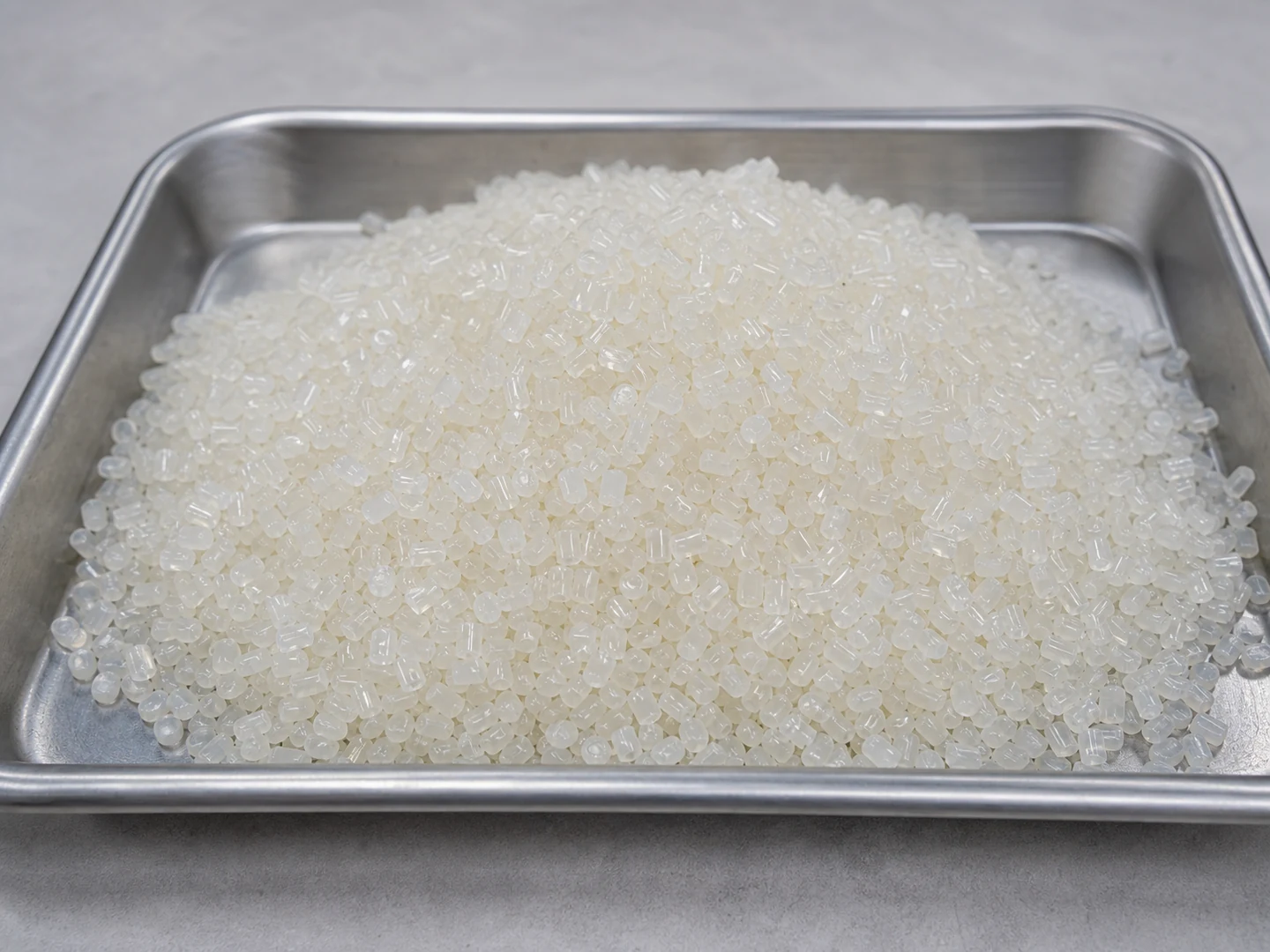
| Polypropylene PP | 80–100 | 120–140 | ≤0.03% | Shore D 65–75 |
| Abrasive Nylon | 120 | 150 | 0.1–1.0% | Abrasive filament; stiffness and cutting level is controlled by PA base, grit type, grit size, filament diameter and trim height. |
| AISI 316 Stainless Steel Wire | 400 | 500 | 0% | Rockwell B 70–95 depending on temper and cold work |
Figures as published by Alleima; Brushtec / DuPont; Perlon. Confirm the exact grade against the supplier datasheet before ordering.
What should replace Roller and Conveyor Brushes when they stop working?
- Roller and Conveyor Brushes — Roller and conveyor brushes hold cylindrical line contact across a working width, including helix-wound builds where the filament path is set to move loosened material toward one side; a strip brush holds the same line without rotating, so it seals or wipes but cannot carry residue along the width.
- AISI 304 Stainless Steel Wire — Use AISI 316 stainless steel wire for chloride, marine, dairy, beverage, chemical washdown, or higher pitting-resistance requirements. Use carbon steel for dry aggressive cutting and brass or abrasive nylon for lower marking risk.
- Nylon PA — Compare Nylon PA with PP, PBT, PET. Change material when wet stiffness, temperature, chemical resistance, conductivity, particle shedding, or surface marking becomes the limiting factor.
- Polypropylene PP — Compare Polypropylene PP with Nylon, PBT, PET. Change material when wet stiffness, temperature, chemical resistance, conductivity, particle shedding, or surface marking becomes the limiting factor.