What Is a Wire Tube Brush?
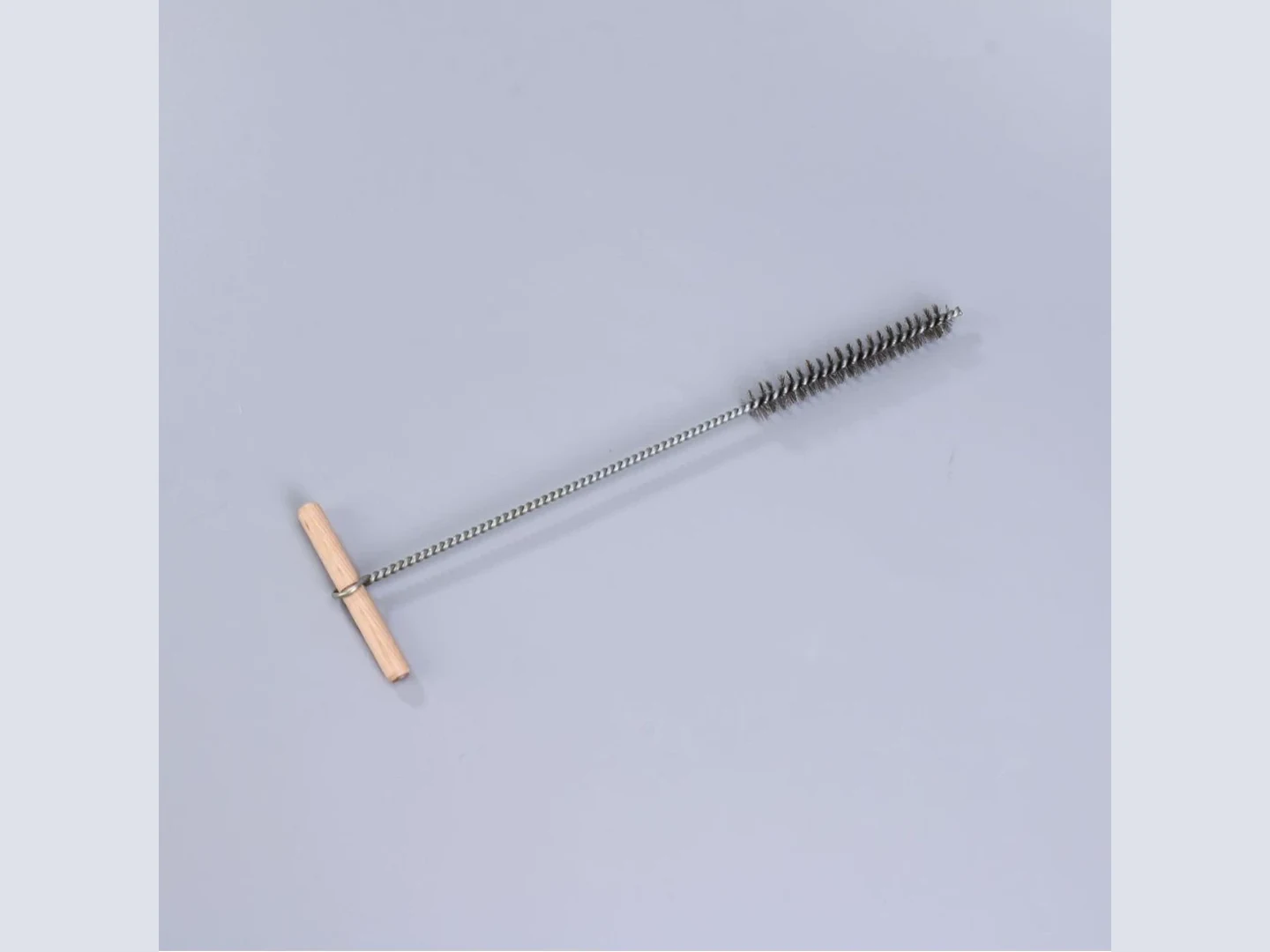
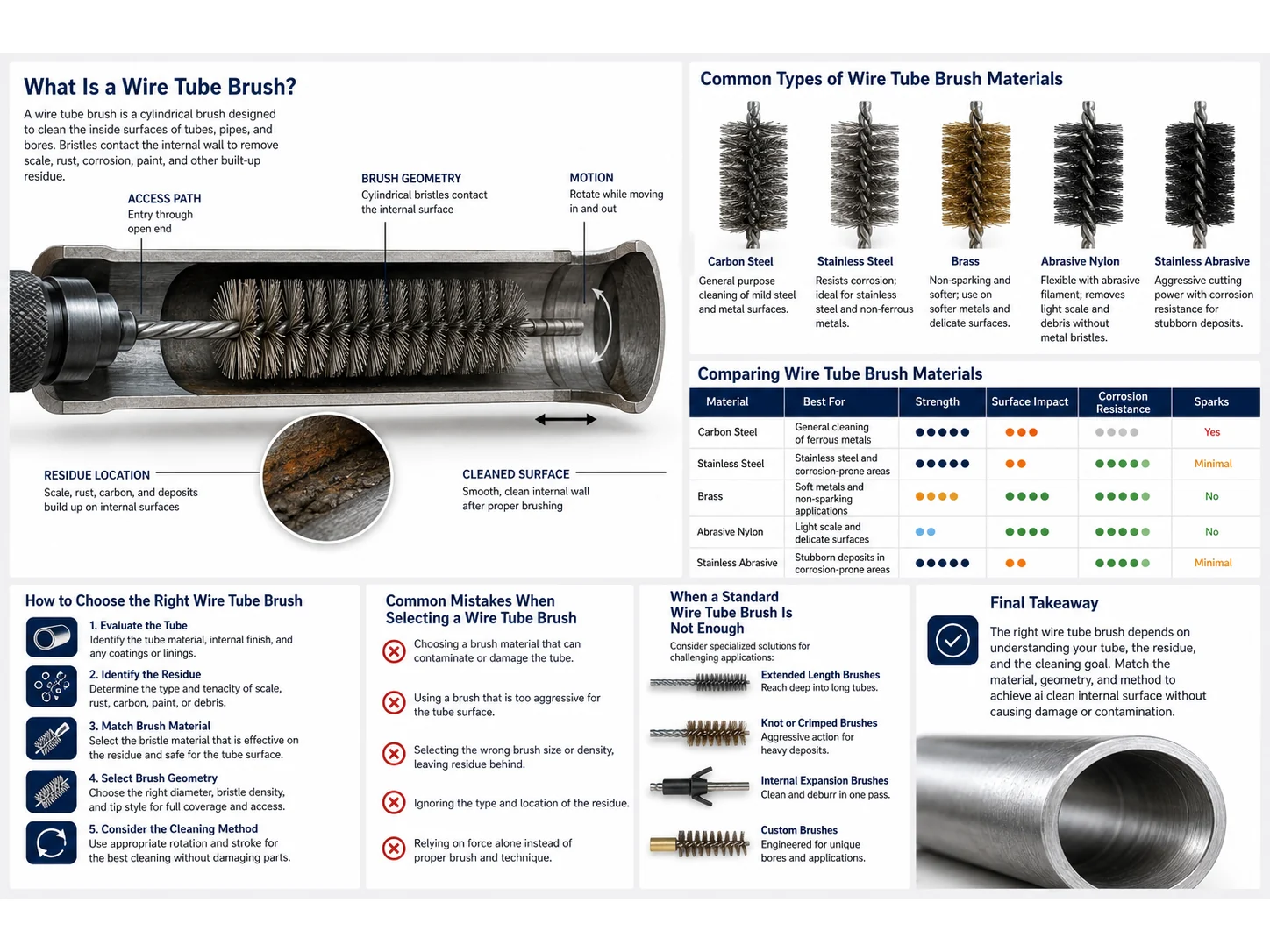
A wire tube brush is a cylindrical cleaning tool with metal or synthetic bristles wound or stapled into a central stem. It removes deposits, corrosion, scale, rust, paint, or debris from the inside of tubes, pipes, bores, and machined holes. The bristle material, fill density, and stem flexibility determine how aggressively the brush cleans and what surfaces it can safely contact.
For engineering drawing, dimensions, tolerance, thread, fit, and RFQ specification context, this section references ASME — Y14.5 Dimensioning and Tolerancing.
For lockout/tagout and maintenance isolation context, this section references OSHA — 1910.147 Control of Hazardous Energy.
For stainless steel corrosion, contamination, passivation, and chloride-sensitivity context, this section references World Stainless — Corrosion Resistance of Stainless Steels.
For brush construction terminology, bristle/fill/backing/stem terms, this section references American Brush Manufacturers Association — Brush Lingo.
Common Types of Wire Tube Brush Materials
Wire tube brushes are defined primarily by their bristle material. Each material behaves differently under friction, heat, chemicals, and static conditions. Understanding these options helps match a brush to the job without relying on cost or size alone.
- Carbon Steel Wire: High stiffness and aggressive cutting action. Best for removing tough carbon deposits, rust, and heavy scale from ferrous tubes. Not for non-ferrous metals, stainless steel, or wet environments due to corrosion risk and after-rust contamination.
- Stainless Steel Wire: Good stiffness with corrosion resistance. Suitable for stainless steel, aluminum, and other non-ferrous applications where carbon steel contamination is unacceptable. Often used in food processing, pharmaceutical, and marine tube cleaning.
- Brass Wire: Softer, non-sparking, and non-magnetic. Ideal for cleaning soft metals like copper, brass, and bronze without scratching. Commonly used in heat exchanger, condenser, and boiler tube maintenance where tube integrity must be preserved.
- Nylon/Abrasive Nylon: Flexible, non-conductive, and non-abrasive (unless embedded with grit). Used for light cleaning, dust removal, static-sensitive electronics, and applications requiring no metal transfer. Nylon with silicon carbide or aluminum oxide abrasive adds scouring capability.
- Horsehair or Tampico Fibers: Natural bristles for gentle dusting, polishing, or applying coatings inside tubes. Non-conductive and non-marring. Used in laboratory, optical, and precision instrument cleaning.
Comparing Wire Tube Brush Materials
| Material | Aggressiveness | Corrosion Risk | Static Control | Typical Use Case |
|---|---|---|---|---|
| Carbon Steel | High | Prone to rust | Conductive, no static control | Heavy rust removal on ferrous pipes |
| Stainless Steel | Medium to High | Low | Conductive, no static control | Corrosion-resistant cleaning of stainless pipe |
| Brass | Low to Medium | Low | Conductive, no static control | Soft metal tube cleaning, non-sparking |
| Nylon (plain) | Very Low | None (non-metallic) | Avoids static buildup when anti-static | Electronics, delicate bore cleaning |
| Abrasive Nylon | Medium | None | Depends on formulation | Surface prep, deburring, light scale |
How to Choose the Right Wire Tube Brush
Selecting a wire tube brush involves more than matching diameter. Focus on these decision factors to get a functional match the first time.
- Contact Surface Material: Harder tubes allow more aggressive bristles. For soft metals (copper, brass, aluminum), use brass or nylon to prevent scratching.
- Residue Type: Heavy carbon, scale, or baked-on deposits need stiffer wire like carbon steel or twisted-in-wire construction. Light soot, dust, or loose debris can be removed with straight-fill or softer bristles.
- Dry vs. Wet Operation: Wet cleaning with solvents or water-coolant can accelerate corrosion on carbon steel brushes. Stainless or brass are safer for wet environments. Nylon may soften in some solvents.
- Temperature Exposure: High-temperature tube cleaning (e.g., boiler tube cleaning during cool-down) may degrade nylon or horsehair. Metal bristles generally tolerate higher temperatures, but check compatibility with tube material to avoid galvanic reactions.
- Machine or Manual Use: Brushes designed for drill attachment operate at high RPM and need balanced, securely filled stems. Hand brushes tolerate simpler construction. For automatic wire brush machines, twisted-in-wire with a pilot end is common.
- Chemical Compatibility: Acids or alkaline cleaners may attack steel or brass. Stainless steel and nylon offer better chemical resistance. Always verify compatibility with the chemical manufacturer.
- Static Control: In electronics, fuel systems, or explosive environments, use anti-static or non-metallic brushes. Brass is non-sparking but conductive; nylon with anti-static additive may be required.
- Documentation Needs: Some industries require material certificates or traceability. Specifying fill material and stem grade upfront ensures the supplier can provide the needed paperwork.
Common Mistakes When Selecting a Wire Tube Brush
- Choosing by size alone: A brush that fits the tube diameter is not automatically the right one for the residue or surface. Aggressiveness and material compatibility often matter more than exact diameter.
- Using carbon steel on stainless or non-ferrous tubes: Carbon steel bristles can leave embedded particles that rust and cause pitting on stainless tubing.
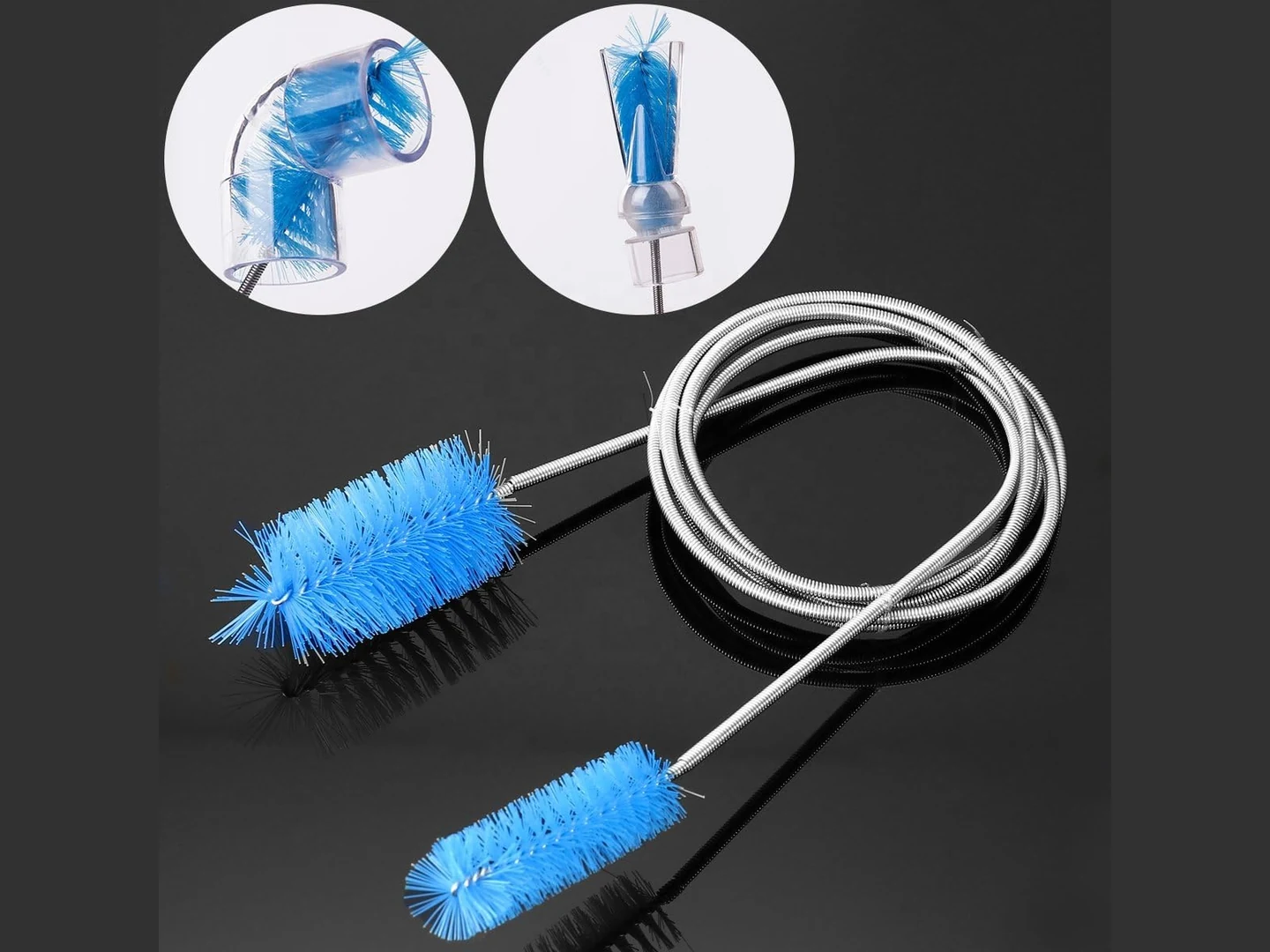
- Ignoring stem construction: Straight-stem brushes can hang up in bends. A flexible stem or double-stem design is needed for curved tubes.
- Mixing wet cleaning with carbon steel: Even slightly acidic solutions or moisture can cause rapid corrosion, staining the tube and reducing brush life.
- Assuming all nylon is non-abrasive: Abrasive-impregnated nylon can score soft metals if grit size or pressure is too high. Read product specs carefully.
- Skipping sample testing for critical applications: Lab testing a brush on a scrap tube section can prevent surface damage, contamination, or incomplete cleaning before full-scale use.
When a Standard Wire Tube Brush Is Not Enough
A standard stock wire tube brush works for common maintenance and surface prep, but some situations demand custom or alternative solutions:
- Complex geometry: Tubes with steps, weld seams, or irregular internal profiles may require a custom brush with staggered fill or multiple diameters.
- Exotic alloys: Brushing high-nickel alloys or titanium tubes may call for non-standard wire alloys to prevent contamination or galvanic corrosion.
- Extreme temperatures: Continuous operation above 400°F may require specialty alloy wires or ceramic fiber fills.
- Static-sensitive environments: When even subtle static discharge is unacceptable, a fully static-dissipative brush with conductive core and anti-static fill may be needed.
- Cleanroom or food-grade requirements: Brushes may need to meet cleanroom requirement, FDA material compliance, or be validated for autoclave sterilization.
- Automated high-volume cleaning: An automatic wire brush machine using multiple rotating brushes may wear standard handles quickly. Stem design and balance must be engineered for the specific machine.
In these cases, sample testing or direct consultation with a brush manufacturer is the only way to confirm performance without risking tube damage or process contamination.
Final Takeaway
The right wire tube brush balances cleaning power with surface safety. Start by analyzing the tube material, residue, and operating environment, then match bristle material and stem construction to those needs. When conditions push past standard catalog options, invest in testing or a custom solution to avoid costly tube damage.
Practical Use Note
In daily use, the practical test is simple: check whether the brush reaches the full contact area, removes the target residue, and leaves the surface in the required condition. Record what changes when inside diameter, route length, bend radius, residue hardness, and the risk of jamming changes, because many brush failures are caused by the working condition shifting rather than by the brush body alone.
Frequently Asked Questions
What is the difference between a wire tube brush and a tube cleaning brush?
A wire tube brush always uses metal wire bristles, whereas a general tube cleaning brush may have nylon, abrasive, or natural fiber bristles. The term “wire tube brush” specifically indicates a brush designed with metal fill for aggressive cleaning.
Can I use a steel wire tube brush on brass or copper tubes?
It is not recommended. Steel bristles can scratch and embed in soft metals, causing corrosion and surface damage. Use a brass wire tube brush or non-metallic alternative for copper, brass, and similar materials.
How do twisted wire tube brushes compare to straight fill?
Twisted wire tube brushes have the bristles captured between twisted stem wires, offering higher bristle density and resistance to shedding at high RPMs. Straight-fill brushes with bristles stapled into a center stem are more economical but may lose bristles faster in aggressive use.
What size wire tube brush do I need for a specific tube ID?
Brush diameter should be slightly larger than the tube’s inside diameter to ensure effective contact. A general rule is 10–20% oversize, but this depends on bristle stiffness and the residue. Always test on a sample tube first if possible.
How do I prevent rust after cleaning with a carbon steel brush?
After using a carbon steel wire brush, flush the tube thoroughly to remove any broken bristle fragments, dry completely, and apply a corrosion inhibitor if the tube will sit idle. For moisture-prone systems, consider switching to stainless steel or brass brushes.
Are long wire tube brushes suitable for coiled or curved tubes?
Yes, but they must have a flexible stem. Look for “double-spiral” or “pilot bond” construction that allows the brush to follow tube bends without kinking. Standard rigid stems will jam or break in curved paths.
Can I use a wire brush for drill attachment on sensitive equipment?
Exercise caution. High-speed rotation with aggressive bristles can quickly mar surfaces. Use variable-speed drills, choose less aggressive bristle materials, and test on a scrap tube or hidden area first.
How should I document my brush selection for regulatory compliance?
Retain the brush manufacturer’s material certificates, item codes, and any third-party test reports (e.g., for food contact or cleanroom compliance). Include brush material, size, and change-out frequency in your standard operating procedure.