
Custom Cleaning Brush
Long Handle Tub & Tile Cleaning Brush
Standing-reach tub, tile and grout scrub brush with nylon filament and PP handle. Custom reach 460–1420 mm, head width 100–160 mm, 15–45° head angle.
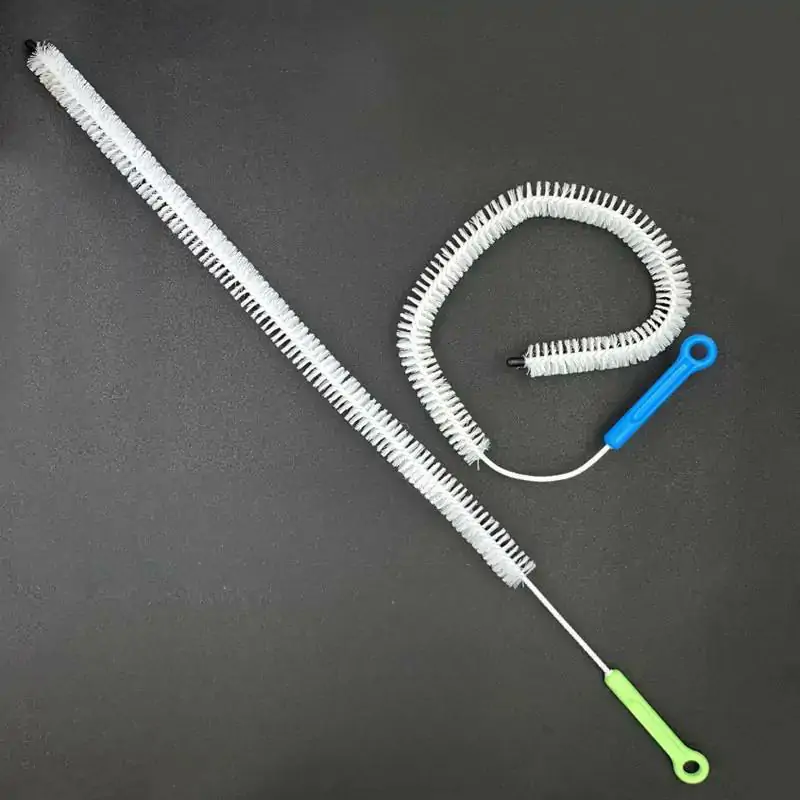
Medium brush
100 pcs
Minimum order
Worked with two hands or on a pole: chimney, gutter and pond-filter brushes, discs, cups and tank brushes.
Production lead time, once the specification is confirmed
- Up to 100 pcsWithin 7 days
- 101–5,000 pcsWithin 14 days
- 5,001–50,000 pcsWithin 21 days
- Over 50,000 pcsConfirmed with your quotation
Peak season can extend these times; the shipping date is confirmed in writing with your quotation. Sampling and shipping are quoted separately.
A standing-reach scrub brush for bathtubs, shower surrounds, tile walls and bathroom floors, engineered to remove soap scum, mildew and grout-line staining while the operator stays off knees and ladders.
Designed for janitorial teams, cleaning contractors and bathroom fixture manufacturers, this long handle brush delivers controlled scrubbing pressure from standing height, with handle reach options from 460 mm to 1420 mm and a nylon filament head built around tub, tile and grout contact.
What can this brush do for you?
Standing Reach Without Losing Scrubbing Pressure
The handle can be configured from about 18 inches to 56 inches depending on the project. A longer, rigid polypropylene handle lets the operator stand beside the tub or on the shower floor and still apply downward or forward pressure to the back wall, tub base or floor grout. The result is less kneeling, fewer stepstools, and more consistent coverage across the shift.
Head Geometry Built for Corners and Grout Lines
The scrub head is designed with an angled bristle face so the filament attack reaches into grout joints and tub-to-wall corners without forcing the operator to tilt the handle into an awkward position. A side row or edge trim of firmer nylon can be specified for line scrubbing while the main face covers flat tile.
Nylon Contact That Resists Water and Bathroom Chemicals
Nylon PA filaments stay stiff when wet, resist common bathroom cleaners, and dry quickly instead of holding water like natural fiber. This matters in shower and tub work, where a brush that stays damp becomes a mildew source itself. The filament set can be matched to the cleaning chemistry you actually use.
Broad Coverage for Walls and Floors
Head widths from 100 mm to 160 mm let you cover large shower walls and tile fields efficiently while still fitting around fixtures, faucets and narrow shelves. A wider head reduces stroke count; a narrower head gives better access beside toilets and in tight corners.
Replaceable Head for Long Service Life
The bristle block can be designed as a replaceable cartridge or a permanently stapled or injection-molded unit. Replaceable heads let high-turnover cleaning programs replace the consumable instead of the handle, lowering long-term cost per room cleaned.
What is a Long Handle Tub & Tile Cleaning Brush?
A Long Handle Tub & Tile Cleaning Brush is a manual scrub brush built around one working position: the operator standing upright, applying pressure through a rigid or telescoping handle to a bristle head in contact with a wet vertical or horizontal surface. It is not a machine brush or a detail brush; its job is to combine reach with enough bristle stiffness to break soap scum, body film, mildew staining and light grout discoloration without abrasive pads or powered equipment.
During use, the head is pressed against the tub, tile or shower surface and moved in overlapping straight or circular strokes. The angled head keeps the filament tips in contact with the wall while the handle stays at a comfortable operator height. For grout lines, the operator turns the brush so the edge row tracks the joint; for open tile fields, the full face does the work.
The tool works best as part of a regular maintenance sequence: pre-soak or apply cleaner, scrub, rinse, inspect. It is not designed to replace chemical descaling or to restore heavily etched grout. The handle and filament materials are selected for wet, chemical-exposed bathroom environments, but the brush still needs rinsing and drying between uses.
Technical Specifications
All dimensions can be adjusted to the project. The table shows the standard working range for this product.
| Parameter | Value / Options |
|---|---|
| Head width | 100–160 mm (3.9–6.3 in.), matched to tile module and wall area |
| Working head length | 100–150 mm (3.9–5.9 in.), bristle coverage area |
| Overall handle reach | 460–1420 mm (18–56 in.), fixed length or telescoping sections |
| Handle / grip diameter | 25–35 mm (1.0–1.4 in.), contoured or straight grip |
| Bristle material | Nylon PA (6/6 or 6/12), PBT, or polypropylene; selected by chemical and wear requirement |
| Filament diameter | 0.30–0.60 mm, tuned to stiffness target |
| Bristle stiffness | Soft, medium, or firm; medium-firm typical for glazed tile and tub surfaces |
| Bristle trim | Flat, angle-cut, flagged (split) tips, or combination for edge scrubbing |
| Head base material | Polypropylene or ABS, with staple-set or molded-in filament |
| Head angle | 15–45° fixed or adjustable, optimized for wall versus floor work |
| Hanging feature | Molded hole at handle end (optional) |
| Operating environment | Wet areas, water-based cleaners, mild acid or alkaline bathroom chemicals; solvent exposure to be confirmed with chemical list |
| Brush type | Custom Handheld Detail Brushes |
| How it is driven | Hand-guided |
| Cleaning target | bathtub and tub surround, shower wall and shower floor, and behind cleaning |
| Surface or part | tile, walls, floors, fixtures, edges, grout lines, corners, and joints |
| Residue or debris | soap scum, and oil film |
| Mounting / connection | Threaded / Snap-Fit / Pivot |
Where does this brush work best?
- Bathtubs and tub surrounds: scrubbing soap rings, body oil film, and mildew from acrylic, fiberglass, porcelain and enameled cast iron surfaces while standing at the tub edge.
- Shower walls and shower floors: reaching full-height wall tile and shower pans; corners, niches, and the transition where wall meets floor.
- Bathroom and commercial tile floors: grout lines in locker rooms, hotel bathrooms, gym showers, and public restrooms where kneeling is slow and ergonomically costly.
- Behind and around fixtures: the base of toilets, under sink rims, and tight spaces beside vanities where the handle keeps the operator’s hands and knees clear.
- Janitorial route cleaning: consistent standing reach for maintenance crews cleaning multiple bathrooms per shift without changing tools.
How do I choose the right one?
Start with the surface you are protecting. Glazed ceramic and porcelain tile tolerate medium or firm nylon filament. Acrylic, fiberglass and high-gloss tubs need medium or soft filament and rounded or flagged tips to avoid micro-scratches. Natural stone or polished surfaces should be tested with the softest candidate and a mild cleaner before committing to a production order.
Match stiffness to the residue, not just the surface. Soap scum and everyday body film are soft-to-medium residues that release with medium or firm nylon and normal hand pressure. If the main job is grout-line staining, specify a firmer edge row or higher filament diameter in that zone. If the residue includes hard mineral scale, brushing helps break the surface layer but the real removal comes from a compatible acid cleaner; the brush cannot grind away limescale by itself.
Set the handle reach from the actual operator, not the tallest room. The operator should stand naturally with the elbow slightly bent and the head in contact with the surface. For floor scrubbing by an operator around 68 inches tall, a 1100–1300 mm handle usually lands correctly. For wall tile, a shorter reach reduces leverage loss and improves pressure control. Fixed lengths are more durable and cheaper per unit for single-task crews; telescoping handles serve mixed tasks and multi-user teams but should be checked for lock wear in frequent commercial use.
Pick head geometry for the contact plane. An angled head of 20–45° keeps bristle tips flush when the surface is vertical or overhead. A flatter head suits tub bases and floors. A head width close to the tile module reduces stroke overlap and speeds up large areas, while a 100 mm head is easier to work around faucets, drains and toilet bases.
When a different tool is the better answer. For grout joints narrower than about 3 mm, a dedicated grout brush with a single or double row of stiff filaments is more precise. For polished stone or delicate glazed artwork tile, use a soft sponge or microfiber rather than a bristle brush. For very heavy deposits or large commercial floor areas, a powered scrubber may be more productive. This long handle brush is the right choice for regular maintenance cleaning where reach, moderate scrubbing power and surface safety all matter at once.
Can I customize this brush?
Yes. This is a project-configured product, not a one-size-fits-all stock item. For a custom tub and tile brush, we need the tile type and finish, grout width, cleaning chemicals used, operator height or reach requirement, head width preference, handle length, and any packaging or branding target. A sample tile, drawing, or photo of the working area speeds up the configuration.
We can adjust:
- Handle length and construction — fixed one-piece or telescoping, from 460 mm to 1420 mm, with threaded, bayonet, or molded joints
- Head size and shape — width, length, rectangular or oval profile, tapered edge for corners, or custom geometry for fixture clearance
- Bristle material and stiffness — Nylon PA, PBT, or PP filament; diameter, trim, flagged ends, dual-stiffness zones, or firmer edge rows for grout
- Head angle — fixed 15–45° or adjustable mechanism, tuned for wall, floor, or combined use
- Grip and ergonomics — diameter, contour, soft-touch overmold, thumb rest, non-slip texture, and hanging hole
- Replaceable head system — user-replaceable bristle block or head cartridge for long-life handles in high-volume cleaning programs
- Color and marking — custom handle and head color, molded logo, pad print, laser marking, or identification coding for facility separation
- Packaging — bulk case pack, individual polybag, retail card, private-label sleeve, or project-specific kitting
If your project requires material declarations, documentation, inspection support, or third-party testing for a specific cleaning program, we can help coordinate those requirements during the customization process.
Which filament survives the cleaning chemicals a long handle tub & tile cleaning brush meets?
How can I tell whether the bristle stiffness is safe for my tub surface?
Run a sample brush with your intended cleaning product on an inconspicuous area of the same tub or tile material. Inspect under angled light for micro-scratches or haze. For acrylic and fiberglass, start with the softest or medium candidate. For glazed ceramic or porcelain, medium or firm nylon is generally acceptable, but only an actual surface test confirms the combination of bristle, chemistry, and pressure for your specific fixture.
Should I order a fixed or telescoping long handle?
Fixed handles are more robust and easier to spec for a defined cleaning task, such as a hotel maintenance crew cleaning standard tubs. Telescoping handles add flexibility when operators of different heights or tasks share the same tool, but the lock mechanism must withstand repeated wet use. If you choose telescoping, request a sample and cycle the lock under wet, chemical-exposed conditions before the full order.
What is the best way to clean grout lines with this brush?
Turn the head so the side or edge row tracks the joint, hold the handle at a low angle, and use short back-and-forth strokes along the grout line. Apply cleaner first and let it dwell as directed. If the joint is narrower than about 3 mm or heavily stained, switch to a dedicated narrow grout brush; the wide tub-and-tile face is not efficient for very fine joints.
Does this brush remove black mold from grout on its own?
No. Brushing removes surface staining, loosens biofilm, and helps cleaner penetrate, but mold that has grown into the pores of grout usually needs an appropriate mold-killing or oxygen-based treatment before or after brushing. If the grout remains discolored after treatment, it may need regrouting or sealing. The brush is one step in the process, not the whole remediation.
What should I check before approving a bulk sample?
Check bristle retention after wet and dry cycles, filament fallout on the tile, handle-to-head joint stability under pressure, any sharp edges or flash on the grip, and whether the head angle allows full bristle contact on the intended surface. Also clean a test tile with the exact cleaning chemical you will use, then inspect for residue left behind and for any change to the tile surface.
How should the brush be stored between uses?
Rinse the bristles free of foam, cleaner, and loosened debris after each use, shake out excess water, and hang the brush or rest it bristles-down with airflow. Do not leave it standing in pooled water or submerged in a cleaning caddy. A brush that stays wet develops its own mildew and can transfer odor or staining to the next surface it cleans.
Guides that go deeper on this
RELATED BRUSH RESOURCES
Recommended Reading & Related Brush Resources
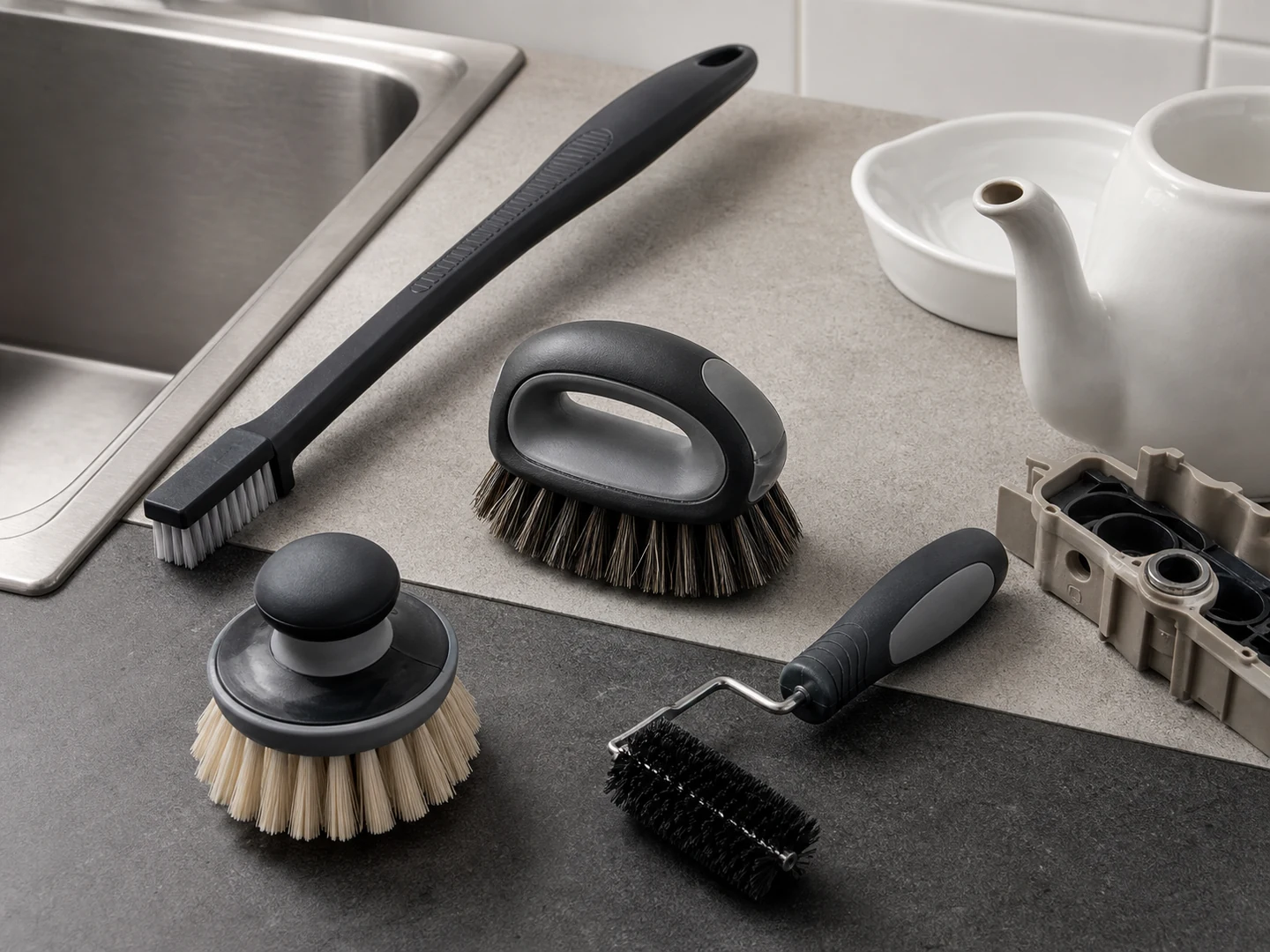
Custom Handheld Detail Brushes
Choose a handheld detail brush when you need direct control in seams, recesses, fittings,…
See how this type is built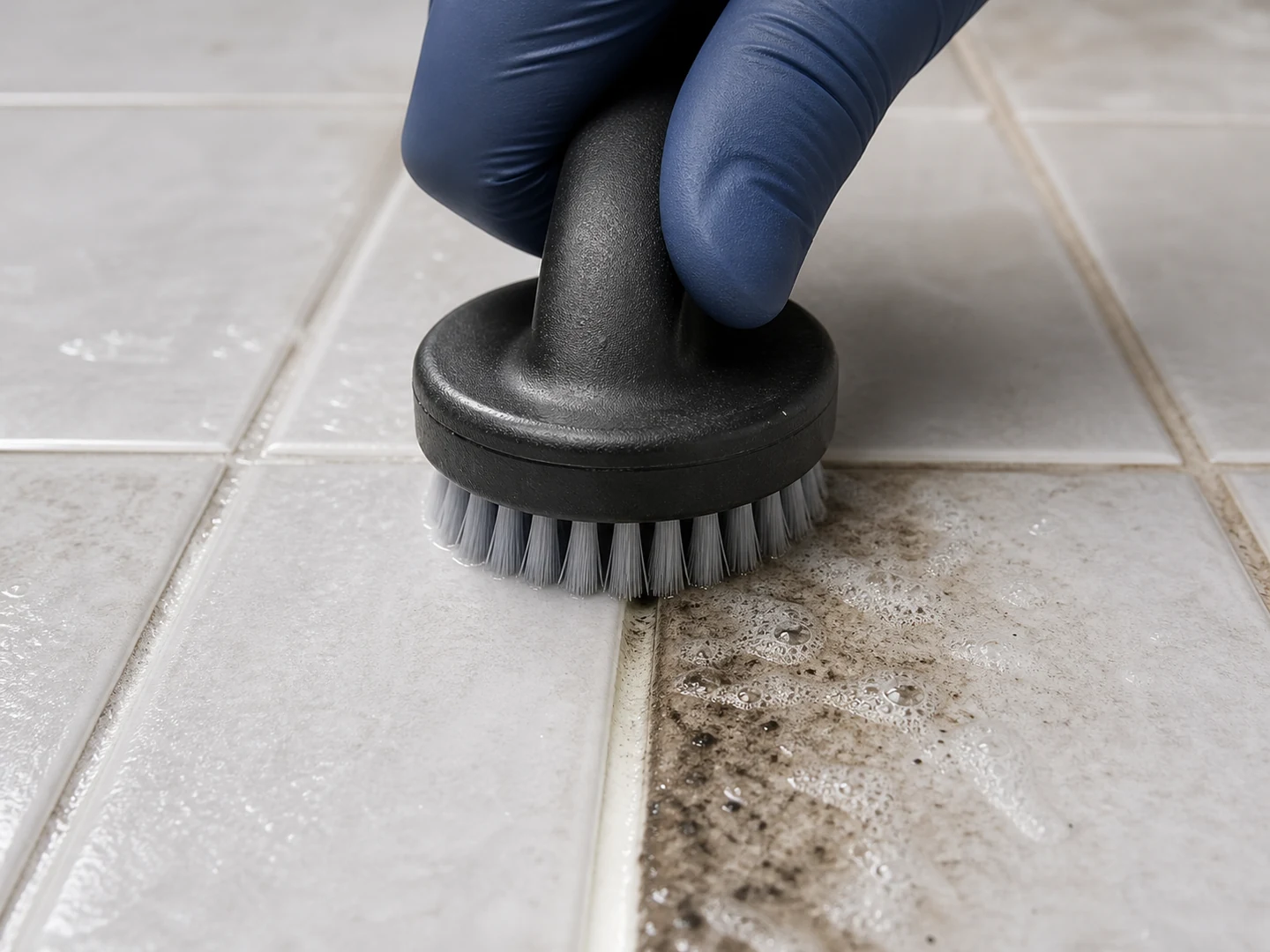
Tile Grout Cleaning
For Tile Grout Cleaning, the brush must reach the working area, disturb or collect…
See the cleaning job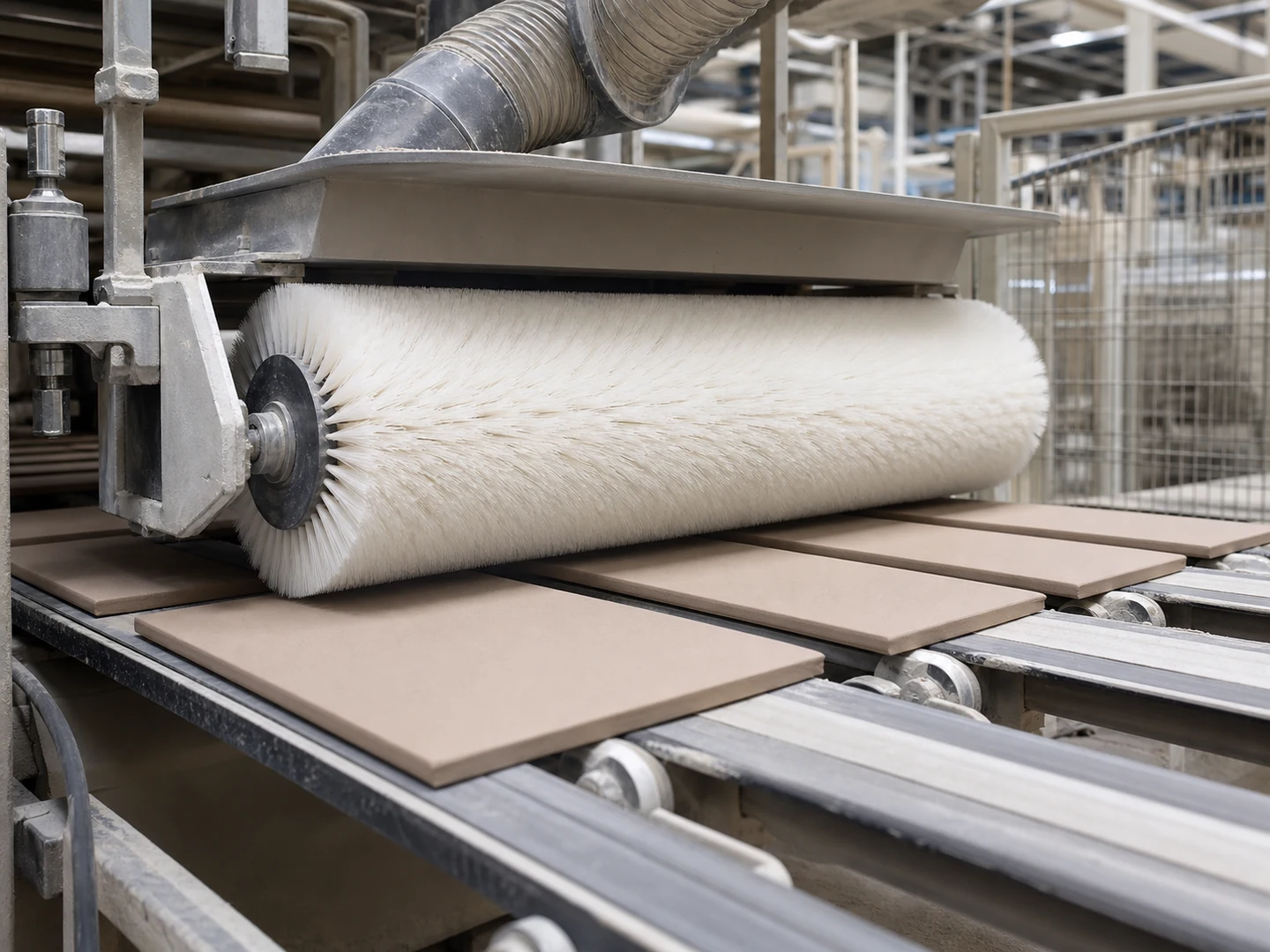
Ceramic Glaze Line & Tile Brush Use
Ceramic Glaze Line & Tile Brush Use is a process-use page rather than a…
See the cleaning job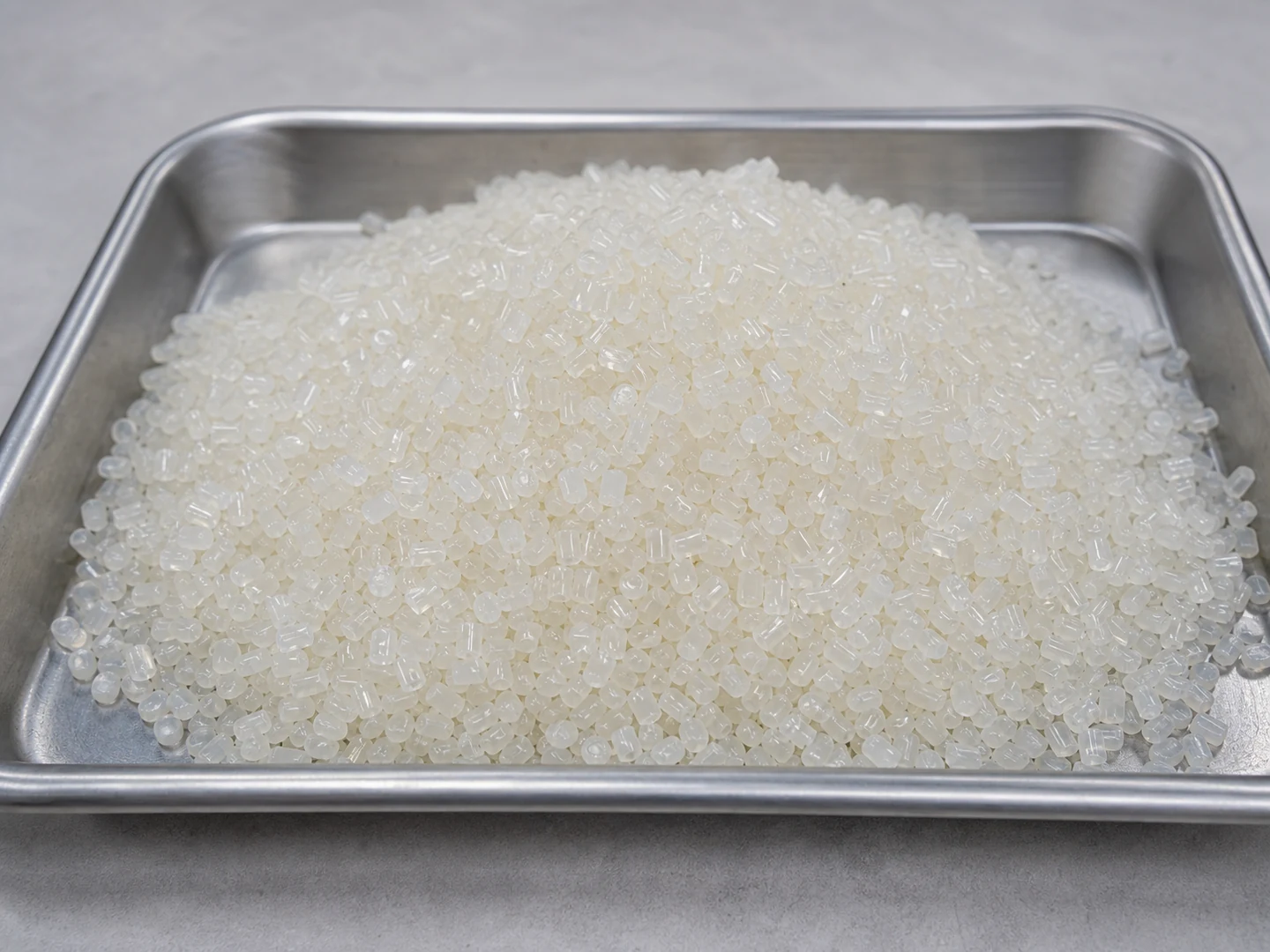
Nylon PA
Choose Nylon PA based on its stiffness, recovery, wear, wet-service, chemical, and temperature behavior.
Compare this material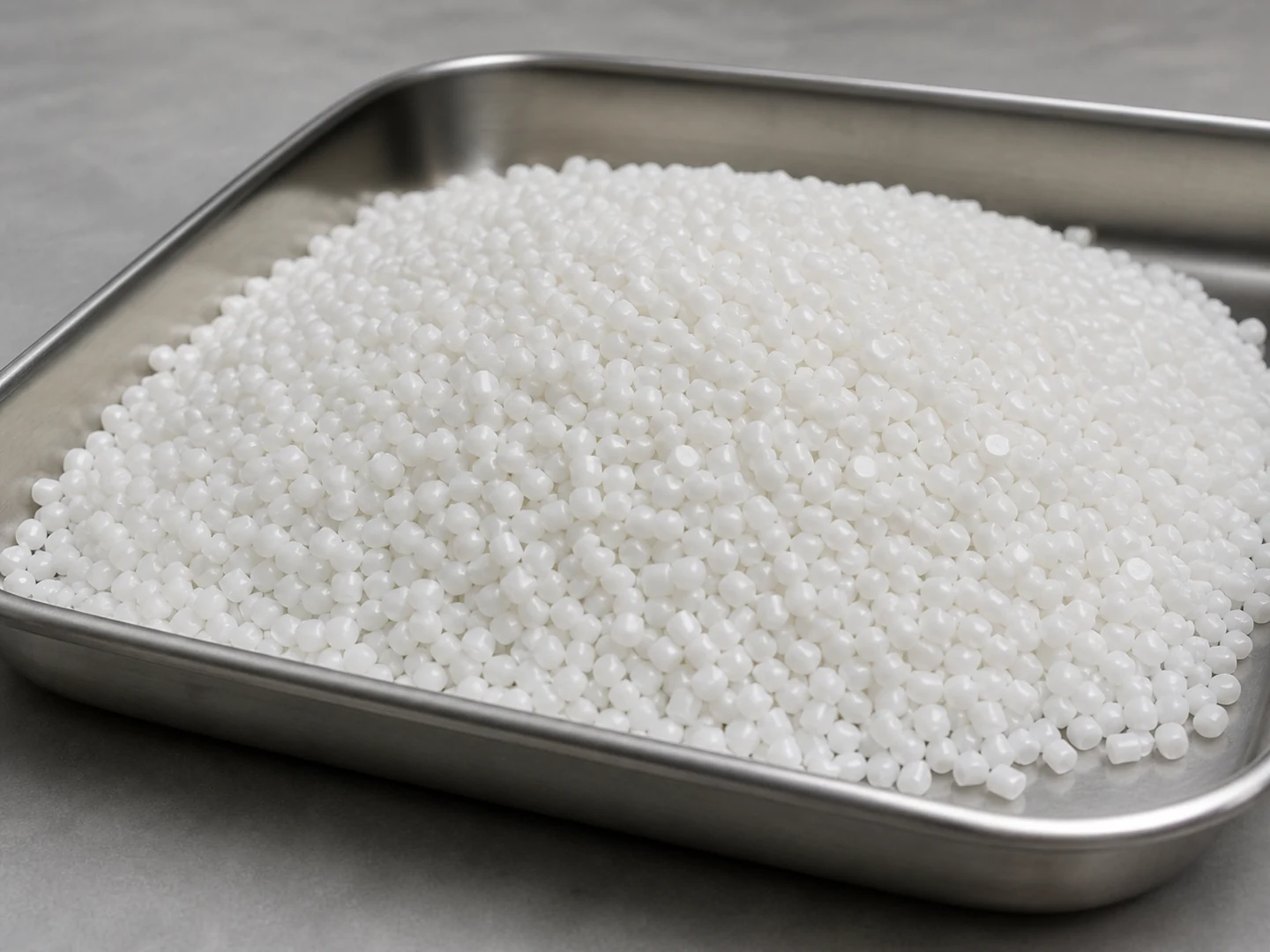
Polypropylene PP
Choose Polypropylene PP based on its stiffness, recovery, wear, wet-service, chemical, and temperature behavior.…
Compare this material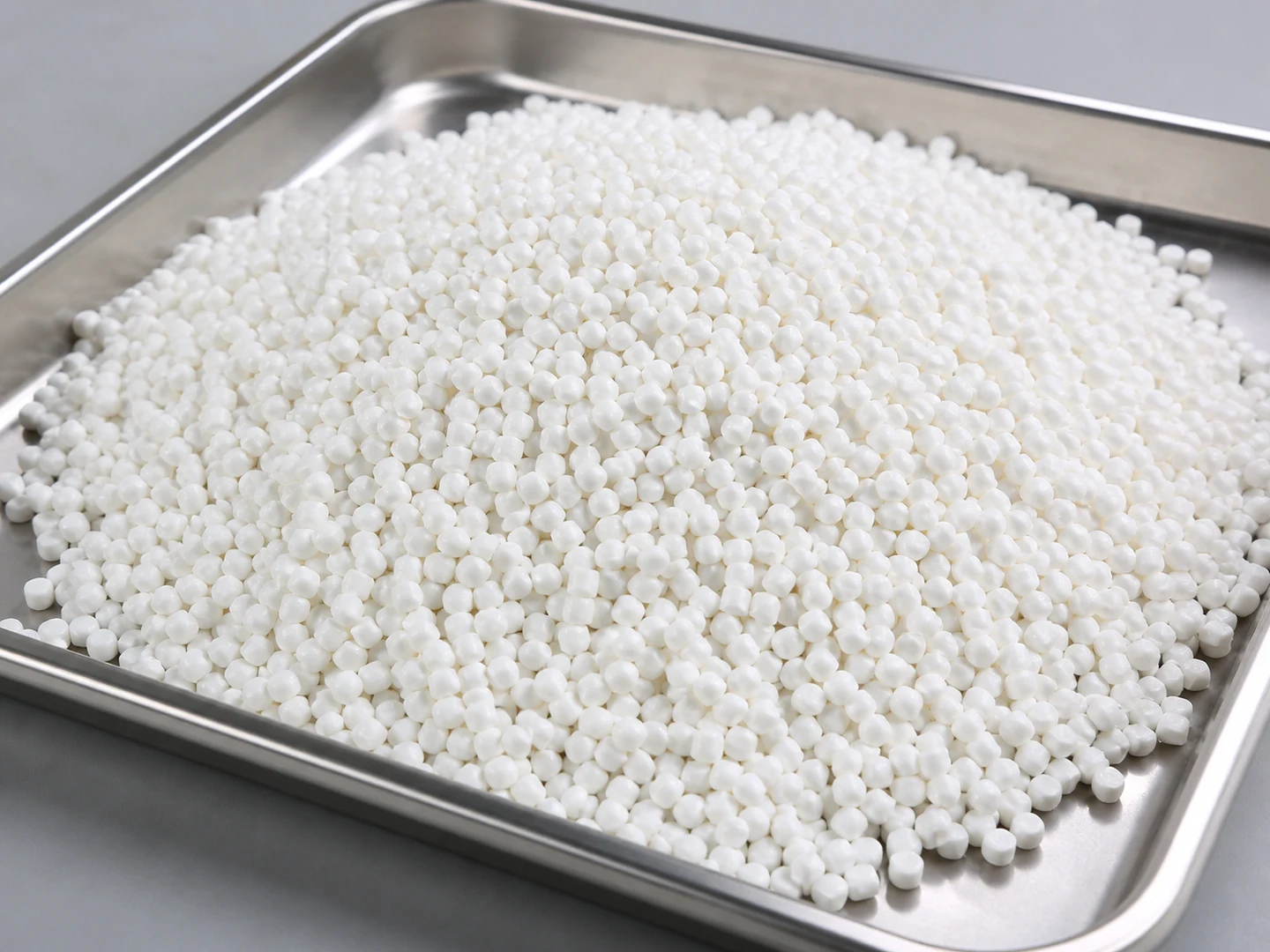
PBT
Choose PBT based on its stiffness, recovery, wear, wet-service, chemical, and temperature behavior. Do…
Compare this material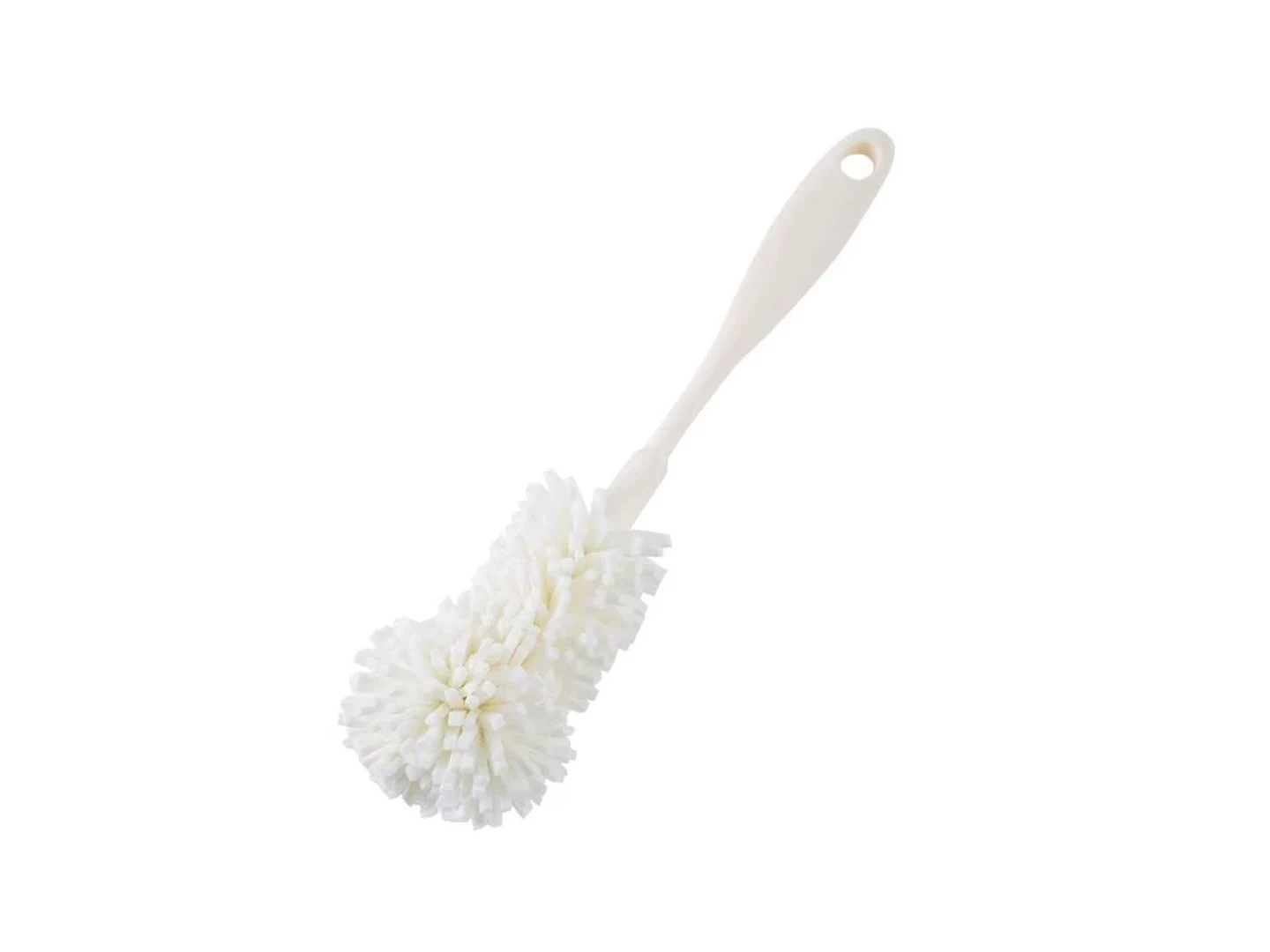
Antibacterial Kitchen Cleaning Brush PP Long Handle
An extended PP handle keeps hands out of hot water and grease, with antibacterial…
Compare the specification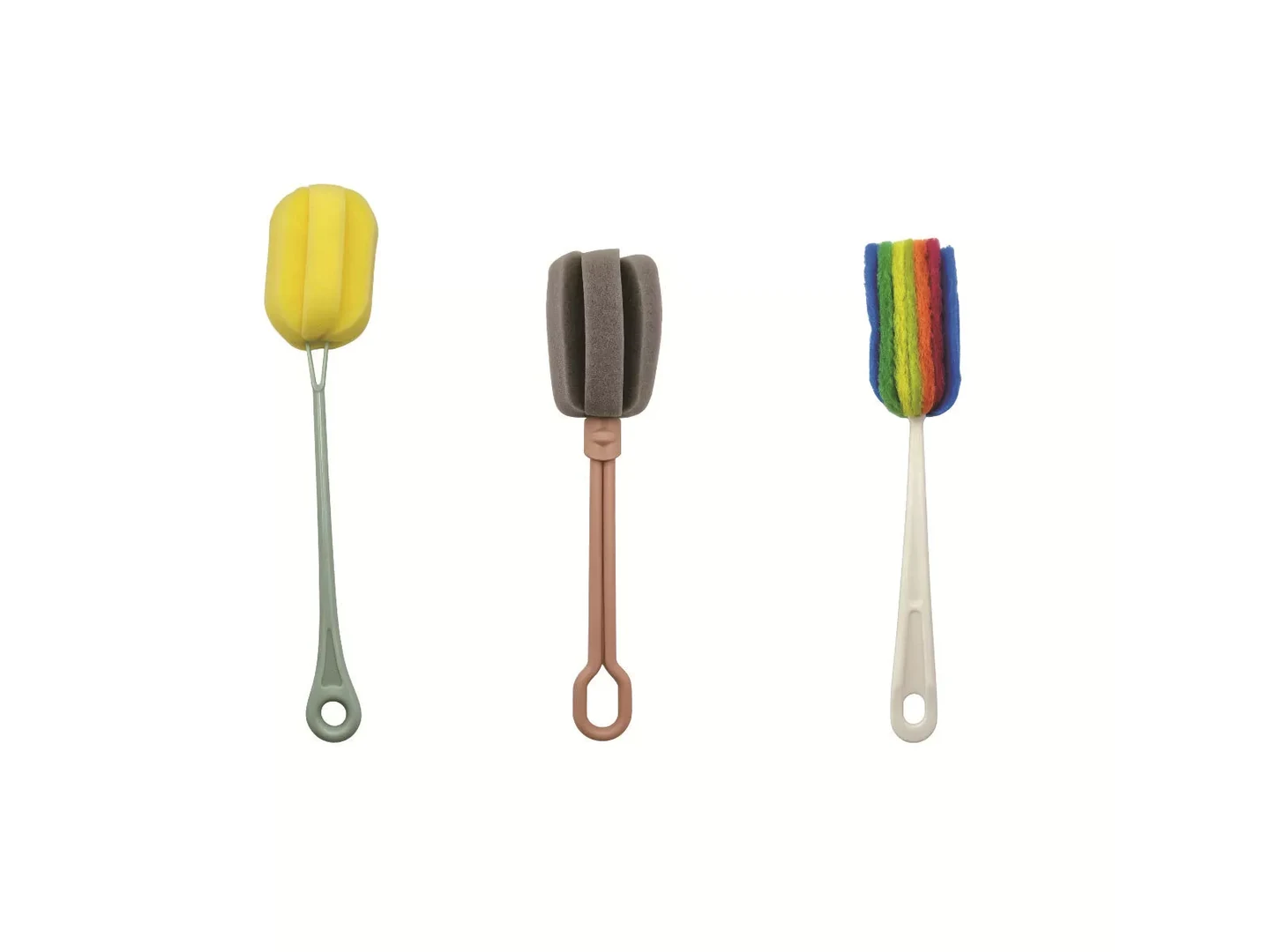
Curved Handle Cleaning Brush
Order a custom curved handle cleaning brush for corners, gaps, and hard-to-reach detail cleaning.
Compare the specificationCustom Manufacturing RFQ
Describe Your Application
To quote this brush accurately, send the size, material, cleaning target, residue, quantity, and any available drawing or sample photo.
Drawing or photo optional — it speeds things up, it does not gate the enquiry.
Custom Brush RFQ
Send Your Brush Project
Upload a drawing, product photo, or sample photo and provide the core dimensions and cleaning conditions.
“We need a brush to remove wet residue from a stainless steel conveyor, about 800mm wide. The current brush wears quickly. We can send photos.”
“We sell drinkware and need a cleaning brush to include with the product. Quantity around 5,000 pieces.”