
Custom Cleaning Brush
Brush Medical Scrub
Two-sided surgical hand scrub brush with nylon nail brush and sponge side for preoperative hand and forearm scrubbing.
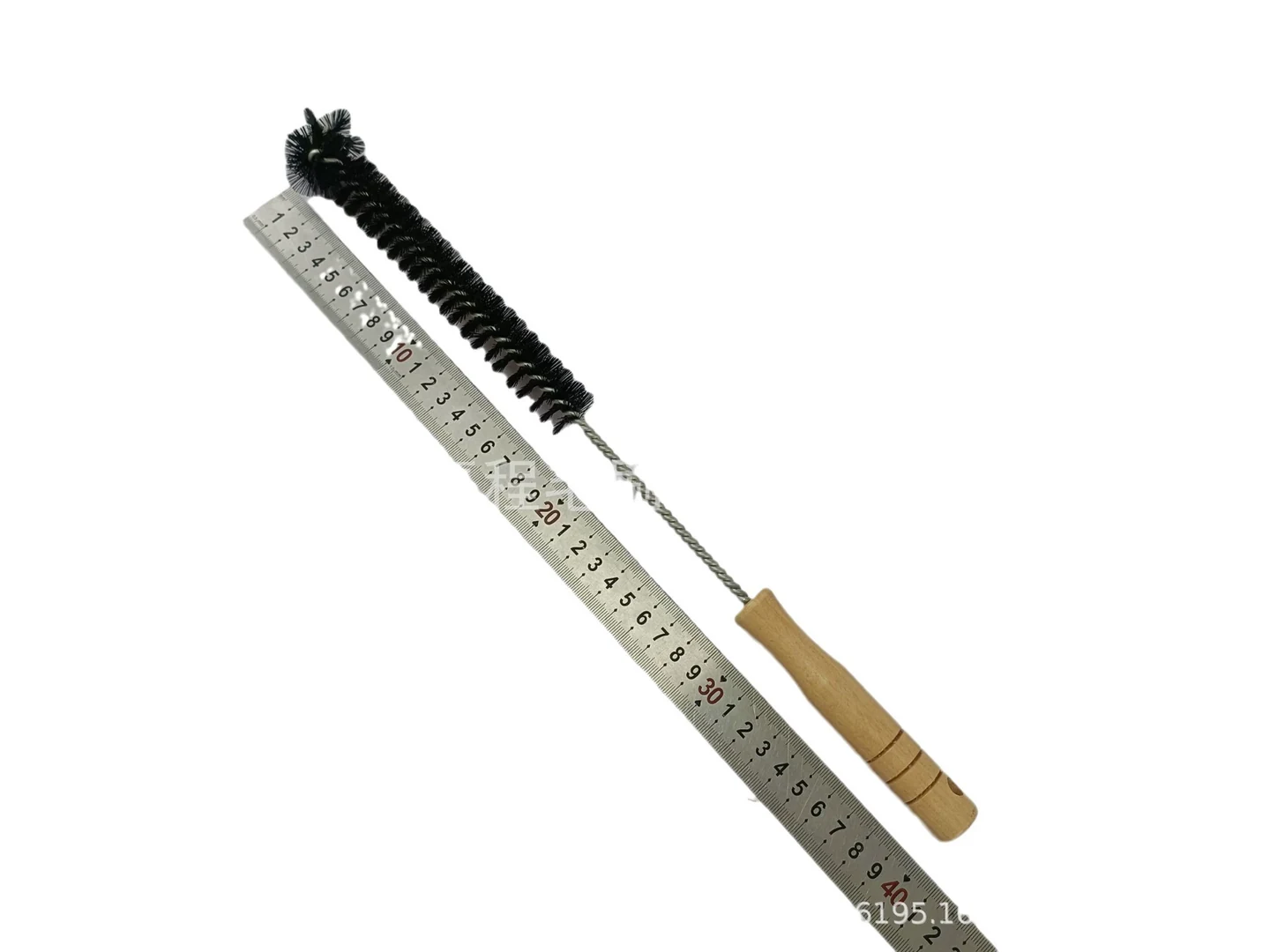
Small brush
500 pcs
Minimum order
Held in one hand: tube, bottle, detail and swab brushes — including long-handled ones with a small head.
Production lead time, once the specification is confirmed
- Up to 500 pcsWithin 7 days
- 501–50,000 pcsWithin 14 days
- Over 50,000 pcsWithin 21 days
Peak season can extend these times; the shipping date is confirmed in writing with your quotation. Sampling and shipping are quoted separately.
The Brush Medical Scrub is a two-sided preoperative hand-scrub tool with a nylon PA bristle side for nails and fingertips and a soft sponge side for hands and forearms. It is built to support timed antiseptic scrubbing at the surgical scrub sink and is available in dry-use, pre-saturated, and disposable formats for high-volume healthcare environments.
What can this brush do for you?
One scrub sequence from nails to forearms
The bristle side works under nail tips and along the lateral nail folds where visible soil and skin oils collect. The opposite sponge side covers hands, wrists, and forearms with the same tool, so the operator can move through the preoperative scrub without stopping to switch brushes.
Nylon filament that reaches under the nail without cutting into skin
The nail side uses nylon PA filament selected for enough stiffness to enter the subungual space while remaining a softer mechanical alternative to a rigid pick. Filament diameter, trim height, and density can be balanced so the brush removes nail-area debris without leaving the fingertips raw during repeated daily scrubs.
Open-cell sponge side that holds the antiseptic lather
The sponge side takes up scrub solution and releases it under compression as it moves across the skin. This spreads the antiseptic detergent over a large surface area and helps maintain lather through the timed scrub instead of letting the solution run off the hand immediately.
Stable one-hand control in wet conditions
The molded polypropylene body includes a thumb depression and side ribs that keep the brush oriented while the operator works under nail plates and around fingers. The grip geometry matters when scrubbing is performed under a running faucet at the scrub sink.
Format can follow the facility protocol
The brush can be supplied dry for use with the facility’s own antiseptic detergent, pre-saturated where the filling step is managed within the project, or packaged as a single-use consumable. This lets supply chain, scrub timing, and infection-prevention requirements stay consistent across the department.
What is a Brush Medical Scrub?
A Brush Medical Scrub is a hand-held scrubbing aid used during surgical hand preparation. One face is a field of nylon PA filament for nails and fingertips; the other face is an open-cell foam sponge for larger skin areas. The two sides are mounted on or molded into a polypropylene body sized for a firm wet grip.
In use, the operator applies the approved antiseptic detergent to the brush, works the bristle side across the fingertips, under the nail tips, and through the lateral folds, then turns the brush over and scrubs the hands, wrists, and forearms according to the facility’s posted scrub protocol. The brush lifts visible soil, skin oils, and transient surface contamination so the antiseptic can contact the skin more evenly.
This is a mechanical cleaning aid for intact skin during preoperative hand preparation. It does not replace the antiseptic, does not set the required scrub contact time, and is not intended for cleaning reusable medical devices, environmental surfaces, or patient skin outside the hand-scrub sequence.
Technical Specifications
The values below represent the standard two-sided configuration. Head size, fill, and body details are adjusted to the purchasing facility’s scrub protocol.
| Parameter | Standard configuration / available options |
|---|---|
| Head / body size | Approx. 80 × 50 mm (L × W); project-specific sizes available |
| Overall height | Approx. 22–26 mm including bristle and sponge |
| Bristle side material | Nylon PA (polyamide) filament |
| Bristle trim height | 8–12 mm; selected for nail penetration vs. skin comfort |
| Bristle diameter / fill | 0.20–0.40 mm; medium or firm density |
| Sponge side material | Open-cell polyurethane foam, approx. 10–14 mm thick |
| Body material | Polypropylene (PP) |
| Format | Single-use disposable or reusable dry brush; pre-saturated SKU available where the antiseptic fill is managed under the project protocol |
| Packaging | Bulk box, individual sealed pouch, or flow wrap per distribution requirement |
| Working environment | Used with facility-selected antiseptic detergent; material compatibility confirmed for the specified scrub solution |
| Color / marking | Standard blue or white; custom colors and pad printing available |
| Brush type | Custom Handheld Detail Brushes |
| How it is driven | Hand-guided |
| Cleaning target | interventional procedure area, labor and delivery, and scrub training and simulation center cleaning |
| Surface or part | nails, forearms, fingertips, and substrates |
| Residue or debris | skin oil, visible soil, and surface contamination |
| Mounting / connection | Fixed |
Where does this brush work best?
- Operating room scrub sinks, where timed hand and forearm scrubbing is required before gowning and gloving.
- Interventional procedure areas such as cath labs, endoscopy units, and radiology suites that require mechanical nail cleaning before sterile procedures.
- Labor and delivery, burn care, dialysis, and other high-asepsis units where each provider follows a defined preoperative scrub sequence.
- Scrub training and simulation centers that need a consistent, disposable practice brush matching clinical stock.
- Hospital supply rooms and procedure packs where a one-piece nail and hand scrub brush reduces the number of SKUs on the shelf.
How do I choose the right one?
Start with the scrub protocol, then work down to the physical contact and packaging.
- Single-use or reusable? If infection-prevention policy requires one brush per scrub, choose the disposable format. Reusable versions only make sense when the facility has validated reprocessing for the brush and the material grades have been selected for that method.
- Dry head or pre-saturated? A dry head is paired with the facility’s own liquid antiseptic. A pre-saturated SKU fits workflows where the active product is filled and sealed under the project’s controlled filling step; the sponge, body, and barrier pouch must be compatible with that antiseptic.
- How much nail-side action does the population need? If clinicians report subungual soil or need mechanical nail cleaning, select a firmer filament diameter and higher density. If hand irritation is the bigger issue, shorten the trim height, reduce the diameter, or lean more heavily on the sponge side.
- Does the brush stay controllable for the full scrub time? The body should fit the operator’s thumb and palm without sliding when wet. For longer scrub sequences, a larger body with more pronounced thumb depression usually improves control.
- What packaging does the workflow require? Individual sealed pouches support point-of-use dispensing and reduce the chance of using a wet or damaged brush. Bulk boxes are more efficient where all brushes are consumed immediately at the scrub station.
Choose a different brush when the job is cleaning reusable medical devices, lumens, or instrument surfaces — those require a purpose-built device-cleaning brush. If the facility uses a waterless surgical hand-rub process with a documented no-brush protocol, this scrub brush may not be needed at all.
Can I customize this brush?
The Brush Medical Scrub is configured around the facility’s hand-preparation protocol. To specify a custom version, provide the required head dimensions, nail-side stiffness and trim height, sponge thickness and pore structure, body grip preferences, dry or pre-saturated format, antiseptic to be used, packaging format, and any documentation needs. A sample brush or a marked drawing shortens the specification.
- Body geometry: length, width, overall height, thumb depression size and depth, side ribs, optional nail-pick tip, and hanging hole.
- Nail-side bristle field: nylon PA diameter, trim height, density, fill pattern, full or partial coverage, and filament color.
- Sponge side: foam type, pore size, thickness, surface texture, lamination, and color.
- Antiseptic format support: dry substrate for use with facility-supplied detergent, or substrate and pouch configured for pre-saturation through an appropriate filling step.
- Packaging: bulk pack, individual poly bag, flow wrap, peel pouch, carton quantities, and print or label position.
- Identification: color coding, pad printing, lot/date code placement, and private-label marking.
If the project requires material documentation, batch traceability, inspection plans, or third-party testing support, these can be included in the customization scope.
Which filament survives the cleaning chemicals a brush medical scrub meets?
Which side gets used first during the scrub?
Most protocols call for the nail side first, working under each nail tip and along the fingertip edges, then turning to the sponge side for hands, wrists, and forearms. The brush supports either order; the timing and sequence are defined by the facility’s surgical hand-preparation procedure.
Can a single-use brush be washed and used again?
No. Single-use SKUs should be disposed of after the scrub. Reuse of a disposable brush carries cross-contamination risk and is not standard practice. Reusable versions are only applicable when the facility has a validated reprocessing protocol for that specific brush.
How can I tell if the nail-side bristles are too aggressive?
After the timed scrub, the fingertips should not show persistent redness, broken skin, or visible abrasion beyond normal mechanical contact. If staff report skin damage or tenderness, reduce contact pressure, specify a lower trim height or a softer filament diameter, or shift more of the scrub to the sponge side.
Does the brush itself remove microorganisms?
No. The brush removes oils, visible soil, and transient contamination so the antiseptic can contact the skin. Microorganism reduction comes from the scrub solution and contact time. This product is a physical cleaning aid, not an antimicrobial agent.
Is this brush suitable for cleaning surgical instruments?
No. The Brush Medical Scrub is designed for intact skin during preoperative hand preparation. Use instrument-cleaning brushes for device surfaces and lumens; a skin scrub brush can shed particles and is not built for device decontamination.
What should be checked before opening the package?
Check that the pouch or bag is intact, the lot or date marking is legible, and the brush has not been stored where it could become wet or contaminated. For a pre-saturated SKU, the sponge should not feel dry or stiff. If the package is damaged or the sponge condition is off, do not use that brush.
Guides that go deeper on this
We have not written a guide specific to this one yet. The material that covers selection, filament, dimensions, maintenance and sourcing is collected in the technical resources library.
Custom Manufacturing RFQ
Describe Your Application
Send the key measurements, cleaning requirement, residue, material direction, mounting method, quantity, and drawing or photo.
Drawing or photo optional — it speeds things up, it does not gate the enquiry.
Custom Brush RFQ
Send Your Brush Project
Upload a drawing, product photo, or sample photo and provide the core dimensions and cleaning conditions.
“We need a brush to remove wet residue from a stainless steel conveyor, about 800mm wide. The current brush wears quickly. We can send photos.”
“We sell drinkware and need a cleaning brush to include with the product. Quantity around 5,000 pieces.”