
Custom Cleaning Brush
Ceramic Green Body Cleaning Brush
Soft goat hair, horsehair, or PBT brushes for removing dust from unfired ceramic green bodies. Custom sizes and mounts for manual or automated lines.
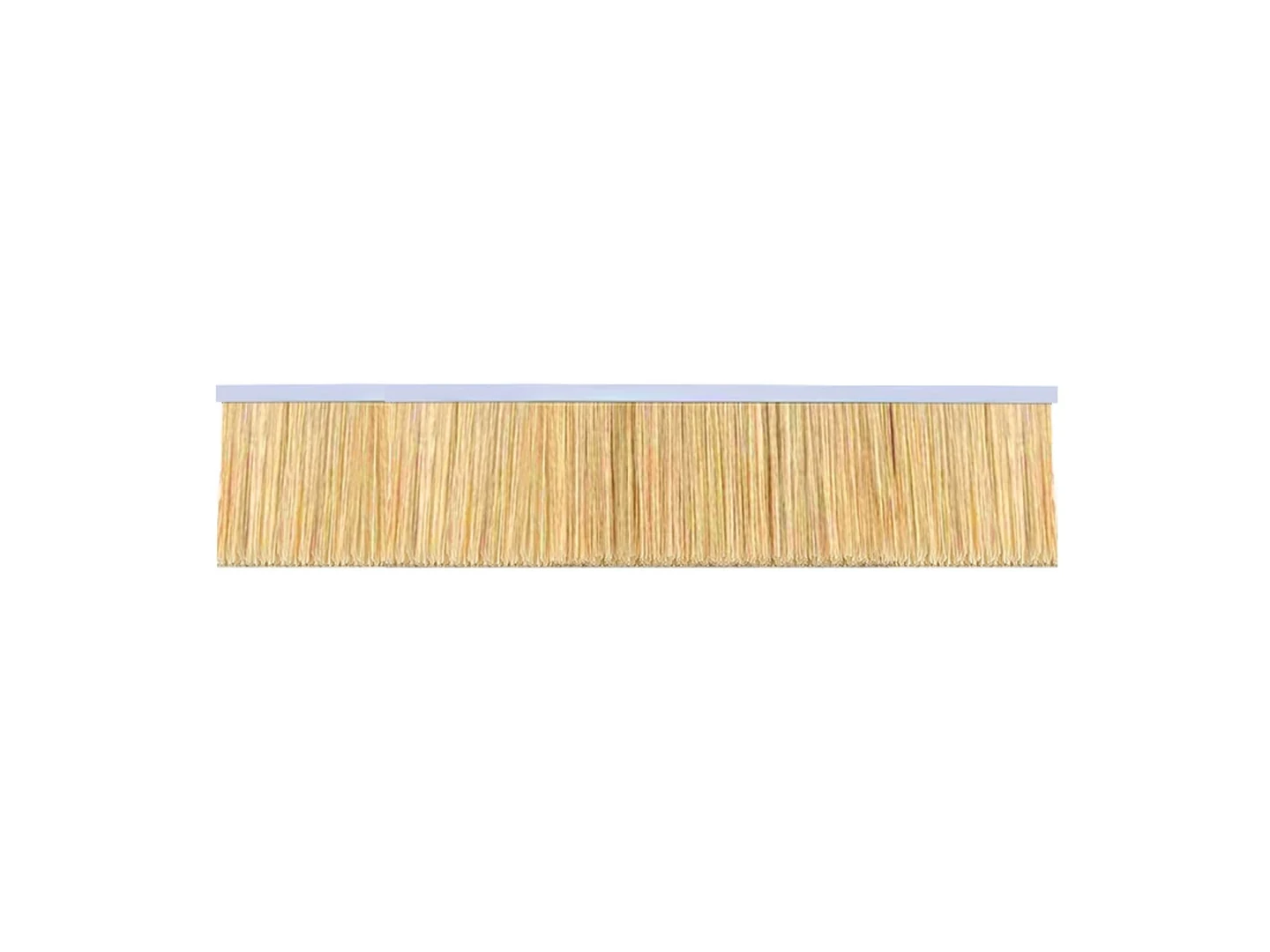
Medium brush
100 pcs
Minimum order
Worked with two hands or on a pole: chimney, gutter and pond-filter brushes, discs, cups and tank brushes.
Production lead time, once the specification is confirmed
- Up to 100 pcsWithin 7 days
- 101–5,000 pcsWithin 14 days
- 5,001–50,000 pcsWithin 21 days
- Over 50,000 pcsConfirmed with your quotation
Peak season can extend these times; the shipping date is confirmed in writing with your quotation. Sampling and shipping are quoted separately.
A soft, fine-filament brush engineered for removing loose ceramic dust and green-body process particles from unfired ceramic parts before glazing, decoration, or kiln loading. Available with natural goat hair, horsehair, or PBT filaments and mounting options for hand dusting, rotary units, or inline automated cleaning stations.
What can this brush do for you?
Lifts Loose Dust Without Scratching the Green Body
Unfired ceramic bodies are soft and easily marked. Goat hair and fine horsehair filaments have rounded, flexible tips that displace surface dust and powder without leaving scratch lines or compressed marks. The result is a cleaner surface going into the glazing line, which reduces pinholes, glaze crawling, and post-fire rejects.
Reaches Edges, Undercuts, and Carrier Contact Areas
Dust does not settle evenly across a part. It collects along pressed edges, around drain holes, and where the green body touches handling fixtures. The adjustable trim length lets the filament tips follow these slight contours and sweep particles out of the places where glaze defects most often start. A brush with the right trim and density cleans the whole profile, not just the flat face.
Mounts into Your Existing Cleaning Station or Machine
The brush can be built with a handle for manual dusting, a threaded ferrule or shank for tool holders, or a bracket or machine bar for automated lines. The mounting interface is matched to your equipment, so the brush drops into a rotary head, oscillating wiper, or stationary strip mount without re-engineering the line.
Keeps the Ceramic Surface Free of Brush-Deposited Fibers
Natural hair filament is less prone to breaking off than stiff synthetic or metal filaments. We pre-comb and trim each brush to remove loose fibers before packing. For critical applications, PBT filament can be specified to eliminate natural fiber shedding entirely, keeping green bodies clean for downstream glazing or metallization.
What is a Ceramic Green Body Cleaning Brush?
A Ceramic Green Body Cleaning Brush is a dusting tool used in the ceramic manufacturing process to remove loose powder, dust, and handling debris from unfired ceramic parts before they are glazed, decorated, or loaded into the kiln. The “green body” is the formed but unfired piece — pressed tile, cast sanitaryware, jiggered tableware, or a technical ceramic part — and its surface is fragile enough that a hard brush can create defects that only become visible after firing.
The brush works dry, at ambient temperature, using soft filament contact to lift and move particles away from the surface. It does not apply water, solvents, or cleaning chemicals; those would soften and deform the clay. Instead, the filament density, length, and stiffness are set so that the tips skim the surface and carry dust along without digging in.
Depending on the production setup, the brush can be a flat strip mounted on a machine bar, a cylinder that rotates against the part, or a hand brush used at an inspection or finishing station. The mounting style, head width, working length, and filament material are all selected around the part geometry and the point in the process where cleaning happens.
Technical Specifications
The values below are the standard configurable ranges for this brush family. Final dimensions and materials are set to match your green body size, machine interface, and cleaning requirement.
| Parameter | Value / Options |
|---|---|
| Head width | 10–400 mm, matched to the part width or the length of conveyor coverage |
| Working length | 20–300 mm, set to the contact area that must be swept on the green body |
| Overall length | 120–1000 mm, measured from filament tip to handle or mounting end, adjusted for reach and machine fit |
| Trim length | 10–100 mm, longer trim gives more flexibility and contour following, shorter trim gives firmer contact |
| Filament diameter | 0.08–1.00 mm, finer for delicate bodies, coarser for higher dust loads |
| Fill material | Goat hair (primary), horsehair, or PBT; natural hair for soft non-scratch contact, PBT for moisture resistance and longer wear |
| Mounting | Handle, thread, ferrule, shank, bracket, or machine bar, selected for manual or automated use |
| Operating environment | Dry process, ambient temperature; no water or solvents unless the green body process specifically allows them |
| Brush type | Custom Handheld Detail Brushes |
| How it is driven | Hand-guided |
| Cleaning target | ceramic tile pressing line, sanitaryware green body finishing, and tableware and dinnerware production cleaning |
| Surface or part | ceramic, green bodies, tile, bars, holes, carriers, edges, and drain |
| Residue or debris | dust, hair, powder, particles, ceramic dust, process particles, glaze, and mold |
| Mounting / connection | Handle, thread, ferrule, shank, bracket, or machine bar, selected for manual or automated use |
Backing and ferrule materials are specified with the machine interface to avoid galvanic or thermal mismatches. For rotary applications, we can tune the filament density and balance the brush to your operating speed.
Where does this brush work best?
- Ceramic tile pressing lines: after dry pressing and before glazing, to remove surface dust and loose powder from the tile face and edges.
- Sanitaryware green body finishing: dusting sinks, toilets, and basins after casting or jiggering, especially around rims, drain holes, and mold seams.
- Tableware and dinnerware production: cleaning plates, bowls, and cups before decorating or glazing to prevent pinholes and glaze defects.
- Technical ceramics manufacturing: cleaning delicate green parts such as insulators, substrates, or cores before sintering or metallization.
- Handling and carrier contact areas: brushing carrier plates, setters, or handling fixtures where dust transfers back onto green bodies.
How do I choose the right one?
The right configuration comes from four decisions: filament softness, mounting style, contact dimensions, and operating environment.
- Match filament to green body strength. Green bodies vary in hardness depending on moisture content and forming method. Very fragile pieces need goat hair — the softest option. More durable bodies can take horsehair or PBT. Always test on scrap parts before committing to a full line order.
- Define the mounting interface. Manual stations use a handle or shank. Automated lines use a thread, ferrule, bracket, or machine bar. Provide the exact mounting dimensions, rotation direction, and speed if the brush will be powered.
- Set the contact area. Measure the part width, length, and any recessed areas that must be cleaned. The head width and working length should cover the surface without excessive overhang, which causes uneven wear and wasted filament.
- Choose trim length and filament diameter. Longer trim bends easily and reaches contours; shorter trim is stiffer and removes more stubborn powder. Finer filament (0.08–0.30 mm) is for delicate dusting; coarser (0.30–1.00 mm) is for heavier dust or when the brush must also break up soft clumps.
- Check the environment. If the process has humidity, light chemical exposure, or requires washdown of the brush itself, PBT is more resistant than natural hair. If the brush must not add organic fibers to the ceramic before firing, PBT or an ultra-clean natural hair option should be considered.
When to use a different brush or method: If the green body has dried to leather-hard or bone-dry state and has adhered surface defects, a soft dusting brush will not remove them — you need a stiffer nylon brush or a compressed air/vacuum system. If the residue is oily, wet, or greasy, this brush is not suitable; use a solvent wipe or a different cleaning process. If the part has deep blind holes or internal cavities, a specialized tube or bottle brush is required.
Can I customize this brush?
Every ceramic process has its own part size, line speed, and contamination limits, so we build the brush to match your application rather than shipping a generic size. To define the configuration, provide the green body material and condition, part dimensions and surface features, cleaning method (manual, rotary, linear oscillation), machine mounting details, expected dust load, and any environmental constraints. A photo or drawing of the part and the mounting point helps us get it right faster.
We can adjust:
- Head width and working length to cover your part or conveyor section
- Overall length and handle/shank design for ergonomic or machine reach
- Trim length for stiffness and contour following
- Filament material and blend — goat hair, horsehair, PBT, or a mixed fill
- Filament diameter and density to control contact pressure and dust removal rate
- Mounting type and dimensions — threaded ferrule, shank diameter, bracket, machine bar channel, or quick-change adapter
- Backing material — wood, aluminum, steel, or plastic profile selected for your machine and process
- Color and marking for PBT filament or handle identification coding
- Packaging for industrial quantities: bulk cartons, individual wrap for cleanroom environments, or line-side dispensers
If your project requires material documentation, inspection reports, or third-party testing support, we can assist with those requirements during the customization process.
Which filament survives the cleaning and still lasts on a ceramic green body cleaning brush?
How can I tell if the brush is too stiff for my green body?
Run a test on scrap pieces using the same pressure and stroke speed as production. After brushing, inspect the surface under strong raking light. If you see fine scratch lines, shiny compressed spots, or surface disruption, the filament is too stiff or the density is too high. Switch to a finer filament diameter or a softer material like goat hair, then retest.
Will this brush shed fibers onto the ceramic piece?
Natural hair can shed a few fibers during the first hours of use. We pre-comb and trim each brush to remove loose fibers before packing. For critical applications, specify PBT filament, which does not shed natural fibers. If even minimal fiber contamination is unacceptable, follow brushing with a compressed-air blow-off or an ionizing air bar.
Can this brush be used for wet cleaning of green bodies?
No. Water or solvents will soften and deform unfired clay. This brush is designed for dry dust removal only. If your process includes a wet step, the green body must be dried to a safe moisture level first, and the brush material should be re-evaluated for water exposure.
How often should the brush be replaced on a production line?
Monitor filament length and stiffness. When the trim length decreases by about 25% from new, or when dust removal effectiveness visibly drops, replace the brush. On high-speed lines, schedule preventive replacement based on part count or operating hours rather than waiting for quality complaints. A shortened brush changes contact pressure and can start marking the surface.
What is the difference between goat hair and PBT for this application?
Goat hair is very soft and fine, ideal for fragile bodies, but it absorbs moisture and can harbor bacteria if the environment is humid. PBT is synthetic, moisture-resistant, chemically stable, and uniform, but slightly stiffer. Choose goat hair when surface protection is the top priority; choose PBT when durability, cleanliness, or resistance to moisture is more important.
Does the brush generate static electricity that could re-attract dust?
Natural hair generates less static than synthetic filaments, but in very dry production environments static can be an issue. If you see dust re-attracting to the part after brushing, consider PBT with an anti-static treatment or pair the brush with an ionizing air system. We can discuss these options during the specification process.
Guides that go deeper on this
We have not written a guide specific to this one yet. The material that covers selection, filament, dimensions, maintenance and sourcing is collected in the technical resources library.
Custom Manufacturing RFQ
Describe Your Application
Please include the main sizes, application, residue, preferred material, interface, quantity, and any drawing or sample available.
Drawing or photo optional — it speeds things up, it does not gate the enquiry.
Custom Brush RFQ
Send Your Brush Project
Upload a drawing, product photo, or sample photo and provide the core dimensions and cleaning conditions.
“We need a brush to remove wet residue from a stainless steel conveyor, about 800mm wide. The current brush wears quickly. We can send photos.”
“We sell drinkware and need a cleaning brush to include with the product. Quantity around 5,000 pieces.”