What Is a Heat Treatment Fixture Brush?
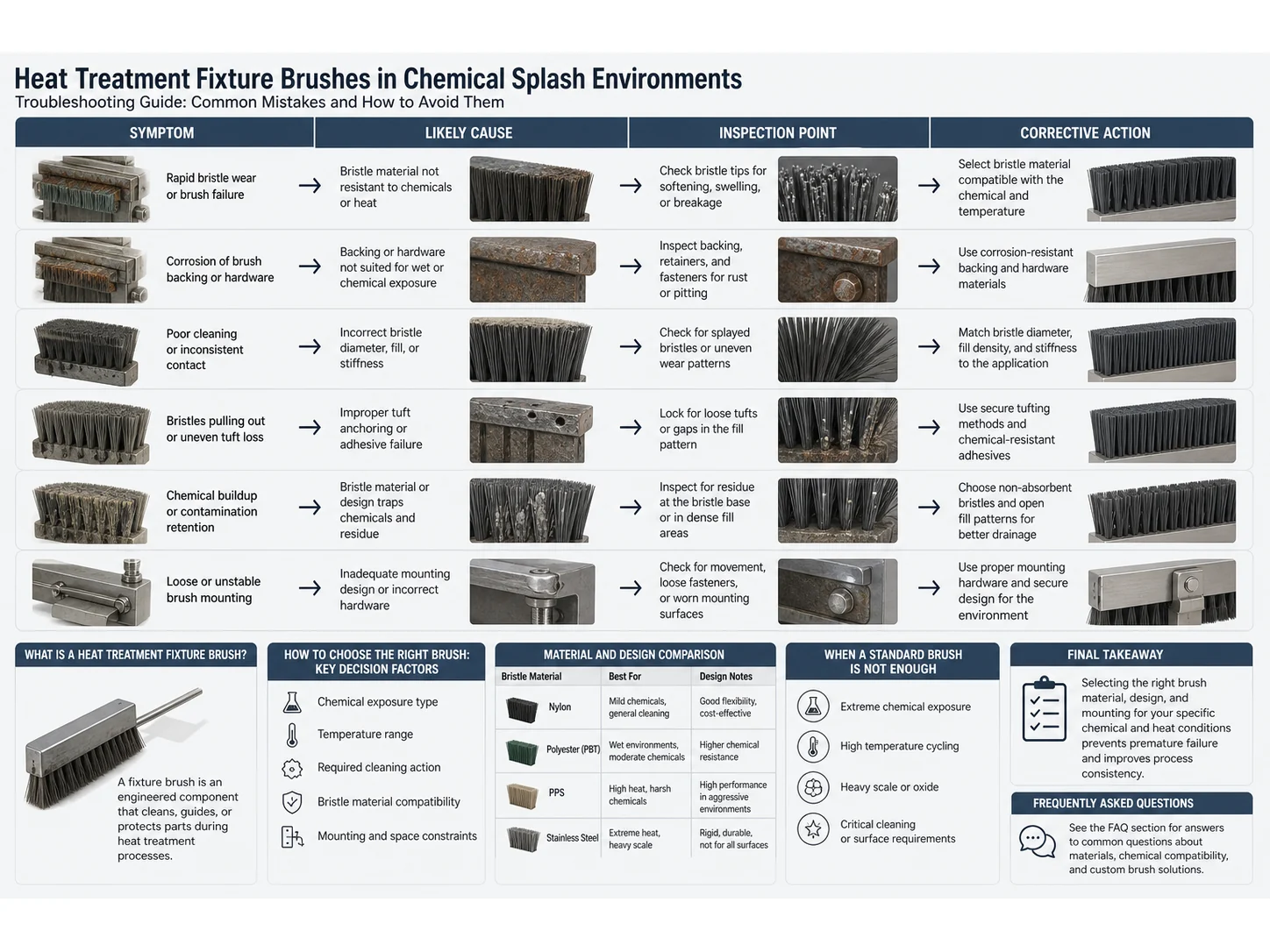
A heat treatment fixture brush is a cleaning brush engineered to withstand the harsh environments encountered during heat treat fixture maintenance. Unlike general-purpose brushes, these brushes are built with materials and constructions that can handle extreme temperatures, aggressive chemical residues, and abrasive scale without degrading or contaminating the workpiece. They are available in a wide range of filament materials, diameters, trim lengths, stiffness levels, and mounting configurations to match different fixture geometries and cleaning challenges. The primary goal is to restore the fixture surface to a clean, contamination‑free state so that parts placed on or in the fixture do not pick up foreign matter during the heat treat cycle.
Why Surface Finish Control Depends on the Right Brush
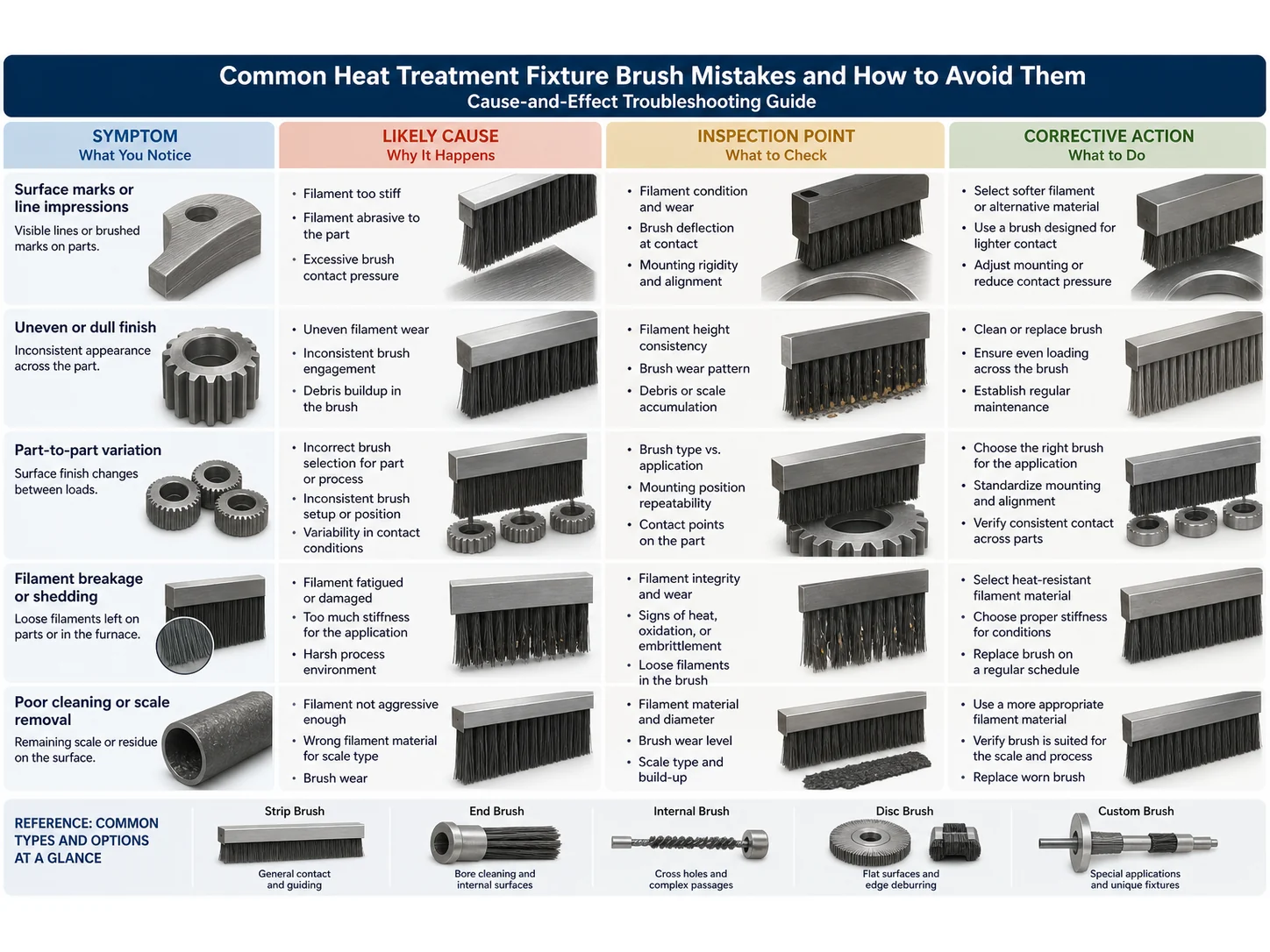
During heat treating, fixtures cycle repeatedly between high temperatures and quenching environments. Residual quench oils bake onto fixture surfaces, scale builds up from oxidation, and fine metallic particles embed into crevices. If these contaminants are not completely removed, they can transfer to the next batch of parts, creating surface defects such as pits, stains, or uneven texture. Inconsistent cleaning also leads to part‑to‑fixture contact variations that affect heating and cooling uniformity, which can alter final hardness or case depth. The correct brush effectively removes these deposits without gouging the fixture or leaving behind bristle fragments, thereby protecting both the fixture investment and the quality of the finished components.
Common Types and Options at a Glance
When specifying a heat treatment fixture brush, you will encounter several key variables:
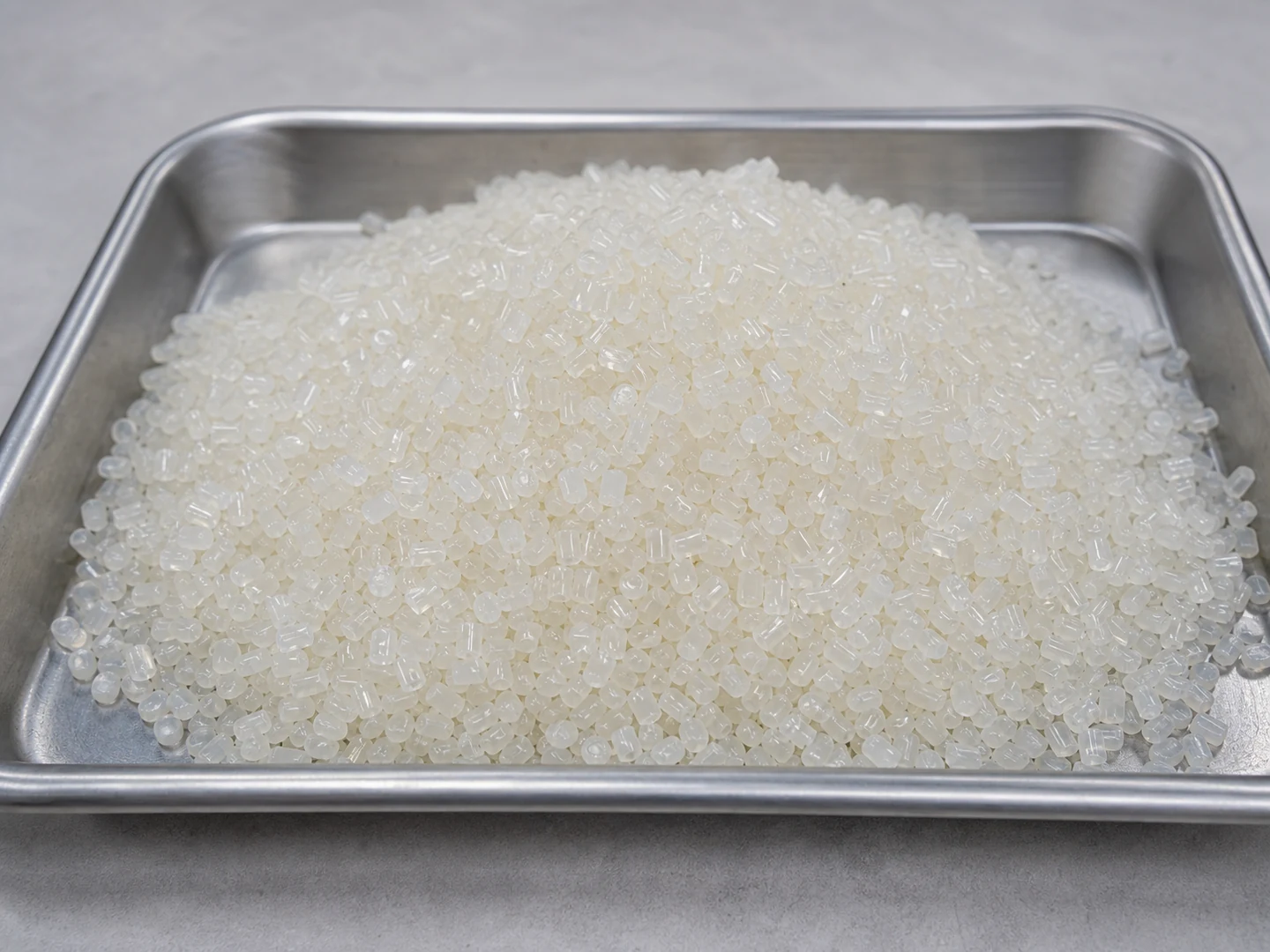
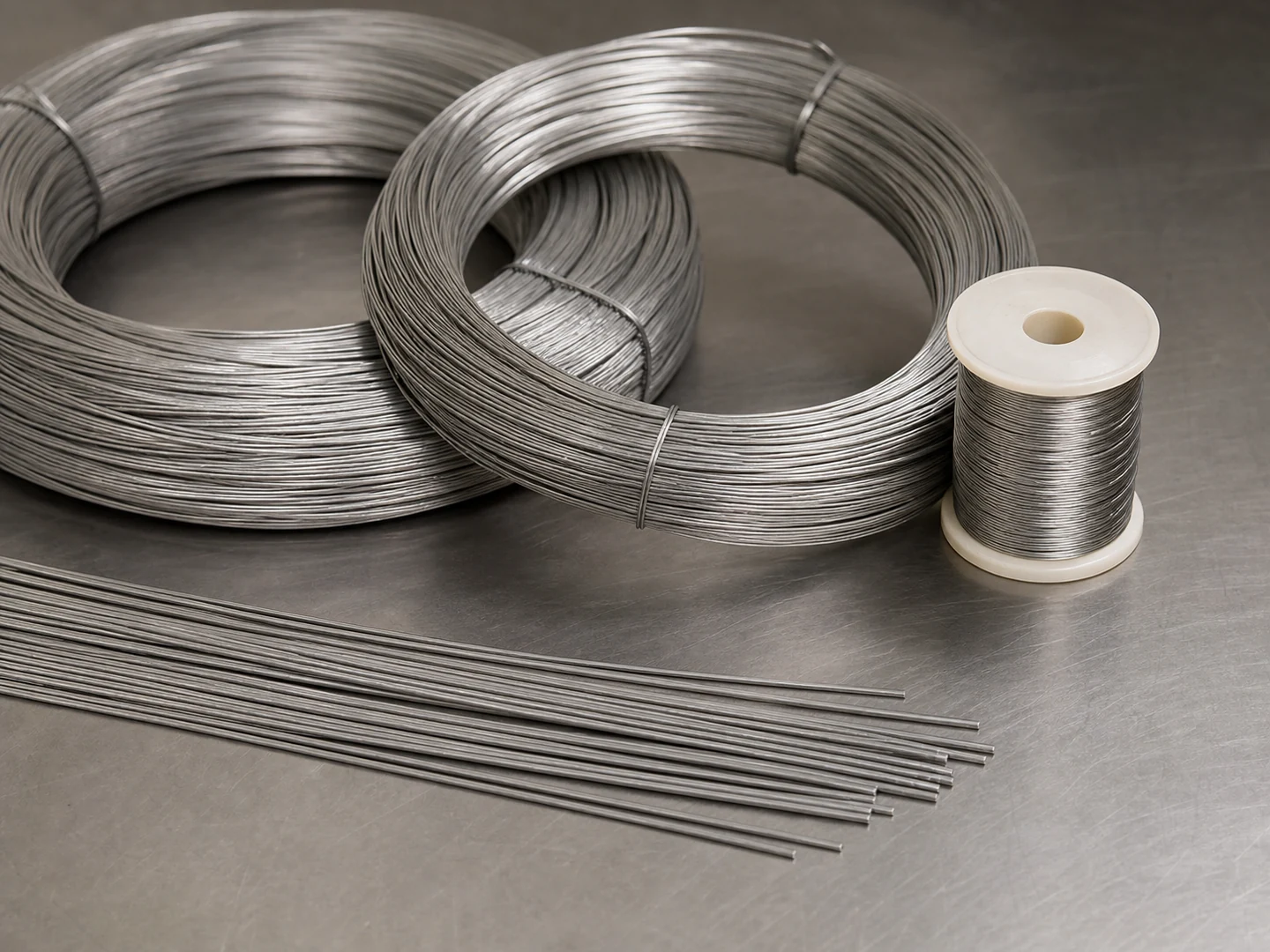
- Filament material – steel, stainless steel, brass, nylon, abrasive‑impregnated nylon, natural fibers like Tampico.
- Wire diameter / filament thickness – determines aggressiveness; finer gauges (0.10–0.15 mm) for light cleaning, heavier gauges (0.25–0.35 mm) for scale removal.
- Stiffness / hardness rating – soft, medium, hard; linked to wire diameter and material.
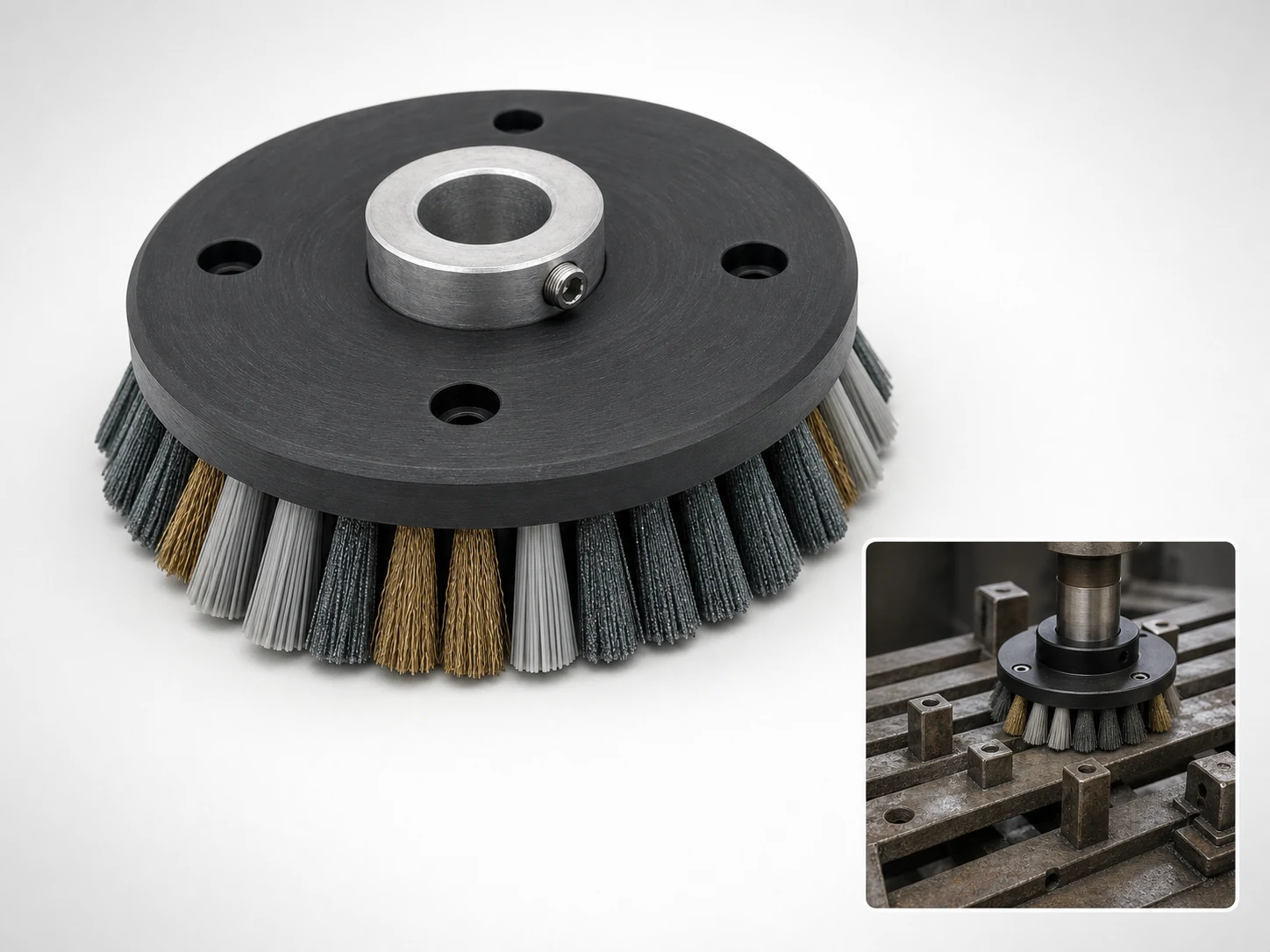
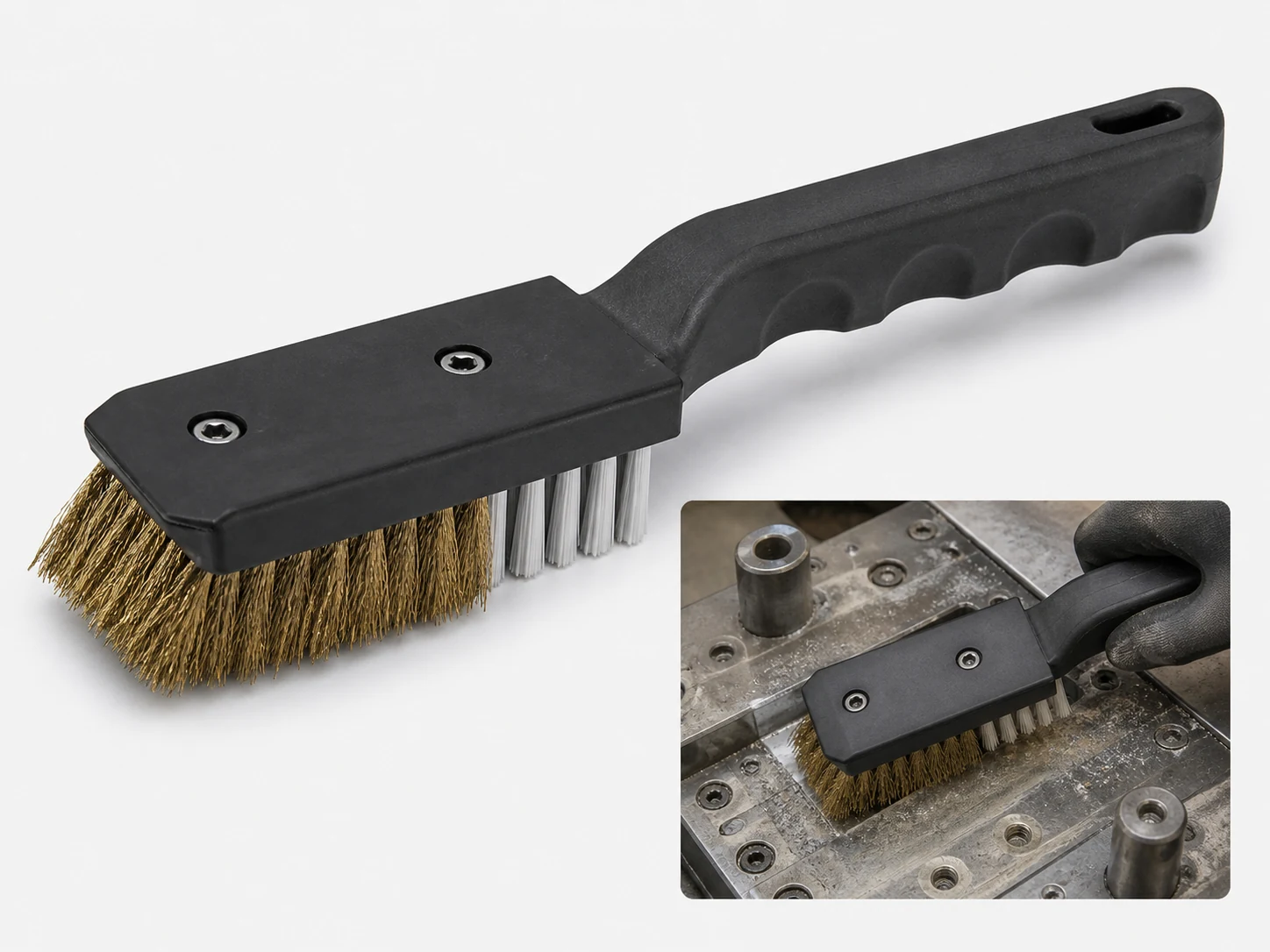
- Brush shape – wheel, cup, disc, tube, end brush, handheld strip, or custom contour.
- Handle or core style – twisted‑in‑wire, loop handle, threaded stud, keyed hub, or plain shank.
- Mounting interface – press‑fit, bolt‑on, quick‑change adapter, or integration into automated cleaning stations.
- Overall size and trim length – must match fixture geometry and accessibility constraints.
Filament Material Comparison Table
| Material | Abrasion Level | Max Temp (approx.) | Chemical Resistance | Best For | Potential Drawbacks |
|---|---|---|---|---|---|
| Carbon Steel Wire | High | 300°F (150°C) | Low – can rust | Heavy scale on plain steel fixtures | Rust contamination; not for stainless or aluminum |
| Stainless Steel Wire | Medium | 600°F (315°C) | Good | General cleaning, rust‑free | Harder than carbon steel, may scratch softer alloys |
| Brass Wire | Low‑medium | 400°F (200°C) | Good | Sensitive surfaces, non‑sparking | Softer, faster wear; not for heavy scale |
| Nylon | Low | 250°F (120°C) | Excellent | Light cleaning, no scratching | Ineffective on heavy deposits; limited temperature range |
| Abrasive Nylon (SiC or AlOx) | Medium‑high | 250°F (120°C) | Good | Stubborn residues, deburring | Higher cost; may leave abrasive particles |
| Tampico (natural fiber) | Very low | 200°F (90°C) | Moderate | Polishing, dusting, fluid application | No cutting action; low durability |
How to Choose a Heat Treatment Fixture Brush
Selecting the right brush requires evaluating several real‑world factors:
- Residue type and tenacity – Heavy, baked‑on scale demands aggressive steel wire; light oil smears may only need nylon or Tampico.
- Fixture base metal and hardness – Using carbon steel wire on stainless fixtures invites rust and cross‑contamination. Match wire hardness to avoid gouging.
- Surface roughness requirement – If the fixture must maintain a smooth surface finish to prevent part marking, choose softer filaments or finer wire diameters.
- Wet or chemical exposure – Brushes used with alkaline cleaners or acidic descaling solutions need chemical‑resistant filaments (stainless, nylon) and rust‑proof cores.
- Hygiene expectations – In vacuum heat treating or clean‑process environments, filaments that shed particles or absorb moisture (like Tampico) may be unacceptable.
- Equipment interface – Hand‑held brushes suit manual cleaning stations; automated brush rolls or disc brushes require precise hub dimensions and mounting compatibility.
- Maintenance frequency and throughput – High‑volume operations need durable, fast‑cutting brushes that can withstand frequent use without premature wear.
- Custom size and shape – Irregular fixture geometries often call for custom‑designed brushes that reach into deep pockets or around complex profiles.
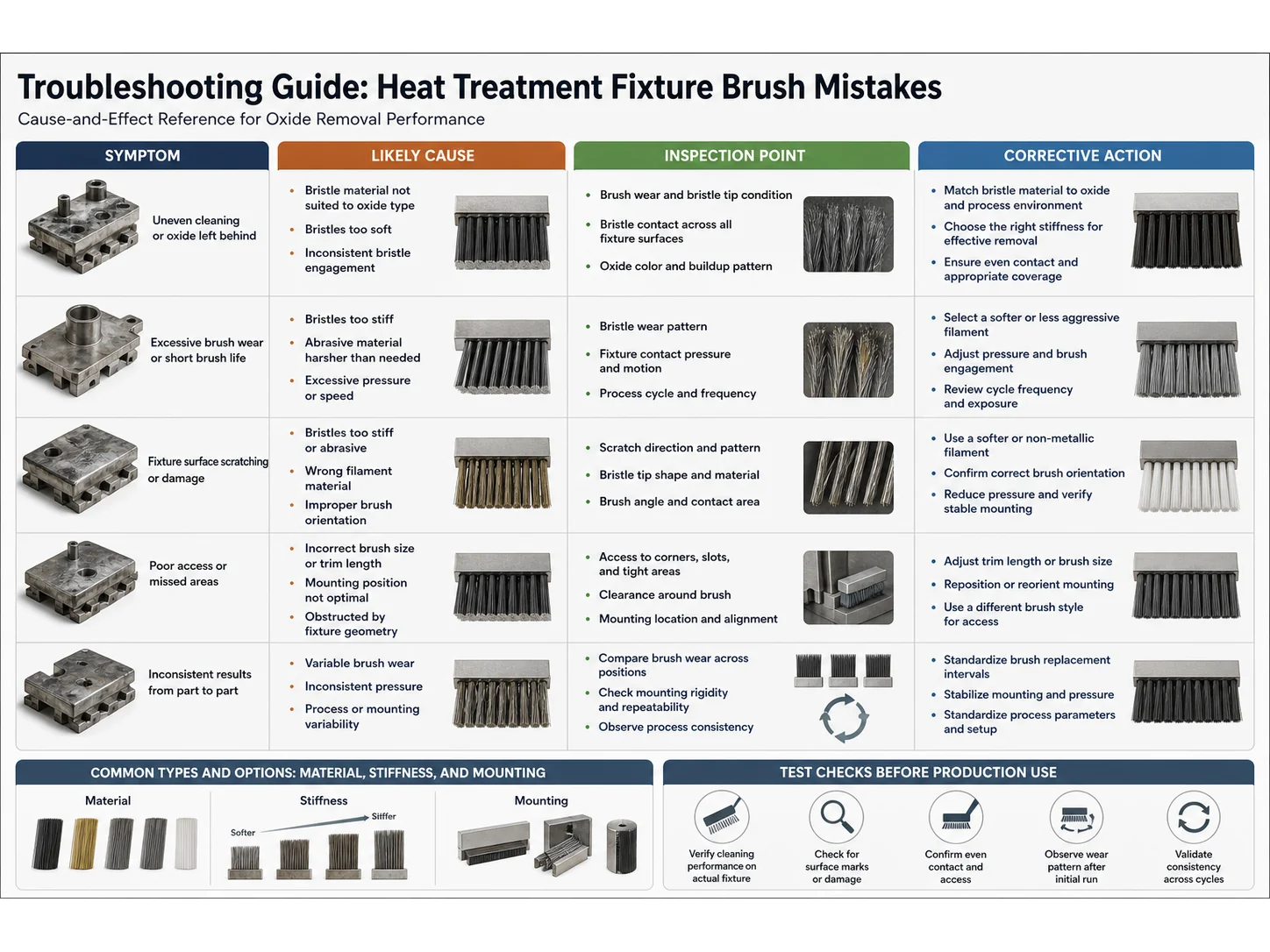
Common Mistakes and How to Avoid Them
- Using carbon steel wire on stainless fixtures – Carbon steel particles embed in the stainless surface and rust, contaminating subsequent batches. Always use stainless wire on stainless fixtures.
- Ignoring filament diameter – Too thick a wire scratches the fixture; too thin fails to remove scale. Test different diameters on a sample fixture surface.
- Choosing the wrong brush shape for the geometry – A cup brush cannot clean the inside of a narrow tube; an end brush may be needed. Map the fixture’s critical cleaning areas before ordering.
- Skipping a sample test – Brush performance varies by resin, temperature, and pressure. A quick trial on a condemned fixture saves rework and scrap.
- Relying solely on manual brushing without process control – Inconsistent pressure and dwell time lead to uneven cleaning. Consider automated brush stations with set parameters for repeatability.
- Assuming all “stainless steel” brushes are equal – Grade 302 vs. 304 wire can behave differently in high‑temperature chemical environments. Confirm the exact alloy with your supplier.
- Neglecting brush replacement intervals – A worn brush may smear contaminants rather than remove them. Establish a replacement schedule based on brush wear or number of cycles.
- Overlooking chemical compatibility – Certain acidic cleaners attack nylon and natural fibers. Verify the brush’s resistance against your specific cleaning chemistry.
- Ignoring mounting interface dimensions – A brush with the wrong shank diameter or thread pitch will not fit your cleaning tool or machine spindle, causing delays.
- Buying on cost drivers alone – A low-cost brush that rusts or wears quickly costs more in defects and rework than a properly specified brush with a higher upfront cost.
When a Standard Heat Treatment Fixture Brush Is the Wrong Choice
A standard catalog brush works for many routine cleaning tasks, but certain situations demand a more advanced approach:
- Extremely tenacious, thick scale – If brushing alone cannot fully remove scale, pre‑treatment with chemical stripping, shot blasting, or ultra‑high‑pressure water jets may be required before brushing.
- Hygienic or vacuum applications – Processes that cannot tolerate any fiber shedding or outgassing need brushes made from specialty materials such as PEEK or clean‑processed stainless steel, often requiring a custom design and supplier drawing review.
- Complex 3D fixture geometries – Standard shapes may miss hidden cavities. Custom‑molded brush contours or multi‑axis automated brushing systems can achieve complete coverage.
- Surface finish requirements beyond brushing – If the fixture must display a polished, mirror‑like finish to prevent part imprinting, brushing alone may not suffice. Follow brushing with electropolishing or vibratory finishing.
- High‑volume automated lines – When cleaning thousands of fixtures per day, integration with robotic arms or dedicated brush machinery demands detailed engineering collaboration—standard off‑the‑shelf brushes rarely fit seamlessly.
- Cross‑contamination risks between different alloy groups – For captive shops processing both aluminum and steel, dedicated brush sets and color‑coding prevent accidental mixing and the resulting galvanic corrosion.
Final Takeaway: Your Brush Selection Checklist
Avoid the most common heat treatment fixture brush mistakes by following this simple pre‑purchase checklist:
- Identify the exact residue type(s) and tenacity.
- Confirm the fixture base metal and its surface hardness.
- Determine acceptable surface roughness after cleaning.
- Note any chemical cleaners used in the process and their compatibility.
- Map the fixture geometry to select the correct brush shape and trim length.
- Decide on manual vs. automated cleaning and verify mounting interface.
- Whenever possible, test a sample brush on a sacrificial fixture.
- Establish a replacement schedule and order enough brushes to avoid downtime.
- If in doubt, request a supplier drawing review or on‑site application assessment before committing to a large order.
Frequently Asked Questions
What filament material is best for removing baked‑on carbon from heat treat fixtures?
Abrasive nylon filament impregnated with silicon carbide or aluminum oxide provides an excellent balance of cutting action and surface safety. For extremely thick carbon, stainless steel wire with a medium diameter (0.20–0.25 mm) may be necessary, but always test on a non‑critical area first.
Can I use the same brush for both steel and aluminum fixtures?
No. Steel wire brushes—especially carbon steel—can leave behind particles that rust or cause galvanic corrosion on aluminum. Dedicate separate brushes for each material family, or use non‑metallic filaments like nylon when cleaning multiple metal types.
How do I know if a brush is too aggressive for my fixture?
Test on a sample fixture surface: after 10–20 strokes, inspect under magnification. If the brush leaves deep scratches, scuffs, or embedded wire particles, it is too aggressive. Switch to a finer wire diameter, a softer filament, or a medium‑ instead of hard‑stiffness brush.
Should I choose a twisted‑in‑wire or loop handle brush?
Twisted‑in‑wire brushes hold filaments firmly and are ideal for heavy‑duty scrubbing. Loop handle brushes allow quick filament replacement and are lighter, making them suitable for frequent manual use. Your choice depends on ergonomics, reach, and whether the brush must be replaced often.
How do I specify a brush for a custom fixture design?
Provide the brush manufacturer with a drawing of the fixture, highlighting critical cleaning zones, dimensions, and any obstructions. Include the base metal, typical residue type, chemical environment, and whether the brush will be used manually or in a machine. Request a sample for validation before full production.
Can worn heat treatment fixture brushes be refurbished or reused?
Generally no. Once bristles become permanently bent, shortened, or frayed, cleaning effectiveness drops and the risk of leaving behind broken filaments increases. It is safer to replace worn brushes on a predetermined schedule rather than attempting to recondition them.
What information does a brush supplier need to recommend the right product?
A competent inquiry should include: fixture material and hardness, residue description (type, thickness, adherence), cleaning method (manual/automated, wet/dry), chemical exposure, required surface finish, production volume, and any special mounting dimensions. Clear photos or drawings of the fixture help avoid misapplication.
Technical References
Which bristle material fits this job — Nylon PA, AISI 304 Stainless Steel Wire or Carbon Steel Wire?
| Material | Continuous temperature (°C) | Peak temperature (°C) | Water absorption | Hardness |
|---|---|---|---|---|
| Nylon PA | 93 | 121 | 0.3–9% by PA grade and conditioning | Medium to firm; filament diameter and trim length control bending force. |
| AISI 304 Stainless Steel Wire | 400 | 500 | 0% | Rockwell B 70–95 depending on temper and cold work |
| Carbon Steel Wire | 200–300 | 350–450 | 0% | Rockwell C 40–60 |
| Abrasive Nylon | 120 | 150 | 0.1–1.0% | Abrasive filament; stiffness and cutting level is controlled by PA base, grit type, grit size, filament diameter and trim height. |
| AISI 316 Stainless Steel Wire | 400 | 500 | 0% | Rockwell B 70–95 depending on temper and cold work |
Figures as published by Brushtec / DuPont; Alleima; Perlon. Confirm the exact grade against the supplier datasheet before ordering.
What should replace Roller and Conveyor Brushes for heat treatment fixture brush?
- Roller and Conveyor Brushes — Roller and conveyor brushes hold cylindrical line contact across a working width, including helix-wound builds where the filament path is set to move loosened material toward one side; a strip brush holds the same line without rotating, so it seals or wipes but cannot carry residue along the width.
- Handheld Detail Brushes — Handheld detail brushes cover general precision cleaning; auto-detailing brushes impose tighter controls for painted, polished, leather, display, and trim surfaces.
- Nylon PA — Compare Nylon PA with PP, PBT, PET. Change material when wet stiffness, temperature, chemical resistance, conductivity, particle shedding, or surface marking becomes the limiting factor.
- AISI 304 Stainless Steel Wire — Use AISI 316 stainless steel wire for chloride, marine, dairy, beverage, chemical washdown, or higher pitting-resistance requirements. Use carbon steel for dry aggressive cutting and brass or abrasive nylon for lower marking risk.