
Custom Cleaning Brush
Robotic Vacuum Brush
Custom robotic vacuum brush: main roller and side brushes with gear, D-shaft, hex interfaces. Nylon, rubber, microfiber fills. OEM and aftermarket.
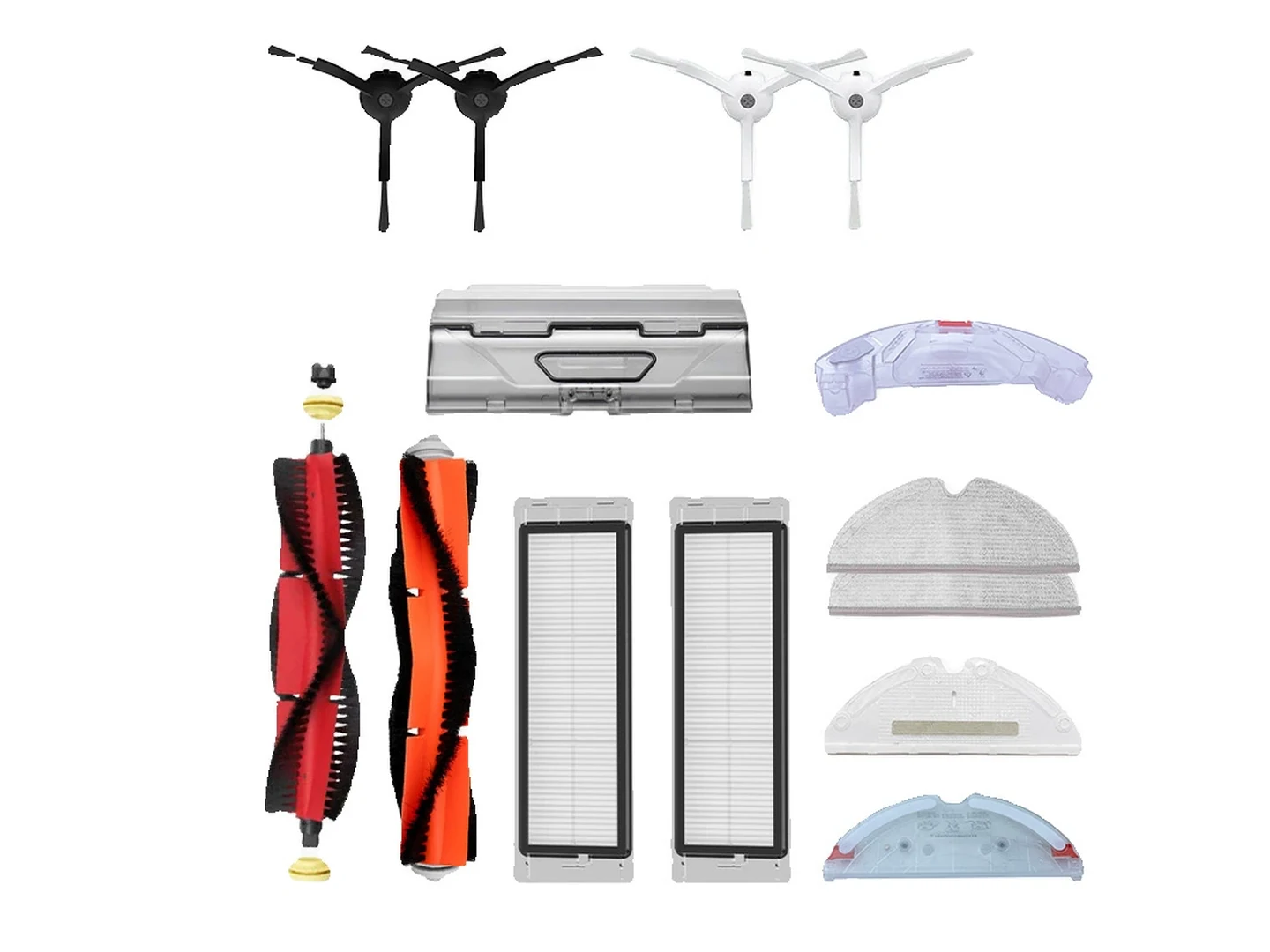
Medium brush
100 pcs
Minimum order
Worked with two hands or on a pole: chimney, gutter and pond-filter brushes, discs, cups and tank brushes.
Production lead time, once the specification is confirmed
- Up to 100 pcsWithin 7 days
- 101–5,000 pcsWithin 14 days
- 5,001–50,000 pcsWithin 21 days
- Over 50,000 pcsConfirmed with your quotation
Peak season can extend these times; the shipping date is confirmed in writing with your quotation. Sampling and shipping are quoted separately.
A custom-engineered robotic vacuum brush line covering main roller brushes and side brushes, built to match OEM drive interfaces, housing geometry, and floor-contact requirements for robot vacuum platforms. The brush set removes hair, lint, crumbs, and fine dust from hard floors and low-pile carpets while preserving airflow and motor load.
What can this brush do for you?
Hair Wraps Less, Pickup Stays High
Mixed nylon PA bristle and rubber blade rows work together on the roller, so hair and fibers are lifted and directed into the suction path instead of winding around the core. This reduces the manual cleaning needed to keep the robot running, especially in homes with pets.
Drive Interface Locks In Without Slippage
Choose gear, D-shaft, hex, molded tab, or screw plate mounting to match your robot’s motor output. A proper interface prevents the brush from stalling or losing torque under load, which is the most common cause of reduced pickup on carpet.
Cleared For The Housing, Tuned For Suction
Working diameter and trim length are set to keep 0.5–2.0 mm clearance from the brush guard, sensors, and inlet, so the roller rotates freely without rubbing while still directing debris into the vacuum channel. Too much clearance reduces suction efficiency; too little increases friction and noise.
Edge Sweeping Pulls Debris Into The Path
Side brushes with 50–120 mm diameters use angled filaments to sweep along baseboards and corners, throwing particles toward the main roller where they can be collected. This extends cleaning coverage beyond the width of the main brush alone.
Built For Repetitive Cleaning Cycles
Materials rated for 5–100°C and abrasion-resistant filament blends hold their shape and stiffness after hundreds of hours of rotation on hard floors and low-pile carpet, reducing replacement frequency for service providers and fleet operators.
What is a Robotic Vacuum Brush?
A robotic vacuum brush is the rotating cleaning component that sits inside a robot vacuum’s cleaning head. It combines a cylindrical main roller — also called a roller brush or brushroll — with one or more side brushes mounted near the front corners. As the robot moves, the main roller spins to agitate debris from the floor surface, lift it into the suction stream, and guide it toward the inlet. Side brushes sweep along walls, edges, and corners, pushing loose debris into the path of the main roller for collection.
The brush’s performance depends on more than the bristles. The drive interface must transfer motor torque without slipping; the roller length must match the housing slot; the working diameter must preserve airflow while maintaining floor contact; and the trim length determines how aggressively the fill engages carpet fibers or hard floor surfaces. A brush that is too stiff or too large can overload the motor, reduce run time, or cause the robot to shut down.
This product line is intended for OEM integration, aftermarket replacement programs, and service refurbishment, where exact mechanical compatibility and consistent cleaning results matter more than a universal fit.
Technical Specifications
| Parameter | Standard Range / Options | Notes |
|---|---|---|
| Main roller length | 150–350 mm | Customizable to housing slot width |
| Main roller diameter | 20–50 mm | Matched to original working diameter |
| Side brush diameter | 50–120 mm | Depends on arm count and sweep radius |
| Drive interface | Gear, D-shaft, hex, molded tab, screw plate | Selected to match motor output shaft |
| Trim length | 5–30 mm | Affects agitation depth and airflow |
| Fill material | Nylon PA, rubber blade, TPU, microfiber, mixed fill | Chosen for floor type and debris |
| Bristle density | Standard, dense, or sparse | Balances agitation and airflow |
| Core construction | Aluminum, plastic, or composite | Affects weight and durability |
| Working temperature | 5–100°C | Material rated for continuous operation |
| Contact clearance | 0.5–2.0 mm from housings and sensors | Preserves rotation and suction |
| Brush type | Custom Roller and Conveyor Brushes | |
| How it is driven | Machine-driven, mounted in the equipment | |
| Cleaning target | oem robot vacuum program, aftermarket replacement kit, and pet-hair and high-lint environment cleaning | |
| Surface or part | roller, floors, housings, channel, corners, gears, tabs, and walls | |
| Residue or debris | hair, fine dust, crumbs, lint, fiber, loose debris, and noise | |
| Mounting / connection | Gear, D-shaft, hex, molded tab, screw plate |
All dimensions and materials can be adjusted to your specific robot platform. Provide the original brush drawing or sample for exact replication.
Where does this brush work best?
- OEM robot vacuum programs: Integration into new robot vacuum designs where the brush module must meet specified housing dimensions, motor torque curves, and floor-cleaning targets.
- Aftermarket replacement kits: Direct-fit roller and side brush sets for popular robot vacuum models, sold through distributors and online parts channels.
- Pet-hair and high-lint environments: Mixed bristle and rubber blade roller configurations that reduce hair wrap and maintain pickup on both hard floors and low-pile carpet.
- Service and refurbishment operations: Rebuild shops replacing worn brushes during robot vacuum maintenance, where matching the original geometry restores cleaning performance.
- Multi-surface household robots: Brush fills that switch between hard floor polishing and carpet agitation without operator intervention.
How do I choose the right one?
Confirm the drive interface first
Check the motor output: gear teeth count, shaft shape (D, hex, round with flat), molded tabs, or screw plate pattern. A mismatch means the brush will slip, stall, or fail to seat. Provide a photo or drawing of the original brush end for verification.
Match roller length and diameter to the housing
Measure the width of the cleaning head channel and the existing roller’s overall length and working diameter. The replacement must leave 0.5–2.0 mm clearance from the guard, sensors, and inlet surfaces. Too tight causes friction and noise; too loose reduces suction and lets debris bypass the brush.
Pick fill material for floor type and debris
Nylon PA bristles provide good carpet agitation and general debris pickup. Rubber blades work well on hard floors and resist hair wrapping. Mixed rows (bristle and rubber) deliver balanced performance across surfaces. Microfiber strips are used for fine dust and polishing on hard floors when the robot design supports it. TPU offers high abrasion resistance and chemical tolerance for commercial cleaning robots.
Set trim length based on agitation needs
Shorter trim (5–10 mm) increases scrubbing force but may restrict airflow. Longer trim (20–30 mm) allows more airflow but reduces brush-to-floor pressure. For low-pile carpet, a mid-range trim with dense nylon fill usually works best. For hard floors, a rubber blade with a short trim and moderate density tends to clean effectively without damaging the surface.
Side brush configuration
Match the side brush diameter, arm count, filament length, and mounting hub to the robot’s side motor and corner geometry. Three-arm and four-arm designs are common. The brush must sweep debris inward without hitting the robot’s body or wall sensors.
When a different brush is the better choice: If the robot vacuum relies on suction only and has no roller brush housing, this product does not apply. If the floor environment is exclusively high-pile carpet, a stiffer roller may overload the motor, so a model-specific low-friction fill or a different cleaning method may be needed. For extreme temperatures above 100°C or aggressive chemical submersion, material selection must be re-evaluated with a custom formulation.
Can I customize this brush?
Robotic vacuum brushes are highly application-specific, so we customize the roller and side brush to your robot platform. To start, provide the robot model or mechanical drawing, the original brush dimensions, drive interface details, motor torque specification, housing clearance, floor types, and any residue or chemical exposure. If you have a sample brush, that helps us replicate the interface and working geometry exactly.
- Roller geometry: length, diameter, core shape (solid, hollow, segmented), end caps, bearing seats.
- Fill pattern: straight rows, spiral, chevron, segmented sections, mixed bristle/rubber rows.
- Bristle materials: Nylon PA6/PA66, PBT, TPU, rubber, microfiber, or custom blends for stiffness and abrasion resistance.
- Trim length and density: adjustable for airflow and agitation balance.
- Drive interface: gear, D-shaft, hex, molded tabs, screw plate, or custom coupling.
- Side brushes: arm count (2–5), arm length, filament angle, density, hub design.
- Color and marking: custom color, molded identification marks, pad printing, laser marking.
- Packaging: bulk, individual replacement kits, retail blister, private-label packaging.
If your project requires material declarations, specific inspection reports, or third-party testing, we can support those requirements during development and production.
Which filament survives the cleaning and still lasts on a robotic vacuum brush?
How do I know when a robotic vacuum brush needs replacement?
Check the brush visually for bristle wear, bent or flattened filaments, cracking of rubber blades, or a reduced working diameter. If the roller no longer makes full contact with the floor or the robot’s pickup noticeably drops on carpet, replacement is due. Typically, brushes last 6–12 months in daily household use, but service providers may replace them earlier based on usage logs.
Can I use a stiffer bristle to clean high-pile carpet better?
It may improve agitation, but if the bristle is too stiff, the brush can overload the robot’s motor or reduce airflow significantly. Always verify the motor’s torque rating and the OEM brush stiffness before changing fill material. If in doubt, use a mixed fill with nylon PA and rubber, which balances agitation and airflow.
Why does my robotic vacuum make a loud noise after brush replacement?
A common cause is insufficient clearance. If the brush rubs against the housing or inlet, it creates friction. Check that the working diameter and trim length leave 0.5–2.0 mm clearance. Also confirm the drive interface is seated correctly and no debris is lodged in the brush ends. Excessive noise can lead to motor overheating.
How should I maintain the brush between cleaning cycles?
Remove the brush from the robot and cut away wrapped hair or fibers with scissors. Wipe the roller and side brushes with a dry cloth. Do not use solvents that may degrade rubber or nylon. Reinstall and spin manually to verify free rotation before operating the robot.
Does a robotic vacuum brush work the same on hard floors and carpets?
Not always. A brush configured for hard floors often uses softer fill or rubber blades to prevent scratching and maximize direct suction. A carpet-focused brush uses stiffer nylon bristles to reach into fibers. If your robot operates on both surfaces, choose a mixed configuration that balances both behaviors, or consider a model-specific multi-surface fill.
Guides that go deeper on this
Custom Manufacturing RFQ
Describe Your Application
For an accurate quotation, please provide the main dimensions, material preference, working surface, residue, quantity, and a drawing or photo.
Drawing or photo optional — it speeds things up, it does not gate the enquiry.
Custom Brush RFQ
Send Your Brush Project
Upload a drawing, product photo, or sample photo and provide the core dimensions and cleaning conditions.
“We need a brush to remove wet residue from a stainless steel conveyor, about 800mm wide. The current brush wears quickly. We can send photos.”
“We sell drinkware and need a cleaning brush to include with the product. Quantity around 5,000 pieces.”