
Custom Cleaning Brush
Sodastream Bottle Cleaning Brush
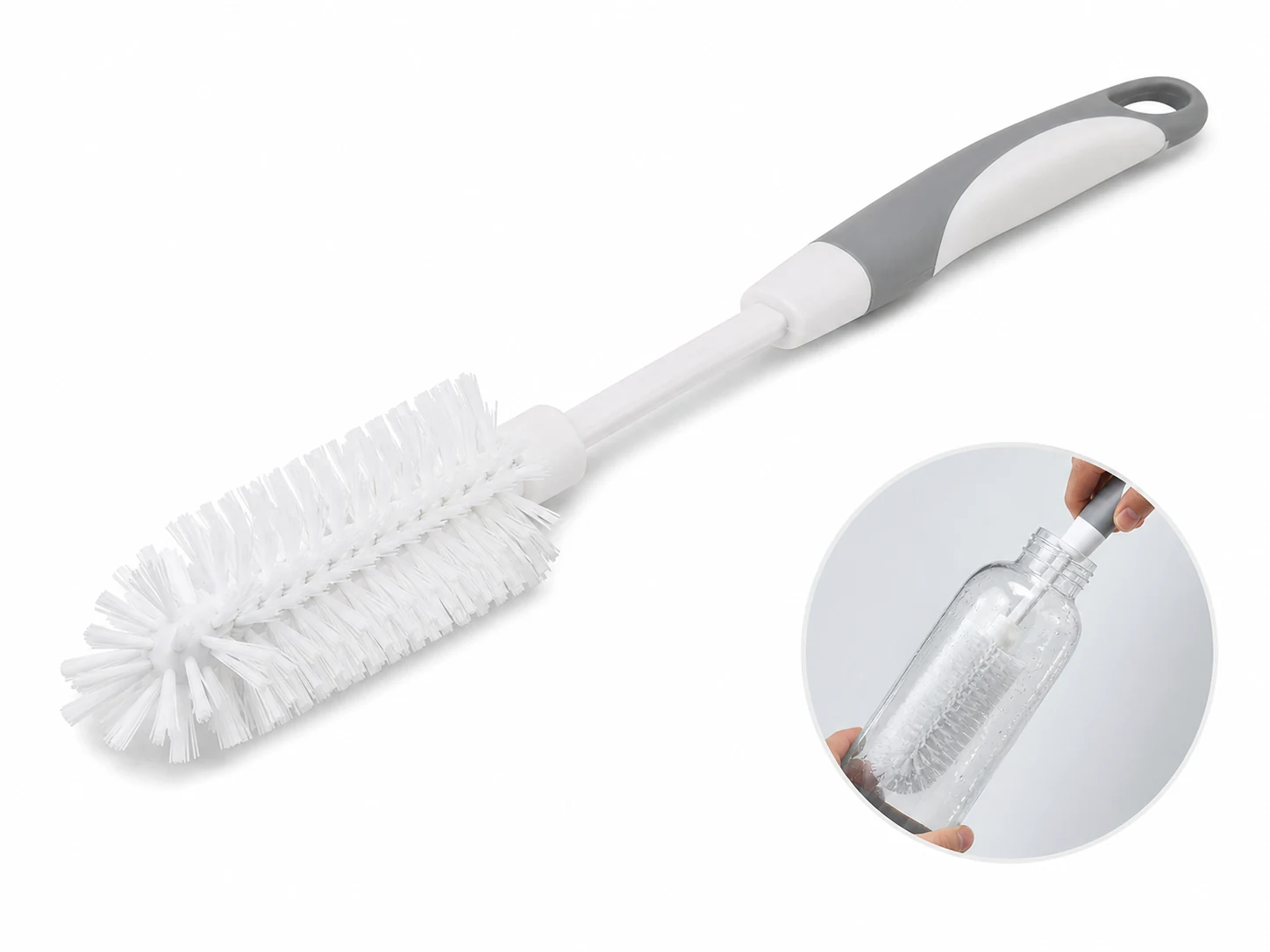
Custom-manufactured Sodastream bottle cleaning brush with PBT, PP, or nylon filament heads sized for 0.5L and 1L sparkling water bottles.
Small brush
500 pcs
Minimum order
Held in one hand: tube, bottle, detail and swab brushes — including long-handled ones with a small head.
Production lead time, once the specification is confirmed
- Up to 500 pcsWithin 7 days
- 501–50,000 pcsWithin 14 days
- Over 50,000 pcsWithin 21 days
Peak season can extend these times; the shipping date is confirmed in writing with your quotation. Sampling and shipping are quoted separately.
A long-handle bottle brush sized for Sodastream and similar sparkling-water maker bottles, with a filament head that passes the narrow neck and scrubs sidewalls, shoulders, bases, neck threads, and cap threads in one pass. The brush is built on a twisted-wire core with PBT, PP, or nylon filaments selected to remove beverage film and syrup residue without scratching pressure-rated PET or Tritan bottles.
What can this brush do for you?
Clean the whole bottle without switching tools
Many standard bottle brushes stop at the neck or leave the bottom untouched. This brush combines a tapered sidewall head with a tufted end, so the same tool contacts the bottle wall, shoulder transition, and bottom curve. The operator no longer has to choose between cleaning the base and reaching the threads.
Remove residue without scoring the pressure-rated surface
Sodastream bottles are carbonation-rated PET or Tritan; scratches from stiff untreated filament or wire can become weak points and biofilm harborage. This brush uses PBT or nylon filaments with flagged or end-rounded tips. The contact is scrubbing, not scraping—syrup film, fruit flavor residue, mineral haze, and odor deposits lift away while the interior stays smooth.
Reach the 1L bottle base without losing control
Overall lengths from 200 mm to 450 mm put the handle outside the bottle while the working head reaches the bottom. The twisted-wire core is stiff enough to transmit pressure to the base curve, but flexible enough to follow the internal shoulder. Operators can scrub the deepest part of the bottle without jamming their hand into the mouth.
One brush also does the neck threads and cap
A short, firmer tuft section near the handle or a second neck brush section cleans the grooves where the cap seals. Beverage residue and biofilm collect in these threads and cause odor even when the bottle interior looks clean. The standard configuration covers both areas so the complete bottle is cleaned in one routine.
Survives daily detergent and warm-water cycles
Filaments are mechanically anchored in a twisted galvanized or 304 stainless steel wire core, not glued. Warm water, dish detergent, and repeated flexing will not loosen the fill. The handle includes a hanging hole so the brush drips dry and does not sit in a wet cup or sink.
What is a Sodastream Bottle Cleaning Brush?
A Sodastream bottle cleaning brush is a hand-guided cleaning tool proportioned for the narrow neck and tall body of sparkling-water maker bottles. It uses a filament-filled, twisted-wire core instead of a sponge or flat pad. The head passes through the mouth, expands inside, and removes the thin film that settles on the sidewall, shoulder, base, and thread area.
During cleaning, the operator works the brush with push-pull and rotating strokes; the filament tips do the removing, while the core transmits motion and keeps the head aligned. The brush is normally used after carbonated water, flavored drinks, or syrup-based beverages, when a rinse alone is not enough to prevent residue buildup and odor.
The right brush for a specific Sodastream bottle depends on the neck opening, bottle height, internal width, surface sensitivity, and what residue is being removed. This is a residue-removal tool, not a descaler or a sanitizer. It removes attached film; chemical descaling, rinsing, and sanitizing remain separate steps in the cleaning sequence.
Technical Specifications
The table shows the standard specification range for the Sodastream bottle cleaning brush. All dimensions, materials, and end treatments can be adjusted to the customer’s bottle drawing or sample.
| Parameter | Standard Range / Options |
|---|---|
| Head diameter | 20–70 mm, matched to bottle neck ID and internal width |
| Working head length | 120–300 mm, adjusted to bottle height and bottom reach |
| Overall length | 200–450 mm, selected for bottle height and operator control |
| Filament diameter | 0.10–0.50 mm; finer for soft film, heavier for stubborn residue |
| Filament material | PBT (standard), polypropylene PP, nylon PA, or cotton blends |
| Filament end treatment | Flagged, end-rounded, or tufted; chosen for surface protection and scrubbing pressure |
| Core | Galvanized steel or 304 stainless twisted wire; plastic-coated core option available |
| Handle | PP, ABS, or stainless steel; straight or ergonomic; hanging hole included |
| Head form | Cylindrical, tapered, tufted-end, sponge-tip, or silicone-tip |
| Bottle compatibility | 0.5 L and 1 L Sodastream-style carbonating bottles; neck ID confirmed per project |
| Operating conditions | Warm water and mild detergent; citric acid or vinegar solution for mineral scale; avoid strong solvents and undiluted bleach |
| Color / marking | Custom filament color, handle color, pad print, laser mark, or embossed logo |
| Brush type | Custom Bottle & Container Brushes |
| How it is driven | Hand-guided |
| Cleaning target | home sparkling-water maker bottle, flavored sparkling water and syrup drink, and hospitality beverage station cleaning |
| Surface or part | necks, thread, shoulders, sidewalls, narrow necks, grooves, seals, and bases |
| Residue or debris | syrup, beverage film, haze, odor deposits, sugar, and biofilm |
| Mounting / connection | Fixed |
Where does this brush work best?
- Home sparkling-water maker bottles. Sodastream and similar countertop carbonators in 0.5 L and 1 L sizes where beverage film, mineral haze, and odor deposits build inside after repeated use.
- Flavored sparkling water and syrup drinks. Fruit drops, concentrates, and flavored syrups leave sugar film and odor in the neck and cap area; the brush removes this before it hardens.
- Office, restaurant, and hospitality beverage stations. Reusable carbonating bottles washed between users need scrub contact on threads and base—not just a rinse.
- Retail accessory and replacement programs. The brush can be produced as a private-label replacement or included in starter kits, cleaning kits, or subscription refill programs for sparkling-water maker owners.
- Neck threads and cap recesses. The short firm tuft section cleans the grooves where the cap seals, reducing the musty odor that often comes from ignored thread areas.
How do I choose the right one?
Start with the actual bottle, not just the brand name. Measure the inside neck diameter, the widest internal body diameter, the distance from the mouth to the bottom curve, and the overall bottle height. The brush head must pass the neck without binding while still making contact with the widest internal wall. A head that is too small will clean only part of the sidewall; a head that is too large will jam at the mouth or fold over and lose contact.
Follow the bottle profile, not just the volume. Sodastream-style bottles taper at the shoulder and widen toward the base. A simple straight cylinder head misses the shoulder transition. Choose a tapered or tufted-end head form so the same pass contacts the shoulder, sidewall, and bottom curve. For 1 L bottles, select an overall length that lets the operator hold the brush outside the bottle while the tip reaches the base with control.
Match the filament to the residue and surface. Softer, thinner flagged filaments are right for light beverage film and bottles that will be sold to consumers with scratch concerns. Stiffer nylon or PP filaments are better for syrup residue and biofilm. The table below gives a quick selection guide.
| Cleaning situation | Recommended filament configuration |
|---|---|
| Daily water or lightly flavored drinks, sensitive surface | PBT, 0.15–0.20 mm flagged filament, medium density |
| Syrup, flavor concentrate, or biofilm in threads | Nylon PA, 0.25–0.30 mm end-rounded or tufted filament |
| Hard-water mineral haze | Nylon PA or PP blend, firmer filament; use citric acid soak before brushing |
| Metal-free preference or hygiene program | PP filament with plastic-coated core |
Consider where the brush will live. If the brush will be used in a foodservice or retail environment, specify operating temperature, detergent type, and whether it must withstand a dishwasher. PBT and PP filaments handle warm water and standard detergents well; confirm any bleach, sanitizer, or high-heat exposure so the core and handle materials match.
When to use a different brush. This is not a wire or abrasive brush. If the bottle has baked-on carbon, fused syrup, or hardened mineral scale, use a chemical descaler or soak first—brushing alone will not remove fused deposits. If the carbonation tube, valve port, or nozzle bore also needs cleaning, use a separate detail or tube brush. The Sodastream bottle brush is the right choice for routine removal of attached beverage film and residue from bottle interior, neck, and cap threads.
Can I customize this brush?
Every part of this brush can be adjusted to the bottle, cleaning frequency, and retail program. Send the bottle sample or drawing, neck ID, bottle height, internal shape, residue type, wash method, expected daily cycles, and packaging target. From that input we confirm head diameter, working length, filament stiffness, handle form, and any retail marking or packing requirements.
- Head geometry — diameter, working length, taper profile, tufted end, sponge tip, silicone tip, or a separate neck-thread tuft at the handle end.
- Filament system — PBT, PP, nylon PA, or cotton blends; filament diameter, density, length, and end treatment (flagged, end-rounded, tufted).
- Core — galvanized steel, 304 stainless steel, or plastic-coated core; twisted-wire tension adjusted for more or less flexibility.
- Handle — PP, ABS, stainless steel, overmolded grip, hanging hole, loop top, or custom molded shape.
- Color and marking — custom filament color, handle color, pad printing, laser marking, or embossed logo.
- Packaging — bulk, individual bag, hang tag, retail card, multi-pack, or private-label box.
If the program requires material documentation, inspection reports, or third-party testing for retail clearance, those can be arranged during development. We support project-specific documentation and verification for private-label and OEM programs.
When is a sodastream bottle cleaning brush worn out rather than just dirty?
How can I tell if the brush head is the right size for my bottle?
Slide the dry brush into the empty bottle. It should pass the mouth with light resistance and spring back once inside, touching the widest part of the sidewall. If it jams, twists, or leaves white rub marks on the bottle, the head is too large. If it falls straight to the bottom without touching the wall, it is too small.
Should the carbonation cap be removed before brushing?
Yes. Remove the cap and any detachable valve or gasket. Clean these separately with the short firm tuft or a detail brush. Brushing with the cap in place blocks access to the neck threads and can push residue into the valve area, which later causes odor.
How can I verify the bottle is actually clean after brushing?
Rinse with clean water, hold the bottle up to light, and look for film or streaks along the shoulder and bottom. Wipe the neck threads with a white cloth; any visible residue or odor means the stroke pattern or filament stiffness needs adjustment. Check the cap recess separately.
Is this brush safe to run through a dishwasher?
Many PBT/PP/nylon and stainless steel configurations are top-rack compatible, but the answer depends on the handle material and any printed marking. Confirm the specific configuration before exposing it to dishwasher heat. For longest service life, hand wash and hang the brush to dry.
How often should the brush be replaced?
Replace the brush when filaments splay permanently, the core bends and does not straighten, or the brush starts to leave residue or odor in the bottle after normal cleaning. In daily home use, visual inspection every 2–3 months is a practical check; in high-turnover commercial service, replace as soon as filament stiffness drops.
Does this brush clean the carbonation nozzle or gas tube?
No. The standard brush is sized for the bottle interior, neck, and cap threads. The carbonation nozzle, gas tube, or valve port is a narrow internal passage that needs a separate tube brush or detail brush. We can supply a matched set if the cleaning routine covers both the bottle and the carbonation mechanism.
Guides that go deeper on this
RELATED BRUSH RESOURCES
Recommended Reading & Related Brush Resources
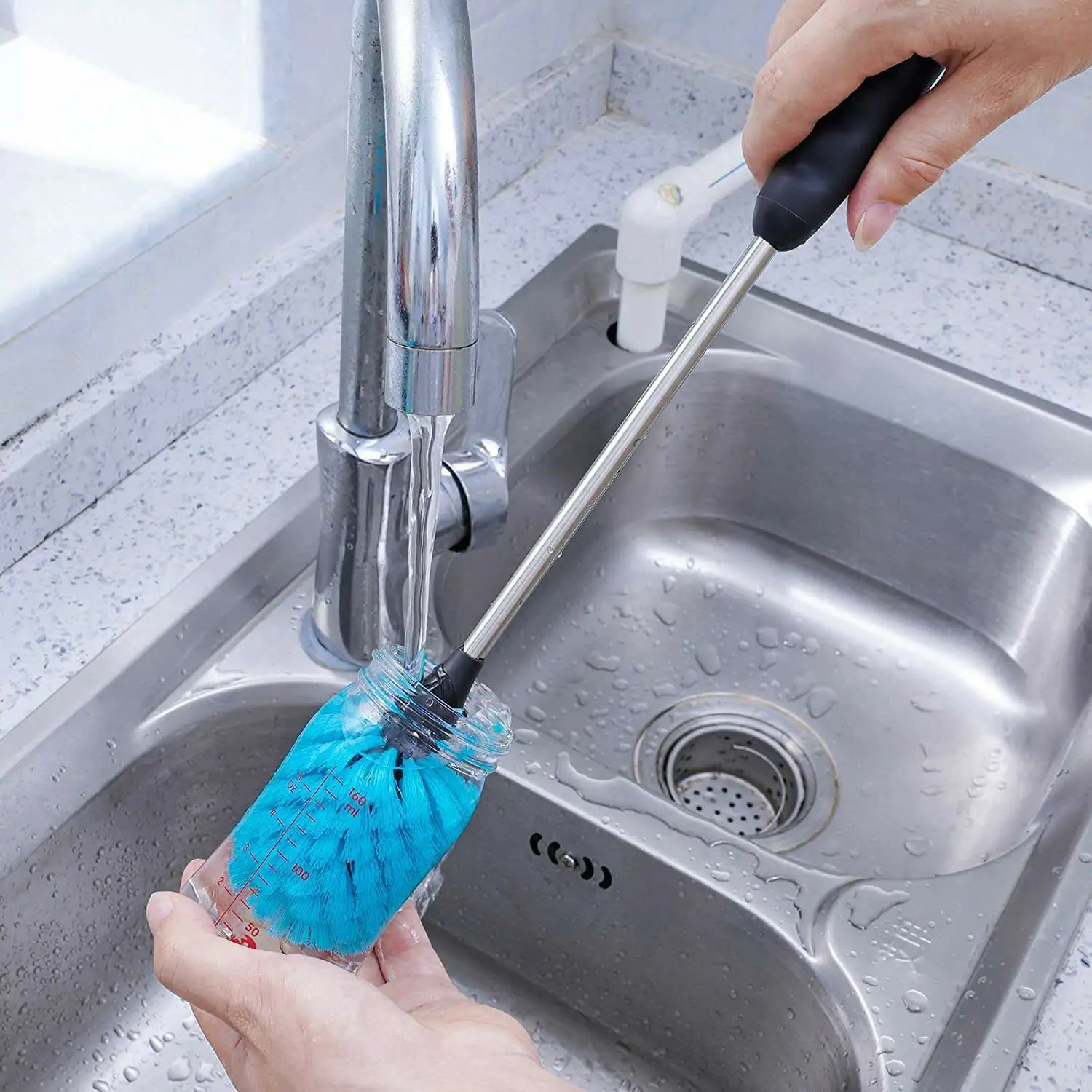
Custom Bottle & Container Brushes
Choose a bottle or container brush when the head must pass through an opening…
See how this type is built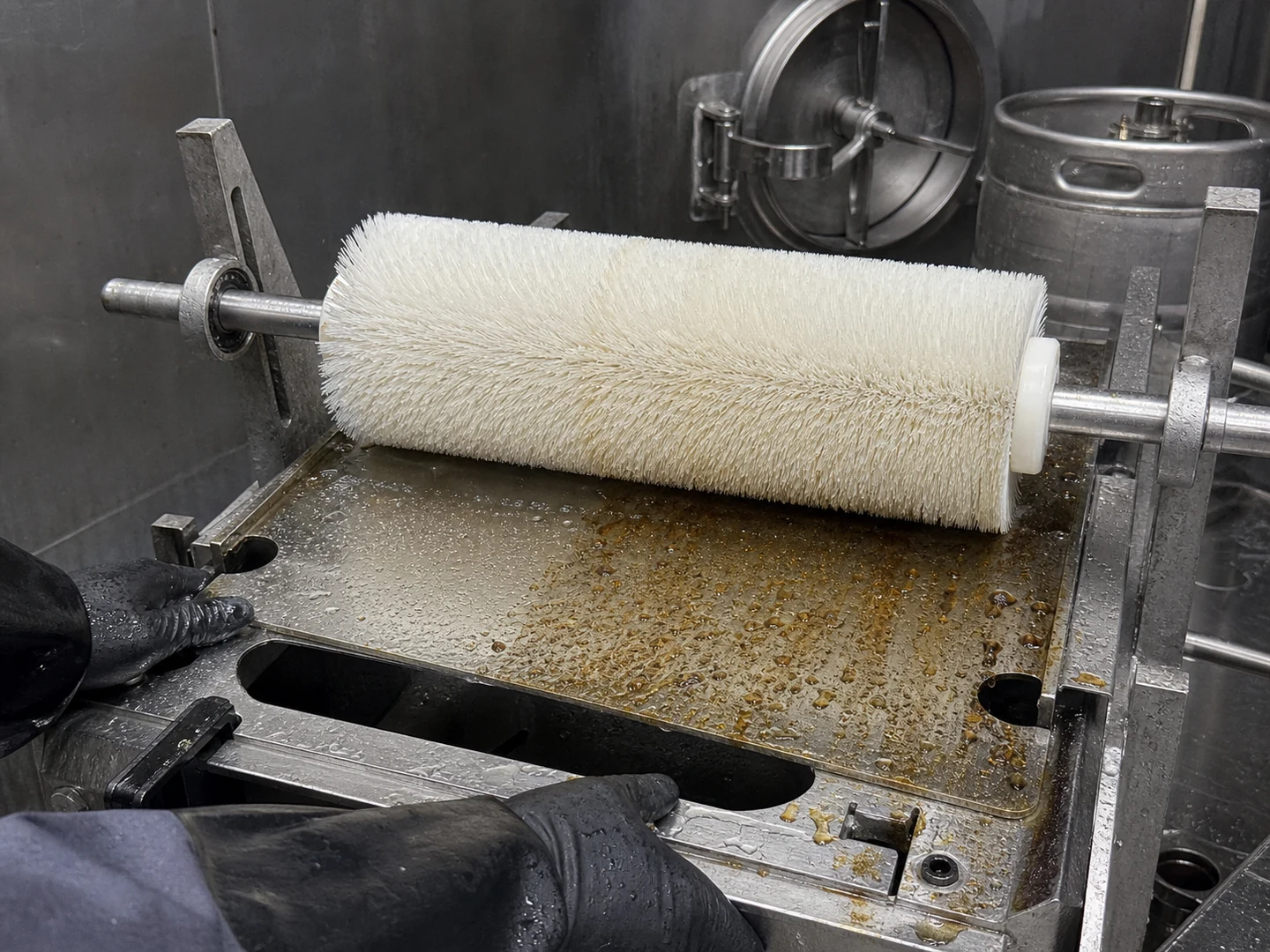
Beverage Equipment Cleaning
For Beverage Equipment Cleaning, the brush must reach the working area, disturb or collect…
See the cleaning jobBottle & Container Cleaning
For Bottle & Container Cleaning, the brush must reach the working area, disturb or…
See the cleaning job
Polypropylene PP
Choose Polypropylene PP based on its stiffness, recovery, wear, wet-service, chemical, and temperature behavior.…
Compare this material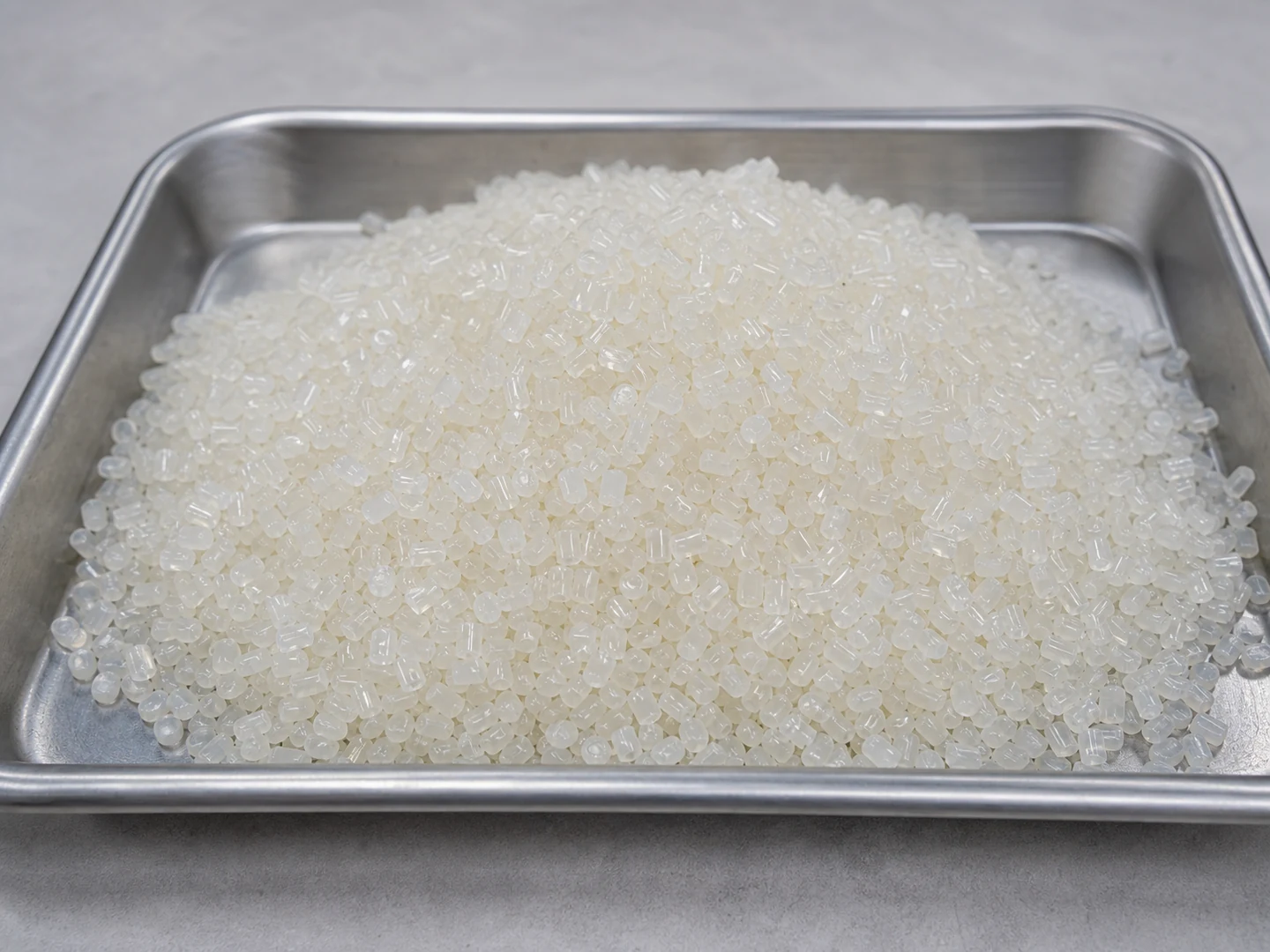
Nylon PA
Choose Nylon PA based on its stiffness, recovery, wear, wet-service, chemical, and temperature behavior.
Compare this material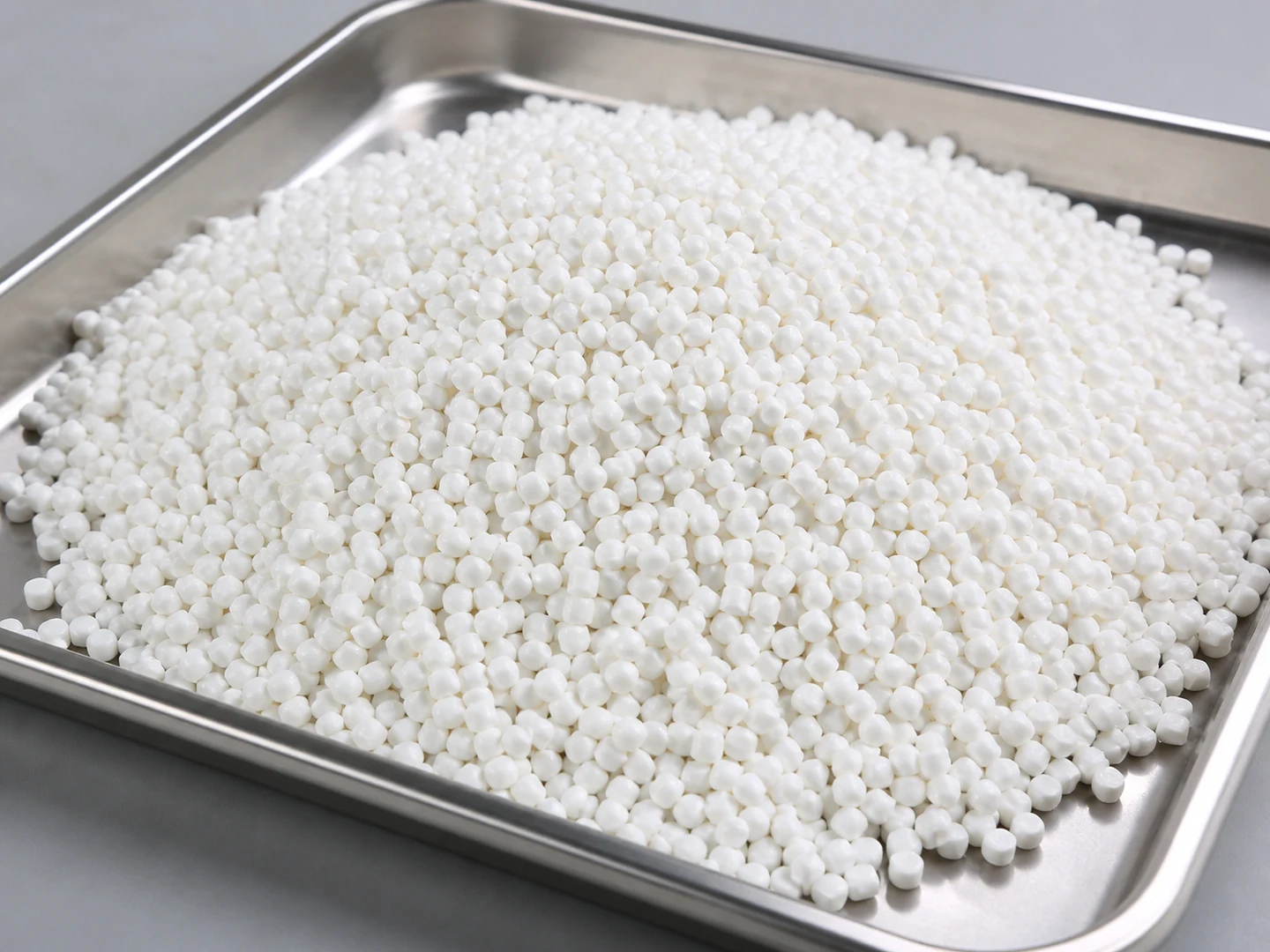
PBT
Choose PBT based on its stiffness, recovery, wear, wet-service, chemical, and temperature behavior. Do…
Compare this material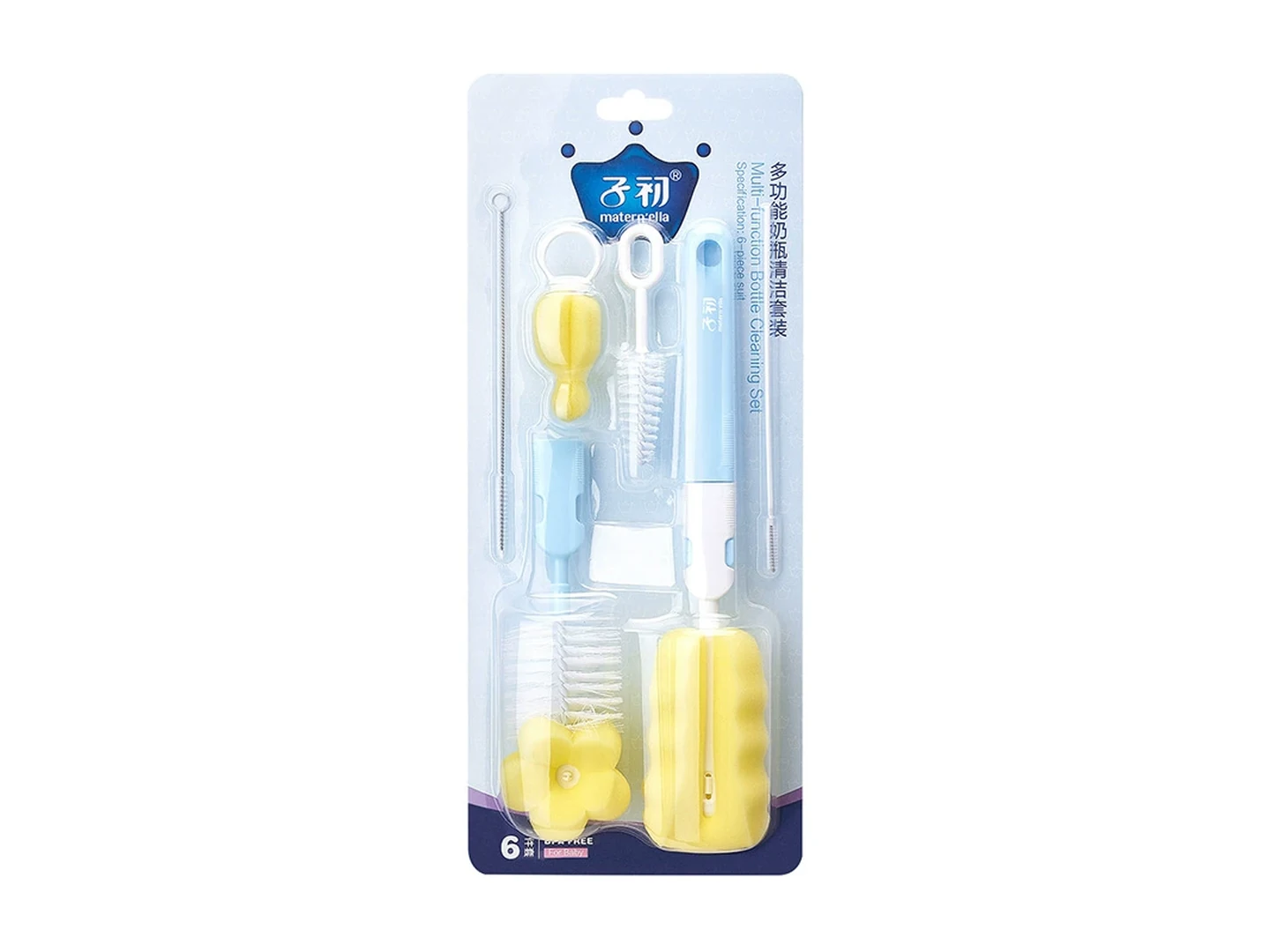
Baby Bottle Brush
Custom baby bottle brush for feeding products. Soft PBT or silicone bristles, sterilizable design,…
Compare the specification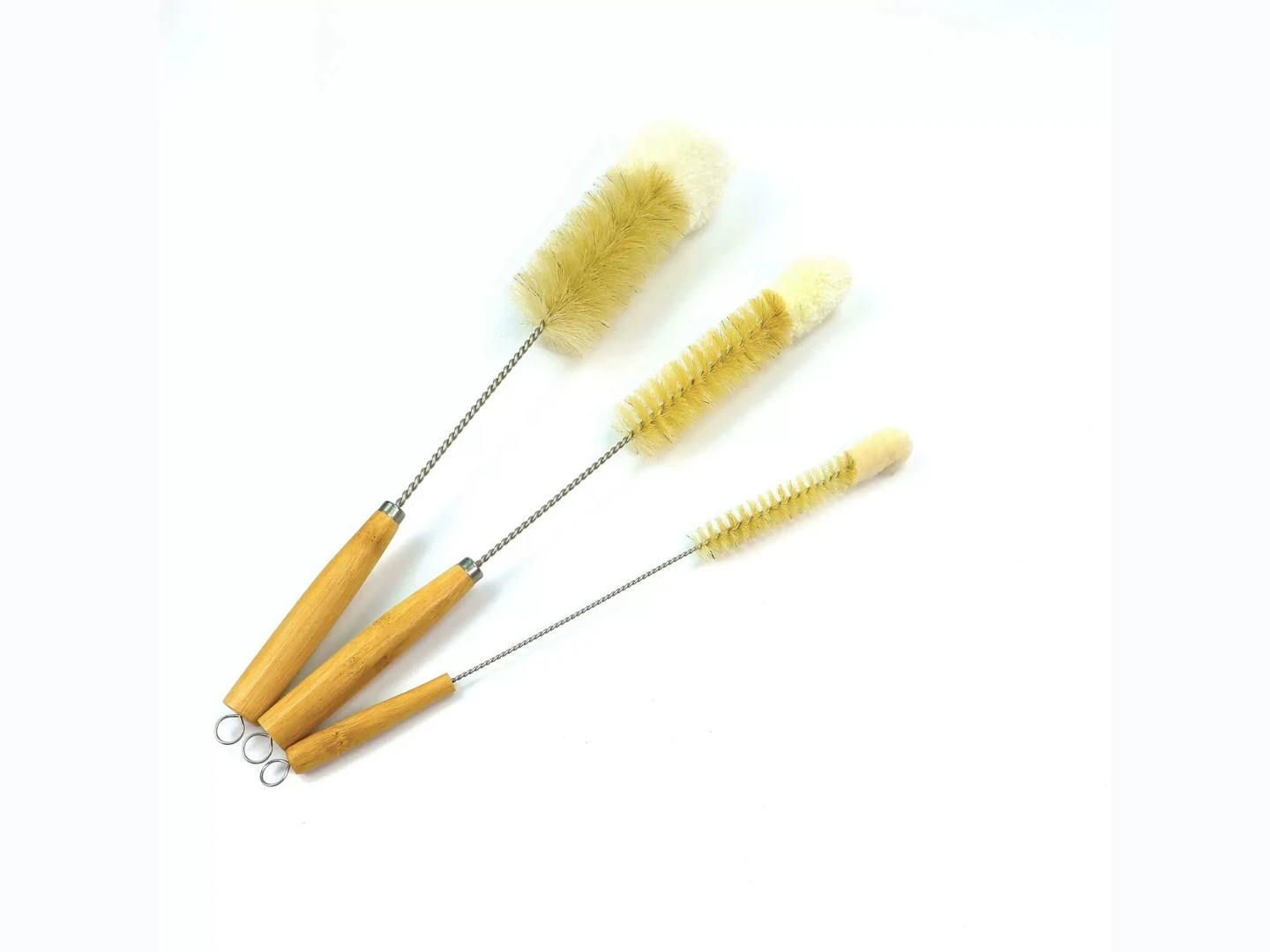
Boar Bristle Bottle Brush
Soft natural boar bristle bottle brush for scratch-free cleaning of narrow-neck bottles, decanters, and…
Compare the specificationCustom Manufacturing RFQ
Describe Your Application
An accurate custom quote starts with the dimensions, working surface, residue, material choice, connection, quantity, and reference files.
Drawing or photo optional — it speeds things up, it does not gate the enquiry.
Custom Brush RFQ
Send Your Brush Project
Upload a drawing, product photo, or sample photo and provide the core dimensions and cleaning conditions.
“We need a brush to remove wet residue from a stainless steel conveyor, about 800mm wide. The current brush wears quickly. We can send photos.”
“We sell drinkware and need a cleaning brush to include with the product. Quantity around 5,000 pieces.”