
Custom Cleaning Brush
Floor Sweeper Brush
Replace your floor sweeper brush with a machine-matched cylindrical main broom or disk side broom.
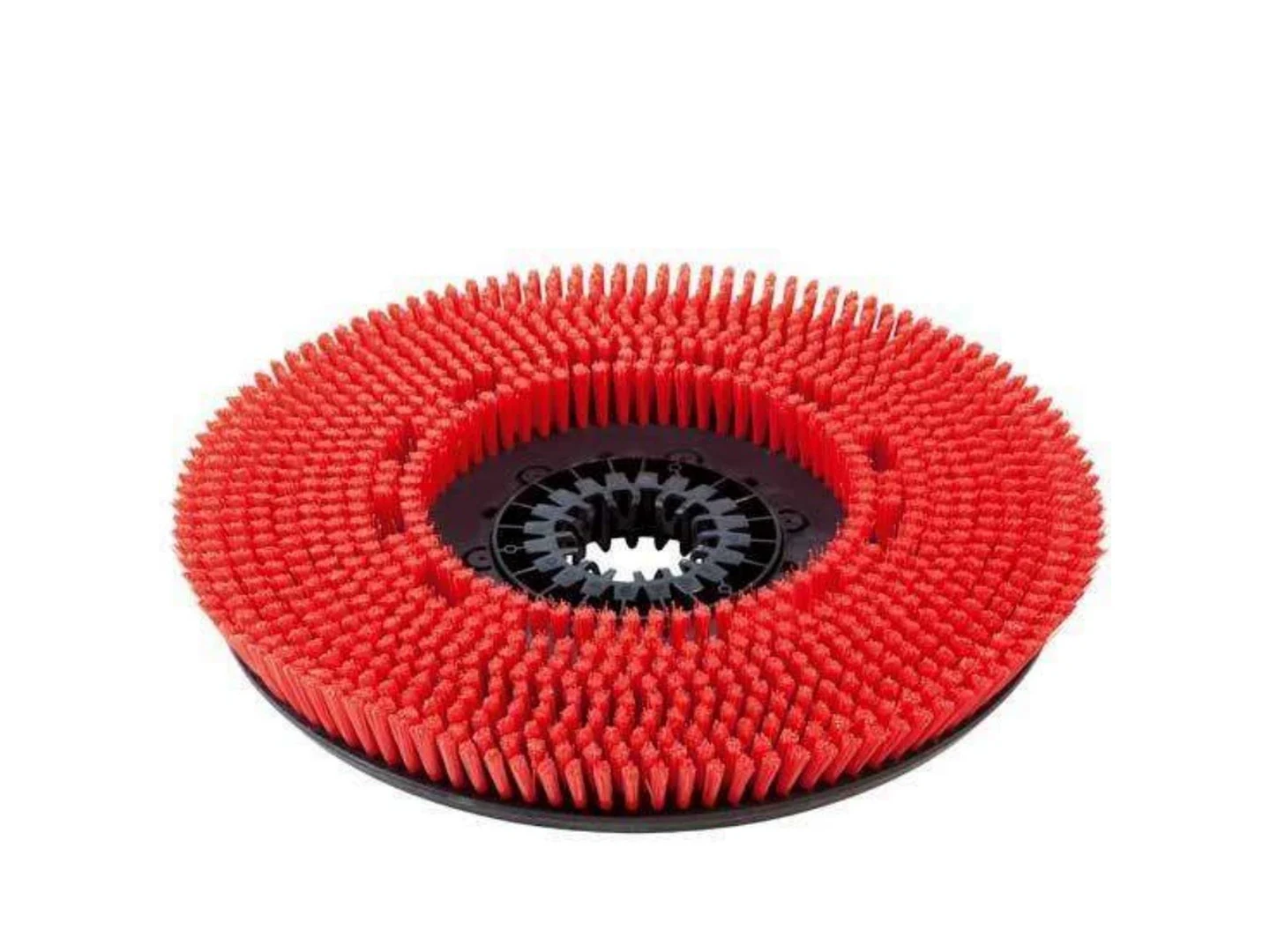
Large-format brush
100 pcs
Minimum order
Built one at a time on a core or channel: full-width rollers, sweeper brooms and long strip.
Production lead time, once the specification is confirmed
- Up to 100 pcsWithin 20 days
- 101–1,000 pcsWithin 30 days
- Over 1,000 pcsConfirmed with your quotation
Peak season can extend these times; the shipping date is confirmed in writing with your quotation. Sampling and shipping are quoted separately.
Floor Sweeper Brush is a machine-mounted rotating brush for industrial and municipal sweepers, engineered to remove dust, sand, mud, and light debris from concrete, asphalt, tile, epoxy, and textured floors. Configured as a cylindrical main broom or disk side broom, it matches your machine’s mounting and delivers consistent edge-to-edge pickup.
What can this brush do for you?
Lifts Fine Dust and Heavy Debris in One Pass
Many sweepers leave a visible dust line because the filaments push debris instead of flicking it into the hopper. Our floor sweeper brushes are filled with staggered rows and filament stiffness selected for the debris you actually collect. For fine dust, a higher filament density and thinner filaments create a wide, soft contact that lifts particles out of pores and expansion joints. For sand, gravel, and heavier debris, thicker and stiffer filaments supply the flicking energy needed to throw material into the collection path without jamming.
Sweeps Tight to Curbs, Walls, and Machine Edges
A standard brush length often stops several centimeters short of a wall or curb, leaving a dirty strip that requires manual sweeping. We can specify the brush with a slight overhang beyond the machine track, tapered end rows, or a separate disk side broom to pull debris away from edges and into the main broom path. Racking legs, loading docks, and sidewalk curbs stay clean without a second pass.
Withstands Constant Abrasion from Concrete and Asphalt
Rough aggregate surfaces act like sandpaper on brush filaments. Replacement cost is driven by how fast the trim wears. We match the filament material to the surface: PBT for wet and oily environments where abrasion resistance matters, nylon for the highest wear life on concrete and asphalt, and polypropylene for general dry sweeping where economy is the priority. The result is a brush that holds its sweep pattern longer and reduces changeover frequency.
Keeps Sweeping in Wet or Oily Environments
Natural fibers and soft synthetics mat down when wet, losing their flicking action. PBT and nylon filaments retain stiffness when wet, shed moisture quickly, and resist oil, grease, and common cleaning chemicals without softening or swelling. This makes the brush suitable for wash bays, food plants, outdoor lot sweeping after rain, and other damp or oily floors where a standard broom would collapse within hours.
Drops Into Your Existing Sweeper Without Field Modifications
We machine the hub, bore, spline, drive pins, end plates, or clutch engagement to your specific sweeper model. The brush arrives ready to mount, so your team can replace it in minutes instead of shimming or drilling on site. A correct fit also prevents vibration, premature bearing wear, and uneven floor contact that shortens brush life.
What is a Floor Sweeper Brush?
A floor sweeper brush is the main rotating broom or side broom on a ride-on, walk-behind, or towed floor sweeping machine. It consists of synthetic filaments secured into a cylindrical core or a flat disk, mounted on a driven shaft. As the brush rotates, the filament tips contact the floor and flick loose debris backward into the hopper or toward a vacuum pickup. The brush is a consumable wear part: trim length and filament diameter gradually decrease with use, and sweep quality drops when the trim is too short or the filaments are bent.
This is not a scrubbing brush. A sweeper brush removes loose particles—dust, sand, leaves, paper, plastic scrap, mud—through mechanical agitation and flicking action, not by dissolving or abrading bonded soils. For oil accumulation, tire marks, cured coatings, or embedded dirt, a scrub brush with different filament chemistry or abrasive additives is required. We can supply both types; the key is specifying the actual residue.
The core is typically a steel tube with welded end plates and drive fittings. Aluminum and polymer cores are available for applications where corrosion from water or chemicals is a concern. Filaments are arranged in helical, chevron, or straight rows depending on the machine’s rotation direction and the desired debris flow. Helical patterns are common for cylindrical main brooms because they move debris sideways toward the center or hopper opening.
Proper height adjustment is critical: the filament tips should skim the floor, not the core. Running the brush with excessive down pressure flattens the filaments, reduces flicking efficiency, and accelerates wear. The brush should contact with about 25–50% of trim length deflection for optimal sweeping and life.
Technical Specifications
All parameters are adjusted to your machine model and floor conditions. Use the table to check fit and performance, and send us your existing brush dimensions or machine make/model for a matched replacement.
| Parameter | Specification / Options |
|---|---|
| Brush type | Cylindrical main broom; disk side broom |
| Overall diameter | 100–700 mm |
| Working width / length | 100–1200 mm (cylindrical); 100–700 mm (disk diameter) |
| Trim length | 20–80 mm |
| Filament diameter | 0.25–1.20 mm |
| Fill materials | PBT, polypropylene (PP), nylon (PA) |
| Core / hub material | Steel, aluminum, or polymer; corrosion-resistant options available |
| Mounting | Machine-specific bore, spline, thread, drive pins, clutch, or end plates |
| Fill pattern | Helical, chevron, straight, or custom row configuration |
| Operating environment | Dry or wet, indoor or outdoor; temperature -20°C to 80°C continuous, higher with PA specification |
| Recommended contact | Filament tips should skim the floor; set deck pressure to machine range and avoid crushing the full trim |
| How it is driven | Machine-driven, mounted in the equipment |
| Cleaning target | warehouse and distribution center, parking garage and parking lot, and manufacturing plant cleaning |
| Surface or part | floors, concrete, epoxy, tile, asphalt, plastic, hoppers, and textured floors |
| Residue or debris | dust, sand, mud, leaves, fine dust, oil, particles, and gravel |
| Mounting / connection | Machine-specific bore, spline, thread, drive pins, clutch, or end plates |
If your machine has a specific RPM or down-pressure setting, share it so we can recommend a filament diameter and trim length that will not fold over or break at operating speed.
Where does this brush work best?
- Warehouses and distribution centers – concrete floors with dust, cardboard debris, plastic wrap, and light spills; use a high-density fill for fine dust control.
- Parking garages and parking lots – sand, gravel, leaves, and oily residue; PBT or nylon withstands wet and abrasive conditions better than PP.
- Manufacturing plants – metal shavings, plastic scrap, wood dust, and fine powder on hard floors; choose filament stiffness based on debris weight and sharpness.
- Municipal streets and sidewalks – sand, mud, litter, and cigarette butts; cylindrical main brooms with a high fill density and durable nylon filament.
- Food and beverage facilities – wash-down areas, docks, and production aisles where floors are frequently wet; PBT resists moisture and chemical exposure without matting.
- Retail and commercial centers – tile, epoxy, and polished concrete where a soft but effective sweep is needed to maintain appearance without scratching.
How do I choose the right one?
- Confirm your machine and mounting type. Is it a cylindrical main broom or a disk side broom? Measure the bore, spline, drive pins, end plate bolt pattern, or thread diameter. Supplying the machine make and model is the fastest way to avoid a mismatch.
- Match brush dimensions to your housing. The diameter and working width must fit inside the broom chamber. A brush that is too wide will rub walls or reduce hopper suction; too narrow leaves unswept strips. For cylindrical brushes, width typically equals the machine’s broom chamber width minus a few millimeters of clearance.
- Choose filament material by residue and environment. Use polypropylene for general dry dust and light debris where cost is the main driver. Use PBT for wet, oily, or chemically exposed floors because it retains stiffness and resists moisture. Use nylon for the highest abrasion resistance and longest service intervals on concrete, asphalt, and rough aggregate.
- Select filament diameter and trim length together. Thicker filaments (0.8–1.2 mm) handle heavy debris and aggressive floors but can leave fine dust behind. Thinner filaments (0.25–0.6 mm) capture fine particles but wear faster on rough surfaces. Longer trim (50–80 mm) reaches into grout lines, expansion joints, and uneven patches; shorter trim (20–40 mm) runs more stable at high RPM and on smooth floors.
- Consider edge-cleaning requirements. If you need to sweep up to walls, curbs, or racking legs, order a main brush with a slight overhang or add a disk side broom. Check that the side broom angle and diameter can pull debris into the main broom path without throwing it outward.
- Check operating speed and down pressure. Your machine’s RPM and down pressure should be within the filament’s recommended range. Too much pressure flattens the filaments, reduces flicking, and accelerates wear. Our team can recommend trim length and filament stiffness for your machine’s settings if you provide the RPM and deck pressure range.
A sweeper brush is not a scrubber brush. If your floor has bonded oils, tire marks, paint, coatings, or embedded contamination, use a cylindrical scrub brush or disk scrub brush with abrasive filaments or pad drivers. We can supply those as well—just describe the residue and surface condition so we can specify the correct brush instead of guessing.
Can I customize this brush?
Yes. Floor sweeper brushes are manufactured to order because every machine and floor condition is different. We can adjust the core dimensions, mounting interface, filament material, filament diameter, trim length, fill density, row pattern, and color. To build the correct brush, provide the following:
- Machine make and model, or existing brush dimensions (diameter, length, bore/spline details)
- Brush type required (cylindrical main broom or disk side broom)
- Overall diameter / width and core length
- Trim length, filament material, filament diameter, and filament color if needed
- Fill pattern if known (helical, chevron, straight), or we will recommend based on rotation direction
- Floor surface and debris type
- Operating conditions: wet or dry, temperature range, chemical exposure, and machine RPM/down pressure
- Quantity and packaging preferences (bulk, individual box, pallet)
We can also provide custom core materials, drive fittings, anti-static filaments, metal-detectable filaments for food applications, and branded end plates or packaging. If your project requires material certifications, inspection reports, or third-party testing, we can arrange that support during the customization process.
What size should a floor sweeper brush be, and when has it worn past use?
How do I know when to replace the floor sweeper brush?
Measure the trim length against the original specification. If it has worn to 50% or less, or if the filaments are bent, matted, or missing in sections, replace the brush. You can also check sweep quality: after a pass, wipe the floor with a clean white cloth; if it picks up visible dust or debris in a normally swept area, the brush is no longer flicking effectively.
Can this brush be used on wet or damp floors?
Yes, when specified with moisture-resistant filaments such as PBT or nylon. Polypropylene also works in wet environments but may wear faster on abrasive wet surfaces. For standing water or regular wash-down applications, choose a corrosion-resistant core (aluminum, stainless steel, or polymer) and confirm that the drive fitting is protected against rust.
Will this brush scratch or damage my epoxy or polished concrete floor?
Standard synthetic filaments are non-abrasive and softer than most floor coatings, so scratching should not occur under normal operation. Avoid brushes with abrasive-filled filaments (such as silicon carbide-impregnated nylon) unless you intend to remove coatings or resurface the floor. For very sensitive floors, we can supply softer filament grades, thinner filaments, or a lower fill density.
What is the difference between a cylindrical sweeper brush and a disk side broom?
The cylindrical brush is the main broom that spans the width of the machine and sweeps debris into the hopper or vacuum pickup. The disk side broom is a smaller circular brush mounted at an angle on the side of the machine. It sweeps debris from edges, curbs, corners, and under racking into the path of the main broom. Most sweepers use both; they are ordered separately and have different mounting dimensions.
How should I store the brush when not in use?
Store the brush resting on its core, not on the filaments. Lying on the filaments can permanently deform them and create a flat spot that shows as a skip on the floor. Keep the brush out of direct sunlight and away from heat sources; UV light can embrittle some synthetic filaments. If the brush was used with oils or chemicals, rinse it with water and allow it to dry before storage to prevent filament softening or core corrosion.
Can I retrofit a sweeper that was originally designed for a different brush length?
In many cases, yes, as long as the core diameter and mounting interface fit the machine. However, increasing the brush length beyond the broom chamber may cause the brush to contact walls or reduce hopper suction. We can supply custom lengths and provide guidance on the maximum overhang for your machine model.
Guides that go deeper on this
Custom Manufacturing RFQ
Describe Your Application
Send the key measurements, cleaning requirement, residue, material direction, mounting method, quantity, and drawing or photo.
Drawing or photo optional — it speeds things up, it does not gate the enquiry.
Custom Brush RFQ
Send Your Brush Project
Upload a drawing, product photo, or sample photo and provide the core dimensions and cleaning conditions.
“We need a brush to remove wet residue from a stainless steel conveyor, about 800mm wide. The current brush wears quickly. We can send photos.”
“We sell drinkware and need a cleaning brush to include with the product. Quantity around 5,000 pieces.”