
Custom Cleaning Brush
Chiller Tube Brush
Chiller tube brushes for condenser and evaporator tubes. Nylon, brass wire, stainless wire, or SiC abrasive filament, with custom sizes and stem ends.
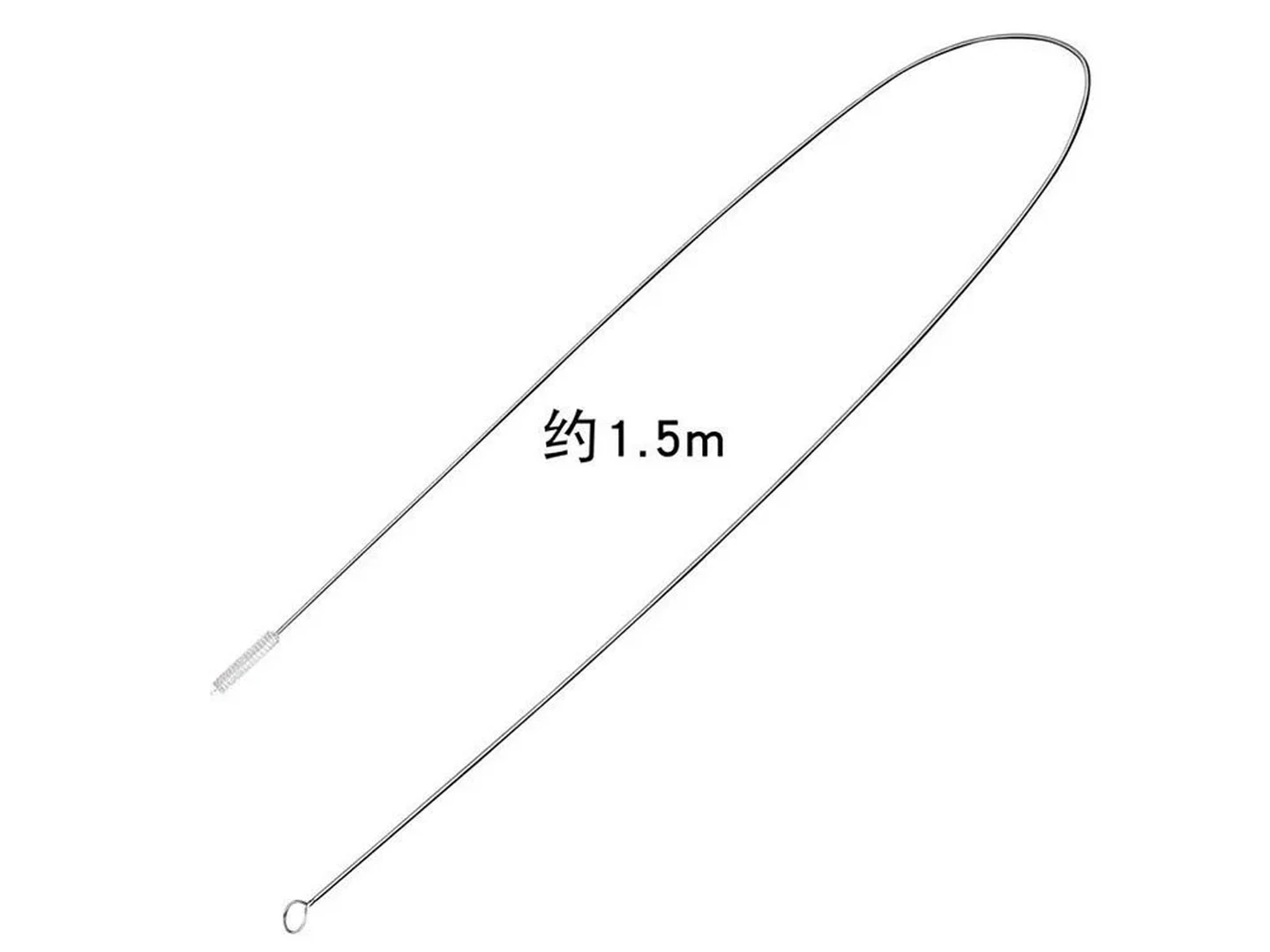
Small brush
500 pcs
Minimum order
Held in one hand: tube, bottle, detail and swab brushes — including long-handled ones with a small head.
Production lead time, once the specification is confirmed
- Up to 500 pcsWithin 7 days
- 501–50,000 pcsWithin 14 days
- Over 50,000 pcsWithin 21 days
Peak season can extend these times; the shipping date is confirmed in writing with your quotation. Sampling and shipping are quoted separately.
The Chiller Tube Brush is a twisted-in-wire tube cleaning brush built for water-cooled chiller condenser and evaporator tubes. It removes scale, silt, biofilm, and process deposits from straight tube bores while protecting copper, cupronickel, and stainless steel tube walls when the correct filament fill and interference are selected.
What can this brush do for you?
Removes fouling without attacking the tube wall
Filament options include nylon PA, SiC abrasive nylon, brass wire, and stainless steel wire. For copper and cupronickel tubes, brass wire and abrasive nylon remove scale and biofilm while limiting scoring; harder wire fills are reserved for stainless or steel tubes or heavy deposits. The brush cleans the deposit layer, not the tube.
Works with your existing chiller maintenance setup
Stem ends are available as plain shanks for drill chucks, threaded ends for extension rods, or loops for manual pulling. The brush can be used by hand for light cleaning or driven by a cordless drill or rotary tube cleaner for faster scale removal.
Handles wet, chemically treated water conditions
The twisted core and filament materials are selected to withstand constant water exposure, inhibited cleaners, and alkaline or acidic descaling solutions common in chiller service. Specify the cleaner and tube metallurgy, and the brush is built with compatible core and fill materials instead of corroding after a few passes.
One brush family covers the tube size range
Outside diameters from 3.2 mm to 50.8 mm cover small process lines, standard 5/8 in, 3/4 in, and 1 in chiller tubes, and larger heat exchanger bores. Multi-size tube bundles can be serviced with one standardized brush family and color-coded diameter bands if needed.
What is a Chiller Tube Brush?
A chiller tube brush is a twisted-in-wire tube brush: filament is trapped between two twisted wires along a brush section at the end of a stem. The operator inserts the brush into the chiller tube, rotates it by hand or with a drill, and pushes or pulls it through the bore. The filaments flex against the tube ID, loosening attached deposits, which are then flushed out with water or cleaning solution.
It is a mechanical cleaning tool for straight tube bores. It is not a chemical descaler, and it does not replace flushing. In a typical chiller maintenance sequence, the brush removes the attached layer; the flush carries the loosened material away. The right configuration depends on the tube ID, tube length, tube wall material, deposit type, and the rotation method used.
For curved passages, a flexible stem version can be configured; standard chiller tube brushes are intended for straight tube bundles.
Technical Specifications
All listed values are standard configuration ranges. The outside diameter, brush section, stem material, and filament fill are selected per tube ID, tube length, and deposit condition.
| Parameter | Standard range / options |
|---|---|
| Brush outside diameter | 3.2–50.8 mm, matched to chiller tube ID |
| Brush section length | 25–127 mm |
| Overall length | 152–406 mm; longer extension-rod configurations on request |
| Core / stem | Twisted single stem or double stem in galvanized steel, 304 stainless steel, or brass; threaded, loop, ring, or drill shank end |
| Filament materials | PA nylon, brass wire, stainless steel wire, SiC abrasive nylon |
| Filament diameter | 0.08–0.25 mm |
| Recommended interference | Near-size for wiping; 5–20% oversize for flexible polymer fill; lower oversize with wire fill |
| Tube wall compatibility | Copper, cupronickel, admiralty brass, stainless steel, titanium; filament aggression matched to tube material |
| Working environment | Water, inhibited chemical cleaners, alkaline or acidic descaling solutions used in chiller service |
| Use | Manual push/pull and rotation, cordless drill, or powered rotary tube cleaning machine |
| Brush type | Custom Tube & Pipe Bore Brushes |
| How it is driven | Hand-driven on rods or a flexible shaft |
| Cleaning target | water-cooled condenser tube, evaporator tube bundle, and tube sheet cleaning |
| Surface or part | tubes, bores, walls, tube walls, sheets, curved passages, ports, and bands |
| Residue or debris | scale, biofilm, silt, process deposits, mud, rust, carbon, and oil |
| Mounting / connection | Threaded Removable / Fixed |
Where does this brush work best?
- Water-cooled condenser tubes in centrifugal, screw, and scroll chillers, where calcium carbonate, silt, mud, and biofilm reduce heat transfer.
- Evaporator tube bundles that need low-aggression cleaning on copper or cupronickel surfaces during annual or semi-annual maintenance.
- Process cooling and heat exchanger tubes in industrial plants, where deposits include rust, carbon, powder, and process residue that wire or abrasive nylon fills can dislodge.
- Tube sheets, tube ends, ports, and short straight passes where a manual brush is faster than pulling or setting up a full tube cleaner.
- New tube installation and re-tubing prep, for removing chips, oil, and light mill scale from bores before startup or pressure testing.
How do I choose the right one?
Start with the tube bore, not the chiller model name. Two chillers with the same capacity can use different tube sizes, and the brush must match the actual ID.
Measure the tube ID and the brush OD
Use a caliper or tube gauge at the tube sheet. Nylon and abrasive nylon fills are usually selected 5–20% larger than the bore so the filaments press against the wall; wire fills run closer to near-size because they are stiffer and need less interference. A brush that is too large binds or bends the stem; one that is too small polishes without removing the deposit.
Match the filament to the deposit and tube wall
| Filament | Typical deposits | Best tube application |
|---|---|---|
| PA nylon | Soft mud, silt, oil, light biofilm | Light maintenance on copper or stainless tubes |
| SiC abrasive nylon | Calcium carbonate scale, light rust, mineral film, biofilm | Copper, cupronickel, stainless steel; moderate mechanical cleaning |
| Brass wire | Moderate scale, mud, light oxidation | Copper and cupronickel where scratching must be limited |
| Stainless steel wire | Heavy rust, carbon, hardened process deposits | Stainless steel or steel tubes; avoid thin-walled copper unless scoring is acceptable |
Match the stem and drive end to the cleaning method
Manual push-pull cleaning typically uses a loop or ring end; drill or rotary machine use single or double stem with a drill shank or threaded adapter. If the brush will be driven through a long tube bundle, select a double stem or extension rod configuration to reduce flex and maintain rotation.
When a chiller tube brush is not the right tool
If the tube has thick, hardened scale, brushing alone may not be enough; use chemical descaling first or pair brushing with a powered rotary tube cleaner and more aggressive abrasives. For curved passages, blind holes beyond the straight run, or coated tube bores, request a flexible stem or choose a different brush configuration. Brushing also does not replace flushing or chemical treatment; it prepares the surface for them.
Can I customize this brush?
Yes. Chiller tube brushes are configured to the tube and the maintenance method, not sold only in fixed stock sizes.
Adjustable parameters include:
- Outside diameter and brush section length for the tube ID and deposit zone
- Overall stem length, including extension-rod and long-bundle configurations
- Core and stem material: galvanized steel, 304 stainless steel, or brass; single or double stem
- Stem end: drill shank, threaded, loop, ring, or flexible extension
- Filament material, diameter, trim length, density, and abrasive grit
- Color bands, marking, and size identification for multi-size tube programs
- Packaging: bulk, individually bagged, maintenance kits, or label-ready retail packs
To define a custom configuration, provide the tube ID, tube length, tube wall material, deposit description, cleaning method, cleaning chemicals, and preferred stem connection. A tube sample, drawing, or failed brush photo helps us match wear conditions.
If the project requires material certifications, inspection reports, or third-party testing, we can assist with those requirements during the customization process.
What size should a chiller tube brush be, and how long does it last?
How do I verify the brush diameter fits my chiller tubes before putting it into service?
Measure the tube ID at the tube sheet with a caliper or tube gauge. The brush should slide through a dry tube section under moderate hand force and show full filament contact. If it needs to be forced or the stem bows, the brush is too large. If the core passes through with almost no filament drag, the brush is too small or the fill is worn.
Can a chiller tube brush remove hard calcium scale by itself?
It removes light to moderate scale and biofilm well, especially with SiC abrasive nylon or wire fill. Heavy, rock-hard scale often resists hand brushing and should be softened with chemical descaling or removed with a powered rotary tube cleaner. Brushing after chemical treatment is a common and effective sequence.
Which filament should I use on copper chiller tubes?
For copper and cupronickel tubes, brass wire and SiC abrasive nylon are the most common choices. They remove deposits while keeping the risk of scoring lower than stainless steel wire. Stainless steel wire is better suited to stainless or steel tubes, or to heavy rust and carbon where the tube wall can tolerate more aggressive contact.
Can I run this brush on a cordless drill or rotary tube cleaner?
Yes, when the stem end is configured as a drill shank or threaded adapter. Keep rotation speed moderate, keep the brush moving along the tube, and use a stop collar or marked depth if you need to prevent the brush from impacting the far header. A bent or wobbling stem means the interference or speed is too high.
What should I do after brushing?
Flush each tube thoroughly with clean water or the specified rinse solution to carry away loosened deposits. For chemical cleaning programs, follow the chemical supplier’s neutralization and rinse procedure. Brushing is the mechanical loosening step; the flush completes the deposit removal.
How do I know when a chiller tube brush is worn out?
Check the brush section before each use. Replace it when filament length is visibly reduced, the OD no longer contacts the tube wall, fill material has pulled out, the core is bent or kinked, or the stem shows corrosion. A worn brush extends cleaning time and leaves deposit behind in the tube.
Guides that go deeper on this
How to Choose Chiller Tube Brush
Read this guideGuideWhen to Use a Chiller Tube Brush in Heat Exchanger Tubes
Read this guideGuideWhen to Use a Chiller Tube Brush in Scheduled Maintenance
Read this guideGuideWhen to Use a Chiller Tube Brush in Small Bores
Read this guideGuideHow to Maintain Chimney and Boiler Tube Brushes in Production
Read this guideGuideHow to Maintain Tube Brushes for Plastic Processing Lines
Read this guideCustom Manufacturing RFQ
Describe Your Application
Send the key measurements, cleaning requirement, residue, material direction, mounting method, quantity, and drawing or photo.
Drawing or photo optional — it speeds things up, it does not gate the enquiry.
Custom Brush RFQ
Send Your Brush Project
Upload a drawing, product photo, or sample photo and provide the core dimensions and cleaning conditions.
“We need a brush to remove wet residue from a stainless steel conveyor, about 800mm wide. The current brush wears quickly. We can send photos.”
“We sell drinkware and need a cleaning brush to include with the product. Quantity around 5,000 pieces.”