
Custom Cleaning Brush
Industrial Filter Element Cleaning Brush
Configure flat, radial, cylindrical, basket, and frame filter cleaning brushes in PBT, PP, or nylon.
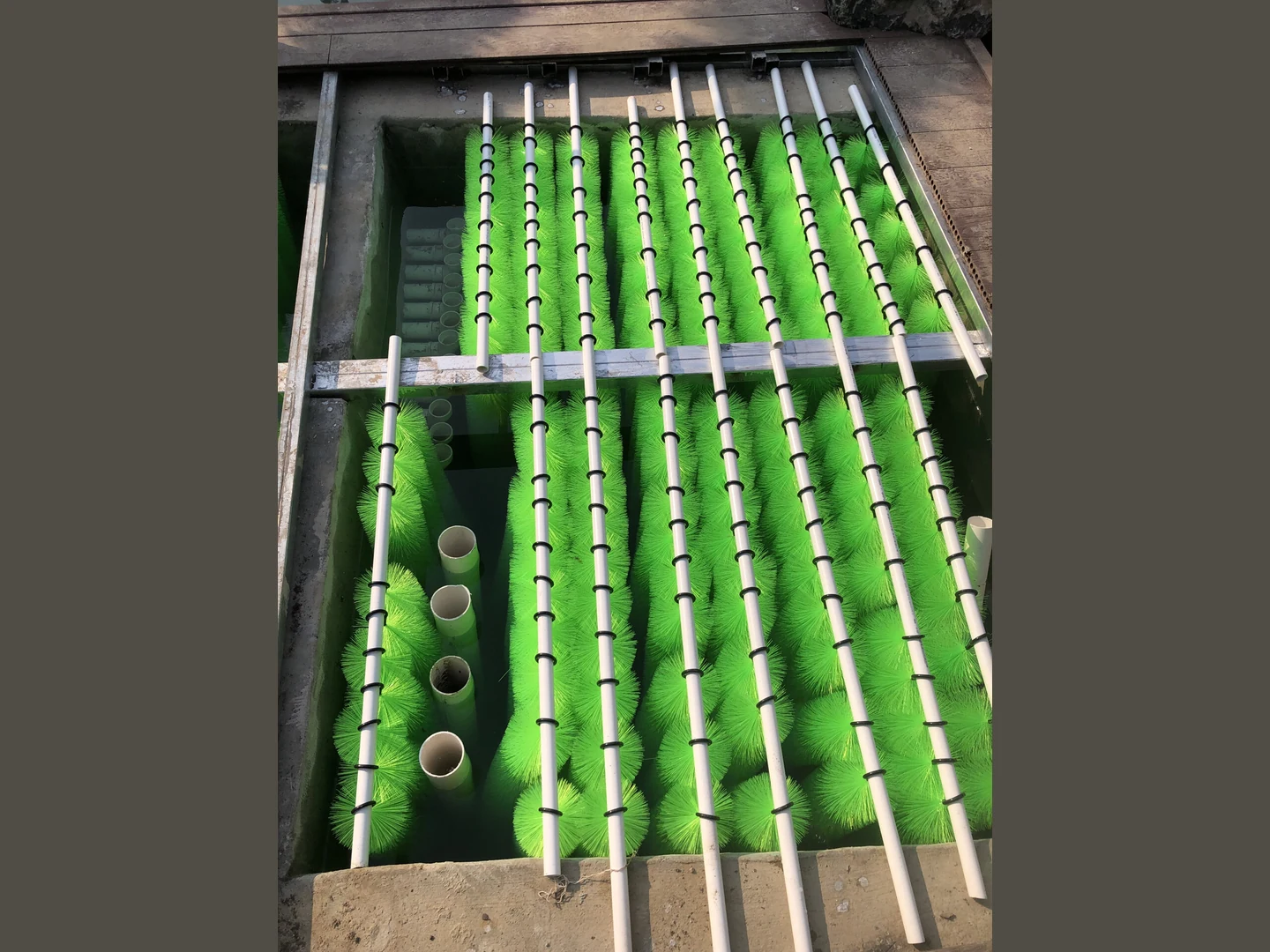
Small brush
500 pcs
Minimum order
Held in one hand: tube, bottle, detail and swab brushes — including long-handled ones with a small head.
Production lead time, once the specification is confirmed
- Up to 500 pcsWithin 7 days
- 501–50,000 pcsWithin 14 days
- Over 50,000 pcsWithin 21 days
Peak season can extend these times; the shipping date is confirmed in writing with your quotation. Sampling and shipping are quoted separately.
A configurable industrial cleaning brush for pleated cartridges, screen elements, and filter frames in dust collectors, hydraulic circuits, and process equipment — engineered to loosen dust cake, powders, oil film, and embedded particles without tearing filter media or reshaping screen apertures.
What can this brush do for you?
Reaches the Bottom of Narrow Pleat Channels
Free trim lengths from 10 mm keep filament ends short enough to bottom out in pleat valleys without waving across adjacent pleat crowns. Operators can work the full media face instead of cleaning only the outer peak.
Lifts Surface Cake Instead of Grinding It Deeper
Straight, crimped, or flagged filament tips engage the residue at the media surface and break it loose for vacuum or rinse removal. The brush leaves a loosened layer that can be removed, not a compacted layer pushed into the pores — the usual failure mode with stiff generic brushes.
Keeps Screen and Wedge-Wire Openings at Rated Size
Filament diameters from 0.20 mm to 0.60 mm are selected at or below the smallest aperture, so the fiber flexes instead of wedging inside the hole. Metal mesh and wedge-wire elements hold their opening size after repeated cleaning cycles.
Follows the Filter’s Actual Contact Path
Flat, radial, cylindrical, basket, and frame-shaped heads are shaped for how the filter is built. The brush matches the inside diameter of a cartridge, the face of a panel, the slots of a screen frame, or the contour of a strainer basket — one controlled pass instead of twisting a one-size brush into place.
Stands Up to Wet and Chemical Cleaning Stations
PBT and polypropylene fill retain stiffness in hot-water, alkaline, and solvent cleaning. Nylon PA is available for dry, abrasive dust loading where wear resistance is the priority. The fill material follows the cleaning process, so the brush does not soften mid-wash.
What is an Industrial Filter Element Cleaning Brush?
An Industrial Filter Element Cleaning Brush is a dedicated maintenance tool for recovering filter elements between replacement intervals. It uses an engineered filament array — not rags, compressed air, or generic hand brushes — to remove process residues from pleats, screens, perforated cores, and support frames.
The brush is built around a specific contact path. The backing or hub holds each filament at a controlled angle, trim length, and density, so pressure goes into the residue layer instead of bending across the media. Flat and frame heads scrub panel and screen faces; radial and cylindrical heads rotate through cartridge interiors; basket and tank forms follow curved strainer bodies.
It can be supplied as a fixed-handle brush for bench inspection stations, an extension-handled brush for reaching filters inside housings, or a spindle-mounted head for powered rotary cleaning. The correct configuration depends on the filter form, pleat pitch, media type, aperture size, residue, and cleaning method — not on a nominal filter part number alone.
This is a surface-cleaning tool. It does not reverse deep-bed loading or replace reverse-pulse, vacuum, ultrasonic, or chemical cleaning, and it should not be used on membrane or HEPA-grade media where fiber disturbance is unacceptable.
Technical Specifications
The table shows the dimensional range and material options for a standard industrial filter element cleaning brush. All values can be adjusted to the filter family in your program.
| Parameter | Typical value / options |
|---|---|
| Head form | Flat, radial, cylindrical, basket, tank, or frame-shaped |
| Mesh-contact head width | 20–120 mm |
| Working section length | 50–250 mm |
| Overall reach | 180–500 mm for hand-held and extension-handle configurations |
| Free trim length | 10–50 mm, set by pleat depth or screen clearance |
| Filament diameter | 0.20–0.60 mm, selected at or below screen aperture or pleat pitch |
| Filament material | PBT, polypropylene (PP), nylon PA (6/66) |
| Bristle tip treatment | Straight, crimped, flagged, or feathered, by media sensitivity |
| Backing / core | Polypropylene block, molded hub, stainless steel shaft, or channel back |
| Mounting interface | Fixed handle, extension shaft, or spindle end for powered rotary cleaning (project-specific) |
| Operating environment | Fill and backing selected for cleaning solvent, wash temperature, and washdown exposure |
| Brush type | Custom Handheld Detail Brushes |
| How it is driven | Hand-guided |
| Cleaning target | pulse-jet dust collector cartridge, hydraulic and lubrication filter element, and liquid strainer basket and screen frame cleaning |
| Surface or part | filters, screens, frames, pleats, panels, baskets, housings, and metal |
| Residue or debris | dust, fiber, dust cake, powder, particles, pitch, scale, and embedded particles |
| Mounting / connection | Fixed handle, extension shaft, or spindle end for powered rotary cleaning (project-specific) |
When checking fit, the two most important numbers are free trim length and filament diameter. A trim that is too long waves across narrow pleats; a filament that is too thick wedges in small apertures and can distort the opening.
Where does this brush work best?
- Pulse-jet dust collector cartridges where reverse-pulse cleaning still leaves residual dust cake in pleat valleys and on pleat shoulders.
- Hydraulic and lubrication filter elements carrying sludge, varnish, and oxide on pleated depth media, end caps, and metal perforated cores.
- Wedge-wire and sintered screen elements with process fibers, scale, or particulates packed into openings; brush filaments are sized below the aperture to avoid wedging.
- Liquid strainer baskets and screen frames in process lines, where basket and frame-shaped heads clean the inside face and slot areas.
- Intake and compressor filter housings where dry powder, fibers, and loose dust collect on mesh panels and support grilles.
- Filter rebuild and inspection stations where elements are cleaned, inspected for damage, and either returned to service or scrapped.
How do I choose the right one?
Select the configuration from the filter geometry first, then the residue, then the cleaning method.
Start from the filter geometry, not the part number
Measure the cartridge OD or ID, pleat pitch and pleat depth, screen aperture, and how much reach is needed inside the housing. A cylindrical element needs a radial or cylindrical head that follows the inside contour; a flat panel needs a flat or frame head. The part number may cover multiple configurations.
Size trim length and filament diameter to the pleat and aperture
Narrow, deep pleats need short trim, typically 10–20 mm, so the filament tips bottom out without folding across neighboring pleats. Open mesh and screen frames can use longer trim, 30–50 mm, for more aggressive reach. Choose a filament diameter at or below the smallest opening so it flexes out rather than wedging. For fragile nonwoven depth media, flagged or feathered tips reduce fiber damage.
Pick the filament material for the residue and cleaning chemistry
- PBT — preferred for wet cleaning, solvents, hot water, and chemical washdown where dimensional stability and low water absorption matter.
- Polypropylene — good chemical resistance at lower cost, used in acid/alkali washing and general screen cleaning where temperatures stay moderate.
- Nylon PA — best dry-wear life on abrasive dust and scale particles, but it absorbs moisture; avoid prolonged hot-water or steam duty, where PBT is safer.
Choose reach and interface for the operator’s access
Bench cleaning can use a short fixed handle. In-housing access may need 300–500 mm of overall reach with a rigid shaft so the operator can control brush contact. Powered rotary cleaning uses a cylindrical head on a spindle matched to station RPM.
When this brush is not the right tool
- Membrane, HEPA-grade, or ultra-fine filtration media: brushing can disturb the fiber structure. Use vacuum, low-pressure reverse flow, ultrasonic, or a chemical process instead.
- Hard mineral scale, carbonized deposits, or heavy rust on metal screens: polymer filament will polish but not remove the deposit. Use a brass or steel wire brush only on the metal support frame or heavy mesh — never on pleated media or fine screens.
- Deep-bed filters where contaminant is loaded far below the surface: surface brushing cannot restore rated flow. Check differential pressure after cleaning and replace the element if it does not return close to the clean baseline.
Can I customize this brush?
Yes. Industrial filter cleaning brushes are normally configured for a filter family because pleat pitch, screen aperture, cartridge diameter, and residue change what the head should look like. A one-size stock brush usually either misses the pleat valley or wedges the aperture.
We can adjust:
- Head geometry — form, contact width (20–120 mm), working length (50–250 mm), contour, cutouts, and notches to clear support ribs or end caps.
- Filament package — material, diameter, free trim length, staple density, tip treatment, and color.
- Backing and interface — polypropylene block, molded hub, stainless steel shaft, extension tube, handle grip, or spindle end for powered cleaning.
- Marking and packaging — part number, color coding by residue class, and bulk, labeled-bag, or kitting requirements.
To configure the brush, include the filter element drawing, OD/ID and length, pleat pitch and depth, screen aperture and wire diameter, media type, residue description, cleaning method (dry vacuum, solvent wipe, wet wash), and required reach. A sample filter element or photo helps confirm the contact path.
If your purchase program requires material documentation, inspection criteria, or third-party test support for the brush, include that requirement in the request so it can be planned into the project.
When is an industrial filter element cleaning brush worn out rather than just dirty?
How can I tell if the brush is damaging pleated filter media?
After the first cleaning, inspect several pleats under strong light and run a fingertip or magnifier over the surface. If you see pilling, fuzz, torn fibers, or crushed pleat edges, the filament is too stiff, the trim too long, or pressure too high. Switch to a finer filament, flagged or feathered tips, or shorter trim before continuing.
Can the same brush be used on dry dust and oily sludge filters?
It is not recommended. Oil-loaded filament picks up abrasive particles and can transfer them to dry media on the next cleaning. Keep separate brushes for dry and wet residues, or fully degrease and dry the brush between uses. When cross-contamination is controlled, label the brushes by residue class.
What brushing pattern works best on a pleated cartridge?
Work along the pleat direction from the open end toward the closed end with short overlapping strokes, not back and forth across the pleat crowns. For radial or cylindrical heads on round elements, rotate the head around the circumference while moving axially. Perpendicular scrubbing across pleats folds and abrades the tips.
How do I verify that cleaning actually recovered the filter?
Record the clean-element differential pressure baseline when the filter is new. After cleaning and reinstalling, run at normal flow and compare pressure drop. If the cleaned element returns close to baseline, surface work recovered the media. If pressure stays high or flow stays low, contaminant is embedded deeper than brushing can reach, or the media has been damaged.
Does this brush replace reverse-pulse, vacuum, or ultrasonic cleaning?
No. The brush loosens surface residue, but it does not remove deep-bed loading and it does not remove loosened debris by itself — vacuum, rinse, or pulse is still required. It works as a step in the cleaning sequence, often after reverse-pulse and before vacuum, or as a pre-cleaning step before ultrasonic wash.
What is the temperature limit for wet cleaning with this brush?
It depends on the fill. Polypropylene is limited to lower washdown temperatures; PBT withstands hot water and steam condensate much better; nylon PA absorbs moisture and can soften during prolonged hot-water immersion, so reserve it for dry service. Confirm your actual solvent concentration and wash temperature before finalizing the fill material.
Guides that go deeper on this
Drain Filter Brush: What Decides Diameter and Reach?
Read this guideGuideHow to Choose Drain Filter Brush for Curved Pipes
Read this guideGuideHow to Choose Mesh Filter Brush
Read this guideGuidePool Filter Brush: Specs for Pond Pumps
Read this guideGuidePool Filter Brush: What Clears Leaves and Sludge?
Read this guideGuideCleaning, Drying, and Storing Industrial Brushes
Read this guideGuideFilter and Screen Cleaning Brush Design
Read this guideRELATED BRUSH RESOURCES
Recommended Reading & Related Brush Resources
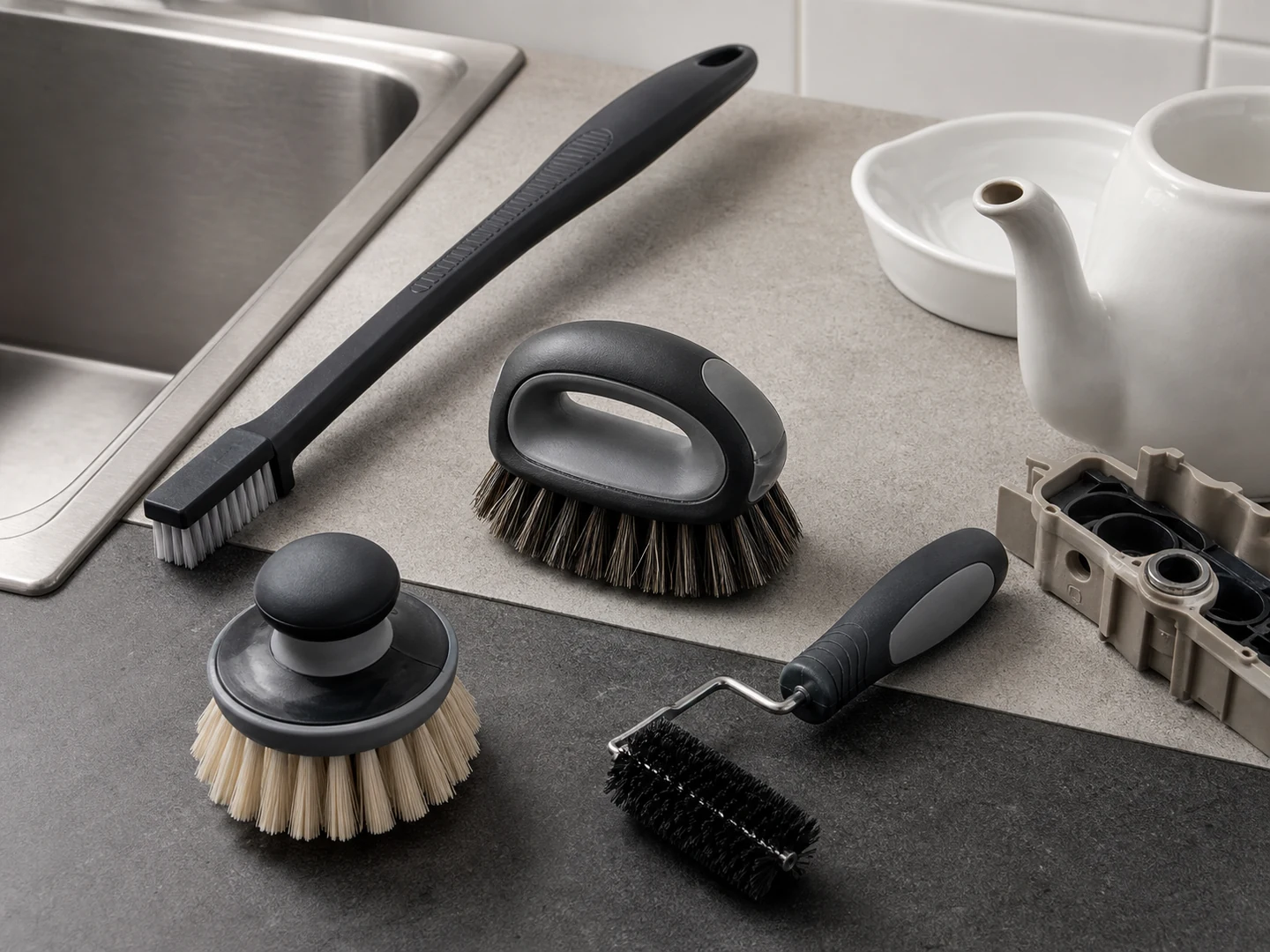
Custom Handheld Detail Brushes
Choose a handheld detail brush when you need direct control in seams, recesses, fittings,…
See how this type is built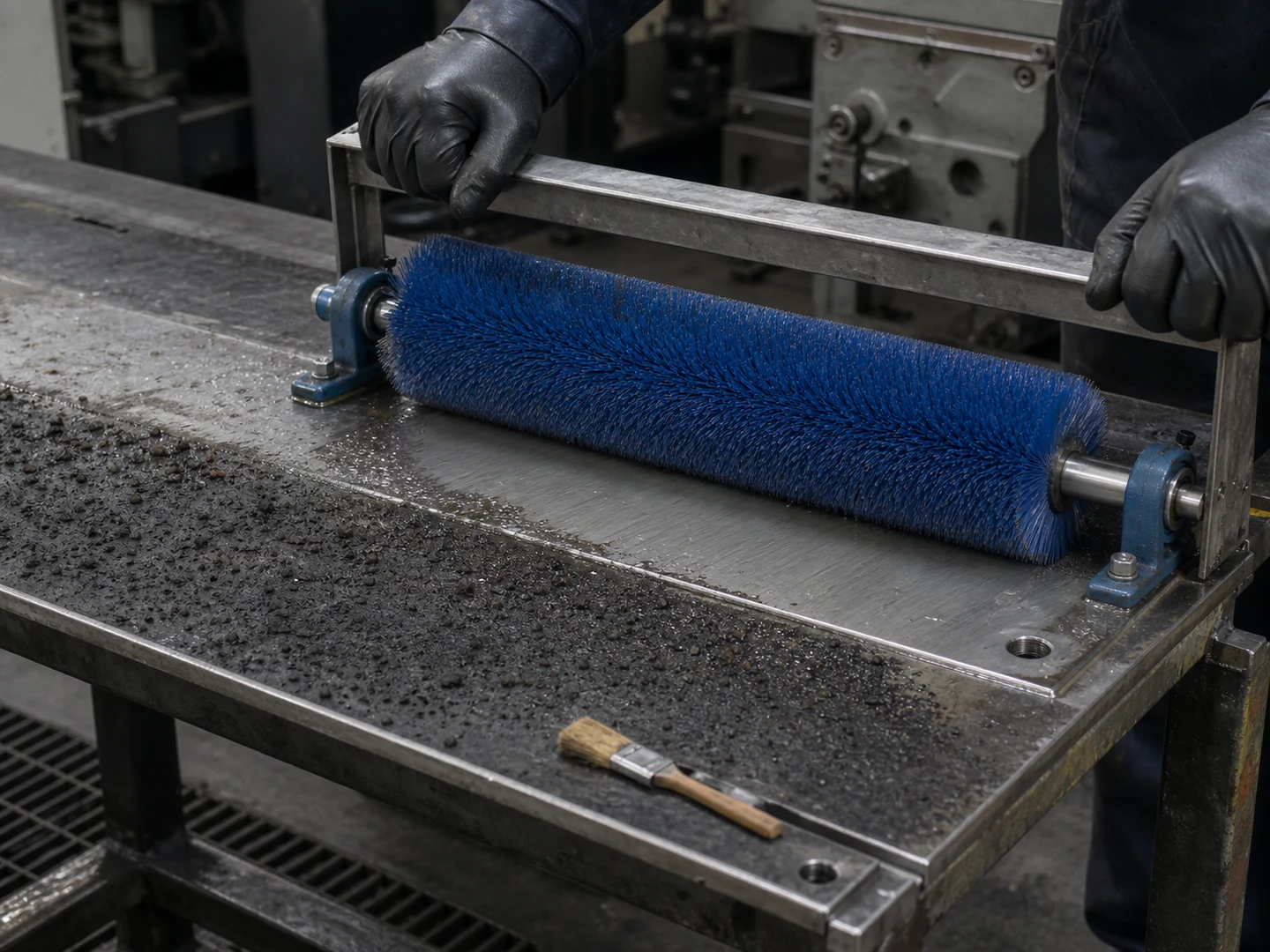
Industrial Machine Cleaning
For Industrial Machine Cleaning, the brush must reach the working area, disturb or collect…
See the cleaning job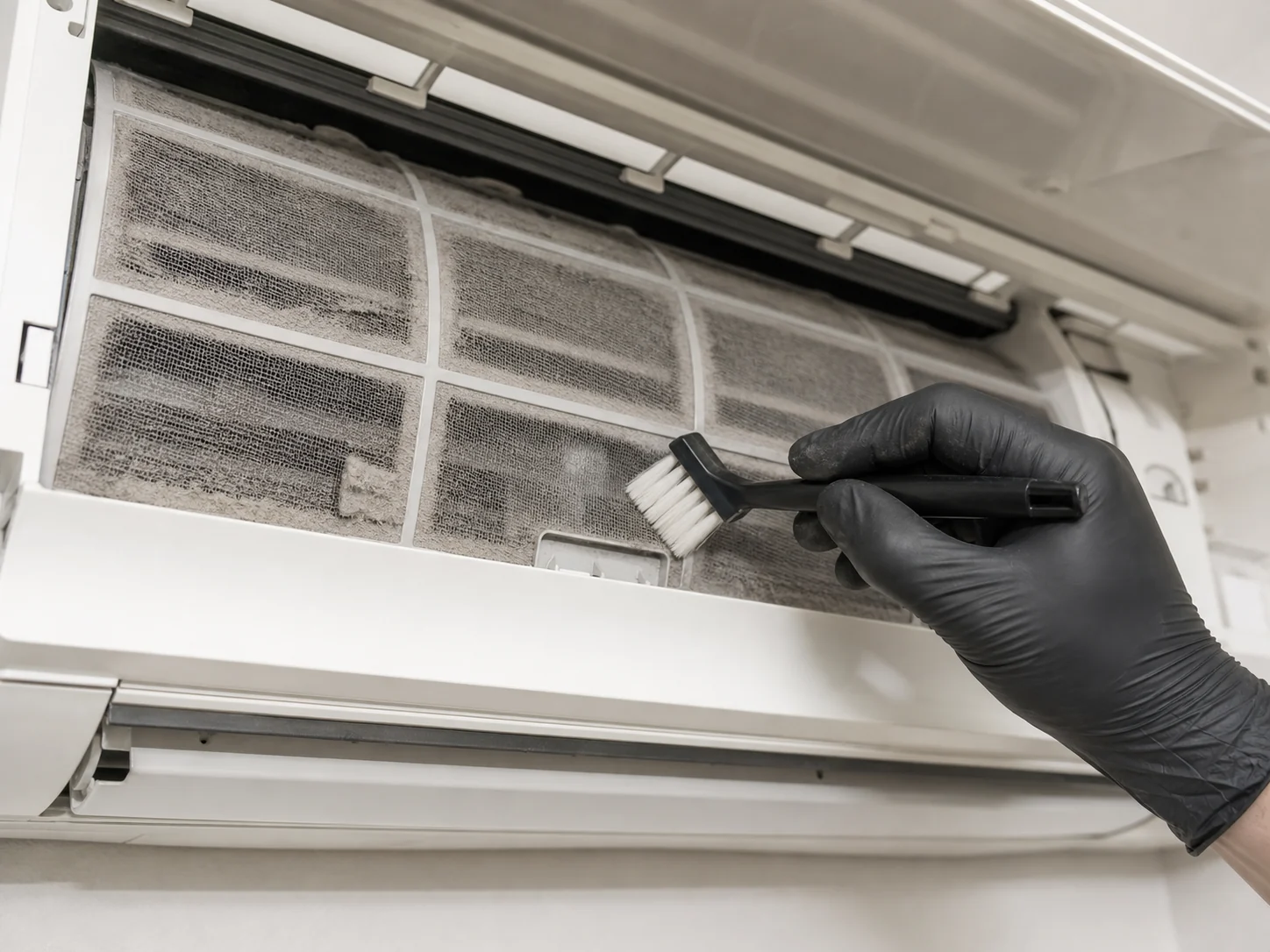
Air Conditioner Filter Cleaning
For Air Conditioner Filter Cleaning, the brush must reach the working area, disturb or…
See the cleaning job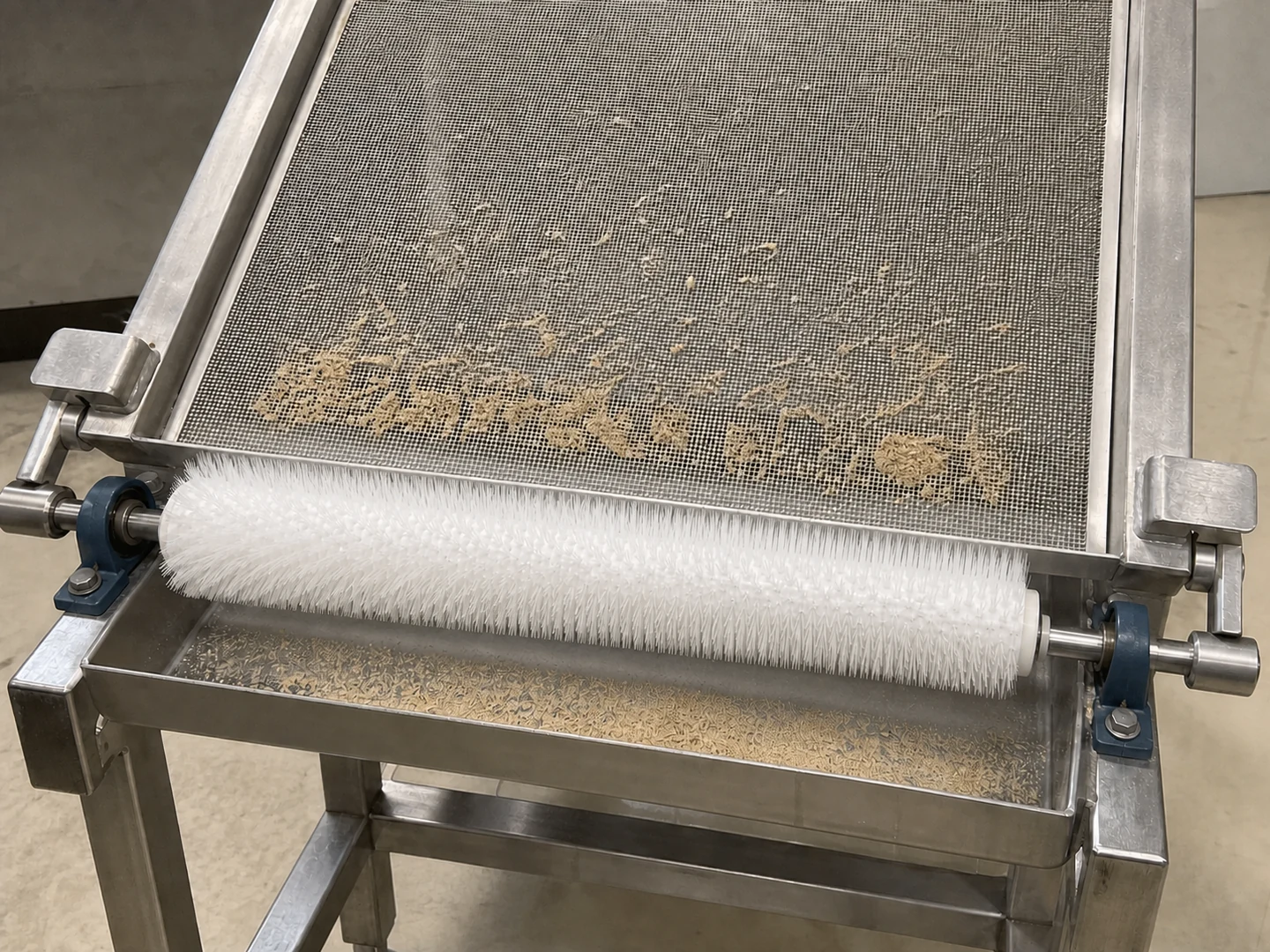
Screen & Sieve Cleaning
For Screen & Sieve Cleaning, the brush must reach the working area, disturb or…
See the cleaning job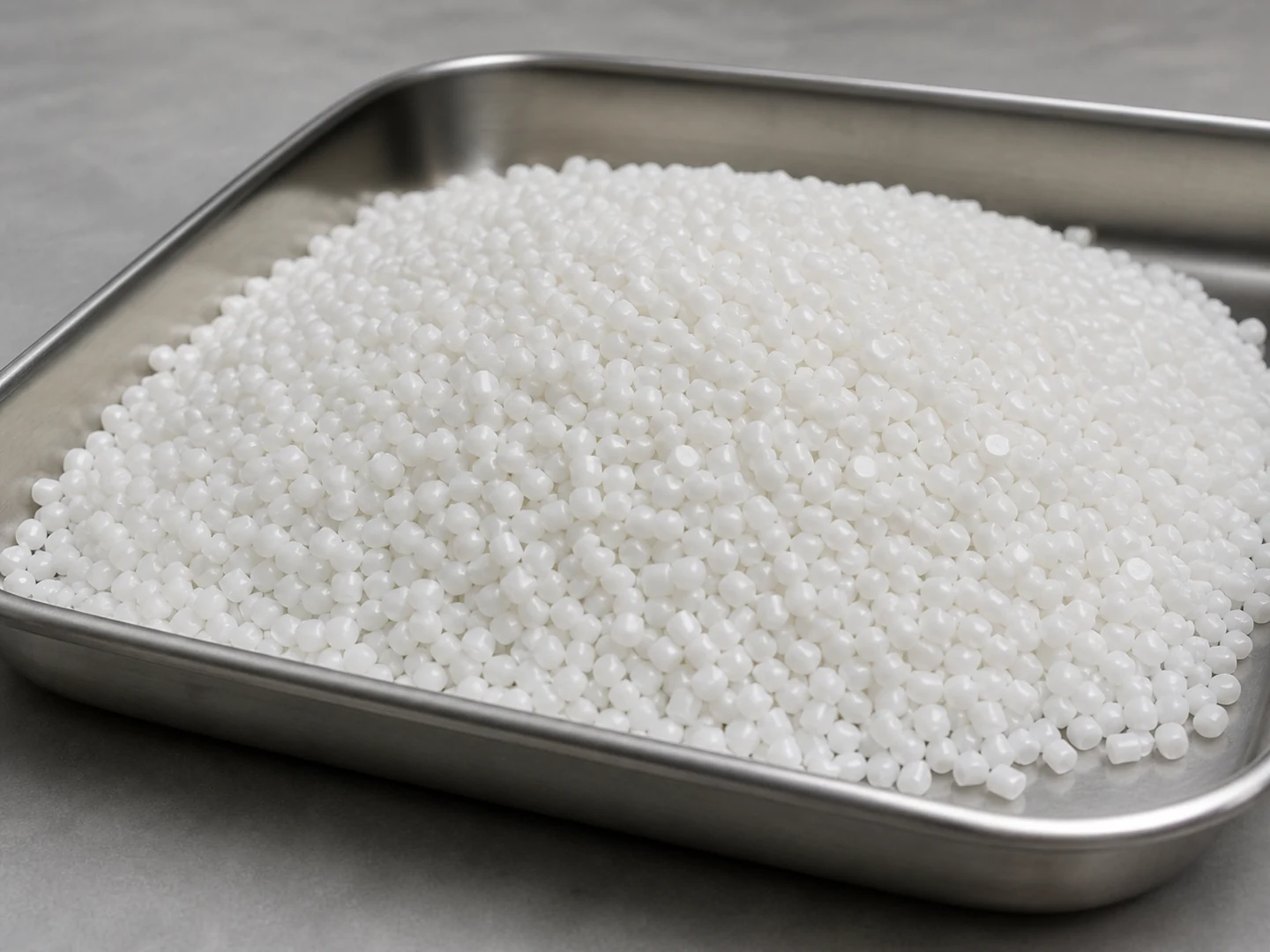
Polypropylene PP
Choose Polypropylene PP based on its stiffness, recovery, wear, wet-service, chemical, and temperature behavior.…
Compare this material
Nylon PA
Choose Nylon PA based on its stiffness, recovery, wear, wet-service, chemical, and temperature behavior.
Compare this material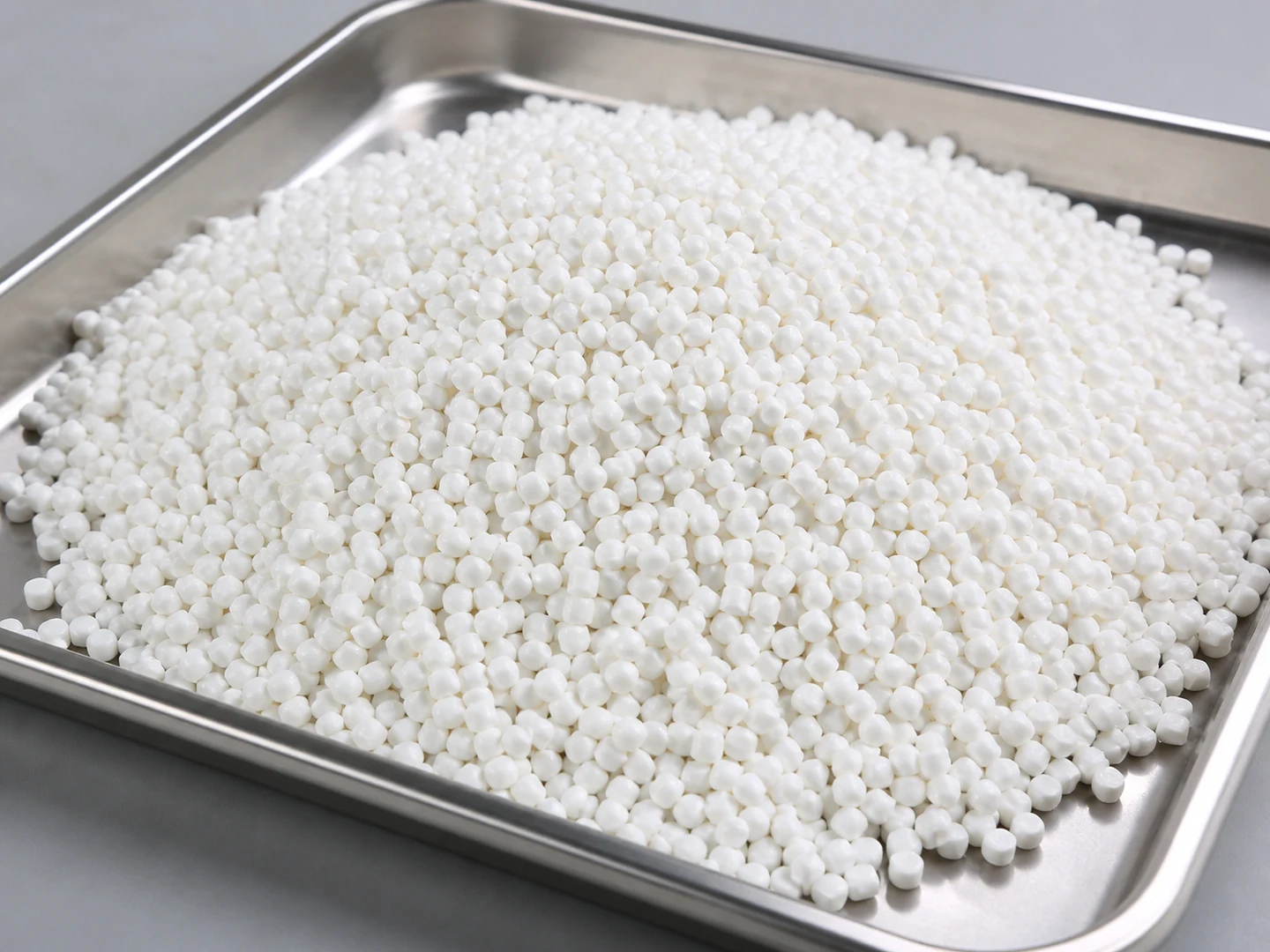
PBT
Choose PBT based on its stiffness, recovery, wear, wet-service, chemical, and temperature behavior. Do…
Compare this material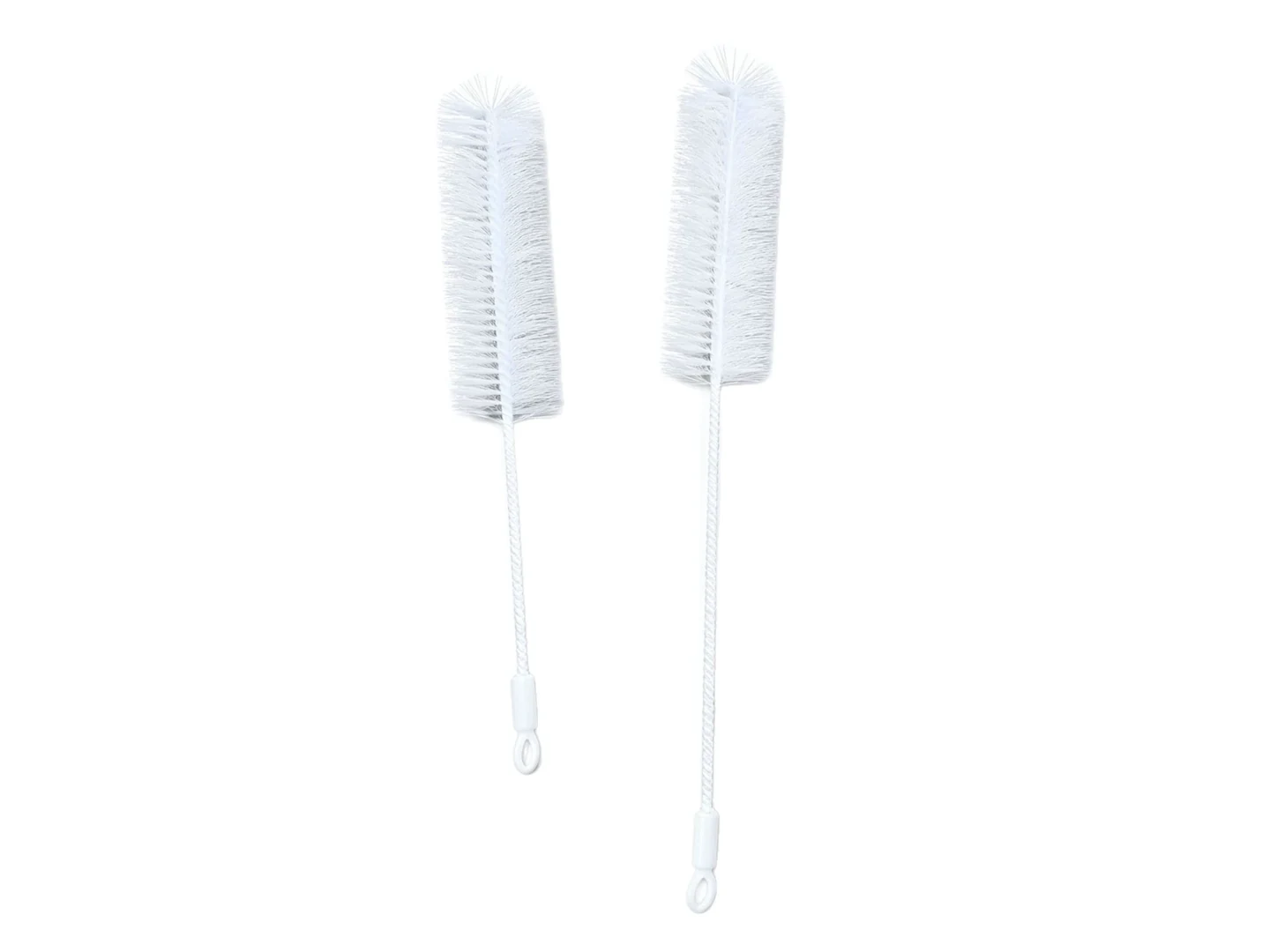
Dust Collector Filter Element Cleaning Brush
Dust collector filter element cleaning brush with soft nylon filaments for pleated cartridge and…
Compare the specificationCustom Manufacturing RFQ
Describe Your Application
To prepare the correct quotation, provide the dimensions, cleaning task, residue, material, mounting details, quantity, and a drawing or photo.
Drawing or photo optional — it speeds things up, it does not gate the enquiry.
Custom Brush RFQ
Send Your Brush Project
Upload a drawing, product photo, or sample photo and provide the core dimensions and cleaning conditions.
“We need a brush to remove wet residue from a stainless steel conveyor, about 800mm wide. The current brush wears quickly. We can send photos.”
“We sell drinkware and need a cleaning brush to include with the product. Quantity around 5,000 pieces.”